Encyclopedia
Definitive guides for crops, pests, and agricultural diseases.

Nut weevils
Nut weevils are destructive beetles that infest nut crops by boring into developing nuts, causing significant yield losses and quality degradation. This guide provides comprehensive diagnostics, lifecycle insights, organic management strategies, and prevention tactics for growers facing these persistent pests. Effective control hinges on early detection, cultural practices, and integrated organic approaches to protect high-value nut orchards.
View Profile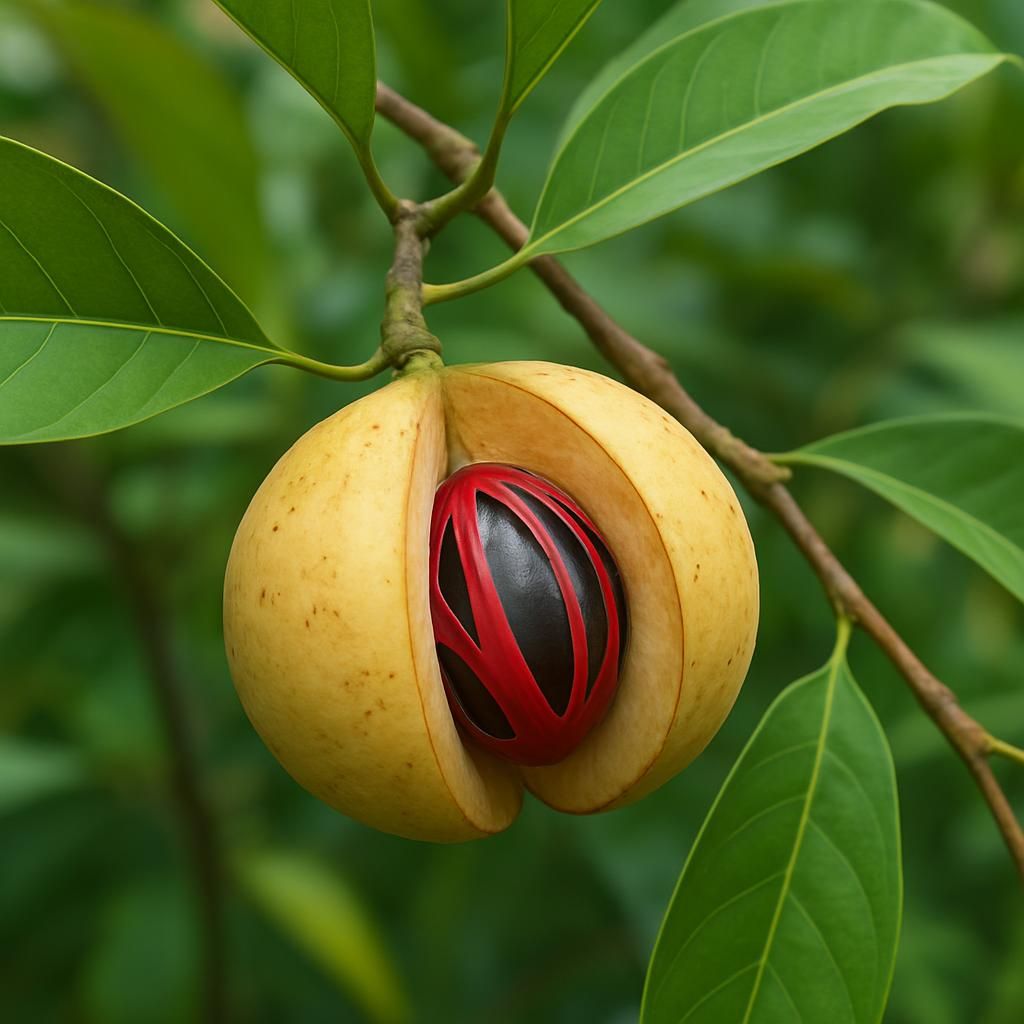
Nutmeg (Myristica fragrans)
Nutmeg (Myristica fragrans) is a tropical evergreen tree cultivated primarily for its aromatic seed and aril (mace), requiring 8–12 years to reach commercial production. This comprehensive guide covers optimal soil, climate, propagation, care schedules, pest and disease management, harvesting, curing, storage, and companion planting strategies for professional growers.
View Guide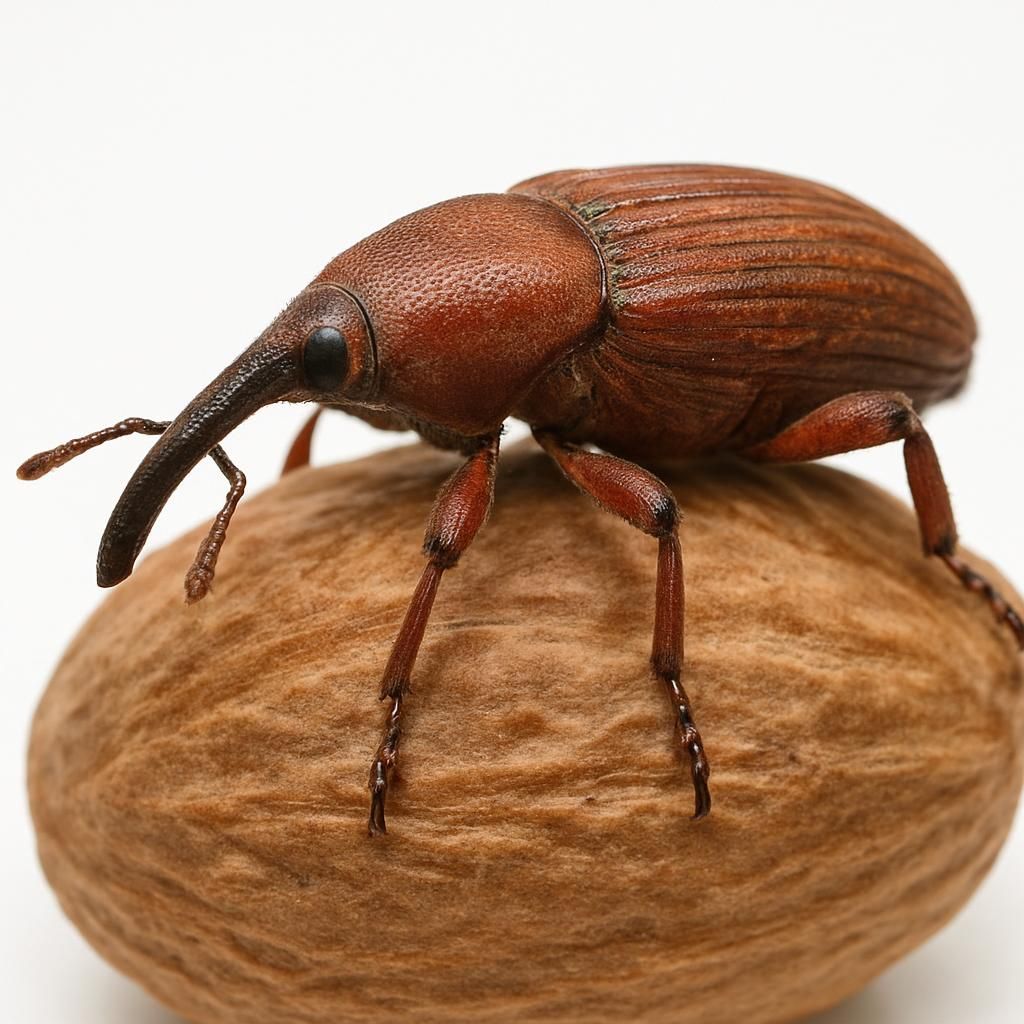
nutmeg weevil
The nutmeg weevil is a specialized beetle pest that targets nutmeg and related spice crops, causing significant seed and pod damage through larval boring. Early identification and integrated management are critical to protect yields in tropical plantations.
View Profile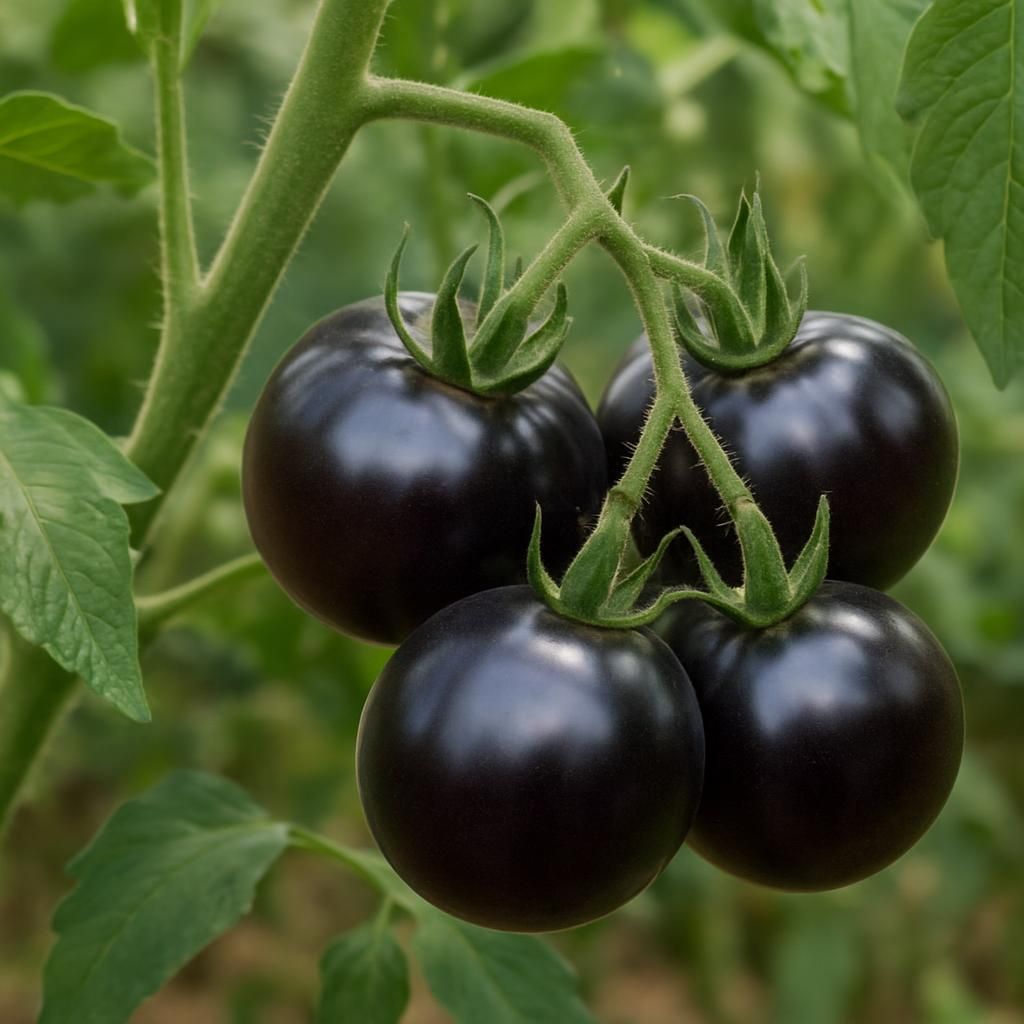
Nyagous Tomato
Nyagous Tomato is a rare, black-fruited heirloom variety prized for its exceptional flavor, high antioxidant content, and reliable performance in home and small-farm gardens. This indeterminate cultivar produces medium-sized, dusky-purple to nearly black tomatoes with rich, complex sweetness balanced by subtle acidity. Its vigorous growth and disease resistance make it a standout choice for organic and conventional growers seeking unique market varieties.
View Guide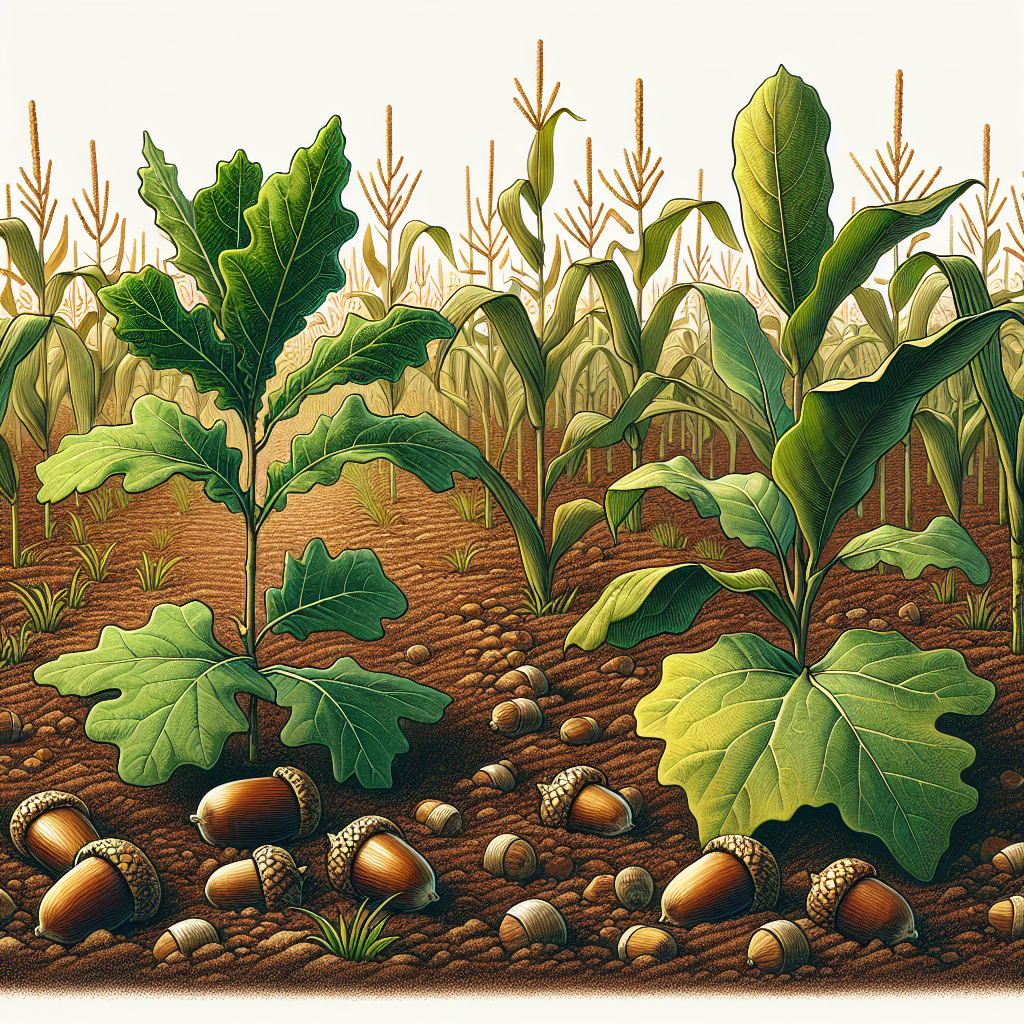
Oak
Oak trees (Quercus spp.) are often perceived as beneficial landscape features but can become invasive agricultural pests when they encroach on crop fields, competing aggressively for water, nutrients, and sunlight. This guide provides definitive diagnostics for oak-related damage and proven organic management strategies to protect yields. Farmers can reclaim productivity with targeted prevention and control measures.
View Guide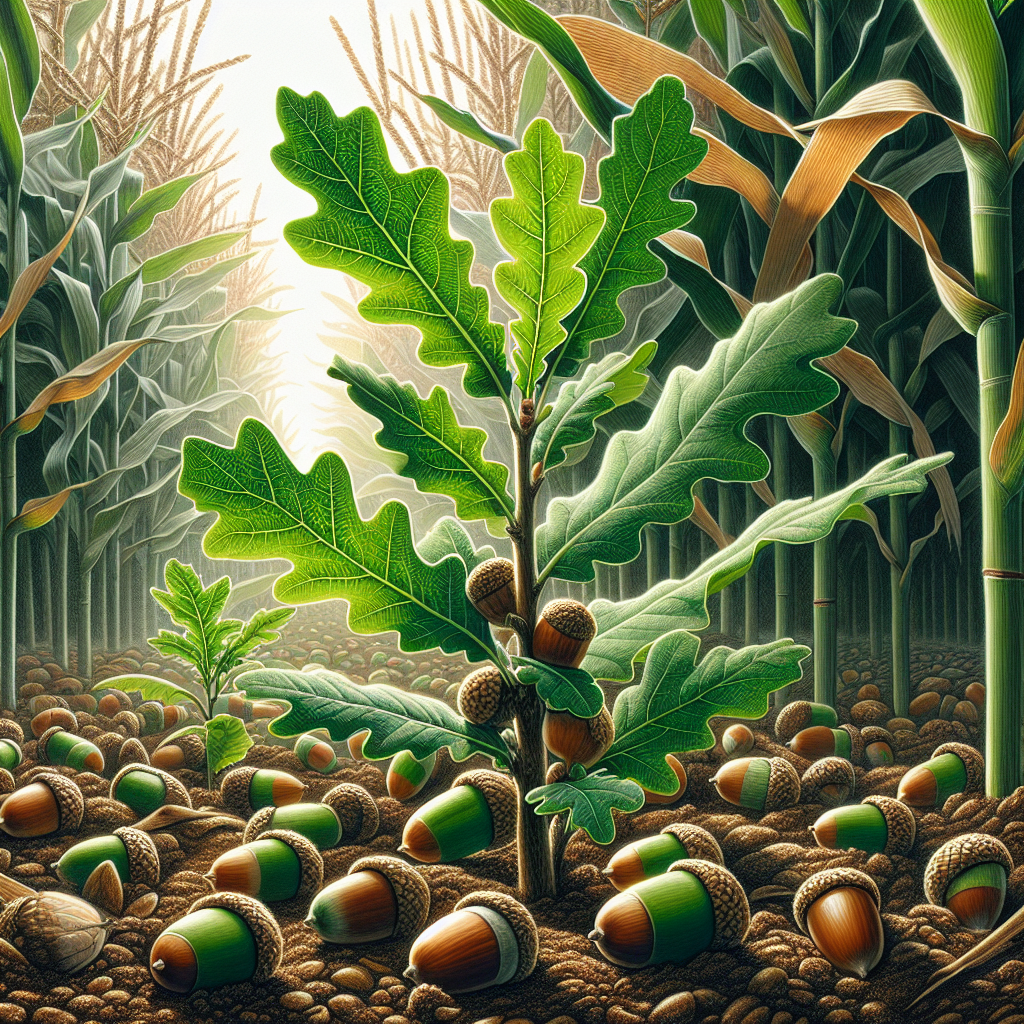
oak (tree)
Oak trees (Quercus spp.) are majestic hardwood species often considered invasive in agricultural settings where they compete aggressively with crops for water, nutrients, and sunlight. This guide provides definitive diagnostic and management strategies for controlling oak tree encroachment in farmlands, orchards, and plantations. Learn to identify, manage, and prevent oak tree invasions to protect your yields.
View Guide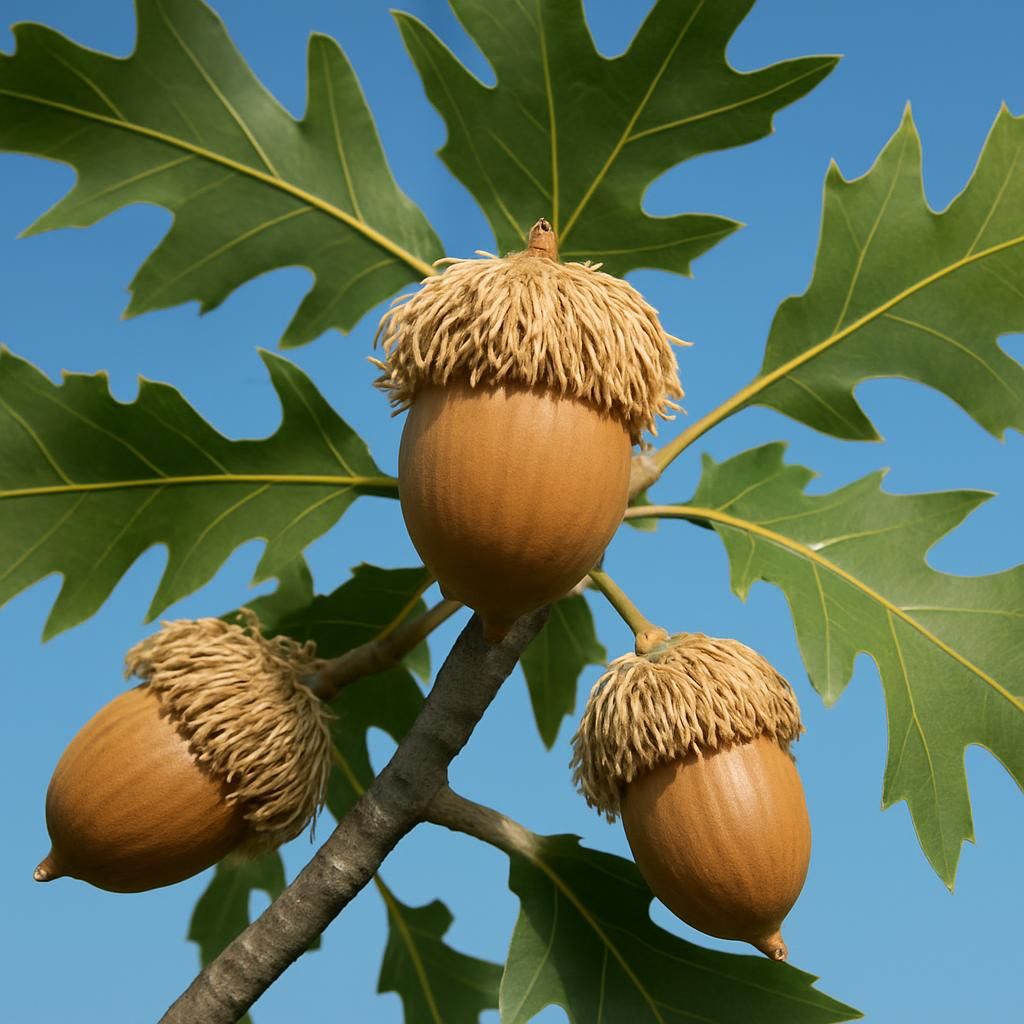
Oak Acorn (Bur Oak)
Bur Oak is a long-lived, drought-tolerant North American hardwood prized for its massive acorns and exceptional hardiness. This definitive guide covers soil preparation, planting techniques, seasonal care, pest management, harvesting, and companion strategies for successful cultivation.
View Guide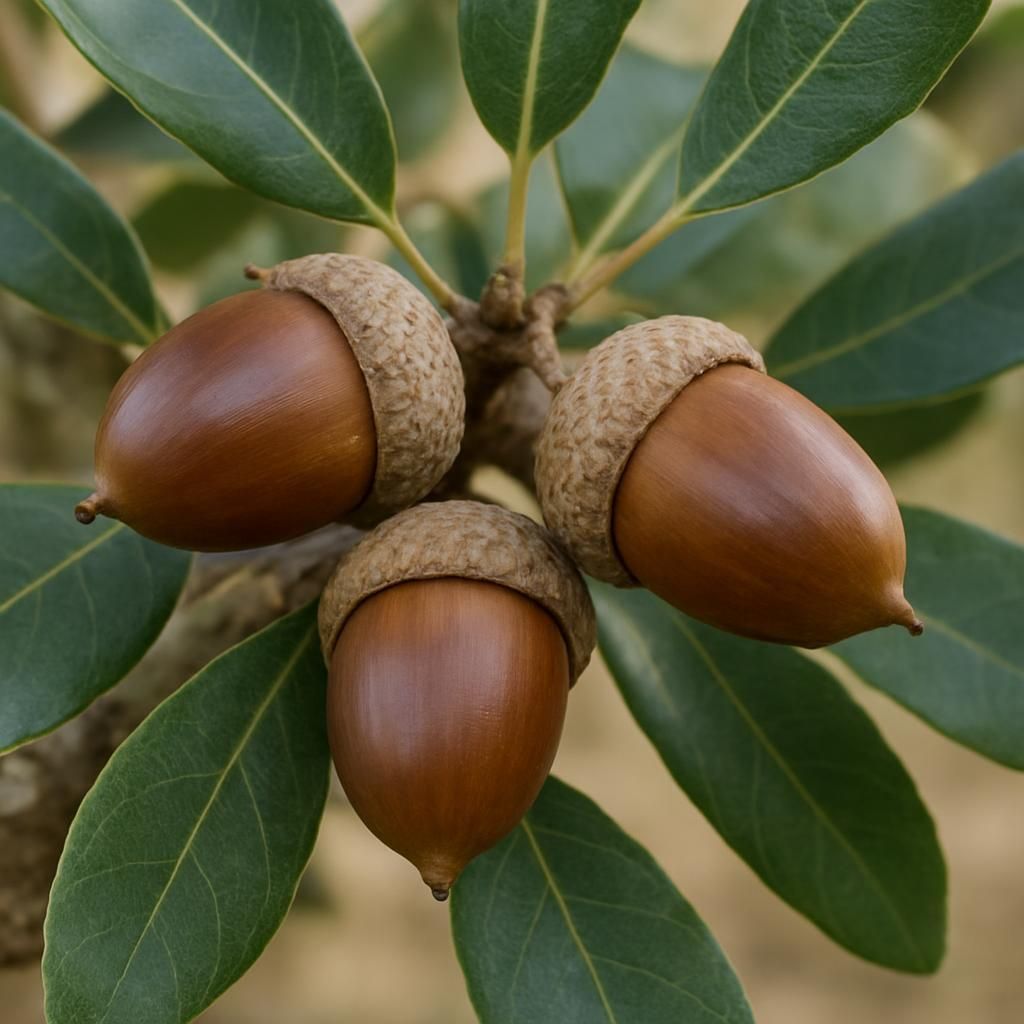
Oak Acorn (Live Oak)
Live Oak (Quercus virginiana) is an iconic evergreen oak of the southeastern United States valued for its majestic canopy, longevity, and nutrient-rich acorns. This comprehensive guide covers soil, climate, planting, care, organic pest management, harvesting, and companion planting for successful cultivation.
View Guide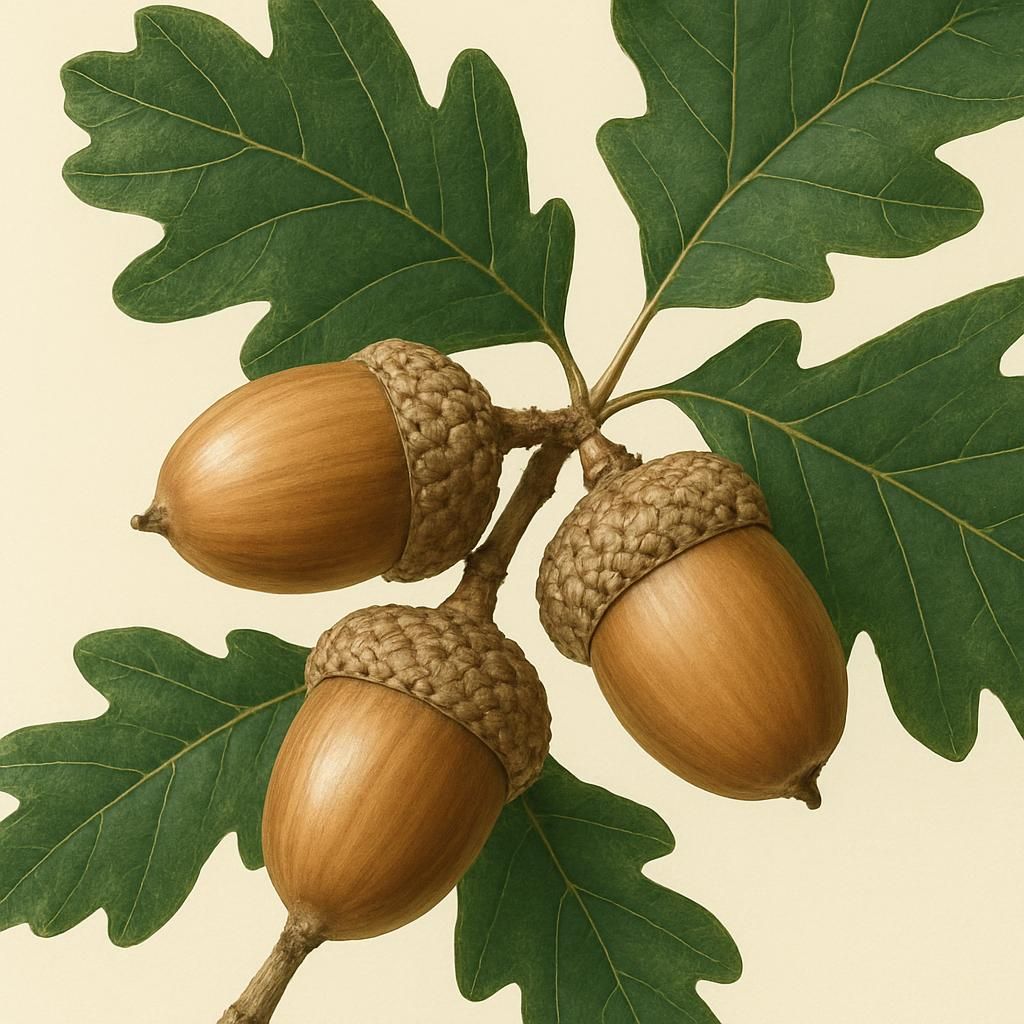
Oak Acorn (White Oak)
White oak acorns are the large, sweet nuts produced by the majestic Quercus alba tree, a cornerstone species of eastern North American forests and a valuable resource for wildlife and human use. This comprehensive guide covers every stage of growing white oak from seed to harvest, including soil preparation, planting, long-term care, and sustainable management practices.
View Guide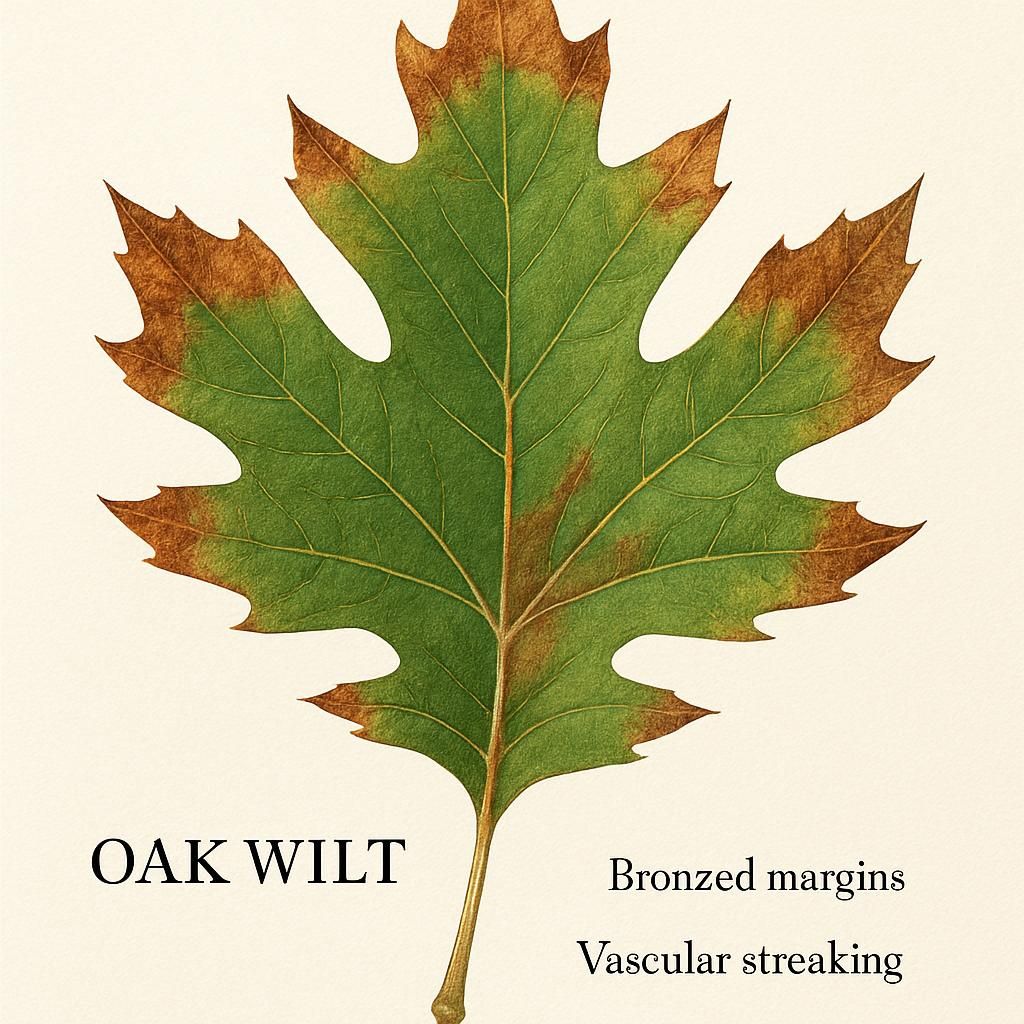
Oak wilt
Oak wilt is a lethal vascular disease caused by the fungus Bretziella fagacearum that affects oak trees across North America. It spreads through interconnected root systems and sap-feeding beetles, leading to rapid wilting and death. Effective management combines sanitation, chemical treatments, and prevention strategies.
View Profile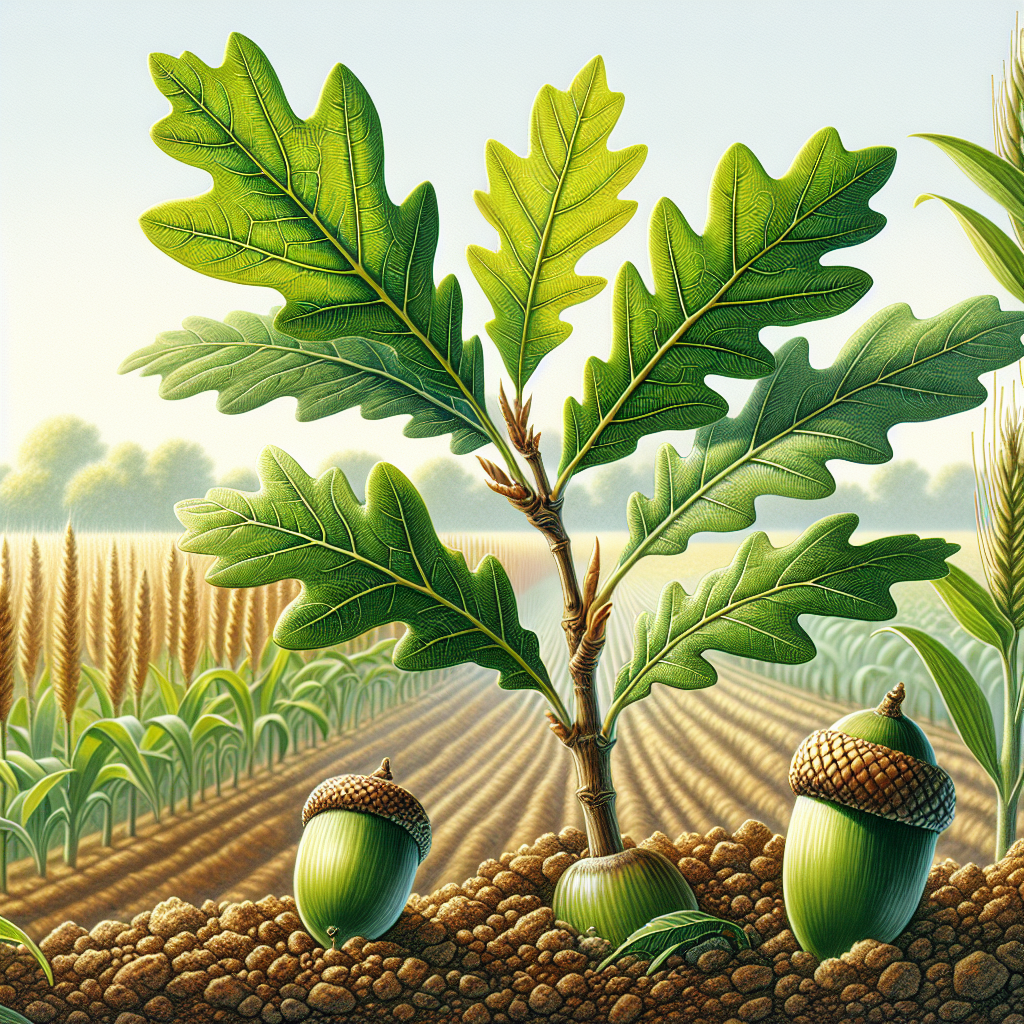
oaks
Oaks (Quercus spp.) are aggressive invasive trees that outcompete crops for sunlight, water, and nutrients in agricultural settings. Their extensive root systems and rapid growth make them a persistent weed problem in orchards, fields, and plantations. Effective management requires early detection, mechanical removal, and cultural practices to prevent establishment.
View Guide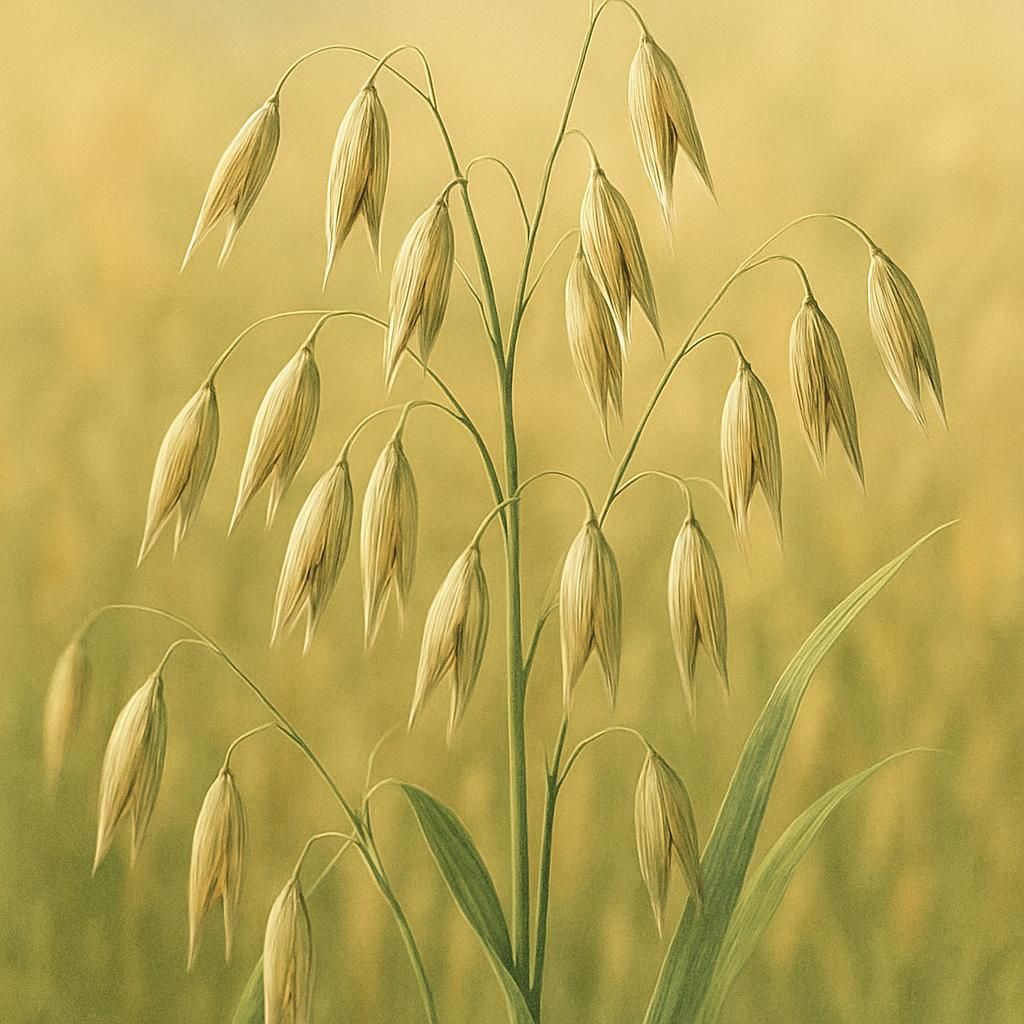
Oat (Banner)
Oat (Banner) is a robust cereal crop known for its adaptability and nutritional value, thriving in diverse climates. It demands moderate precipitation, cool temperatures, and specific soil pH for optimal growth, making it a staple in sustainable farming.
View Guide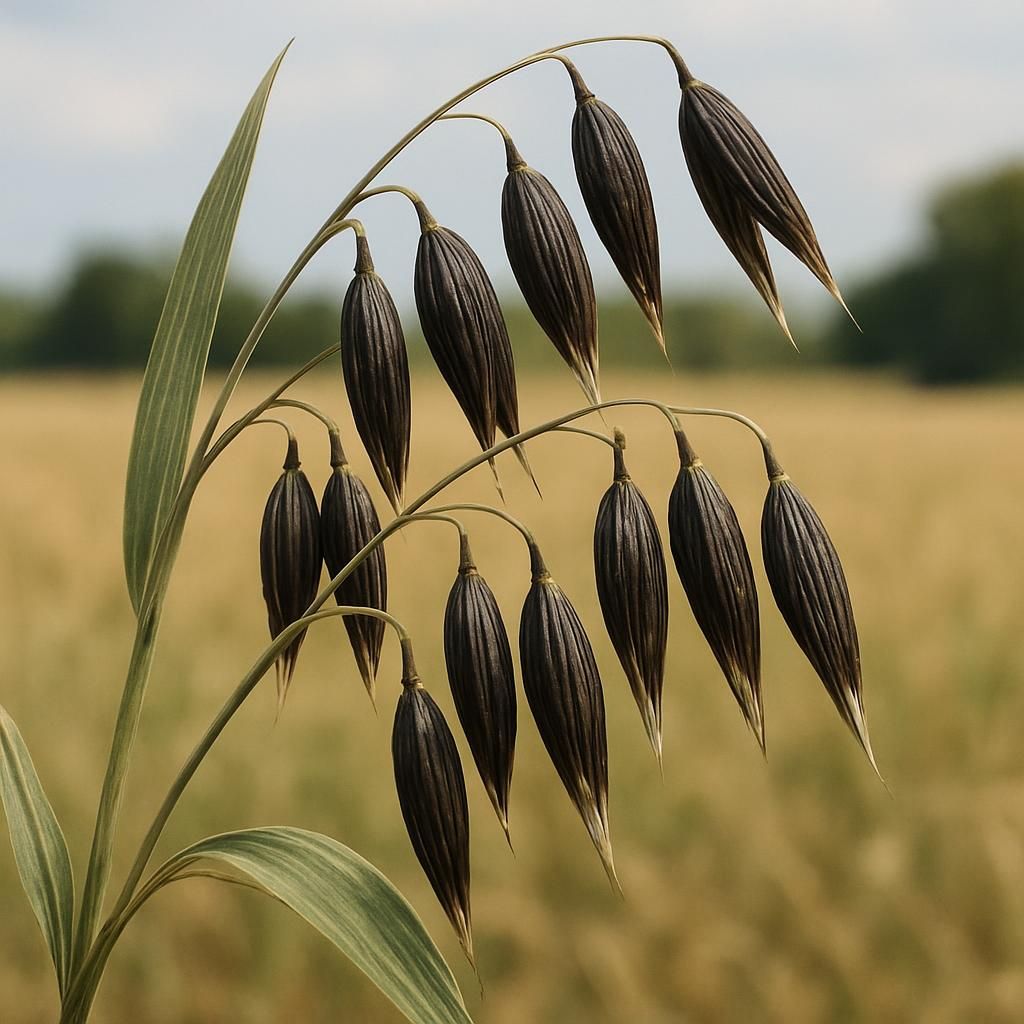
Oat (Black Tartarian)
Oat (Black Tartarian) is a hardy, high-yielding grain recognized for its rich dark hue and adaptability to various climates and soil conditions. It thrives in well-drained, moderately fertile soil, making it a popular choice for farmers aiming to diversify their cereal crops.
View Guide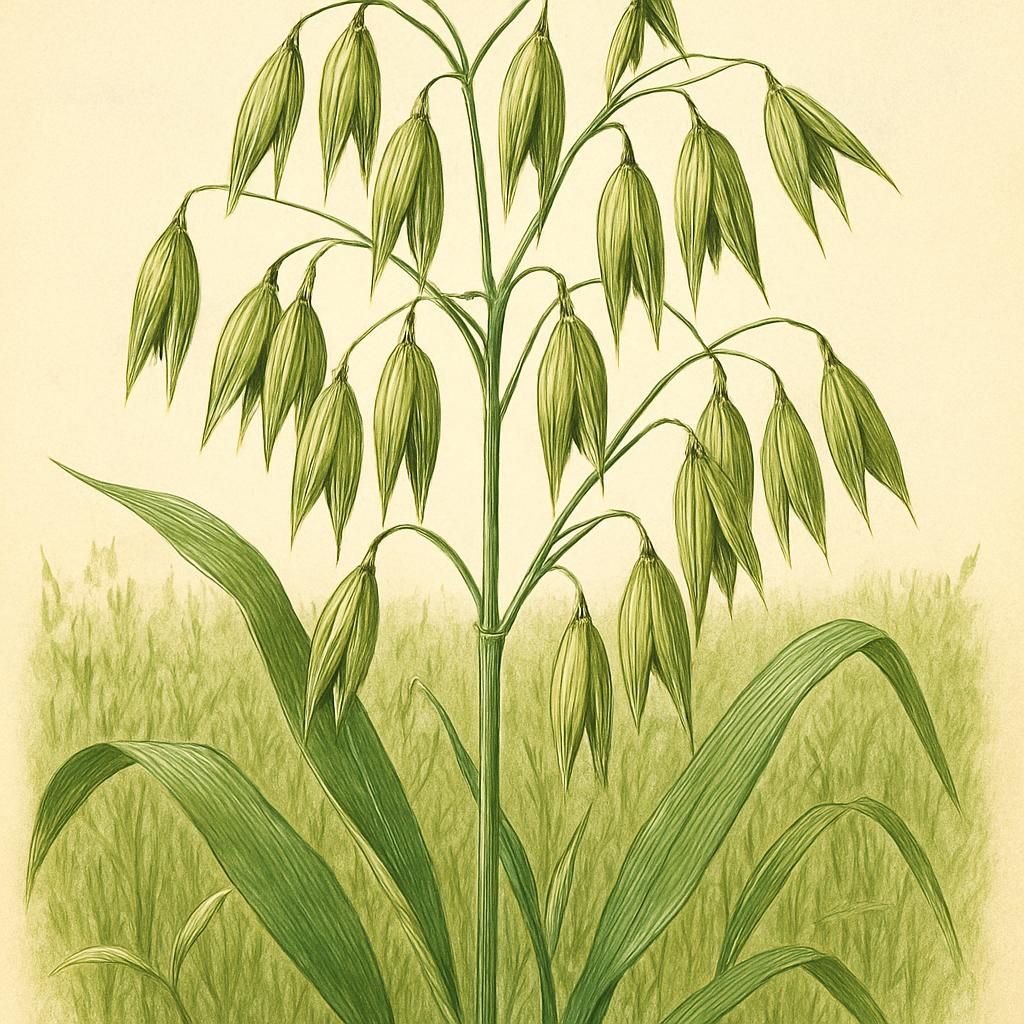
Oat (Hull-less Terra)
Oat (Hull-less Terra) is an easy-to-grow grain, favored for its ease of processing and minimal hull. It thrives in various conditions, making it a versatile crop for farmers aiming for high-yielding, gluten-free grains.
View Guide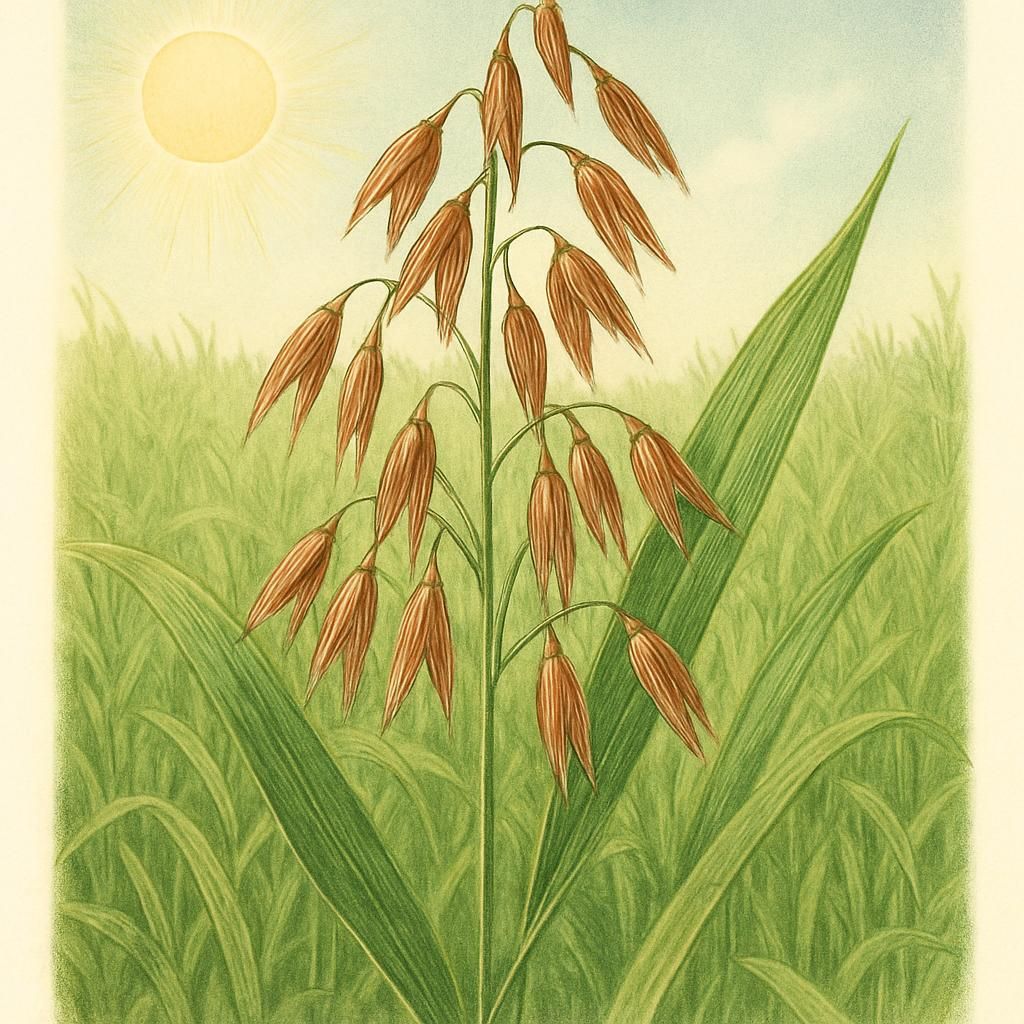
Oat (Red Rustproof)
Oat (Red Rustproof) is a versatile crop ideal for growing in warm climates with adequate moisture. Known for its resistance to rust disease, it is a popular choice for farmers seeking a resilient and nutritious grain.
View Guide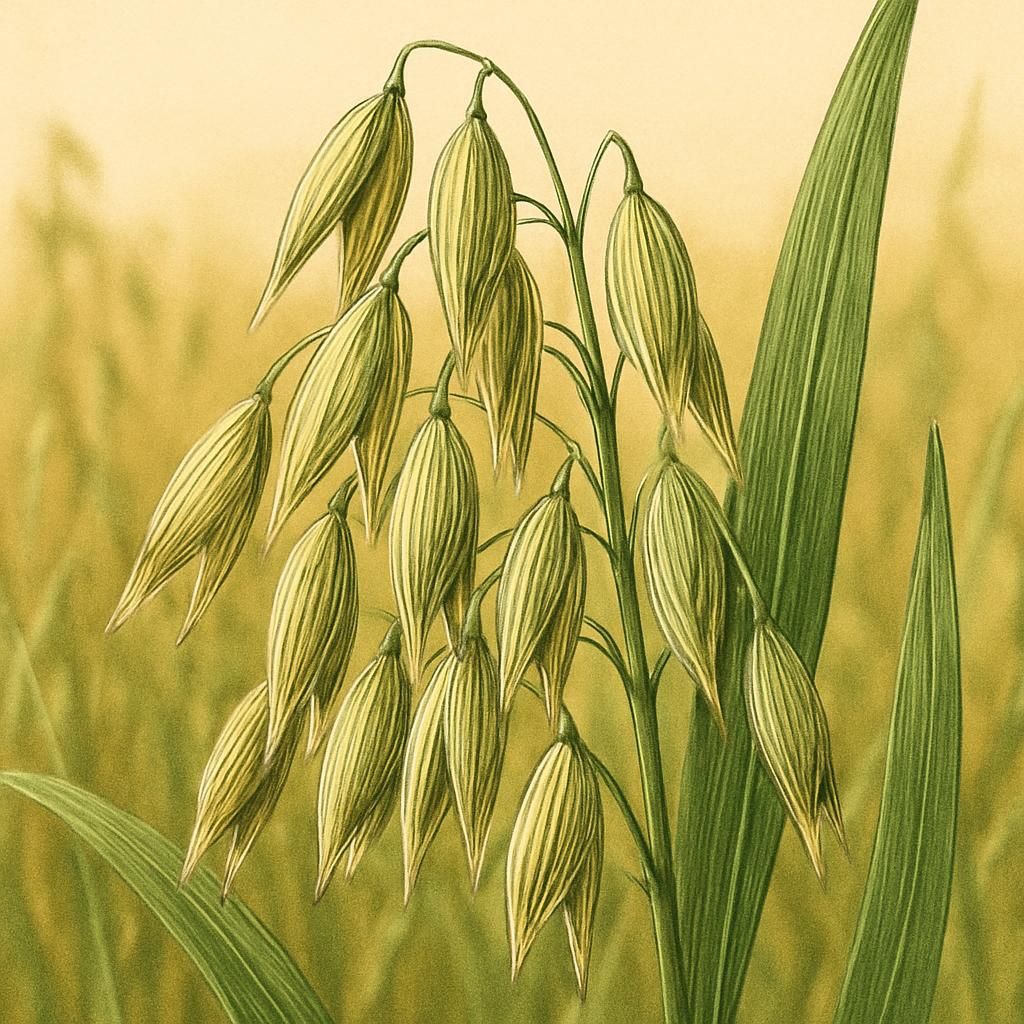
Oat (Victory)
The Victory oat is a versatile and robust cereal grain variety known for its high yield potential and adaptability to diverse growing conditions. It is popular among growers for its resistance to diseases and pests, offering both nutritional and economic value.
View Guide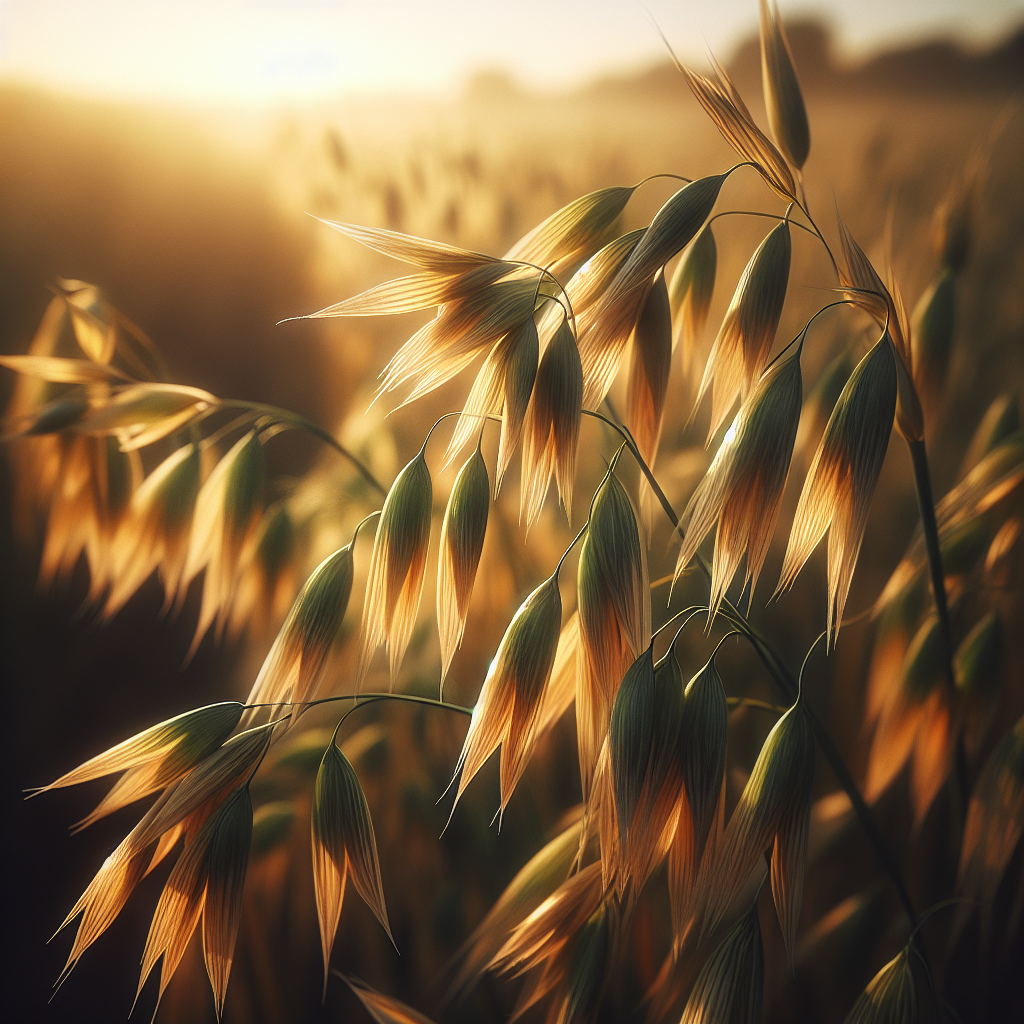
Oats
Oats are a cool-season cereal valued for grain, forage, straw, and cover-cropping benefits. They are relatively adaptable, perform well in temperate regions, and are especially prized for quick establishment, weed suppression, and reliable production in fertile, well-drained soils.
View Guide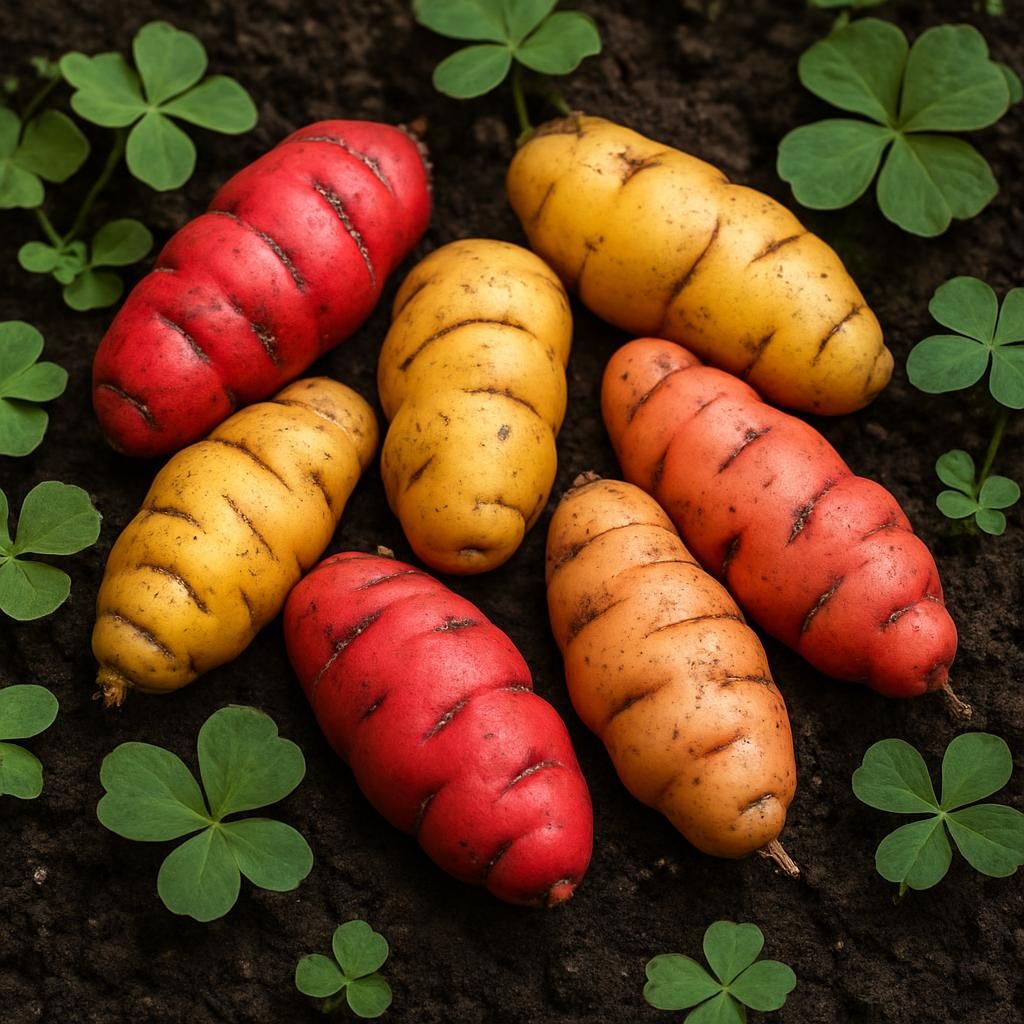
Oca
Oca is a high-yielding Andean tuber crop prized for its colorful, crisp tubers and resilience in cool climates. This definitive guide covers every stage of growing oca from soil prep through harvest and storage.
View Guide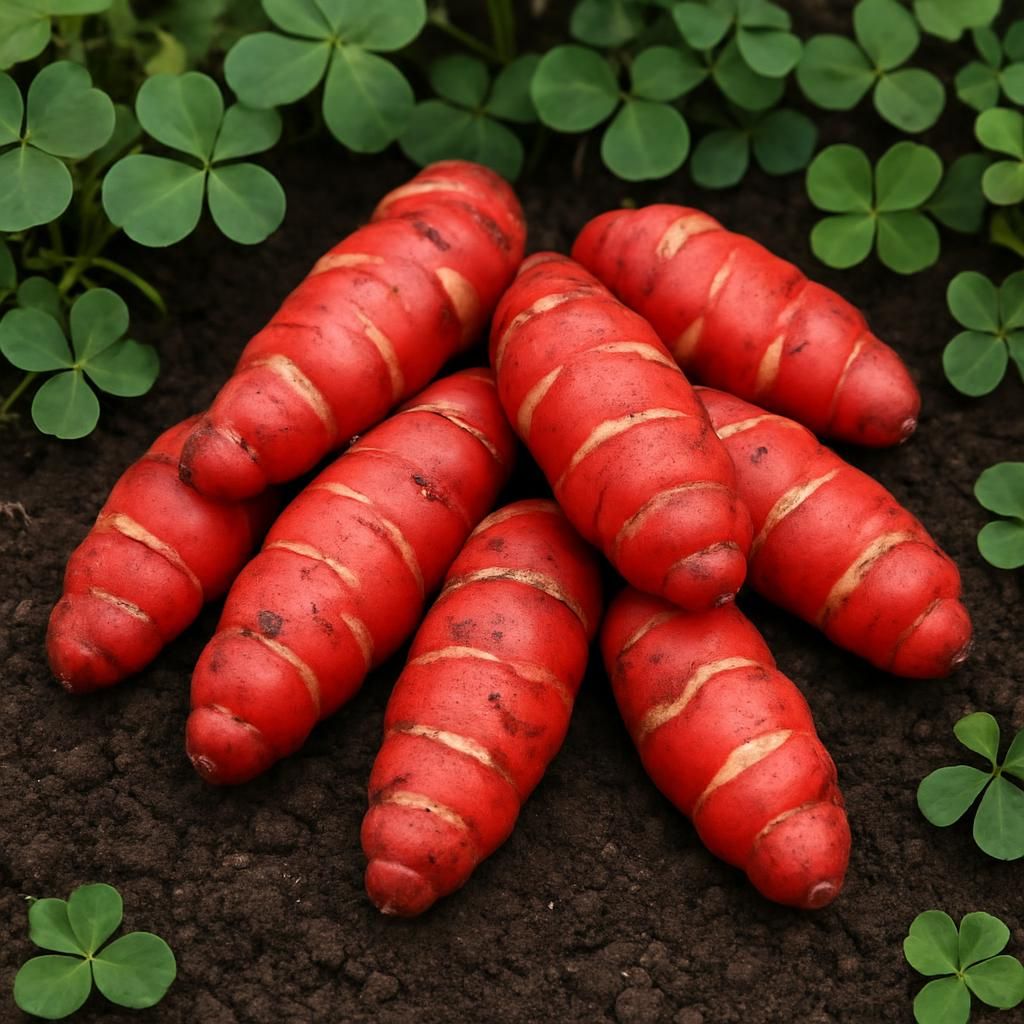
Oca (Oxalis tuberosa - Red)
Oca (Oxalis tuberosa - Red) is an Andean tuber crop prized for its crisp texture, nutty flavor, and striking red skin. This cool-season perennial produces edible tubers that are rich in carbohydrates and vitamin C while tolerating marginal soils and short-day conditions better than many other root crops.
View Guide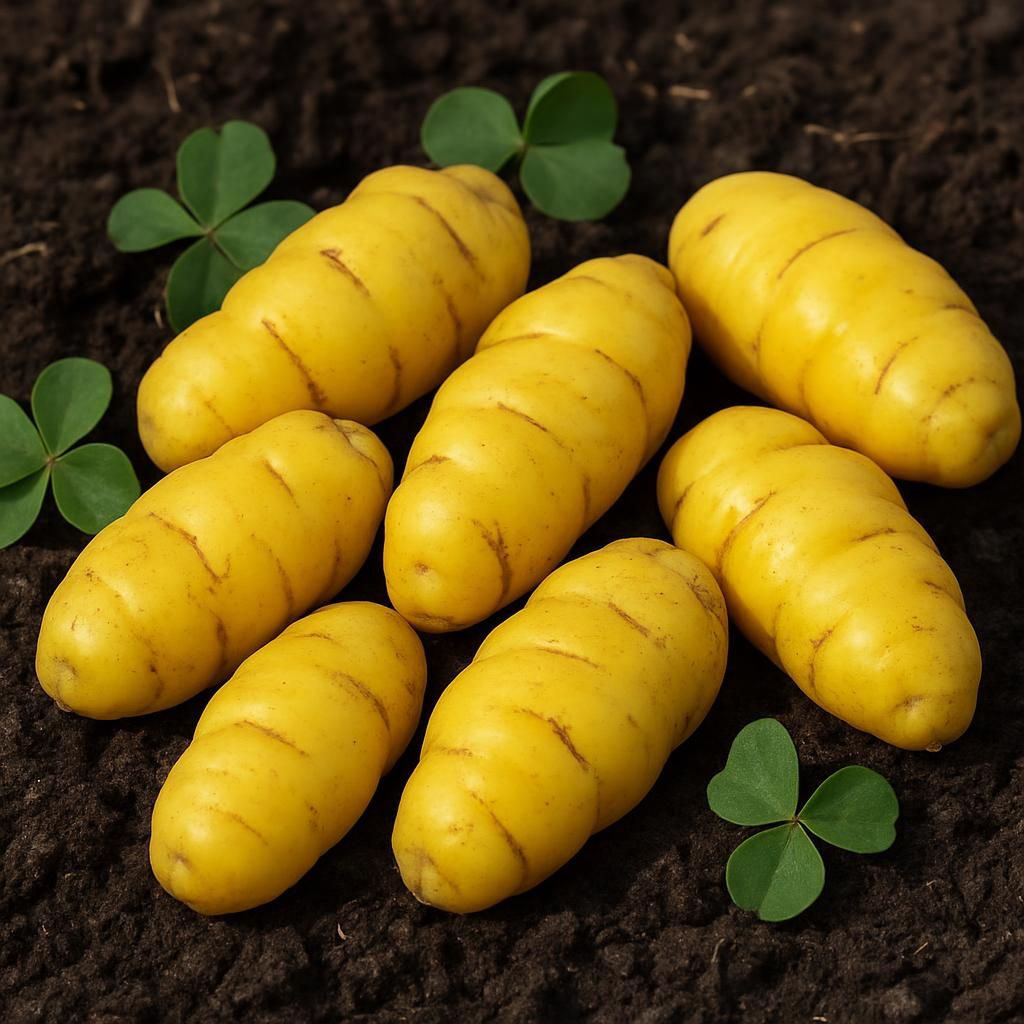
Oca (Oxalis tuberosa - Yellow)
Oca (Oxalis tuberosa - Yellow) is an Andean tuber crop prized for its crisp texture, tangy flavor, and high vitamin C content. It thrives in cool climates and poor soils where potatoes struggle, offering small farms a resilient, low-input alternative. This guide covers every stage from soil prep to storage for reliable harvests.
View Guide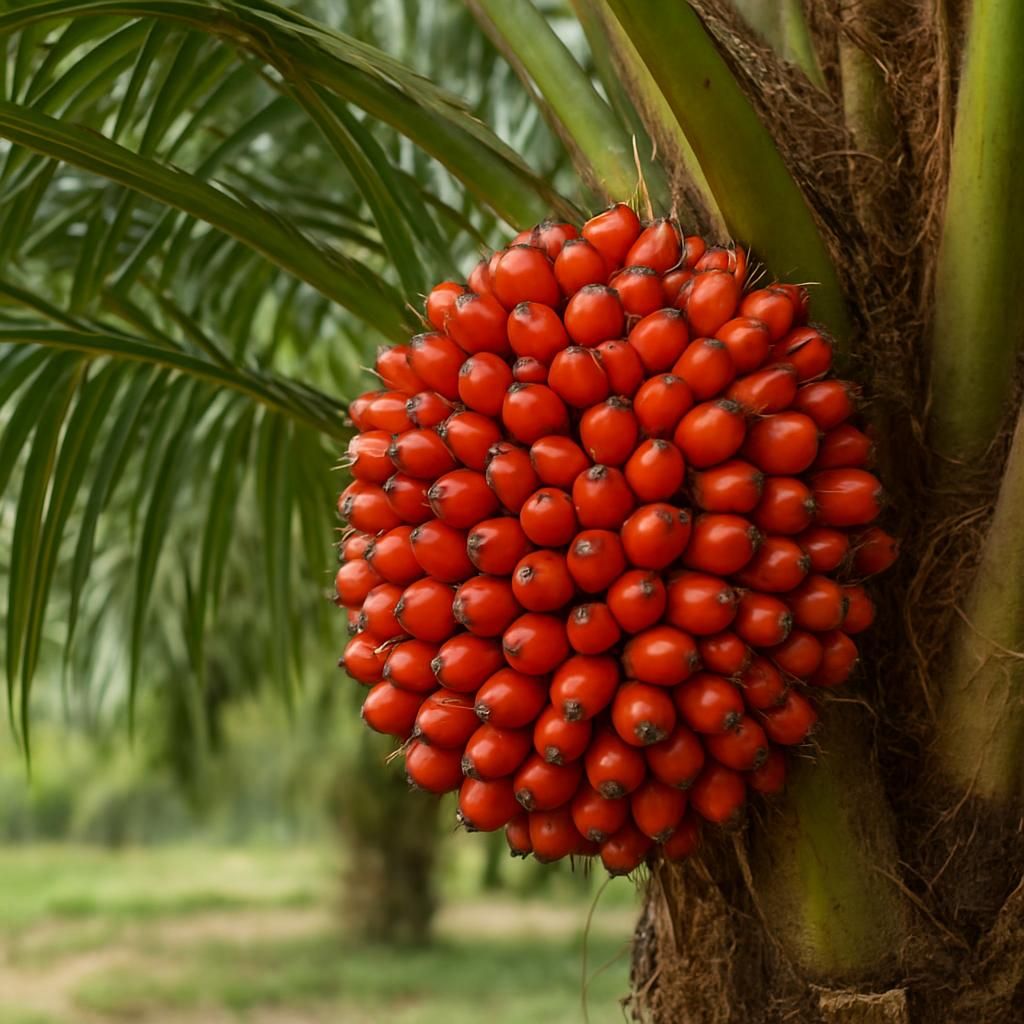
Oil Palm Fruit
Oil palm fruit is the source of the world’s most widely used vegetable oil, producing both crude palm oil and palm kernel oil from its mesocarp and kernel respectively. This perennial crop requires deep, well-drained soils and a consistently hot, humid tropical climate to deliver high yields over a 25–30 year commercial lifespan. Professional growers focus on precise nutrient management, integrated pest control, and timely harvesting to maintain both productivity and sustainability.
View Guide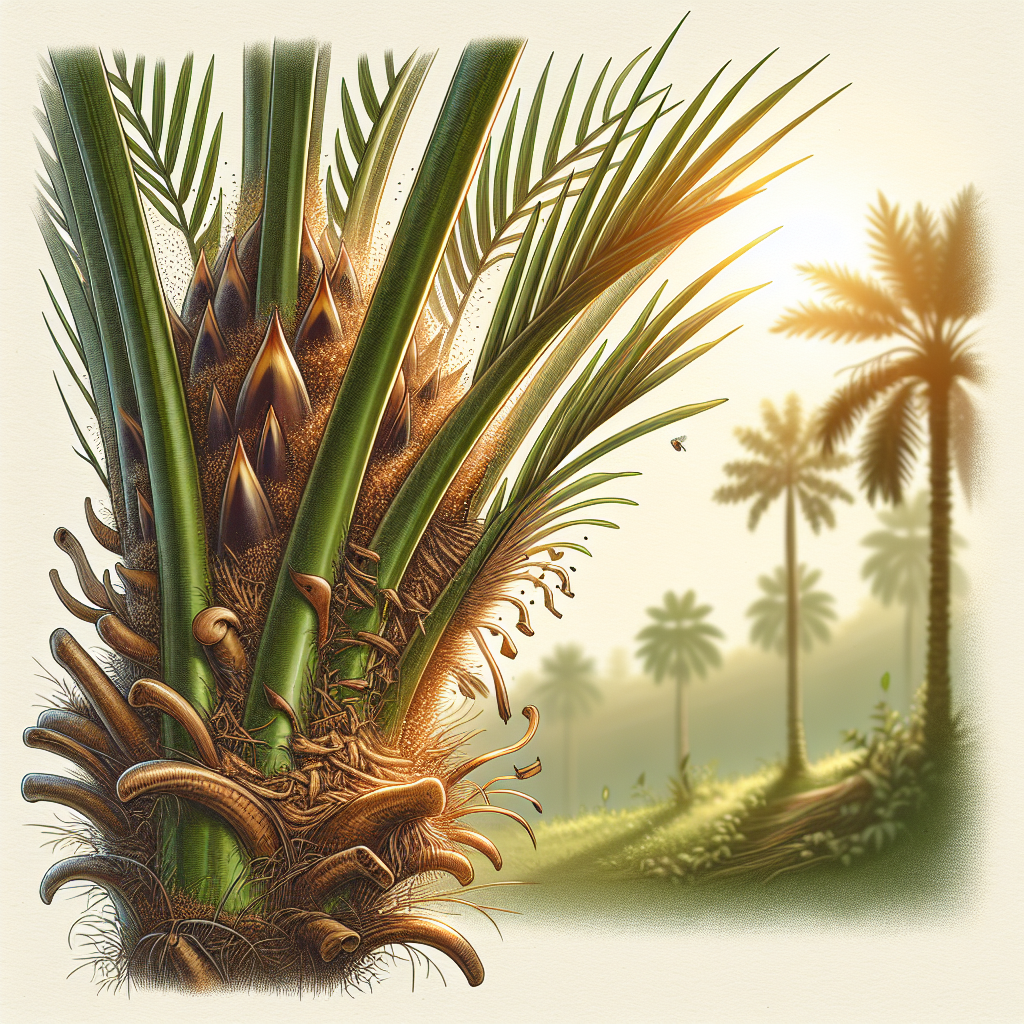
Oil Palm Pests
Oil palm plantations face severe threats from pests like rhinoceros beetles and red palm weevils, causing extensive damage to trunks and fronds. This guide provides diagnostic symptoms, lifecycle details, organic management strategies, and prevention tips for sustainable control. Protect yields with proven agricultural practices tailored for tropical palm crops.
View Profile
Oilseed Soybean
Oilseed soybean is the primary commercial form of soybean grown for high oil and protein yield, making it one of the world’s most important field crops. Successful production depends on precise timing, warm soils, effective nodulation, balanced fertility, and careful management of moisture during flowering and pod fill.
View Guide
Okra
Okra is a warm-season vegetable prized for its tender edible pods, rapid summer growth, and excellent productivity under heat. With the right soil warmth, balanced fertility, and frequent harvesting, it can produce continuously for weeks or even months in home gardens and commercial plantings.
View Guide