Introduction to Okra (Star of David)
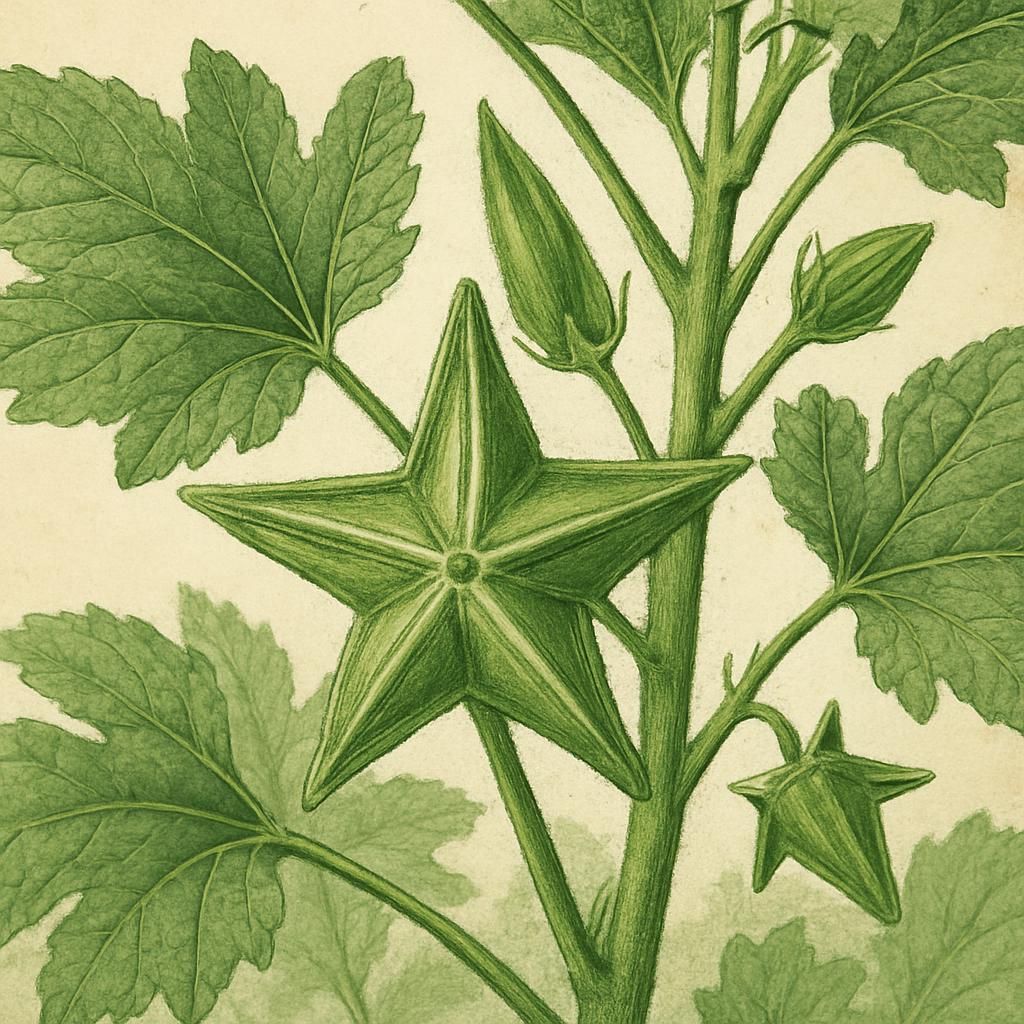
Star of David okra is a distinct variety of Okra known for its large, decorative pods and striking star-shaped cross-section. This heirloom variety is favored for both its ornamental appeal and its culinary versatility.
Botanical Profile of Okra (Star of David)
With a height that can reach up to seven feet, the 'Star of David' okra plant is a robust annual that thrives in full sun. Its vibrant green pods can be up to 8 inches long and have a unique, star-like cross-section that makes them both visually appealing and perfect for soups and stews. The plant’s flowers are reminiscent of its hibiscus relatives, adding an ornamental touch to any garden.
Soil, pH, and Climate Requirements for Okra (Star of David)
Okra thrives in warm, sunny climates and tolerates high temperatures exceptionally well. It's essential, however, to plant it in well-drained, fertile soil to prevent root diseases.
| Soil Requirement | pH Level | Climate Condition |
|---|---|---|
| Well-drained | 6.0-6.8 | Warm, sun-filled regions |
Step-by-Step Planting & Propagation
- Timing: Plant okra seeds after the last frost date when soil temperatures have warmed up to at least 65°F. In frost-free areas, they can be planted in early spring.
- Soil Preparation: Ensure well-drained soil by amending with compost or organic matter. Maintain a slightly acidic to neutral pH.
- Sowing: Sow seeds 1 inch deep and 10-12 inches apart, in rows that are 3 feet apart, to afford ample space for growth.
- Watering: Keep soil moist until seeds germinate, which usually takes 2-3 weeks.
- Thinning: Once plants are a couple of inches tall, thin to 12-18 inches apart to encourage robust growth.
Care & Maintenance Regimes for Okra (Star of David)
Once established, okra is relatively low-maintenance, but certain care practices will ensure a bountiful harvest.
| Water Schedule | Fertilizer Schedule | Pruning Needs |
|---|---|---|
| 1 inch/week | Balanced N-P-K fertilizer every 4-6 weeks | Prune lower leaves to enhance air circulation |
Pests, Diseases & Organic Management
Though generally resistant to many pests and diseases, okra can be susceptible to mites, caterpillars, and aphids. Disease prevention includes ensuring good drainage and spacing to promote air circulation.
- Pest Management: Introduce beneficial insects like ladybugs, or use neem oil to deter aphids and mites.
- Disease Prevention: Rotate crops and avoid planting in the same spot for successive years to reduce soil-borne diseases.
Harvesting, Curing & Optimal Storage
Harvest okra pods when they are 3-4 inches long and still tender by cutting them off the plant with a sharp implement. Regular harvesting encourages more fruit set. For storage, refrigerate pods in a paper bag for up to a week.
Companion Planting for Okra (Star of David)
Companion planting can help improve yields and deter pests naturally. Best companions for okra include:
- Cucumber: Helps conserve moisture and maximize growing space.
- Lettuce: Acts as a living mulch to keep soil temperatures cooler.
- Companion planting techniques can be found in Summer Companion Planting: 10 Organic Pairings to Boost Small Farm Resilience.
More information on okra and its relatives like the Tomato or the resilient Lettuce can be found in our internal resources.