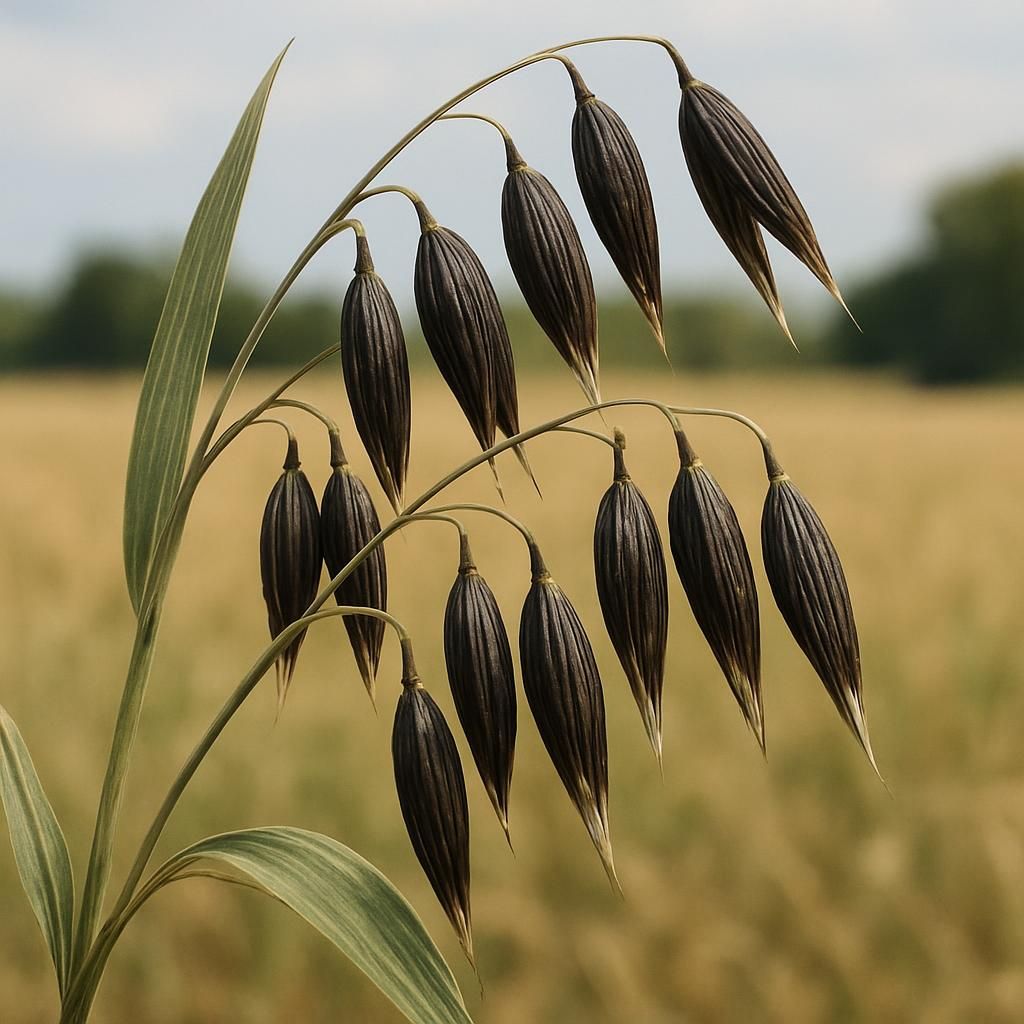
Introduction to Oat (Black Tartarian)
Oat (Black Tartarian) is a special variety of oats appreciated for its dark grains and adaptability. It stands out due to its resilience and high yielding nature. This particular oat has gained attention for its ability to produce well in different environmental conditions, which enhances its desirability among farmers who aim for consistency and maximum productivity.
Botanical Profile of Oat (Black Tartarian)
Black Tartarian oat is classified within the species Avena sativa, which is part of the Poaceae family. It is a robust annual cereal crop that can grow in various soil types and conditions, exhibiting a high tolerance for cooler climates typical of regions where traditional oat crops fail.
Soil, pH, and Climate Requirements for Oat (Black Tartarian)
To achieve optimal growth, Black Tartarian oats require particular soil, pH, and climate conditions. Below is a markdown table that highlights these ideal parameters:
| Factor | Ideal Condition |
|---|---|
| Soil Type | Well-drained, Loamy |
| Soil pH | 6.0 - 7.5 |
| Temperature | 10°C - 25°C |
| Rainfall | 400mm - 800mm per year |
Step-by-Step Planting & Propagation
- Site Selection: Choose a field with well-drained, loamy soil with a pH between 6.0 and 7.5. Ensure the site has good sun exposure.
- Soil Preparation: Till the soil to a depth of 15-20 cm to remove weeds and ensure a fine seedbed.
- Sowing: Sow seeds at a depth of 2 to 3 cm and space them approximately 15 cm apart. Ideal sowing times are during early spring when the soil is workable.
- Propagation: Although mainly grown from seeds, propagation via direct seeding is common. Ensure even spread and consistency across the field.
Care & Maintenance Regimes for Oat (Black Tartarian)
Oat (Black Tartarian) requires a structured care regimen to maximize yield and crop health. These practices are laid out in the markdown table below:
| Care Aspect | Schedule |
|---|---|
| Watering | Weekly, 25mm – 50mm depending on rainfall |
| Fertilization | Apply NPK 10-10-10 at planting and mid-season |
| Pruning | Not typically required |
Pests, Diseases & Organic Management
Oat (Black Tartarian) oats are relatively resilient but can be affected by pests like Spider Mites and diseases such as crown rust. Adequate measures include rotating crops to disrupt pest life cycles and using neem oil or beneficial insects for pest control.
Organic management techniques can include:
- Employing crop rotation to avoid monoculture problems.
- Utilizing companion planting techniques to naturally repel pests.
- Applying balanced organic fertilizers to maintain soil health.
Harvesting, Curing & Optimal Storage
- Harvesting: Generally, Black Tartarian oats are ripe for harvest when the grain is fully mature, generally in late summer or early autumn.
- Curing: After mowing, allow the oats to cure in the field for several days to reduce moisture content.
- Storage: Store in a cool, dry place away from rodents and pests to ensure longevity and quality.
Companion Planting for Oat (Black Tartarian)
Companion planting is an efficient way to maximize crop resilience and yield. For Black Tartarian oats, suitable companions include legumes like Peas that can enhance soil nitrogen content.
For detailed strategies on seasonal companion planting, refer to Spring Companion Planting: 8 Organic Pairings to Maximize Small Farm Yields.
Additionally, ensure the structured crop rotation is maintained to prevent soil depletion and maintain the ecosystem's health.
The method of Crop Rotation can also manage the pest and disease cycles effectively, enhancing farm resilience.