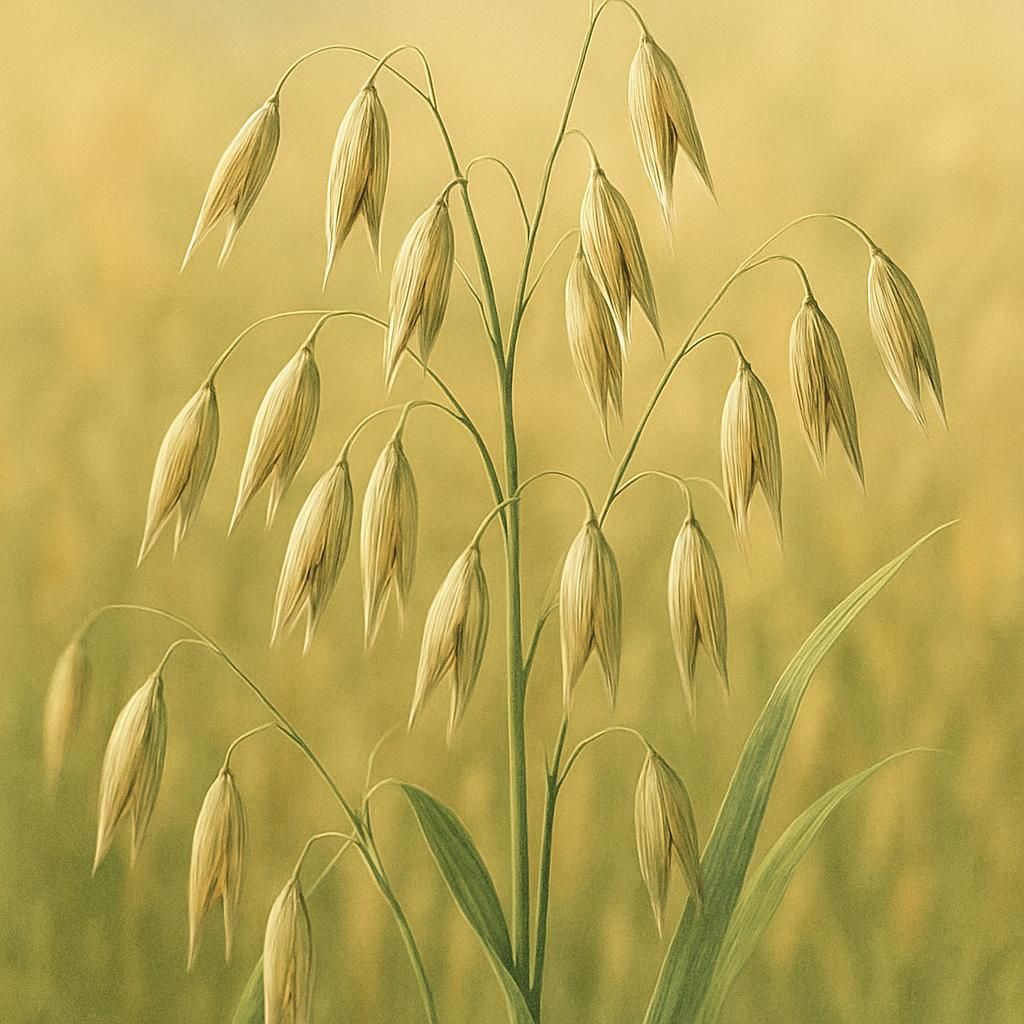
Introduction to Oat (Banner)
Oat (Banner) is a highly adaptable and nutritionally rich cereal crop, suitable for a wide range of climates. Known for its resilience and productivity, this variety is often chosen by farmers seeking reliable growth and quality yields. Its importance continues to grow as sustainable agriculture becomes a global priority.
Botanical Profile of Oat (Banner)
Oat (Banner) belongs to the Poaceae family and is scientifically classified as Avena sativa. As a vigorous, hardy annual cereal grain, Banner oats are primarily grown for their seeds, which can be utilized for both human consumption and animal feed. The crop features tall, slender stems topped with oat spikelets that form the grain heads.
Soil, pH, and Climate Requirements for Oat (Banner)
Oat (Banner) requires specific conditions to thrive optimally. Here's a table detailing these ideal conditions:
| Parameter | Ideal Conditions |
|---|---|
| Soil Type | Loamy, well-drained |
| Soil pH | 5.8 - 7.0 |
| Temperature | 10°C - 21°C (50°F - 70°F) |
| Rainfall | 600 - 1000 mm annually |
| Sunlight | Full sun |
Step-by-Step Planting & Propagation
- Site Selection: Choose a field with well-drained, loamy soil and full sun exposure. Avoid fields prone to waterlogging.
- Soil Preparation: Plow the field to a depth of 15-20 cm, ensuring the removal of weeds and the incorporation of organic matter.
- Seed Selection: Procure certified Oat (Banner) seeds to ensure uniform growth and disease resistance.
- Sowing: Broadcast sow seeds at a rate of 100-125 kg/ha. Ensure even distribution by using a seed drill set to a depth of 2-5 cm.
- Spacing: Maintain a seed spacing that allows for adequate air circulation to reduce disease risk.
Care & Maintenance Regimes for Oat (Banner)
Maintaining a healthy crop requires regular attention. Below is a table summarizing the critical aspects of care:
| Care Aspect | Frequency | Description |
|---|---|---|
| Watering | As needed (irrigation) | Ensure consistent moisture, especially in dry spells. |
| Fertilizing | Early growth and mid-season | Use a balanced NPK fertilizer at sowing and mid-growth. |
| Pruning | Not applicable | Pruning is generally not required for oats. |
Pests, Diseases & Organic Management
Oat (Banner), like all crops, is susceptible to various pests and diseases. Common pests include Aphids and Armyworms. Diseases like Crown Rust and Leaf Blights can affect the crop's health.
Organic Management Strategies:
- Rotate crops annually to prevent pest and disease buildup.
- Use neem oil as a natural pesticide.
- Employ biological controls, such as beneficial insects.
Harvesting, Curing & Optimal Storage
- Harvesting: Perform harvesting when oats reach the hard dough stage. Use a combine harvester set to a low speed to prevent grain damage.
- Curing: Allow threshed grains to dry to a moisture content of 12-14%.
- Storage: Store grains in a cool, dry environment, using sealed containers to prevent moisture and pest ingress.
Companion Planting for Oat (Banner)
Oat (Banner) can be grown alongside Clover and Yarrow for mutual benefits. These companion plants can improve soil health and attract beneficial insects, helping manage pest populations naturally.
For further insights on companion planting and maximizing yields, refer to Spring Companion Planting: 8 Organic Pairings to Maximize Small Farm Yields.
Additionally, for more information on the broader category of oats, see the Oats (crop) Wiki page.