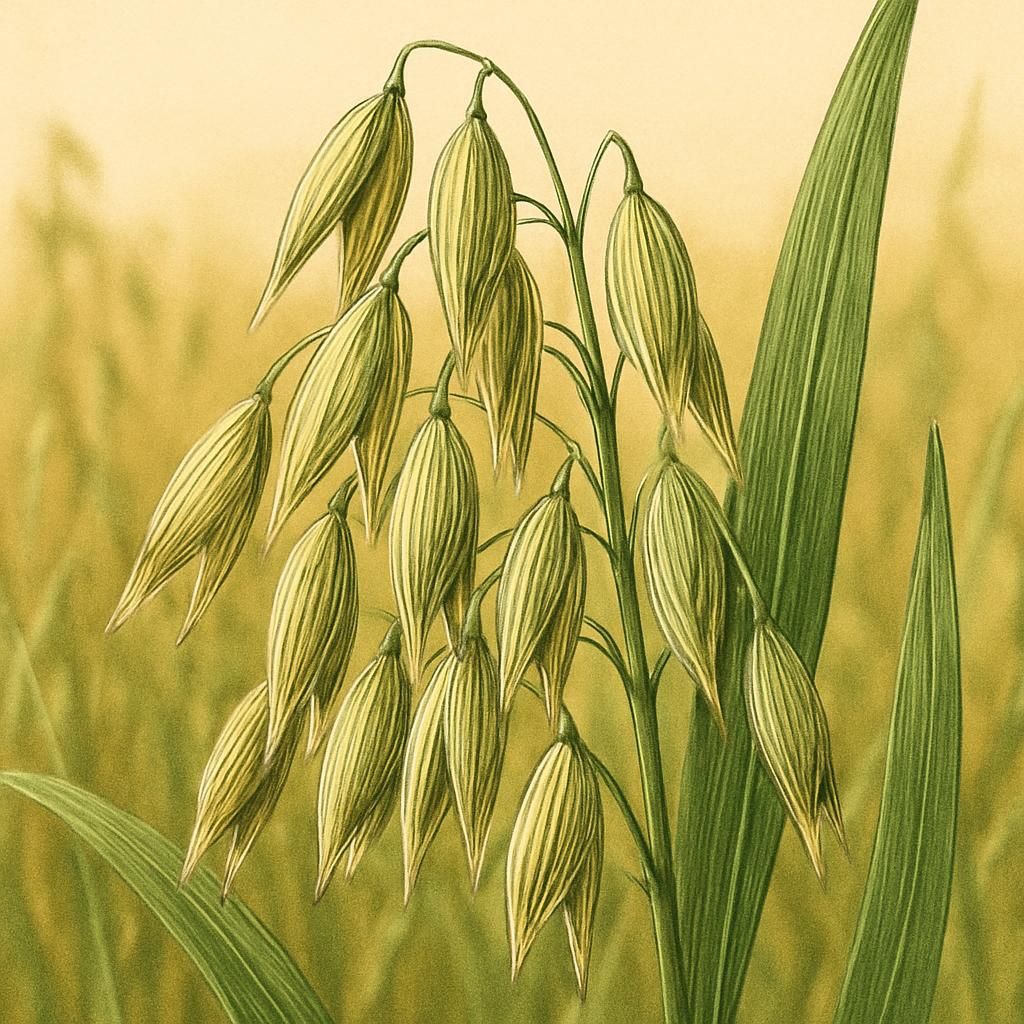
Introduction to Oat (Victory)
Oat (Victory) is a high-yield, disease-resistant variety of oats, specifically bred to thrive in diverse climatic conditions. It is valued for its nutritional benefits, ease of cultivation, and economic viability. This comprehensive guide provides professional-grade agricultural advice to successfully cultivate Victory oats, ensuring healthy yields and robust crop management.
Botanical Profile of Oat (Victory)
Scientific Name: Avena sativa Family: Poaceae Genus: Avena Species: Sativa Oat (Victory), like other oat varieties, is a tall annual grass cultivated for its edible grains. Victory oats are particularly noted for their disease resistance and adaptability, making them a staple in agricultural production.
Soil, pH, and Climate Requirements for Oat (Victory)
Victory oats require specific soil and climate conditions to be cultivated successfully. The table below outlines these ideal conditions.
| Factor | Ideal Condition |
|---|---|
| Soil Type | Well-drained, loamy soil |
| Soil pH | 5.5-6.5 |
| Temperature | 10-25°C (50-77°F) |
| Rainfall | 400-800 mm annually |
| Sunlight | Full sun |
| Frost Tolerance | Resistant to light frost |
Step-by-Step Planting & Propagation
- Site Selection: Choose a location with good sunlight and well-drained soil.
- Soil Preparation: Till the soil to a fine texture and incorporate organic matter to improve fertility.
- Sowing: Sow seeds 1-2 inches deep at a rate of 100-150 lbs per acre. Ensure 6-8 inches spacing between rows.
- Irrigation: Water the soil immediately after sowing to promote seed germination.
- Planting Season: Best sown in early spring when soil temperatures reach at least 10°C (50°F).
Care & Maintenance Regimes for Oat (Victory)
Proper care ensures healthy growth and yields. Below is the care schedule for Victory oats.
| Activity | Schedule/Method |
|---|---|
| Watering | Moderate; ensure soil remains moist – approximately 1 inch/week |
| Fertilizing | Apply nitrogen-based fertilizer at planting and during early growth stage |
| Pruning | Not required, but monitoring for pest and disease control is essential |
Weed Management: Regularly monitor for weeds and apply organic mulch to reduce weed growth.
Pests, Diseases & Organic Management
Victory oats are resilient against many pests, yet vigilance is key. Common issues include:
- Spider Mites: Can be controlled with insecticidal soap or neem oil.
- Aphids and Leavespot Diseases: Use of natural predators and copper-based fungicides can help. For comprehensive pest control strategies, consider reading 7 Summer Pest Traps That Sabotage Small Farm Harvests.
Harvesting, Curing & Optimal Storage
Harvesting begins when the oats’ majority turns from green to yellow.
- Harvesting: Use a combine harvester when oats are dry, typically 70-80 days post-sowing.
- Curing: Allow oats to cure by storing in a dry, well-ventilated area to reduce moisture content.
- Storage: Store in a cool, dry place to prevent mold and pest infestation. Airtight containers are recommended.
Companion Planting for Oat (Victory)
Companion planting can enhance growth, deter pests, and improve soil health:
- Beneficial Companions: Clover, Peas, and Brassicas
- Avoid: Avoid planting with other cereal crops like Wheat to reduce disease crossover. Implementing companion planting strategies can boost your Victory oat harvest. Learn more about summer companion planting techniques via Summer Companion Planting: 10 Organic Pairings to Boost Small Farm Resilience.