Encyclopedia
Definitive guides for crops, pests, and agricultural diseases.
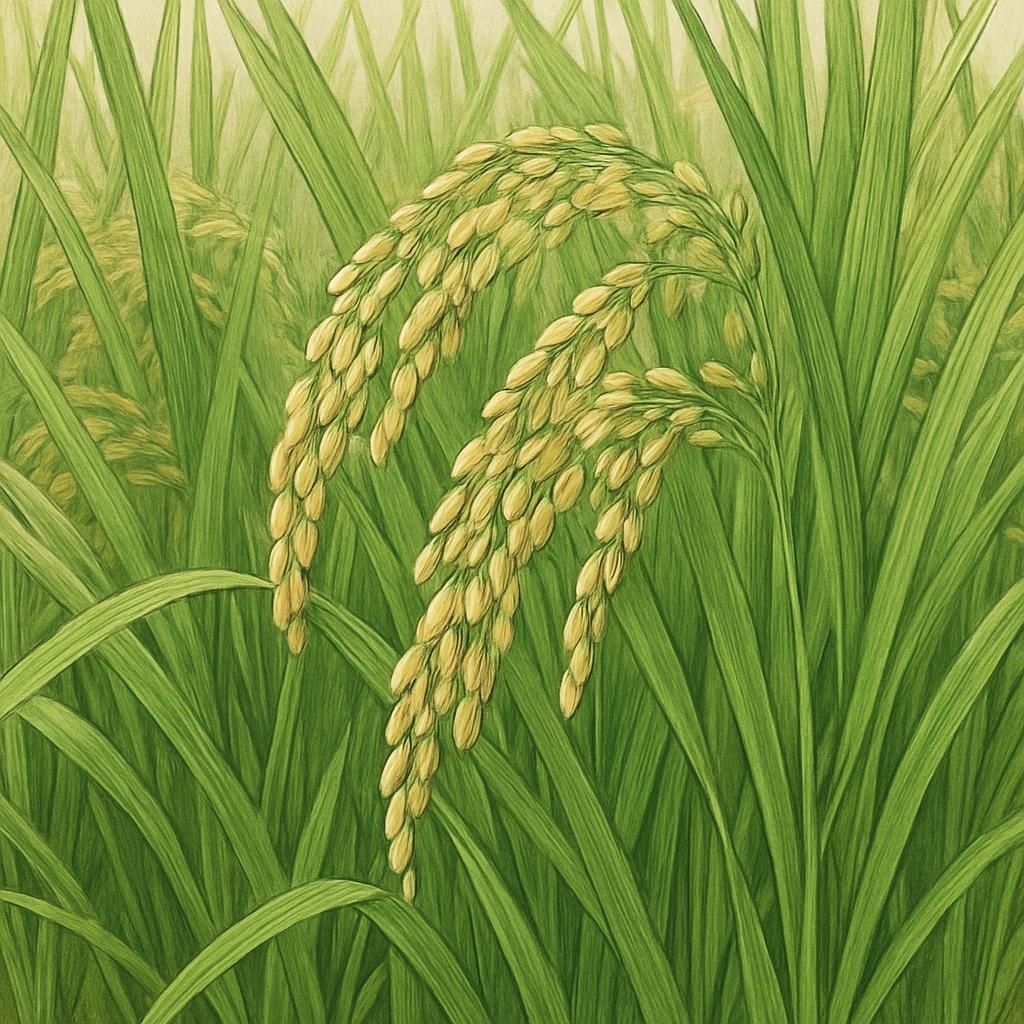
Nanatsuboshi Rice
Nanatsuboshi Rice is a premium quality rice variety known for its balance of taste and stickiness, cultivated primarily in Hokkaido, Japan. It is favored for its ability to maintain flavor and texture, making it ideal for various culinary applications.
View Guide
Nantes Carrot
Nantes carrot is a classic cylindrical carrot type prized for its blunt tips, crisp texture, sweet flavor, and reliably smooth roots in well-prepared soils. It performs best in cool weather, loose stone-free ground, and steady moisture, making it one of the most rewarding carrot types for market growers and home gardeners seeking high-quality fresh roots.
View Guide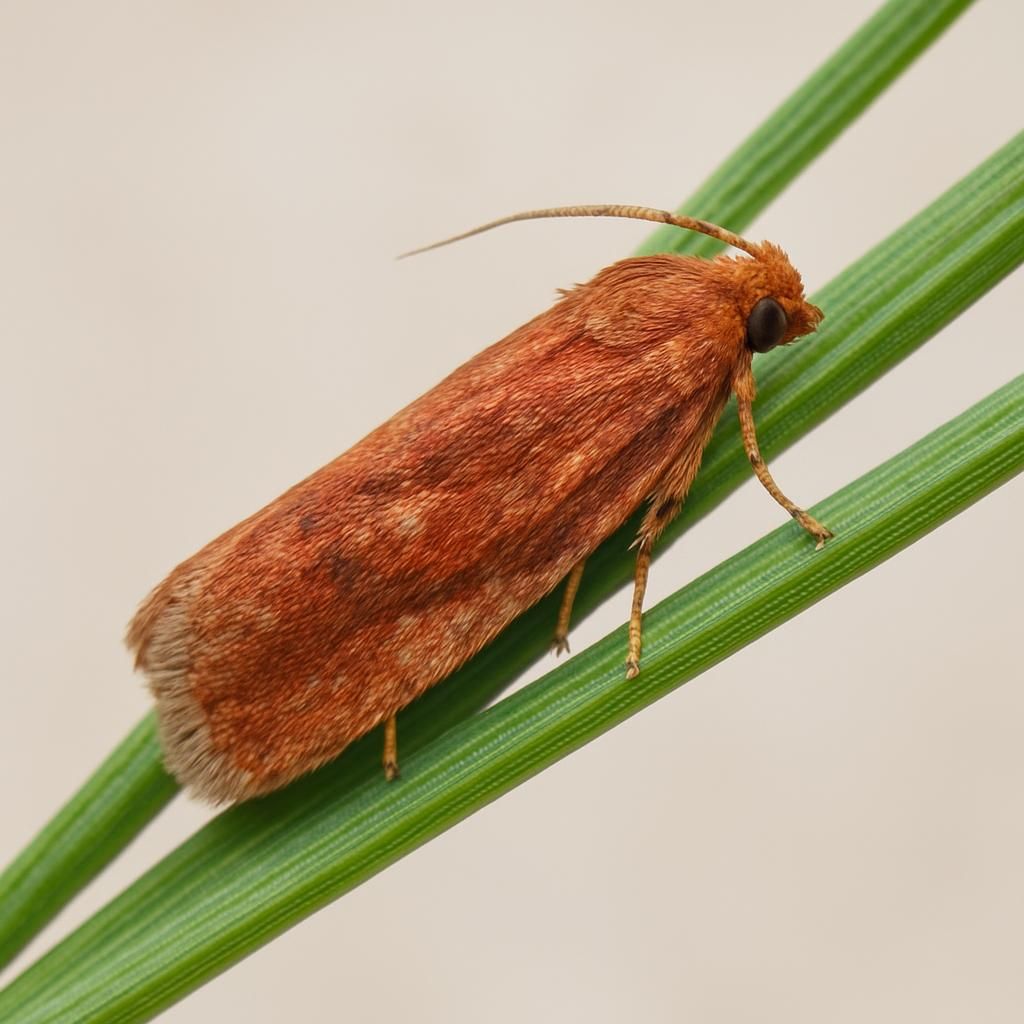
Nantucket pine tip moth
The Nantucket pine tip moth is a key lepidopteran pest of young pine plantations across the eastern and southern United States, where its larvae bore into and kill terminal and lateral shoots, causing stunted growth and deformed crowns. Effective management combines precise timing of insecticide applications with cultural practices such as site selection and monitoring. This guide delivers science-based diagnostics, lifecycle details, and integrated control strategies for commercial and ornamental pine growers.
View Profile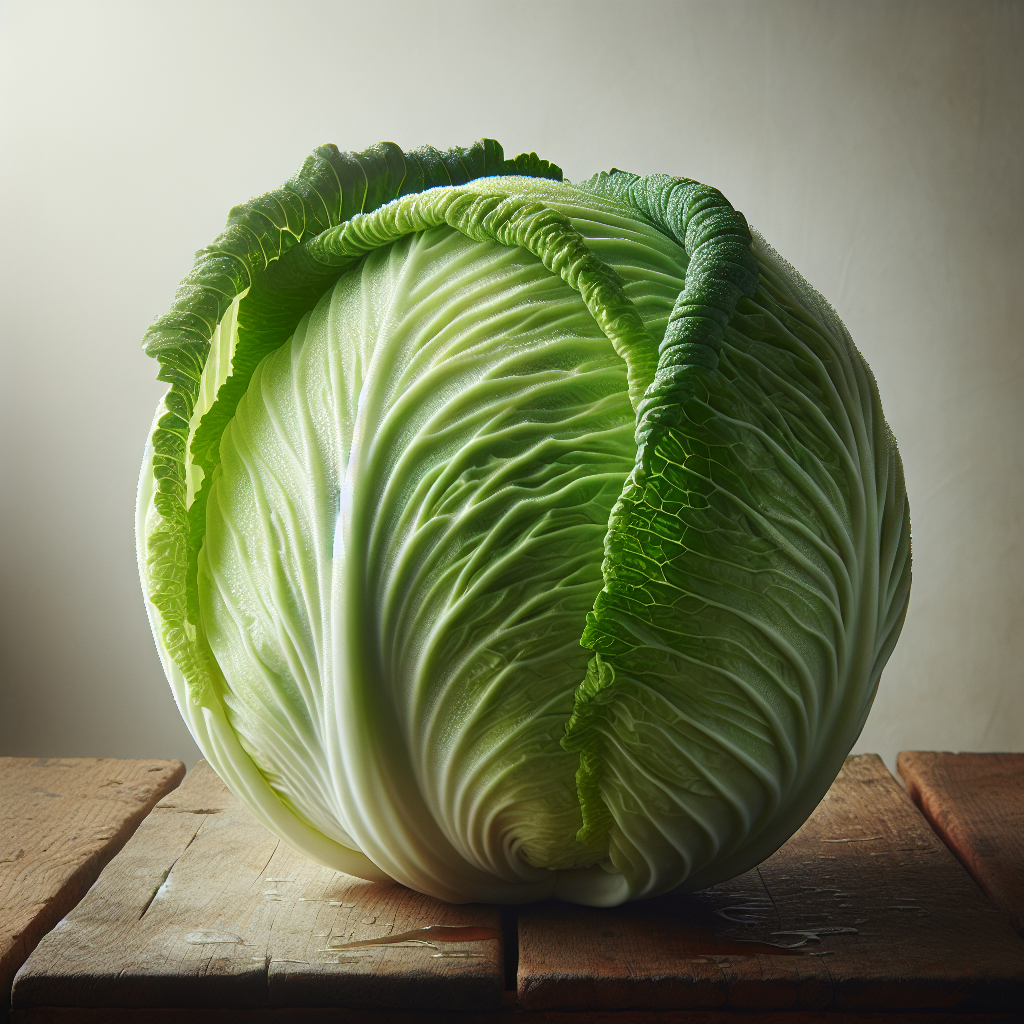
Napa Cabbage
Napa cabbage, also known as Chinese cabbage, is a cool-season leafy vegetable prized for its tender, crisp leaves and mild flavor, ideal for stir-fries, kimchi, and salads. This fast-growing crop thrives in temperate climates with well-drained soil, maturing in 60-90 days, and offers high yields for home gardeners and small farms. Its versatility in Asian cuisine and nutritional profile rich in vitamins C and K make it a staple worth cultivating.
View Guide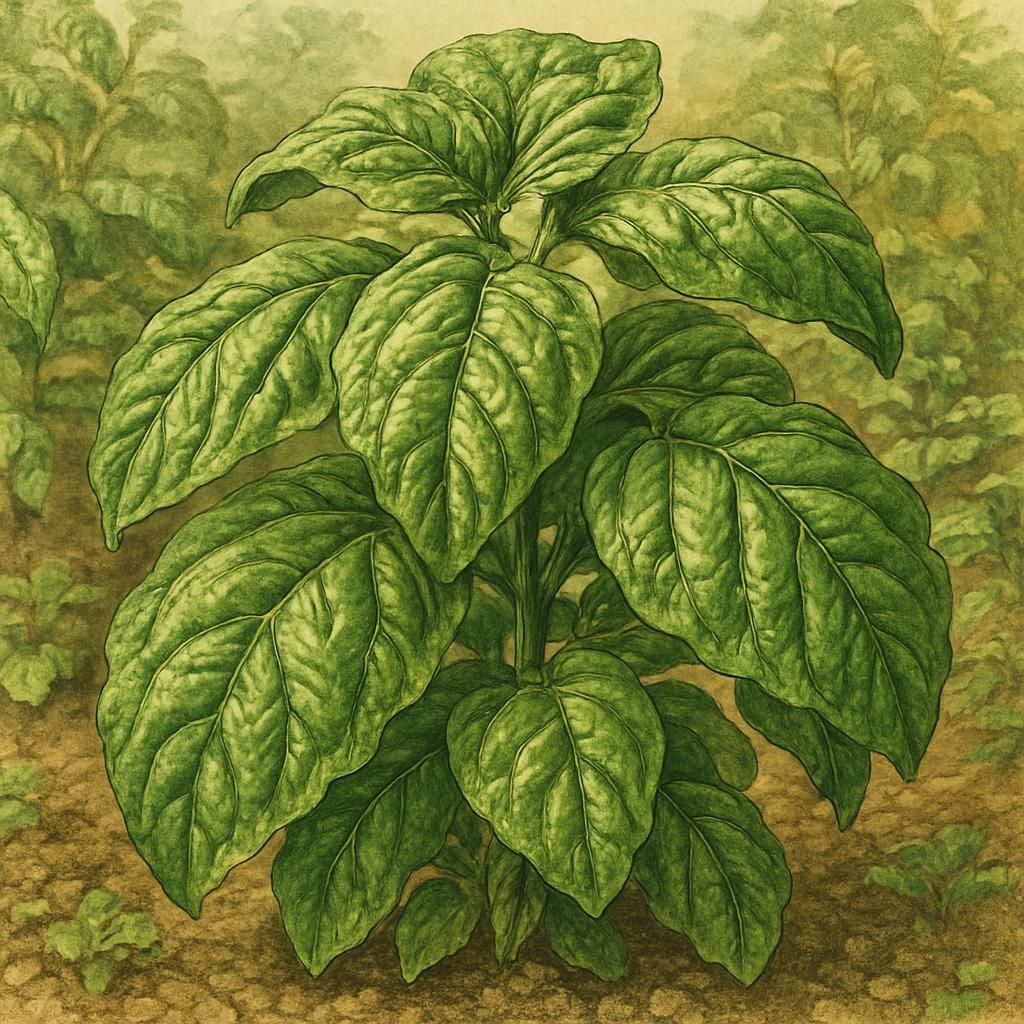
Napoletano Basil
Napoletano Basil is a highly fragrant variety of sweet basil, known for its large, crinkled leaves and mild flavor. It thrives in warm climates and is a staple in Italian cuisine.
View Guide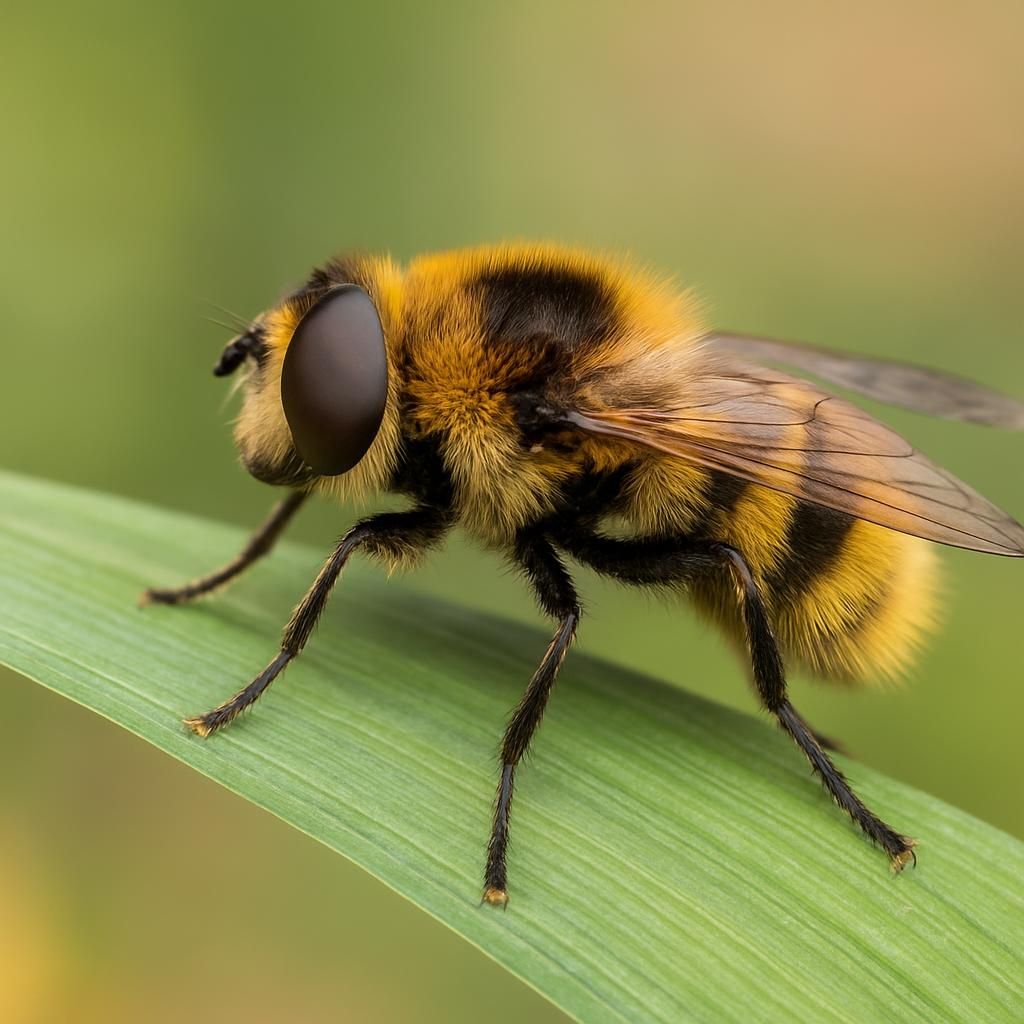
Narcissus bulb fly
The Narcissus bulb fly is a serious pest of daffodils, narcissus, and other bulbous ornamentals whose larvae tunnel inside bulbs, causing rot and plant death. Adults resemble small bumblebees and lay eggs near bulb bases in spring and summer. Effective management combines cultural sanitation, biological controls, and targeted organic treatments.
View Profile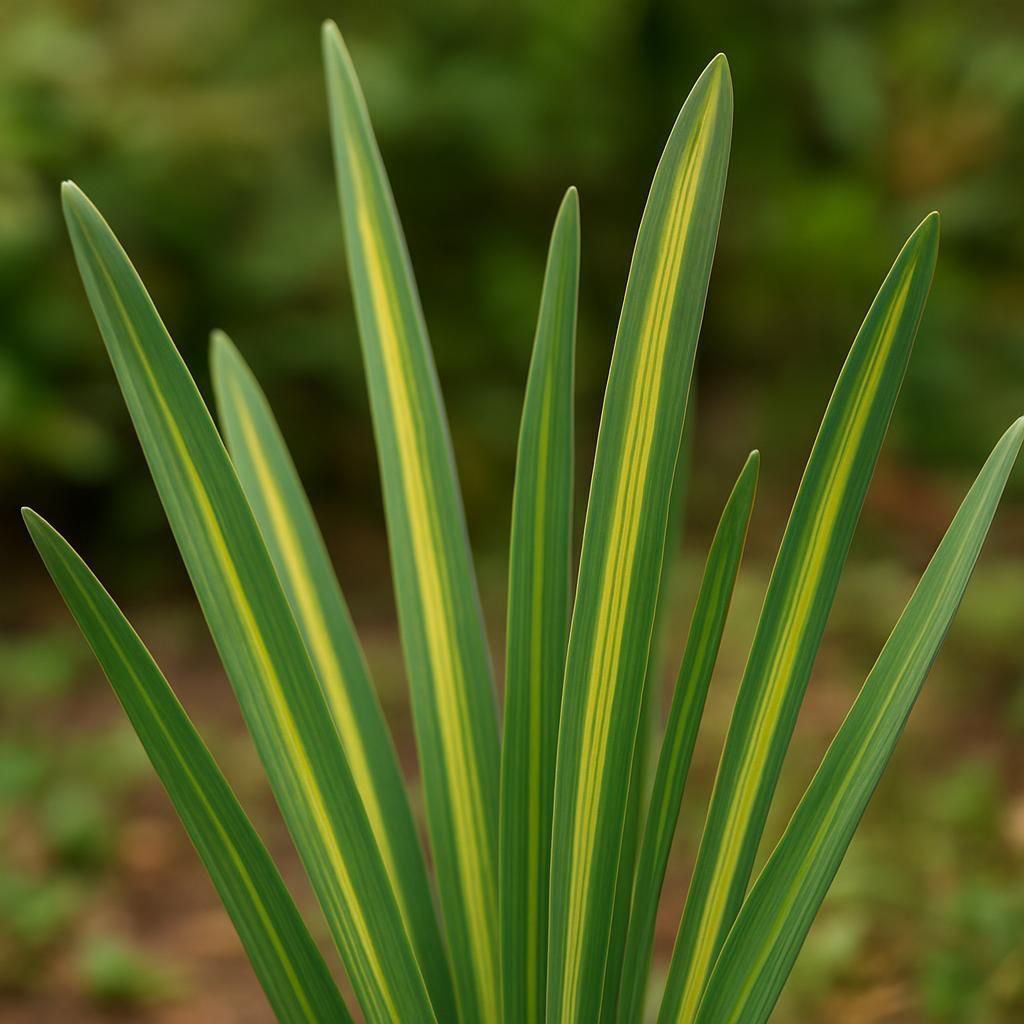
Narcissus yellow stripe virus
Narcissus yellow stripe virus is a potyvirus that causes striking yellow striping, stunting, and reduced flower quality in Narcissus species. It is primarily spread by aphids and infected bulbs, making early detection and strict sanitation essential for commercial and home growers.
View Profile
Nasturtium
Nasturtium is a fast-growing annual valued for its edible flowers, peppery leaves, and exceptional usefulness as a trap crop and pollinator plant. Though often treated as an ornamental, it is also a practical, low-input garden species that thrives in relatively lean soil and can improve integrated pest management around vegetables and herbs.
View Guide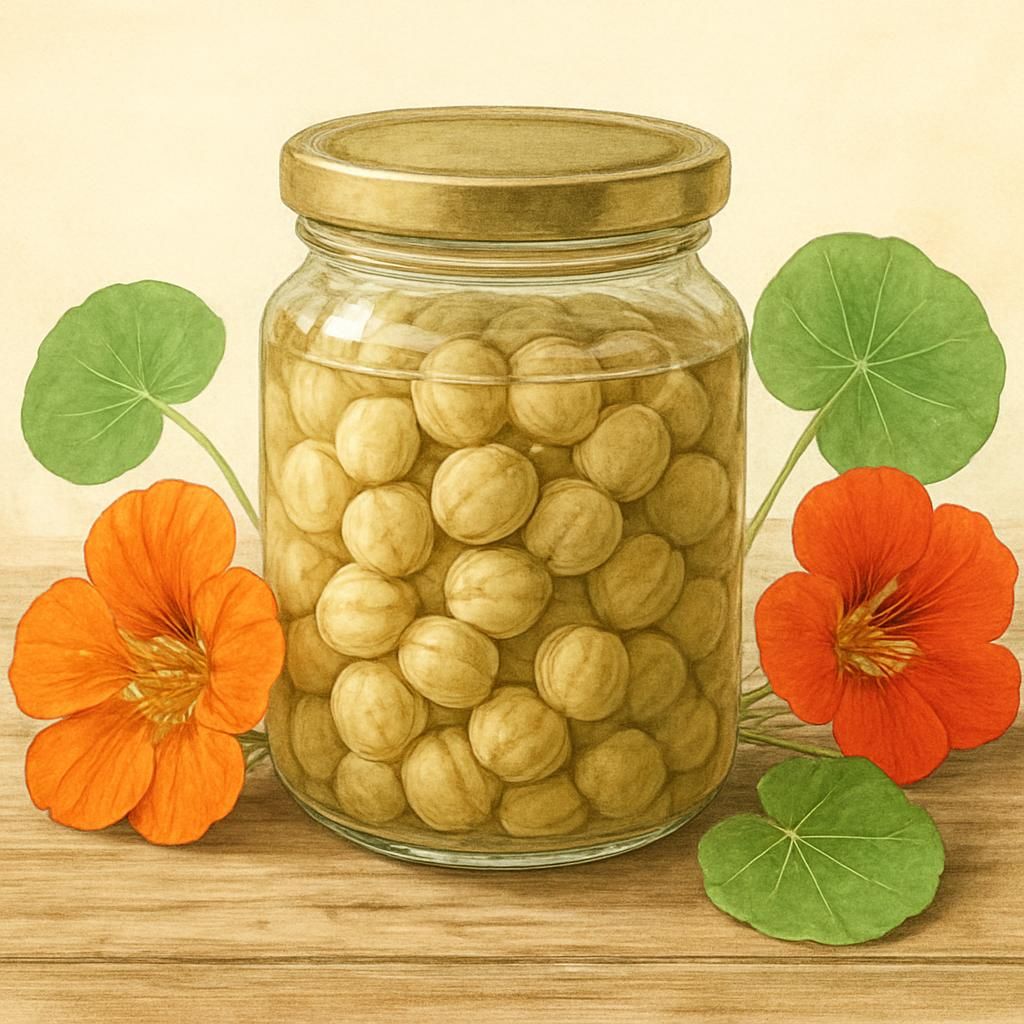
Nasturtium Seed (Pickled)
Nasturtium Seed (Pickled) refers to the mature seeds of Tropaeolum majus that are harvested, brined, and used as a caper substitute. This guide covers professional cultivation of the parent plant to reliably produce high-quality seeds suitable for pickling.
View Guide
Natal Orange (Strychnos madagascariensis)
Natal Orange (Strychnos madagascariensis) is a tropical woody vine native to Madagascar, renowned for its striking orange fruits and ornamental value in agroforestry systems. While the fruits are inedible due to high alkaloid content including strychnine precursors, the plant excels in erosion control, habitat restoration, and as a resilient climber in permaculture designs. This guide provides expert cultivation techniques for sustainable farming and ecological applications.
View Guide
Natal Plum (Fancy)
Natal Plum (Fancy) is a stunning ornamental evergreen shrub prized for its glossy leaves, fragrant white flowers, and vibrant crimson fruits with an edible, tangy pulp. Thriving in warm climates, this salt-tolerant plant is ideal for hedges, coastal gardens, and containers, producing year-round harvests with minimal care. Its dual role as landscape beauty and productive crop makes it perfect for home gardeners seeking low-maintenance, high-yield edibles.
View Guide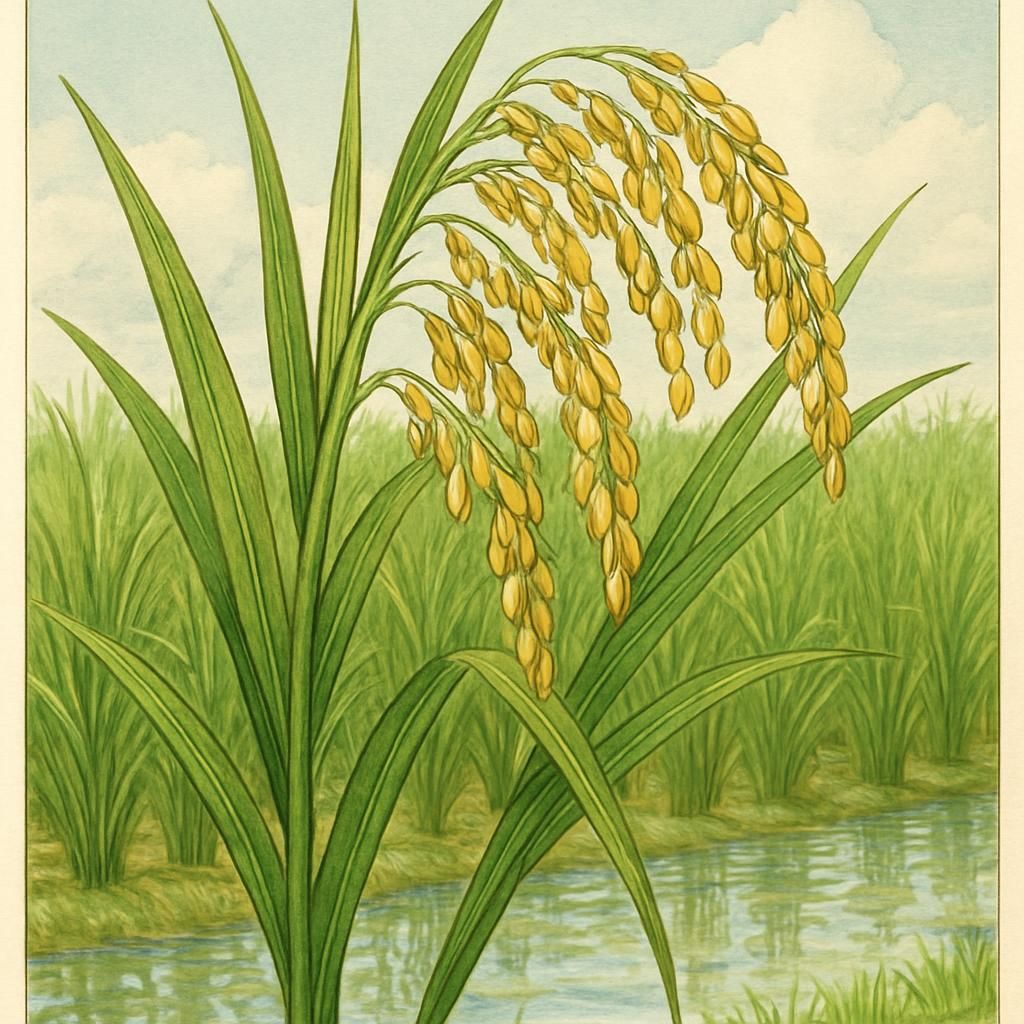
Nato Rice
Nato Rice is a unique variety of rice renowned for its adaptability to various climatic conditions and soil types. Known for its robust growth and high yield potential, this crop is ideal for regions with adequate irrigation and serves as a staple food source in many cultures due to its nutritional benefits.
View Guide
Navel Orange
Navel orange is a seedless sweet orange prized for easy peeling, rich flavor, and dependable fresh-eating quality. It performs best in subtropical to warm Mediterranean climates with mild winters, low humidity during ripening, and well-drained soils. Successful production depends on careful rootstock choice, precise irrigation, balanced nutrition, and disciplined pest and disease management.
View Guide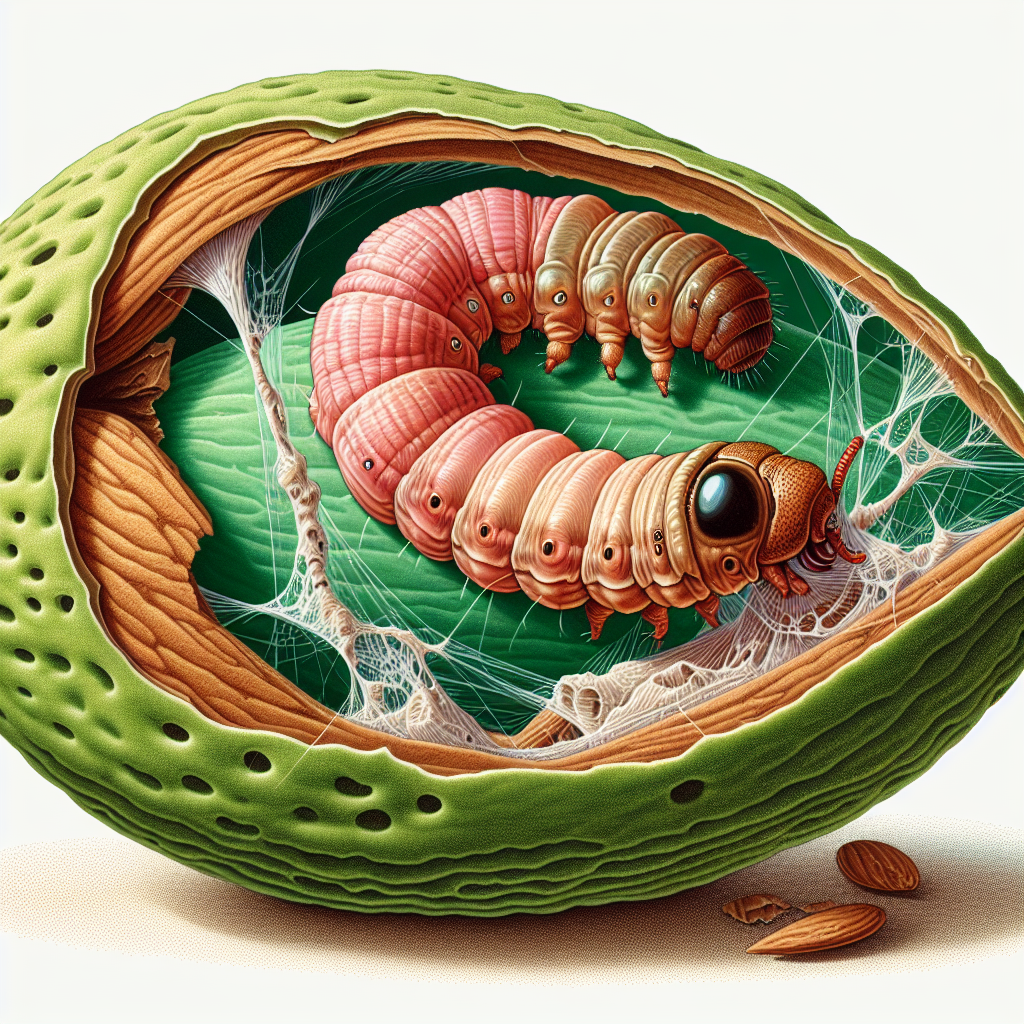
Navel orangeworm
The navel orangeworm is a destructive pest primarily targeting almonds, walnuts, and pistachios in California orchards, where its larvae bore into nuts causing significant yield losses and quality degradation. Effective management relies on understanding its lifecycle, sanitation practices, and targeted organic controls like mating disruption and biological agents. This guide provides diagnostic symptoms, lifecycle details, and proven organic strategies for prevention and control.
View Profile
Navy Bean
Navy bean is a small, white dry bean valued for its mild flavor, high protein content, and excellent storage life. It is a warm-season annual legume that performs best in well-drained soils, moderate fertility, and stable moisture from emergence through pod fill. Though often considered a simple field bean, producing high-quality navy beans requires careful attention to planting temperature, nitrogen management, disease prevention, and harvest timing.
View Guide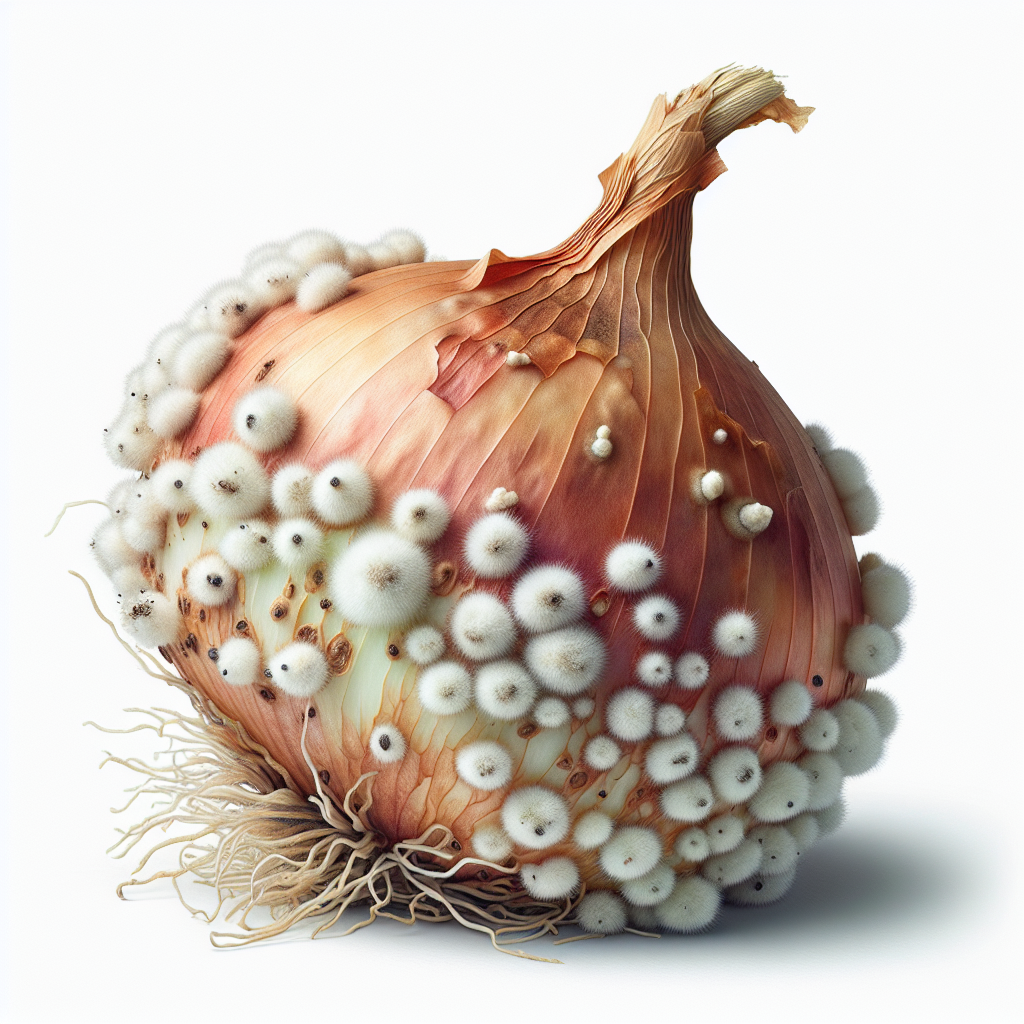
Neck rot
Neck rot, caused primarily by the fungus Sclerotinia sclerotiorum, is a devastating soilborne disease affecting onions and garlic, leading to rotting of necks and bulbs during storage. It thrives in cool, moist conditions and spreads via sclerotia that persist in soil for years. Effective management relies on cultural practices, sanitation, and resistant varieties to minimize losses.
View Profile
Nectarine
Nectarine trees, a smooth-skinned stone fruit variety closely related to peaches, are highly susceptible to pests and diseases that cause significant economic losses in orchards worldwide. This guide provides comprehensive diagnostics for identifying damage, understanding lifecycle triggers, and implementing effective organic management strategies. From [Peach](/wiki/peach) twig borer infestations to [brown rot blossom blight](/wiki/brown-rot-blossom-blight), learn professional techniques to protect yields and ensure healthy harvests.
View Guide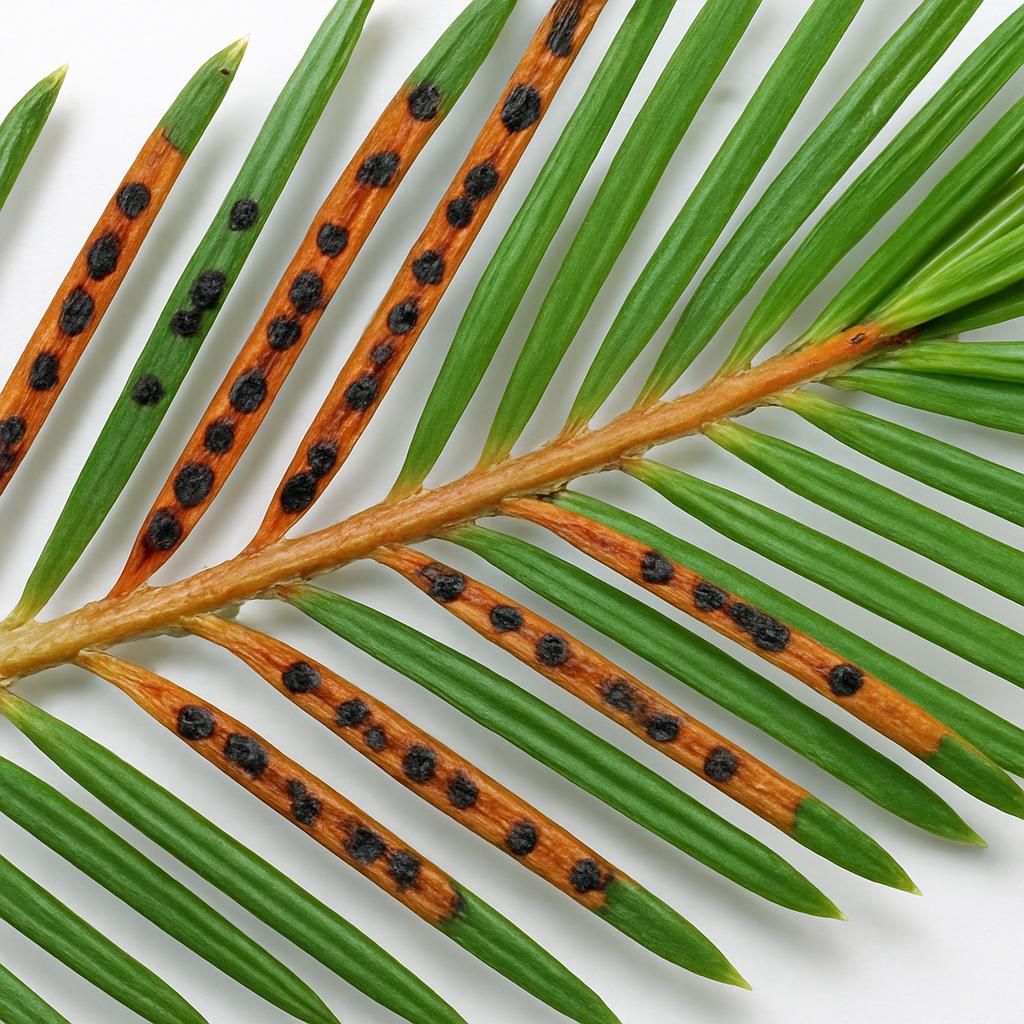
needle cast
Needle cast is a group of fungal diseases affecting conifers that causes progressive browning, premature needle drop, and reduced tree vigor. Accurate identification combined with timely cultural and chemical management prevents long-term canopy thinning and economic loss in Christmas tree plantations and timber stands.
View Profile
Neem
Neem (Azadirachta indica) is a fast-growing tropical evergreen tree native to India, widely cultivated for its insect-repellent properties and used extensively in organic pest management. While not a pest itself, mismanaged neem plantations can lead to issues like excessive shading or allelopathic effects on nearby crops. This guide provides diagnostic insights and management strategies for neem in agricultural settings, focusing on cultivation challenges and integration with crop systems.
View Profile
Neem oil
Neem oil is a natural biopesticide extracted from the seeds of the neem tree, widely used in organic farming to control a broad spectrum of pests including aphids, mites, and whiteflies. This guide provides definitive diagnostic methods to identify pest damage mistaken for neem issues and comprehensive management strategies for safe, effective application. Learn organic control plans, prevention techniques, and crops most benefiting from neem oil treatments to protect your harvest sustainably.
View Profile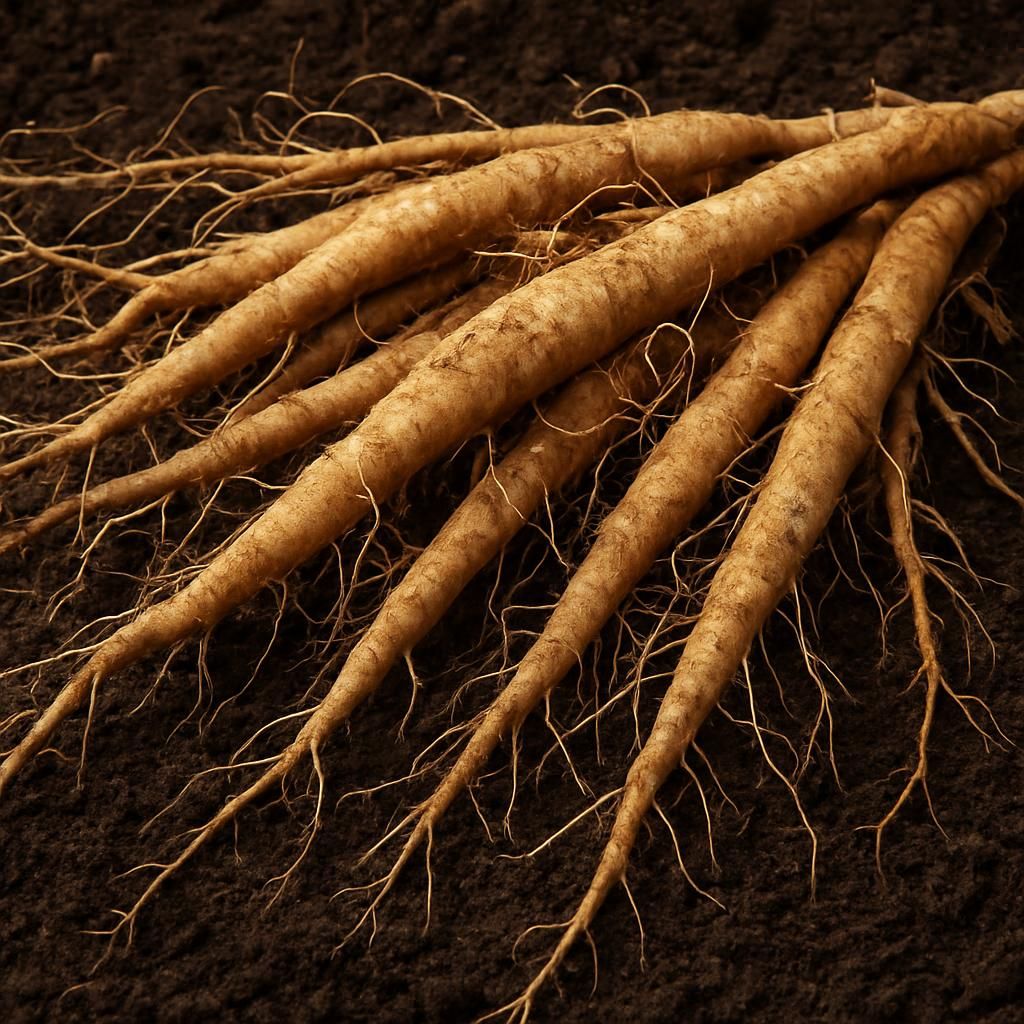
Neem Root
Neem Root is the underground portion of the neem tree (Azadirachta indica), valued for its potent bioactive compounds used in traditional medicine, natural pesticides, and soil health amendments. This deep-dive guide covers professional-grade cultivation practices, from soil preparation to harvest and storage, focusing on sustainable production of high-quality neem roots for agricultural and medicinal markets.
View Guide
neem tree
The neem tree (Azadirachta indica) is often hailed as a natural pest repellent in agriculture due to its potent compounds like azadirachtin, but it can become an invasive weed in non-native regions, aggressively competing with crops for resources. This guide provides diagnostic tools to identify neem tree encroachment and comprehensive organic management strategies to control its spread while harnessing its beneficial properties. Farmers can effectively manage neem trees to protect yields without synthetic chemicals.
View Guide
Nematodes
Nematodes are microscopic, worm-like pests that attack plant roots, causing stunted growth, yellowing foliage, and yield losses in crops worldwide. This guide provides definitive diagnostics, lifecycle insights, organic management strategies, and prevention tactics for farmers facing nematode infestations. Effective control combines cultural practices, resistant varieties, and biological agents for sustainable agriculture.
View Profile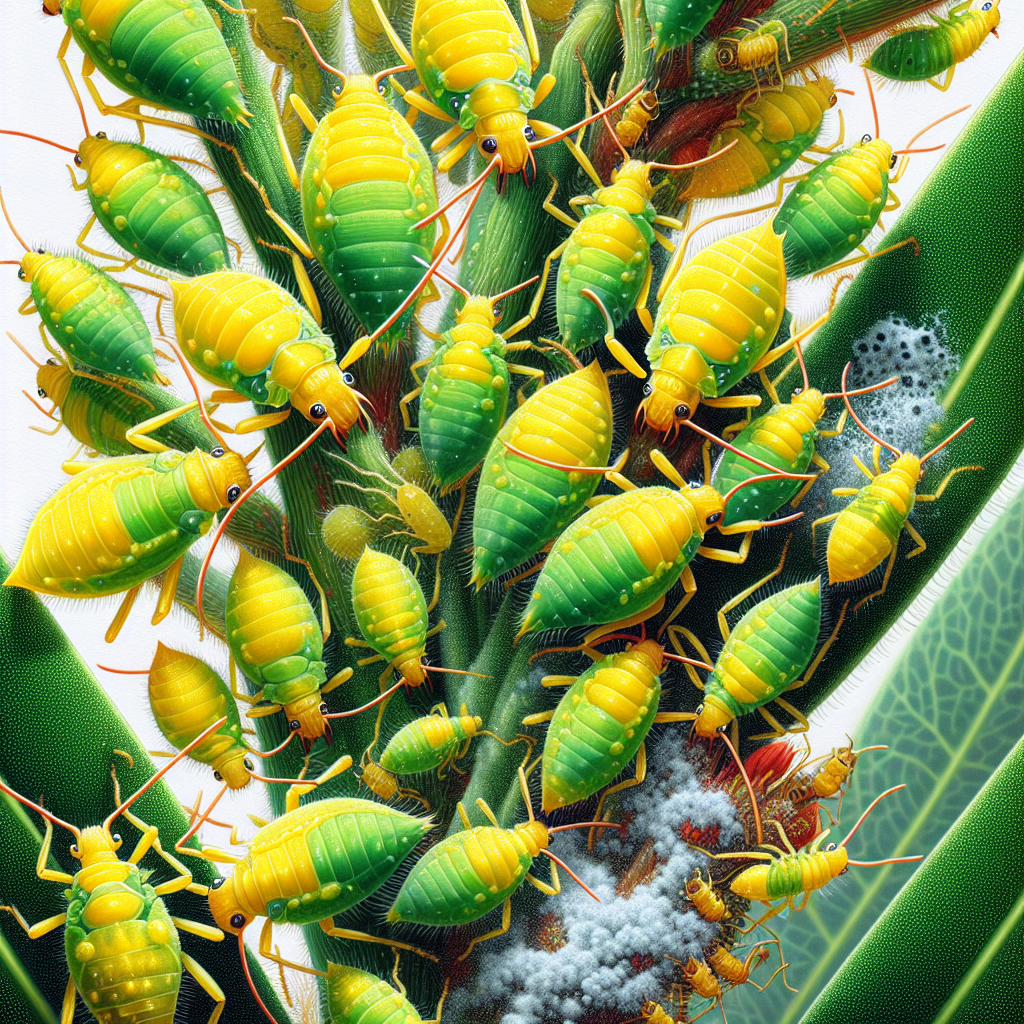
Nerium Oleander Aphid
The Nerium Oleander Aphid (Aphis nerii) is a sap-sucking pest that primarily targets oleander plants but can infest a wide range of ornamental and crop species, causing distorted growth, leaf yellowing, and sooty mold. This guide provides comprehensive diagnostics, lifecycle details, organic management strategies, and prevention tips for farmers and gardeners. Effective control combines cultural practices, biological agents, and targeted organic sprays to protect yields without chemicals.
View Profile