Encyclopedia
Definitive guides for crops, pests, and agricultural diseases.
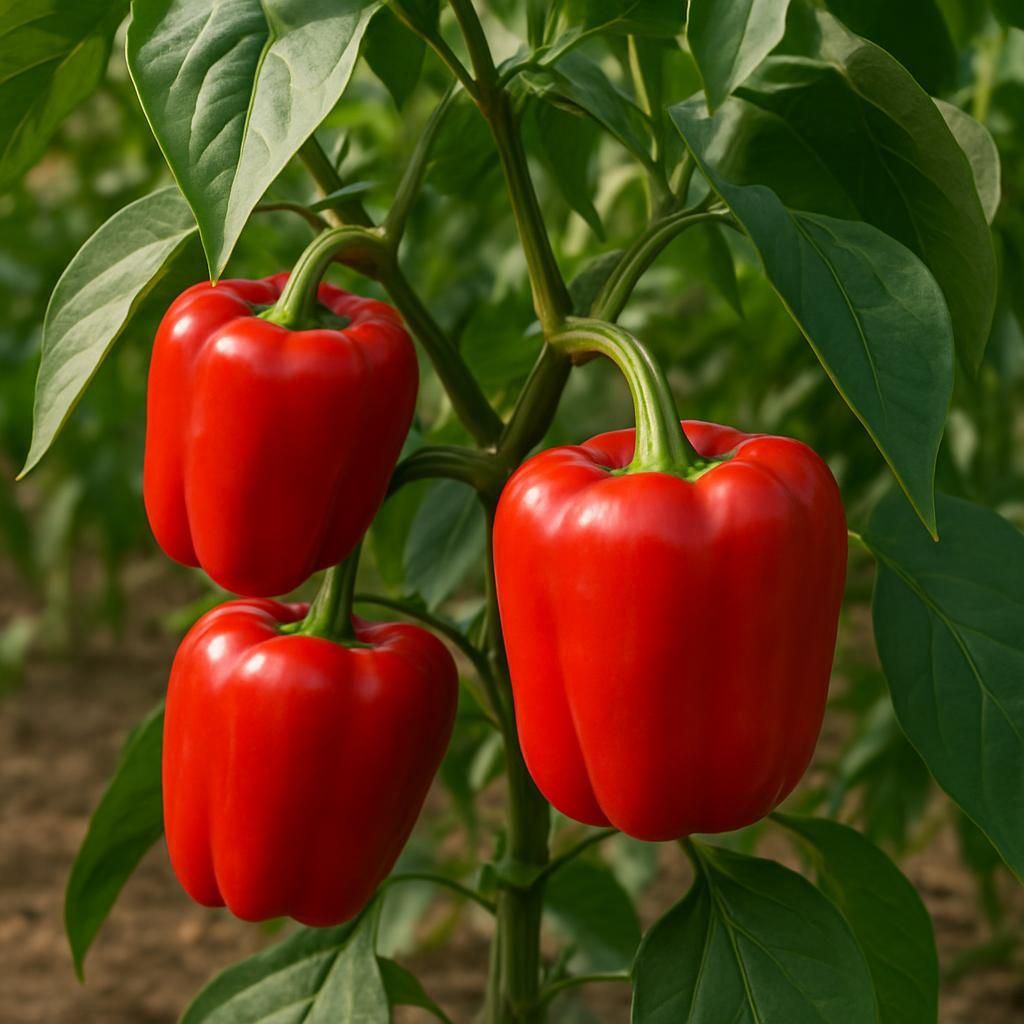
Pepper
Pepper is a warm-season vegetable prized for its vibrant colors, diverse flavors, and culinary versatility. This definitive growing guide covers soil preparation, planting, care, pest management, and harvesting for optimal yields.
View Guide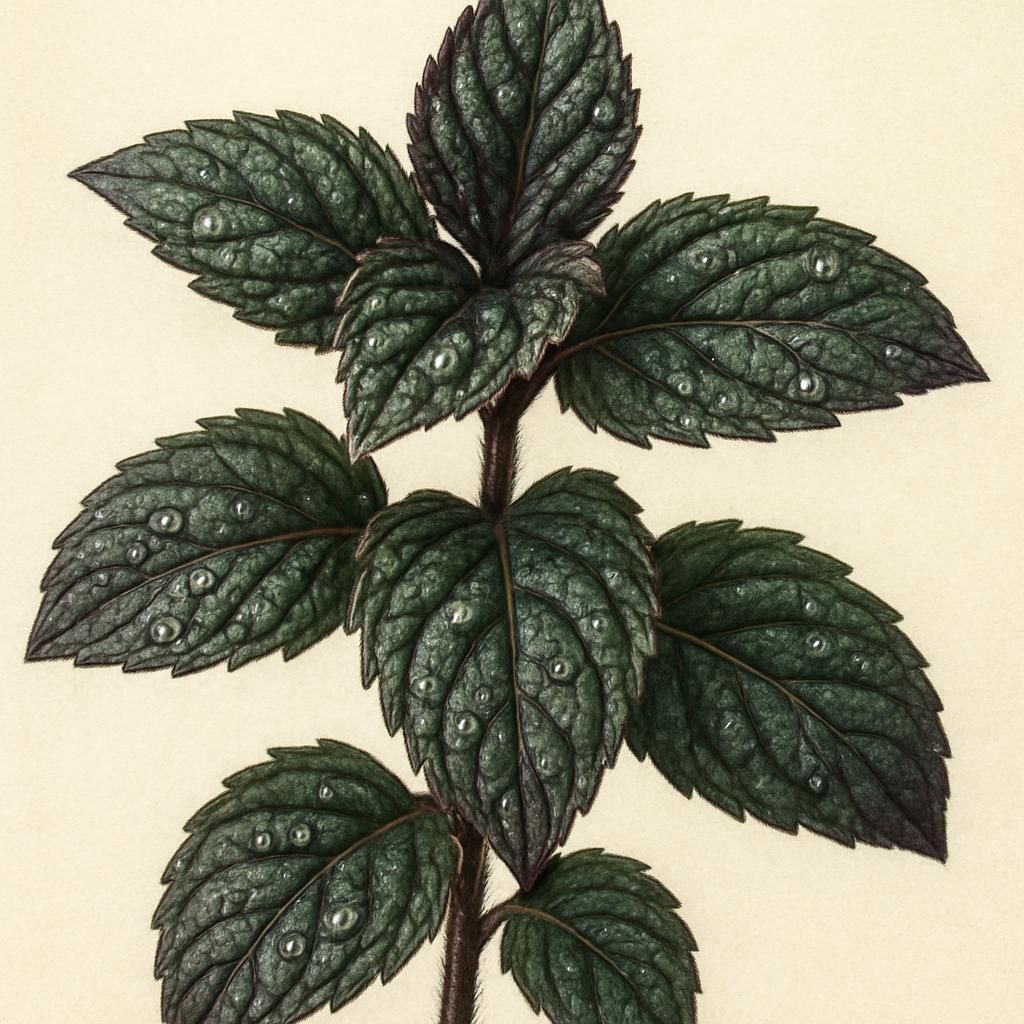
Peppermint (Black)
Black Peppermint, a hybrid cultivar of peppermint, is highly valued for its aromatic leaves and essential oils, making it a popular choice for culinary, medicinal, and commercial uses.
View Guide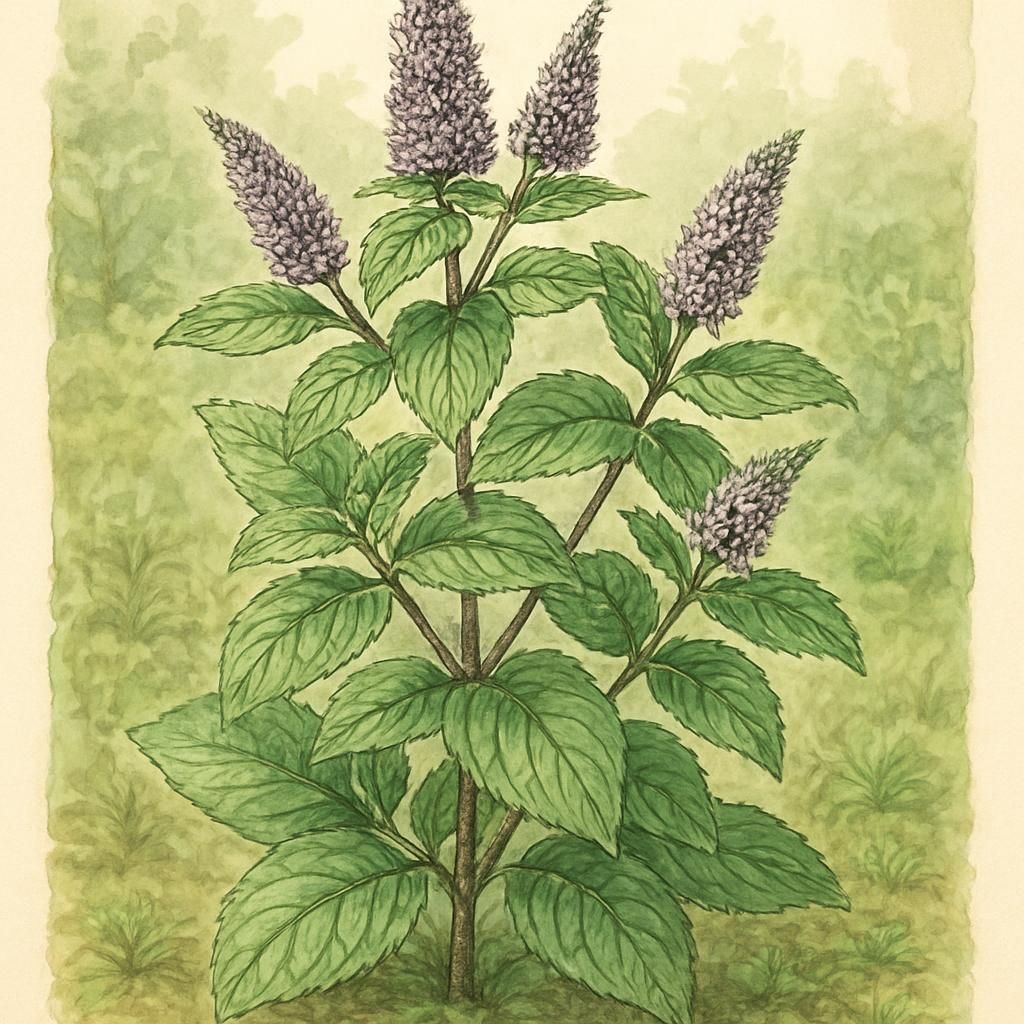
Peppermint (Mitcham)
Peppermint (Mitcham) is a highly aromatic perennial herb praised for its robust flavor and essential oil. It's commonly cultivated for culinary and medicinal uses due to its high menthol content.
View Guide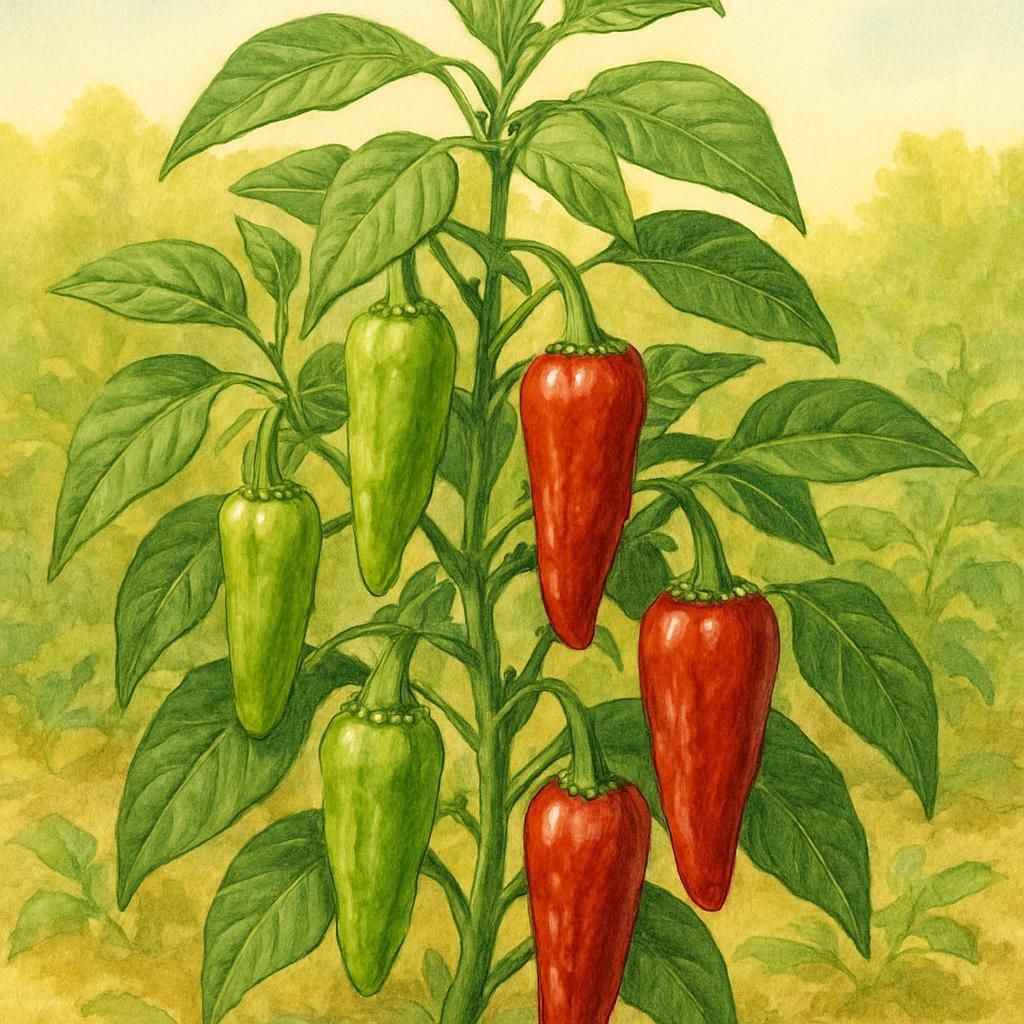
Pepperoncini (Greek)
Pepperoncini, a variety of Capsicum annuum, is a popular pickling pepper known for its mild heat and vibrant flavor. Originating in Greece, this pepper is a staple in Mediterranean cuisine and can easily be grown in a home garden with the right conditions.
View Guide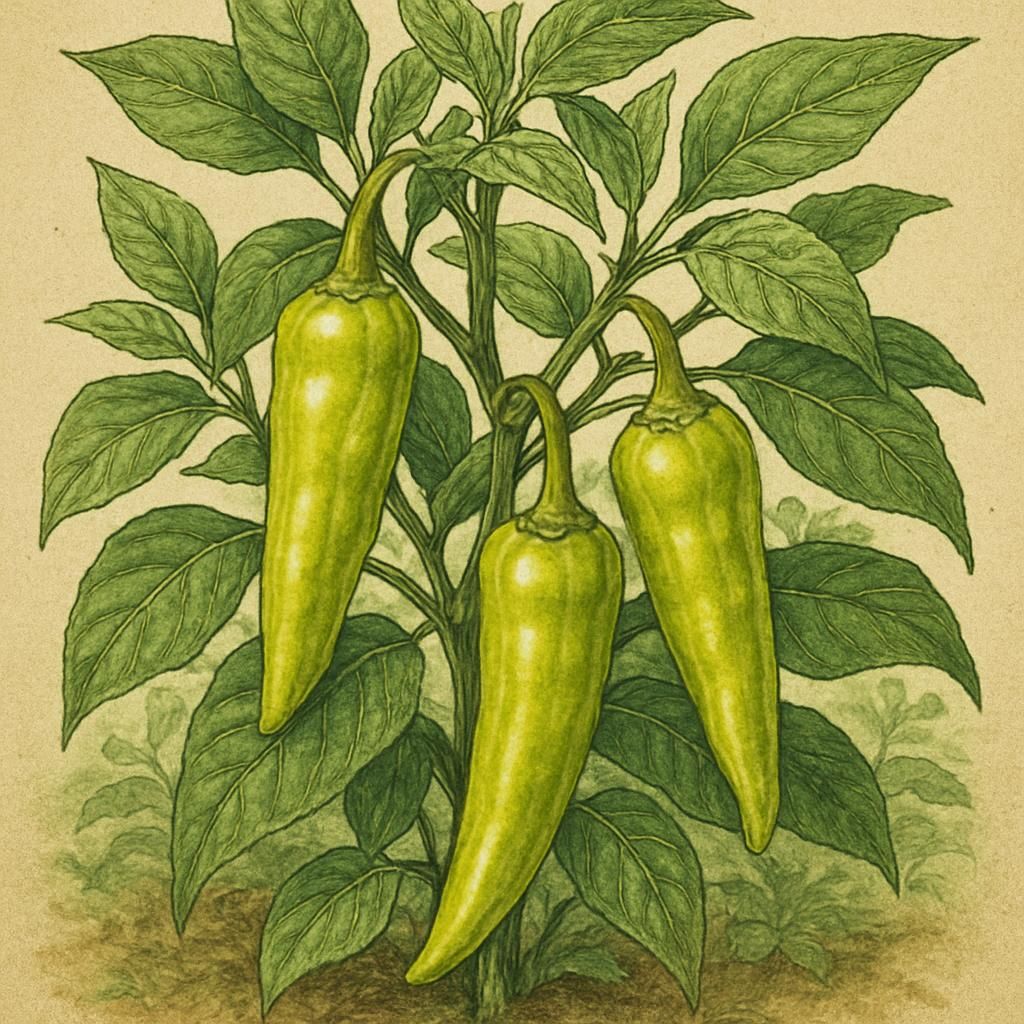
Pepperoncini (Italian)
Pepperoncini, often referred to as Italian peppers, are a variety of hot chili peppers known for their tangy flavor and mild heat. They are a popular choice for pickling and are widely used in Mediterranean cuisine.
View Guide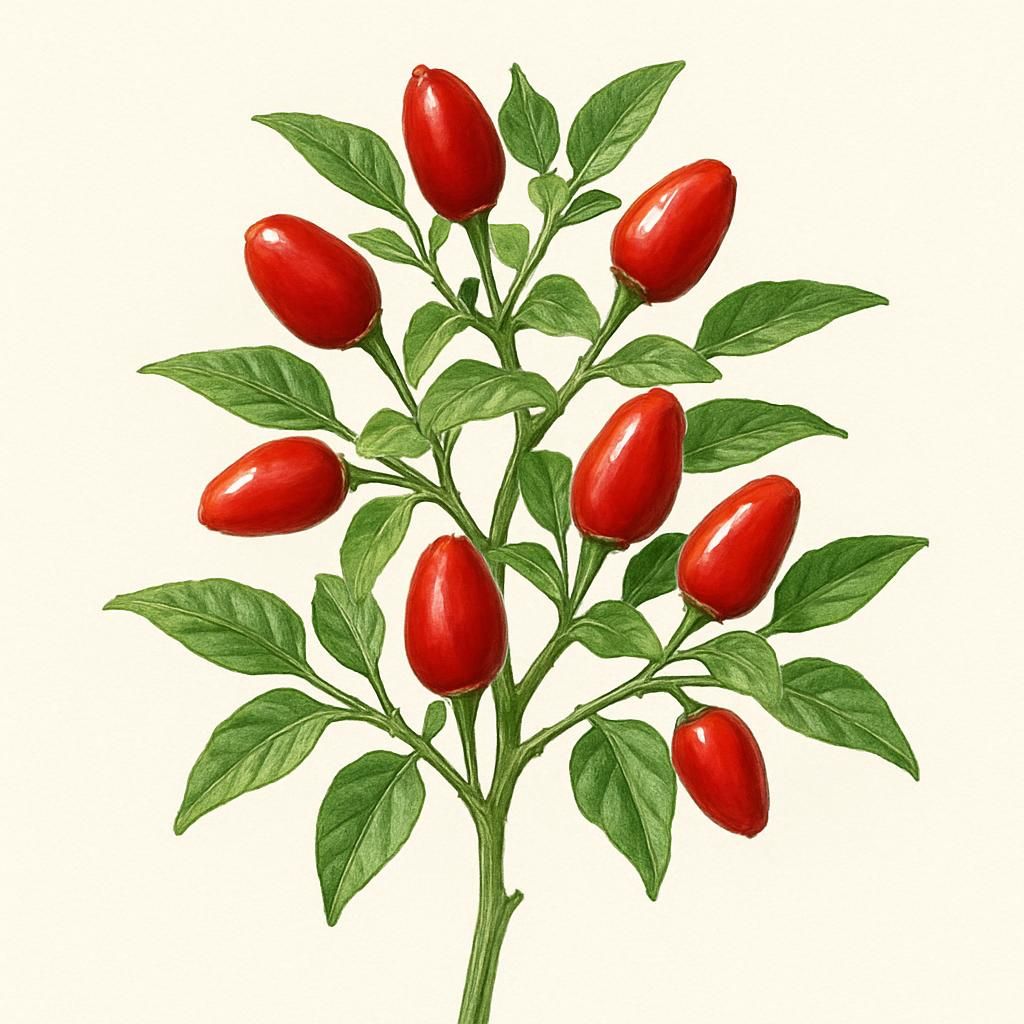
Pequin Pepper
Pequin pepper is a tiny, extremely hot wild chile prized for its smoky-sweet flavor and rapid growth. This comprehensive guide covers every stage from seed to harvest with professional-grade agronomic detail.
View Guide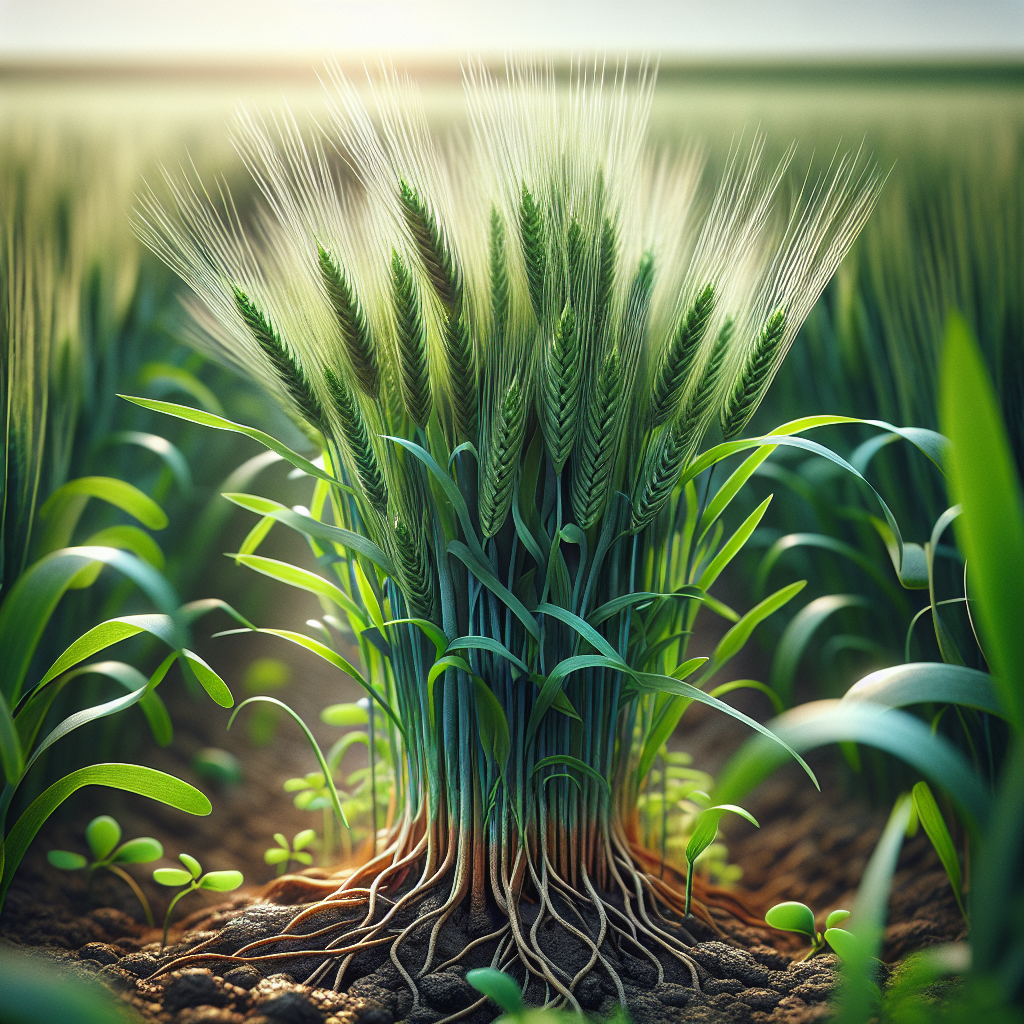
Perennial Rye
Perennial rye is a cool-season bunchgrass valued for fast establishment, dense turf, high forage quality, and excellent traffic tolerance. It performs best in temperate climates with fertile, well-drained soils and consistent moisture, making it a top choice for pastures, lawns, sports fields, and erosion control.
View Guide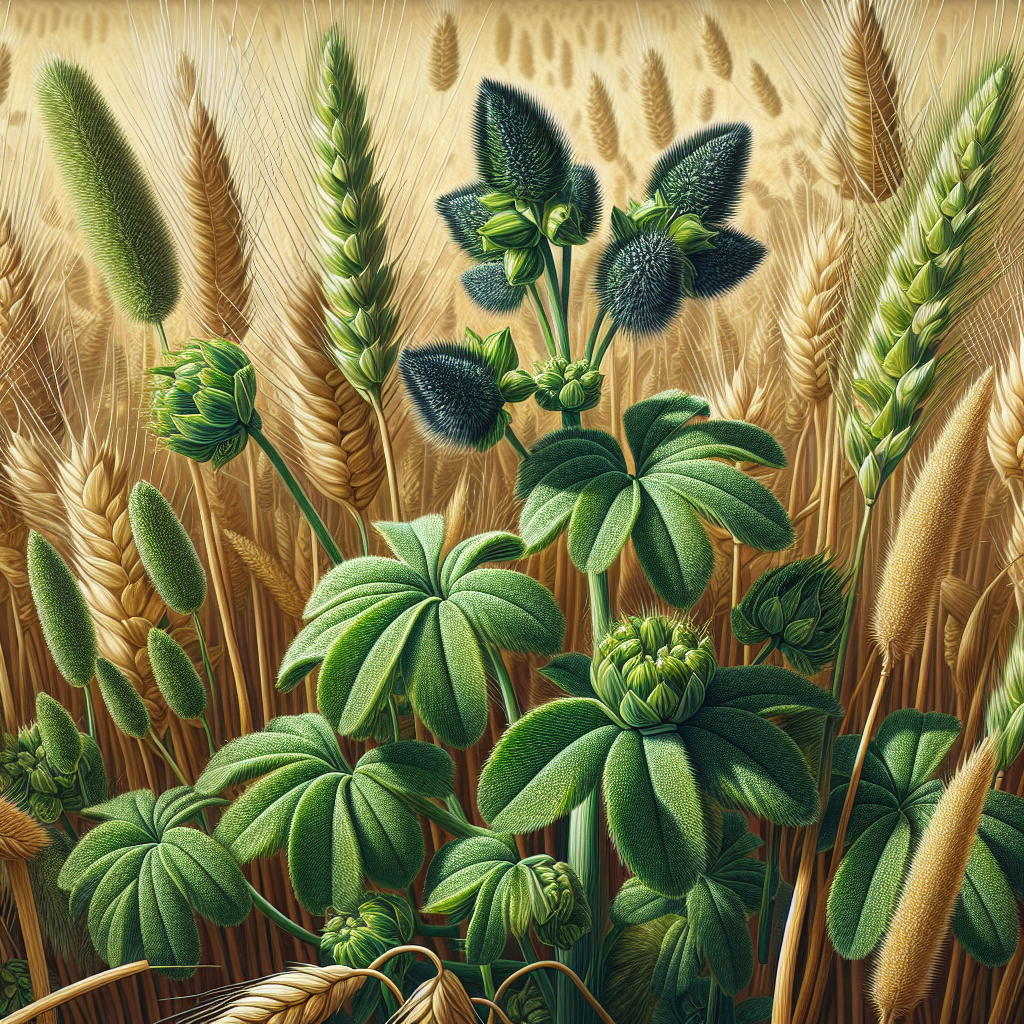
perennial ryegrass
Perennial ryegrass (Lolium perenne) is a highly competitive cool-season grass weed that aggressively invades agricultural fields, turf, and pastures, reducing yields and complicating crop management. This guide provides definitive diagnostic symptoms, lifecycle details, organic control strategies, and prevention tactics for farmers battling this persistent invader. Learn practical, professional-grade methods to identify, manage, and prevent perennial ryegrass infestations effectively.
View Guide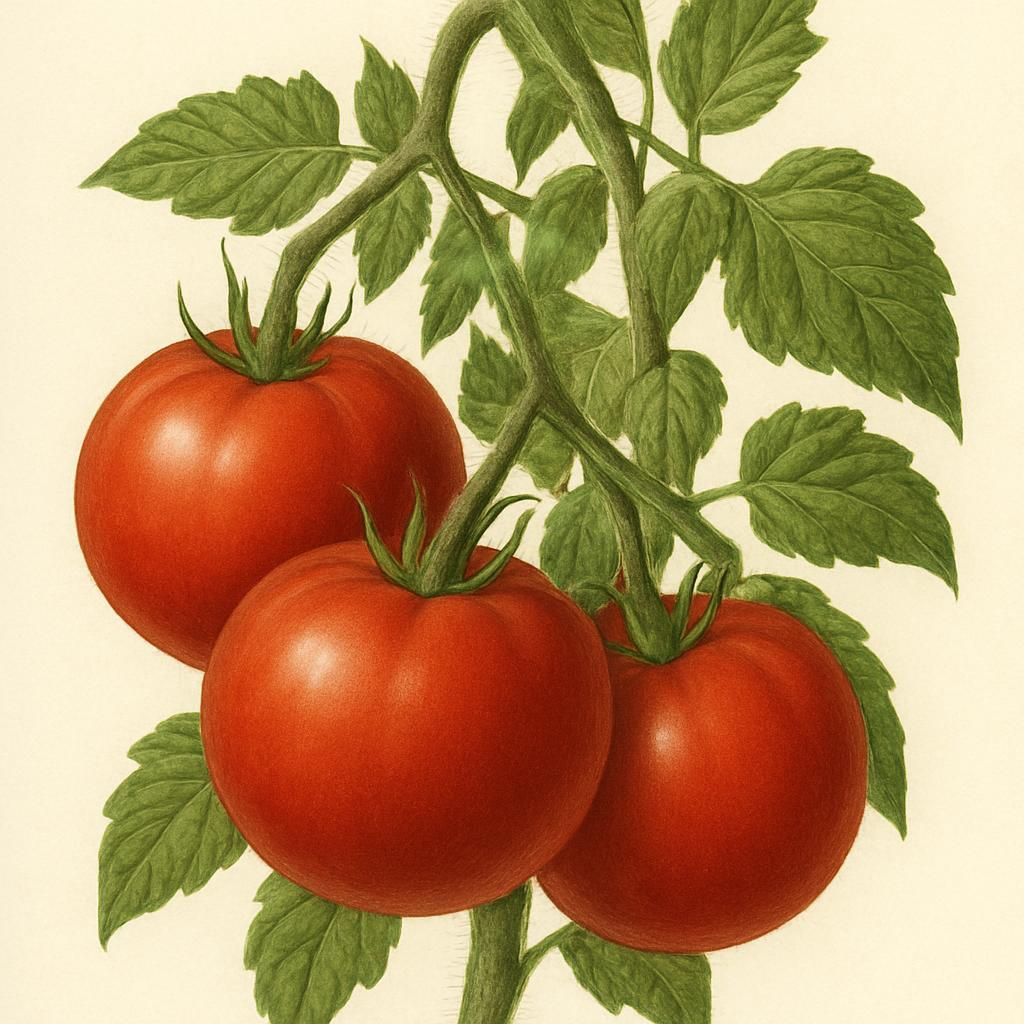
Peron Sprayless Tomato
Peron Sprayless Tomato is a disease-resistant, indeterminate heirloom-type variety prized for its thick, crack-resistant skins and high yields without the need for chemical sprays. It thrives in warm climates and offers excellent flavor for fresh eating and processing.
View Guide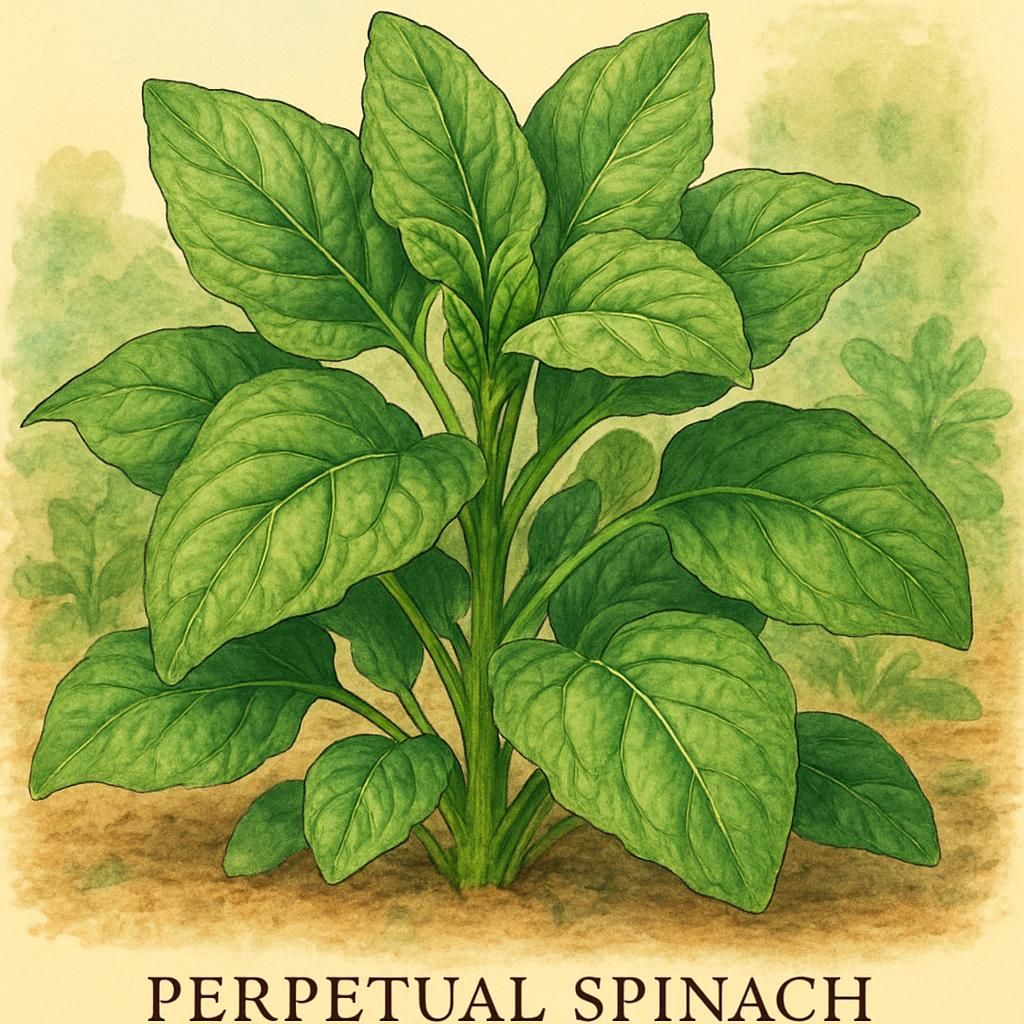
Perpetual Spinach (Chard)
Perpetual Spinach, a type of chard, is ideal for continuous harvests due to its hardy nature and fast growth, making it a staple for home gardeners and small farms.
View Guide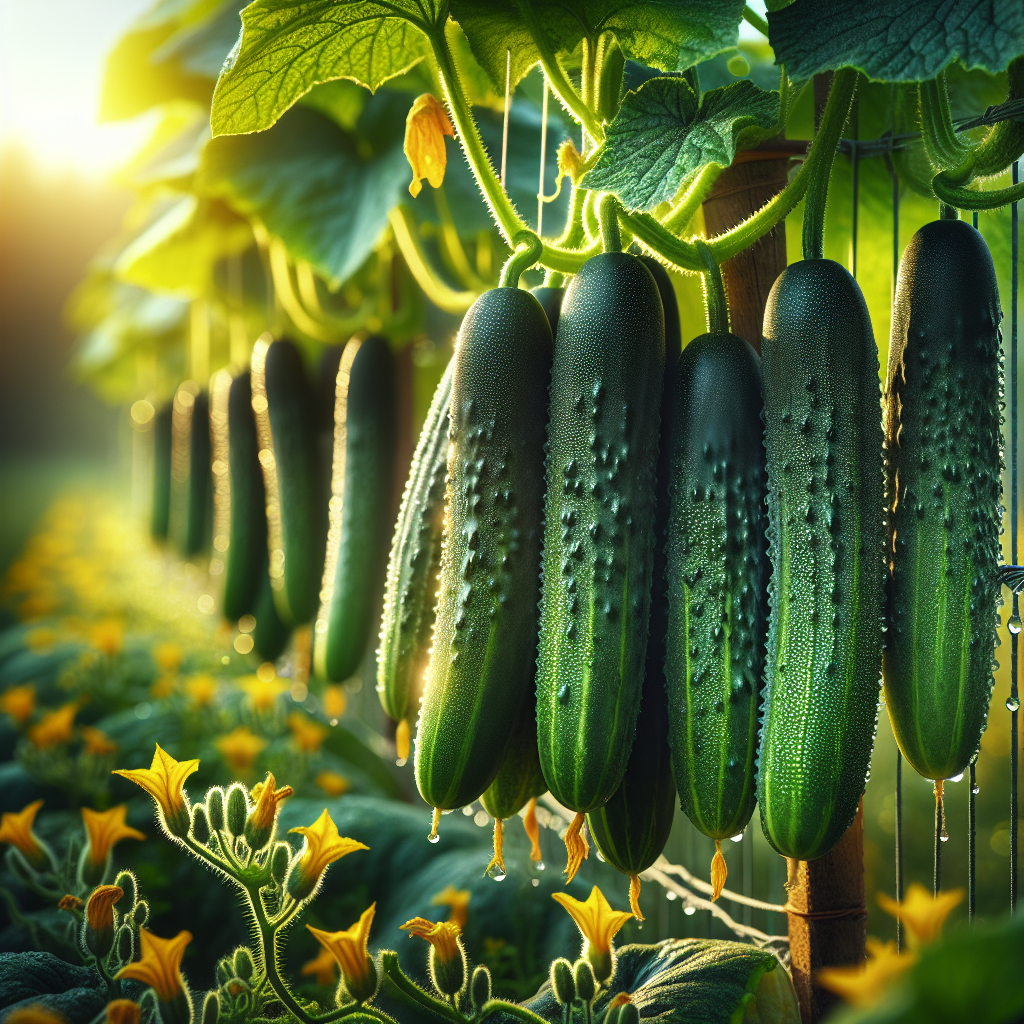
Persian Cucumber
Persian cucumbers are a slender, burpless variety prized for their crisp texture, mild flavor, and thin, edible skins. Originating from Armenia and popularized in Middle Eastern cuisine, they thrive in warm climates and produce high yields with minimal bitterness. This guide provides expert techniques for optimal growth, from soil prep to harvest.
View Guide
Persian Lime
Persian lime is the dominant commercial lime in many subtropical and tropical production regions, valued for its nearly seedless fruit, strong acidity, vigorous growth, and high market reliability. This guide covers the agronomy, orchard management, pest control, harvesting, and postharvest handling needed to grow healthy, productive trees at professional and small-farm scale.
View Guide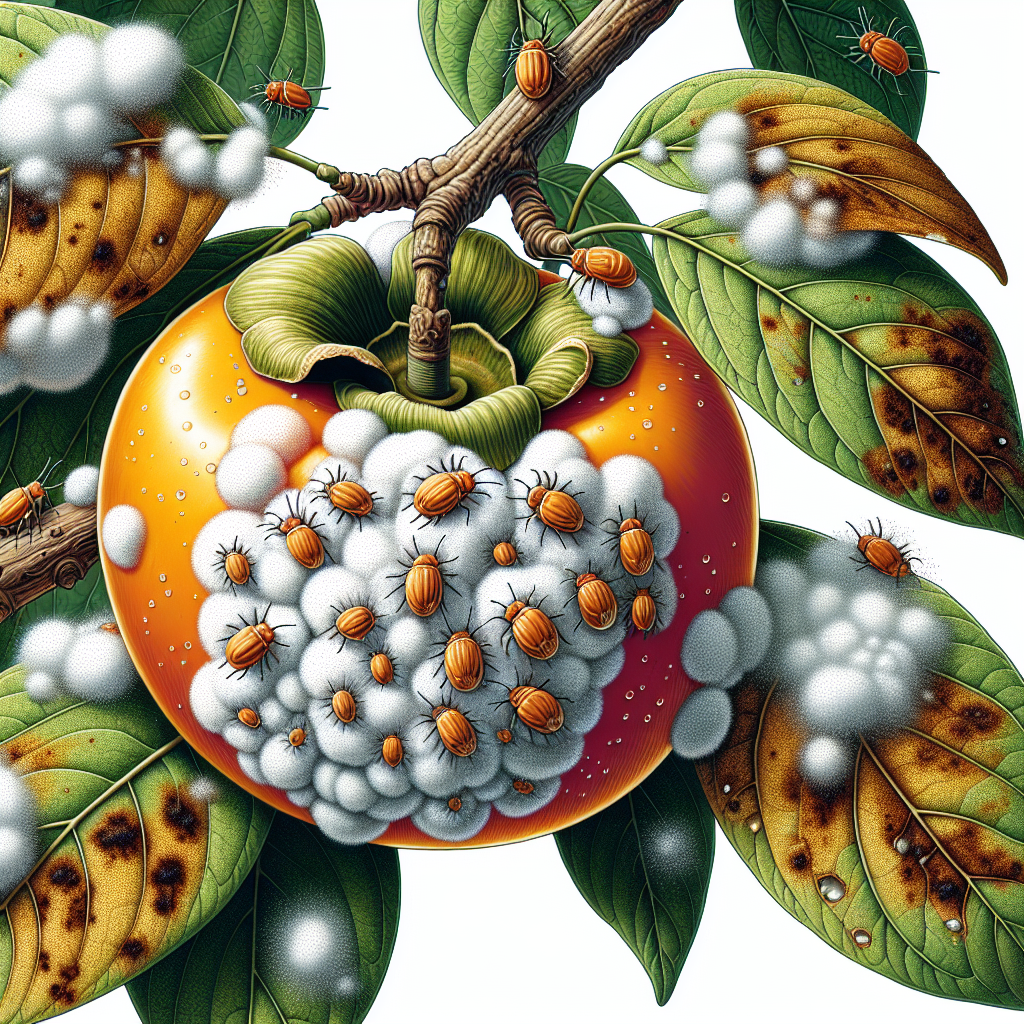
persimmon
Persimmon mealybugs are sap-sucking pests that infest persimmon trees, causing leaf yellowing, fruit drop, and sooty mold growth. This guide provides comprehensive diagnostics, lifecycle details, organic management strategies, and prevention tips for growers. Effective control combines cultural practices, biological agents, and monitoring to protect yields.
View Guide
Persimmon (Chocolate)
The Chocolate Persimmon is a rare, astringent variety of Japanese persimmon renowned for its unique chocolate-brown flesh and rich, caramel-like flavor when fully ripened. This guide provides expert cultivation techniques, from soil preparation to harvest, ensuring high yields of this premium fruit. Ideal for home orchards and small farms seeking exotic, high-value crops.
View Guide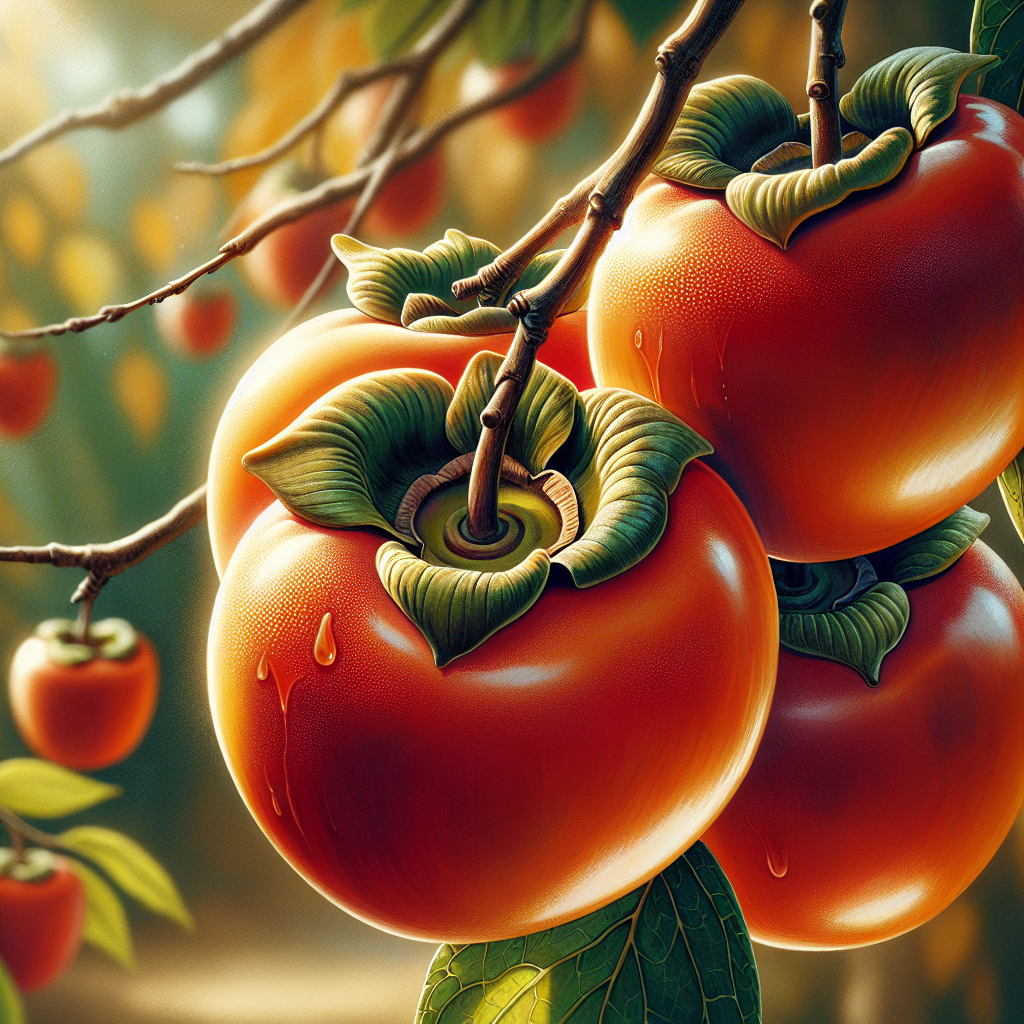
Persimmon (Coffee Cake)
Persimmon (Coffee Cake) is a premium astringent persimmon cultivar celebrated for its rich, coffee-cake-like flavor profile with hints of cinnamon and caramel when fully ripened. This guide provides expert cultivation techniques for optimal yields, from soil preparation to post-harvest curing. Ideal for small farms and orchards seeking high-value fruit crops.
View Guide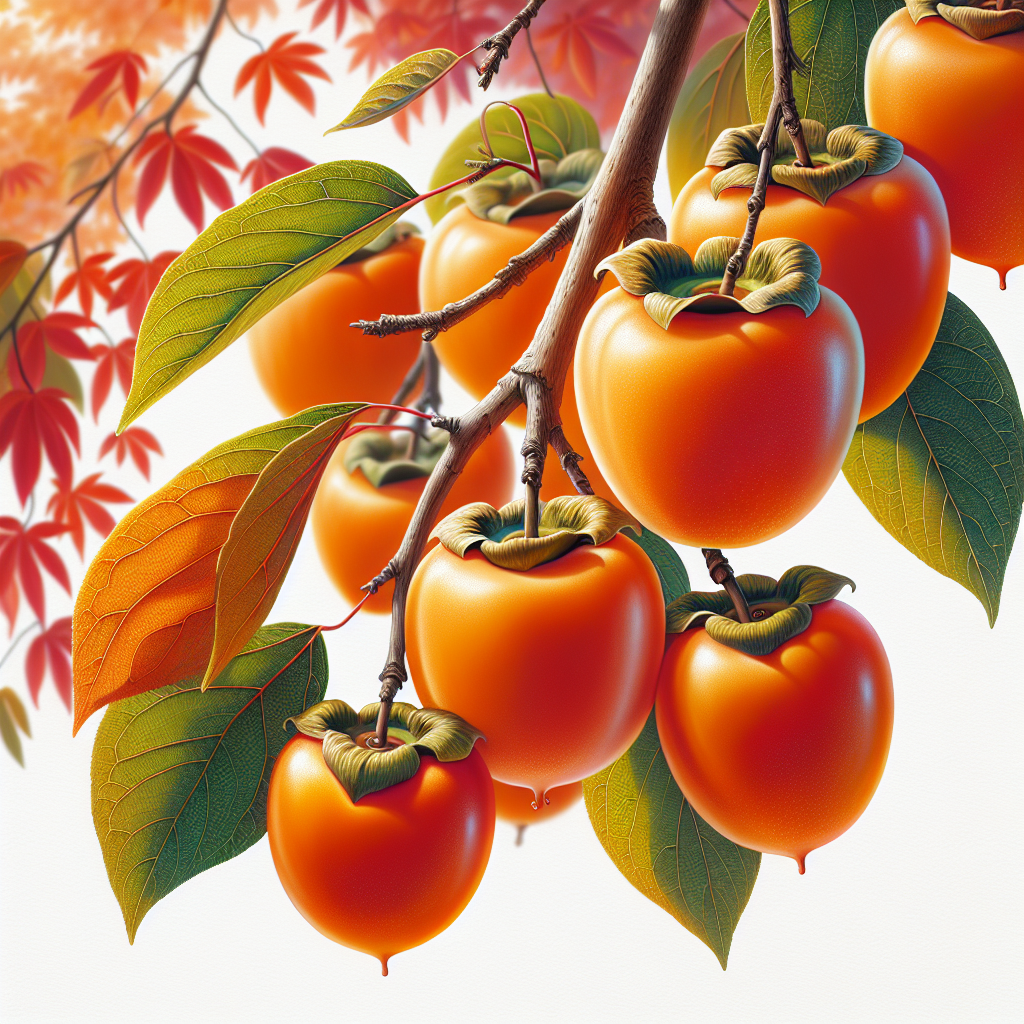
Persimmon (Fuyu Jiro)
Fuyu Jiro persimmon is a non-astringent Japanese variety prized for its crisp, sweet, tomato-shaped fruit that can be eaten firm right off the tree. This comprehensive guide covers everything from soil preparation and propagation to pest management and harvesting for optimal yields. Ideal for home orchards and small farms in temperate to subtropical climates.
View Guide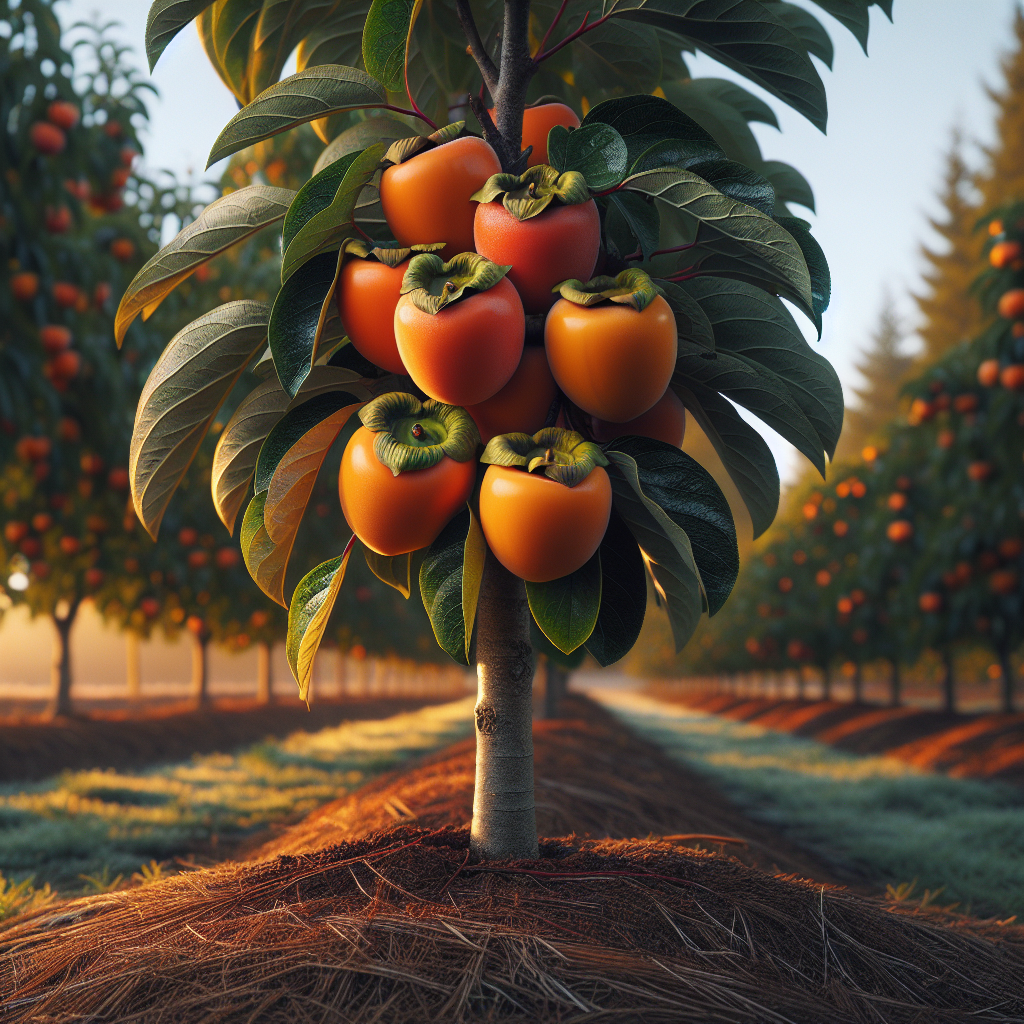
Persimmon (Fuyu)
Fuyu persimmon is a non-astringent Asian persimmon prized for its crisp texture, sweet flavor, and ability to be eaten while still firm. Compared with astringent persimmons, it is generally more forgiving for home orchards and small farms, but it still rewards careful management of soil drainage, canopy structure, and harvest timing.
View Guide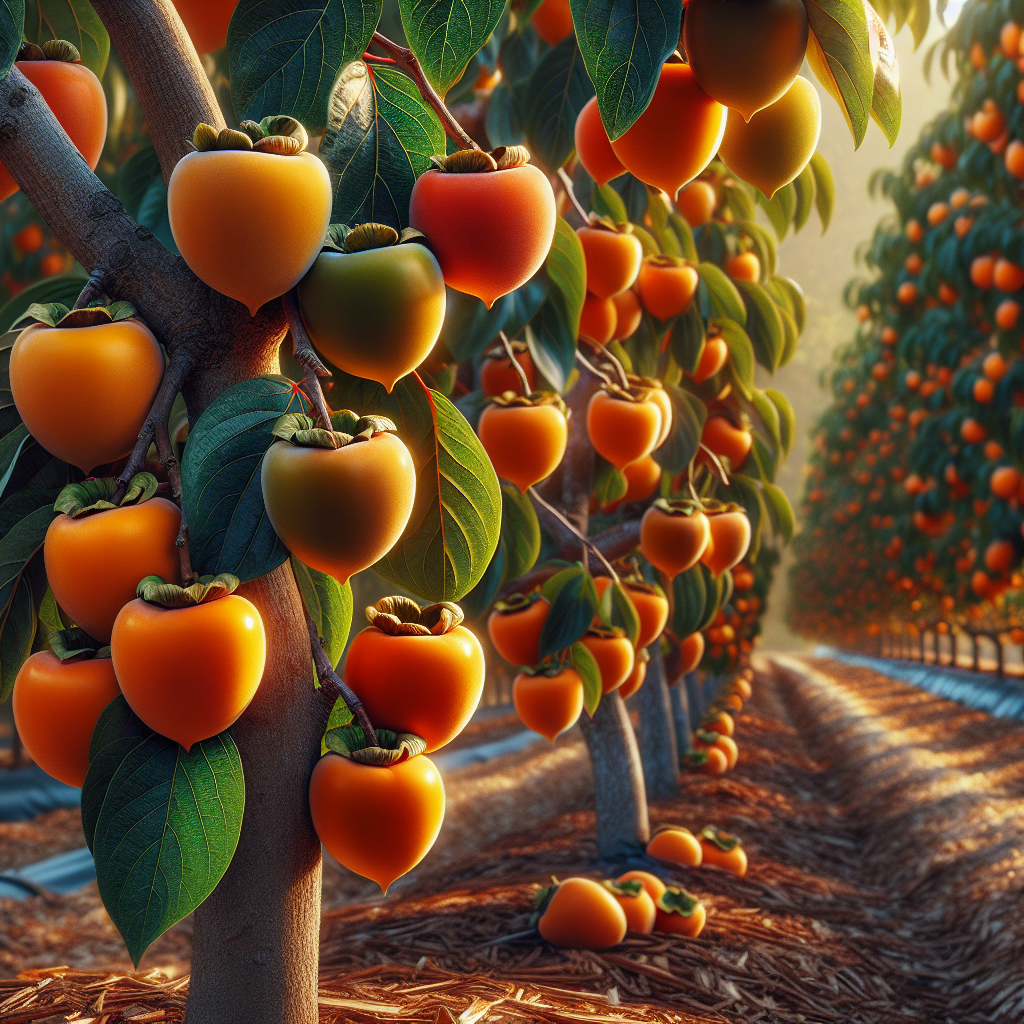
Persimmon (Hachiya)
Persimmon 'Hachiya' is a classic astringent Asian persimmon prized for its large, acorn-shaped fruit that becomes exceptionally rich, honeyed, and custard-soft when fully ripe. It is a productive deciduous fruit tree for warm-temperate regions, but success depends on careful site selection, disciplined irrigation during establishment, and harvesting only when the fruit has fully lost its astringency.
View Guide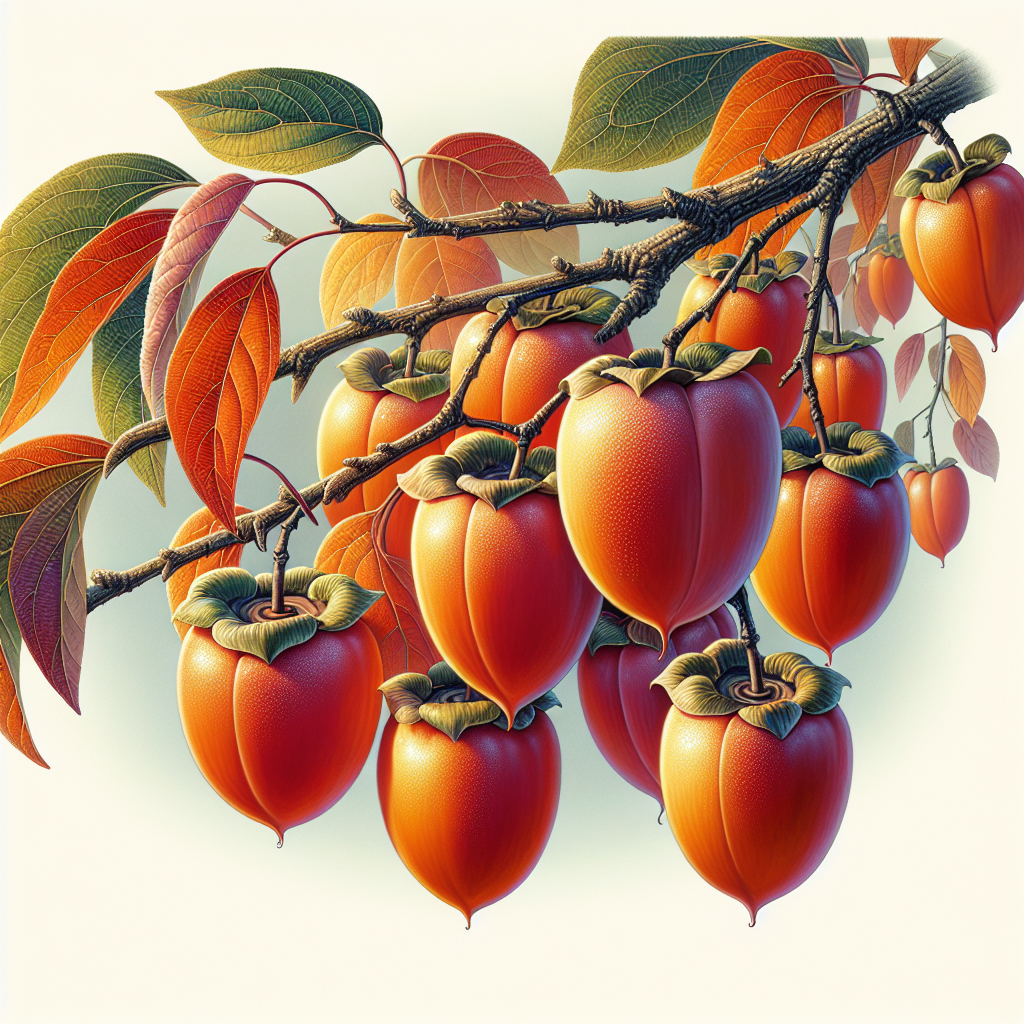
Persimmon (Saijo)
Persimmon (Saijo) is a premium Japanese astringent persimmon variety renowned for its exceptionally sweet, honey-like flavor and superior cold hardiness. This non-astringent cultivar produces large, elongated orange fruits that ripen beautifully without the bitter tannins typical of many persimmons. Ideal for home orchards and small farms in temperate climates, Saijo offers reliable yields and stunning fall foliage.
View Guide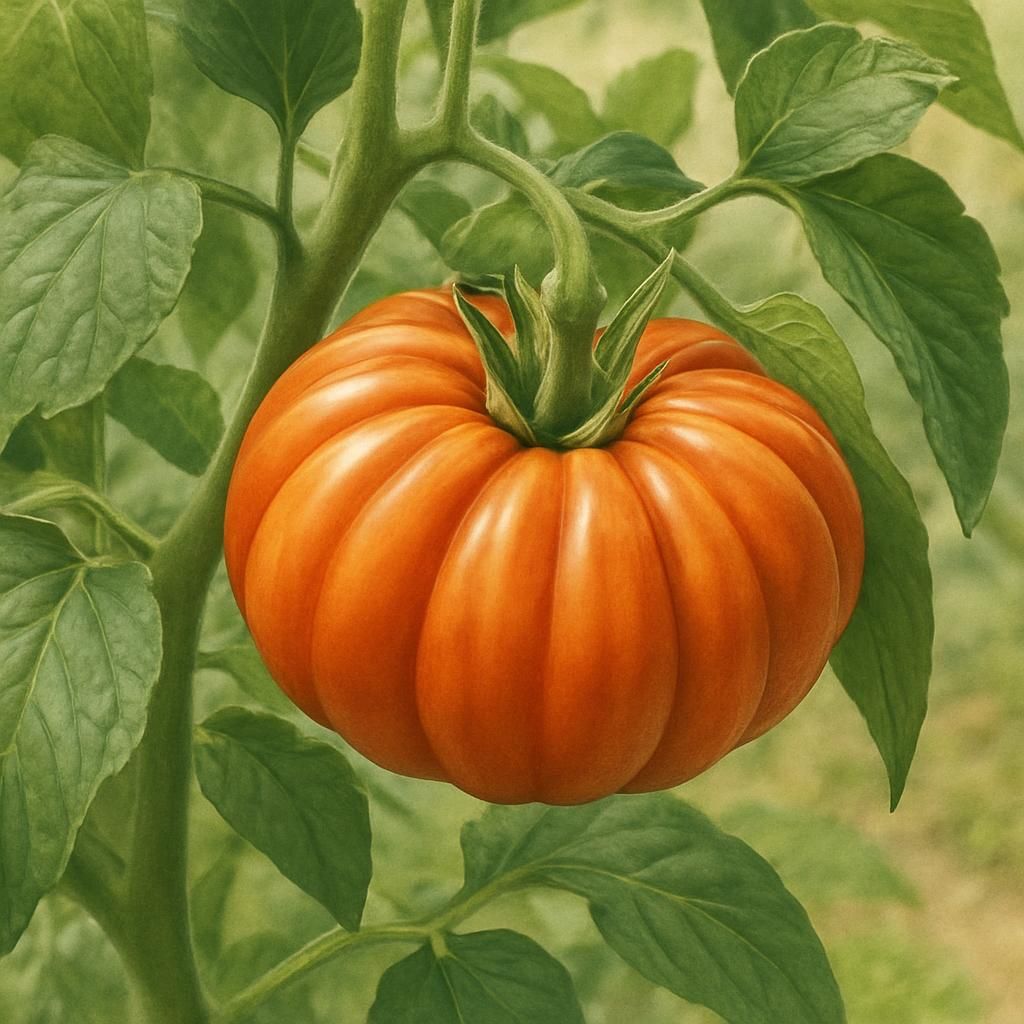
Persimmon Tomato (Heirloom)
Persimmon Tomato (Heirloom) is a rare, beefsteak-type heirloom prized for its large, deep-orange, ribbed fruits that offer exceptional sweetness and low acidity. This indeterminate variety requires attentive care through a long growing season to reach full flavor potential. The guide delivers professional-grade advice on soil, planting, maintenance, organic pest management, harvesting, and companion planting.
View Guide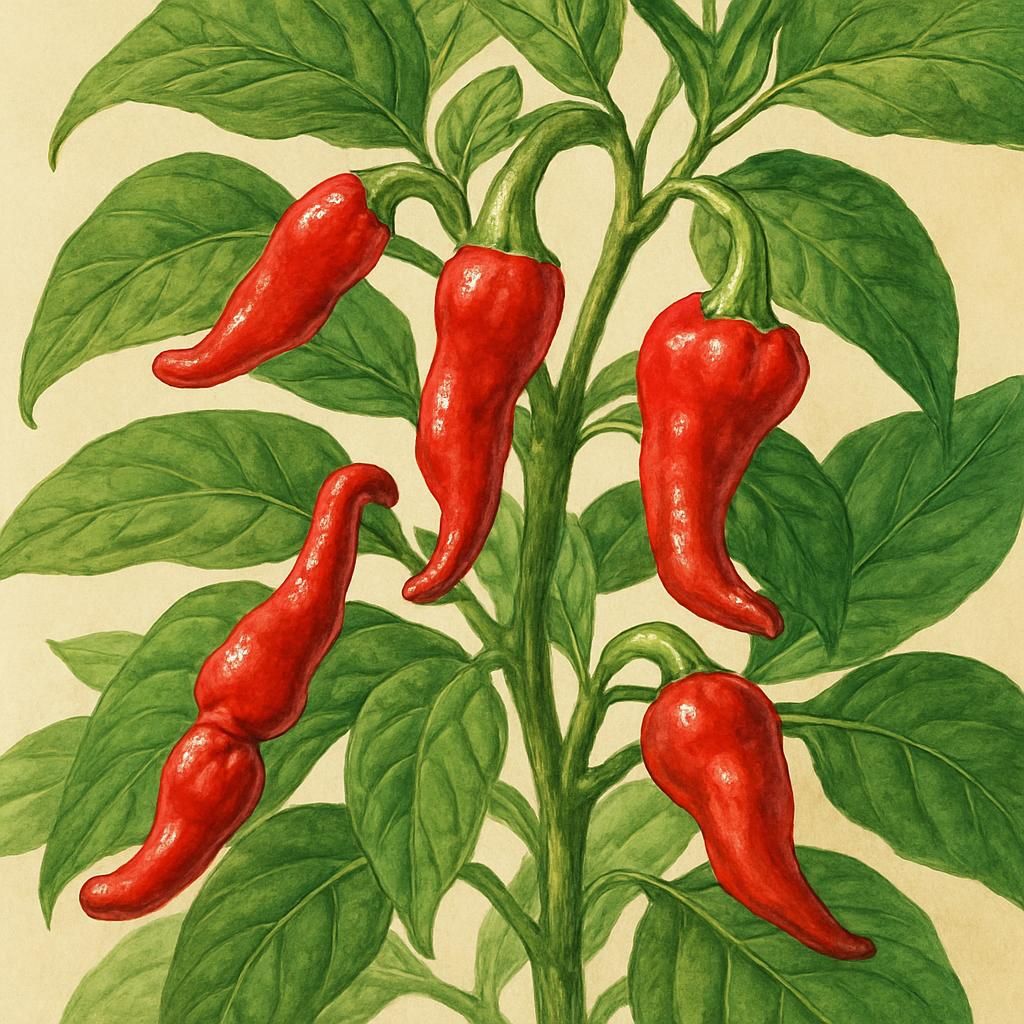
Peter Pepper (Red)
The Peter Pepper, known for its distinctive shape and vibrant red color, is a unique heirloom chili pepper. Despite its novelty appearance, it offers mild to moderate heat, making it a versatile addition to gardens and kitchens.
View Guide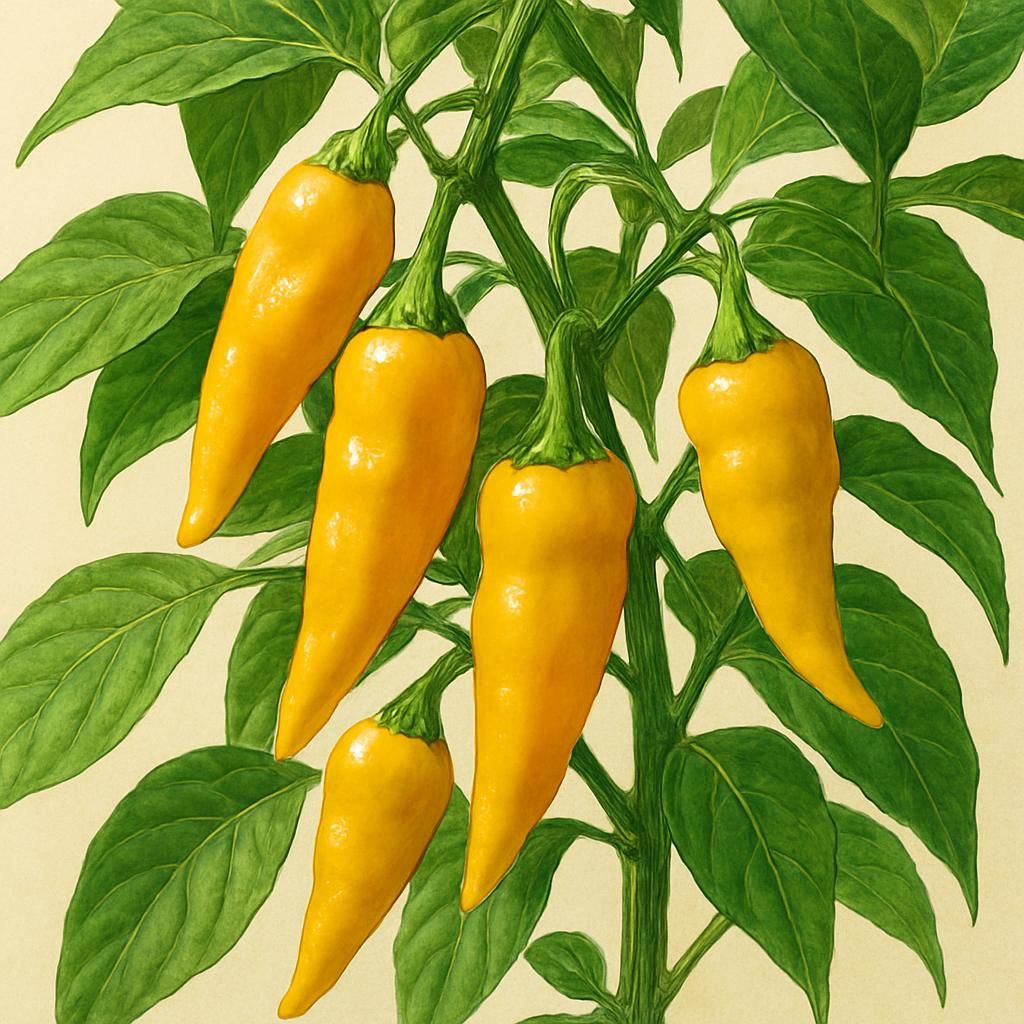
Peter Pepper (Yellow)
The Yellow Peter Pepper is a unique variety of the Capsicum annuum species, known for its distinctive shape and vibrant yellow color. It is both an ornamental and culinary delight, offering mild to moderate heat, suitable for a variety of dishes.
View Guide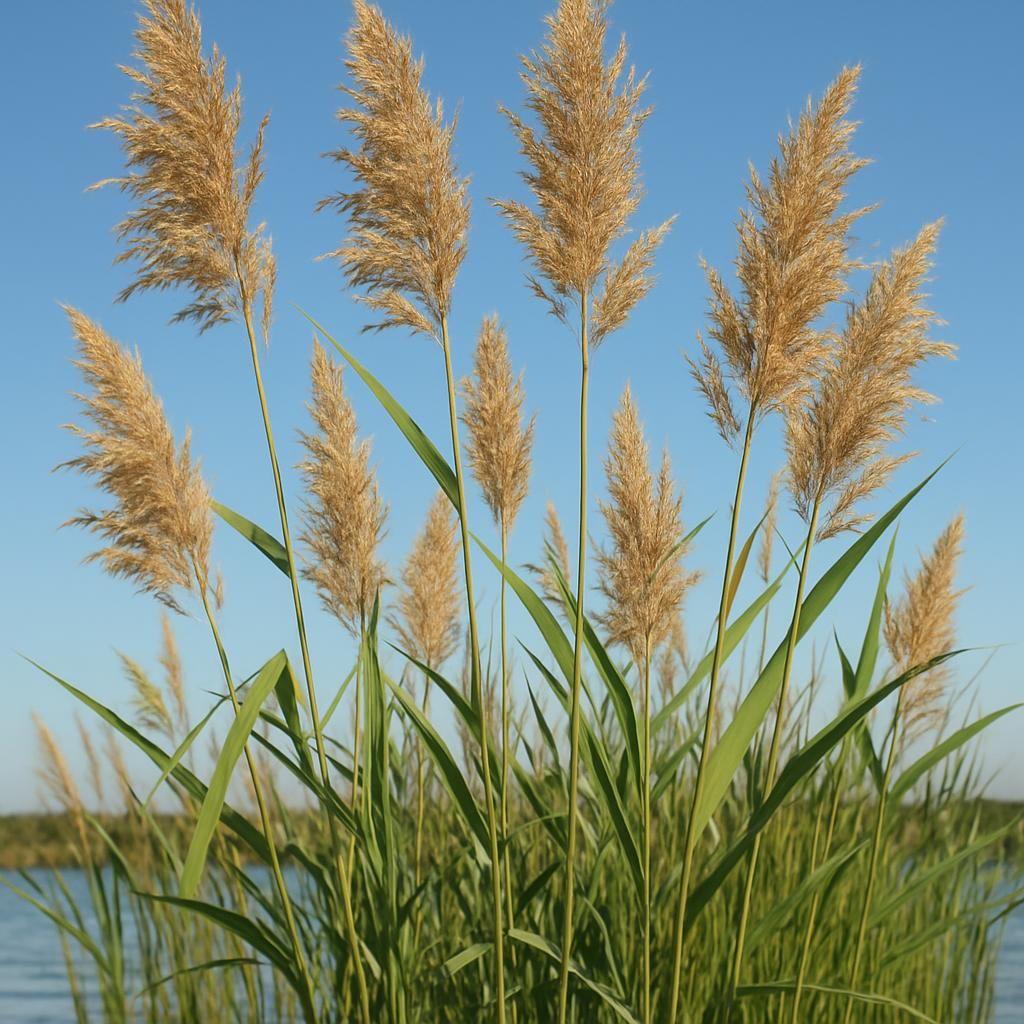
Phragmites
Phragmites is a tall, perennial wetland grass widely used for erosion control, wastewater treatment, and biomass production. It thrives in saturated soils and offers multiple ecological and economic benefits when managed properly.
View Guide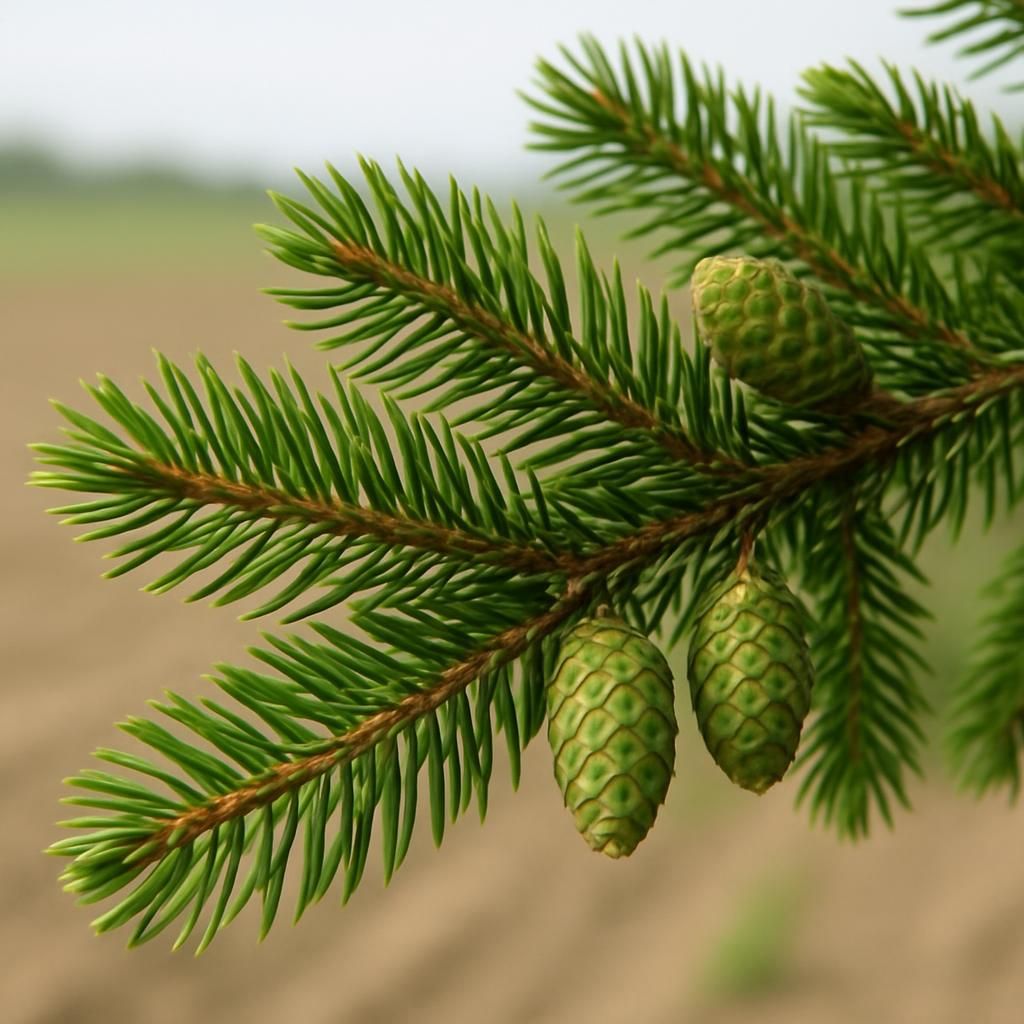
Picea
Picea, commonly known as spruce, encompasses over 35 evergreen conifer species widely cultivated for timber, ornamental landscaping, and Christmas tree production. These long-lived trees require cool climates, well-drained acidic soils, and consistent moisture to thrive. Professional growers value spruces for their straight trunks, dense foliage, and resilience in managed forest systems.
View Guide