Encyclopedia
Definitive guides for crops, pests, and agricultural diseases.
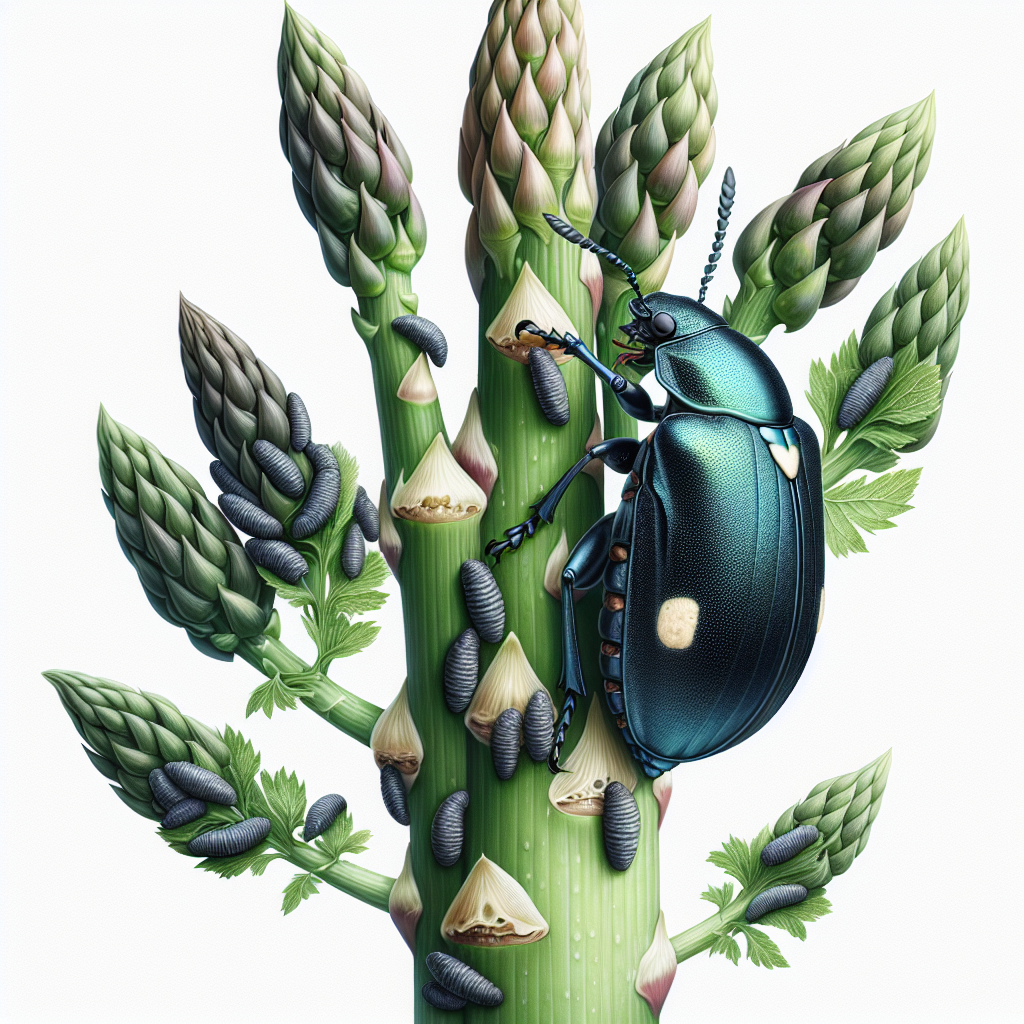
Common asparagus beetle
The common asparagus beetle (Crioceris asparagi) is a major pest of asparagus crops, defoliating plants and contaminating spears with feces and eggs. Adults are metallic blue-black with cream-colored markings, while larvae are grayish with a humped back. Effective management combines organic controls, cultural practices, and prevention to protect yields.
View Profile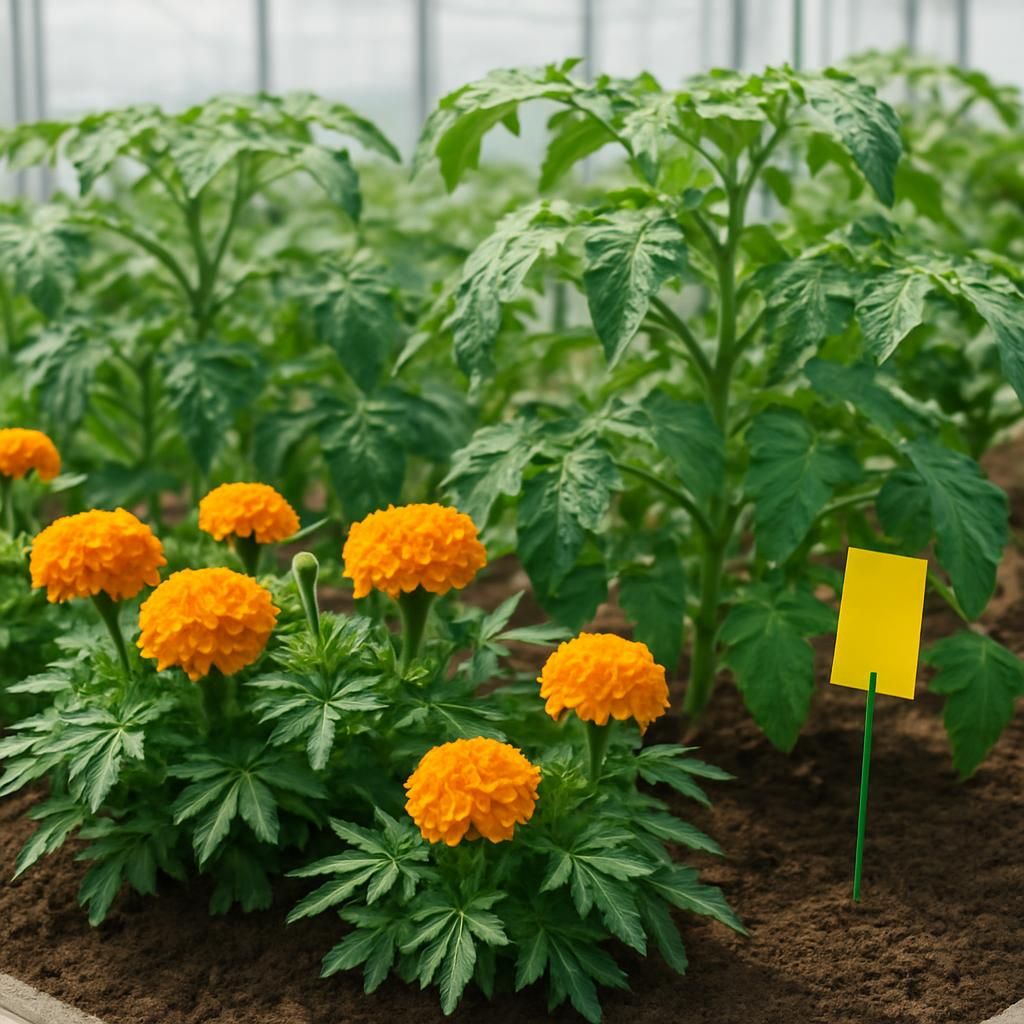
companion plants
Companion plants are intentionally interplanted species used in agriculture to influence pest dynamics, nutrient cycling, and microclimates. While beneficial when managed, they can become problematic through resource competition, allelopathy, or unintended pest attraction. This guide provides diagnostic criteria and integrated management strategies for optimizing their use in commercial and small-farm systems.
View Profile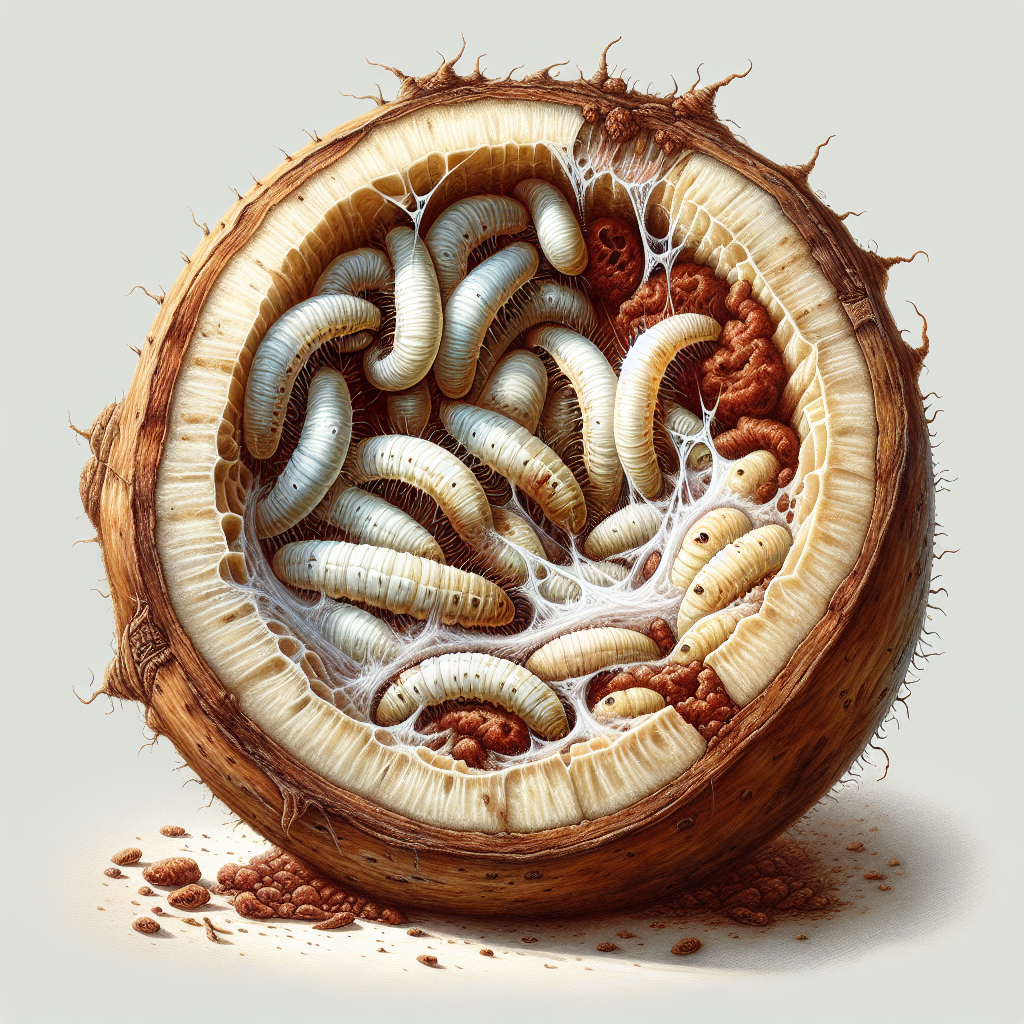
Corm borers
Corm borers are destructive larvae of moths that tunnel into corms of crops like bananas, taro, and gladiolus, causing wilting, rot, and plant death. Early detection through symptoms like entry holes and frass is crucial for effective management. Organic controls including neem oil, beneficial nematodes, and cultural practices provide sustainable solutions for farmers.
View Profile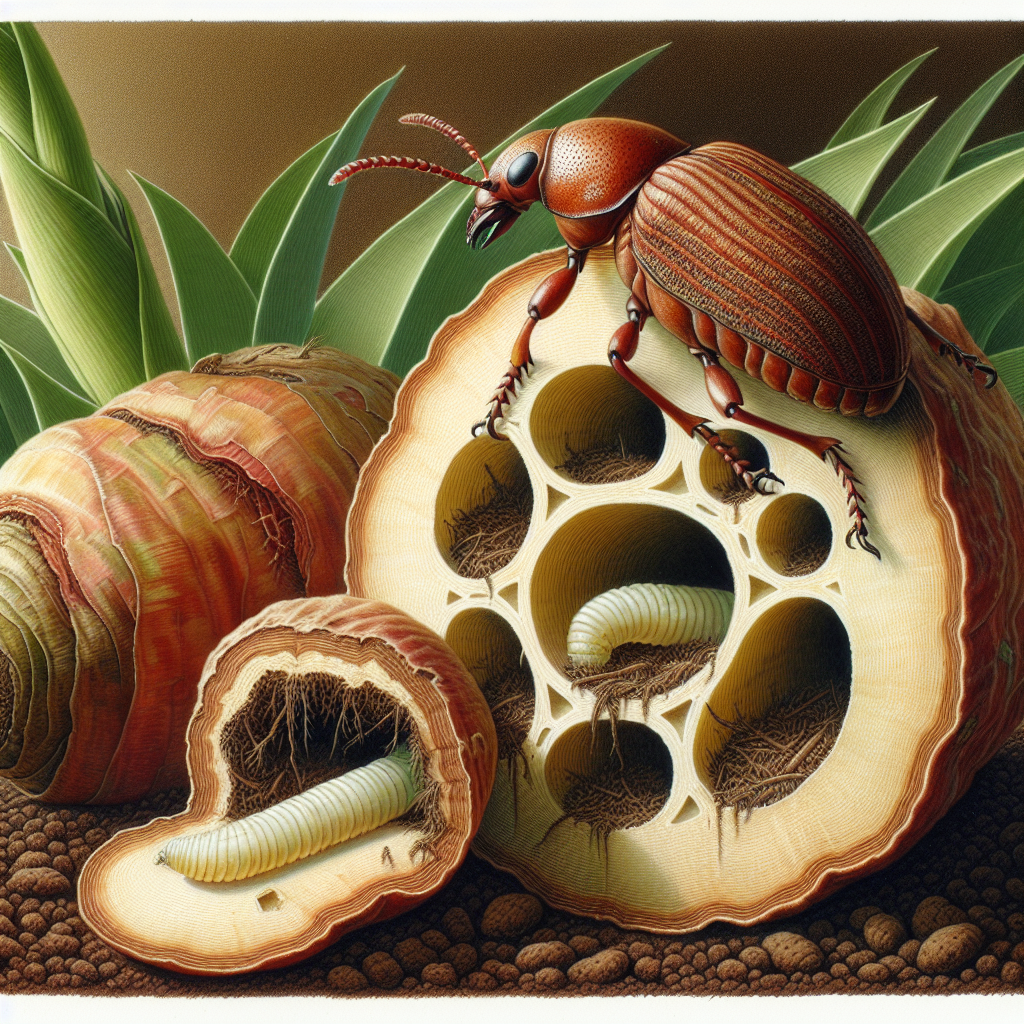
corm weevils
Corm weevils are destructive underground pests that target the corms of bulbous crops like gladiolus, crocus, and taro, causing severe wilting, stunting, and plant death. These small, elongated beetles bore into corms, creating galleries that lead to rot and reduced yields. Effective management combines vigilant monitoring, organic treatments, and cultural practices for long-term prevention.
View Profile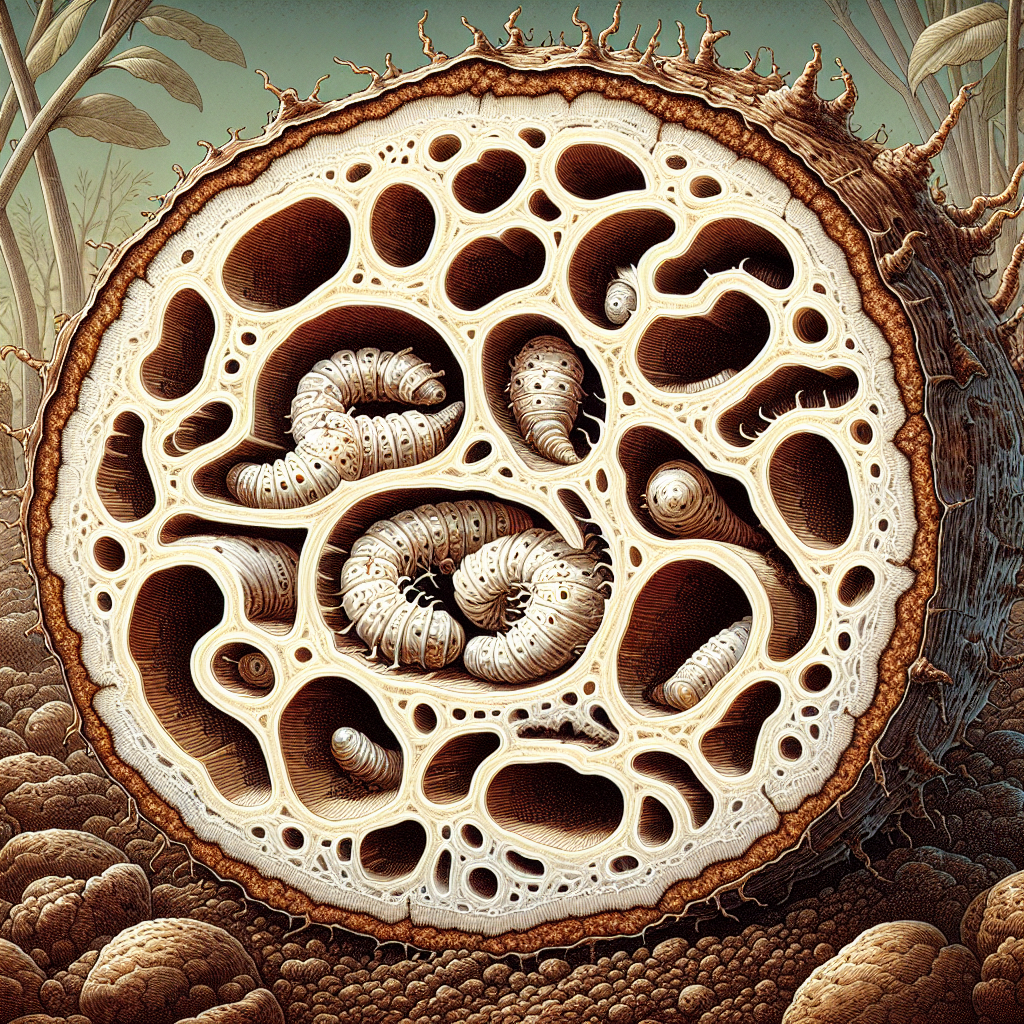
Corm-boring insects
Corm-boring insects are destructive larvae of weevils and beetles that tunnel into corms of crops like bananas, taro, and gladiolus, causing wilting, rot, and plant death. Early detection through symptoms like entry holes and frass is crucial for effective management. Organic controls focus on sanitation, beneficial nematodes, and neem oil, while prevention relies on healthy planting material and crop rotation.
View Profile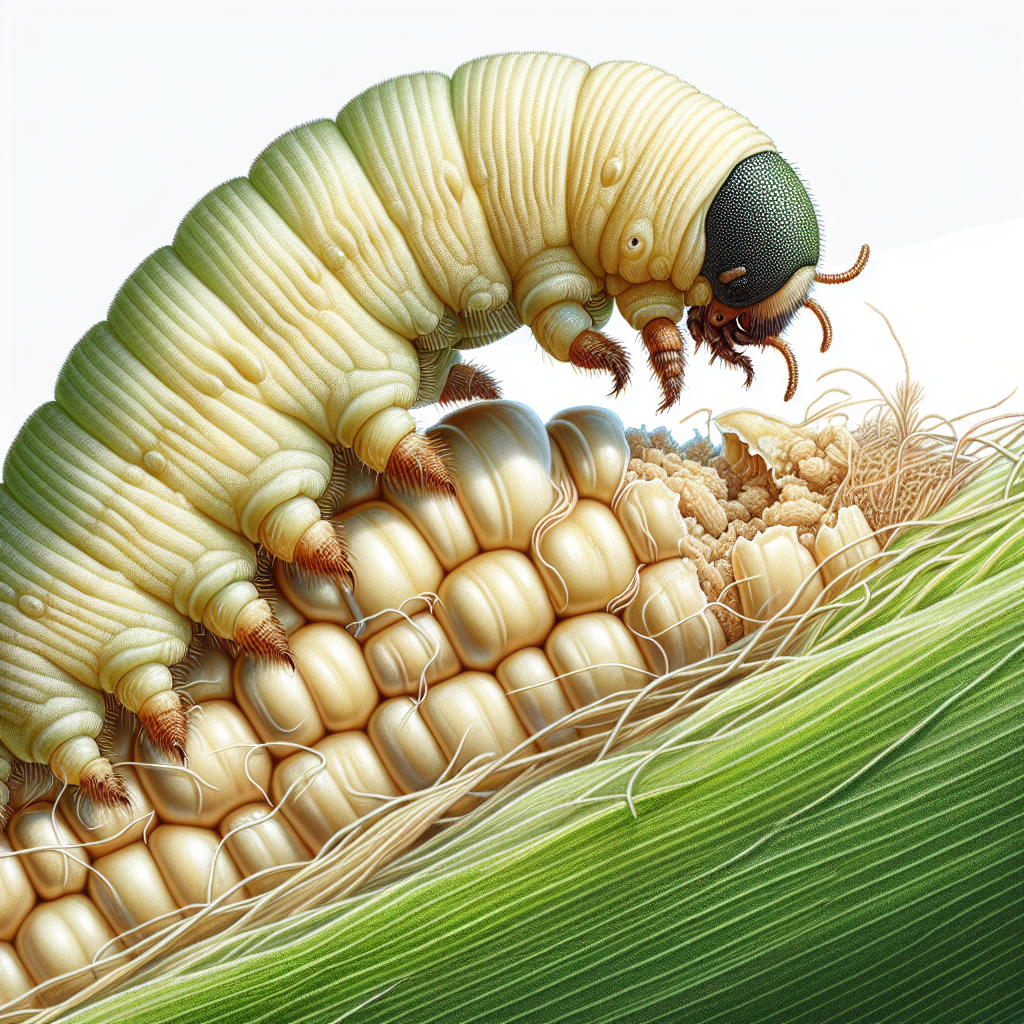
Corn borers
Corn borers are destructive moth larvae that tunnel into corn stalks, ears, and leaves, causing significant yield losses in corn crops worldwide. This guide provides comprehensive diagnostics, lifecycle insights, organic management strategies, and prevention tactics for farmers battling these pests. Protect your corn harvest with proven, practical agricultural techniques.
View Profile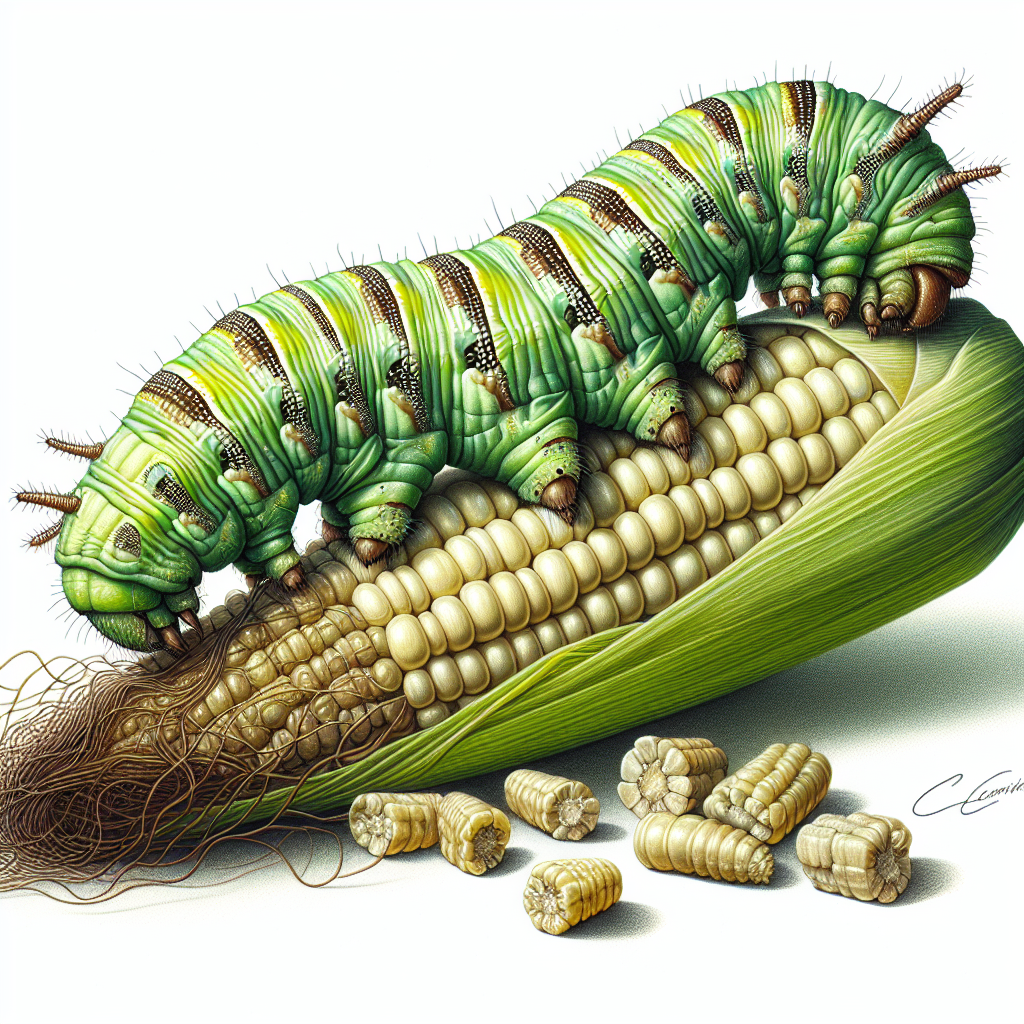
Corn Earworm
The Corn Earworm is a highly destructive pest targeting corn ears and many other crops, causing significant yield losses through feeding damage by its larvae. This guide provides comprehensive diagnostics, lifecycle details, organic management strategies, and prevention tips for farmers. Effective control combines monitoring, biological agents, and cultural practices to minimize damage.
View Profile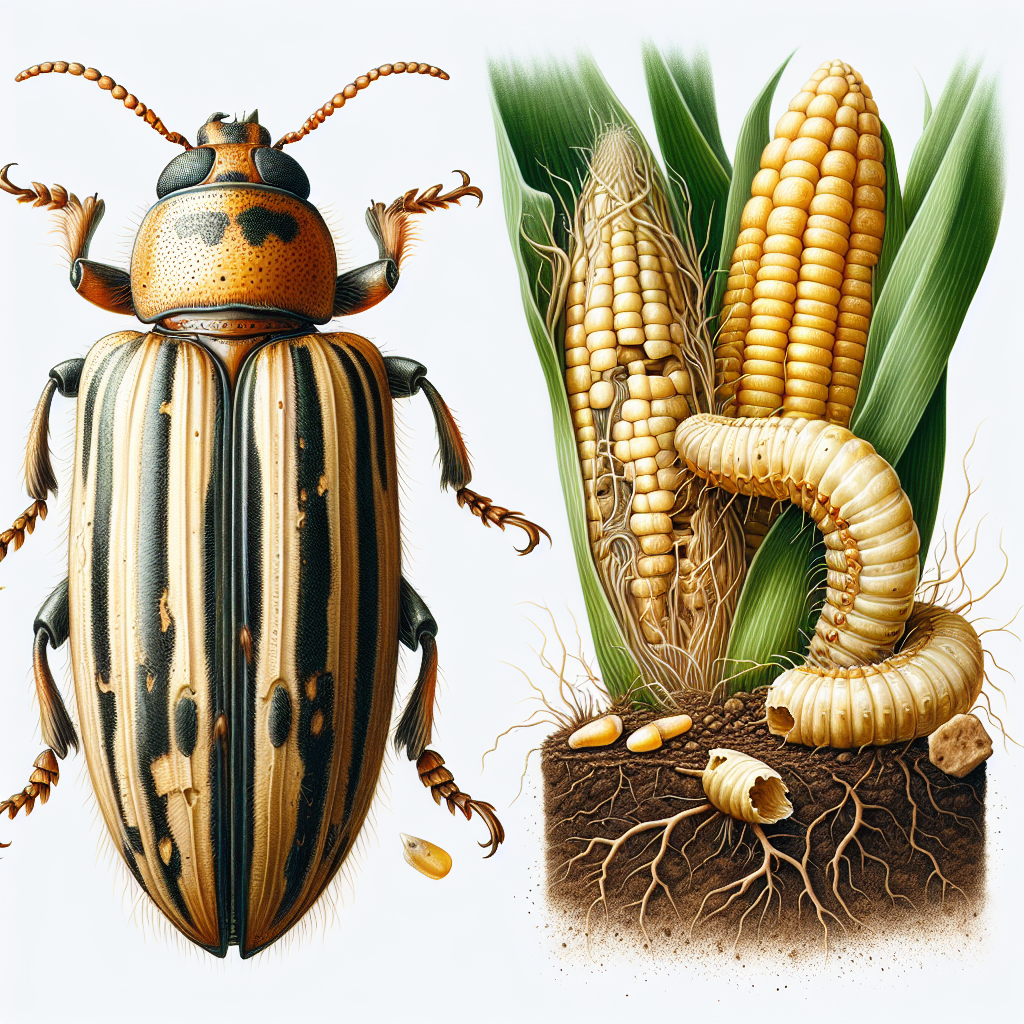
corn rootworm
Corn rootworm is a devastating pest of corn crops, with larvae feeding on roots causing lodging and yield losses up to 100% in severe infestations. Adults damage silks and pollen, exacerbating crop stress. Effective management combines crop rotation, resistant hybrids, and targeted organic controls for sustainable production.
View Profile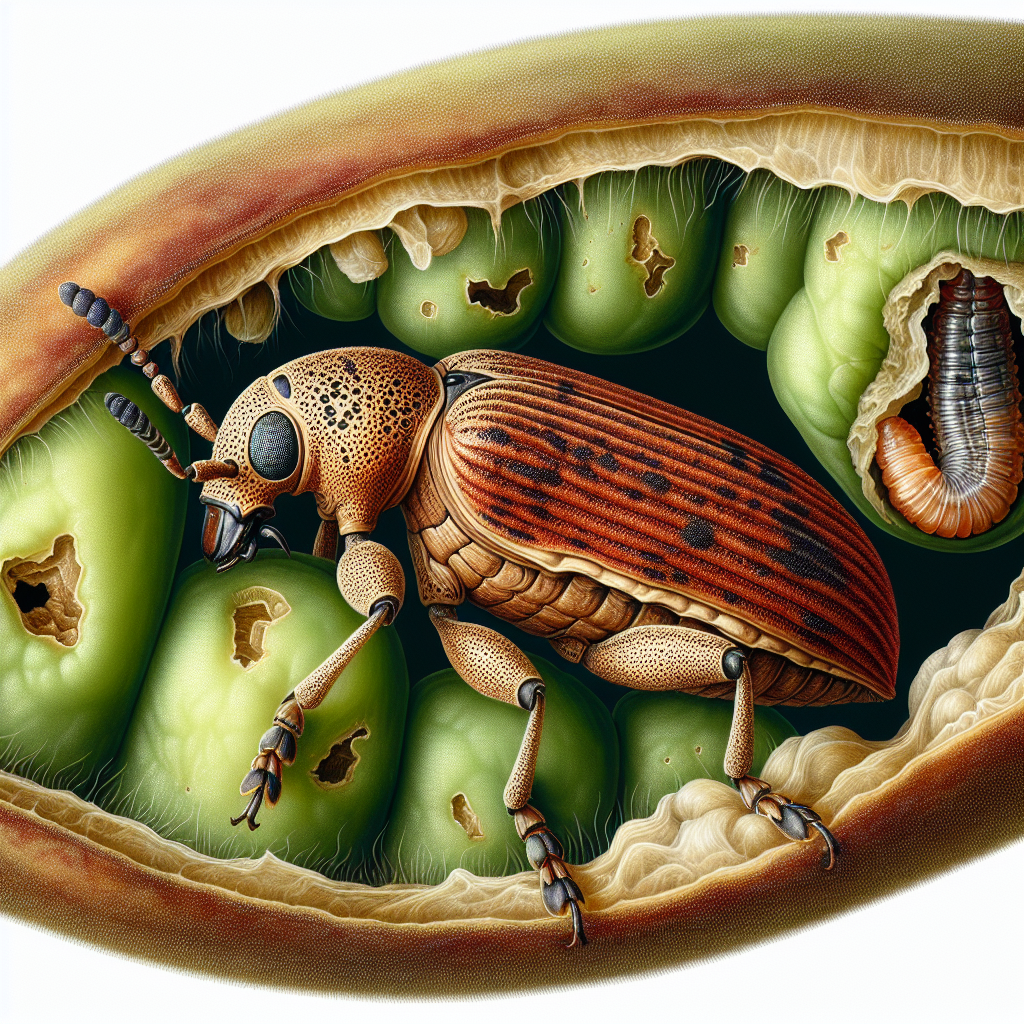
Cowpea curculio
The cowpea curculio (Chalcodermus aeneus) is a destructive weevil pest primarily targeting cowpeas and southern peas, causing significant damage through larval feeding on pods and seeds. This guide provides comprehensive diagnostics, lifecycle details, organic management strategies, and prevention tips for farmers. Effective control relies on early detection, cultural practices, and integrated pest management to protect yields.
View Profile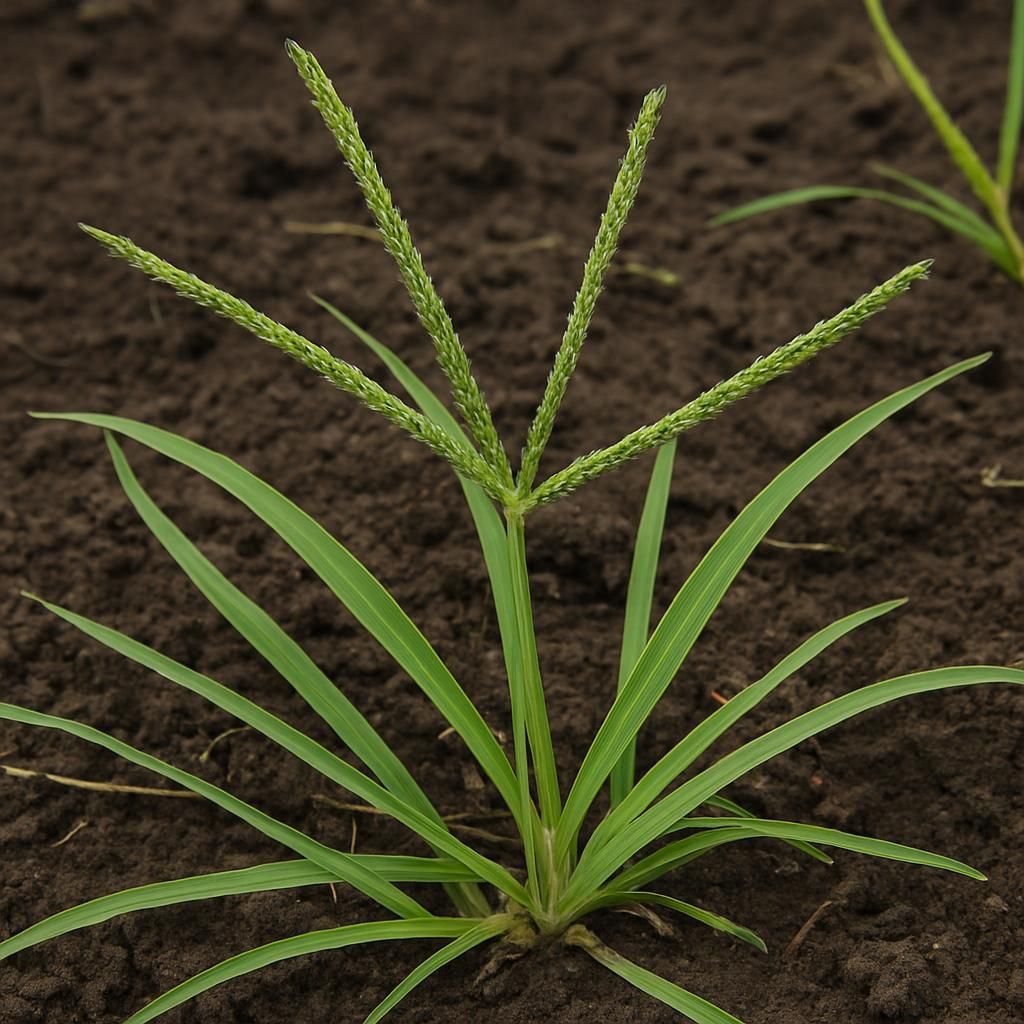
crabgrass
Crabgrass is a highly competitive annual grassy weed that invades lawns, pastures, and crop fields, rapidly depleting soil moisture and nutrients. Effective management requires understanding its lifecycle, environmental triggers, and integrated control strategies to protect crop yields and turf quality.
View Profile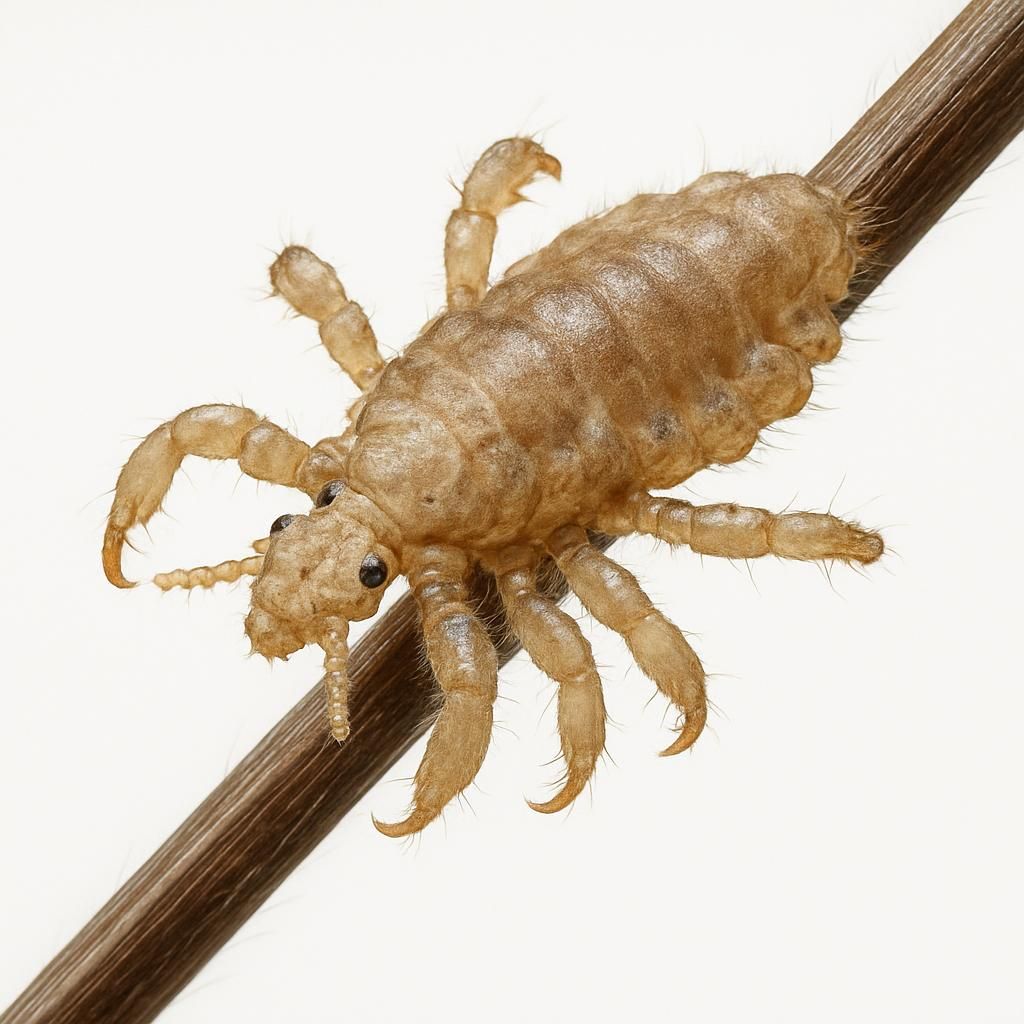
crabs
Crabs, or pubic lice, are parasitic insects that infest humans rather than crops. This guide clarifies the distinction from agricultural pests and provides diagnostic and management information for the human infestation commonly referred to as crabs.
View Profile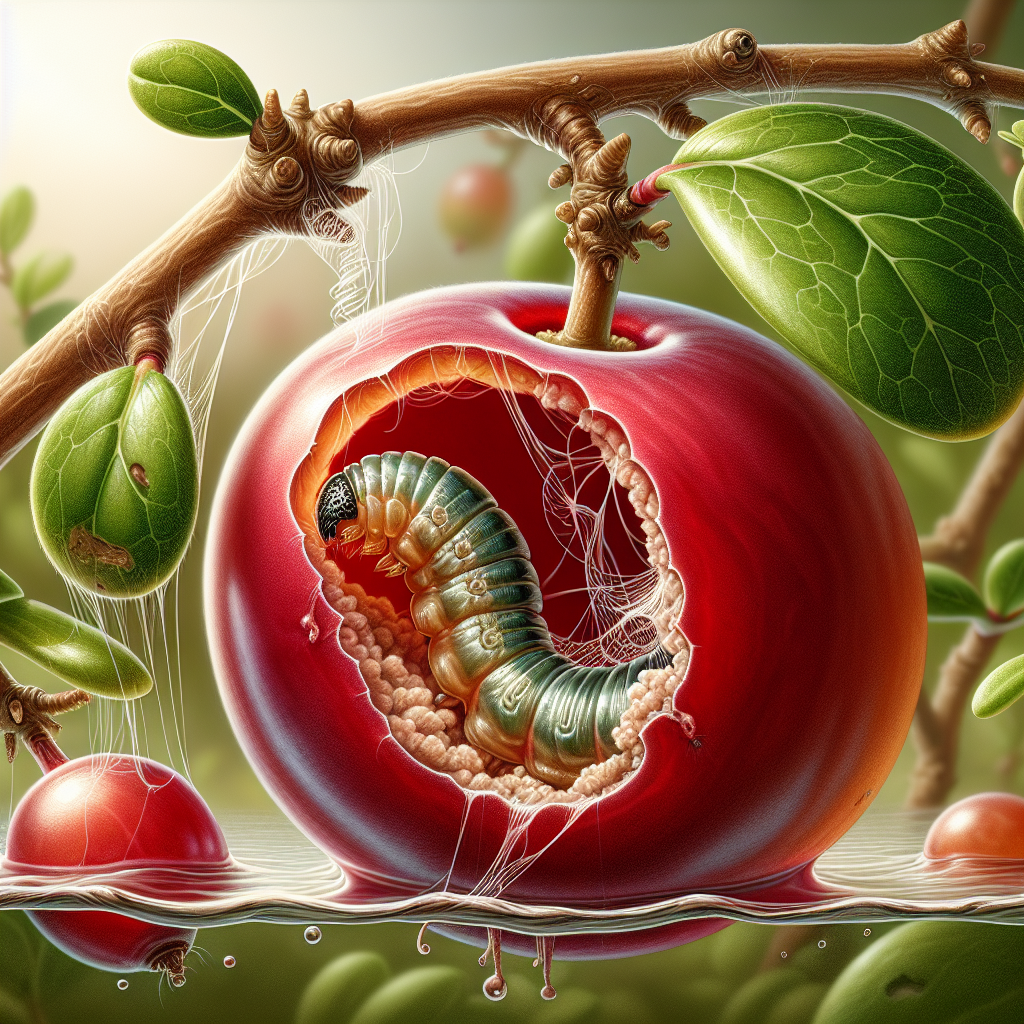
Cranberry fruitworm
The cranberry fruitworm (Acrobasis vacinii) is a destructive moth pest targeting cranberry crops, with larvae boring into fruit and causing significant yield losses. This guide provides comprehensive diagnostics, lifecycle details, organic management strategies, and prevention tips for growers. Effective control hinges on timely scouting and integrated pest management to protect berry quality and harvest volumes.
View Profile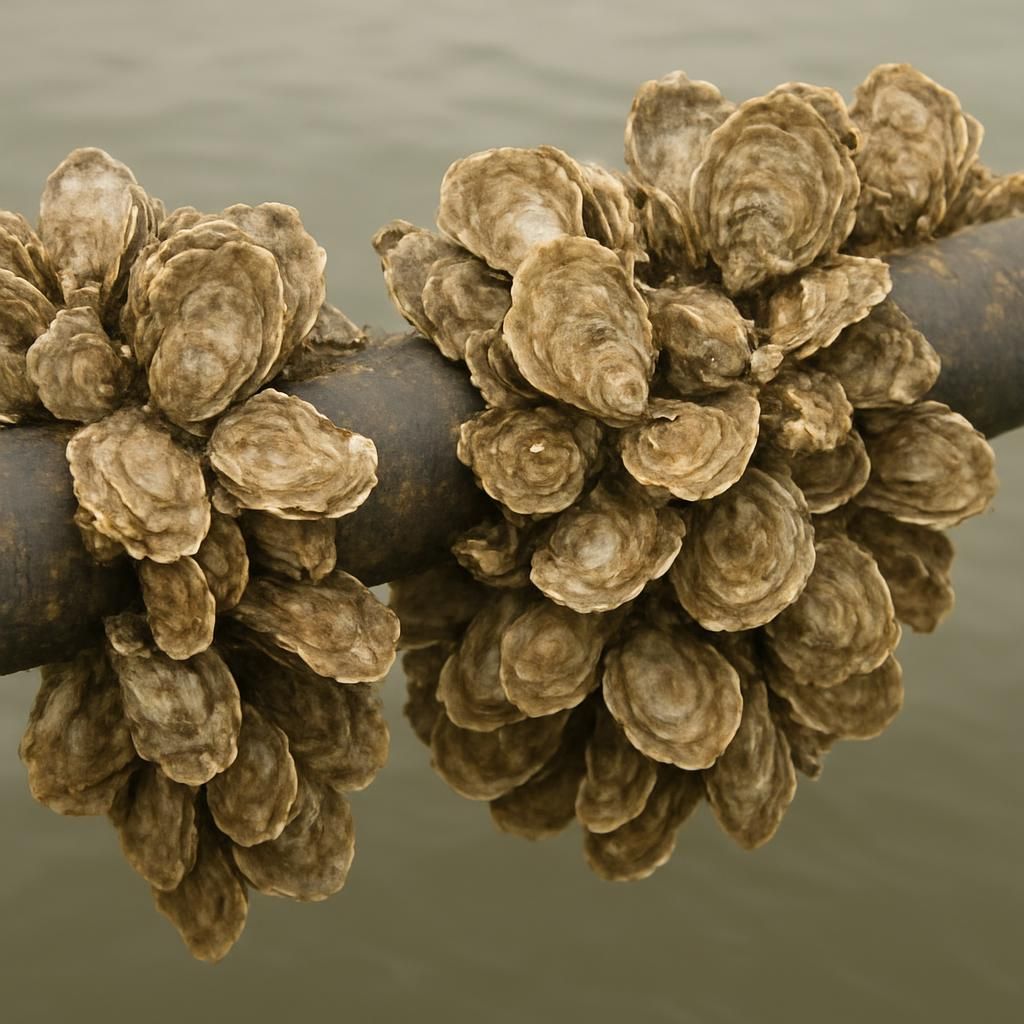
Crassostrea virginica
Crassostrea virginica, commonly known as the eastern oyster, is an estuarine bivalve mollusk that has become a significant agricultural pest in coastal and brackish-water farming systems. It rapidly colonizes submerged structures, irrigation intakes, and aquaculture infrastructure, causing biofouling, flow restriction, and structural damage. Effective management requires integrated cultural, mechanical, and biological strategies tailored to saline and tidal environments.
View Profile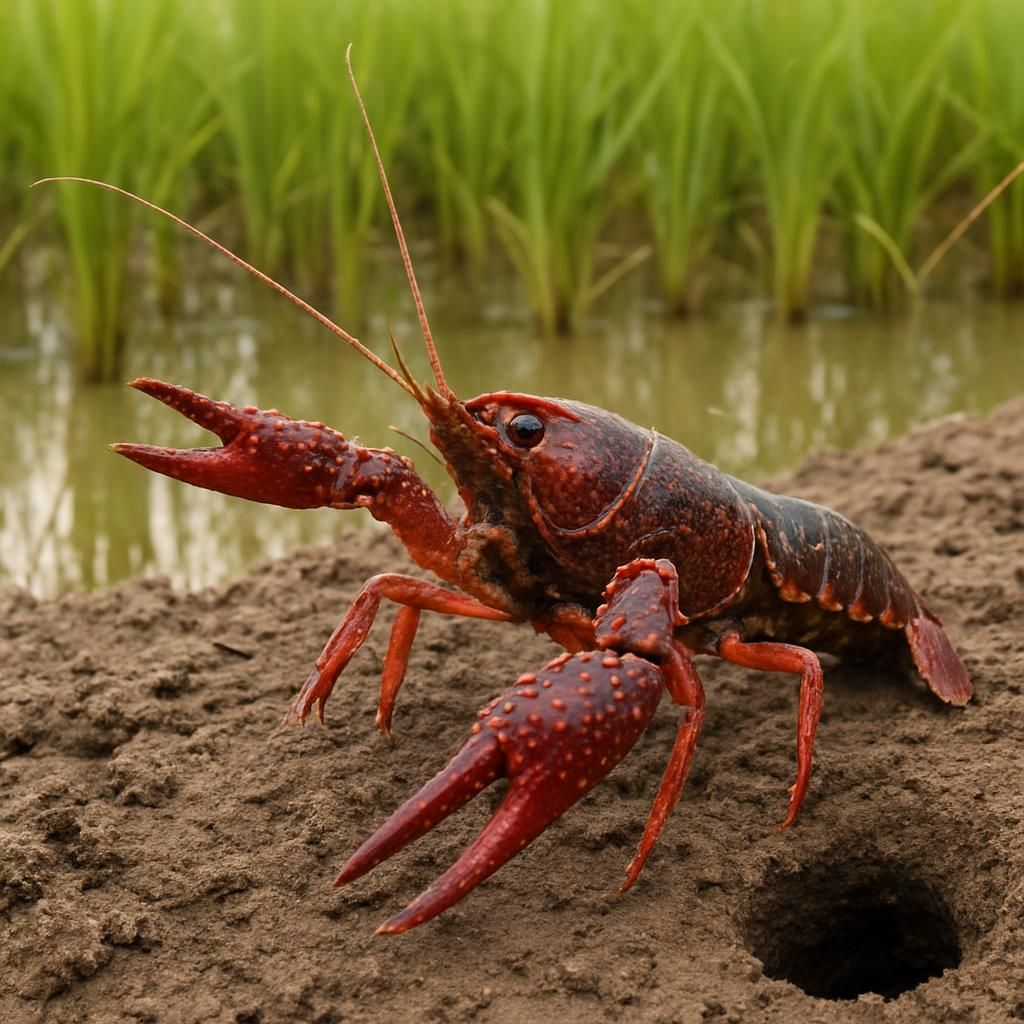
crayfish
Crayfish, also known as crawfish or crawdads, are freshwater crustaceans that can become serious agricultural pests in rice paddies and irrigated fields. They burrow into levees and banks, damage young plants, and disrupt water management systems. Effective monitoring and integrated management are essential for protecting yields in affected regions.
View Profile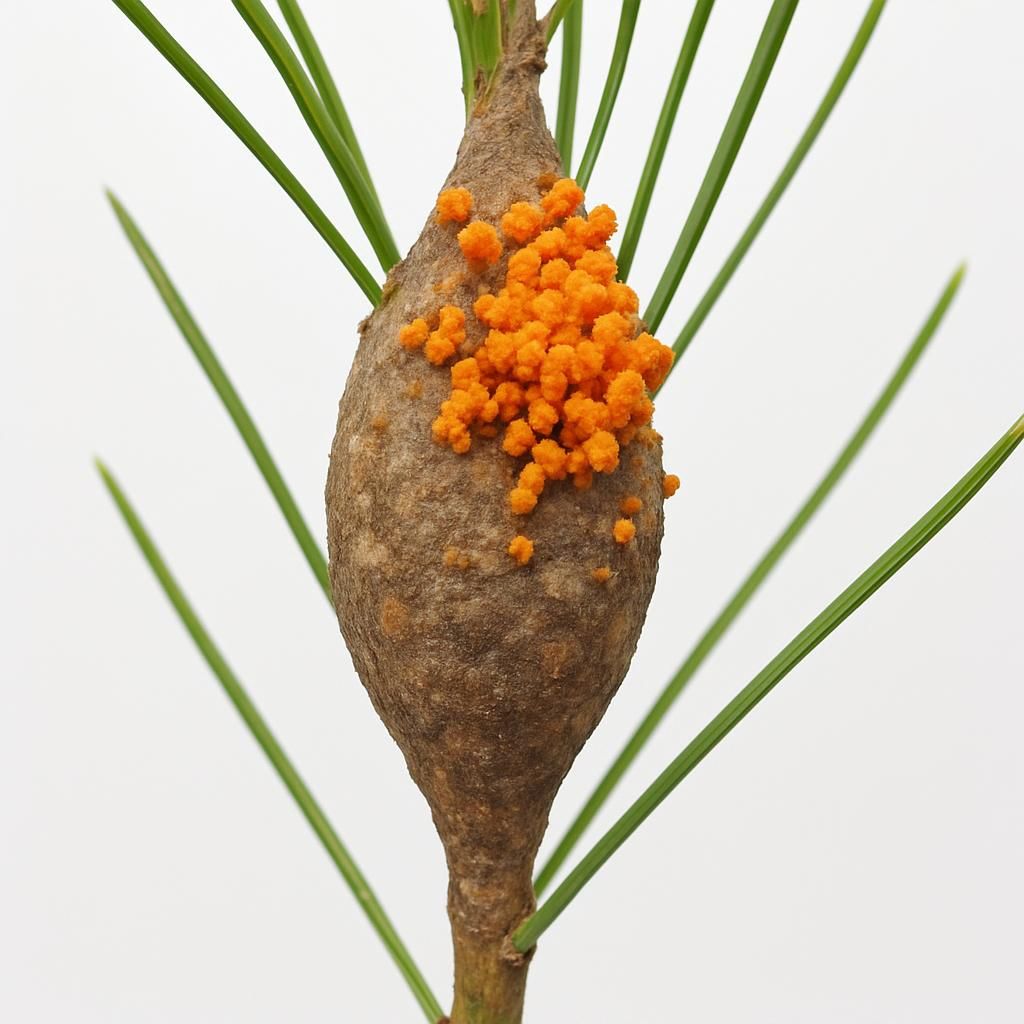
Cronartium quercuum f. sp. fusiforme
Cronartium quercuum f. sp. fusiforme is a heteroecious rust fungus causing fusiform rust, a devastating disease of southern pines and oaks. It alternates between pine stems and oak leaves, forming galls and producing spores that can rapidly spread under favorable conditions. Effective management requires integrated cultural, chemical, and genetic strategies.
View Profile
crops
Crops is a polyphagous agricultural pest that infests a wide range of field and horticultural plants, causing direct feeding damage and transmitting plant pathogens. Effective management requires integrated cultural, biological, and targeted organic controls combined with vigilant monitoring.
View Profile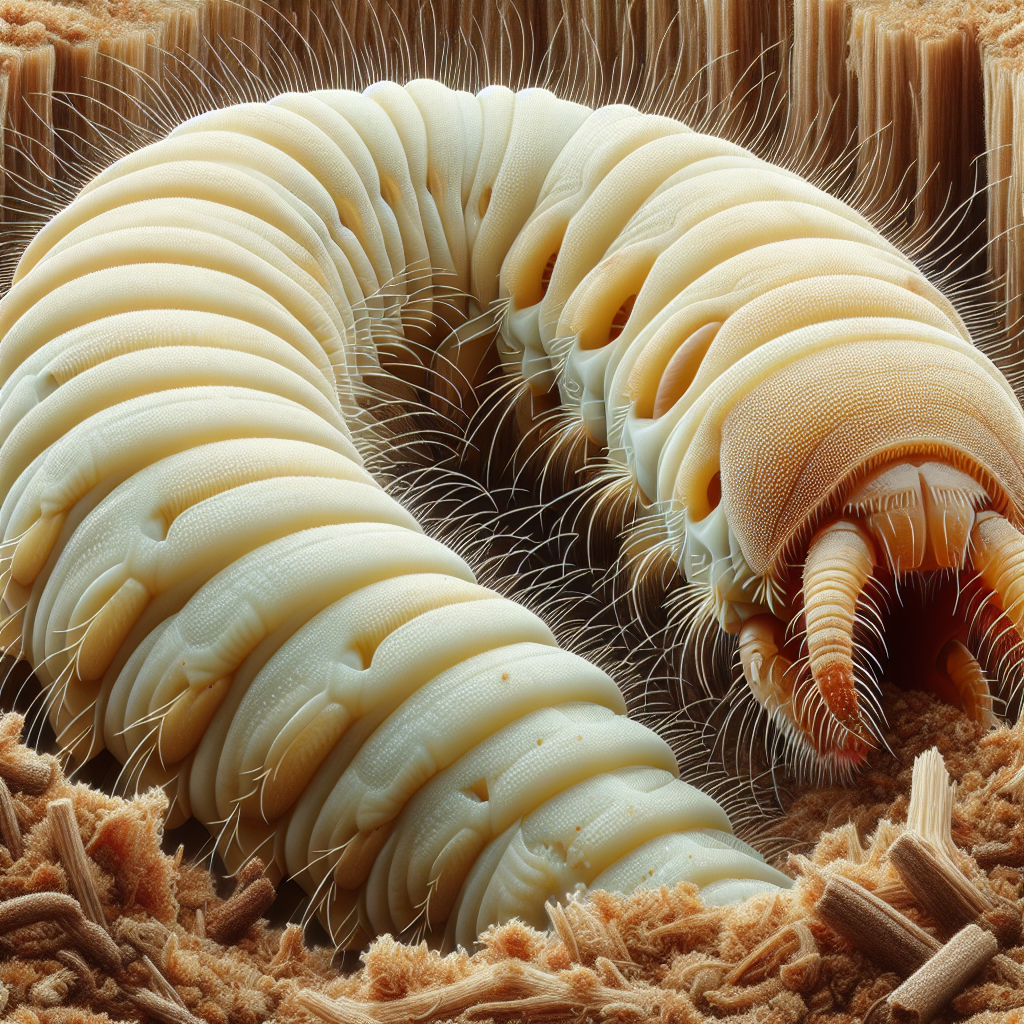
Crown borer
Crown borer (Synanthedon hector) is a destructive pest targeting the crown and roots of fruit trees and perennial crops, causing girdling damage that leads to rapid plant decline and death. This clearwing moth larva burrows into the base of stems, disrupting nutrient flow and inviting secondary infections. Effective management combines vigilant monitoring, organic treatments, and cultural practices to protect high-value crops like avocados and stone fruits.
View Profile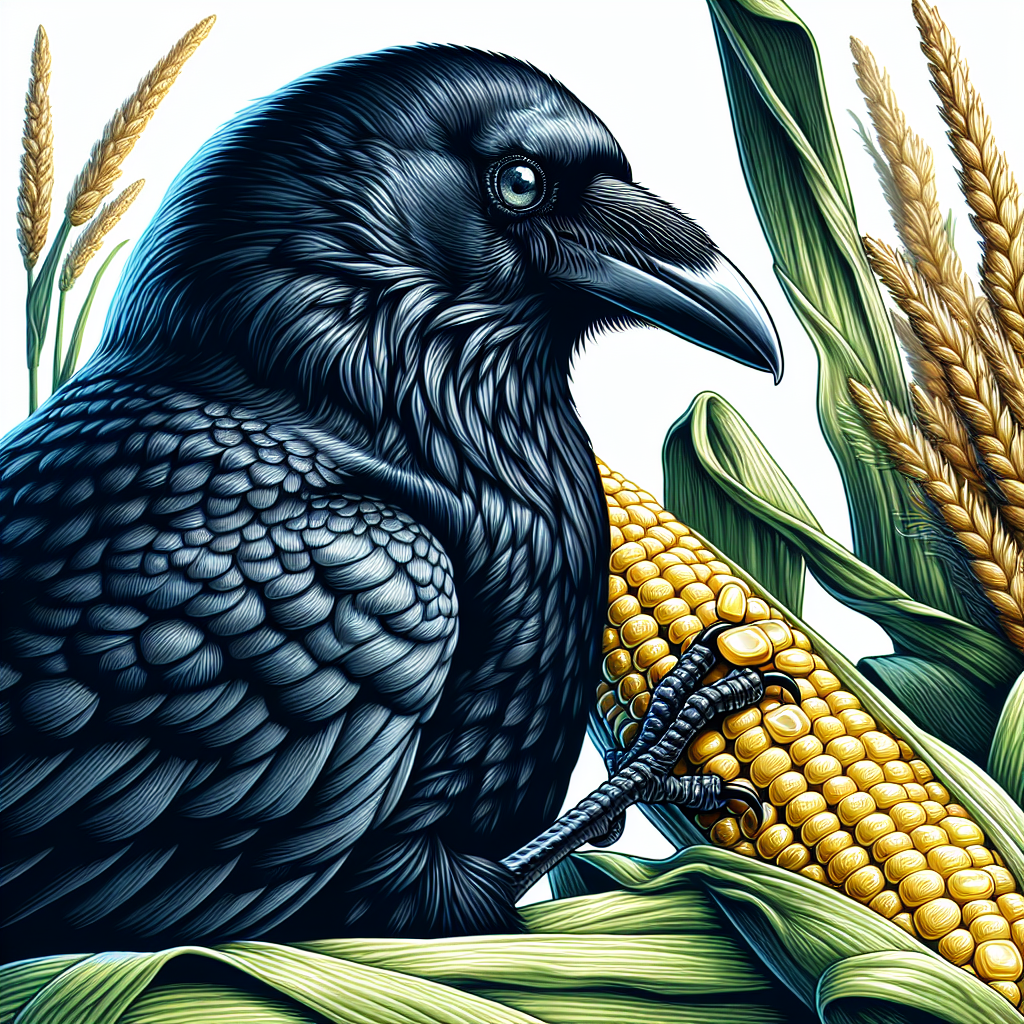
Crows
Crows are highly intelligent, opportunistic birds that cause significant agricultural damage by feeding on seeds, fruits, and crops, leading to substantial yield losses worldwide. This guide provides farmers with diagnostic signs, lifecycle insights, organic management strategies, and prevention techniques to protect fields effectively. Implementing integrated bird control measures can safeguard harvests and minimize economic impacts.
View Profile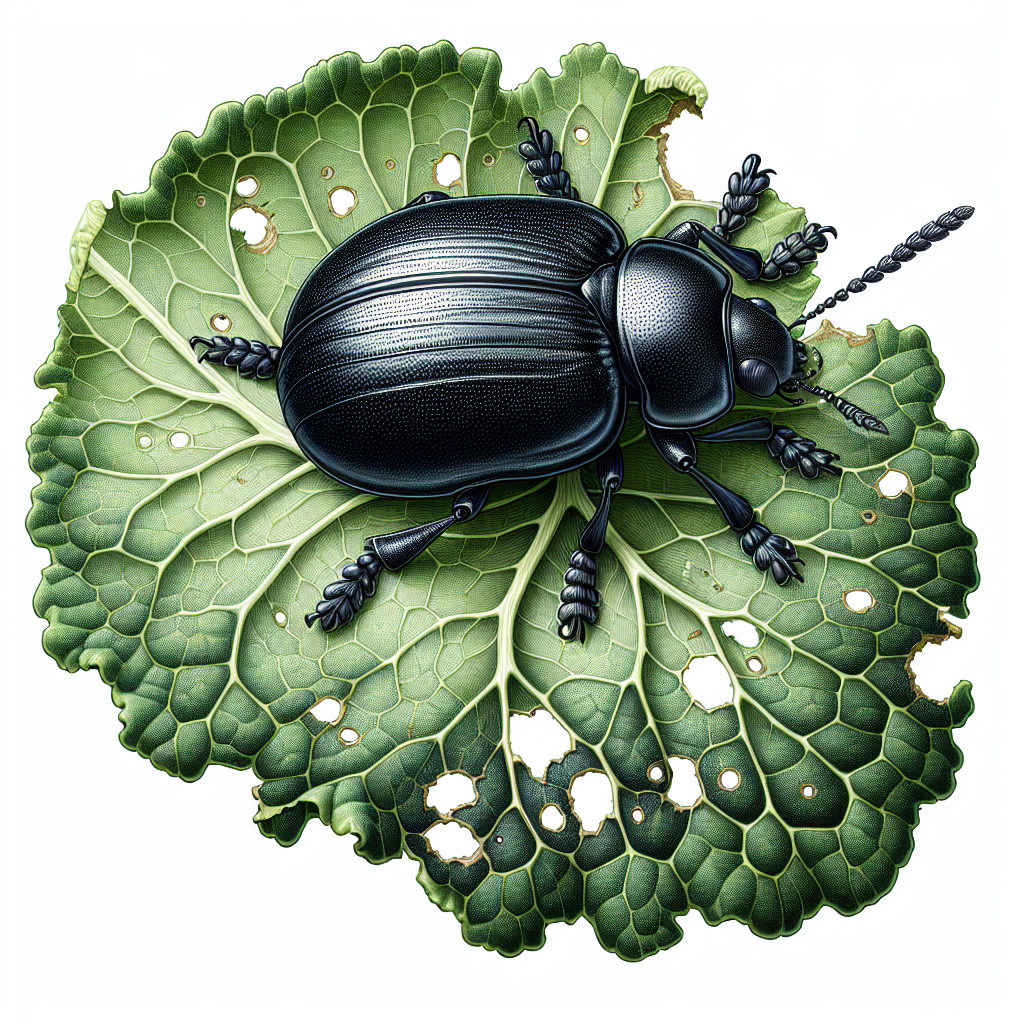
Crucifer flea beetle
Crucifer flea beetles (Phyllotreta cruciferae) are tiny, jumping pests that devastate brassica crops by feeding on seedlings and leaves, causing characteristic shot-hole damage. This guide provides comprehensive diagnostics, lifecycle insights, organic management strategies, and prevention tactics for farmers and gardeners. Effective control hinges on early detection, cultural practices, and integrated pest management to protect yields of cabbage, broccoli, and related crops.
View Profile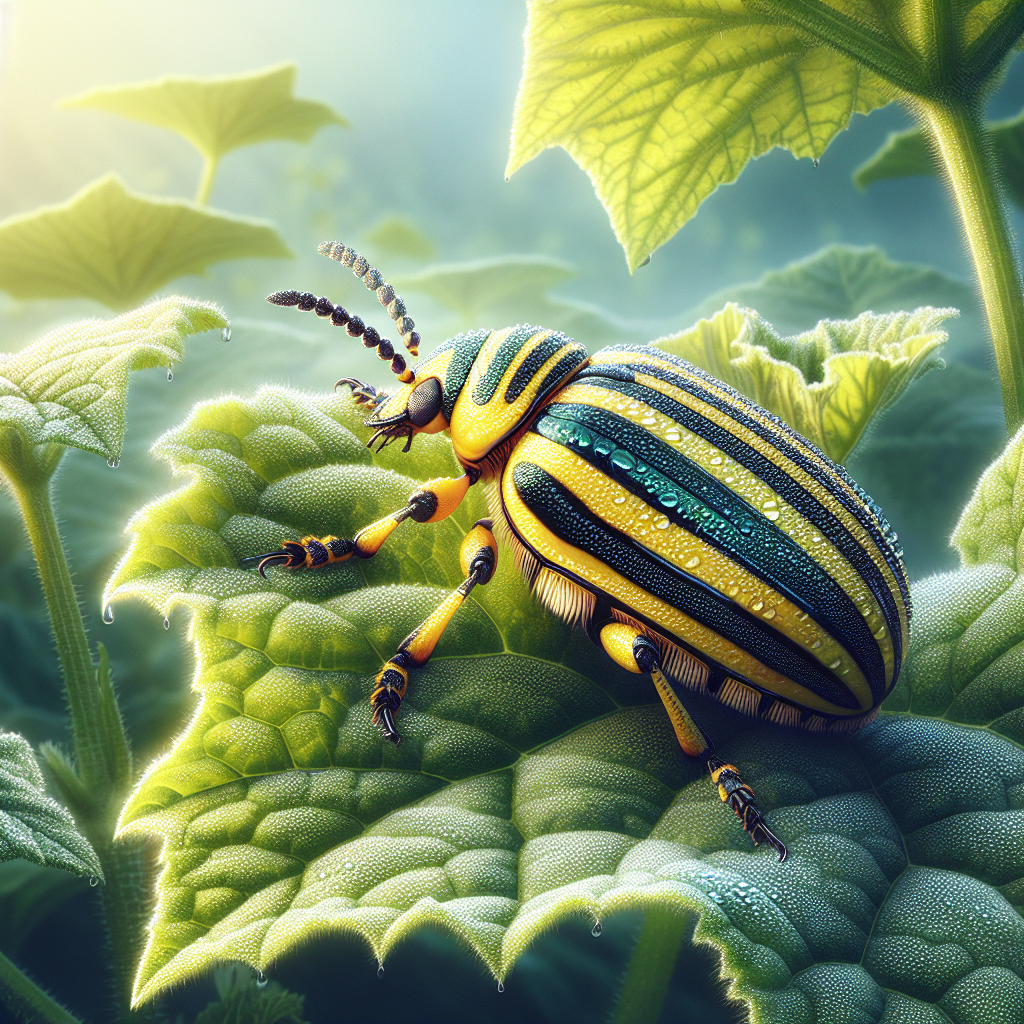
Cucumber Beetles
Cucumber beetles are notorious pests that devastate cucurbit crops by feeding on foliage, flowers, and fruits while transmitting bacterial wilt disease. This guide provides comprehensive diagnostics, lifecycle insights, organic management strategies, and prevention tactics for farmers and gardeners. Effective control combines cultural practices, biological agents, and monitoring to protect yields.
View Profile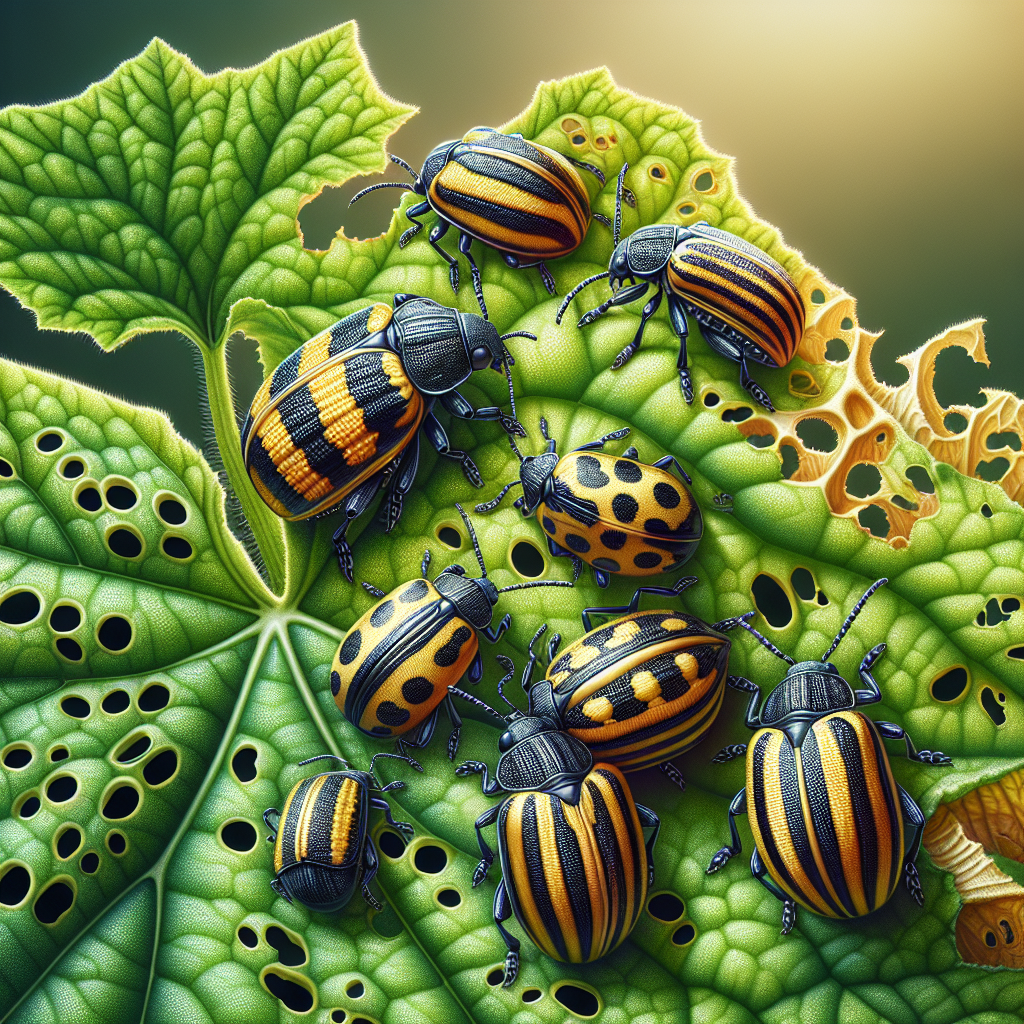
Cucumber beetles (striped and spotted)
Cucumber beetles, including the striped (Acalymma vittatum) and spotted (Diabrotica undecimpunctata) varieties, are notorious pests of cucurbit crops, feeding on foliage, flowers, and fruits while vectoring bacterial wilt disease. Effective management combines cultural practices, organic controls, and vigilant monitoring to minimize damage and protect yields. This guide provides comprehensive diagnostics, lifecycle insights, and prevention strategies for sustainable control.
View Profile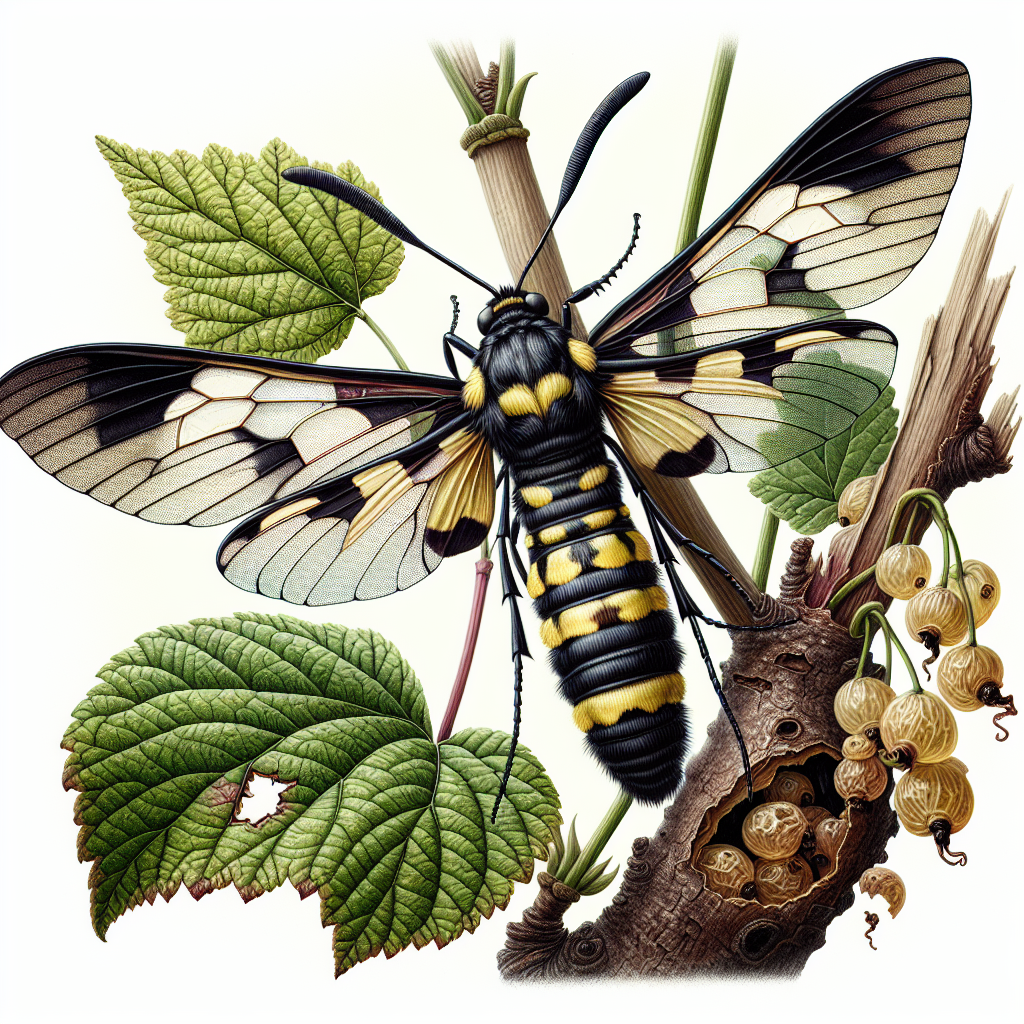
Currant clearwing borer
The currant clearwing borer (Synanthedon tipuliformis) is a destructive moth whose larvae bore into the stems and canes of currant bushes, causing wilting, dieback, and significant yield losses. This guide provides comprehensive diagnostics, lifecycle details, organic management strategies, and prevention tips for growers facing this pest. Early detection and integrated organic controls can effectively protect red currant, black currant, and related crops from severe damage.
View Profile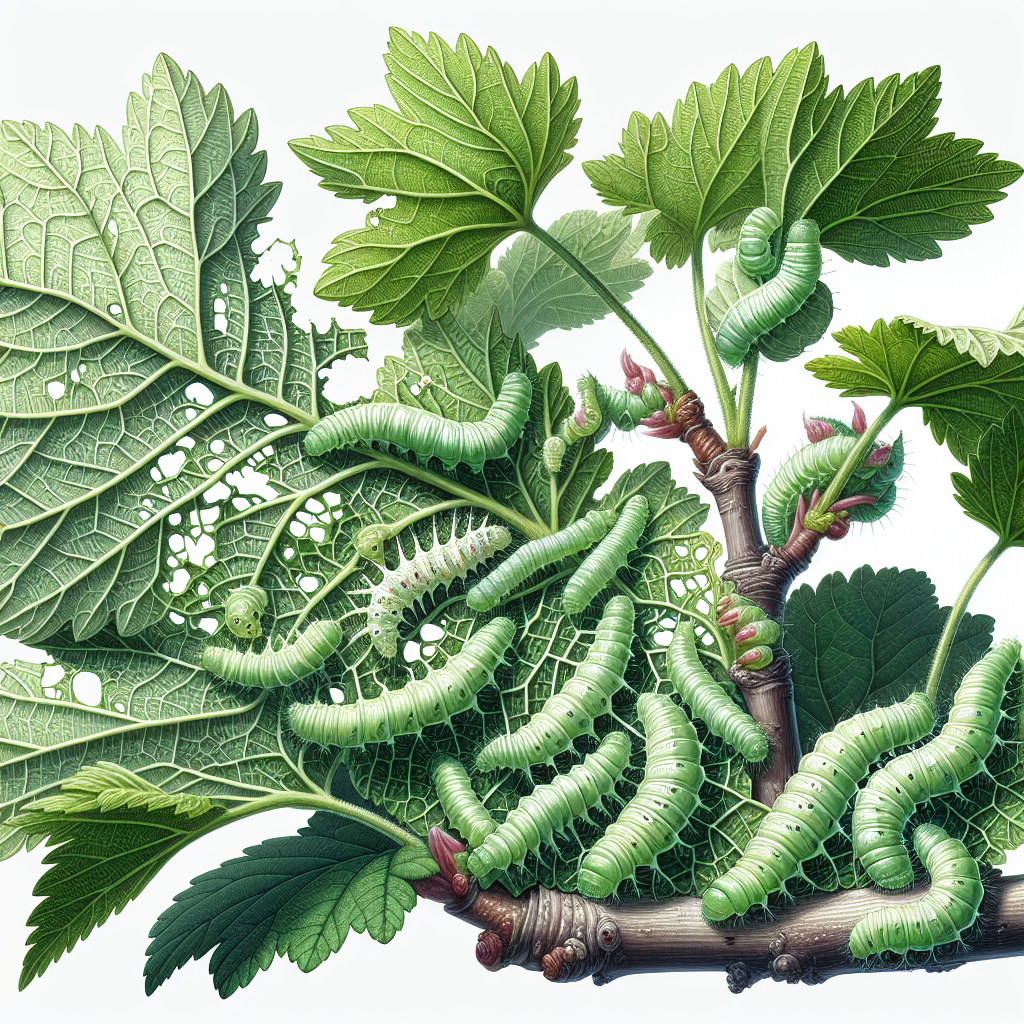
Currant Sawfly
The Currant Sawfly (Nematus ribesii) is a destructive pest targeting currant and gooseberry bushes, with larvae capable of defoliating plants rapidly. Early detection of skeletonized leaves and green caterpillars is crucial for effective management. This guide provides comprehensive organic control strategies, lifecycle insights, and prevention tips for sustainable berry production.
View Profile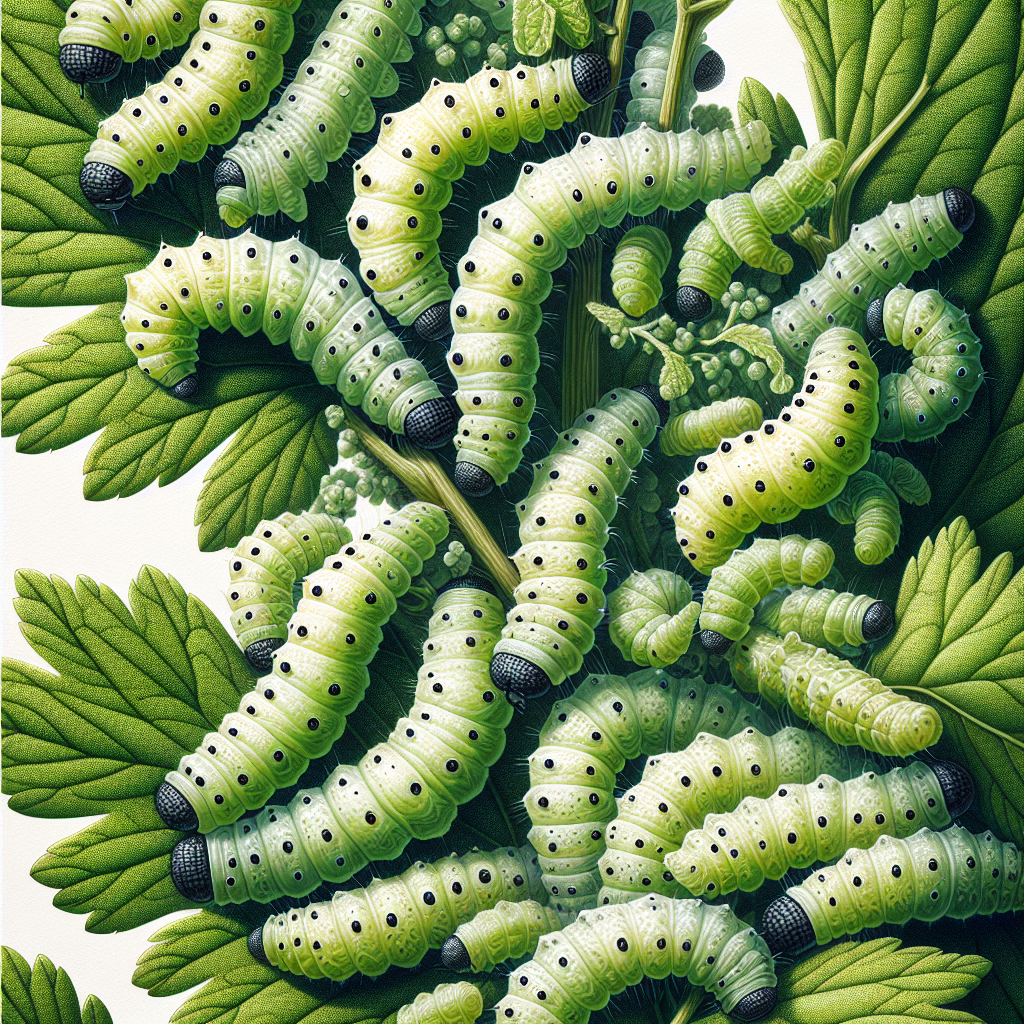
Currant sawfly larvae
Currant sawfly larvae are voracious defoliators of currant and gooseberry bushes, capable of stripping plants bare in days during multiple generations per season. This guide provides definitive identification, lifecycle insights, organic management strategies, and prevention tactics for gardeners and farmers. Early detection and integrated organic controls can protect yields effectively.
View Profile