Introduction to Currant Sawfly
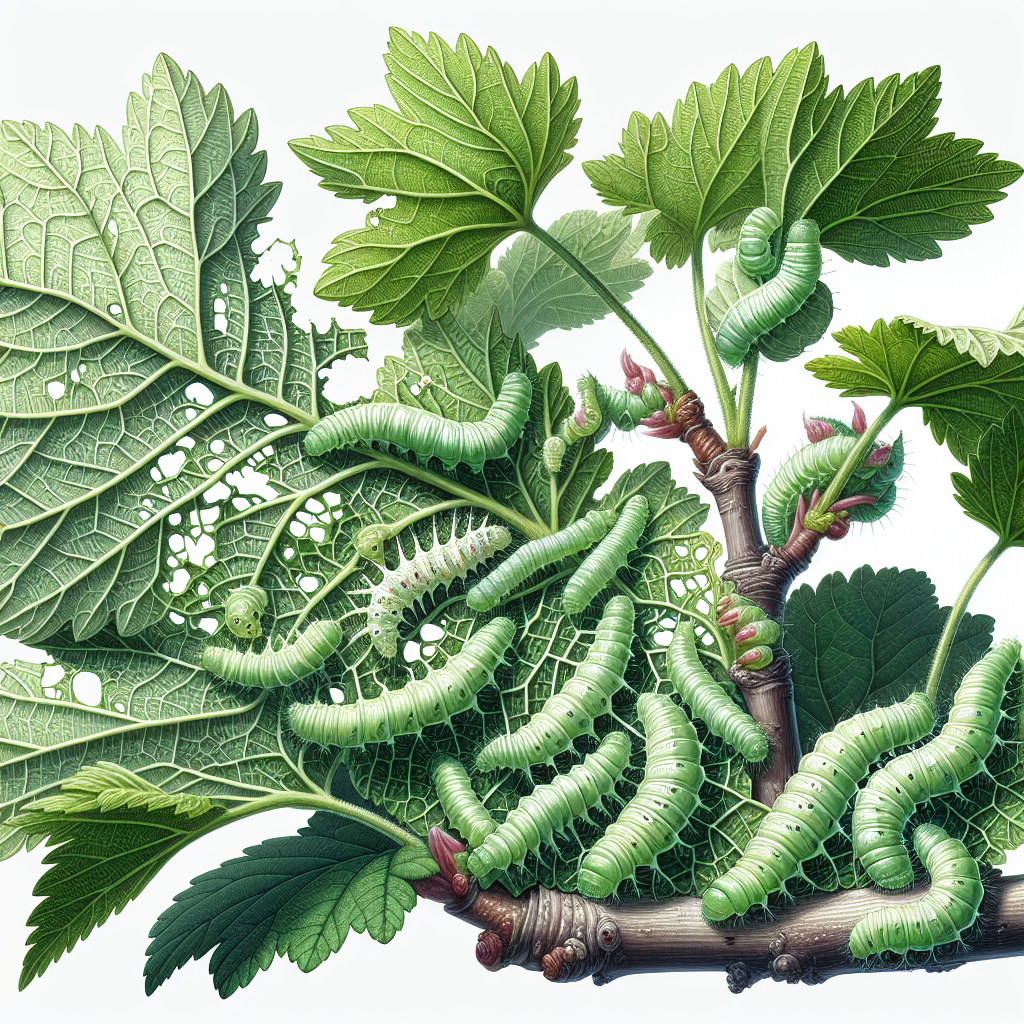
The Currant Sawfly, scientifically known as Nematus ribesii, is one of the most notorious pests affecting berry crops in temperate regions worldwide. Native to Europe but now widespread in North America, Asia, and other areas, this insect belongs to the Symphyta suborder of Hymenoptera, resembling a fly but behaving like a wasp in its larval feeding habits. Adult sawflies are small, stout-bodied insects about 8-10 mm long with black bodies, reddish legs, and transparent wings. However, the real damage comes from their larvae, which look like pale green caterpillars up to 20 mm long, often mistaken for true caterpillars but distinguished by having more prolegs.
Currant Sawflies pose a significant threat to commercial and home growers of currants and gooseberries by rapidly defoliating bushes, sometimes stripping entire plants bare in days. A single infestation can reduce yields by 50-100%, weakening plants and making them susceptible to secondary issues like powdery mildew or dieback. Understanding this pest's biology is key to timely intervention, as populations can explode under favorable conditions. This definitive guide covers identification, lifecycle, triggers, organic controls, prevention, and affected crops, empowering growers with professional-grade strategies to protect their harvests. For more on related pests, check our comprehensive overview of sawflies.
Identifying Symptoms & Damage
Early identification is critical for Currant Sawfly management, as larvae feed voraciously and can devastate foliage quickly. Initial symptoms appear on the lower leaves of currant and gooseberry bushes in spring. Look for skeletonized leaves where larvae have eaten the soft tissue between veins, leaving a lacy pattern of veins intact. Affected leaves turn brown and drop prematurely, often starting from the base of the plant and progressing upward.
Larvae are the primary culprits: pale green, slug-like with a dark head and faint spots, they cluster on leaf undersides. Unlike true caterpillars, sawfly larvae lack a distinct thoracic leg arrangement and move in a looping motion. Heavy infestations cause complete defoliation, with bushes appearing bare by early summer. Inspect plants weekly from bud break, shaking branches over white paper to dislodge larvae for confirmation.
Damage escalates if unchecked: defoliated plants produce fewer berries, stunt growth, and enter dormancy stressed. Secondary signs include frass (droppings) on the ground and honeydew attracting ants. Differentiate from other pests like imported currant worm or gooseberry sawfly, which may cause similar skeletonization but differ in larval color or timing. Use a hand lens to spot eggs as tiny orange clusters on leaf undersides in early spring. Prompt scouting prevents outbreaks, especially in dense plantings.
Lifecycle and Progression of Currant Sawfly
Currant Sawfly completes 2-3 generations per year in temperate climates, with lifecycle tightly synced to host phenology. Adults overwinter as prepupae in cocoons 5-10 cm deep in soil or leaf litter near host plants. Emergence begins in early spring (April-May) as soil temperatures reach 10-12°C, coinciding with currant bud swell.
Females lay 20-30 orange eggs in rows on leaf undersides. Eggs hatch in 7-10 days into tiny larvae that feed gregariously, molting four times over 2-3 weeks. Mature larvae drop to soil, spin cocoons, and pupate for 10-14 days. Second generation adults emerge in June-July, repeating the cycle; a partial third generation occurs in late summer in warmer areas.
Full lifecycle spans 4-6 weeks per generation. Larvae are most vulnerable during early instars. Adults live 1-2 weeks, feeding minimally on pollen. Monitoring degree-days (base 7°C) predicts emergence: first flight around 100-150 DD, second at 400-500 DD. Soil disruption post-feeding disrupts pupation, a key cultural control. In northern regions, one generation predominates, reducing pressure.
Environmental Triggers & Risk Factors
Currant Sawfly thrives in cool, moist springs with mild temperatures (15-20°C) and high humidity, favoring egg hatch and larval survival. Overwintering sites in undisturbed soil or mulch increase carryover. Risk spikes in new plantations or neglected hedges where weeds shelter pupae. Dense plantings (>1m spacing) facilitate rapid spread via adult flight (up to 1km).
Susceptible varieties like black currants heighten vulnerability. Poor vigor from over-fertilization with nitrogen promotes tender foliage, ideal for larvae. Nearby wild Ribes species act as reservoirs. Climate change extends generations in warming areas. Risk factors include: no-till practices without rotation, late pruning delaying hardening, and proximity to woods harboring alternate hosts. For small farms, check our Spring Pest Patrol: Organic AI Strategies to Shield Your Crops from Common Invaders for predictive tools.
Organic Control & Treatment Plans
Organic management emphasizes integrated pest management (IPM) with monitoring, cultural, biological, and targeted treatments. Scouting: Inspect weekly from bud break; treat at first larvae sighting.
Cultural Controls: Hand-pick clusters (effective <10% foliage loss). Till soil in fall/spring to expose pupae to predators. Prune infested tips and destroy. Encourage birds with nest boxes; they devour larvae.
Biological Controls: Introduce parasitic wasps like Dibrachys cavus or Lathrolestes ensator. Bacillus thuringiensis (Bt) kurstaki targets young larvae (apply evenings, 3-5 days interval). Neem oil disrupts feeding/molting (0.5-2% solution, weekly).
Organic Sprays: Insecticidal soap or spinosad for knockdown (reapply after rain). Pyrethrum as last resort. Timing: egg hatch to 2nd instar for 90% efficacy.
Treatment Plan:
- Scout: Threshold 5 larvae/leaf.
- Remove by hand/small vacuum.
- Apply Bt/neem at dusk.
- Monitor 7 days; repeat if needed.
- Fall tillage. Success rates exceed 85% with early action, preserving beneficials like ladybugs.
Preventing Currant Sawfly in the Future
Prevention builds resilient systems. Plant resistant varieties like 'Consort' black currant or 'Hinnonmaki Red' red currant. Space bushes 1.5-2m for airflow, reducing humidity. Mulch minimally; use coarse bark to deter pupation.
Crop rotation every 3-4 years with non-hosts like garlic or onion disrupts lifecycle. Early pruning (late winter) promotes vigorous shoots less appealing to females. Companion plant with thyme, yarrow, or nasturtium to repel adults. Maintain soil health via compost, avoiding excess N. Barrier fabrics at bud break block egg-laying. Monitor with yellow sticky traps for adults. Long-term: foster predators via hedgerows. Annual fall clean-up reduces overwintering by 70%.
Crops Most Affected by Currant Sawfly
Currant Sawfly primarily targets Ribes species: black, red, and white currants, with black currants (black currant) most susceptible (up to 100% defoliation). European gooseberries suffer heavily; American types less so. Occasionally attacks white currants (white currant) and ornamental Ribes. Rarely, related crops like salal or buffalo currant. In Europe, minor damage to raspberry or blackberry. Focus protection on berry orchards; isolate from wild hosts.