Encyclopedia
Definitive guides for crops, pests, and agricultural diseases.
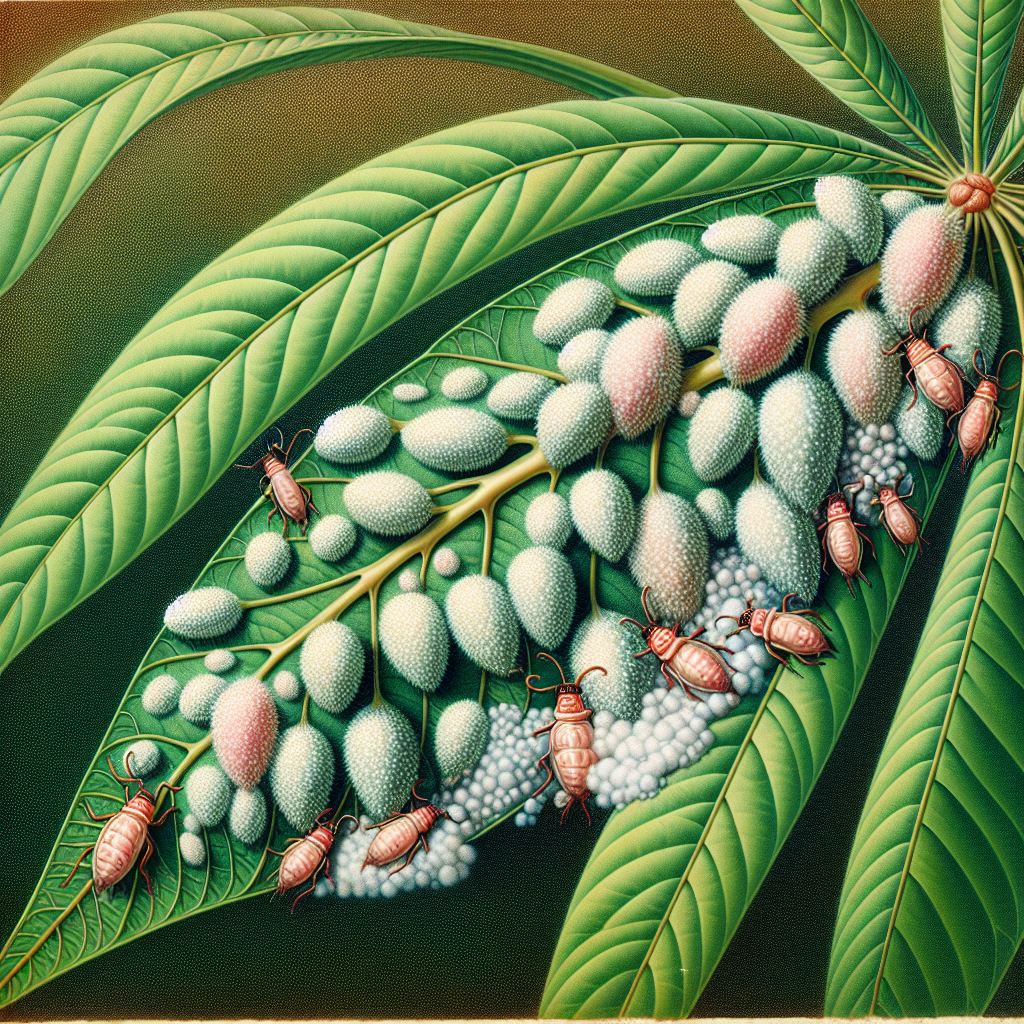
Cassava mealybug
The cassava mealybug (Phenacoccus manihoti) is a devastating sap-sucking pest native to South America that has spread to Africa and Asia, causing severe damage to cassava crops by stunting growth and reducing yields. This guide provides comprehensive diagnostics, lifecycle details, organic management strategies, and prevention tips for farmers battling this invasive threat. Effective biological controls, including parasitoids, have proven successful in integrated pest management programs.
View Profile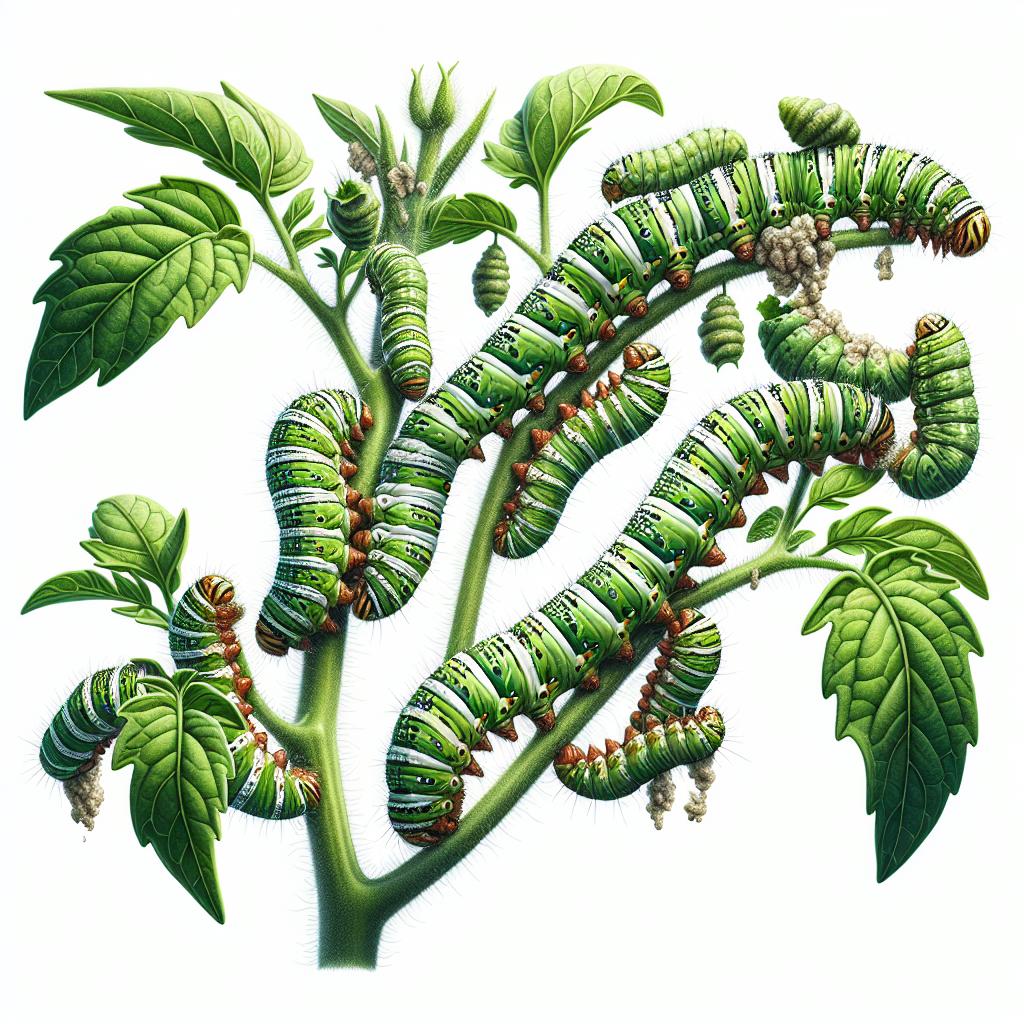
caterpillar pests
Caterpillar pests are the larval stage of moths and butterflies that voraciously feed on foliage, fruits, and stems, causing significant defoliation and crop losses in agriculture. Effective identification, organic management, and prevention strategies are crucial for protecting yields in affected crops. This guide provides comprehensive diagnostics, lifecycle insights, and proven control methods for farmers.
View Profile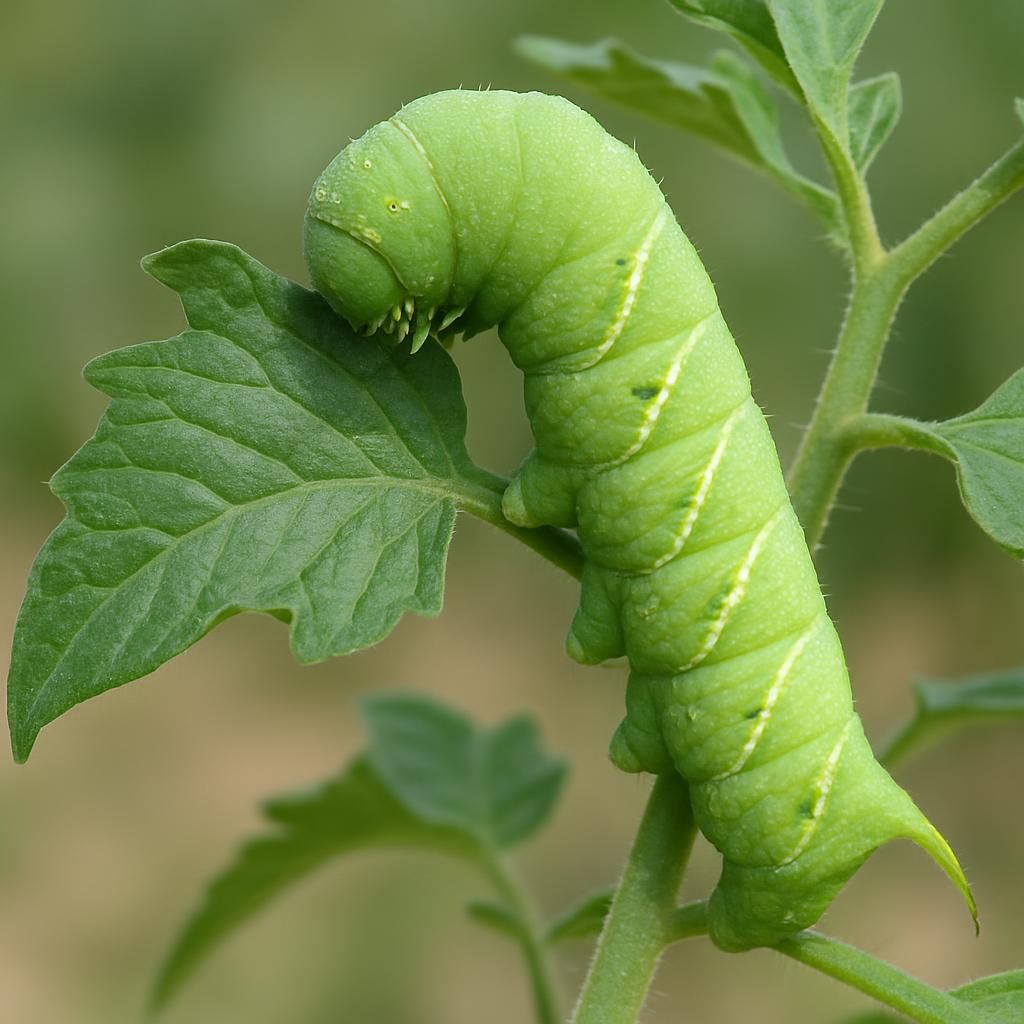
Caterpillars
Caterpillars are the larval stage of butterflies and moths, notorious agricultural pests that devour foliage and fruits across a wide range of crops. This guide provides comprehensive diagnostics, lifecycle insights, organic management strategies, and prevention tactics to protect your farm. Effective control hinges on early detection and integrated organic methods for sustainable yields.
View Profile
Cedar Waxwings
Cedar waxwings are migratory songbirds notorious in agriculture for devastating soft fruit crops by consuming large quantities of ripening berries and cherries in flocks. These elegant birds with distinctive crests and yellow tail bands can strip entire orchards overnight, posing significant challenges for fruit growers. Effective management relies on non-lethal deterrents and timing harvests to minimize losses.
View Profile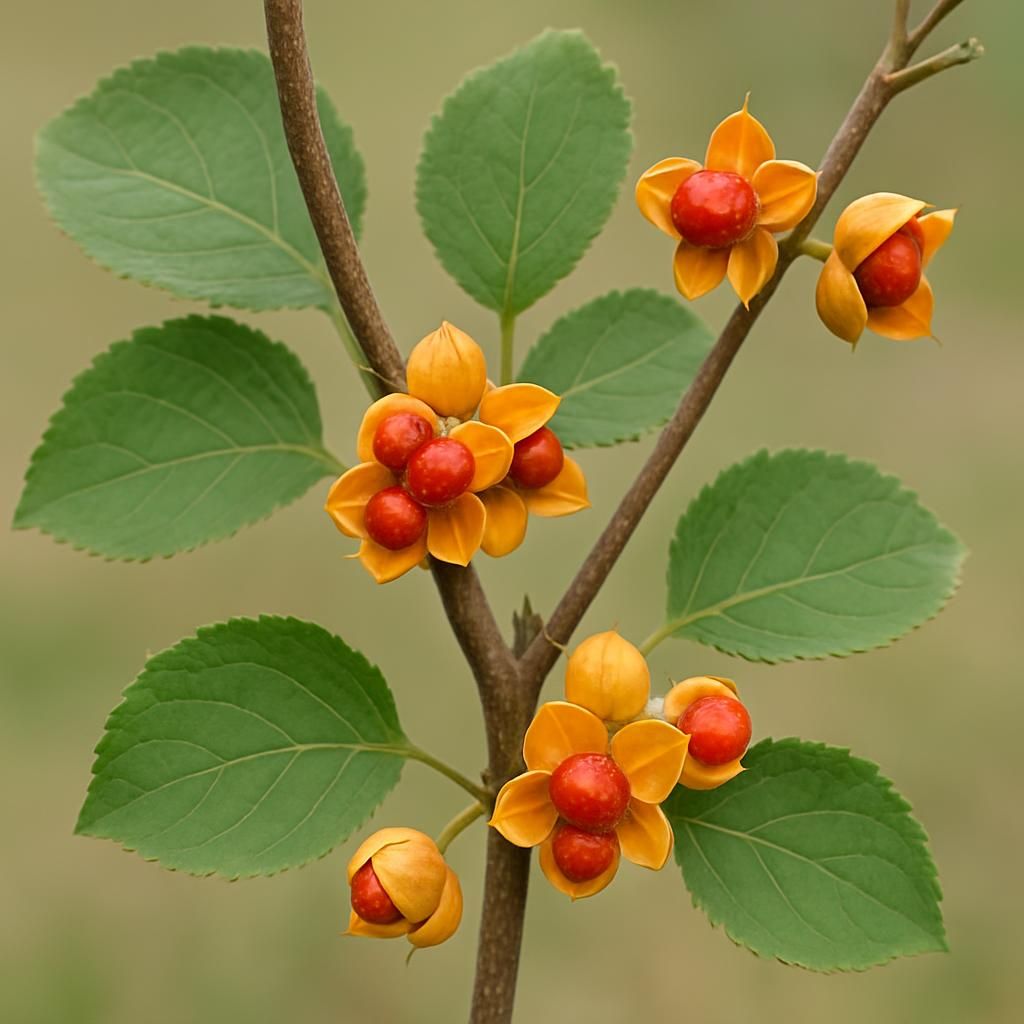
Celastrus orbiculatus
Celastrus orbiculatus, commonly known as Oriental bittersweet, is a highly invasive woody vine that poses severe threats to agricultural systems, native ecosystems, and managed landscapes. This guide provides professional diagnostic criteria, lifecycle details, and integrated management strategies for controlling infestations in farm and orchard settings.
View Profile
Celery Fly
The celery fly (Euleia heraclei) is a significant pest of celery and related crops, with larvae mining leaves and causing severe damage. This guide provides comprehensive diagnostics, lifecycle insights, organic management strategies, and prevention tips for farmers. Effective control combines monitoring, cultural practices, and biological agents to protect yields.
View Profile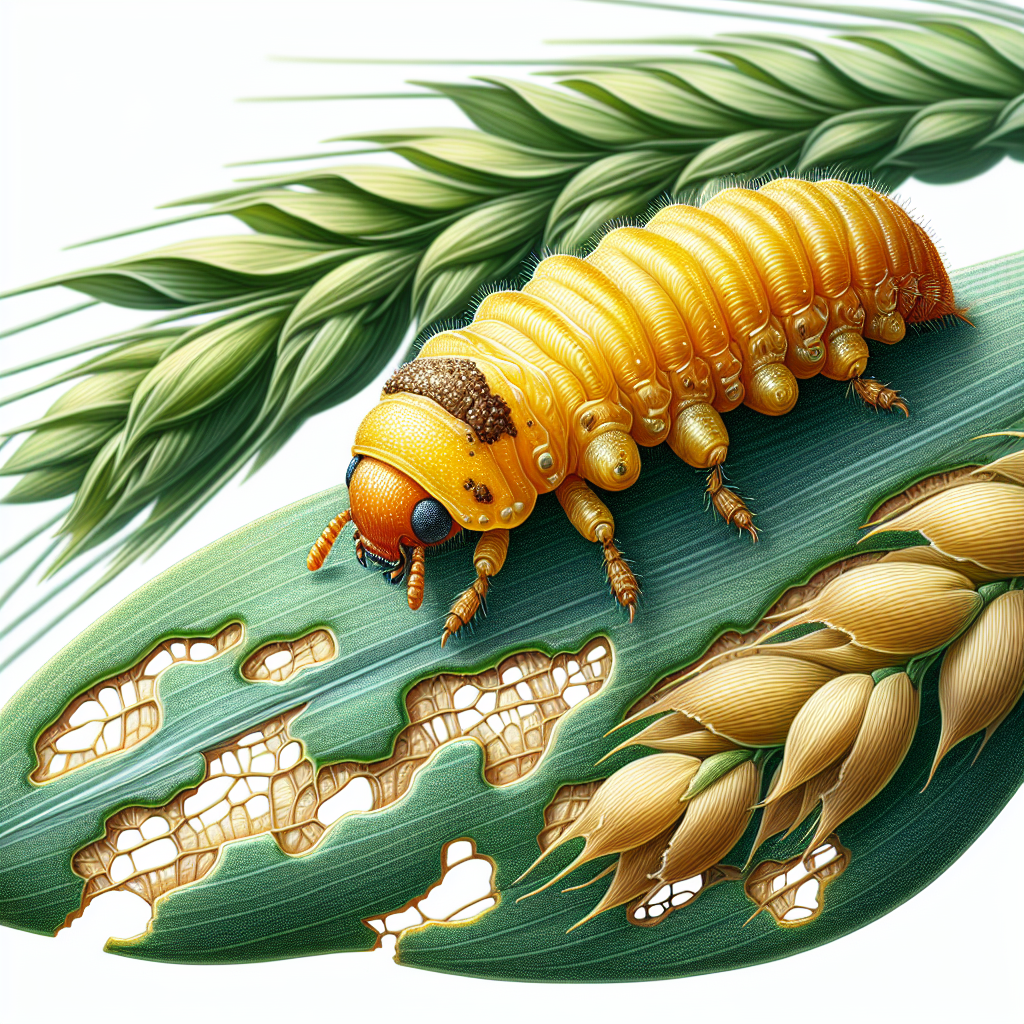
Cereal leaf beetle
The cereal leaf beetle (Oulema melanopus) is a significant pest of cereal crops like wheat, barley, and oats, where larvae skeletonize leaves, reducing photosynthesis and yield. Native to Europe, it has spread across North America, causing economic losses in grain production. Effective management combines monitoring, biological controls, and resistant varieties for sustainable control.
View Profile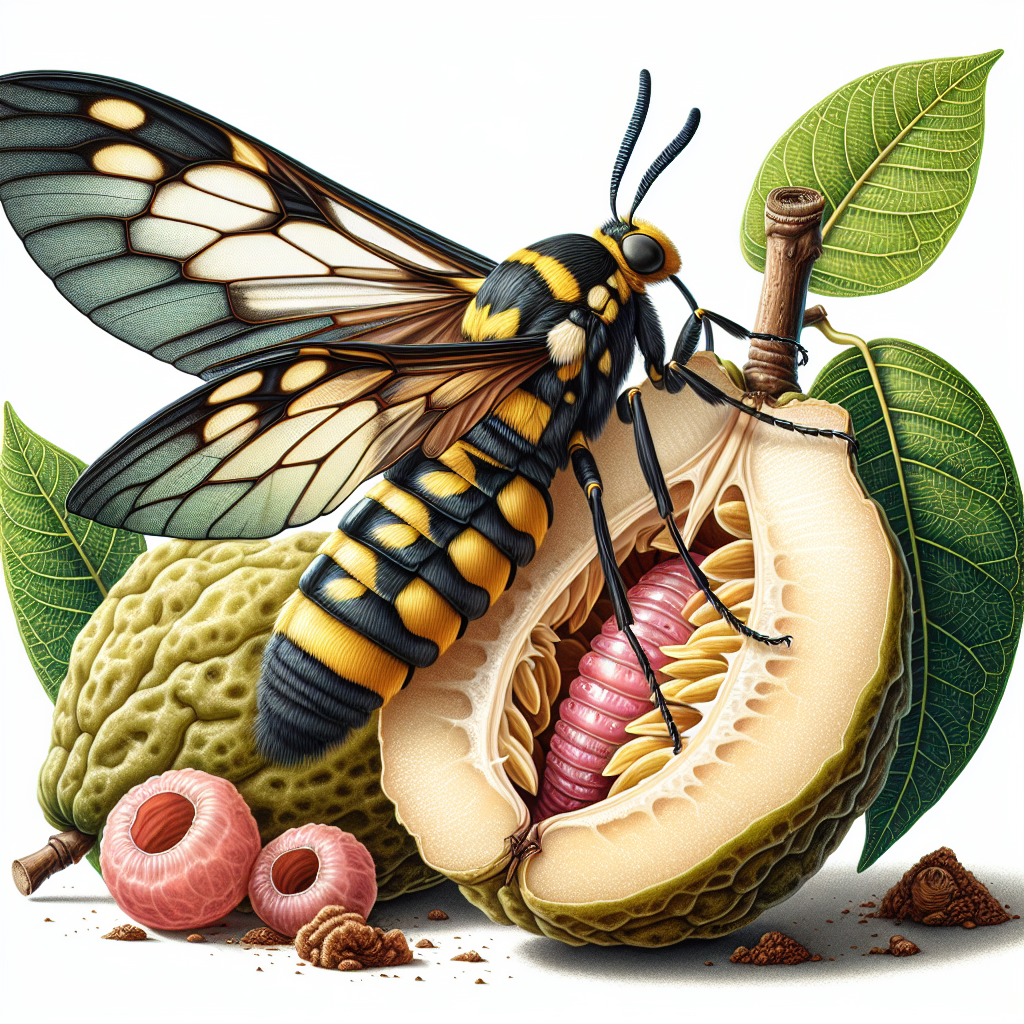
Cherimoya Fruit Moth
The Cherimoya Fruit Moth (Vitacea polistiformis) is a destructive pest targeting cherimoya orchards, with larvae boring into fruits and stems causing significant yield losses. This guide provides comprehensive diagnostics, lifecycle details, organic management strategies, and prevention tactics for growers. Early identification and integrated organic controls can minimize damage effectively.
View Profile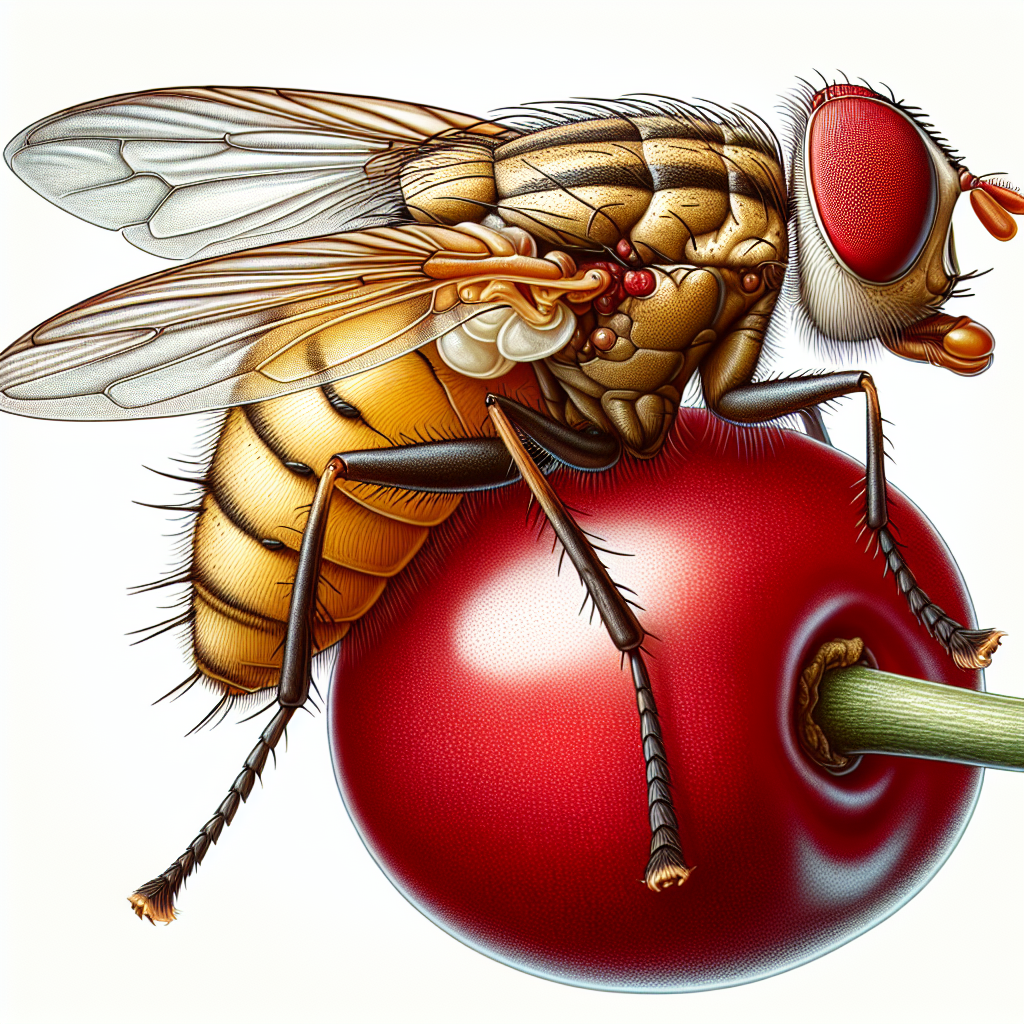
Cherry fruit fly
The cherry fruit fly (Rhagoletis cerasi) is a destructive pest that infests cherries, laying eggs inside developing fruits which hatch into larvae that feed on the pulp, rendering them unmarketable. Effective management requires vigilant monitoring, timely organic interventions, and cultural practices to disrupt its lifecycle. This guide provides comprehensive diagnostics, lifecycle details, and proven organic strategies to protect cherry crops.
View Profile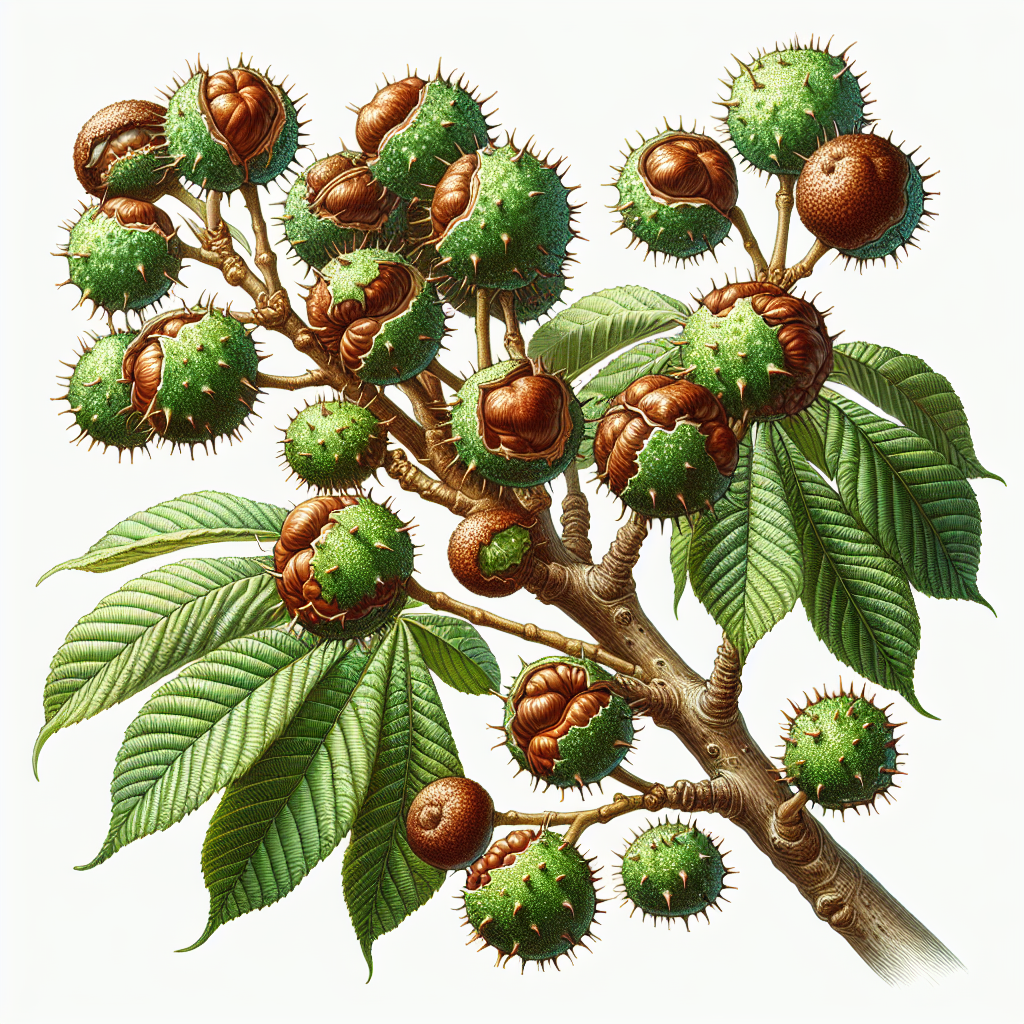
Chestnut gall wasp
The chestnut gall wasp (Dryocosmus kuriphilus) is an invasive pest that induces abnormal galls on chestnut trees, severely impacting nut production and tree vigor. Native to Asia, it has spread globally, causing significant economic losses in chestnut orchards. Effective management combines biological controls, cultural practices, and vigilant monitoring for sustainable control.
View Profile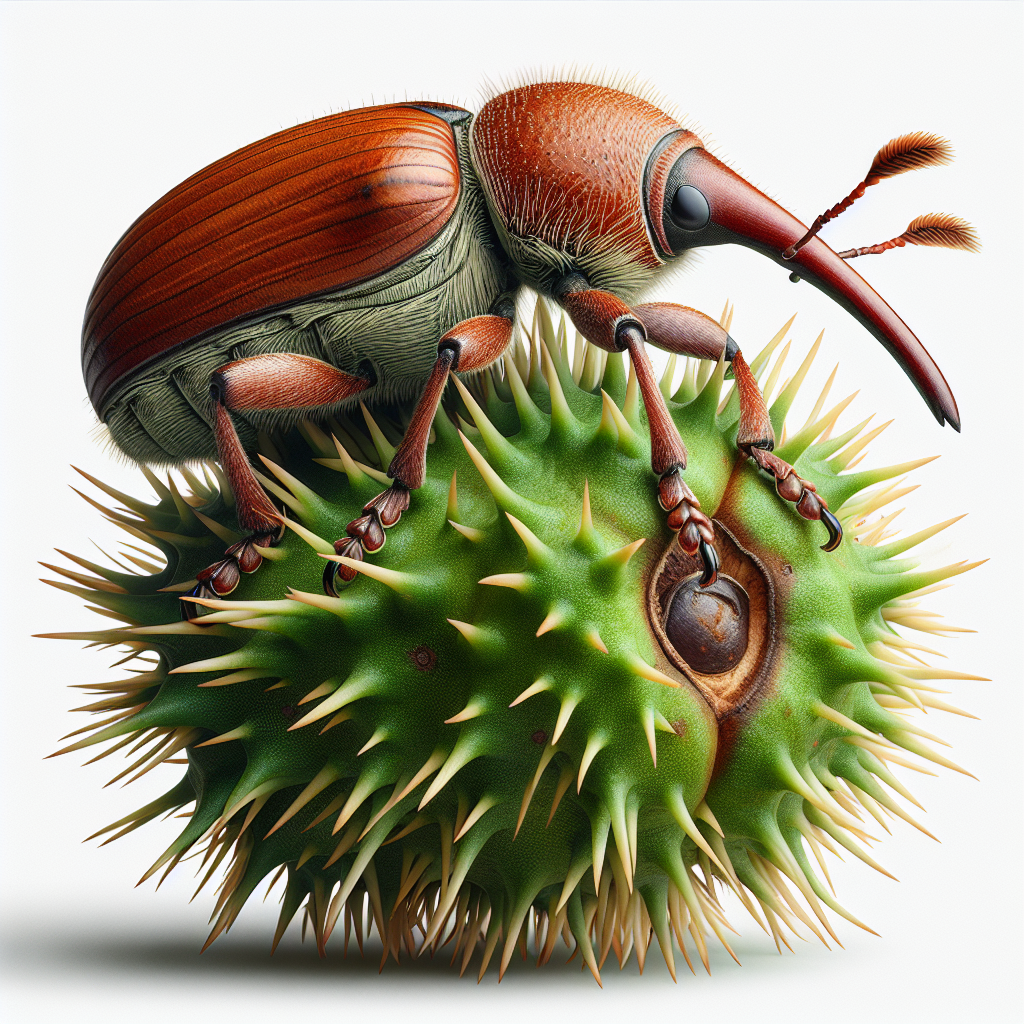
Chestnut weevils
Chestnut weevils are destructive pests targeting chestnut nuts, causing significant yield losses through larval feeding inside developing burs. Adult beetles emerge in summer, lay eggs in nuts, and larvae bore through kernels, rendering them unmarketable. Effective management combines monitoring, sanitation, and organic controls for sustainable chestnut production.
View Profile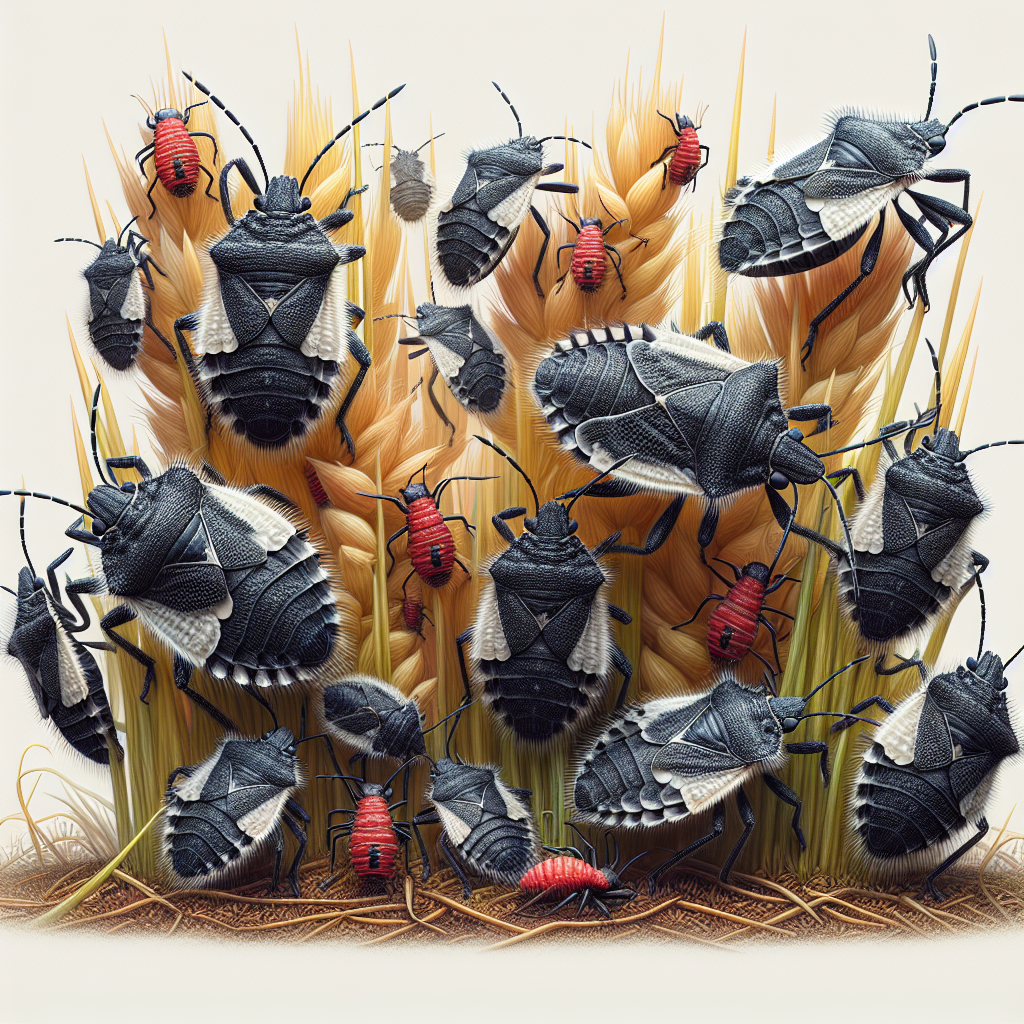
Chinch bugs
Chinch bugs are small, sap-sucking insects that cause significant damage to turfgrasses, lawns, and certain grain crops by injecting toxins that lead to yellowing and dead patches. They thrive in hot, dry conditions and have multiple generations per year, making early detection and management essential. This guide provides comprehensive diagnostics, organic control strategies, and prevention tips for agricultural settings.
View Profile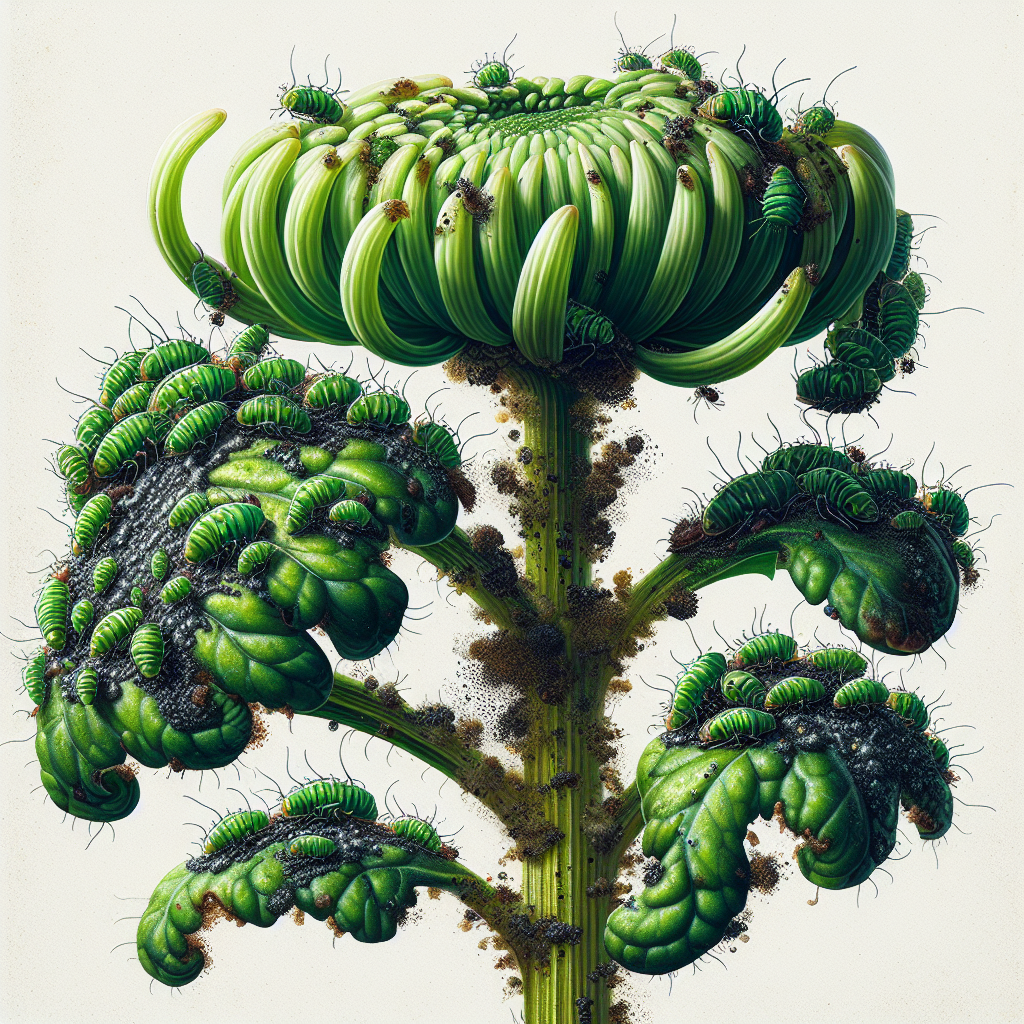
Chrysanthemum Aphid
The chrysanthemum aphid (Macrosiphoniella sanborni) is a specialized sap-sucking pest that targets chrysanthemum crops, causing distorted growth, leaf yellowing, and sticky honeydew. Highly prolific in warm conditions, it spreads rapidly via winged forms, making early detection critical for growers. Effective management combines organic controls like insecticidal soaps and biological agents with vigilant cultural practices.
View Profile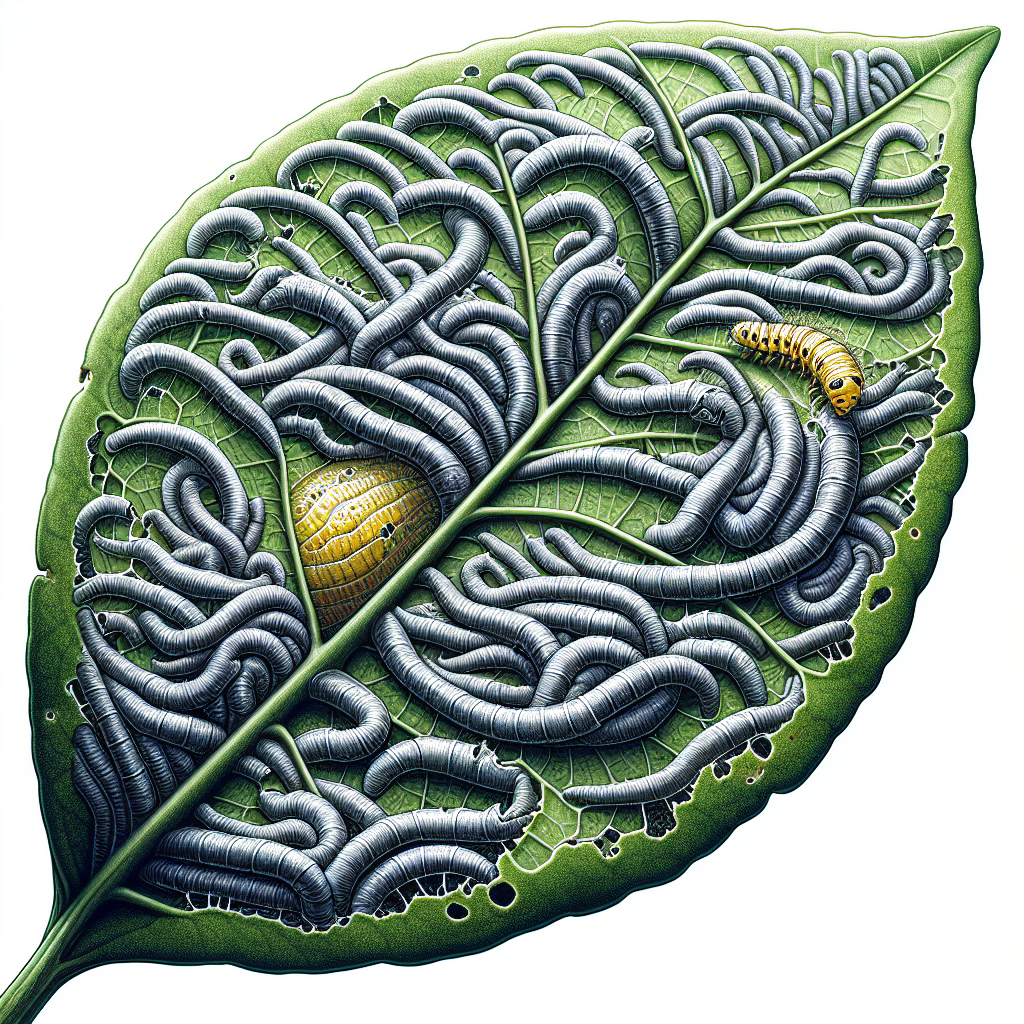
citrus leaf miner
The citrus leaf miner (Phyllocnistis citrella) is a destructive moth whose larvae tunnel through citrus leaves, causing cosmetic damage and weakening young trees. This guide provides comprehensive diagnostics, lifecycle details, organic management strategies, and prevention tips for growers. Effective control combines monitoring, biological agents, and cultural practices to protect [orange](/wiki/orange) and [lemon](/wiki/lemon) crops.
View Profile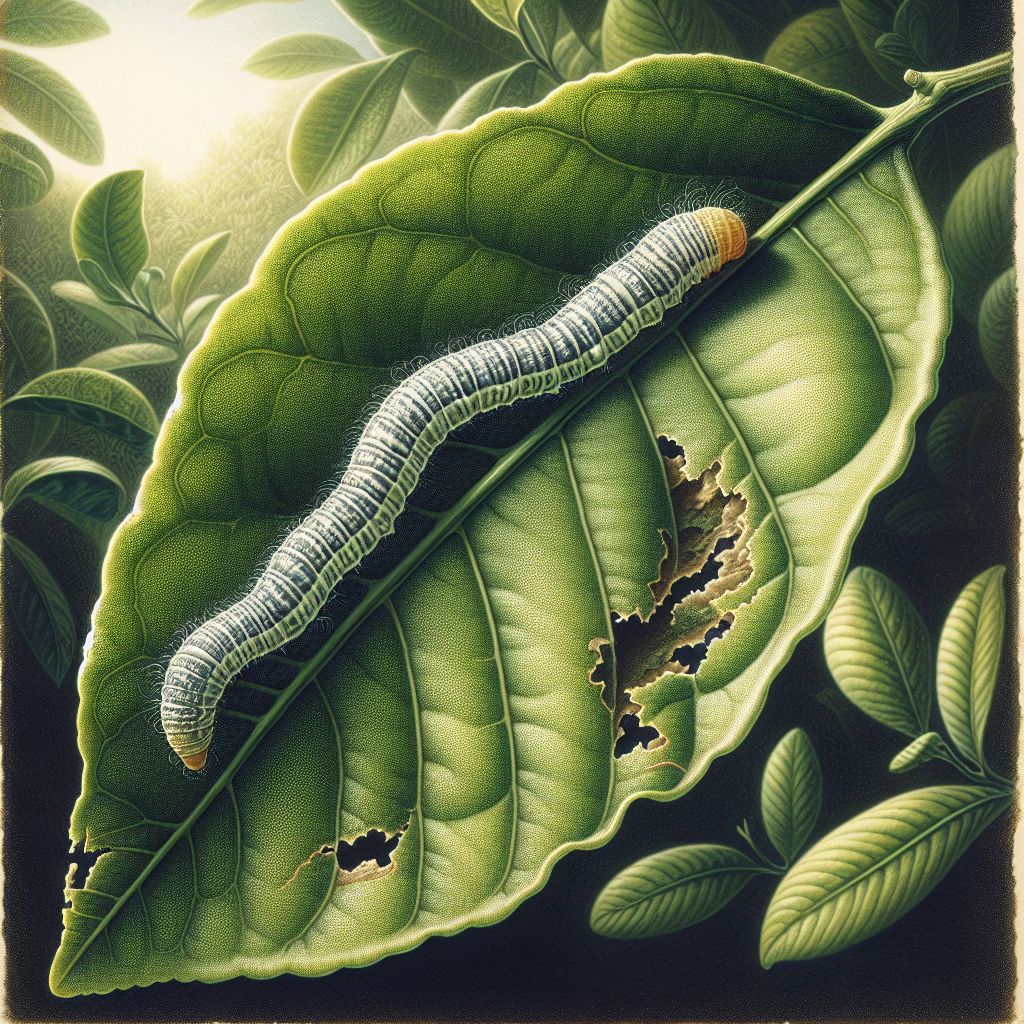
Citrus leafminer
The citrus leafminer (Phyllocnistis citrella) is a destructive moth pest that targets young citrus foliage, creating serpentine mines that weaken trees and reduce yields. Native to Asia, it has spread globally, posing significant threats to commercial and home citrus groves. Effective management combines monitoring, organic controls, and cultural practices to minimize damage.
View Profile
citrus leafminers
Citrus leafminers are tiny moths whose larvae tunnel into young citrus leaves, causing serpentine mines that distort growth and reduce photosynthesis. Native to Asia, they have spread globally, posing a significant threat to citrus production. Effective management combines monitoring, organic treatments, and cultural practices to minimize damage without harming beneficial insects.
View Profile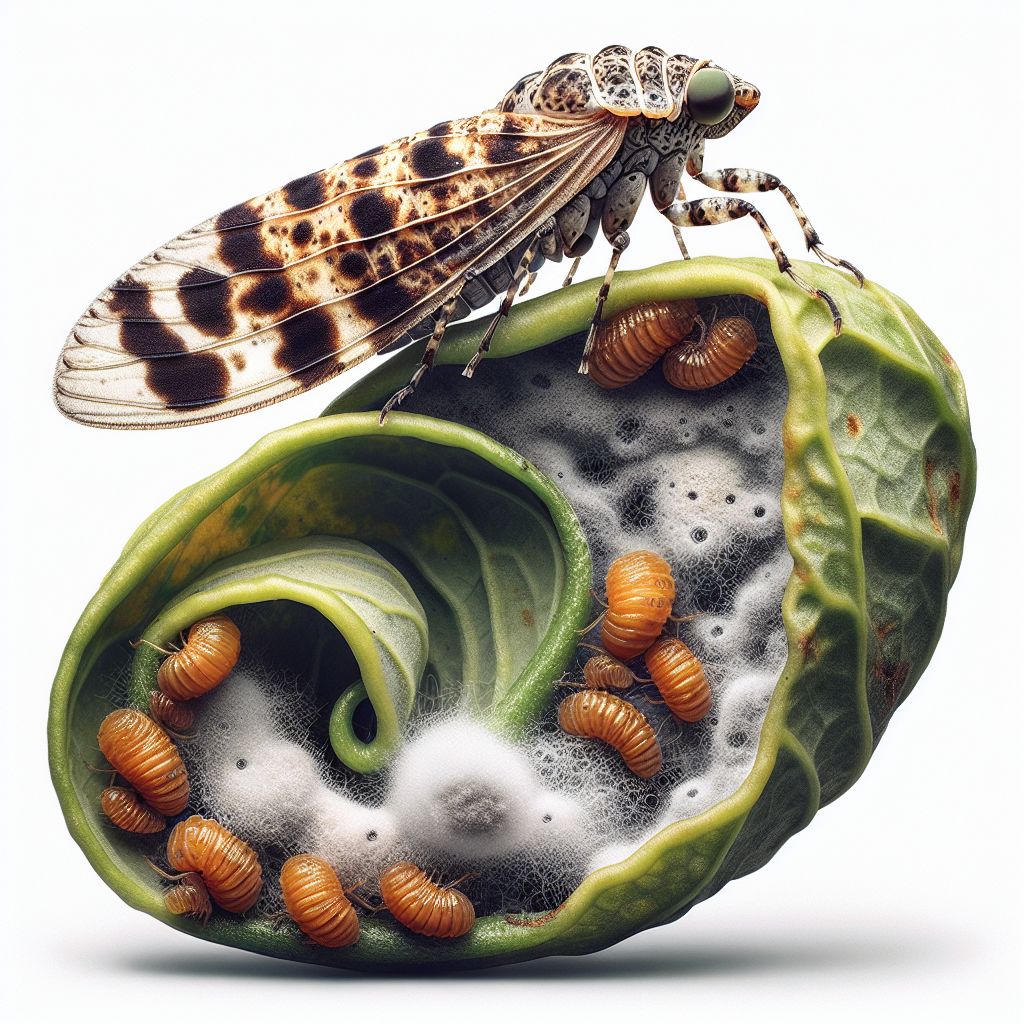
Citrus psyllid
The citrus psyllid (Diaphorina citri) is a small, sap-sucking insect that vectors the devastating citrus greening disease (HLB), threatening citrus production worldwide. This guide provides definitive diagnostics, lifecycle insights, organic management strategies, and prevention tactics for growers facing infestations. Early detection and integrated approaches are key to protecting orchards from yield losses up to 100%.
View Profile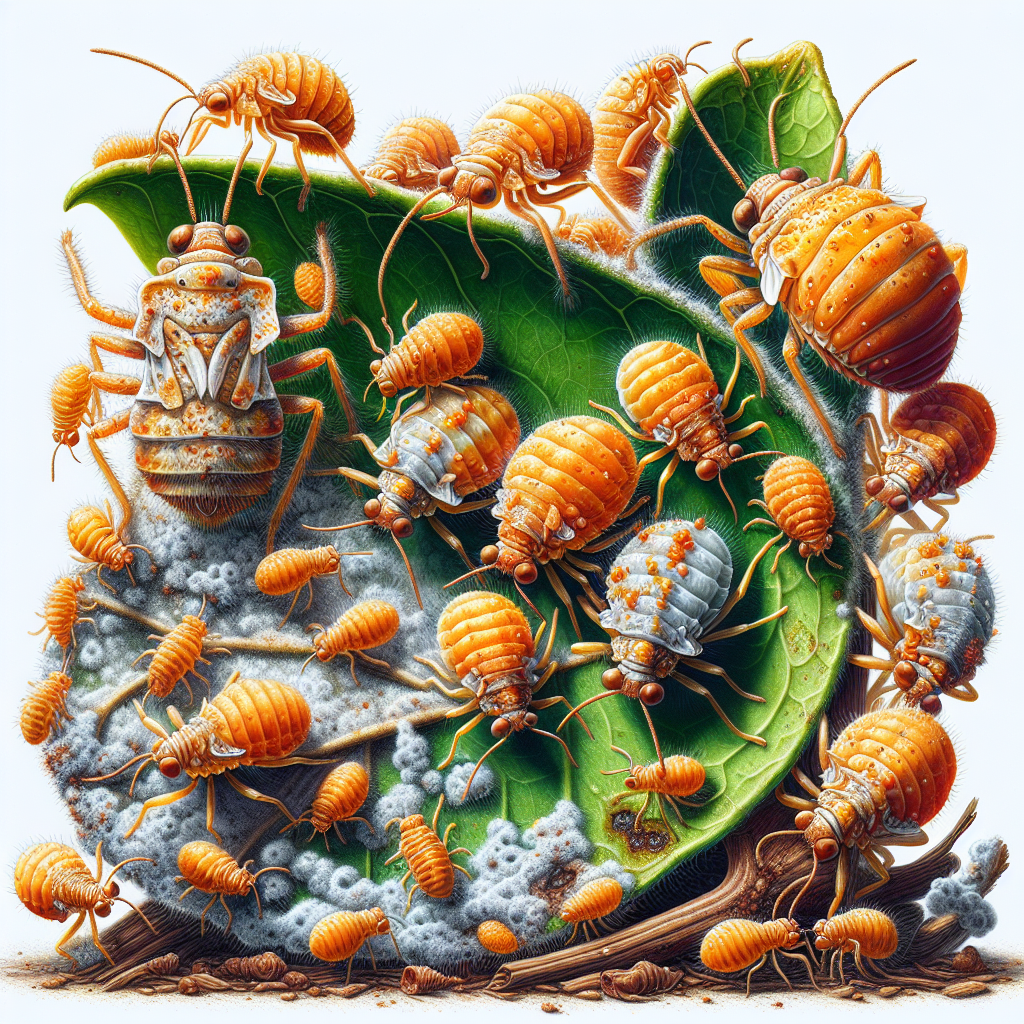
Citrus psyllids
Citrus psyllids are small, sap-sucking insects that infest citrus trees, causing direct damage through feeding and serving as vectors for the devastating citrus greening disease (huanglongbing). Effective identification, organic management, and prevention are crucial for protecting commercial groves and home orchards from yield losses and tree decline. This guide provides professional diagnostics, lifecycle insights, and proven control strategies for sustainable citrus production.
View Profile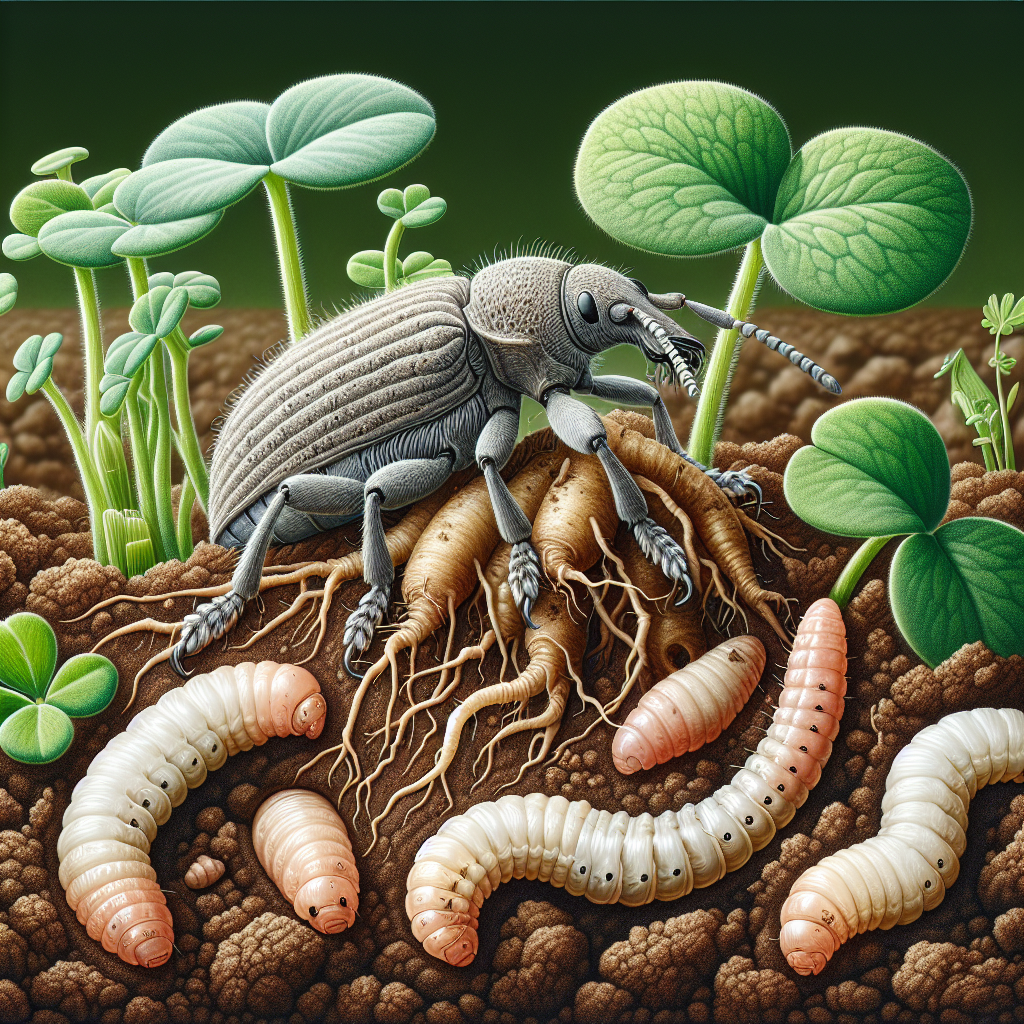
clover root curculio
The clover root curculio (Sitona hispidulus) is a small weevil that severely damages clover and alfalfa roots, leading to stunted growth and reduced forage yields. This pest is prevalent in temperate regions and can cause significant economic losses in legume pastures and cover crops. Effective management combines cultural practices, biological controls, and vigilant monitoring for long-term suppression.
View Profile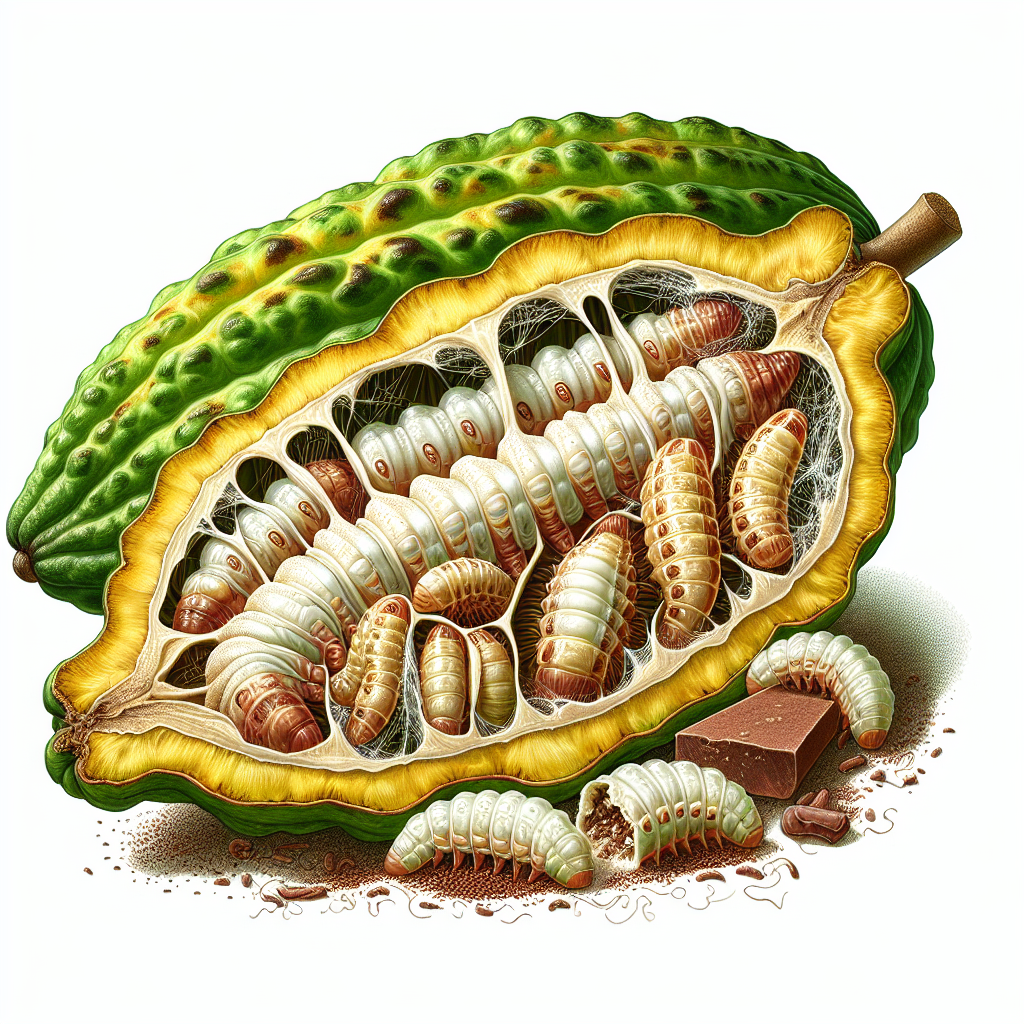
cocoa pod borers
Cocoa pod borers are devastating pests primarily targeting cacao crops, with larvae boring into pods and ruining beans. This guide provides comprehensive diagnostics, lifecycle insights, organic management strategies, and prevention tips for farmers. Effective control combines monitoring, biological agents, and cultural practices to protect yields.
View Profile
Coconut Eriophyid Mite
The Coconut Eriophyid Mite (Aceria guerreronis) is a microscopic pest that burrows into coconut husks, causing significant yield losses in coconut plantations worldwide. This guide provides comprehensive diagnostics, lifecycle insights, organic management strategies, and prevention tactics for growers facing this challenging threat. Early detection and integrated approaches are key to protecting [Coconut](/wiki/coconut) crops from devastating damage.
View Profile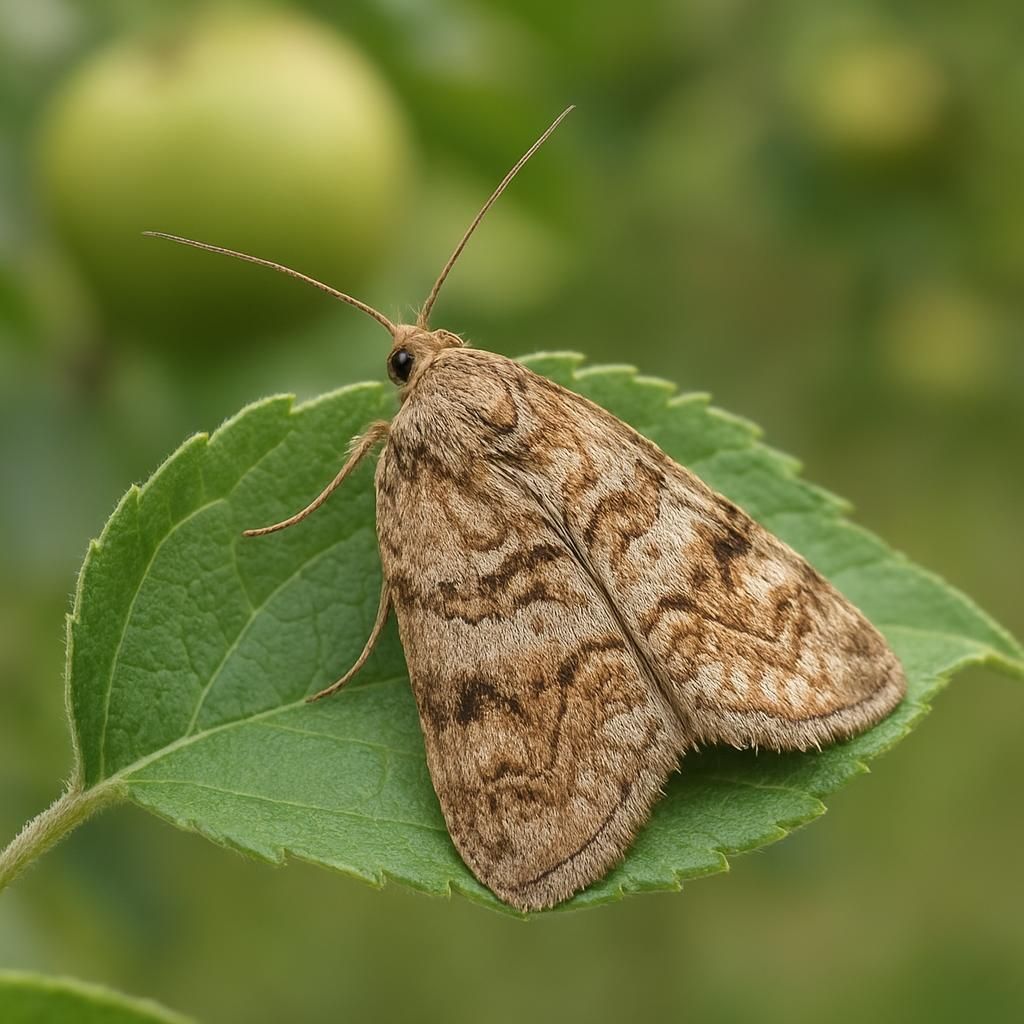
Codling moth
The codling moth (Cydia pomonella) is a notorious orchard pest infamous for boring into apple and pear fruits, causing extensive damage and rendering produce unmarketable. Native to Europe but now global, its larvae create the characteristic 'worm in the apple' frass-filled tunnels. Effective integrated pest management combining monitoring, sanitation, and organic controls is essential for minimizing losses in pome fruit crops.
View Profile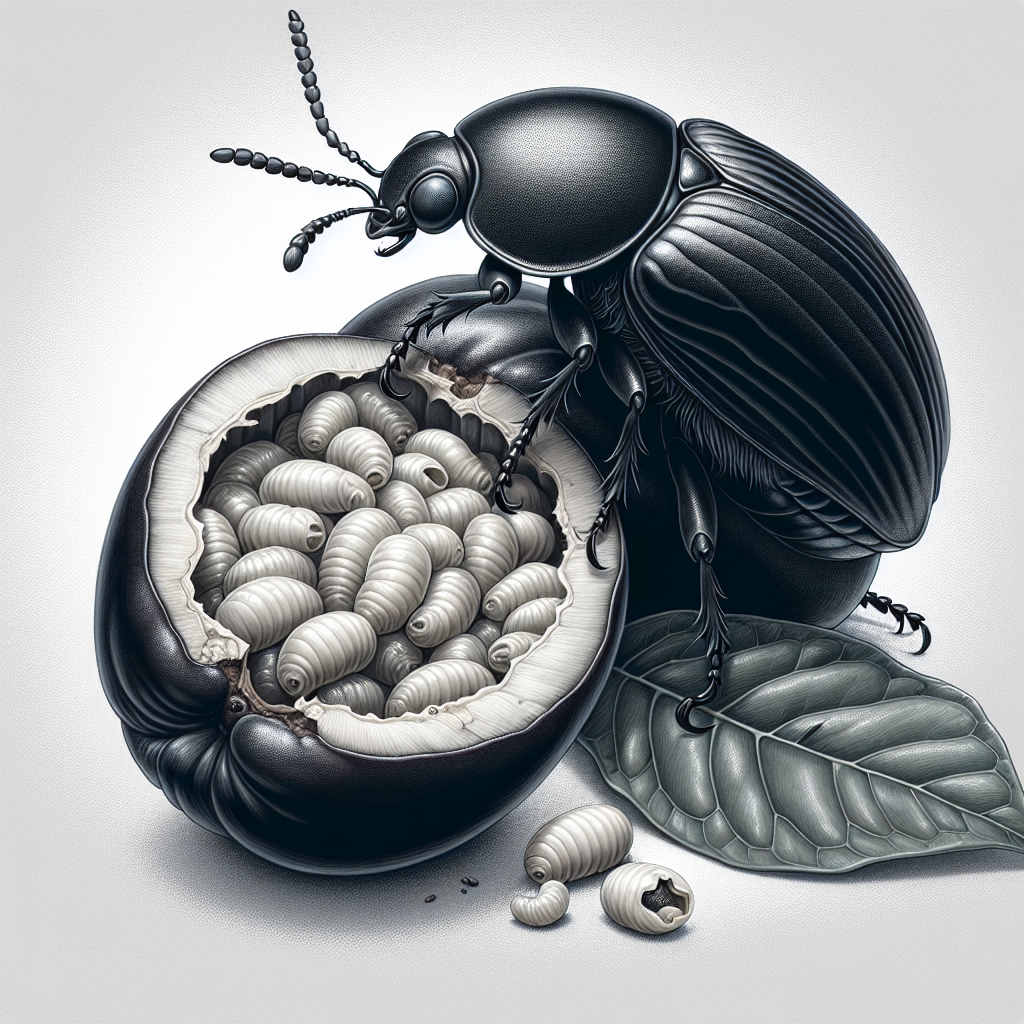
coffee berry borer
The coffee berry borer (Hypothenemus hampei) is the most devastating pest of coffee worldwide, boring into developing berries to feed on the seed and causing significant yield losses. This guide provides comprehensive diagnostics, lifecycle insights, organic management strategies, and prevention tactics for coffee growers. Effective IPM combining monitoring, biological controls, and cultural practices can reduce infestations by up to 80%.
View Profile
Colorado potato beetle
The Colorado potato beetle is a notorious pest that devastates potato crops by defoliating plants, leading to significant yield losses. Native to the Rocky Mountains, it has spread worldwide and is infamous for rapid resistance to insecticides. Effective management relies on integrated strategies including crop rotation, resistant varieties, and organic controls.
View Profile