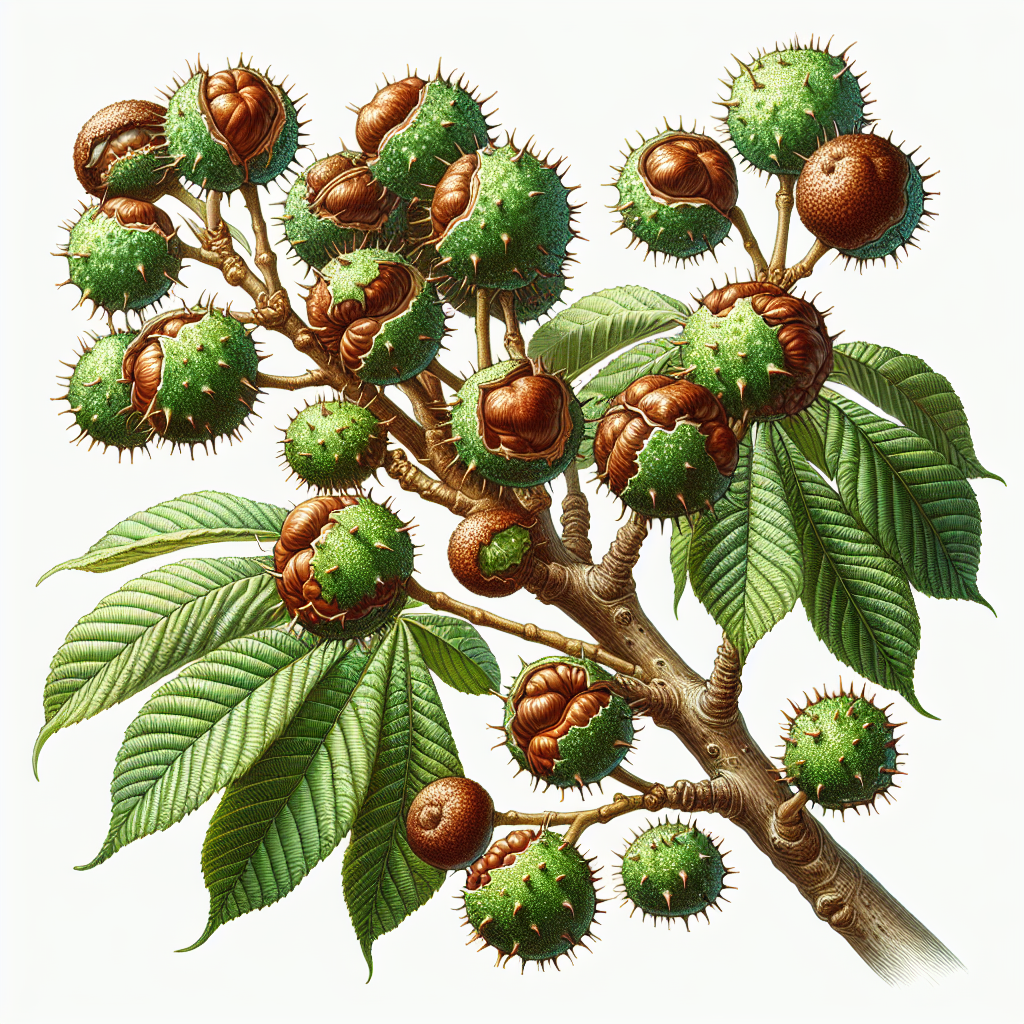
Introduction to Chestnut gall wasp
The chestnut gall wasp, scientifically known as Dryocosmus kuriphilus, represents one of the most devastating pests threatening chestnut cultivation worldwide. First identified in Japan, this tiny cynipid wasp has become a global invader, particularly affecting Chestnut (crop) trees in Europe, North America, and beyond. Females lay eggs in developing buds during early spring, triggering the plant's hormonal response that forms characteristic galls—abnormal swellings that divert nutrients from nut production and weaken the tree.
These galls can proliferate extensively, covering shoots, leaves, and catkins, leading to branch dieback, reduced photosynthesis, and up to 90% yield losses in severe infestations. Chestnut growers face not only direct damage but also secondary issues like fungal infections entering through gall cracks. Early detection is crucial, as unmanaged populations explode within 2-3 years of introduction. This guide provides professional-grade diagnostics, lifecycle insights, and organic management strategies to safeguard your orchard. For more on integrated pest management, check out this Spring Pest Patrol: Organic AI Strategies to Shield Your Crops from Common Invaders.
Understanding the pest's biology empowers growers to implement targeted interventions, minimizing chemical use while preserving chestnut tree health. With climate change expanding suitable habitats, proactive measures are essential for long-term sustainability.
Identifying Symptoms & Damage
Diagnosing chestnut gall wasp infestations requires keen observation during the tree's active growth phases. The hallmark symptom is the formation of smooth, olive-green to reddish-brown galls, typically 1-3 cm in diameter, on young shoots, leaves, petioles, and burrs. These galls emerge in late spring as small, spongy swellings that harden over summer, cracking to reveal exit holes from which adult wasps emerge the following year.
Early signs include stunted bud growth and deformed leaves with puckered edges. Heavily infested shoots may wilt and die back, giving trees a bushy, 'witches' broom' appearance. Nut production suffers dramatically: catkins fail to develop properly, leading to poor pollination and empty burrs. In young trees, galls on the trunk can girdle stems, causing long-term decline.
Differentiate from other issues like Chestnut Blight (disease), which causes cankers with sunken, bark-cracking lesions, or Phytophthora root rot (disease), marked by basal oozing and root decay. Gall wasp damage is superficial yet systemic, often accompanied by sooty mold from honeydew if aphids (pest) are secondary invaders. Scout orchards biweekly from bud break, using a hand lens to spot tiny (1.5 mm) wasps or eggs (0.2 mm, pale yellow) inside buds.
Yield impacts are profound: studies show 50-70% nut loss in the first heavy infestation year, escalating without control. Monitor for gall wasps (pest) in neighboring oak (tree) or hazelnut (crop) stands, as related cynipids may signal risk.
Lifecycle and Progression of Chestnut gall wasp
Dryocosmus kuriphilus completes one primary generation annually, with a complex lifecycle synchronized to chestnut phenology. Adult females (1.5-2 mm, dark brown with reddish legs) emerge from galls in late June to August, seeking tender buds. They inject eggs via a specialized ovipositor, prompting gall formation within 30-40 days.
Larvae (white, legless) overwinter inside galls, pupating in spring (April-May). Asexual reproduction dominates in invaded regions, allowing rapid population buildup—up to 80% female progeny. In native Asia, a sexual generation (smaller males and females) occurs on Chinese chestnut, but parthenogenetic lines prevail elsewhere.
Progression peaks mid-summer: galls swell rapidly (June-July), absorbing tree resources equivalent to 20-50% of shoot biomass. Adult flight coincides with 20-25°C temperatures, lasting 4-6 weeks. Overwintering survival exceeds 90% in mild climates, fueling spring reinfestation. Understanding this timing enables precise interventions, such as spring pruning before egg-lay.
Environmental Triggers & Risk Factors
Chestnut gall wasp thrives in temperate climates with mild winters (USDA zones 6-9) and humid springs, favoring elevations 200-800m. High humidity (>70%) during egg hatch accelerates gall development, while drought stress weakens trees, amplifying susceptibility. Infestations spread via wind, birds, or infested nursery stock, with females dispersing up to 500m.
Risk factors include monoculture orchards lacking diversity, poor airflow from dense planting (>5x5m spacing), and proximity to wild American Chestnut (crop). Soil pH >7.0 limits root health, indirectly boosting pest pressure. Climate warming extends diapause-free periods, predicting 20-30% range expansion by 2050. Monitor mites (pest) or scale insects (pest) as they exacerbate stress.
Organic Control & Treatment Plans
Organic management hinges on integrated strategies: cultural, biological, and mechanical controls. Pruning: Remove and destroy galled shoots before adult emergence (May-June), reducing populations by 60-80%. Burn debris to prevent reinfestation.
Biological Controls: Release Torymus sinensis, a parasitoid wasp (40-70% parasitism rates), approved for augmentative release. Native predators like birds (pest) (wrong category, but as beneficial) and ants aid suppression. Encourage understory plants like yarrow (crop) for predator habitat.
Treatments: Apply dormant oil sprays (2-3% rate) in late winter to smother eggs. Kaolin clay barriers deter oviposition. Neem oil (0.5%) targets larvae without residues. For severe cases, Bacillus thuringiensis (Bt) var. kurstaki suppresses secondary lepidopterans. Monitor with yellow sticky traps (10/acre), targeting 5 wasps/trap threshold.
Integrated Plan: Year 1—scout/prune; Year 2—release parasitoids + oils; Year 3—evaluate, repeat. Success stories show 90% control in 3 years. Avoid broad-spectrum sprays to preserve Torymus efficacy.
Preventing Chestnut gall wasp in the Future
Prevention starts with certified, gall-free nursery stock—inspect buds rigorously. Plant resistant hybrids like Chinese chestnut x European crosses (e.g., 'Marsol'). Maintain 6x6m spacing for airflow, prune annually for open canopy.
Sanitation: Quarantine new plantings 2 years; trap adults with bucket traps baited with chestnut volatiles. Diversify with intercropped clover (crop) to boost beneficials. Soil health via compost mulching enhances vigor, reducing susceptibility by 40%. Long-term: Breed for resistance, scout adjacent walnut (crop) for early warning.
Crops Most Affected by Chestnut gall wasp
Primarily targets Chestnut (crop) species: European (Castanea sativa), American (C. dentata), and hybrids. Chinese chestnut (C. mollissima) shows tolerance. Ornamental chestnuts in landscapes suffer aesthetic damage. No significant impact on oak, though shared cynipids exist. Global losses exceed $100M annually in Italy, Korea, USA.