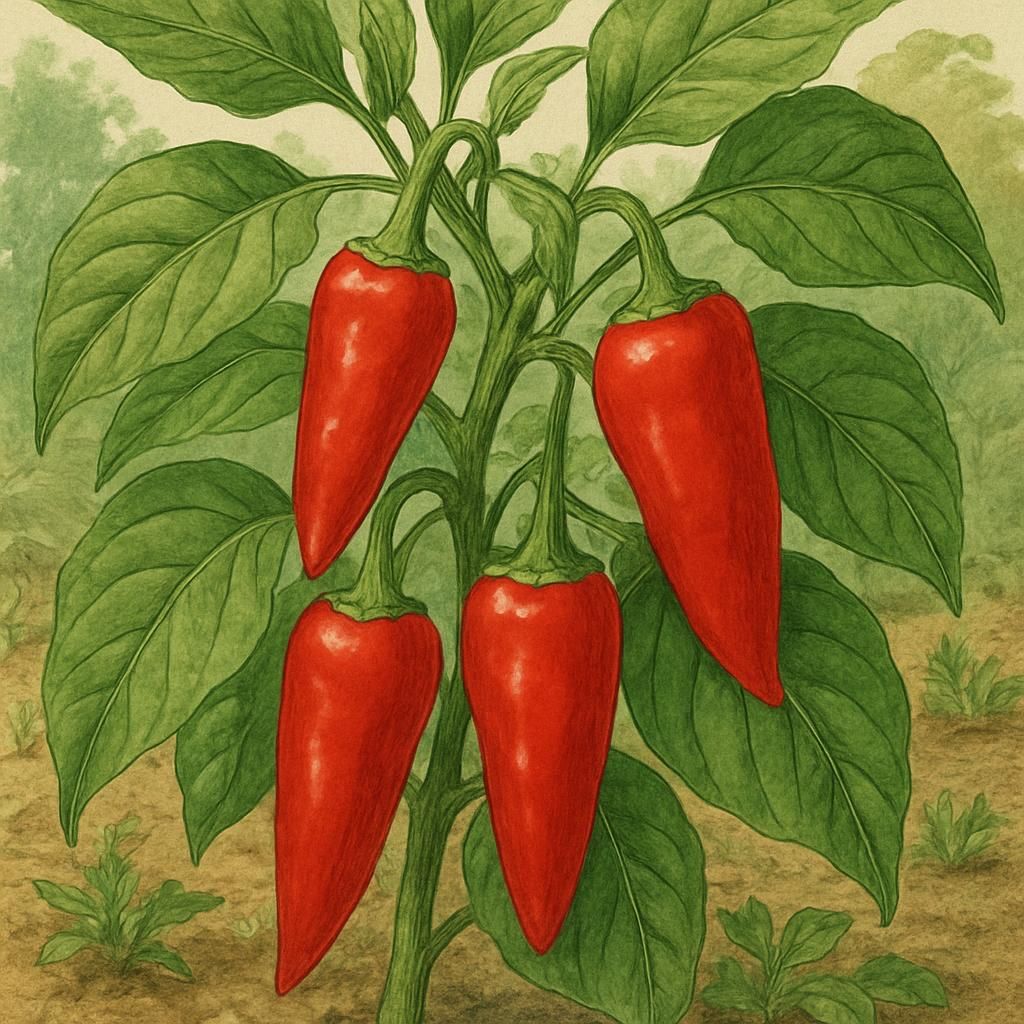
Introduction to Fresno Pepper
Fresno peppers are a type of chili pepper widely appreciated for their vibrant color and spicy flavor. Often confused with the Jalapeño Pepper, Fresno peppers are unique due to their sweeter heat profile and thinner walls. They were first cultivated in Fresno, California, which is where they derive their name. Used in a variety of dishes, they are valued for their versatile culinary applications ranging from fresh salsas to cooked sauces.
Botanical Profile of Fresno Pepper
The Fresno pepper belongs to the species Capsicum annuum. They are small, conical peppers that start off green and mature to a bright red. At full maturity, these peppers reach about 60-70 mm in length and exhibit a moderate Scoville rating ranging from 2,500 to 10,000 SHU, slightly less than a Ghost Pepper.
Soil, pH, and Climate Requirements for Fresno Pepper
Fresno peppers favor well-drained, sandy soil with a preference for a slightly acidic to neutral pH. They thrive in warm climates and require full sunlight for optimal growth.
| Condition | Ideal Range |
|---|---|
| Soil Type | Sandy, well-drained |
| Soil pH | 6.0 - 7.0 |
| Temperature | 70°F - 85°F (21°C - 29°C) |
| Sunlight | Full sun |
Step-by-Step Planting & Propagation
- Seed Selection: Start with high-quality Fresno pepper seeds from a reputable supplier.
- Soil Preparation: Enrich soil with organic matter like compost to improve drainage and nutrient content.
- Sowing: Plant seeds indoors 8-10 weeks before the last expected frost. Sow seeds about 1/4 inch deep in seed-starting mix.
- Transplanting: After the last frost, transplant seedlings outdoors, ensuring a depth that covers the stem to the first set of leaves.
- Spacing: Maintain a spacing of 18-24 inches between plants to allow for adequate air circulation.
Care & Maintenance regimes for Fresno Pepper
Regular care is essential for a bountiful harvest of Fresno peppers. Here's a schedule to maintain optimal plant health:
| Care Activity | Frequency/Amount |
|---|---|
| Watering | 1-2 inches per week |
| Fertilizing | Bi-weekly with balanced fertilizer |
| Pruning | Prune leaves to enhance airflow every month |
Pests, Diseases & Organic Management
Fresno peppers are susceptible to numerous pests like Spider Mites and diseases such as Powdery Mildew. Use neem oil as an organic pesticide alternative and improve air circulation to prevent diseases.
Harvesting, Curing & Optimal Storage
Fresno peppers are ready for harvest approximately 75-80 days after transplanting when they've reached full red color. Use sharp scissors to avoid damaging the plant during harvest. To store, keep them refrigerated for up to two weeks or freeze them for long-term storage.
Companion Planting for Fresno Pepper
Fresno peppers benefit greatly from companion planting, which improves crop yield and pest control.
- Companions: Plant near Basil to enhance growth and deter pests.
- Avoid Planting With: Avoid planting near Fennel as it can inhibit growth.
For expanded insights into pest management, see the blog post on Fall Pest Siege: 9 Organic Defenses to Shield Small Farms from Invading Armies.