Encyclopedia
Definitive guides for crops, pests, and agricultural diseases.

fungal soft rots
Fungal soft rots are destructive diseases caused by soilborne fungi that rapidly degrade plant tissues into mushy, watery masses, primarily affecting roots, stems, fruits, and tubers. They thrive in warm, wet conditions and can lead to complete crop loss if not managed properly. This guide provides comprehensive diagnostics, organic treatments, and prevention strategies for affected crops.
View Profile
fungal twig dieback
Fungal twig dieback is a destructive disease affecting woody plants, caused by multiple fungal pathogens that invade stressed twigs, leading to progressive wilting and death. Early identification through characteristic symptoms like blackened tips and cankers is crucial for effective management. Organic control focuses on cultural practices, pruning, and biological agents to restore tree health and prevent spread.
View Profile
Fungus gnats
Fungus gnats are small, flying pests that thrive in moist, organic-rich soils, primarily targeting the roots of seedlings and young plants in greenhouses, nurseries, and indoor gardens. Their larvae feed on root hairs and fungi, causing stunted growth, wilting, and high mortality in susceptible crops. Effective management combines cultural practices, biological controls, and vigilant monitoring for long-term prevention.
View Profile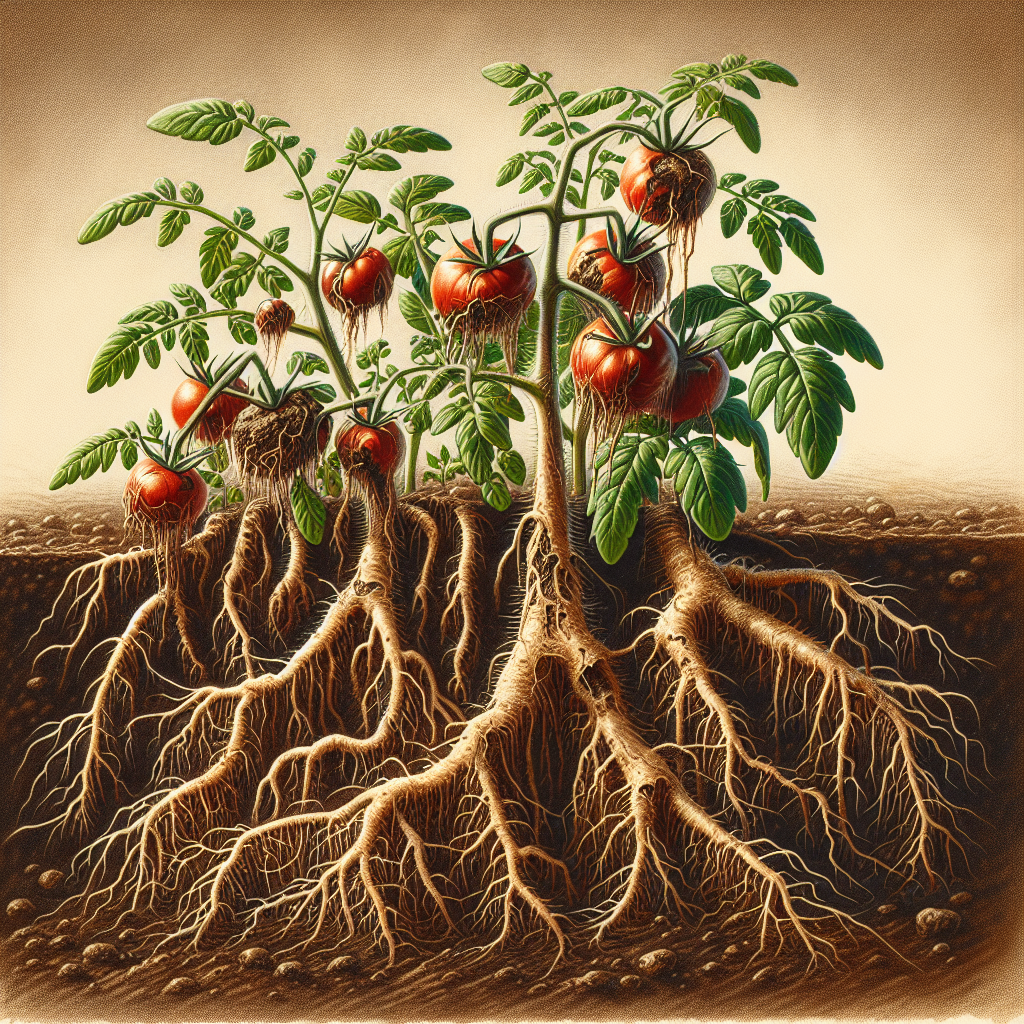
Fusariosis
Fusariosis is a destructive fungal disease caused by various Fusarium species, leading to root rot, wilt, and yield losses in numerous crops. It thrives in warm, moist soils and spreads through contaminated seeds, water, or soil. Effective management relies on cultural practices, resistant varieties, and organic biocontrols to minimize damage.
View Profile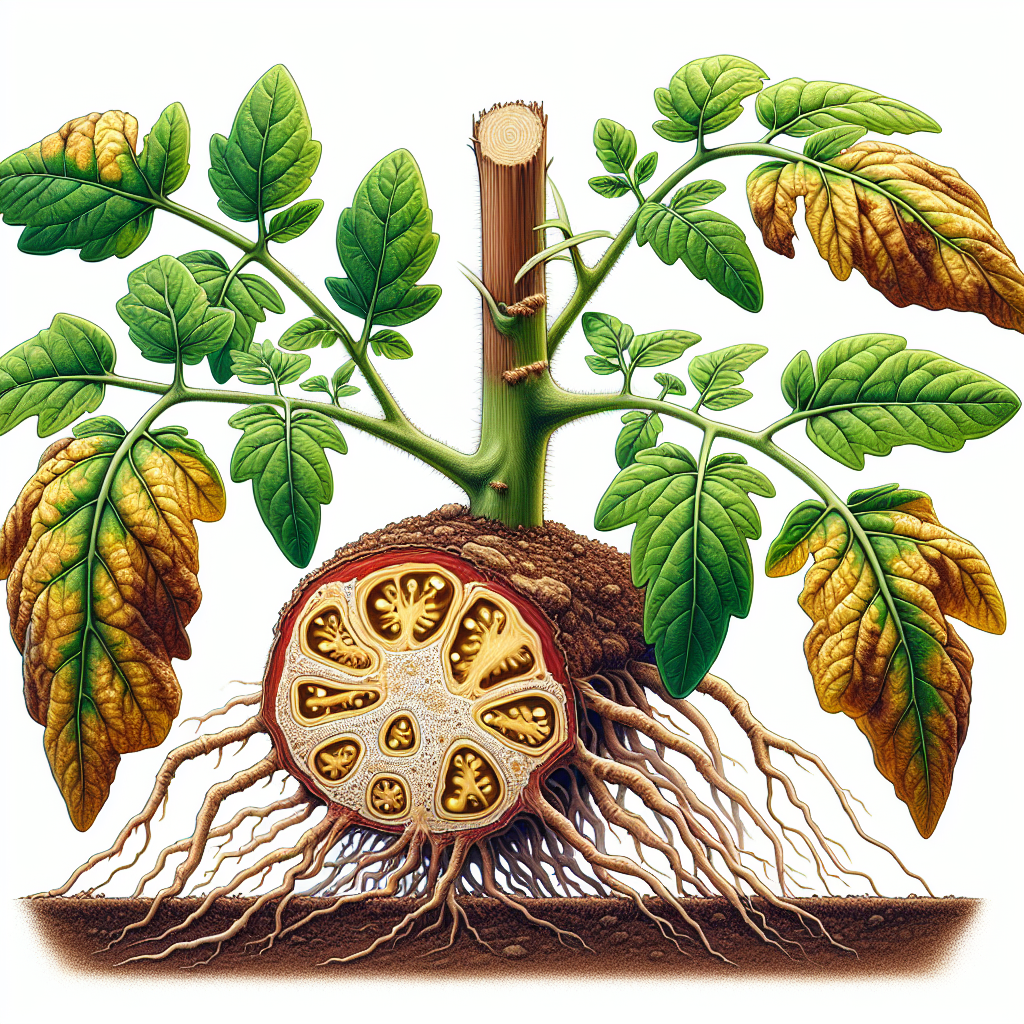
Fusarium
Fusarium is a genus of soilborne fungi causing devastating wilts, rots, and blights in crops worldwide, leading to significant yield losses. This guide provides professional diagnostics, organic management strategies, and prevention tactics tailored for farmers. Early detection and cultural practices are key to minimizing damage from Fusarium wilt, root rot, and head blight.
View Profile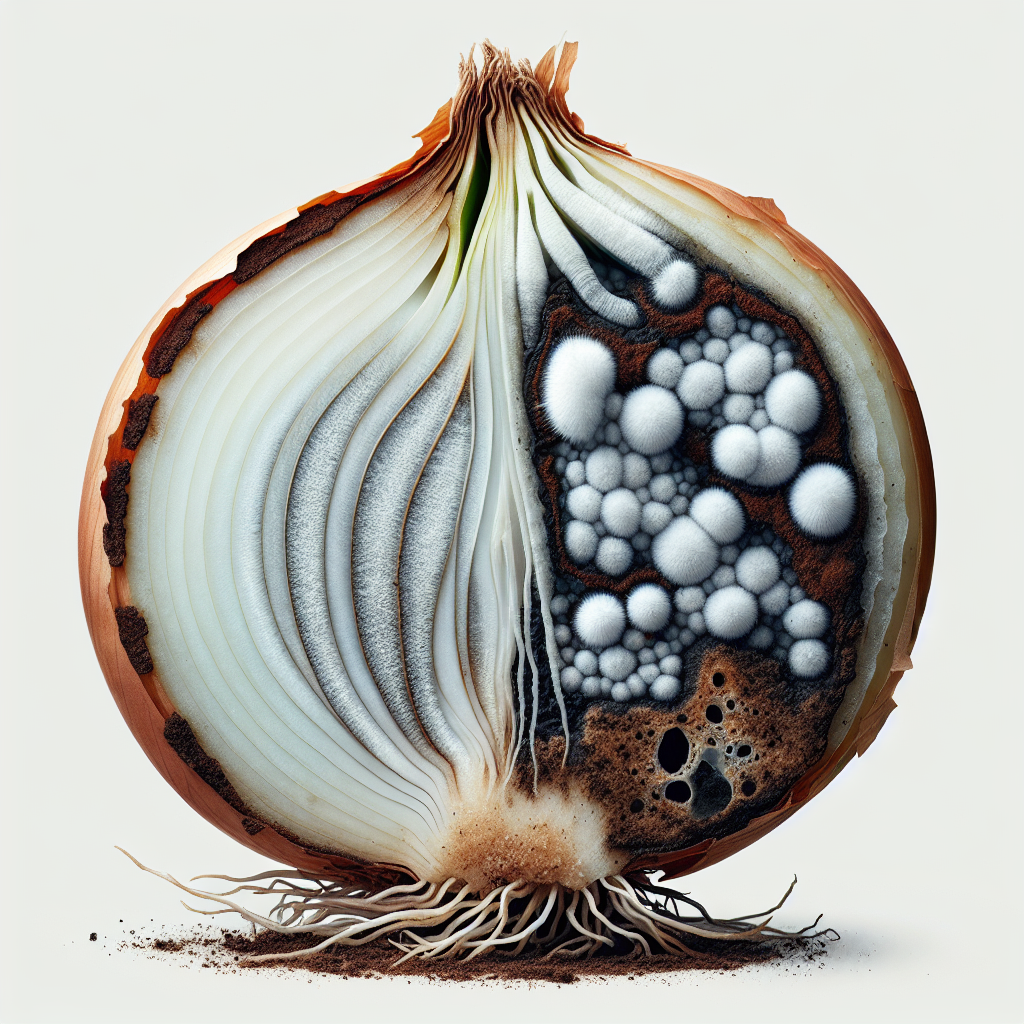
Fusarium basal rot
Fusarium basal rot is a destructive soilborne fungal disease primarily affecting onions and garlic, caused by Fusarium oxysporum f. sp. cepae. It leads to rotting of the basal plate and roots, causing plant wilting, yellowing, and significant yield losses. Effective management relies on cultural practices, resistant varieties, and sanitation to prevent soil buildup of the pathogen.
View Profile
Fusarium crown and root rot
Fusarium crown and root rot is a destructive soilborne fungal disease caused primarily by Fusarium oxysporum species, targeting the crown and roots of various crops, leading to wilting, yellowing, and plant death. It thrives in warm, wet conditions and persists in soil for years, making prevention critical. Effective management relies on cultural practices, resistant varieties, and organic biocontrols.
View Profile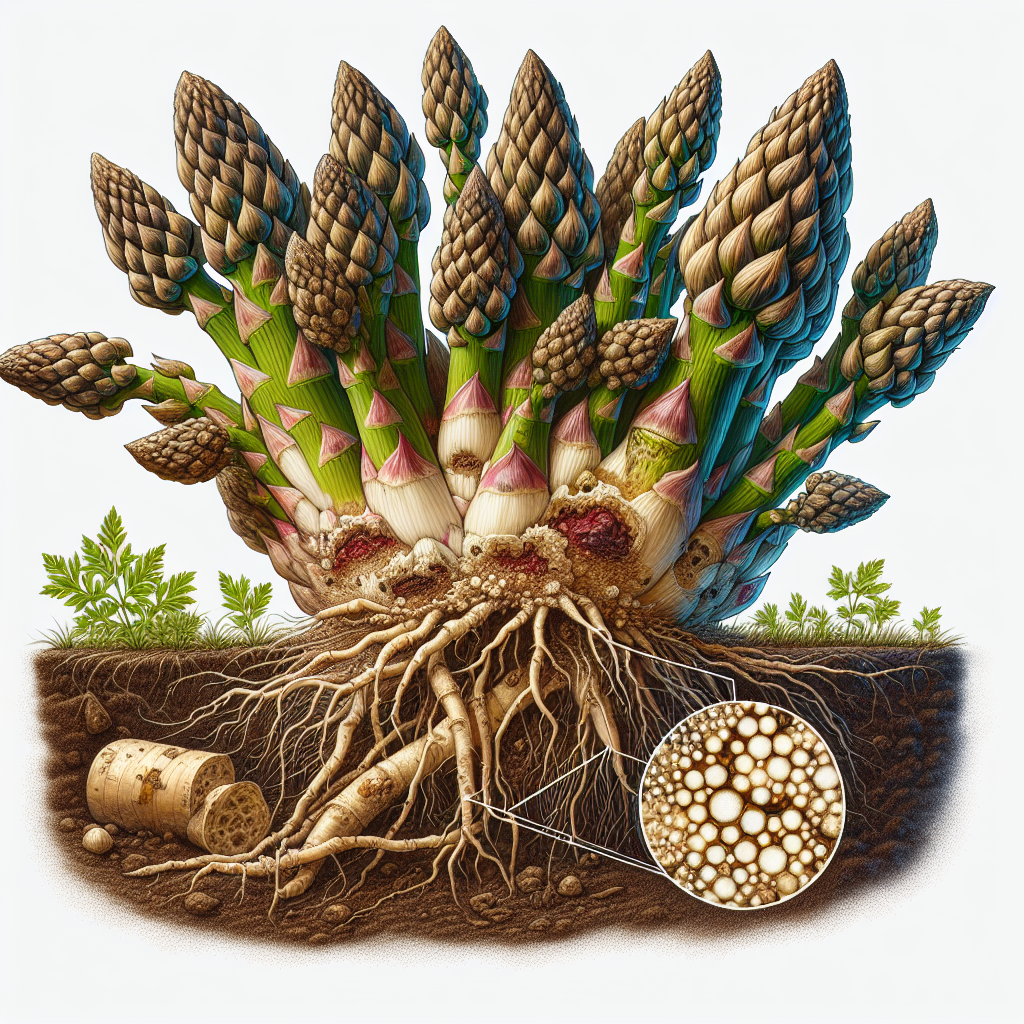
Fusarium Crown and Root Rot of Asparagus
Fusarium oxysporum f. sp. asparagi is a soilborne fungal pathogen causing devastating crown and root rot in asparagus crops, leading to yellowing foliage, stunted growth, and plant death. This disease persists in soil for years, making management challenging but possible through resistant varieties, sanitation, and cultural practices. Early diagnosis and prevention are key to protecting yields in asparagus fields.
View Profile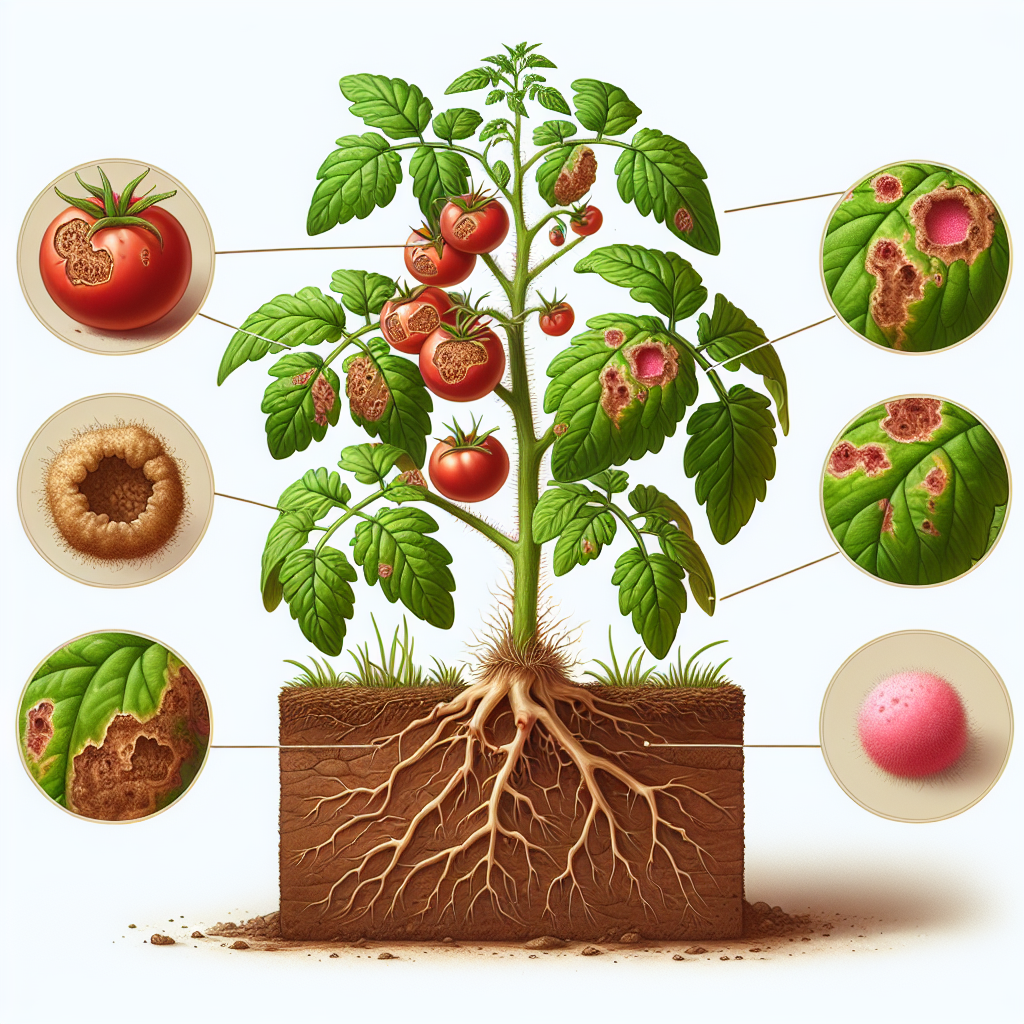
Fusarium crown rot
Fusarium crown rot is a destructive soilborne fungal disease primarily affecting the crown and roots of various crops, leading to wilting, yellowing, and plant death. Caused by Fusarium species, it thrives in warm, wet conditions and persists in soil for years. Effective management relies on cultural practices, resistant varieties, and organic treatments to minimize losses.
View Profile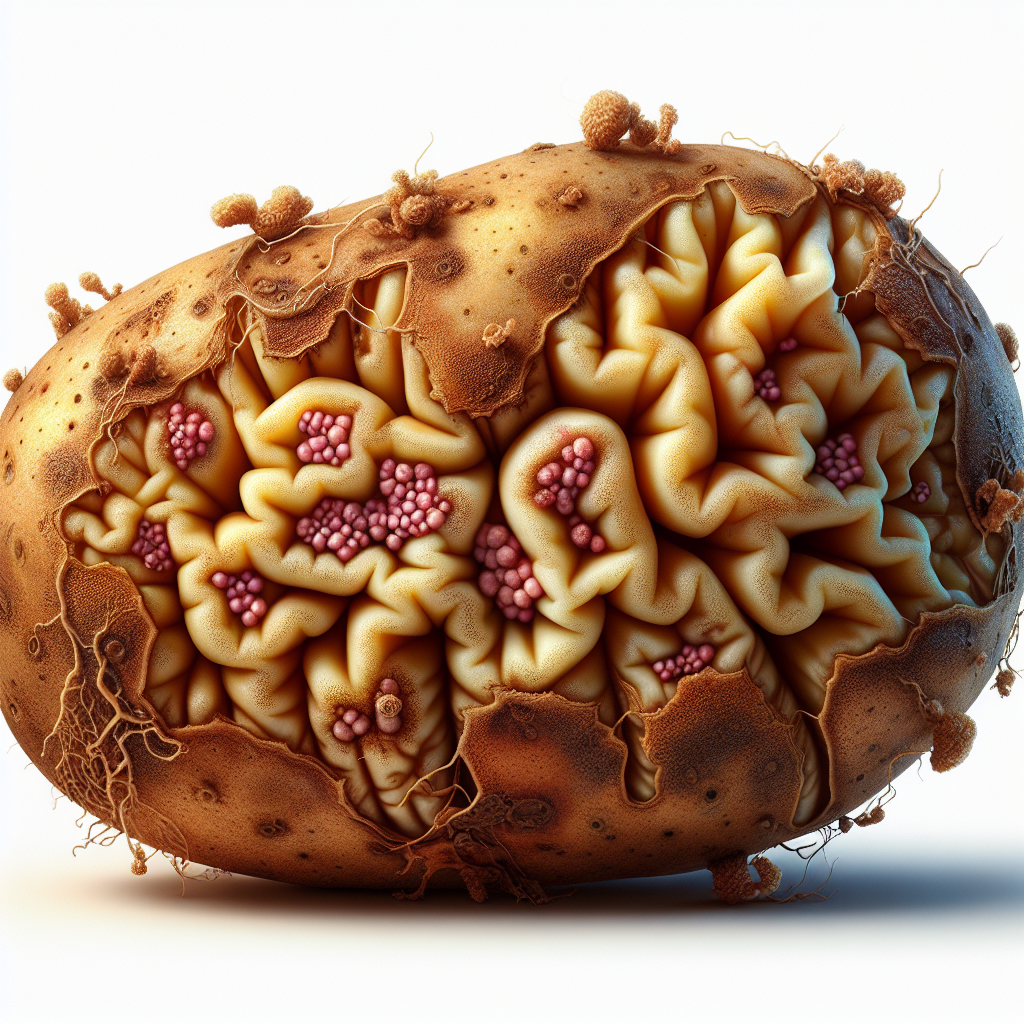
Fusarium Dry Rot
Fusarium Dry Rot is a destructive fungal disease primarily affecting potatoes and other root crops, causing shriveled, sunken lesions on tubers and roots that lead to significant storage losses. Caused by Fusarium species, it thrives in warm, humid conditions and spreads through contaminated soil, seed tubers, or mechanical injury. Effective management relies on cultural practices, resistant varieties, and organic treatments to minimize crop damage and prevent post-harvest decay.
View Profile
Fusarium head blight
Fusarium head blight (FHB), also known as scab, is a devastating fungal disease primarily affecting cereal crops like wheat and barley during flowering. Caused by Fusarium graminearum, it leads to yield losses up to 50% and contaminates grain with harmful mycotoxins like deoxynivalenol (DON). Effective management relies on integrated strategies including resistant varieties, cultural practices, and timely fungicide applications.
View Profile
Fusarium root and crown rots
Fusarium root and crown rots are devastating soilborne fungal diseases caused by various Fusarium species that attack plant roots and lower stems, leading to wilting, yellowing, and plant death. Highly persistent in soil, they thrive in warm, wet conditions and are challenging to manage once established. This guide provides definitive diagnostic criteria, organic management strategies, and prevention tactics for affected crops.
View Profile
Fusarium root and stem rot
Fusarium root and stem rot is a destructive fungal disease caused by Fusarium solani and related species, leading to wilting, root decay, and plant death in numerous crops. It thrives in warm, wet soils and spreads via contaminated soil, water, or infected plant material. Effective management relies on cultural practices, resistant varieties, and organic treatments to minimize losses.
View Profile
Fusarium root rot
Fusarium root rot is a destructive soilborne fungal disease caused by Fusarium species that attacks plant roots, leading to wilting, stunting, and plant death. It thrives in warm, wet conditions and persists in soil for years, making prevention critical. This guide provides definitive diagnostic, organic management, and prevention strategies for affected crops.
View Profile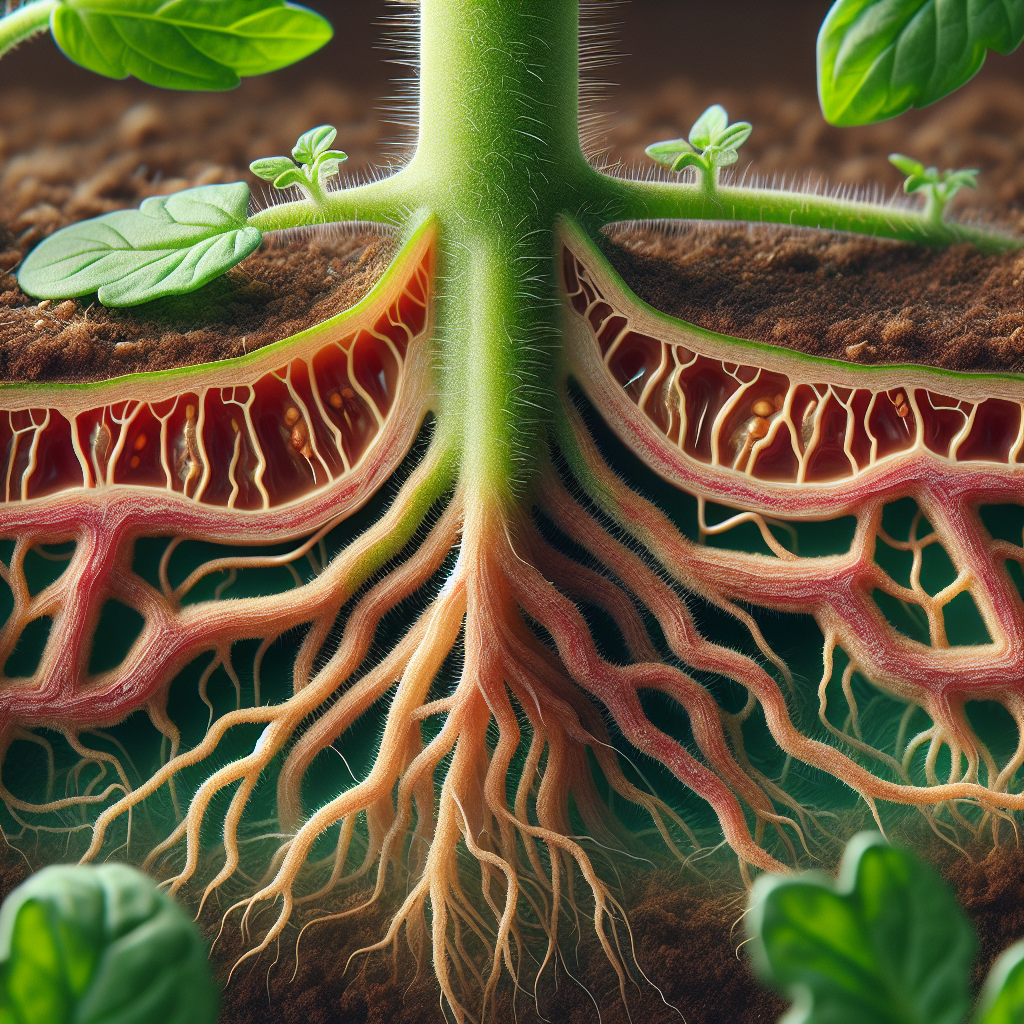
Fusarium species
Fusarium species are soilborne fungal pathogens causing devastating wilts, rots, and blights in numerous crops worldwide. Highly resilient with long-lived chlamydospores, they thrive in warm, moist conditions and spread via contaminated soil, water, seeds, and equipment. Effective management demands integrated cultural practices, resistant varieties, and vigilant prevention.
View Profile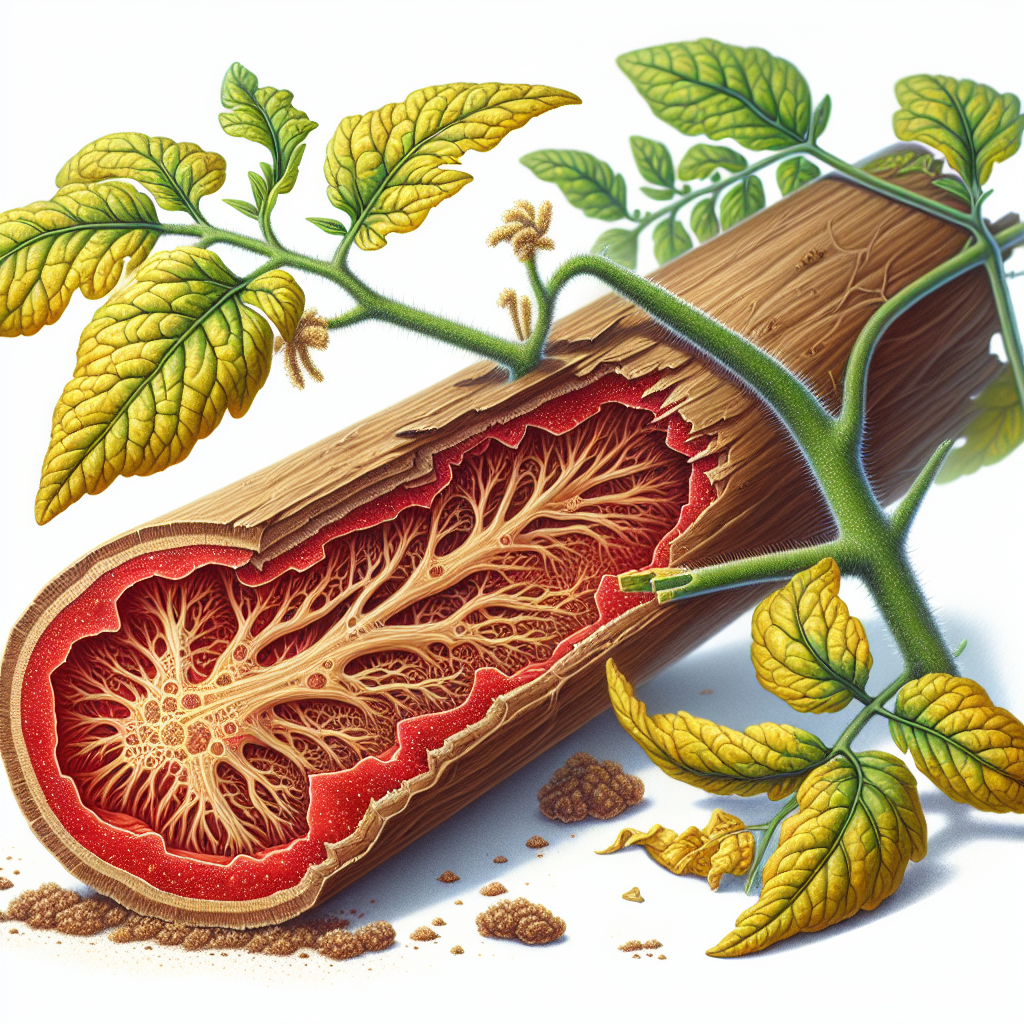
Fusarium spp.
Fusarium spp. are soilborne fungal pathogens causing devastating wilts, rots, and blights in numerous crops worldwide. Highly adaptable and persistent, they thrive in warm, moist conditions, leading to rapid plant decline and significant yield losses. Effective management relies on cultural practices, resistant varieties, and integrated organic strategies.
View Profile
Fusarium wilt
Fusarium wilt is a devastating soilborne fungal disease caused by Fusarium oxysporum, leading to vascular blockage and plant wilting. It affects numerous crops worldwide, thriving in warm soils and persisting for years. Effective management relies on resistant varieties, sanitation, and cultural practices rather than curative treatments.
View Profile
Fusarium Wilt of Banana (Panama Disease)
Fusarium oxysporum f. sp. cubense (Foc) is a devastating soilborne fungal pathogen causing Fusarium wilt, also known as Panama disease or Tropical Race 4 (TR4), primarily in banana crops. It spreads through infected soil, water, and plant material, leading to vascular blockage and plant death. This guide provides comprehensive diagnostics, symptoms, lifecycle, risk factors, organic management, and prevention strategies for farmers worldwide.
View Profile
fusarium yellows
Fusarium yellows is a devastating vascular disease caused by Fusarium fungi, leading to yellowing foliage, stunted growth, and plant death in susceptible crops. It primarily affects cabbage family crops through soilborne spores that persist for years, making prevention critical. Effective management relies on resistant varieties, sanitation, and cultural practices.
View Profile
Fusarium-type wilt
Fusarium-type wilt is a devastating soilborne fungal disease caused by Fusarium oxysporum species, leading to vascular blockage and rapid plant wilting. It affects a broad range of crops, particularly in warm, humid conditions, with symptoms mimicking nutrient deficiencies but progressing to permanent collapse. Effective management relies on resistant varieties, sanitation, and cultural practices rather than curative treatments.
View Profile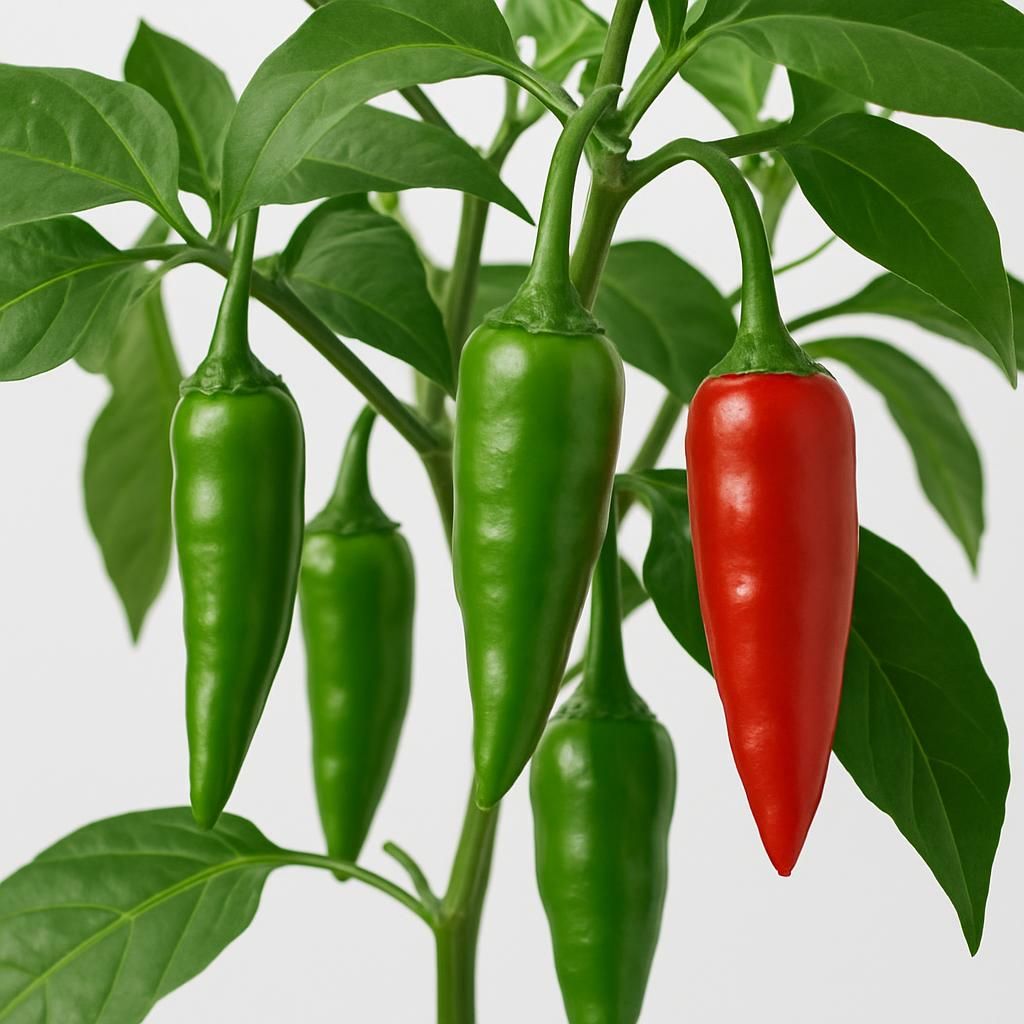
Fushimi Pepper
Fushimi Pepper is a slender, mild Japanese chili prized for its thin walls, sweet flavor, and versatility in fresh and cooked dishes. This determinate variety matures quickly and produces high yields of 4–5 inch fruits when grown under optimal conditions. The guide covers every stage from soil preparation through storage with professional-grade agricultural advice.
View Guide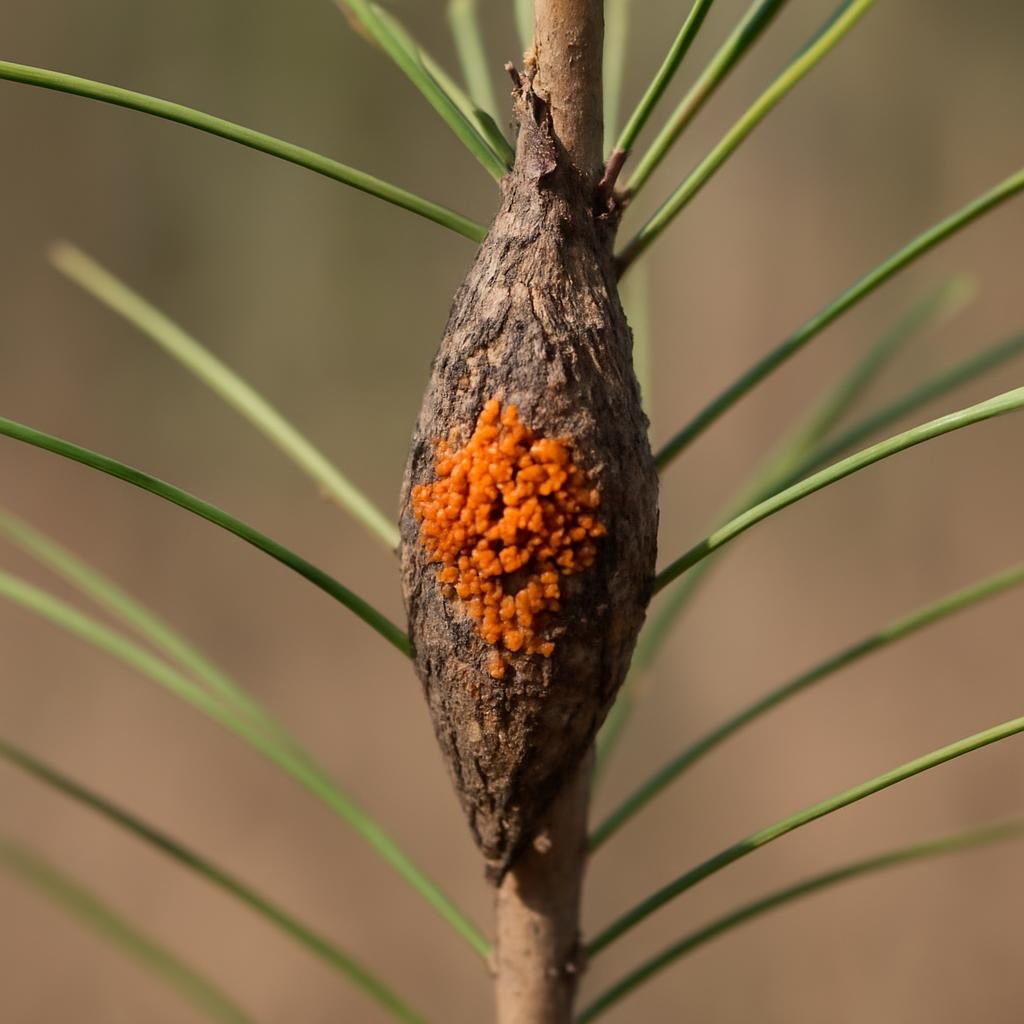
fusiform rust
Fusiform rust is a devastating fungal disease primarily affecting southern yellow pines, causing spindle-shaped galls on stems and branches that weaken trees and reduce timber value. The pathogen alternates between pine hosts and oak species, completing a complex heteroecious lifecycle that makes management challenging in southeastern forests. Early detection, resistant planting stock, and integrated cultural practices are essential for minimizing economic losses in commercial forestry.
View Profile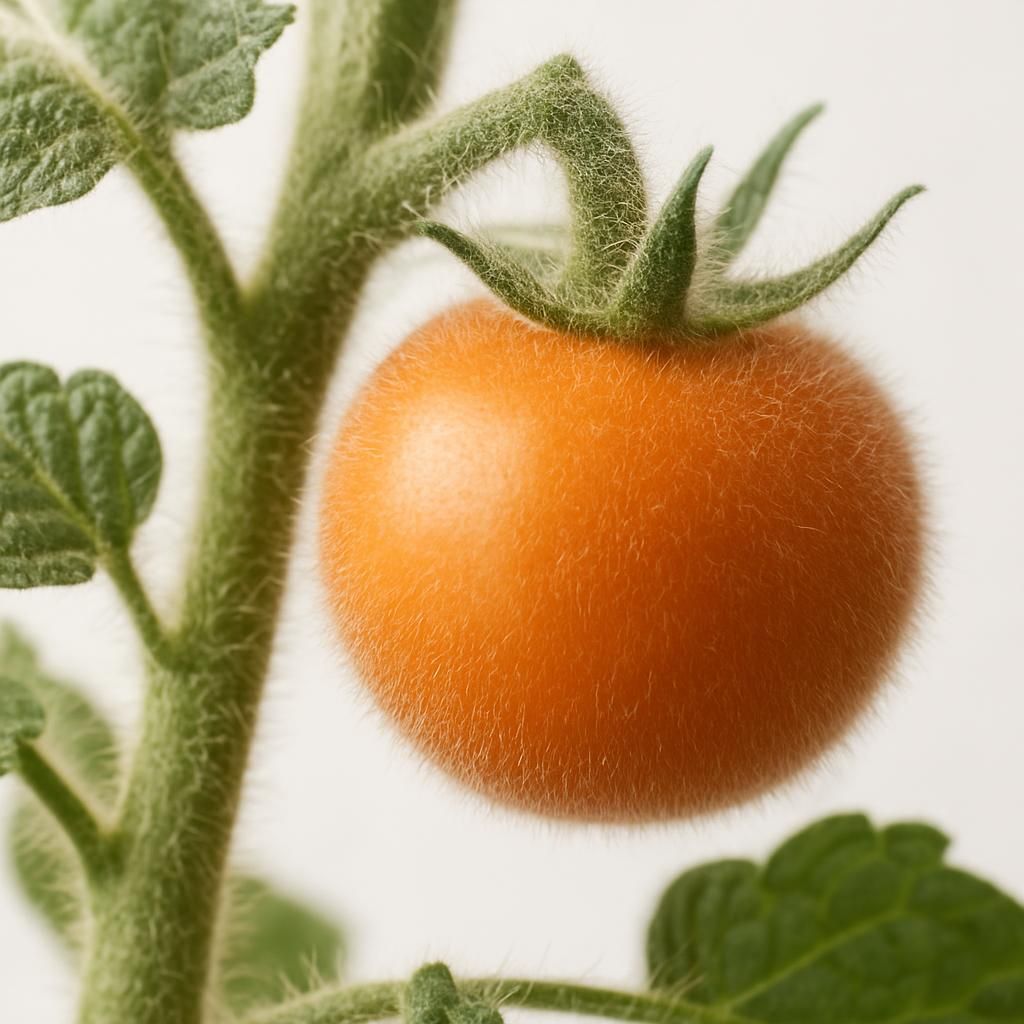
Fuzzy Wuzzy Tomato
Fuzzy Wuzzy Tomato is a distinctive heirloom variety prized for its dense, velvety trichomes and rich, sweet-tart flavor. This guide covers every stage of cultivation from soil preparation to post-harvest storage, delivering professional-grade advice for home gardeners and small-scale growers. Readers will learn optimal growing conditions, integrated pest management, and companion planting strategies that maximize yield and resilience.
View Guide
Gala Apple
Gala Apple is one of the world’s most widely grown dessert apple cultivars, prized for its crisp texture, aromatic sweetness, and strong market appeal. It performs best in temperate climates with adequate winter chill, careful pruning, and disciplined pest and disease management to maintain color, sugar development, and fruit quality.
View Guide