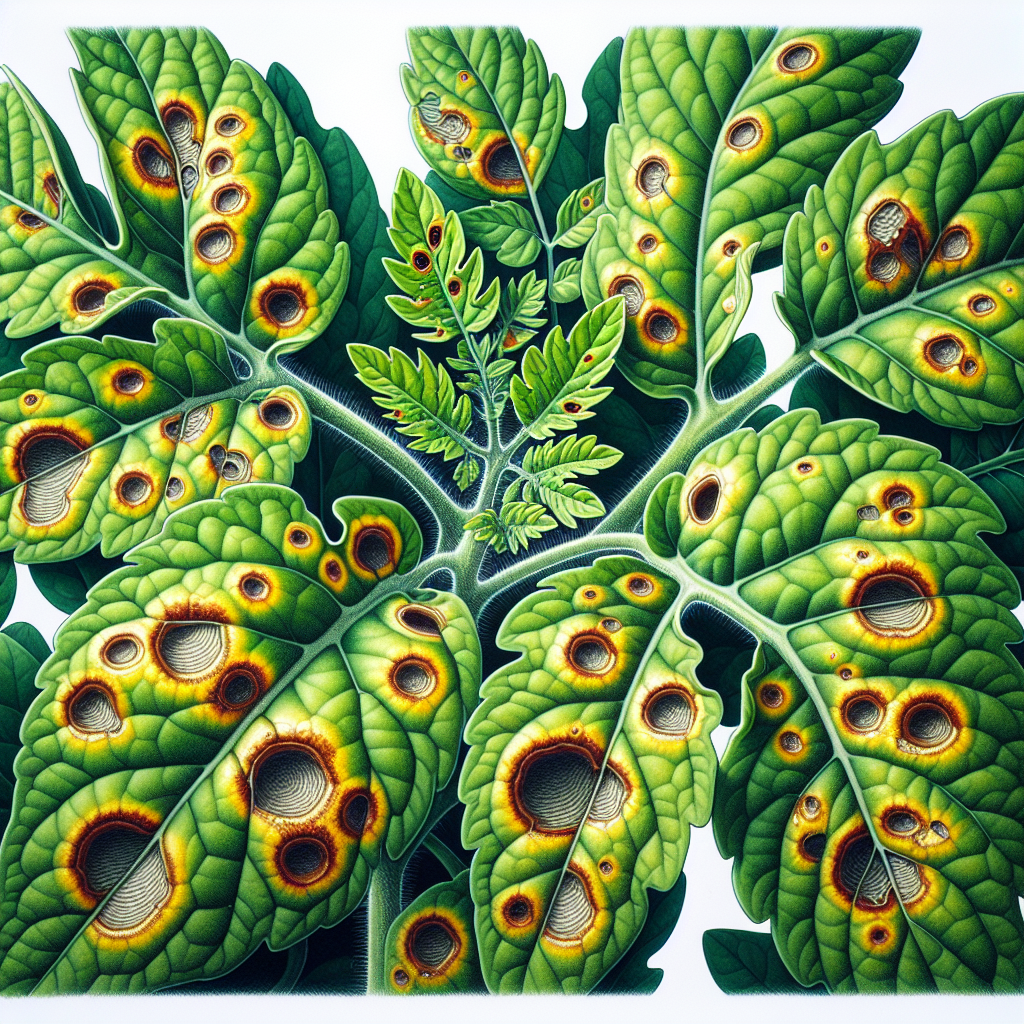
Introduction to Foliar spots
Foliar spots represent one of the most widespread and challenging issues in agriculture, affecting a broad spectrum of crops worldwide. These diseases manifest as distinct spots, lesions, or blights on leaves, stems, and sometimes fruits, primarily driven by fungal pathogens like Alternaria, Cercospora, and bacterial agents such as Pseudomonas species. While often mistaken for pest damage or nutrient deficiencies, foliar spots can drastically impair photosynthesis, leading to stunted growth, yellowing, and significant yield reductions—sometimes up to 50% in severe cases.
Understanding foliar spots is essential for farmers, gardeners, and agronomists. This definitive guide dives deep into symptoms, lifecycles, triggers, and proven management strategies. Whether you're growing vegetables, grains, or fruits, mastering foliar spot control ensures healthier plants and higher productivity. For small farms battling misidentification, check out Why Misidentifying Plants Costs Small Farms Thousands - And How AI Camera Diagnosis Fixes It Fast to streamline diagnostics.
Early intervention is key: spots start small but coalesce into blights under favorable conditions. Organic approaches emphasize cultural practices, biological controls, and resistant varieties, making them ideal for sustainable farming. This comprehensive resource equips you with professional-grade advice to diagnose, treat, and prevent foliar spots effectively.
Identifying Symptoms & Damage
Accurate identification of foliar spots begins with close inspection of leaf surfaces. Initial symptoms include small, circular to irregular spots ranging from 1-10 mm in diameter. Colors vary: fungal spots often appear dark brown, black, or tan with concentric rings (target spots), while bacterial spots show water-soaked, angular lesions with yellow halos. As progression occurs, spots enlarge, merge, and may develop grayish centers with dark margins, accompanied by leaf yellowing (chlorosis) or necrosis.
Damage manifests in multiple ways. Photosynthetic area loss reduces plant vigor, leading to smaller fruits, fewer yields, and premature defoliation. In severe infestations, stems develop cankers, and fruits exhibit blemishes reducing market value. Differentiate from similar issues: powdery mildew produces white powdery growth, while aphids cause sticky honeydew and curling. Use a hand lens to spot fungal spores (powdery or fuzzy) or bacterial ooze under humid conditions.
Diagnostic steps:
- Examine spot distribution: Foliar spots often start on lower, older leaves and spread upward.
- Check margins: Angular spots bounded by veins suggest bacteria; round spots indicate fungi.
- Test for pathogens: Place affected tissue in a moist bag overnight—if mycelium grows, it's fungal.
- Assess secondary signs: Shot-hole appearance (fallen centers) common in Septoria leaf spot.
Yield impacts: In tomatoes, up to 30% fruit loss; in grains like wheat, 20-40% reduction. Monitor weekly during wet seasons for timely action.
Lifecycle and Progression of Foliar spots
Foliar spots follow a predictable lifecycle tied to pathogen biology. Fungal types (e.g., Alternaria) overwinter as spores in plant debris, soil, or on seeds. Primary infection occurs via wind-blown conidia landing on wet leaves, germinating in 6-12 hours at 20-25°C. Hyphae penetrate stomata or wounds, forming lesions within 3-7 days. Secondary spread via rain splash and wind amplifies epidemics.
Bacterial foliar spots (e.g., Xanthomonas) enter through natural openings or injuries, multiplying rapidly in free water on leaves. Ooze dries into specks for wind dispersal. Progression stages:
- Incubation (2-5 days): Invisible infection.
- Symptom expression: Spots appear.
- Sporulation: New inoculum under high humidity (>90%).
- Defoliation: Advanced necrosis.
Cycles repeat 4-6 times per season in tropics. Hot, dry conditions halt progression; wet, moderate temps accelerate it. In tomato crops, spots expand from 2mm to 1cm in a week, coalescing into blights covering 50% foliage.
Environmental Triggers & Risk Factors
Foliar spots thrive under specific conditions: prolonged leaf wetness (8-48 hours), temperatures 15-28°C, and high humidity. Overhead irrigation splashes inoculum, while dense canopies trap moisture. Poor air circulation exacerbates issues in crowded plantings.
Key risk factors:
- Cultural practices: Excessive nitrogen promotes lush growth susceptible to infection; overhead watering mimics rain splash.
- Soil health: Acidic, compacted soils stress plants, reducing resistance.
- Crop rotation failures: Monocropping builds pathogen loads.
- Climate: Humid, rainy regions see outbreaks; droughts stress plants, mimicking symptoms.
Compounding factors include wounds from thrips or hail, creating entry points. In potato, cool nights + warm days trigger epidemics. Monitor weather: leaf wetness duration >12 hours signals high risk.
Organic Control & Treatment Plans
Organic management integrates cultural, biological, and minimal chemical controls. Start with sanitation: remove and destroy infected debris to break lifecycles—compost at >60°C or bury deeply.
Cultural controls:
- Space plants for airflow (e.g., 45-60cm for tomatoes).
- Water at soil level; mulch to suppress splash.
- Apply balanced fertilizers; avoid excess N.
Biological agents: Bacillus subtilis or Trichoderma spp. sprays colonize leaves, outcompeting pathogens. Apply weekly during risk periods.
Organic sprays:
- Neem oil (0.5-1%): Disrupts spore germination; apply evenings.
- Copper octanoate (OMRI-approved): Bactericide/fungicide; 1-2L/ha, rotate to prevent resistance.
- Baking soda (1 tbsp/gal + oil): Raises leaf pH; weekly.
- Potassium bicarbonate: Similar to copper, low phytotoxicity.
Treatment timeline:
- Early detection: Prune 20% infected foliage.
- Active phase: Spray every 7-10 days, 3 applications.
- Post-treatment: Boost with compost tea for recovery.
Integrated plans yield 70-90% control. For corn, combine with resistant hybrids.
Preventing Foliar spots in the Future
Prevention outperforms cure. Select resistant varieties: 'Mountain Merit' tomato resists Alternaria; disease-free seeds via hot water treatment (50°C, 25min).
Crop rotation: 2-3 years away from host crops (e.g., avoid solanaceous after tomatoes). Improve soil: Add lime for pH 6.5-7.0; incorporate mycorrhizae for resilience.
Monitoring: Scout weekly; use sticky traps for vectors. Enhance microclimate: Prune lower leaves; orient rows N-S for sun penetration.
Seasonal prep:
- Fall: Till debris.
- Spring: Soil solarization (clear plastic, 4-6 weeks).
- Growing: Drip irrigation + row covers.
Long-term: Build biodiversity with cover crops like clover. Resistant rootstocks cut incidence 50%. Annual plans prevent recurrence.
Crops Most Affected by Foliar spots
Foliar spots plague diverse crops, hitting leafy and fruiting types hardest. Top victims:
- Solanaceae: Tomato, potato, eggplant—Alternaria, Septoria rampant.
- Cucurbits: Cucumber, squash—downy mildew spots.
- Brassicas: Cabbage, broccoli—black leaf spot.
- Grains: Wheat, rice—tan spot, bacterial blight.
- Legumes: Soybeans, beans—Cercospora blight.
- Fruits: Strawberry, grapes—angular leaf spot.
Tropicals like mango and banana suffer anthracnose spots. In high-density farms, losses compound. Tailor strategies per crop for optimal defense.