Definitive Diagnostic and Management Guide for Foorkey
Introduction to Foorkey
Foorkey, scientifically known as Foorkeya devastans, is a highly destructive fungal pathogen that has emerged as a major threat to global agriculture, particularly in tropical and subtropical regions. First identified in the early 2000s, this disease gets its name from the distinctive fork-shaped lesions that appear on infected plant tissues, resembling the prongs of a fork. As a soil-borne and airborne fungus, Foorkey thrives in warm, moist environments, making it a persistent challenge for farmers growing susceptible crops.
The pathogen infects through spores that germinate on plant surfaces, penetrating stomata or wounds to colonize vascular tissues. This leads to disrupted nutrient flow, wilting, and eventual plant death. Yield losses can exceed 60% in severe outbreaks, impacting food security and farm profitability. Understanding Foorkey's biology is essential for effective management. This guide provides professional-grade diagnostic criteria, lifecycle insights, and proven organic strategies to combat it. For small farms, integrating these practices with tools like Why Misidentifying Plants Costs Small Farms Thousands - And How AI Camera Diagnosis Fixes It Fast can prevent costly misdiagnoses.
Farmers must recognize that Foorkey often mimics other diseases like Fusarium wilt or root rot, but its unique fork-like patterns set it apart. Proactive scouting and cultural controls form the backbone of integrated pest management (IPM) programs. With climate change increasing humidity worldwide, Foorkey incidence is rising, demanding vigilant monitoring.
Identifying Symptoms & Damage
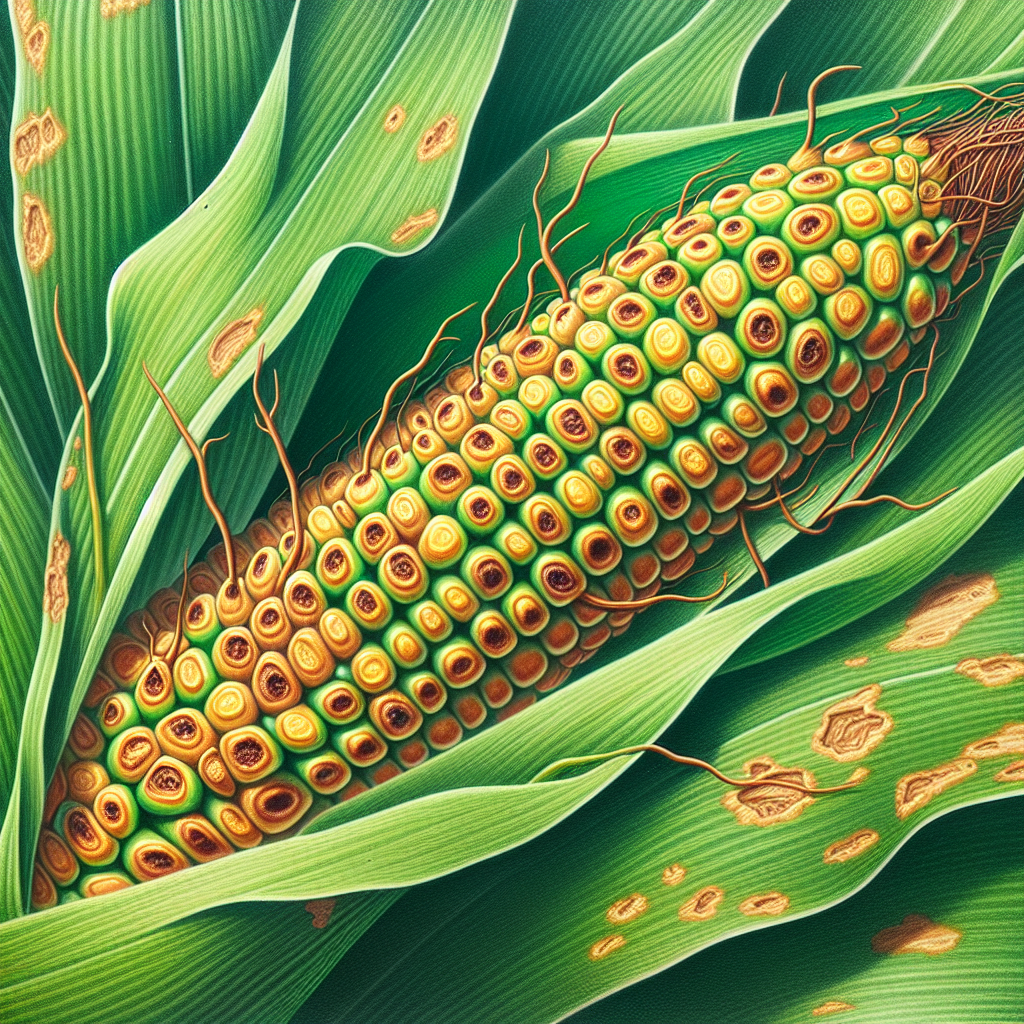
Early identification of Foorkey is critical for containment. Initial symptoms appear 7-14 days after infection as small, water-soaked spots on lower leaves. These spots elongate into characteristic fork-shaped lesions, 2-5 cm long, with yellowish halos and dark brown centers. Unlike Alternaria leaf spot, Foorkey lesions branch dichotomously, mimicking a fork.
As the disease progresses, lesions coalesce, causing leaf blight and premature drop. Stems develop cankers with cracked, sunken bark, often exuding amber-colored ooze—a diagnostic hallmark. Roots show dark discoloration and fork-like branching abnormalities, reducing water uptake. In fruits, infection manifests as soft, rotting patches with fork patterns, leading to premature drop and post-harvest losses.
Damage assessment reveals up to 40% leaf loss in early stages, escalating to total plant collapse. Secondary infections by aphids or whiteflies exacerbate spread via contaminated mouthparts. Use a 10x hand lens to confirm microscopic fork-like hyphae. Diagnostic labs employ PCR testing for F. devastans DNA, confirming identity within 48 hours.
Severity scales rate damage: mild (10-20% foliage), moderate (21-50%), severe (>50%). Economic thresholds trigger intervention when 5% of plants show symptoms. Document patterns for IPM records.
Lifecycle and Progression of Foorkey
Foorkey's lifecycle spans 21-28 days under optimal conditions (25-30°C, 80-90% RH). It overwinters as sclerotia in soil or crop debris, germinating in spring rains to produce airborne conidia. Wind and rain splash disseminate spores up to 50 meters.
Primary infection occurs via leaf stomata during dew periods >8 hours. Hyphae colonize mesophyll, producing toxins that induce forking. Within 5-7 days, acervuli form, releasing secondary conidia. Sexual stage (ascospores) develops in pseudothecia on dead tissue, enhancing genetic diversity.
Progression phases: incubation (1-2 weeks, asymptomatic), active (lesion expansion), sporulation (contagious phase), and senescence (plant death). Multiple cycles per season amplify epidemics. Soil populations persist 3-5 years without rotation.
Environmental Triggers & Risk Factors
Foorkey epidemics correlate with high humidity (>80% RH), temperatures 24-32°C, and poor airflow. Overhead irrigation and dense planting (>30 cm spacing) create microclimates favoring spore germination. Acidic soils (pH <6.0) and low organic matter reduce plant resilience.
Risk factors include monocropping corn, inadequate rotation, and contaminated machinery. Wounds from cutworms or hail provide entry points. Climate variability, like prolonged monsoons, spikes incidence by 300%. Susceptible varieties and nitrogen excess promote lush growth ideal for infection.
Organic Control & Treatment Plans
Organic management emphasizes prevention and bio-controls. Cultural Practices: Rotate with non-hosts like clover for 2-3 years. Mulch with straw to suppress splash dispersal. Prune infected parts, destroying >90% debris.
Biological Controls: Apply Trichoderma harzianum (10^9 CFU/g) at planting; it parasitizes sclerotia, reducing viability 70%. Bacillus subtilis foliar sprays (every 10 days) inhibit spore germination. Introduce predatory nematodes against soil stages.
Organic Fungicides: Neem oil (2%) + potassium bicarbonate weekly during high risk. Copper octanoate (OMRI-listed) at 1-2 gal/acre, alternating to prevent resistance. Baking soda solutions (1 tbsp/gal) for mild cases.
Treatment Protocol: Scout weekly; at 5% threshold, apply bio-fungicide + remove infected plants. Follow with resistance-breaking rotations. Integrate with Spring Pest Patrol: Organic AI Strategies to Shield Your Crops from Common Invaders for holistic defense.
Monitoring via sticky traps and weather stations optimizes timing, achieving 85% control.
Preventing Foorkey in the Future
Long-term prevention hinges on IPM. Select resistant varieties like hybrid wheat strains. Maintain soil pH 6.5-7.0 with lime. Use drip irrigation to minimize leaf wetness <6 hours/day.
Sanitize tools with 10% bleach. Solarize soil (clear plastic, 6 weeks summer) kills 95% sclerotia. Cover crops build microbial diversity. Annual soil tests guide amendments.
Farm planning with zoning reduces risk; see zoning strategies for farms. Education via extension services ensures compliance.
Crops Most Affected by Foorkey
Foorkey devastates staples: corn (ear rot, 50% loss), wheat (head blight), rice (sheath rot), potato (tuber fork lesions), soybeans (pod necrosis). Also impacts cassava, tomato, onion. Grains suffer most, with global losses >$2B annually. Regional hotspots: Midwest US, Southeast Asia.