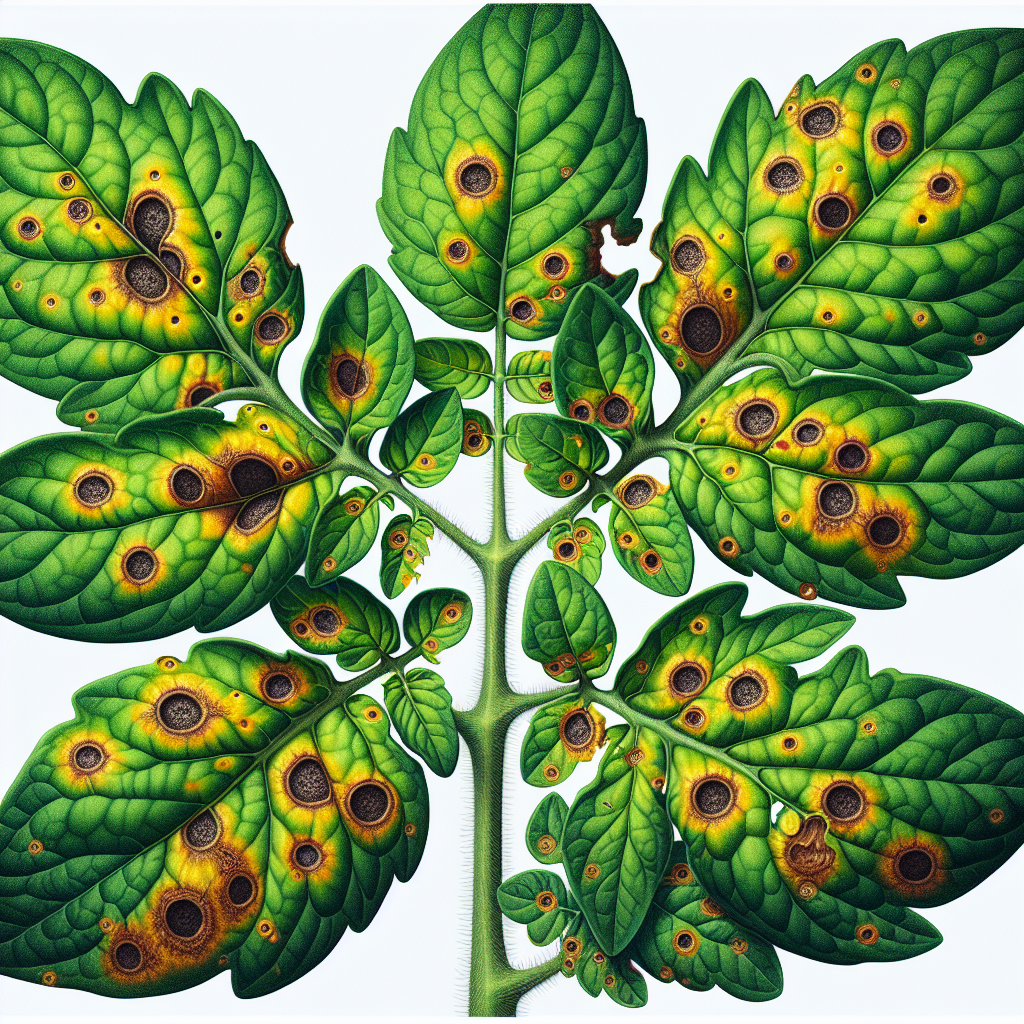
Introduction to Foliar leaf spots
Foliar leaf spots represent one of the most widespread and economically damaging disease complexes affecting agricultural crops worldwide. These disorders are primarily incited by a diverse array of fungal pathogens, including species from genera like Alternaria, Cercospora, Septoria, and others, though bacterial and viral agents can occasionally mimic similar symptoms. Unlike systemic diseases, foliar leaf spots are typically confined to leaf tissues but can severely impair plant vigor by disrupting photosynthesis, accelerating leaf drop, and serving as entry points for secondary infections.
In commercial agriculture, foliar leaf spots account for significant yield reductions, often ranging from 10-50% in susceptible crops under favorable conditions. For small-scale farmers and home gardeners, these diseases pose a persistent challenge, especially in humid environments where spore dispersal is rampant. Early recognition and integrated management are crucial, as unchecked progression can lead to widespread defoliation and reduced marketable yield. This guide provides a comprehensive diagnostic framework, lifecycle insights, and proven organic strategies to combat foliar leaf spots effectively. By understanding the pathology and implementing proactive measures, growers can protect high-value crops like tomato, potato, and soybeans from devastating losses.
Identifying Symptoms & Damage
Accurate identification of foliar leaf spots begins with observing characteristic symptoms on affected leaves. Initial signs typically appear as small, circular to irregular spots, ranging from 1-10 mm in diameter. Colors vary widely: Alternaria spots often exhibit dark brown to black centers with yellow halos, while Cercospora lesions are grayish-white with reddish-purple margins. Septoria leaf spot produces small, tan spots with dark borders and minute black pycnidia visible under magnification.
As the disease progresses, spots coalesce, forming blighted patches that lead to leaf yellowing, necrosis, and premature drop. Lower leaves are usually affected first, with symptoms ascending the canopy in wet conditions. Severe infections cause extensive defoliation, stunting plant growth and reducing fruit quality. Differentiate from similar issues like powdery mildew (powdery growth) or bacterial leaf spots (water-soaked lesions). Use a 10x hand lens to confirm fungal structures: concentric rings in Alternaria, shot-hole appearance in advanced Cercospora.
Damage quantification involves assessing percent leaf area affected (PLAA). Thresholds for action: 5-10% PLAA on lower leaves warrants intervention. Economic impact is profound; in wheat, yield losses exceed 20% with >20% foliage blighted before grain fill. In vegetables like cucumber, marketable yield drops 30-50% due to spotting on leaves and fruit.
Lifecycle and Progression of Foliar leaf spots
The lifecycle of foliar leaf spot pathogens is tightly linked to environmental moisture and host availability. Most are polycyclic, completing multiple generations per season. Primary inoculum overwinters in crop debris, infected seeds, or as stromata on perennial hosts. In spring, ascospores or conidia are released during rain events, splashing onto lower leaves.
Germination requires free water (dew, rain) for 6-24 hours at 20-28°C. Hyphae penetrate through stomata or wounds, colonizing mesophyll tissues within 3-5 days. Symptoms appear 5-14 days post-infection, coinciding with sporulation under humid conditions (>90% RH). Secondary spread via wind-blown conidia accelerates epidemics, with latent periods shortening from 10 days early season to 4-5 days in peak summer.
Progression follows a logistic curve: slow initial buildup, rapid expansion during prolonged leaf wetness, and plateau as host tissue senesces. In corn, gray leaf spot progresses upward, blighting 50% canopy by tasseling. Disease pyramids with pests like aphids, which vector spores or create wounds. Understanding this cycle informs timing of fungicides and sanitation.
Environmental Triggers & Risk Factors
Foliar leaf spots thrive under specific microclimates: high humidity (85-100% RH), leaf wetness >12 hours, temperatures 15-30°C, and moderate shade. Overhead irrigation and dense canopies exacerbate issues by prolonging wetness. Poor air circulation in monocultures or high-nitrogen fertilized fields promotes lush, susceptible foliage.
Risk factors include susceptible varieties, continuous cropping, and residue retention. In tropics, Alternaria leaf spot surges during monsoons; temperate zones see Cercospora leaf spot in muggy summers. Soil moisture stress weakens defenses, while wounds from thrips or hail facilitate entry. Climate change intensifies risks with erratic rains. For more on predictive tools, see Why 80% of Small Farms Battle Weather Disasters - And How Hyper-Local AI Forecasts Can Save Your Harvest. Monitor with weather stations; act when wetness duration exceeds thresholds.
Organic Control & Treatment Plans
Organic management emphasizes prevention but includes curative options. Cultural Controls: Remove lower leaves at first signs, destroy debris post-harvest. Space plants for airflow (e.g., 45-60 cm rows for tomatoes). Avoid overhead watering; use drip irrigation.
Biologicals: Apply Bacillus subtilis or Trichoderma spp. preventively (weekly sprays). Streptomyces lydicus suppresses Alternaria. Companion planting with marigold deters vectors.
Organic Fungicides: Copper octanoate (1-2 ml/L) or potassium bicarbonate (5 g/L) at 7-10 day intervals during high risk. Neem oil (2-5 ml/L) with insecticidal soap controls secondary pests. Baking soda (1 tbsp/gal + oil) raises leaf pH, inhibiting fungi.
Treatment Protocol:
- Scout weekly; threshold: 5% incidence.
- Prune affected leaves, bury debris.
- Apply biofungicide + copper at 7-day intervals x3.
- Rotate with non-hosts (e.g., onions after tomatoes).
Integrated with resistant varieties like VFNT hybrids in eggplant. Success rates: 70-90% reduction in epidemics. For detailed leaf spot info, check Leaf spots.
Preventing Foliar leaf spots in the Future
Long-term prevention hinges on cultural and genetic strategies. Select resistant cultivars: 'Mountain Merit' tomato resists Septoria; 'Defiant' for Alternaria. Crop rotation (2-3 years) breaks residue cycles. Tillage buries inoculum; mulch suppresses splash.
Enhance plant health with balanced nutrition: adequate potassium (K) bolsters cell walls. Foliar calcium sprays reduce susceptibility. Prune for canopy openness, stake vines. Time planting to evade peak spore periods.
Sanitation is paramount: rogue infected plants, sterilize tools (10% bleach). Monitor with sticky traps for vectors. For small farms, check Spring Pest Patrol: Organic AI Strategies to Shield Your Crops from Common Invaders. Integrated systems reduce incidence by 80%.
Crops Most Affected by Foliar leaf spots
Foliar leaf spots plague a broad spectrum of crops, particularly solanaceous and cucurbit families. Vegetables: Tomato (Septoria, Alternaria), potato (early blight), cucumber (Cercospora), squash (angular spot). Grains: Wheat (Septoria tritici), corn (gray leaf spot), rice (brown spot). Legumes: Soybeans (Cercospora blight), peas (Ascochyta). Fruits: Strawberry (leaf scorch), grapes (angular leaf spot).
Tropicals like mango, banana, and avocado suffer anthracnose-type spots. Yields drop 20-60%; integrated management essential for sustainability.