Encyclopedia
Definitive guides for crops, pests, and agricultural diseases.
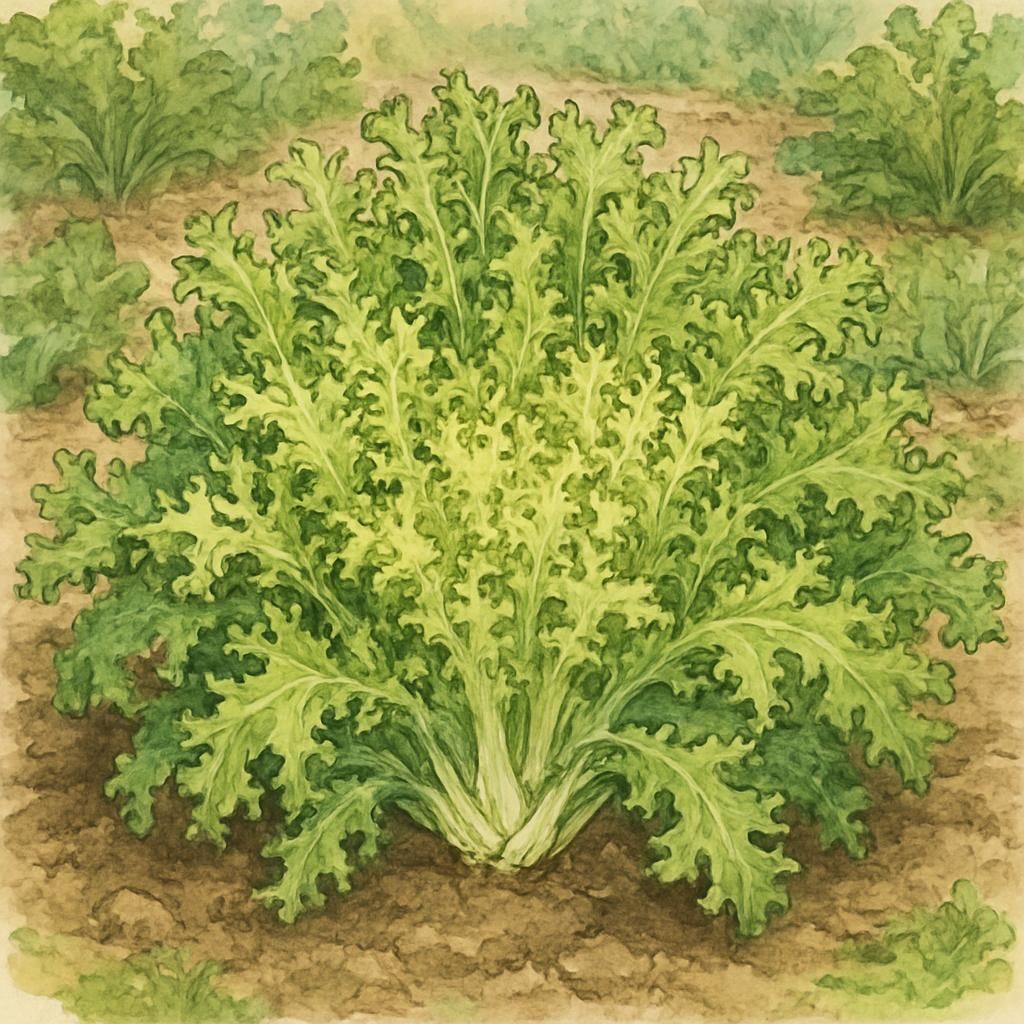
Frisée (Myrna)
Frisée (Myrna) is a curly endive variety known for its nutty flavor and crunchy texture. It thrives in cool climates and is a popular choice for gourmet salads, making it both a culinary delight and a rewarding crop for gardeners.
View Guide
frogeye leaf spot
Frogeye leaf spot is a widespread fungal disease primarily affecting soybeans, caused by Cercospora sojina, leading to characteristic circular lesions with gray centers and dark borders on leaves. It can cause significant yield losses through defoliation and reduced photosynthesis, especially in warm, humid conditions. Effective management relies on resistant varieties, cultural practices, and timely fungicide applications.
View Profile
frosty pod rot
Frosty pod rot is a devastating fungal disease primarily affecting cacao pods, caused by Moniliophthora roreri, leading to significant yield losses in tropical regions. It manifests as white, cottony fungal growth on pods, causing rot and premature drop. Effective management relies on cultural practices, sanitation, and resistant varieties for sustainable control.
View Profile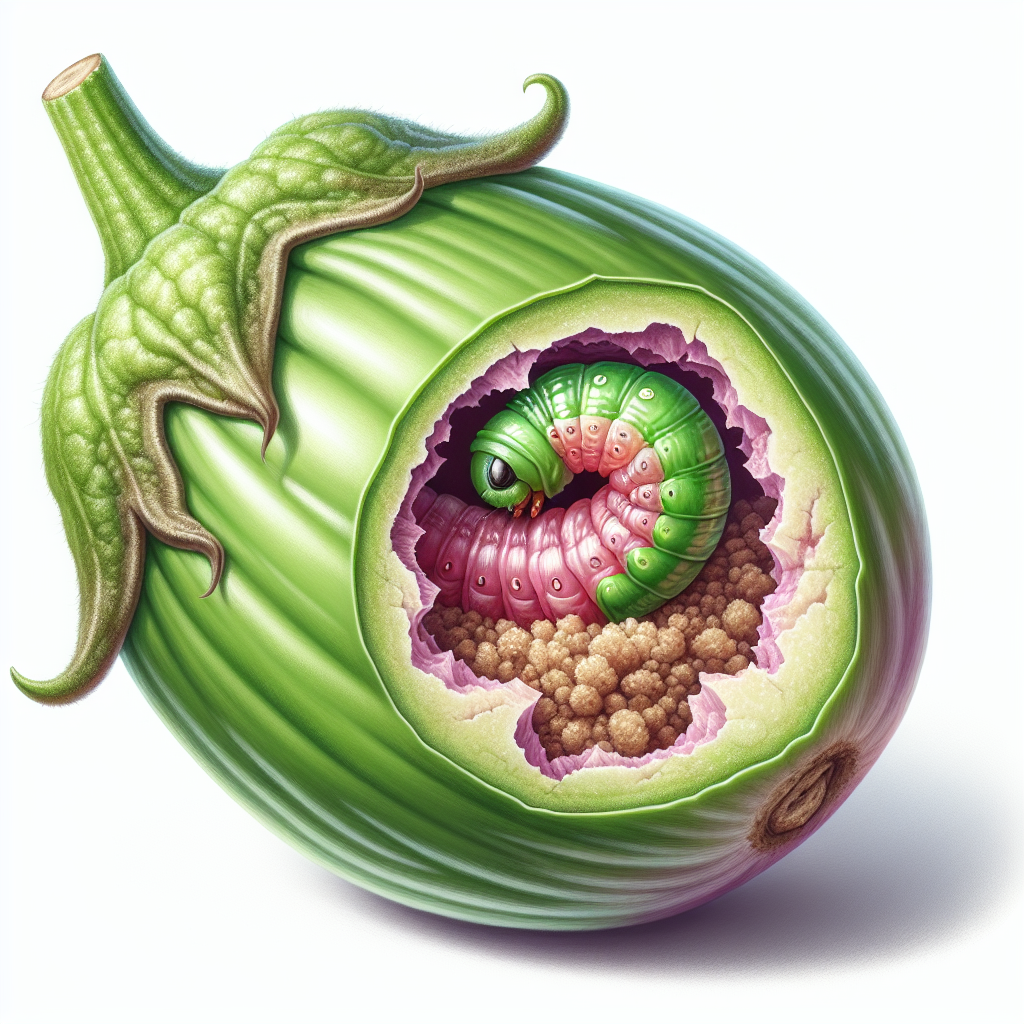
Fruit and shoot borers
Fruit and shoot borers are destructive moth larvae that tunnel into fruits, shoots, and stems of solanaceous and cucurbit crops, causing wilting, fruit drop, and significant yield losses. Primarily affecting tomatoes, eggplants, okra, and cucurbits, these pests are managed through integrated organic strategies including biological controls, traps, and cultural practices. Early detection and prevention are key to minimizing damage in warm, humid climates.
View Profile
Fruit beetles
Fruit beetles are robust, colorful scarab beetles that feed on ripening fruits, causing significant damage to orchards and gardens worldwide. Adults chew irregular holes in fruit flesh, while larvae develop in soil, feeding on organic matter and roots. Effective management combines cultural practices, organic controls, and monitoring for early detection.
View Profile
Fruit borers
Fruit borers are destructive moth larvae that tunnel into developing fruits, causing extensive damage to crops like tomato, mango, and eggplant. This guide provides comprehensive diagnostics, lifecycle details, organic management strategies, and prevention tips for farmers. Effective control combines monitoring, biological agents, and cultural practices to protect yields.
View Profile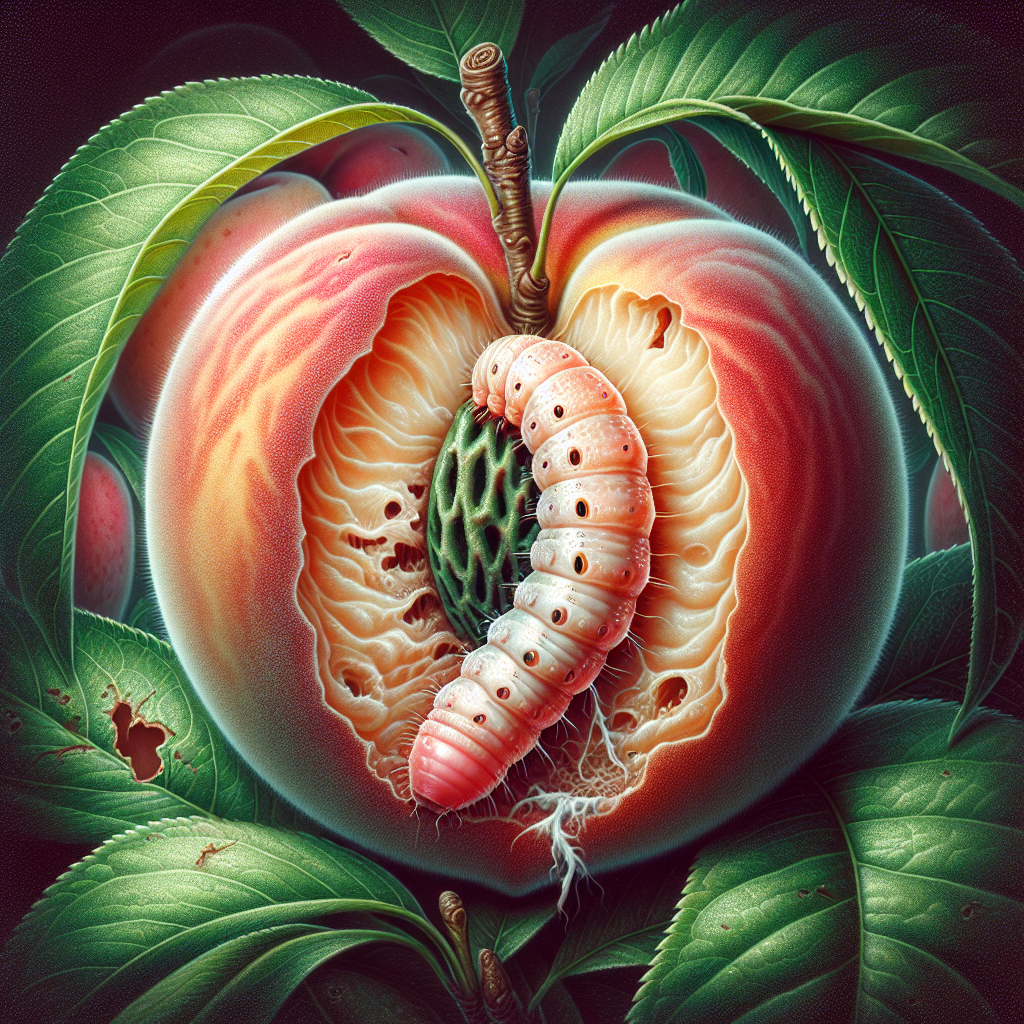
Fruit borers (Anarsia lineatella)
Anarsia lineatella, commonly known as the peach twig borer or fruit borer, is a destructive moth pest targeting stone fruits like peaches, cherries, and almonds. Its larvae bore into twigs, buds, and fruits, causing significant yield losses. Effective management combines monitoring, organic controls, and cultural practices for sustainable control.
View Profile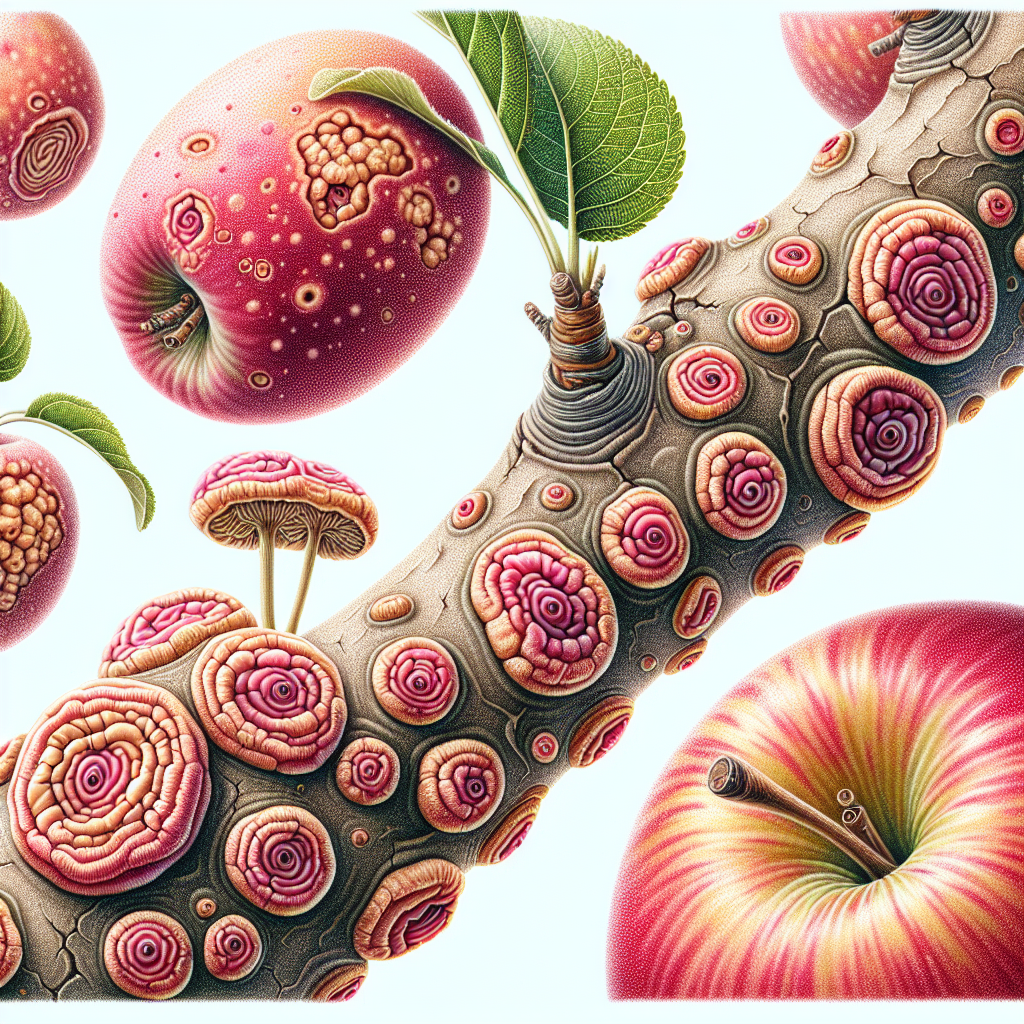
Fruit canker
Fruit canker is a destructive fungal disease primarily affecting pome fruits like apples and pears, causing sunken lesions on fruits, branches, and twigs that lead to significant yield losses. Caused by Neofabraea species, it thrives in cool, wet conditions and spreads via spores from infected debris. Effective management relies on sanitation, resistant varieties, and targeted organic fungicides for sustainable control.
View Profile
Fruit Cracking
Fruit cracking is a widespread physiological disorder affecting many fruit crops, caused primarily by environmental stresses like rapid water uptake after drought periods. It results in unsightly splits in the fruit skin, leading to reduced marketability, increased susceptibility to pests and rots, and significant yield losses. Effective management focuses on balanced irrigation, mulching, and cultivar selection to prevent this common issue.
View Profile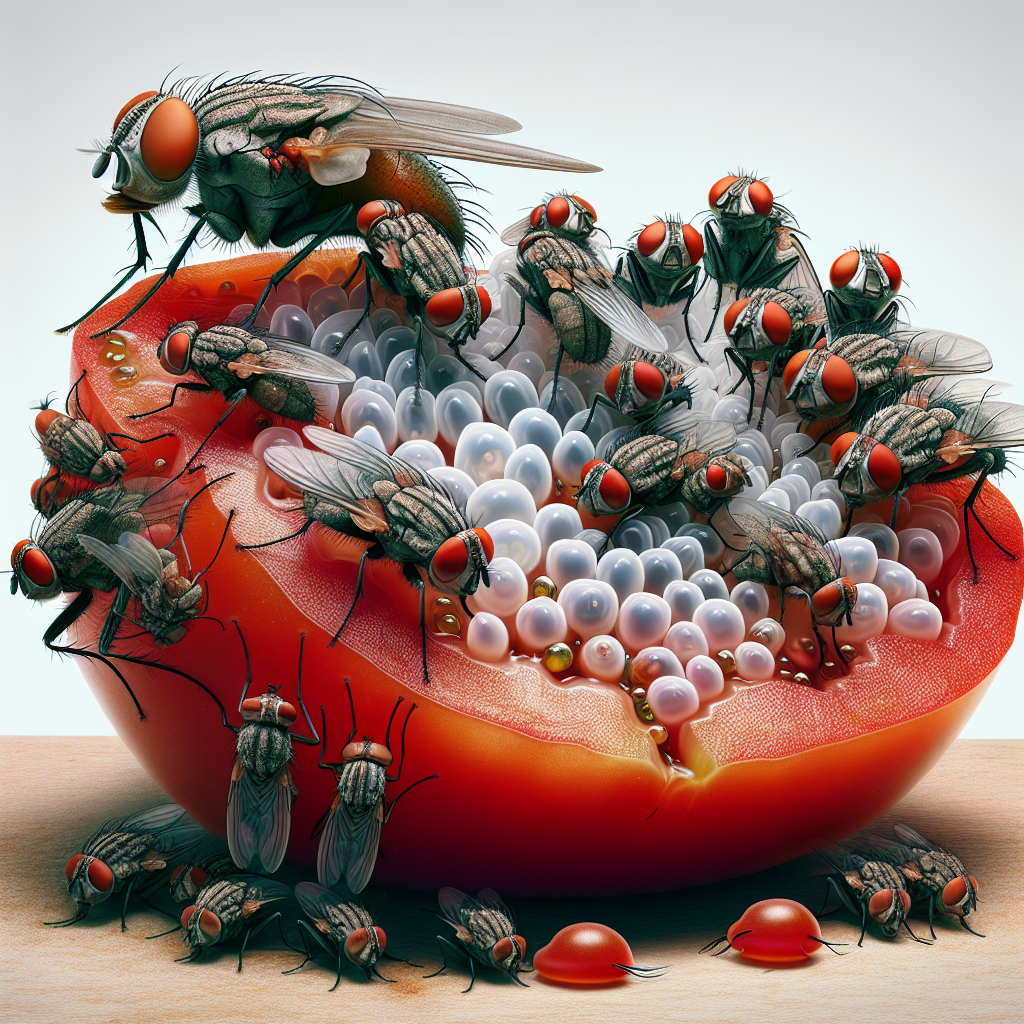
Fruit flies
Fruit flies are small, prolific pests that infest ripening fruits, vegetables, and organic matter, causing significant damage in agricultural settings worldwide. This guide provides comprehensive diagnostics, lifecycle insights, organic management strategies, and prevention tactics tailored for small farms and home growers. Effective control hinges on sanitation, traps, and cultural practices to break their rapid reproductive cycle.
View Profile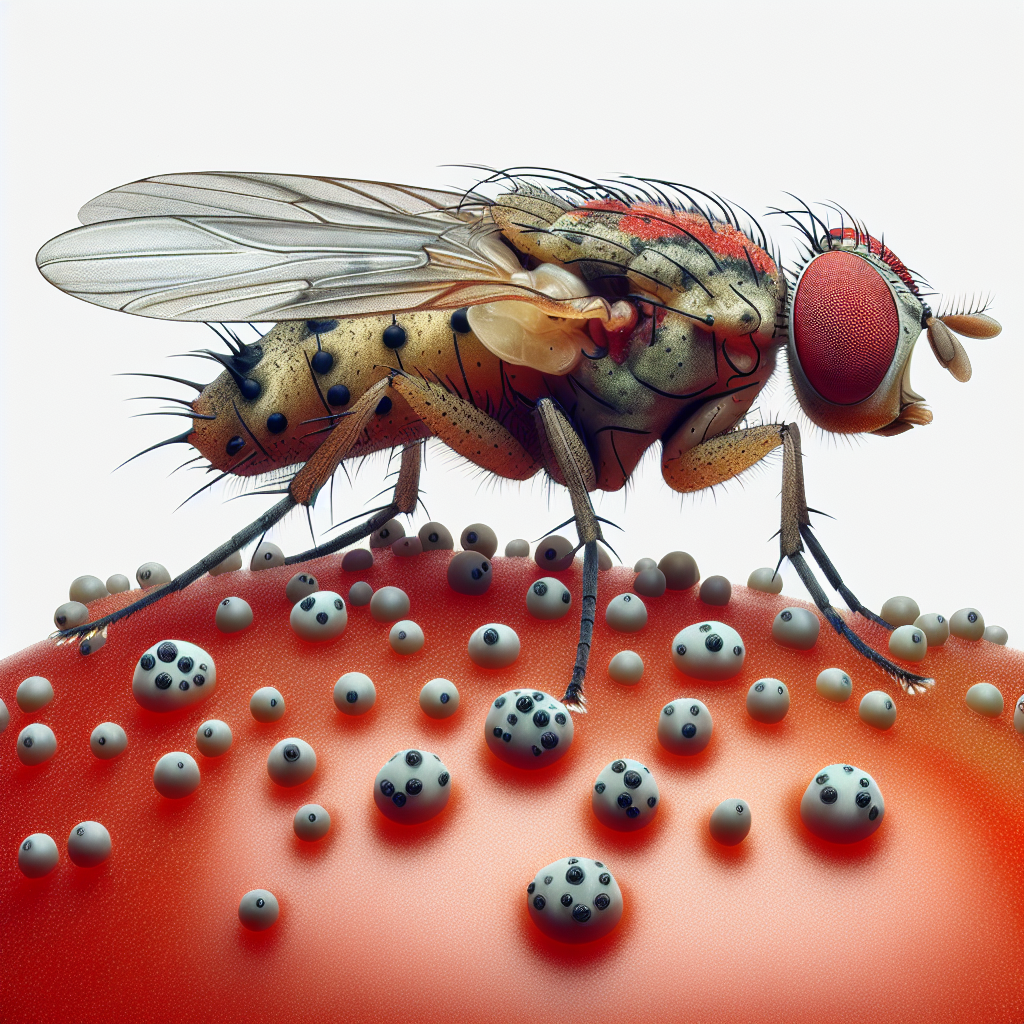
Fruit fly
Fruit flies are small, highly destructive pests that infest ripening fruits and vegetables, causing significant crop losses worldwide. This guide provides professional agricultural insights into identification, lifecycle, organic management, and prevention strategies. Farmers can effectively control outbreaks using integrated pest management (IPM) tailored to high-value crops.
View Profile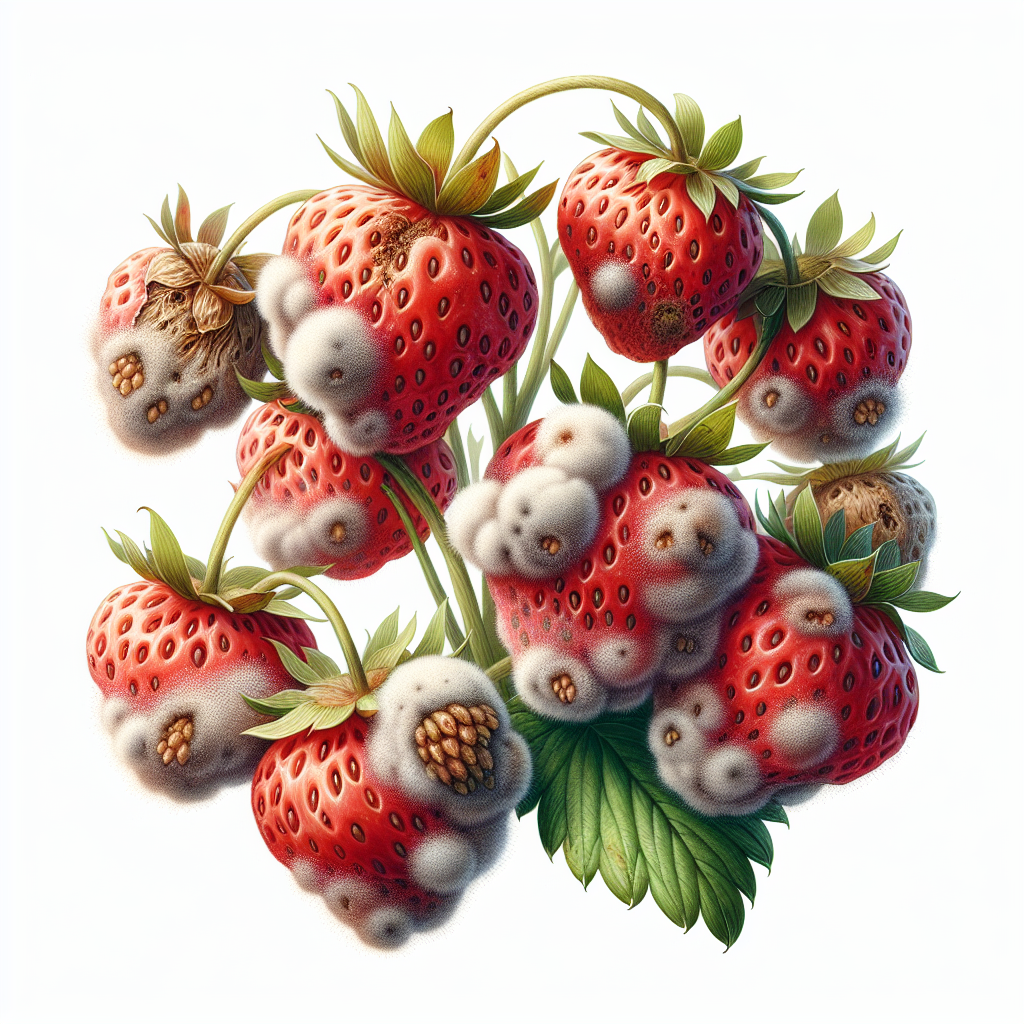
Fruit rots
Fruit rots are devastating fungal and bacterial diseases that cause rapid decay of ripening fruits, leading to significant yield losses in orchards and gardens. Commonly triggered by moist conditions, they manifest as soft, discolored lesions that spread quickly, often ruining entire harvests. Effective management relies on cultural practices, sanitation, and targeted organic treatments to minimize spore spread and enhance fruit resistance.
View Profile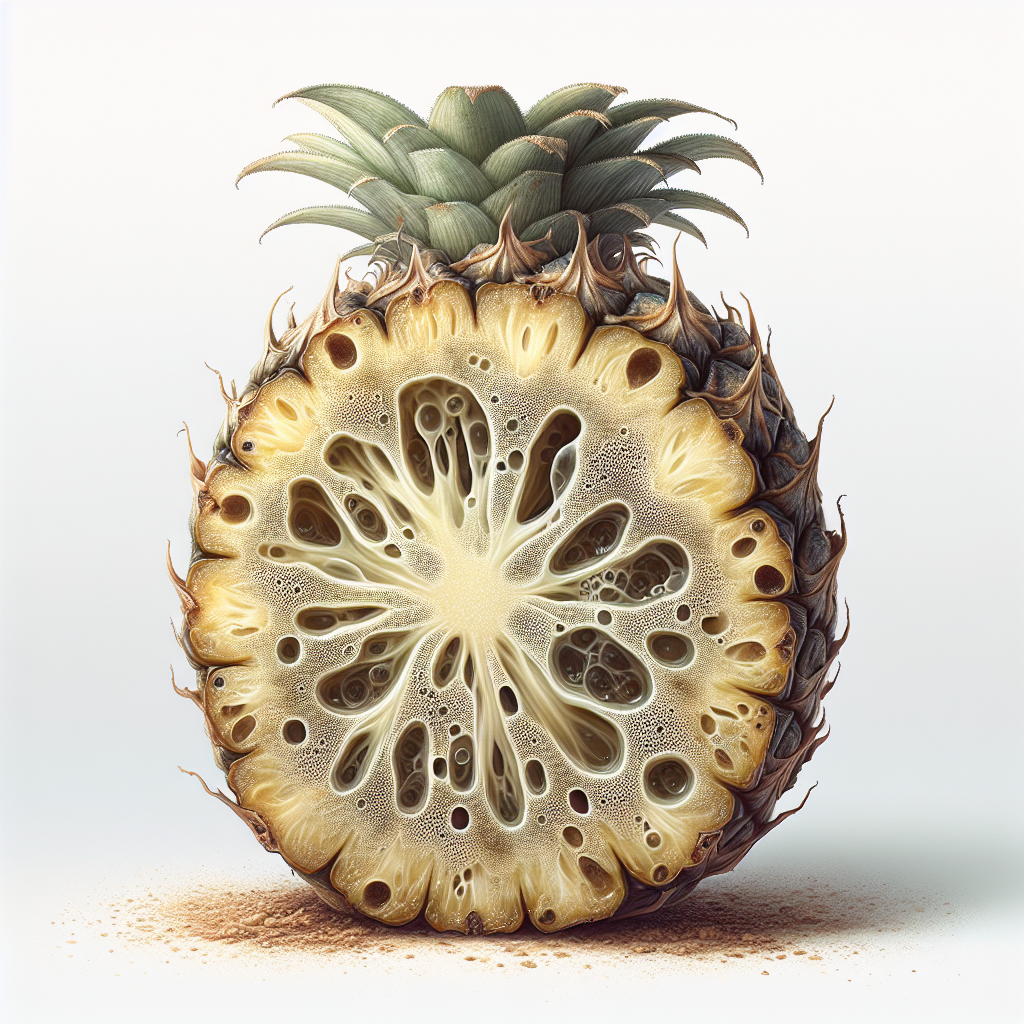
fruit souring
Fruit souring is a post-harvest disease caused primarily by acetic acid bacteria like Gluconobacter oxydans, turning sweet fruits into unpalatably sour masses through rapid fermentation. It devastates tropical and subtropical fruits, causing massive economic losses if not managed through proper sanitation and environmental controls. This guide provides definitive diagnostic, organic management, and prevention strategies for affected growers.
View Profile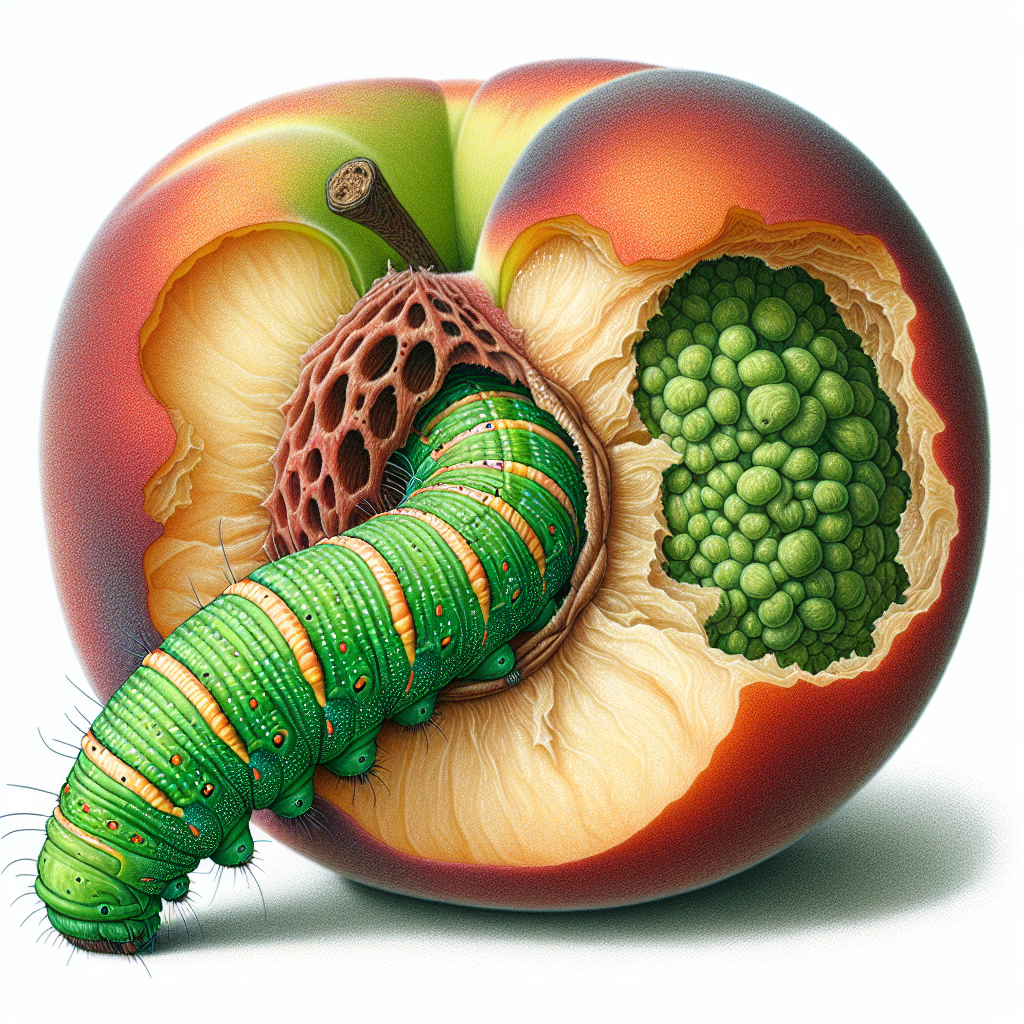
Fruit-feeding caterpillars
Fruit-feeding caterpillars are destructive larvae of moths that target ripening fruits, causing extensive economic losses in orchards and gardens. These pests chew into fruits, leaving frass-filled cavities that lead to rot and unmarketable produce. Effective management combines monitoring, organic controls, and cultural practices for sustainable protection.
View Profile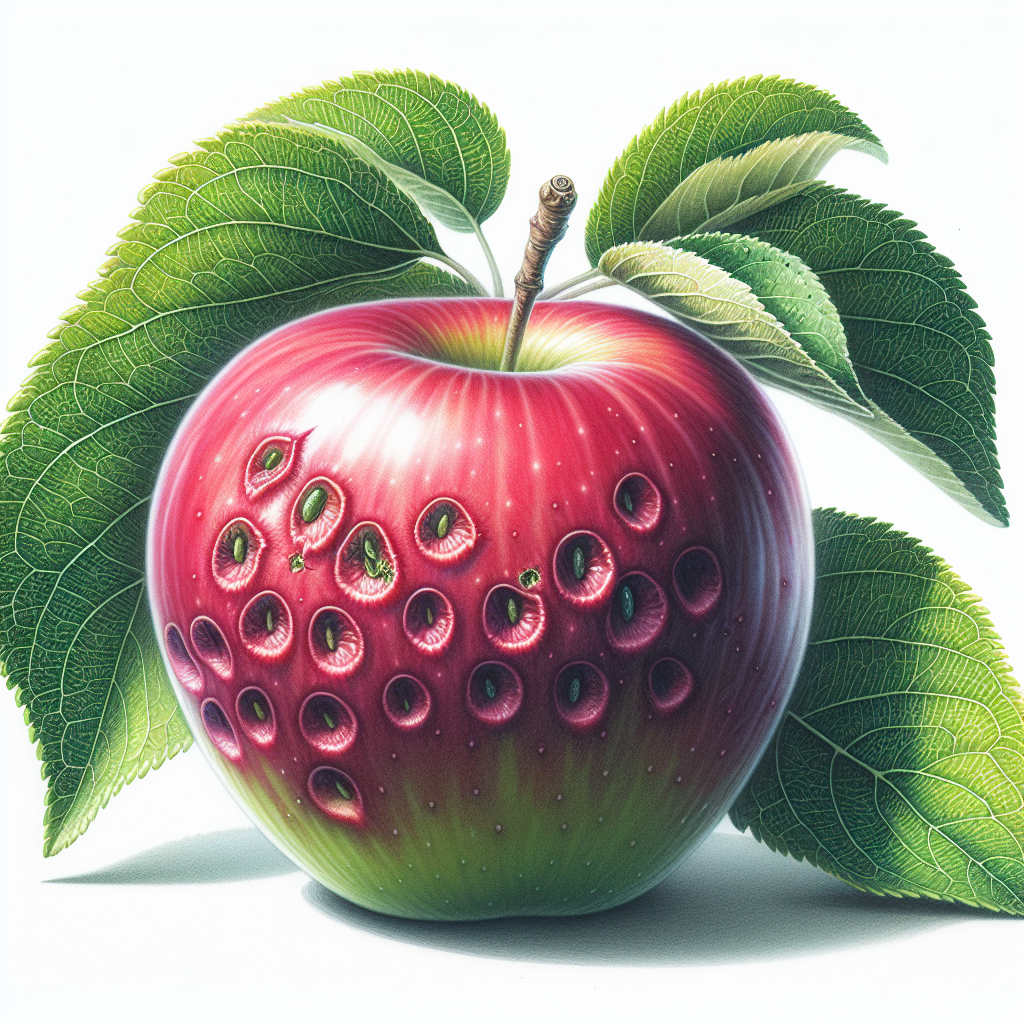
fruit-feeding pests
Fruit-feeding pests encompass a diverse group of insects including beetles, moths, flies, and birds that target ripening fruits, causing direct damage through feeding and entry points for pathogens. These pests lead to significant yield losses in orchards and gardens worldwide. Effective management combines monitoring, organic controls, and cultural practices for sustainable protection.
View Profile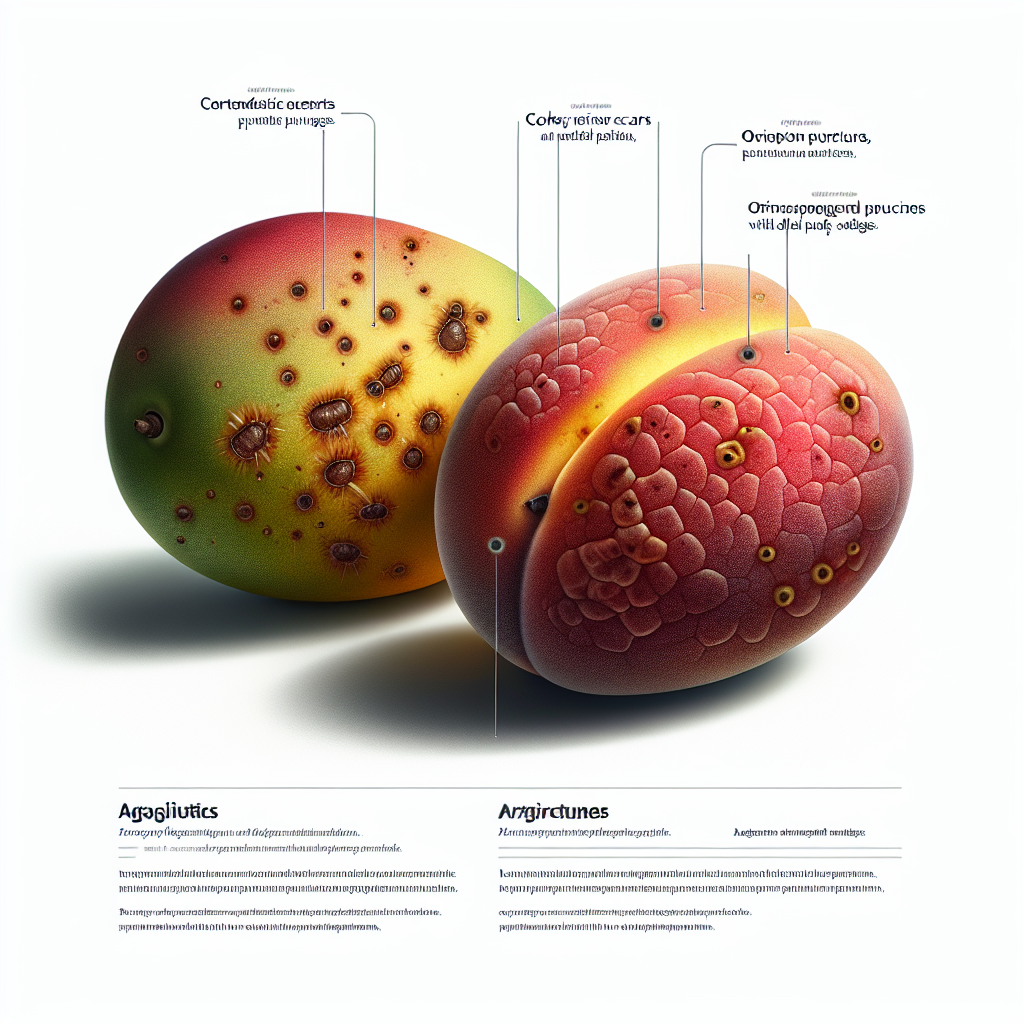
Fruit-scarring insects
Fruit-scarring insects are a diverse group of pests including fruit flies, moths, beetles, and bugs that damage fruit surfaces through feeding, oviposition, and rasping, leading to scarring, deformities, and reduced market value. This guide provides comprehensive diagnostics, lifecycle insights, organic management strategies, and prevention tactics for affected crops. Effective control combines monitoring, cultural practices, and biological agents to minimize losses without synthetic chemicals.
View Profile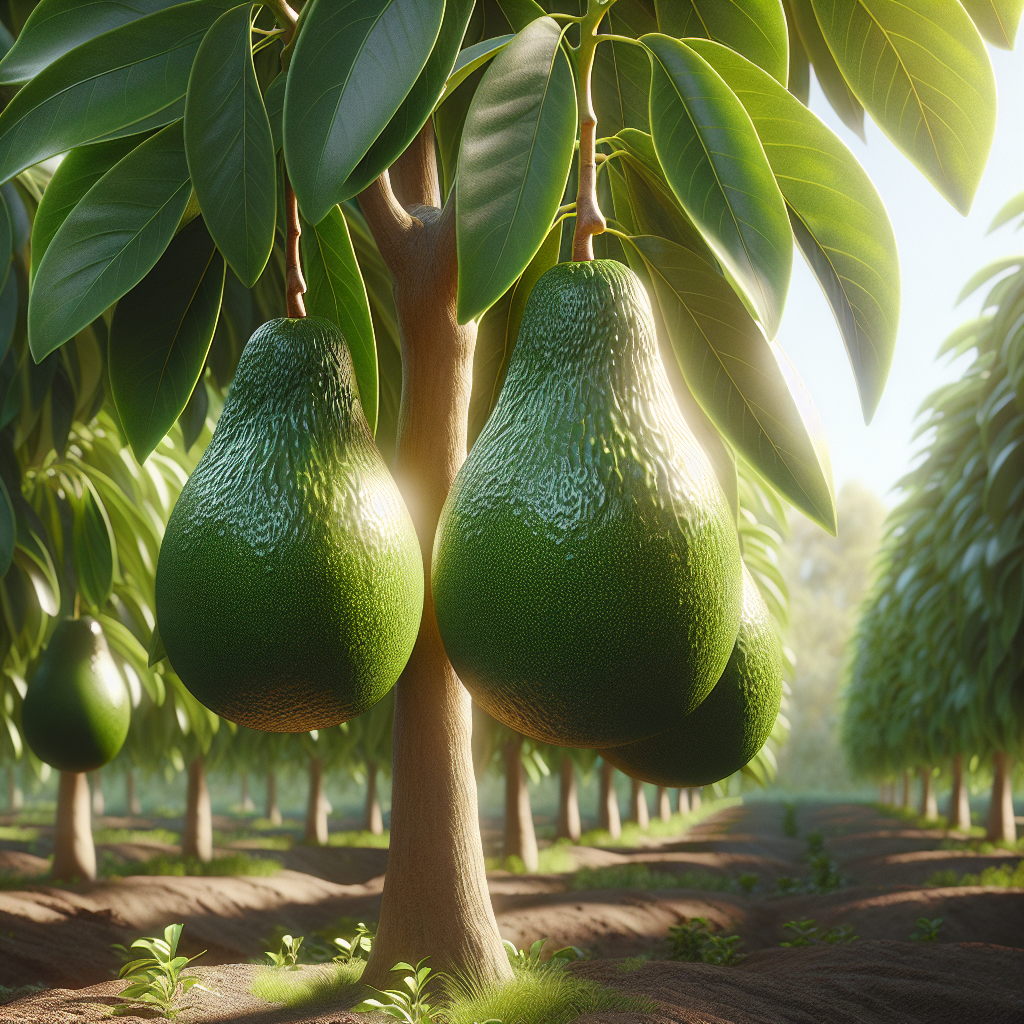
Fuerte Avocado
The Fuerte Avocado is a classic pear-shaped variety renowned for its creamy, nutty flesh and smooth green skin that doesn't darken when ripe. Originating from a chance seedling in Mexico, it's a Type B pollinator ideal for pairing with Type A varieties like Hass. This guide provides expert cultivation techniques for optimal yields in home gardens and small farms.
View Guide
Fuji Apple
Fuji Apple is a late-season dessert apple prized for its exceptional sweetness, crisp texture, long storage life, and attractive red-blushed skin. Developed in Japan from a cross involving Red Delicious and Ralls Janet, it performs best in temperate regions with adequate winter chill, careful pruning, and strong pollination support.
View Guide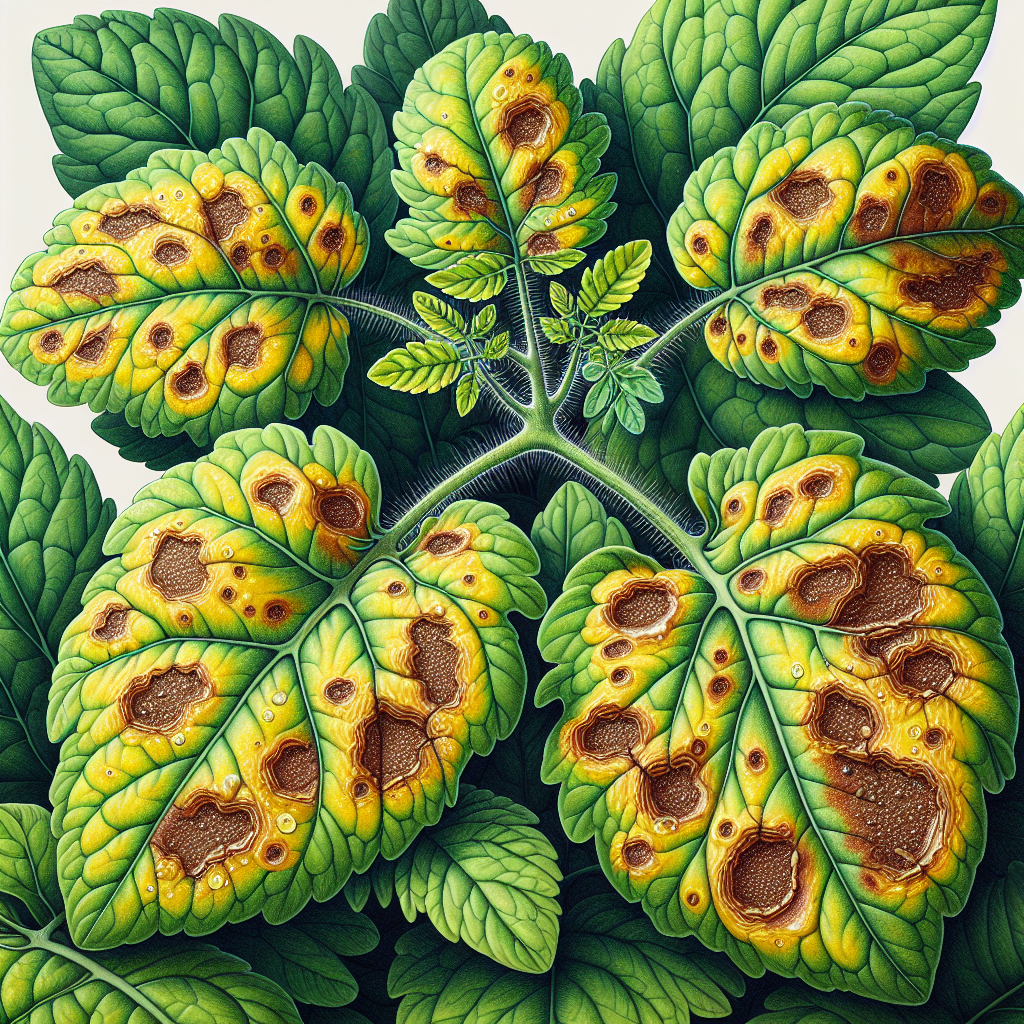
Fungal blights
Fungal blights are devastating plant diseases caused by pathogenic fungi that rapidly kill leaves, stems, and fruits, leading to significant crop losses. Common in humid conditions, they manifest as expanding lesions and tissue death. Effective management relies on early detection, cultural practices, and organic treatments to protect yields.
View Profile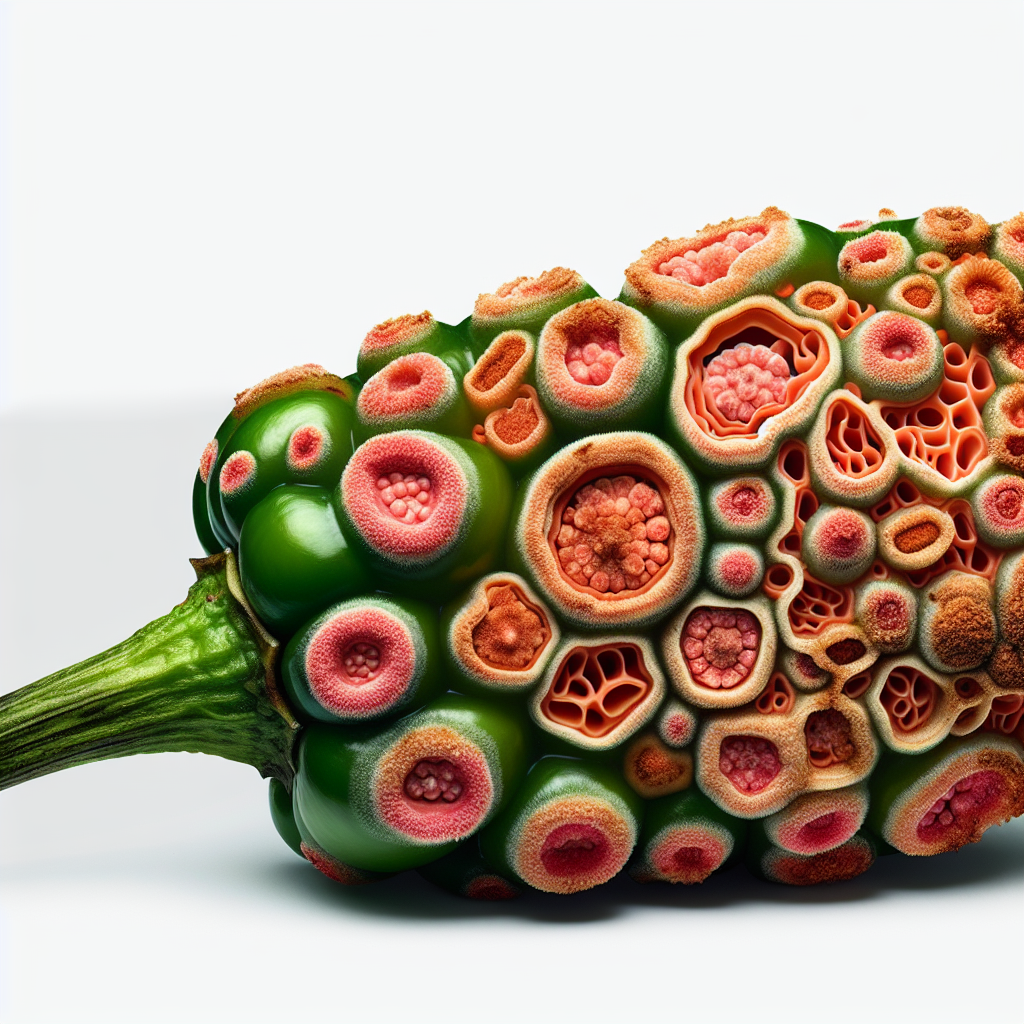
Fungal capsule rot
Fungal capsule rot is a destructive disease primarily affecting fruit capsules of crops like chili peppers, causing soft rot, premature drop, and significant yield losses. Caused by Colletotrichum species, it thrives in warm, humid conditions and spreads via rain splash and infected debris. Effective management relies on cultural practices, resistant varieties, and organic fungicides for sustainable control.
View Profile
Fungal decline
Fungal decline is a progressive syndrome affecting perennial crops, characterized by root decay, canopy thinning, and tree death due to soilborne fungal pathogens thriving in poor drainage and stressed conditions. Early detection through symptom monitoring and soil testing is crucial for management. Organic strategies focus on cultural practices, biocontrols, and resistant varieties to halt progression and restore orchard health.
View Profile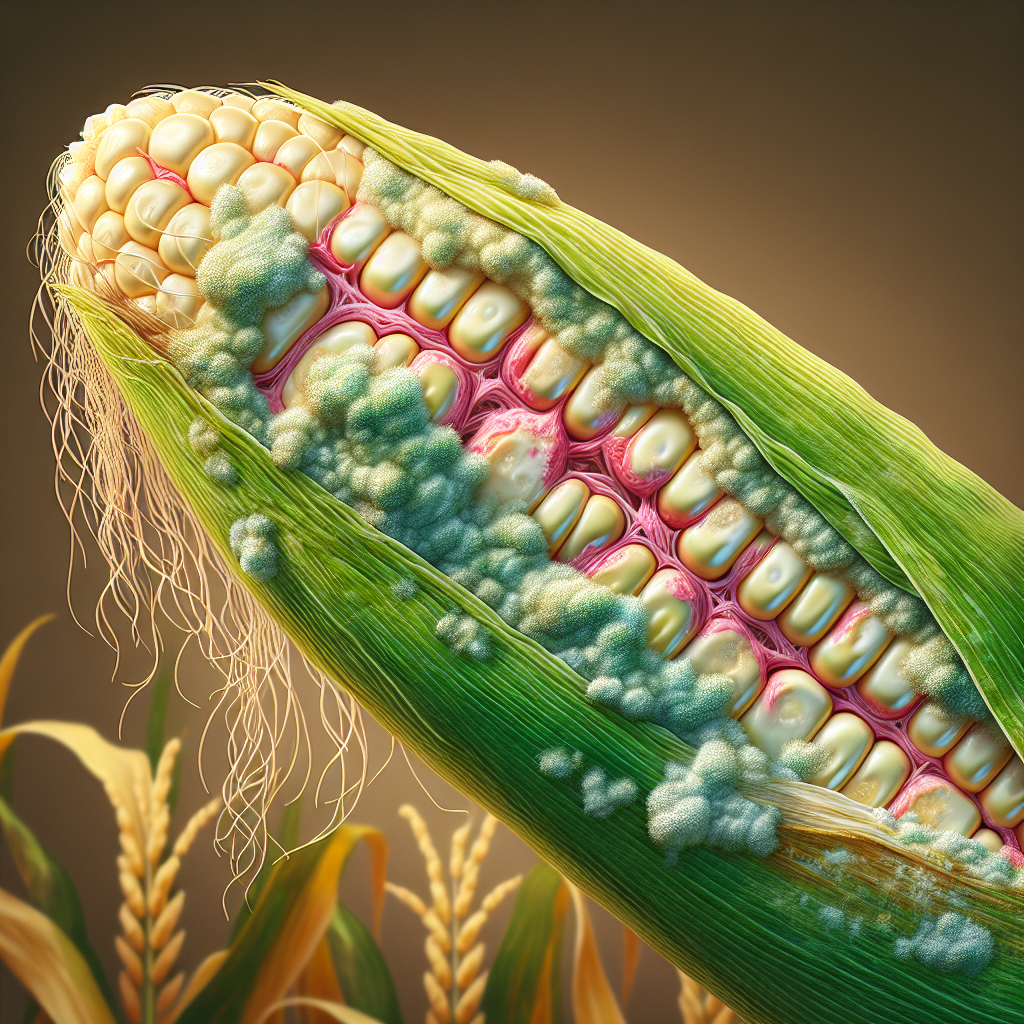
Fungal ear rots
Fungal ear rots are devastating diseases primarily affecting corn ears, caused by multiple fungal pathogens that thrive in warm, humid conditions. They lead to significant yield losses through kernel discoloration, mycotoxin production, and reduced grain quality. Effective management relies on cultural practices, resistant hybrids, and timely harvest.
View Profile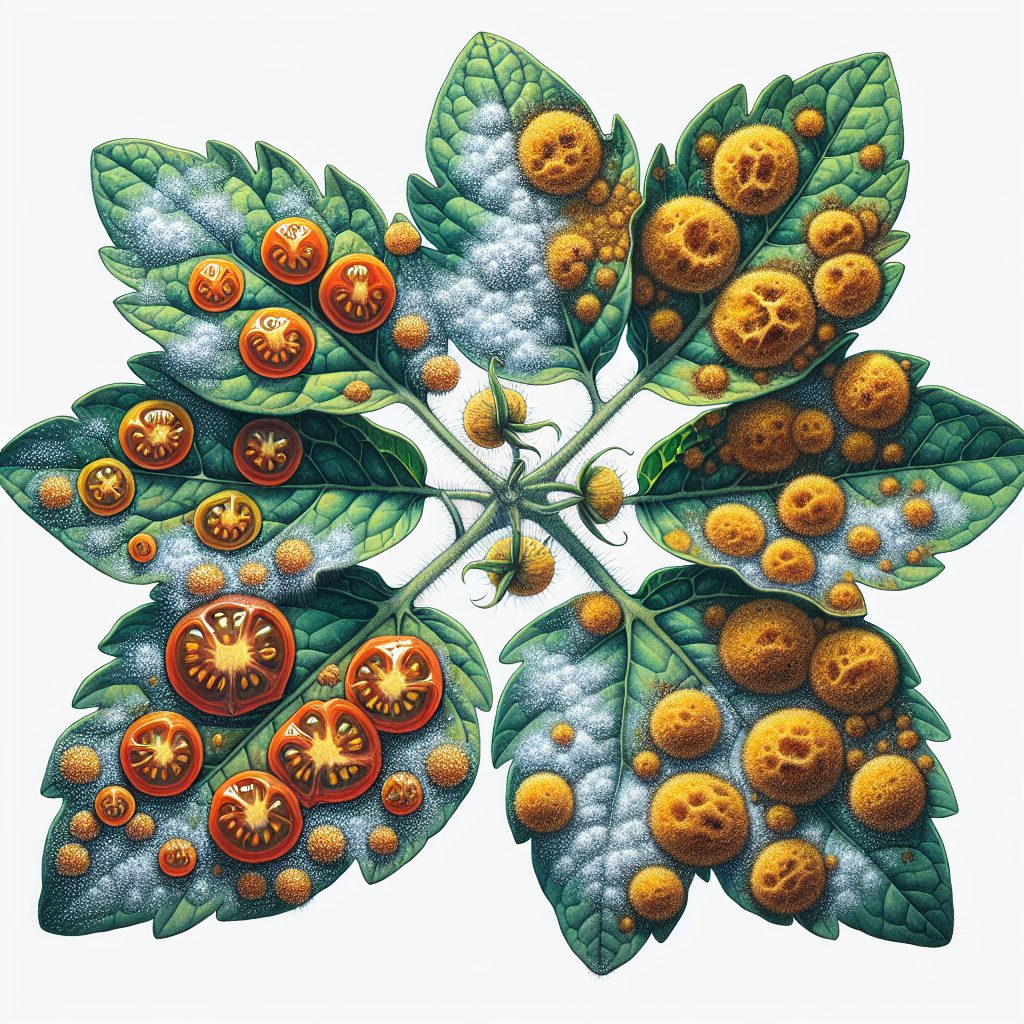
Fungal leaf diseases
Fungal leaf diseases are widespread pathogens that cause spots, blights, and wilting on plant foliage, leading to reduced photosynthesis and yield losses. Common culprits include powdery mildew, leaf spots, and rusts, thriving in humid conditions. Effective management relies on cultural practices, organic fungicides, and resistant varieties.
View Profile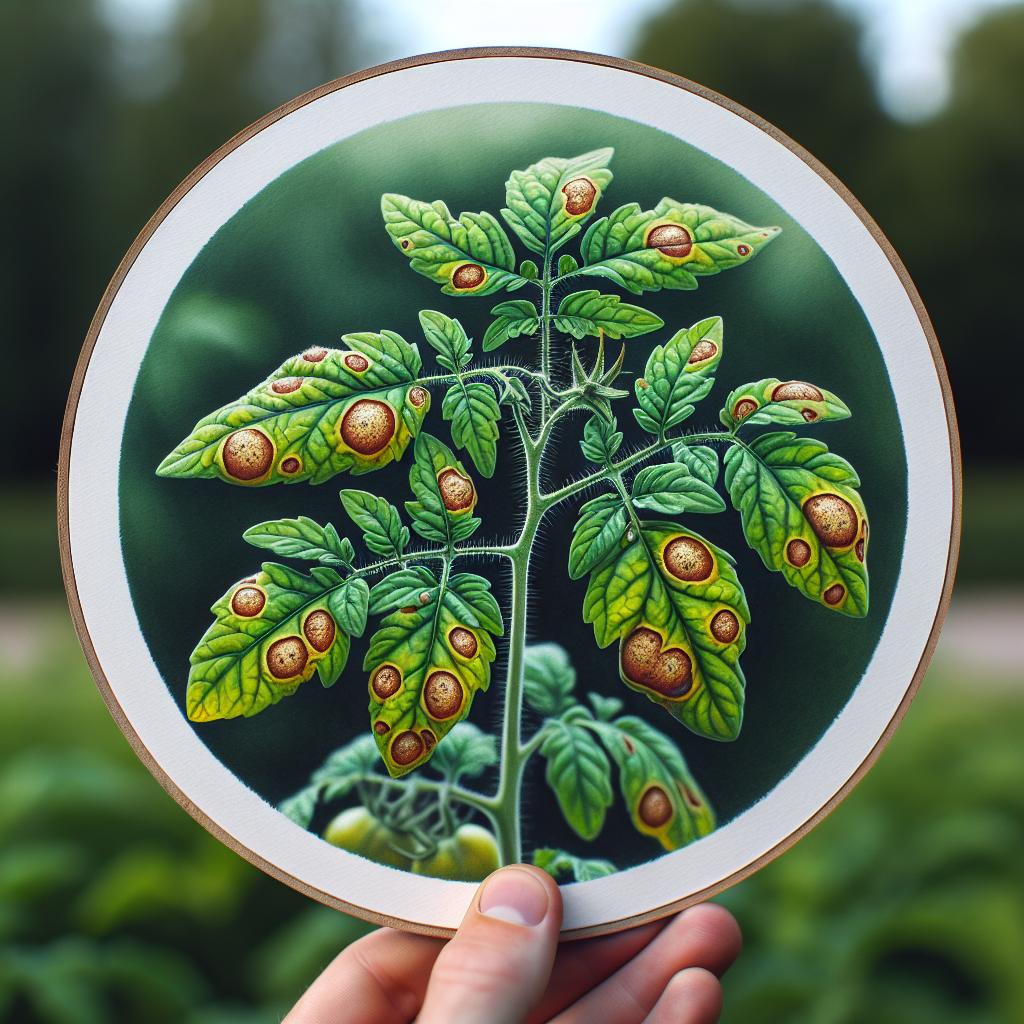
Fungal leaf spots
Fungal leaf spots are common plant diseases caused by various fungal pathogens that produce characteristic necrotic lesions on leaves, leading to reduced photosynthesis and yield losses. These diseases thrive in humid conditions and can affect a wide range of crops, from vegetables to fruits and ornamentals. Effective management relies on cultural practices, resistant varieties, and timely organic fungicide applications.
View Profile