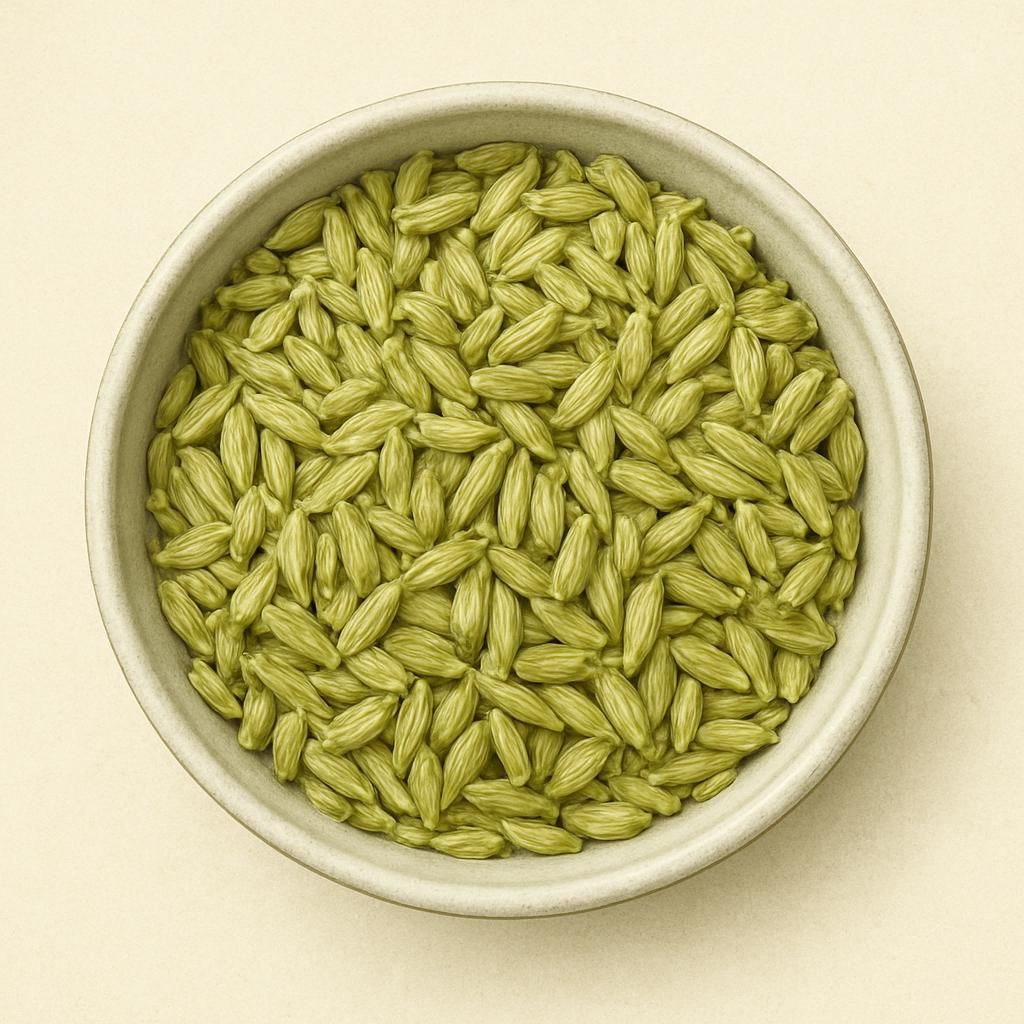
Introduction to Freekeh (Green Durum)
Freekeh, often referred to as Green Durum, is a staple of Middle Eastern cuisine, characterized by its distinctive nutty flavor and unique preparation process. This ancient grain is harvested while it is still green and young, then roasted, imparting its unique smoky aroma and taste.
This gastronomic treasure has gained popularity across the globe due to its nutritional richness, offering more fiber and protein than many of the more commonly consumed grains. It has become a favored choice for health enthusiasts and those looking for gluten alternatives.
Botanical Profile of Freekeh (Green Durum)
Freekeh belongs to the Triticum genus and is a cultivated variety of durum wheat, scientifically known as Triticum turgidum subsp. durum. It is part of the Poaceae family, commonly known as the grass family, which comprises some of the world's most important cereal crops. Characterized by its hard, spring wheat nature, it is abundant in protein and gluten, making it ideal for pasta production and baking when not harvested green.
Soil, pH, and Climate Requirements for Freekeh (Green Durum)
To achieve optimal growth, Freekeh requires specific soil and climate conditions. It is best adapted to semi-arid regions but can be successfully cultivated in a variety of environments if the following conditions are met:
| Parameter | Ideal Condition |
|---|---|
| Soil Type | Loamy, well-drained |
| Soil pH | 6.0 to 7.5 |
| Climate | Mediterranean, temperate |
| Temperature | 15°C to 25°C |
Step-by-Step Planting & Propagation
- Site Selection: Choose a location with full sun exposure and well-drained soil to prevent waterlogging and fungal diseases.
- Soil Preparation: Till the soil thoroughly, incorporating organic compost or well-rotted manure to improve nutrient content and soil structure.
- Sowing: Plant seeds 1 inch deep and 4-6 inches apart in rows spaced 12 inches apart. This ensures adequate room for growth and minimizes competition for nutrients.
- Watering: Provide consistent moisture throughout the growing stage, ensuring the soil does not dry out completely but is not waterlogged.
- Weed Management: Regularly check for and remove weeds as they can compete with Freekeh for nutrients and sunlight.
Care & Maintenance Regimes for Freekeh (Green Durum)
Freekeh requires meticulous care throughout its growing season. The following table outlines essential care strategies for successful cultivation:
| Activity | Frequency | Notes |
|---|---|---|
| Watering | Once a week | Avoid overhead watering to reduce mildew risk. |
| Fertilizing | Every 6-8 weeks | Use balanced NPK fertilizers for healthy growth. |
| Pruning | As necessary to remove diseased parts | Maintain airflow to prevent fungal issues. |
Pests, Diseases & Organic Management
Freekeh is susceptible to some common wheat pests and diseases, such as Spider Mites and rust. Organic management strategies include crop rotation and the use of natural predators for pest control.
Pests: Common pests include Aphids and spider mites.
- Biological Control: Encourage predatory insects like ladybugs.
- Organic Pesticides: Neem oil sprays are effective against various pests.
Diseases: Potential threats include rust and powdery mildew.
- Crop Rotation: Reduces the likelihood of soil-borne diseases.
- Fungicides: Opt for sulfur-based solutions for organic management.
For further insights, you might consider reading our blog on 7 Summer Pest Traps That Sabotage Small Farm Harvests.
Harvesting, Curing & Optimal Storage
Freekeh is usually harvested when the grains are in the dough stage. This maximizes the grain's nutritional content and flavor profile:
- Harvesting: Carefully cut the stalks and allow them to dry slightly.
- Roasting: Burn or smoke the harvested stalks to separate the chaff from the grain through rubbing or threshing.
- Storage: Store in a cool, dry place, sealed in airtight containers to preserve freshness and prevent pest infestations.
Companion Planting for Freekeh (Green Durum)
Effective companion plants for Freekeh include Nasturtiums and Marigolds, which can deter pests naturally. Using Clover can enhance soil fertility by fixing nitrogen, benefiting succeeding and current crop yields.
For further companion planting advice, explore Summer Companion Planting: 10 Organic Pairings to Boost Small Farm Resilience.