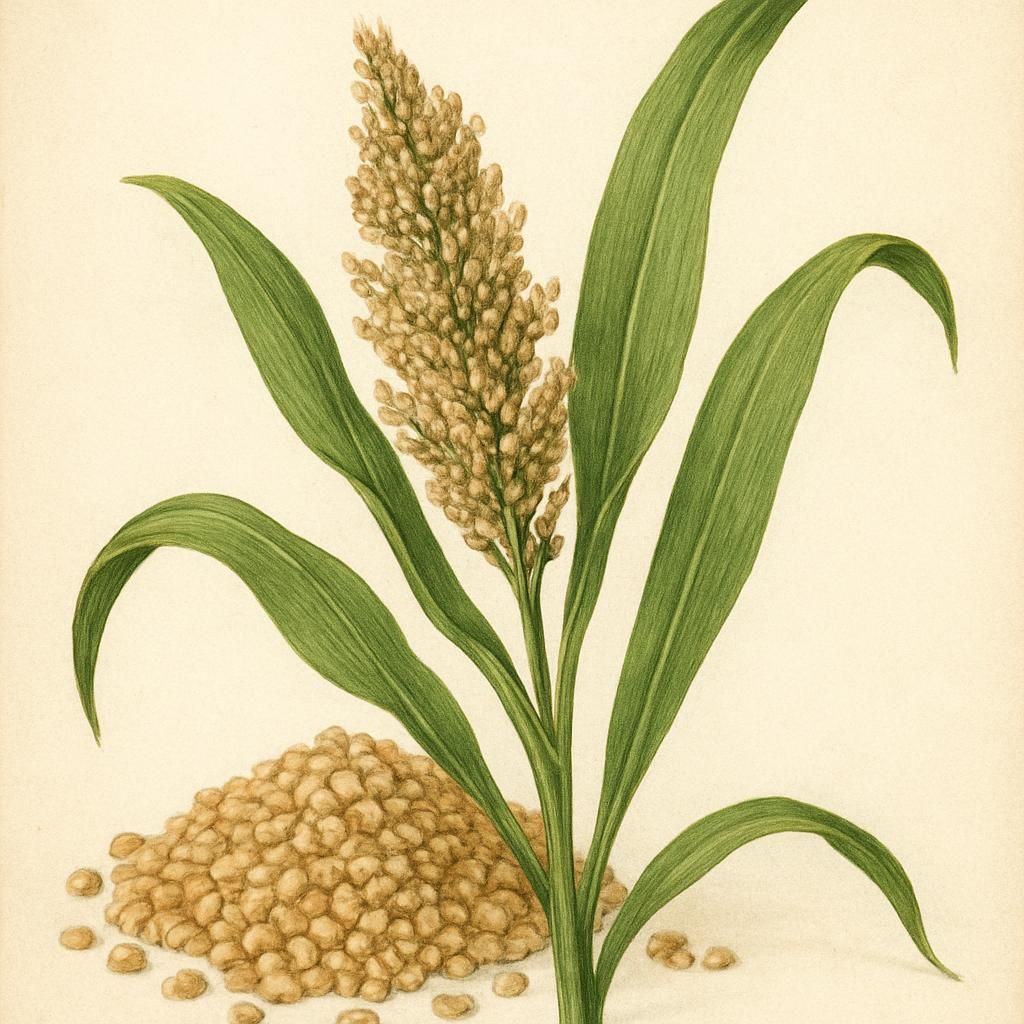
Introduction to Fonio (Acha - Digitaria exilis)
Fonio, locally known as Acha in West Africa, is one of the oldest cultivated grains globally. It is a highly versatile crop known for its resilience to adverse weather conditions and poor soils, making it an essential component of food security in its native regions. Rich in essential amino acids and easy to digest, Fonio is gaining attention worldwide as a superfood.
Botanical Profile of Fonio (Acha - Digitaria exilis)
Fonio belongs to the Poaceae family, commonly known as grasses. The species name, Digitaria exilis, is derived from its finger-like seed heads. The plant is annual, growing to a height of about 30 to 80 cm, with fine, narrow leaves. The seeds are very small, measuring around 1.5 mm in length.
Soil, pH, and Climate Requirements for Fonio (Acha - Digitaria exilis)
Fonio's adaptability to harsh growing conditions allows it to be cultivated on poor, sandy, and rocky soils. It thrives in semi-arid regions with minimal rainfall, making it a valuable crop for areas with unpredictable weather patterns.
| Parameter | Ideal Condition |
|---|---|
| Soil Type | Well-drained sandy or loamy soils |
| pH Range | 5.0 - 6.8 |
| Rainfall | 400 - 800 mm annually |
| Temperature | 25°C - 30°C |
For more insights on climate resilience and the impact on small farms, read our blog post.
Step-by-Step Planting & Propagation
- Seed Selection: Choose seeds from reliable sources to ensure good germination and disease resistance.
- Land Preparation: Plow the land to eliminate weeds and create a fine seedbed. Fonio seeds are tiny, requiring a well-prepared bed for uniform planting.
- Sowing: Broadcast the seeds evenly across the prepared fields. Typically, 10-15 kg of seed per hectare is recommended.
- Plant Spacing: After broadcasting, rake the soil lightly to cover seeds. Ensure seeds are not buried too deep by using a smooth rake.
- Germination: Expect germination within 5-7 days, given adequate moisture and warmth.
Care & Maintenance regimes for Fonio (Acha - Digitaria exilis)
Though Fonio requires minimal care, strategic maintenance can improve yields.
| Activity | Timing | Frequency |
|---|---|---|
| Watering | After germination | Light watering when necessary |
| Fertilizing | 3 weeks post-plant | Apply balanced NPK fertilizer |
| Pruning | Not applicable | Weed control as needed |
Pests, Diseases & Organic Management
Fonio is relatively pest-resistant, but it can occasionally be troubled by spider mites and birds. Organic management strategies include:
- Spider mites: Introduce natural predators like ladybugs or use neem oil.
- Birds: Employ netting or scare tactics to protect crop yields.
For broader pest management strategies, consider implementing practices discussed in our defense guide.
Harvesting, Curing & Optimal Storage
Fonio matures within 6-8 weeks post-planting. Harvesting involves cutting the stalks when they begin to yellow. Once harvested, traditional methods involve parching the grains to ease threshing. Storage in cool, dry conditions can extend shelf life, ensuring seed viability for future planting.
- Curing: Dry the grains thoroughly to reduce moisture content, preventing mold.
- Storage: Store grains in airtight containers to protect from moisture, pests, and rodents.
Companion Planting for Fonio (Acha - Digitaria exilis)
Companion planting with legumes such as cowpea and peanut can improve soil fertility due to nitrogen fixation. Practices such as intercropping with maize are also beneficial, offering shade for young Fonio plants and optimizing land use effectively.
For more comprehensive organic companion planting strategies, refer to our companion planting guide.