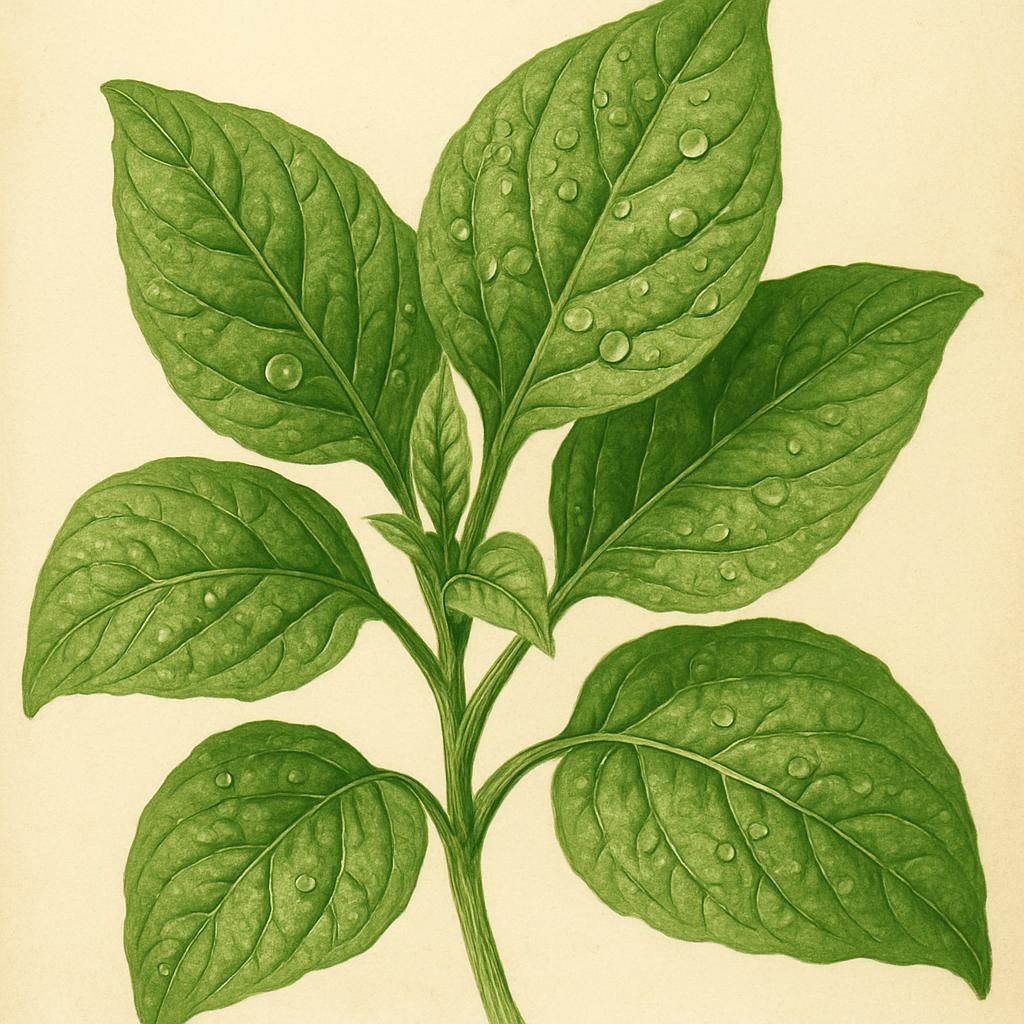
Introduction to Egyptian Spinach (Molokhia)
Egyptian Spinach, also popular as Molokhia, is a staple in Middle Eastern and African cuisines. Celebrated for its high nutritive value, it offers a rich source of vitamins A, C, E, and potassium. Not just limited to culinary uses, Molokhia has been valued for its potential health benefits, including its role in boosting immunity and aiding digestion.
Botanical Profile of Egyptian Spinach (Molokhia)
Belonging to the family Malvaceae, the scientific name for Egyptian Spinach is Corchorus olitorius. It is an annual herbaceous plant that grows rapidly in tropical and subtropical climates. It can reach heights of 1-3 meters and produces small, yellow flowers which transform into elongated seed pods.
Soil, pH, and Climate Requirements for Egyptian Spinach (Molokhia)
For optimal growth, Molokhia requires well-drained, nutrient-rich soil with a slightly acidic to neutral pH. Below is a comprehensive table outlining the ideal conditions:
| Aspect | Ideal Requirements |
|---|---|
| Soil Type | Loamy, well-drained |
| Soil pH | 6.0 - 7.0 |
| Temperature Range | 25°C - 35°C (77°F - 95°F) |
| Rainfall | 600mm - 1500mm annually |
Step-by-Step Planting & Propagation
Egyptian Spinach is easy to propagate through seeds. Begin by soaking the seeds for 24 hours to improve germination rates. Sow them directly into the soil after the last frost date, maintaining a spacing of 30cm between plants. Seeds should be sown at a depth of 1-2 cm. Expect germination within 7-10 days under optimal conditions.
Care & Maintenance regimes for Egyptian Spinach (Molokhia)
Proper care ensures a bountiful harvest. Here is a maintenance schedule:
| Activity | Frequency | Detail |
|---|---|---|
| Watering | Weekly | Keep soil consistently moist but not waterlogged. |
| Fertilizing | Bi-monthly | Use a balanced fertilizer high in nitrogen. |
| Pruning | As needed | Trim mature leaves to encourage new growth. |
Pests, Diseases & Organic Management
Molokhia is relatively disease-resistant, but vigilance is necessary. Common pests like Spider Mites and Aphids can be managed with neem oil or insecticidal soap. Fungal diseases, though rare, can be mitigated by ensuring proper air circulation and avoiding overhead watering.
Harvesting, Curing & Optimal Storage
Harvesting typically begins 60 days after sowing. It is best to pick leaves early in the morning to retain freshness and flavor. Leaves can be frozen or dried for extended storage, retaining their nutritional benefits.
Companion Planting for Egyptian Spinach (Molokhia)
Molokhia benefits from being planted alongside diverse crops, fostering a biodiverse garden ecosystem. Consider planting with Tomato and Garlic as they can deter pests naturally. For further details and strategies on companion planting, explore Summer Companion Planting: 10 Organic Pairings to Boost Small Farm Resilience.