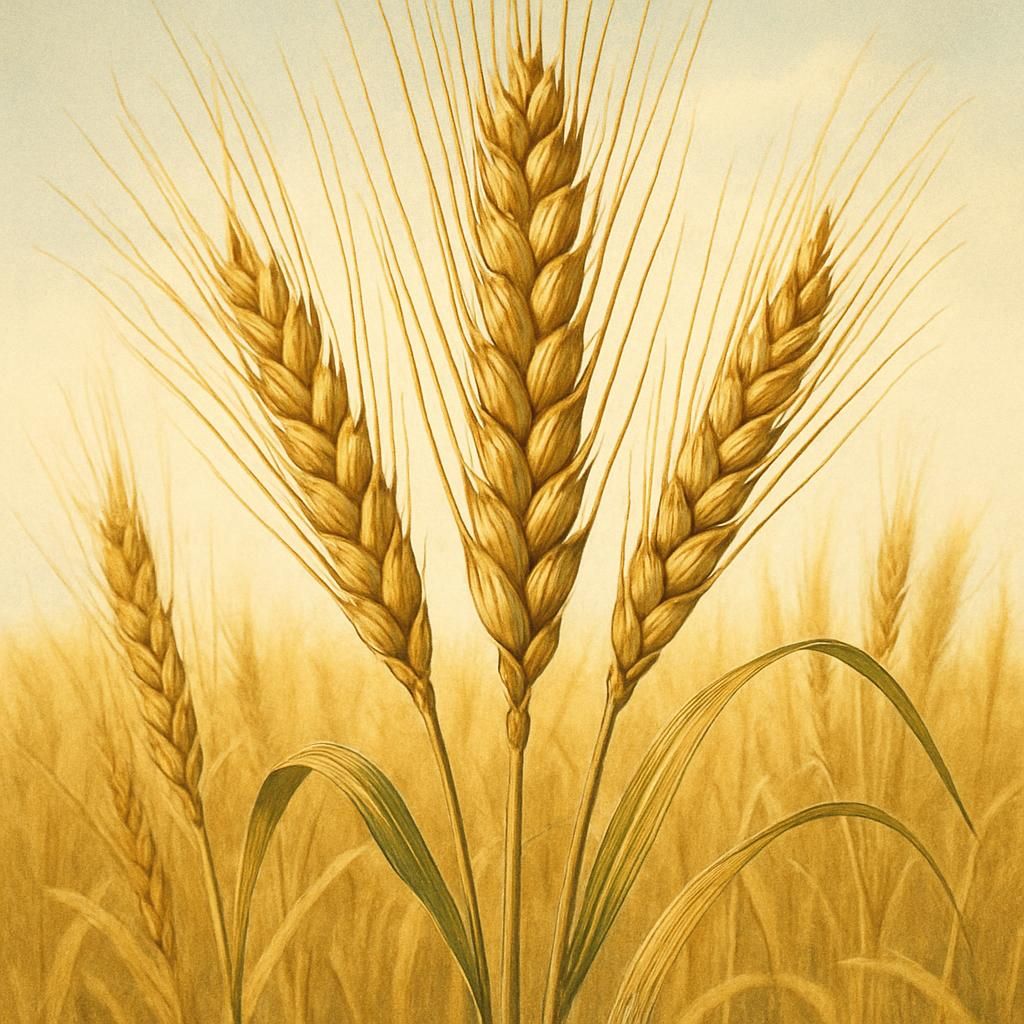
Introduction to Einkorn Wheat (Triticum monococcum)
Einkorn wheat, known scientifically as Triticum monococcum, is one of the earliest cultivated forms of wheat. It is characterized by its nutritious value, being rich in minerals, vitamins, and proteins. As a diploid species, einkorn distinguishes itself from modern wheat, genetically closer to its wild ancestors, giving it unique properties that are gradually gaining attention among farmers and health enthusiasts alike.
Botanical Profile of Einkorn Wheat (Triticum monococcum)
Einkorn wheat is a hulled variety with a tough outer husk, requiring special processing to remove the hull. The plant features softer spikes and is less productive than modern wheat varieties, but it possesses a unique resilience to certain pests and diseases. Its grains are smaller and offer a unique, nutty flavor.
Soil, pH, and Climate Requirements for Einkorn Wheat (Triticum monococcum)
Einkorn wheat thrives in well-drained soils and shows adaptability to poor soil conditions better than modern wheat. However, optimal growth occurs in fertile soils.
| Factor | Ideal Conditions |
|---|---|
| Soil Type | Well-drained, loamy soil |
| Soil pH | 6.0 - 7.5 |
| Climate | Temperate, can tolerate drought |
| Temperature | 10°C - 25°C (optimal) |
| Rainfall | 300 - 600 mm annually |
Step-by-Step Planting & Propagation
- Site Selection: Choose an area with good sunlight exposure and drainage.
- Seed Preparation: Obtain quality seeds from a reliable source, ensuring high germination rates.
- Soil Preparation: Till the soil to a depth of about 15-20 cm, incorporating organic matter to improve soil fertility.
- Sowing: Sow seeds at a spacing of 30 cm between rows and 10 cm within the row, with a sowing depth of about 3-5 cm.
- Best Time for Sowing: Typically sown in autumn in temperate regions to benefit from winter rains and establish before colder temperatures.
Care & Maintenance Regimes for Einkorn Wheat (Triticum monococcum)
Einkorn requires regular monitoring to ensure optimal growth but is generally low-maintenance.
| Activity | Schedule |
|---|---|
| Watering | Weekly during dry spells |
| Fertilizing | Apply organic or NPK fertilizers at sowing and during tillering |
| Weeding | As needed, preferably manually |
Pests, Diseases & Organic Management
Einkorn wheat is susceptible to fewer pests and diseases compared to modern wheat. However, some challenges remain:
- Aphids: Use insecticidal soap or neem oil applications.
- Powdery Mildew: Improve air circulation, use sulfur-based treatments.
- Spider Mites: Introduce beneficial insects like ladybugs or apply horticultural oil.
For a more detailed organic approach to pest and disease management, refer to our blog post.
Harvesting, Curing & Optimal Storage
Einkorn wheat ripens in late summer, generally 4-6 weeks after flowering. To harvest:
- Check Maturity: Grains should feel hard and contain less moisture.
- Harvesting: Cut stalks at ground level and transport for drying.
- Curing: Allow stalks to dry in a well-ventilated area to further reduce moisture before threshing.
- Storage: Once threshed, store grains in airtight containers in a cool, dry place to prevent pest infestations.
Companion Planting for Einkorn Wheat (Triticum monococcum)
Einkorn wheat benefits from companion planting with certain legumes that improve soil nitrogen levels, such as Chickpeas or Peas. Also, Yarrow and Nasturtium can deter harmful insects.
For comprehensive strategies on building resilient small farms, read our blog post on companion planting.