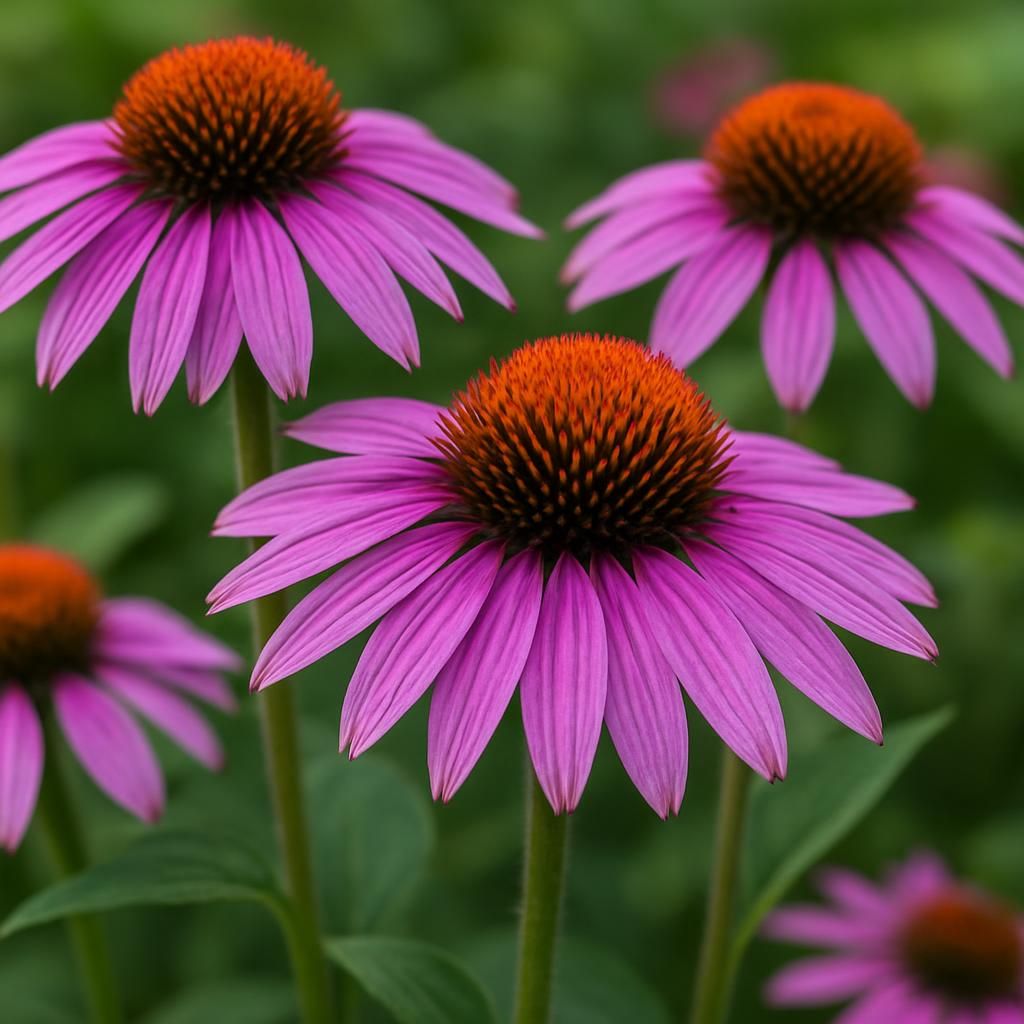
Introduction to echinacea
Echinacea, commonly known as purple coneflower, is a North American native perennial belonging to the Asteraceae family. Grown for its vibrant blooms and immune-supporting roots, it has become a staple in both medicinal herb gardens and commercial farms. With rising demand for organic herbal products, professional growers seek reliable, high-yield production methods.
Successful echinacea cultivation requires attention to soil health, proper spacing, and integrated pest management. This guide provides step-by-step protocols based on current agricultural best practices.
Botanical Profile of echinacea
Echinacea purpurea is a clump-forming herbaceous perennial reaching 60–120 cm in height. It features coarse, lance-shaped leaves and prominent central cones surrounded by pink-purple ray florets. The plant develops a deep taproot system that stores valuable medicinal compounds including alkamides, polysaccharides, and caffeic acid derivatives.
Flowering occurs from mid-summer through early autumn, attracting pollinators such as bees and butterflies. Seeds are produced in the central cone and can be harvested for propagation. The species is winter-hardy in USDA zones 3–9.
Soil, pH, and Climate Requirements for echinacea (MUST INCLUDE A MARKDOWN TABLE OF IDEAL CONDITIONS)
Echinacea thrives in well-drained, moderately fertile soils. It tolerates a range of textures but performs best in loamy or sandy loam soils with good structure. Poor drainage leads to root rot, while heavy clay requires amendment with organic matter.
| Parameter | Ideal Range | Notes |
|---|---|---|
| Soil Type | Loamy to sandy loam | Well-drained; avoid waterlogged conditions |
| Soil pH | 6.0 – 7.0 | Slightly acidic to neutral |
| Temperature Range | 15–30 °C daytime | Cold hardy to –30 °C |
| Annual Rainfall | 500–900 mm | Supplemental irrigation in dry periods |
| Sun Exposure | Full sun (6+ hours) | Tolerates light afternoon shade |
| USDA Hardiness Zones | 3–9 | Perennial in these zones |
Step-by-Step Planting & Propagation
Echinacea is most commonly started from seed, root divisions, or nursery plugs. Direct seeding in spring after last frost yields strong stands when soil temperature reaches 15 °C.
- Prepare beds by incorporating 5–8 cm of well-rotted compost.
- Sow seeds 3–5 mm deep, spacing rows 45–60 cm apart.
- Thin seedlings to 30–40 cm between plants once they reach 10 cm tall.
- For divisions, separate healthy crowns in early spring or fall, ensuring each section has roots and buds.
- Transplant plugs at the same depth as the nursery container, watering thoroughly after planting.
Germination typically occurs in 10–20 days. Protect young plants from slugs and ensure consistent moisture during establishment.
Care & Maintenance regimes for echinacea (MUST INCLUDE A MARKDOWN TABLE OF WATER, FERTILIZER, AND PRUNING SCHEDULES)
Echinacea is drought-tolerant once established but benefits from supplemental water during prolonged dry spells. Over-fertilization reduces root quality; moderate organic amendments are preferred.
| Season | Watering Schedule | Fertilizer Application | Pruning Schedule |
|---|---|---|---|
| Spring | 25 mm/week until established | Apply 2–3 cm compost or 5-5-5 organic at 50 g/m² | Remove winter-damaged foliage |
| Summer | 25–40 mm/week during bloom | Light side-dress with compost tea monthly | Deadhead spent flowers to prolong bloom |
| Fall | Reduce to 15 mm/week | No additional fertilizer | Cut back to 10 cm after first frost |
| Winter | Minimal; mulch for insulation | None | Leave mulch layer until spring |
Mulch with 5–8 cm of straw or shredded leaves to conserve moisture and suppress weeds. Monitor for nutrient deficiencies and adjust amendments accordingly.
Pests, Diseases & Organic Management
Common pests include Aphids, Japanese beetles, and Slugs. Diseases such as Powdery mildew, Root rot, and Botrytis may occur under humid or poorly drained conditions.
Organic management begins with cultural practices: proper spacing, crop rotation, and resistant cultivars. Beneficial insects such as lady beetles and lacewings provide natural aphid control. Neem oil or insecticidal soap can be applied for heavy infestations. Remove and destroy infected plant material to limit disease spread.
Harvesting, Curing & Optimal Storage
Roots are typically harvested in the third or fourth year when medicinal compounds peak. Dig roots after the first hard frost when foliage has died back. Wash thoroughly, slice into 5–10 mm pieces, and dry at 35–40 °C until brittle.
Flowers and leaves can be harvested earlier for tea production. Store dried material in airtight containers away from light and moisture. Properly cured roots retain potency for up to two years.
Companion Planting for echinacea
Echinacea pairs well with other drought-tolerant perennials and pollinator-attracting herbs. Compatible companions include Yarrow, Thyme, and Marigold. These plants improve biodiversity and deter pests.
Avoid planting near heavy feeders such as Corn that may compete for nutrients. Include Clover as a living mulch to fix nitrogen and improve soil structure. Strategic companion planting enhances overall farm resilience and supports beneficial insect populations.