Encyclopedia
Definitive guides for crops, pests, and agricultural diseases.
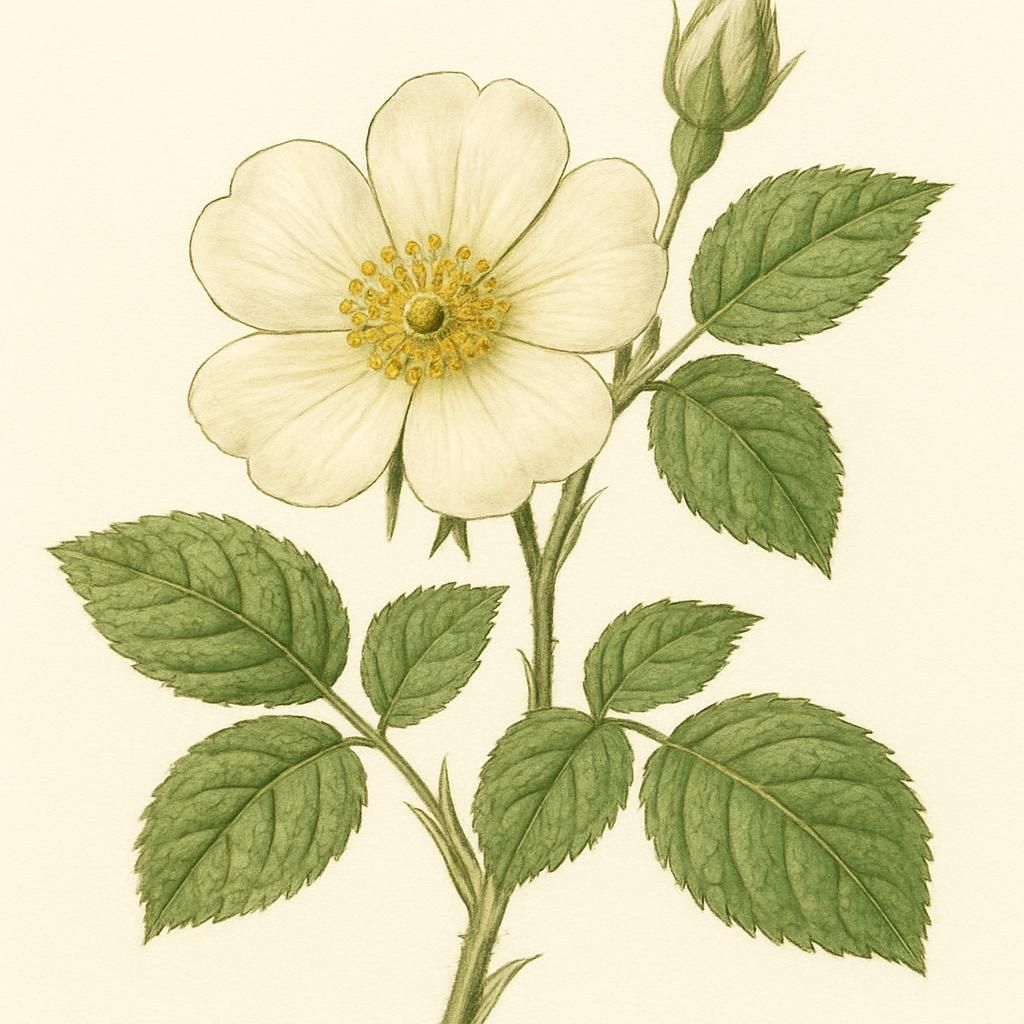
Amaranth (Red Hopi Dye)
Amaranth (Red Hopi Dye) is a versatile crop known for its vibrant red foliage and adaptability to various climates. It's valued both for its ornamental beauty and its traditional use in food and natural dye production.
View Guide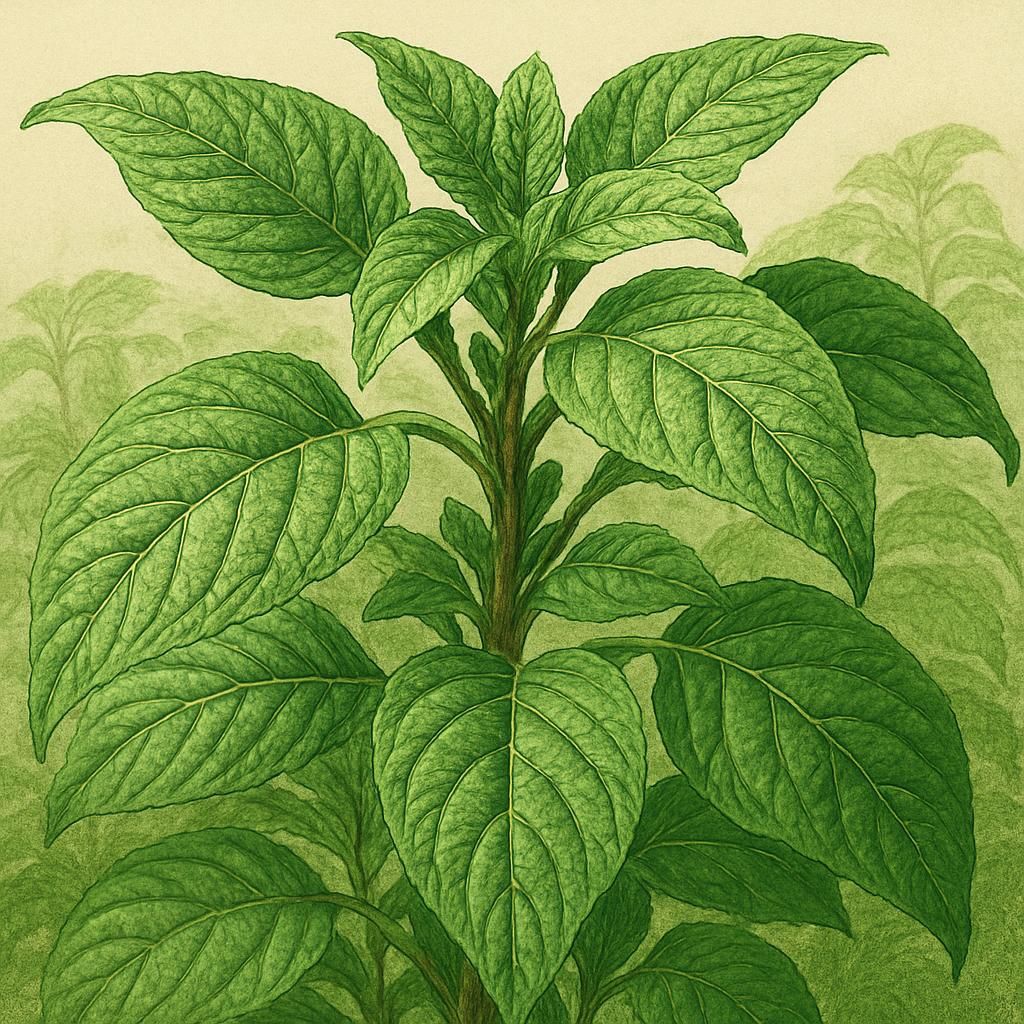
Amaranth Greens (Callaloo)
Amaranth Greens, commonly known as Callaloo, are leafy vegetables renowned for their nutritional benefits and versatility in cooking. This guide explores the optimal growing conditions, pest management, and harvesting techniques essential for a thriving amaranth crop.
View Guide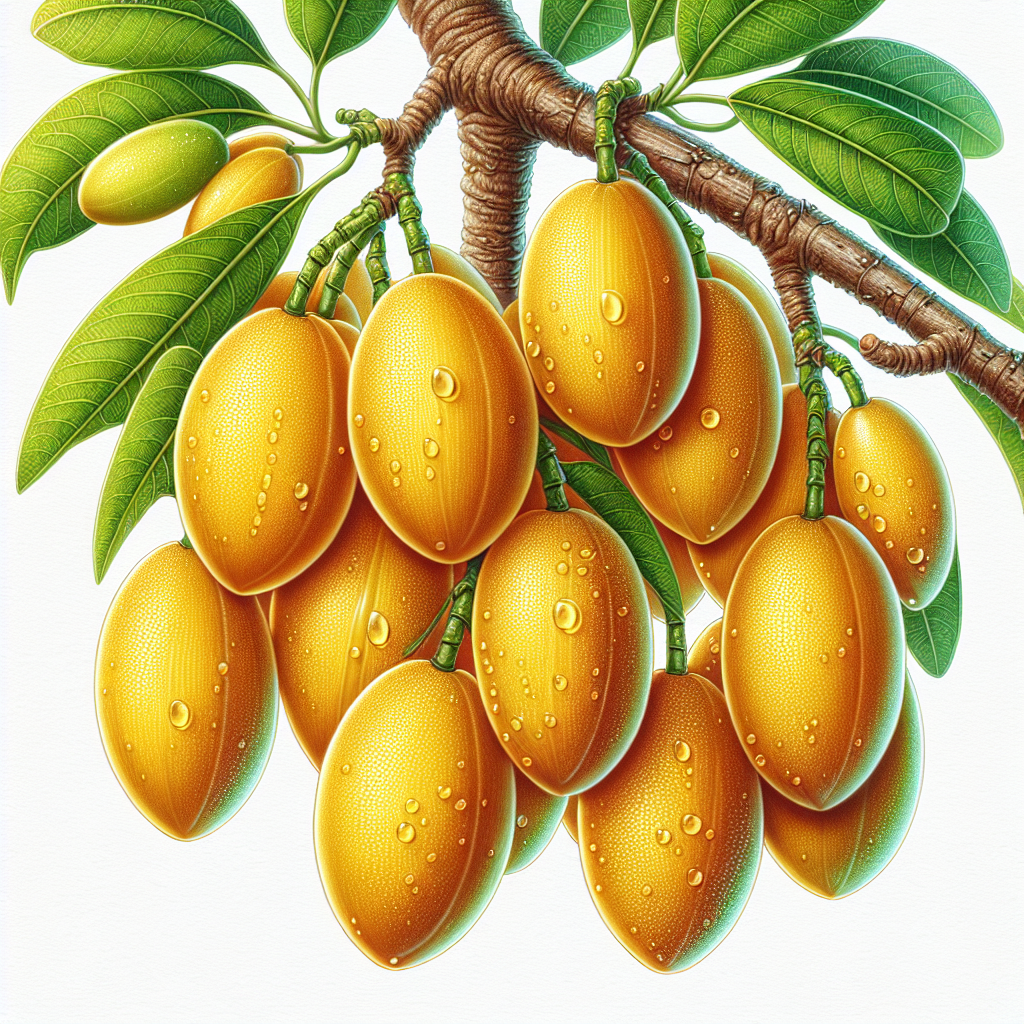
Ambarella (Kedondong)
Ambarella, also known as Kedondong or June plum, is a fast-growing tropical fruit tree prized for its juicy, tangy-sweet fruits used in salads, pickles, and juices. Native to Southeast Asia and Polynesia, it thrives in humid climates and yields abundant crops within 3-5 years. This guide provides expert cultivation techniques for optimal growth, pest management, and high yields.
View Guide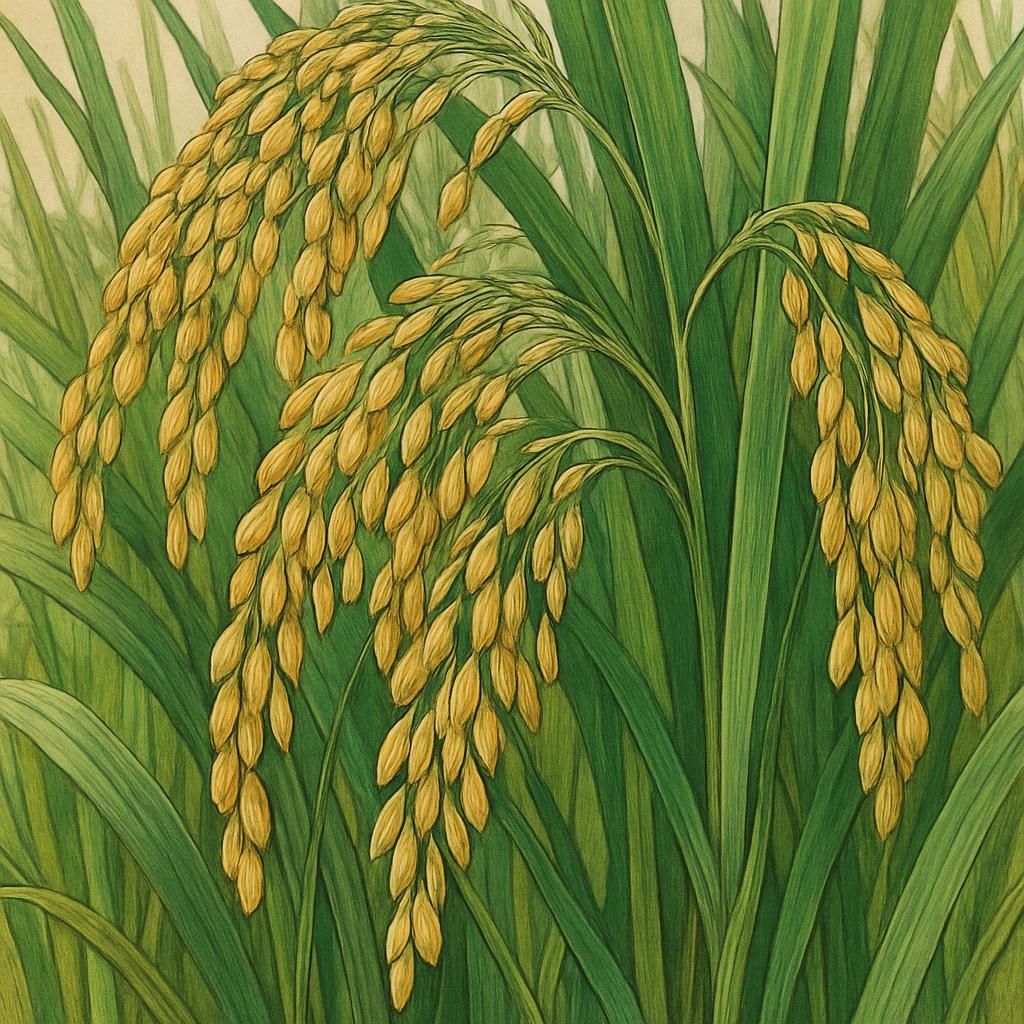
Ambemohar Rice
Ambemohar Rice is a fragrant, short-grain rice variety indigenous to the Maharashtra region of India. Known for its distinct aroma reminiscent of mango blossoms, it is a staple for traditional dishes like Puran Poli.
View Guide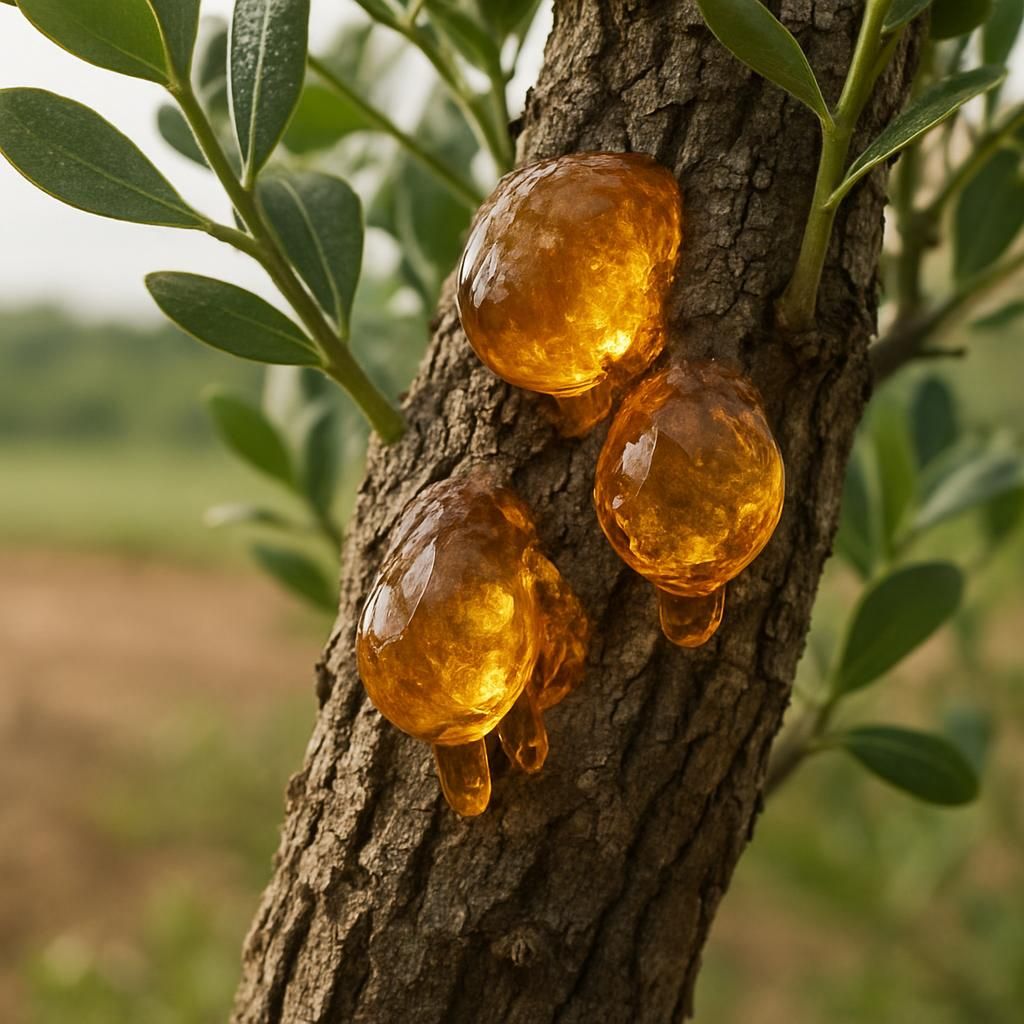
Amber Resin
Amber Resin is a high-value resin-producing perennial crop prized for its golden, aromatic exudate used in perfumery, varnishes, and traditional medicine. The plant thrives in warm subtropical to Mediterranean climates and requires well-drained sandy loam soils with careful management of pests and irrigation. This guide covers every stage from propagation to post-harvest curing for commercial and home growers.
View Guide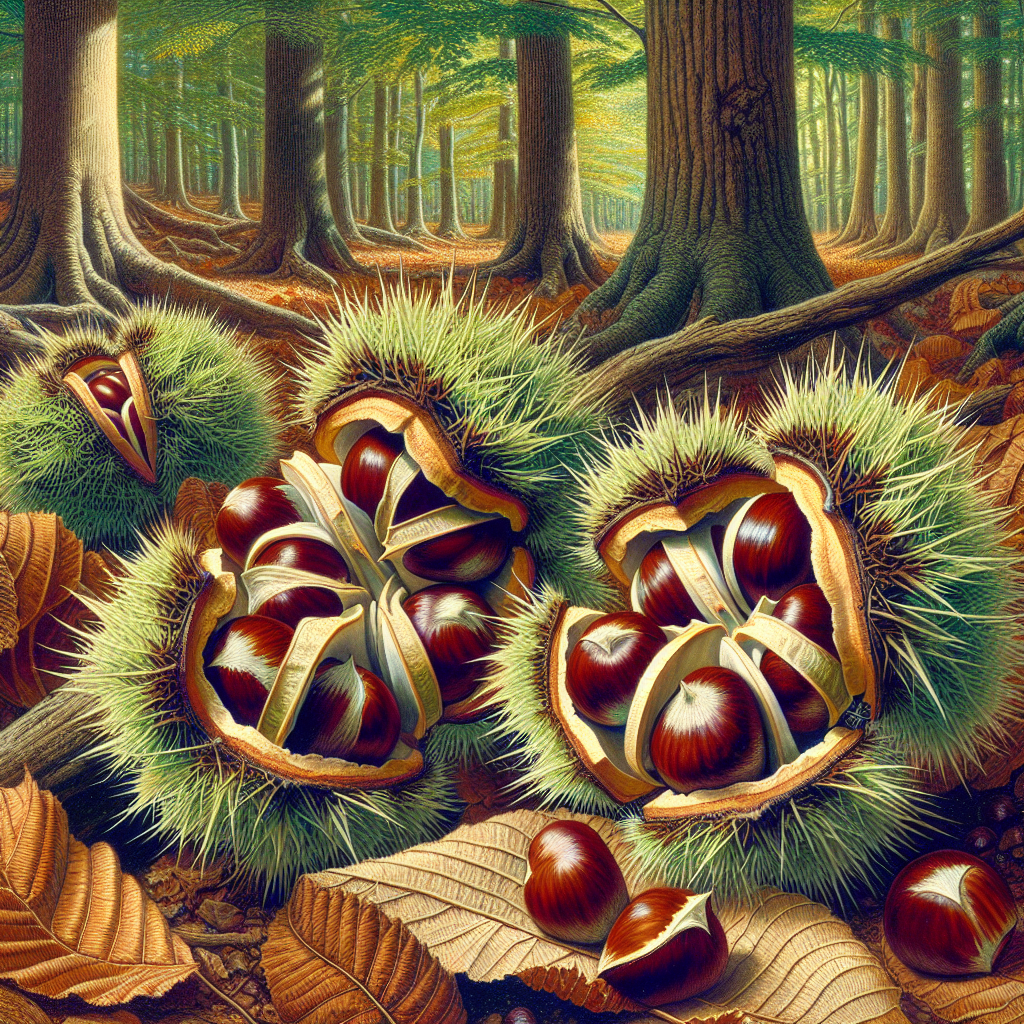
American Chestnut
The American Chestnut (Castanea dentata) was once a dominant forest tree in eastern North America, prized for its nutritious nuts and versatile timber. Devastated by chestnut blight in the early 20th century, blight-resistant hybrids and backcrossed varieties now offer growers a chance to revive this iconic crop. This guide provides professional cultivation strategies for successful American Chestnut production on small farms and homesteads.
View Guide
American gooseberry mildew
American gooseberry mildew is a destructive fungal disease caused by Sphaerotheca mors-uvae that primarily affects gooseberry and currant crops, leading to powdery white growth on leaves, stems, and fruits. It thrives in warm, humid conditions and can severely reduce yields if unmanaged. Effective organic control and prevention strategies focus on cultural practices, resistant varieties, and timely fungicide applications.
View Profile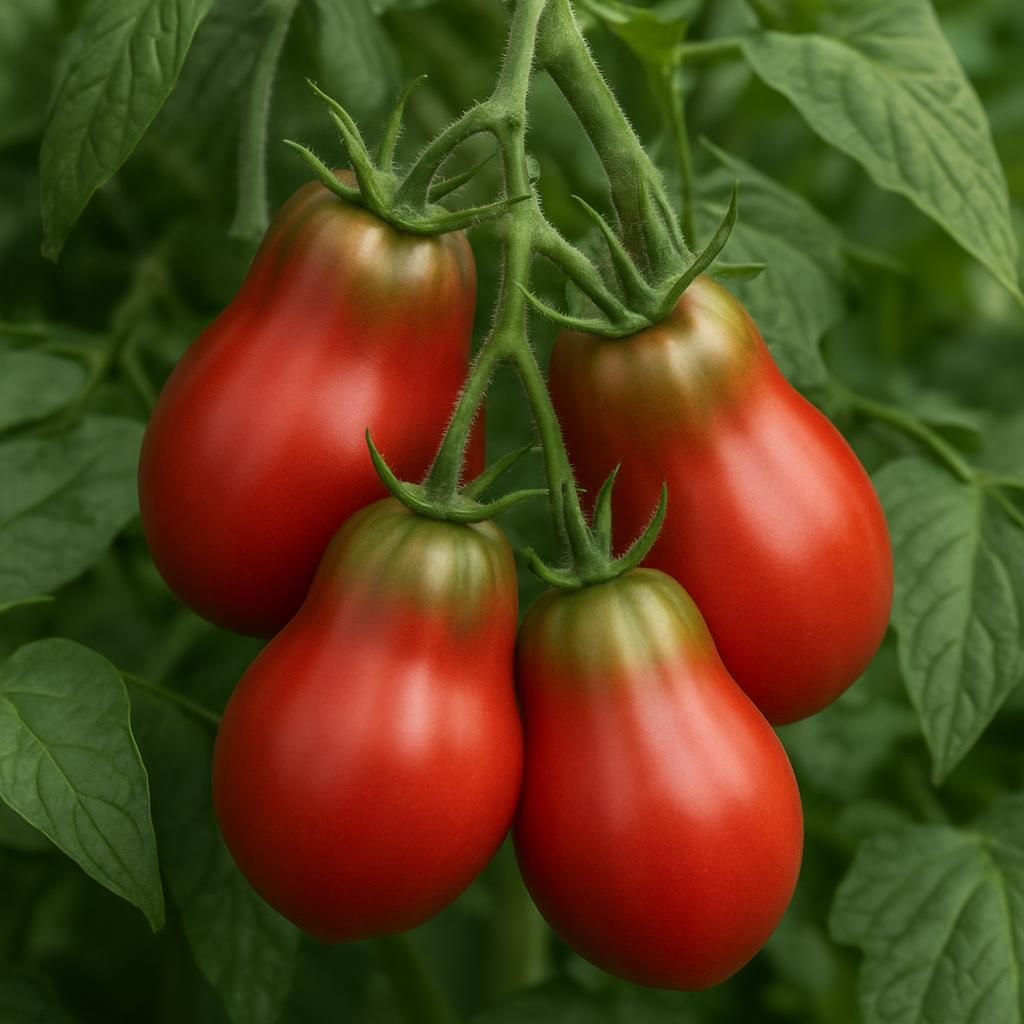
Amish Paste Tomato
Amish Paste Tomato is an heirloom indeterminate variety prized for its large, meaty fruits and rich flavor, making it ideal for sauces, canning, and fresh eating. This deep-dive guide covers botanical traits, optimal growing conditions, planting methods, care schedules, pest and disease management, harvesting, and companion planting strategies.
View Guide
Amrapali Mango
Amrapali Mango is a dwarf, high-density-compatible Indian mango cultivar prized for regular bearing, deep orange flesh, rich sweetness, and compact canopy. Developed from a cross between Dashehari and Neelum, it is especially valuable for home orchards and intensive commercial systems where space efficiency, manageable tree size, and dependable productivity matter.
View Guide
Anacardium Cashew
Anacardium Cashew is a tropical evergreen tree prized for its kidney-shaped nuts and the swollen cashew apple that develops beneath the true fruit. It is highly adapted to hot, seasonally dry climates and poor coastal soils, but commercial-quality yields depend on careful site selection, drainage management, canopy training, and disciplined harvest handling because raw cashew shells contain caustic oils.
View Guide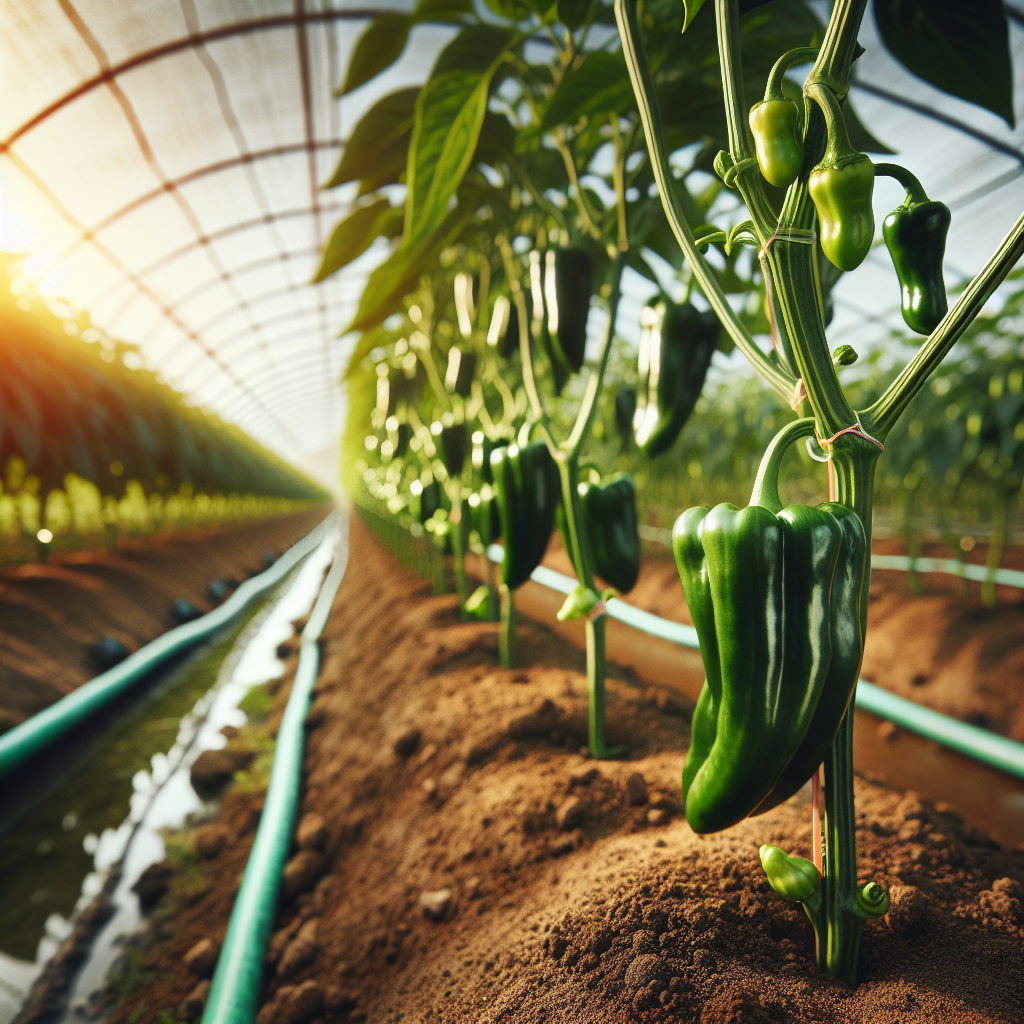
Anaheim Pepper
Anaheim pepper is a classic mild-to-medium chili prized for its long, tapered fruits, dependable productivity, and versatility in roasting, stuffing, drying, and fresh use. Well adapted to warm temperate and Mediterranean-style climates, it performs best with steady heat, fertile well-drained soil, and consistent moisture that avoids both drought stress and waterlogging.
View Guide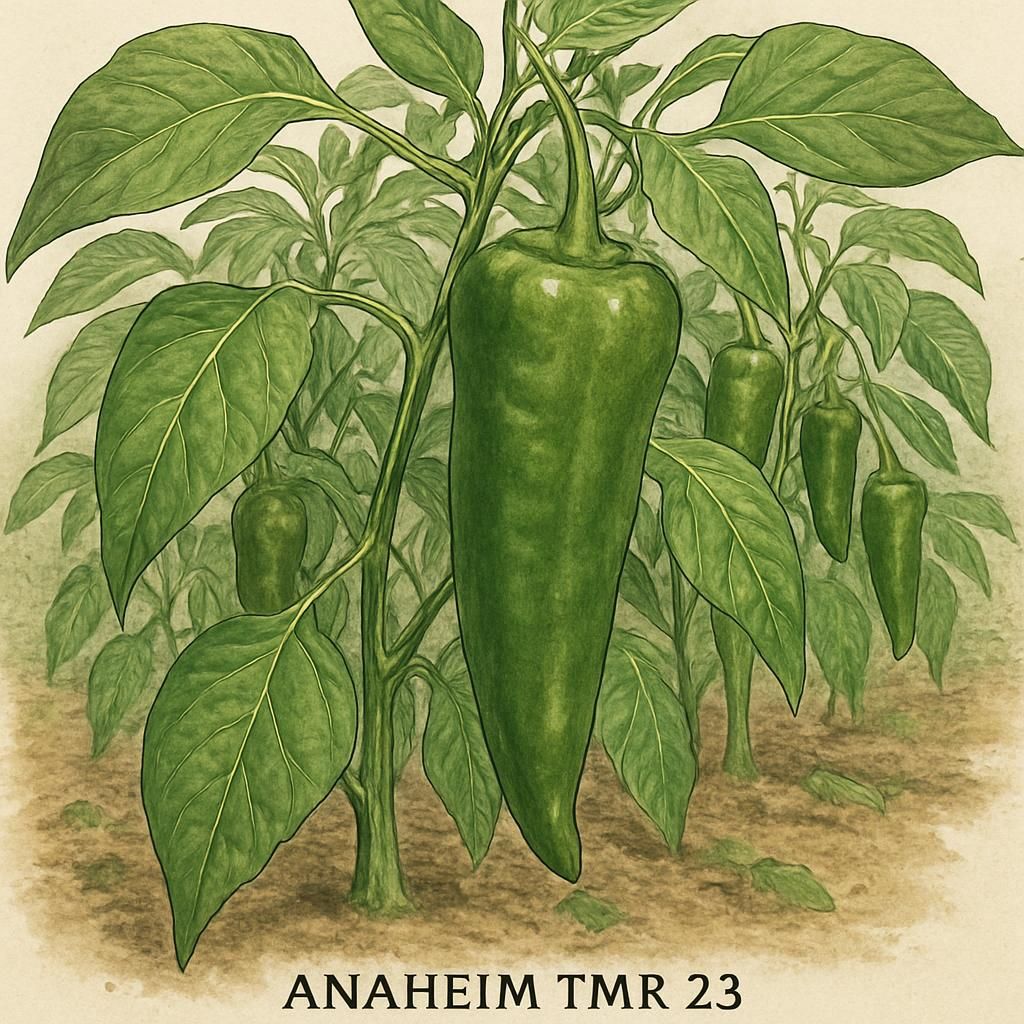
Anaheim TMR 23
Anaheim TMR 23 is a type of chili pepper known for its mild heat and versatility in cooking. It's easy to grow and thrives in warm climates.
View Guide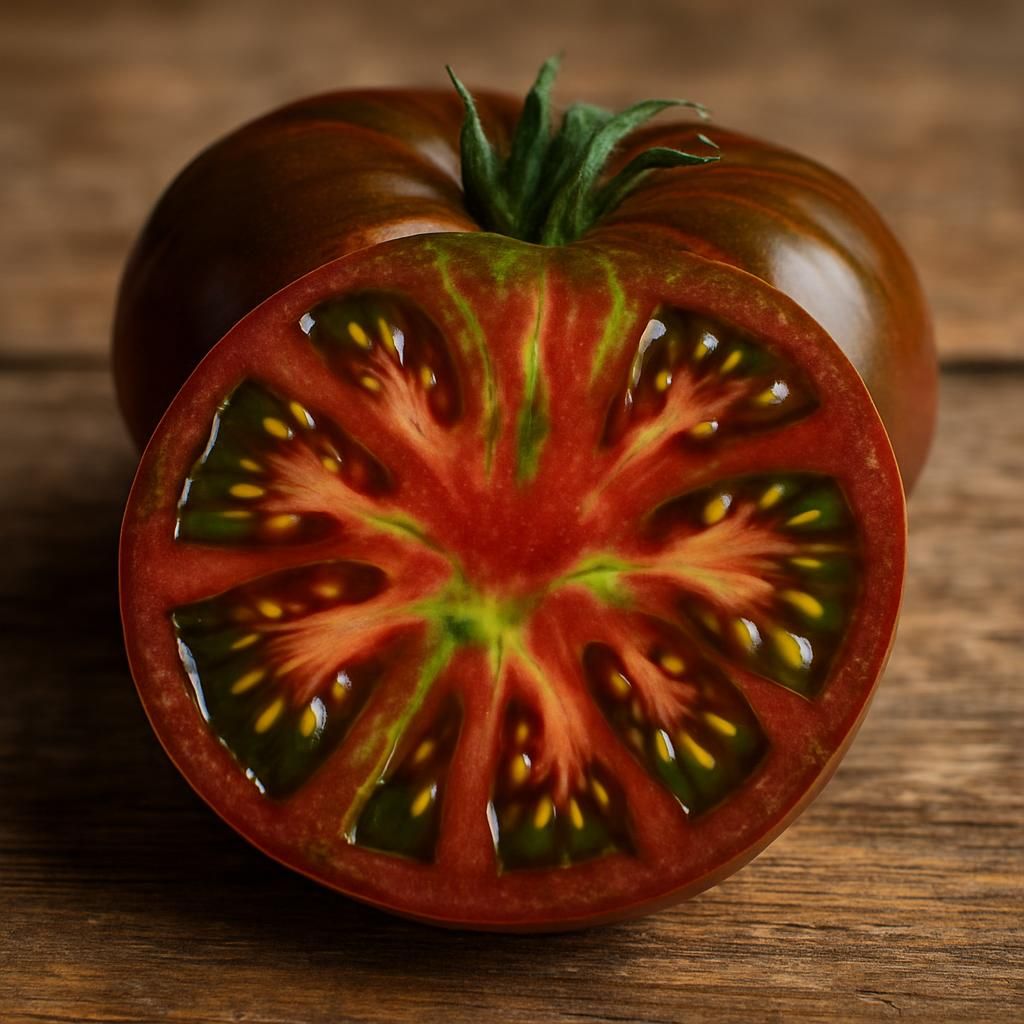
Ananas Noire Tomato
Ananas Noire is a rare, high-yielding indeterminate heirloom tomato prized for its massive, pineapple-shaped fruits with striking bicolor flesh that ripens from green to deep mahogany with emerald streaks. It offers exceptional flavor complexity, combining tropical sweetness with subtle acidity, making it a standout choice for home gardeners and market growers seeking both visual appeal and culinary versatility.
View Guide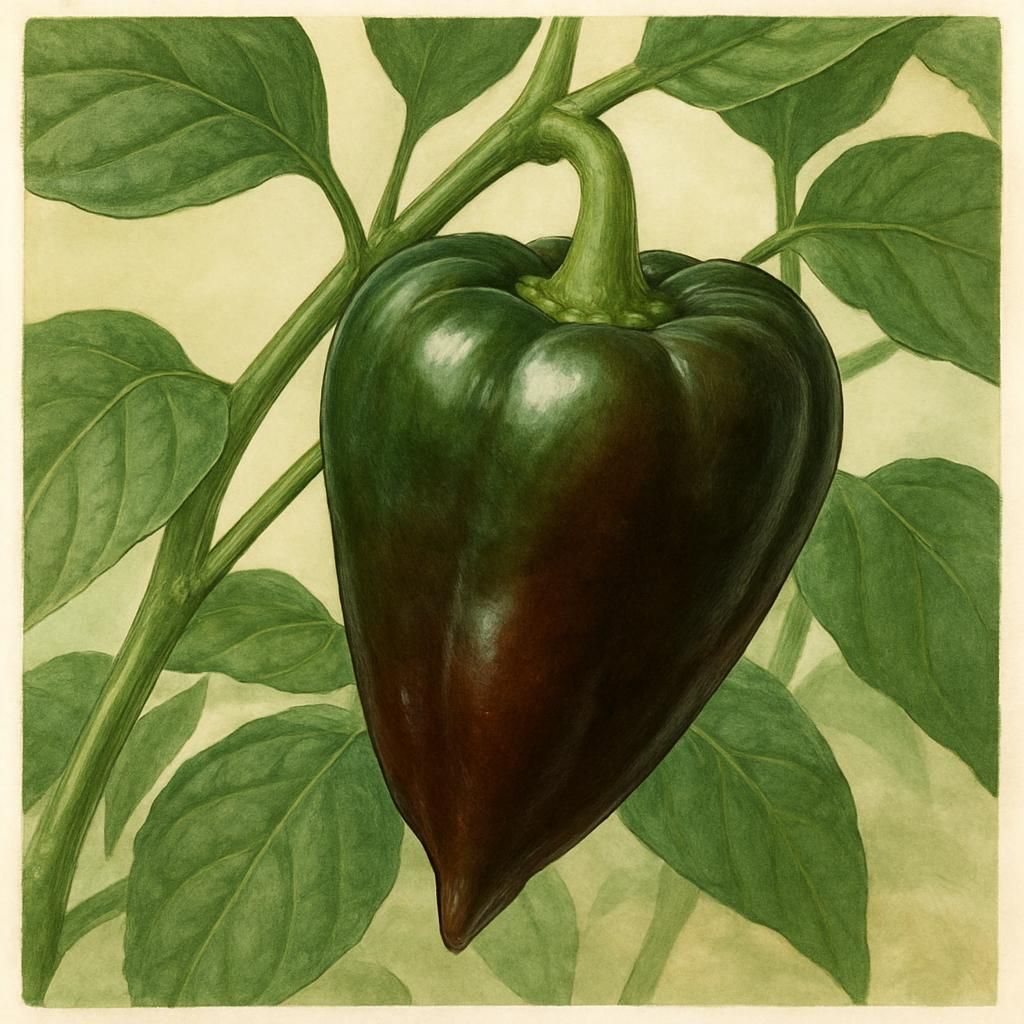
Ancho Gigantea Pepper
Ancho Gigantea is a large, heart-shaped poblano-type pepper prized for its mild heat, rich smoky flavor when dried, and exceptional size. This heirloom variety delivers high yields of thick-walled fruits reaching 6–8 inches long. It thrives in warm climates and is a staple for both fresh culinary use and authentic Mexican mole preparations.
View Guide
Anemone
Anemone is a cool-season flowering crop prized for its vibrant, poppy-like blooms and long vase life. This professional guide covers soil preparation, planting timelines, pest management, and harvest techniques for commercial and home growers seeking consistent high-quality yields.
View Guide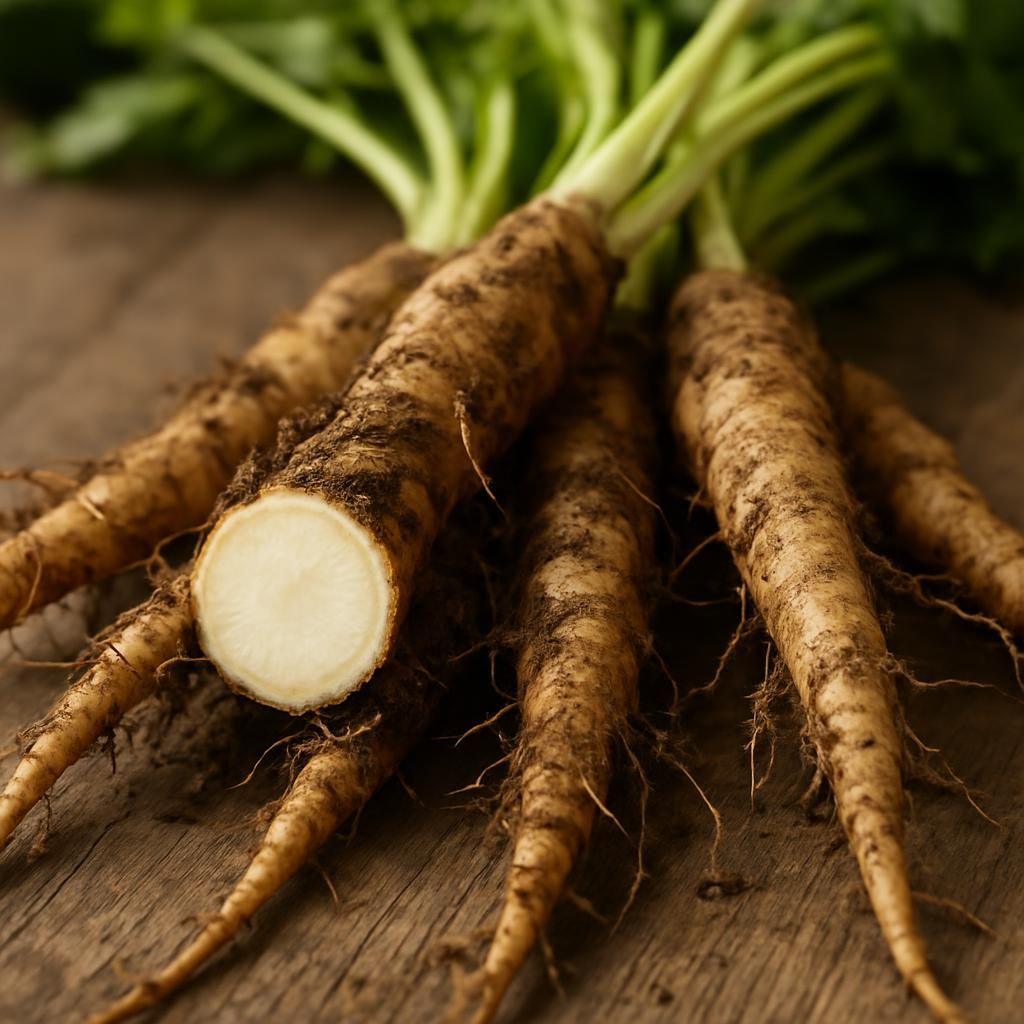
Angelica Root
Angelica Root is a biennial herb cultivated for its aromatic, medicinal taproot that thrives in cool, moist climates. This comprehensive guide covers soil preparation, planting, care, pest management, and harvesting practices for commercial and home growers seeking reliable yields.
View Guide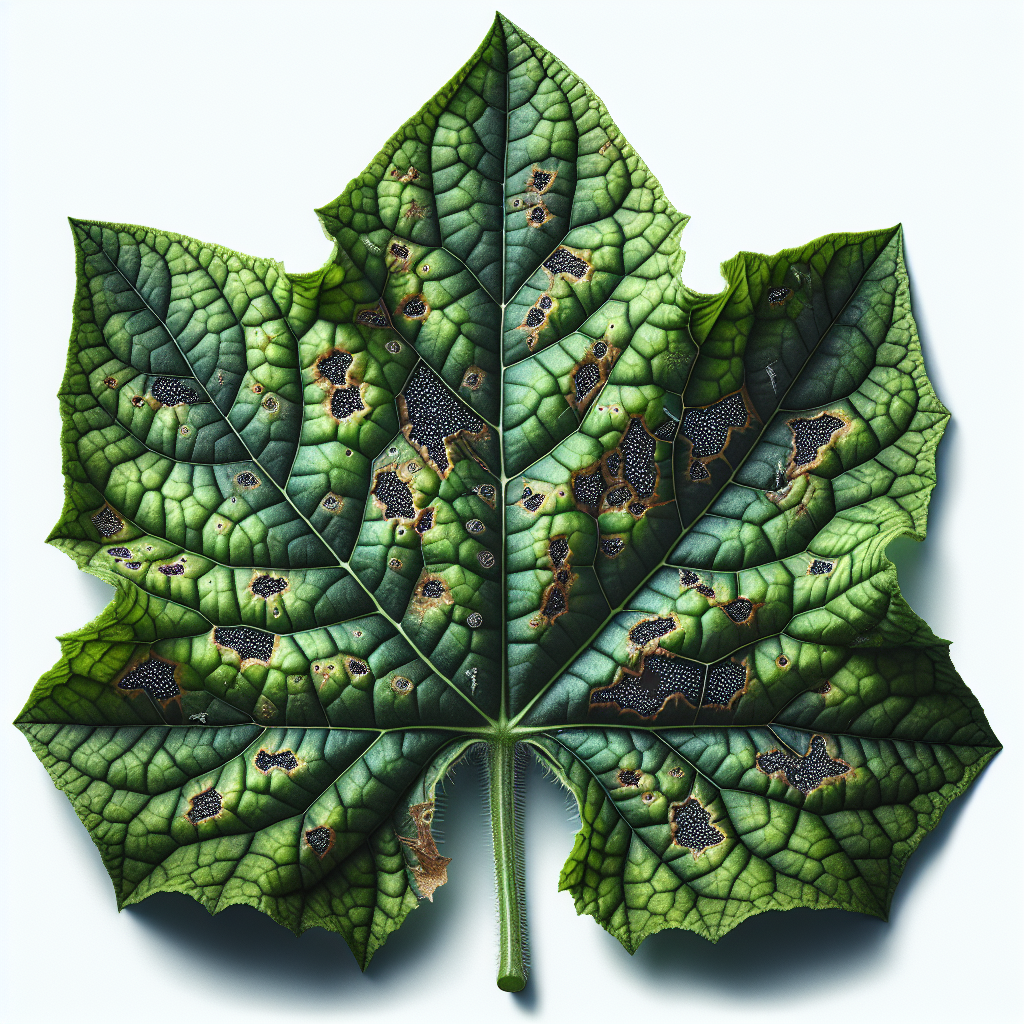
Angular leaf spot
Angular leaf spot is a widespread bacterial disease primarily affecting cucurbits, causing angular necrotic lesions on leaves that restrict plant growth and reduce yields. Prompt identification and management through sanitation and copper-based treatments are essential for control. This guide provides comprehensive diagnostic, organic treatment, and prevention strategies for farmers.
View Profile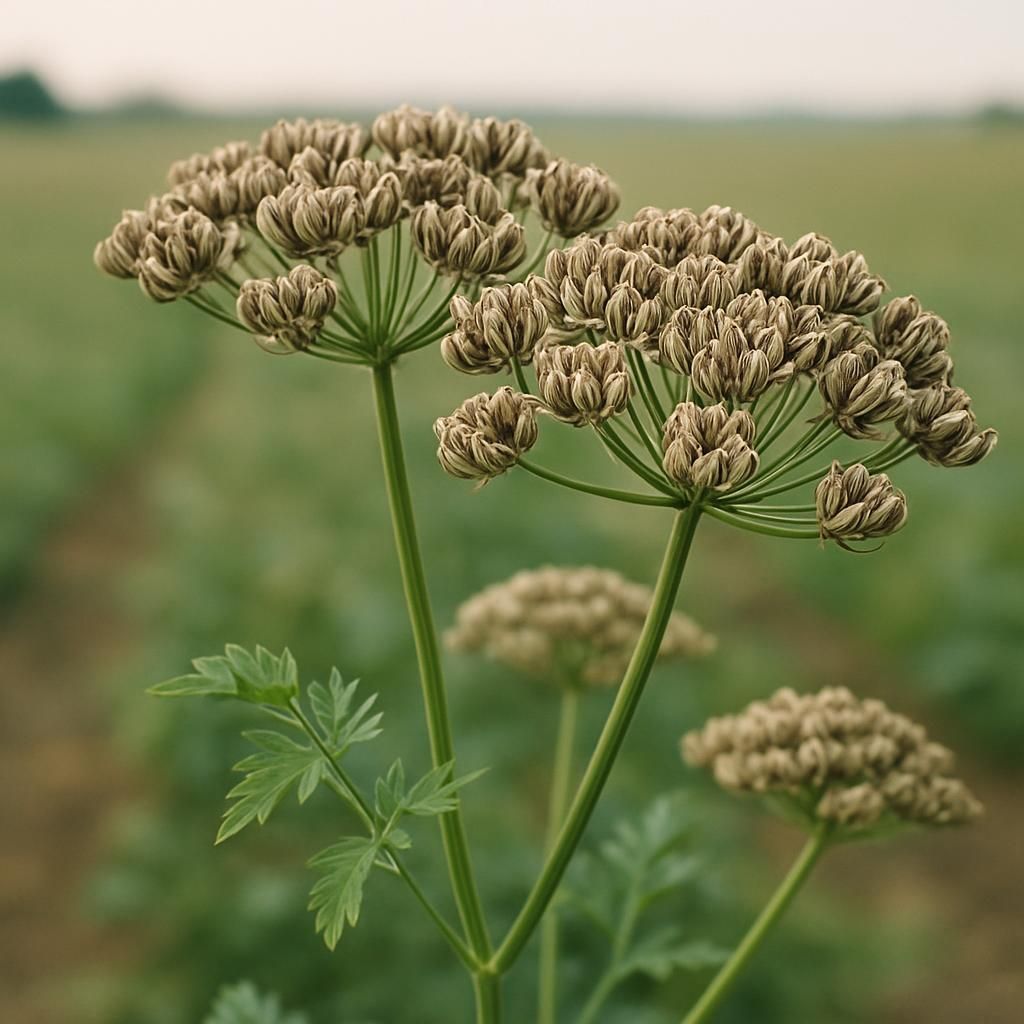
Anise Seed
Anise seed is a high-value annual herb grown for its aromatic seeds used in food, beverage, and medicinal markets. This guide delivers professional-grade, field-tested advice on soil preparation, planting, irrigation, pest management, and post-harvest handling for reliable commercial yields.
View Guide
Anisogramma anomala
Anisogramma anomala, commonly known as eastern filbert blight, is a destructive fungal disease primarily affecting hazelnuts and filberts. It causes cankers that girdle branches, leading to dieback and significant yield losses. Effective management relies on cultural practices, resistant varieties, and timely pruning.
View Profile
Anjou Pear
Anjou Pear is a classic European pear cultivar valued for its smooth texture, excellent storage life, and dependable productivity in cool-temperate orchards. Both Green Anjou and Red Anjou are grown commercially, with fruit typically harvested mature but firm and then ripened off the tree for best eating quality.
View Guide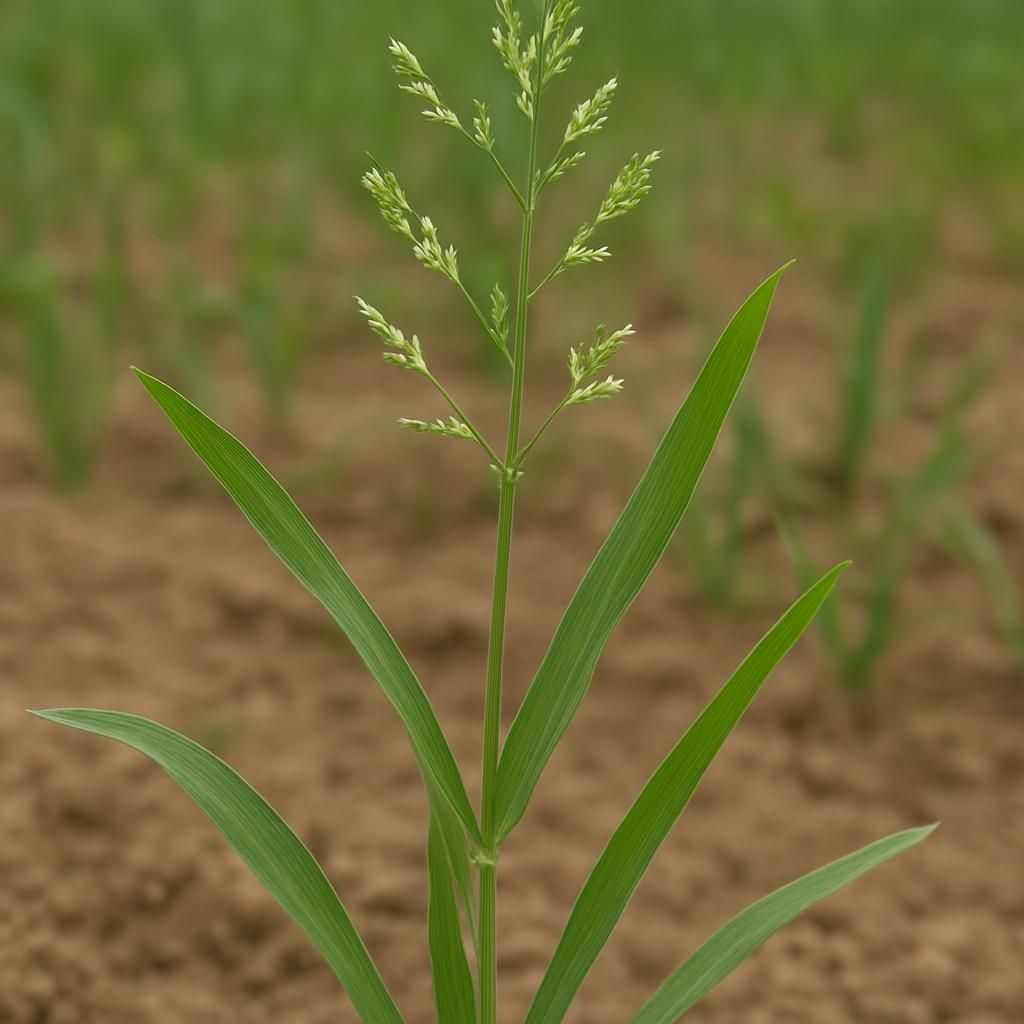
annual meadow grass
Annual meadow grass (Poa annua) is a widespread cool-season annual weed that invades lawns, pastures, and croplands, competing aggressively for water, nutrients, and light. It produces vast quantities of seed that germinate rapidly under cool, moist conditions, leading to dense patches that reduce crop yields and turf quality. Effective management combines cultural, mechanical, and targeted organic controls with vigilant prevention strategies.
View Profile
Anthracnose
Anthracnose is a widespread fungal disease caused by Colletotrichum species, affecting numerous crops by producing dark, sunken lesions on leaves, stems, and fruits. It thrives in warm, humid conditions, leading to significant yield losses if unmanaged. Effective diagnosis, organic treatments, and cultural practices are essential for control.
View Profile
anthracnose fruit rot
Anthracnose fruit rot is a destructive fungal disease caused by Colletotrichum species that primarily affects ripening fruits, leading to sunken lesions, rot, and significant yield losses in tropical and subtropical crops. It thrives in warm, humid conditions and spreads rapidly via rain splash and overhead irrigation. Effective management relies on cultural practices, resistant varieties, and timely organic fungicide applications.
View Profile
Ants
Ants are ubiquitous agricultural pests that primarily damage crops indirectly by farming aphids and other sap-sucking insects like [Aphids](/wiki/aphids) and [Scale insects](/wiki/scale-insects), protecting them from predators to harvest their honeydew. Direct feeding on seeds, fruits, and roots can also cause significant losses in crops such as [Tomato](/wiki/tomato) and [Potato](/wiki/potato). Effective management combines organic baits, cultural practices, and biological controls for sustainable control.
View Profile