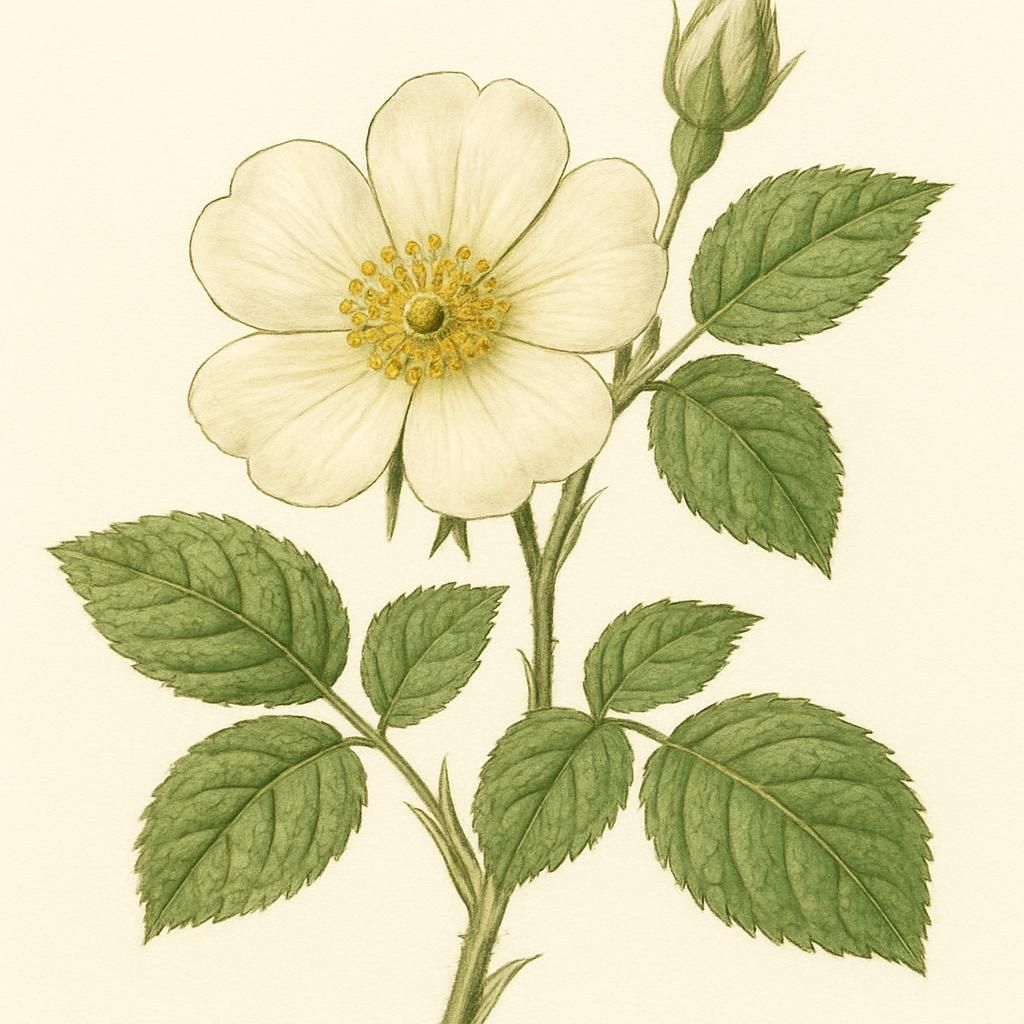
Introduction to Amaranth (Red Hopi Dye)
Amaranth (Red Hopi Dye) is an ancient crop with a rich history tied to indigenous cultures, particularly the Hopi tribe. Known for its striking red color, this plant is not only a source of natural dye but also serves as a nutritious grain.
Botanical Profile of Amaranth (Red Hopi Dye)
Amaranth (Red Hopi Dye) belongs to the Amaranthaceae family. Known scientifically as Amaranthus cruentus, it is characterized by vibrant red foliage and tall stalks that can reach up to six feet. The plant produces small, nutrient-rich seeds that are a staple in many diets around the world.
Soil, pH, and Climate Requirements for Amaranth (Red Hopi Dye)
Amaranth thrives in a variety of soil types but performs best in well-draining, loamy soil. It is drought-tolerant and can grow in areas with relatively poor soil fertility, making it a resilient crop choice.
| Parameter | Ideal Condition |
|---|---|
| Soil Type | Well-draining loamy soil |
| pH Range | 6.0 - 7.5 |
| Temperature Range | 70-85°F (21-29°C) |
| Rainfall | 15-24 inches annually |
Step-by-Step Planting & Propagation
Seed Selection and Preparation
Choose seeds from reputable suppliers to ensure high germination rates. Start sowing seeds indoors 6-8 weeks before the last frost date or directly sow in the garden once the soil warms.
Planting Process
- Soil Preparation: Till the soil deeply and mix in organic compost to increase fertility.
- Sowing Seeds: Sow seeds about 1/4 inch deep and cover lightly with soil. Space seeds 12-18 inches apart.
- Watering: Water the seeds gently to keep the soil moist but not waterlogged until germination.
- Thinning: Once seedlings are established, thin them to about 10-12 inches apart to give each plant room to grow.
Care & Maintenance Regimes for Amaranth (Red Hopi Dye)
Regular maintenance will ensure healthy growth and abundant yield.
| Activity | Frequency |
|---|---|
| Watering | Weekly, deeply |
| Fertilizing | Bi-monthly with compost or balanced fertilizer |
| Pruning | Trim dead or damaged foliage as needed |
Watering
Amaranth requires consistent moisture, especially during its germination and flowering stages. Water deeply once a week to encourage deep root growth.
Fertilization
Lightly feed with a balanced organic fertilizer or compost every two months to support growth and flowering.
Pruning
Regularly check for and prune any diseased or dead parts to promote healthy growth and limit the spread of potential pathogens.
Pests, Diseases & Organic Management
Amaranth is susceptible to pests like Spider Mites and diseases such as root rot.
Common Pests
- Spider Mites: Infestations can lead to leaf yellowing and plant stress.
- Organic Management: Use neem oil sprays or introduce natural predators like ladybugs.
Diseases
- Root Rot: Often caused by overly saturated soil.
- Prevention: Ensure proper drainage and avoid overhead watering.
For further guidance on organic pest management, consider reading 7 Summer Pest Traps That Sabotage Small Farm Harvests.
Harvesting, Curing & Optimal Storage
Amaranth leaves can be harvested continuously once the plant is 8 inches tall. The seeds are ready for harvest when the flowers start to fade and seeds detach easily from the tassel.
- Curing: After harvest, let seeds dry in the sun for a few days.
- Storage: Store seeds in airtight containers at room temperature to maintain freshness.
Companion Planting for Amaranth (Red Hopi Dye)
Amaranth pairs well with Corn and Beans, as part of a companion planting strategy that enhances nutrient use and helps manage pests organically. To learn more about maximizing yields through intercropping, review Spring Companion Planting: 8 Organic Pairings to Maximize Small Farm Yields.