Introduction to Amber Resin
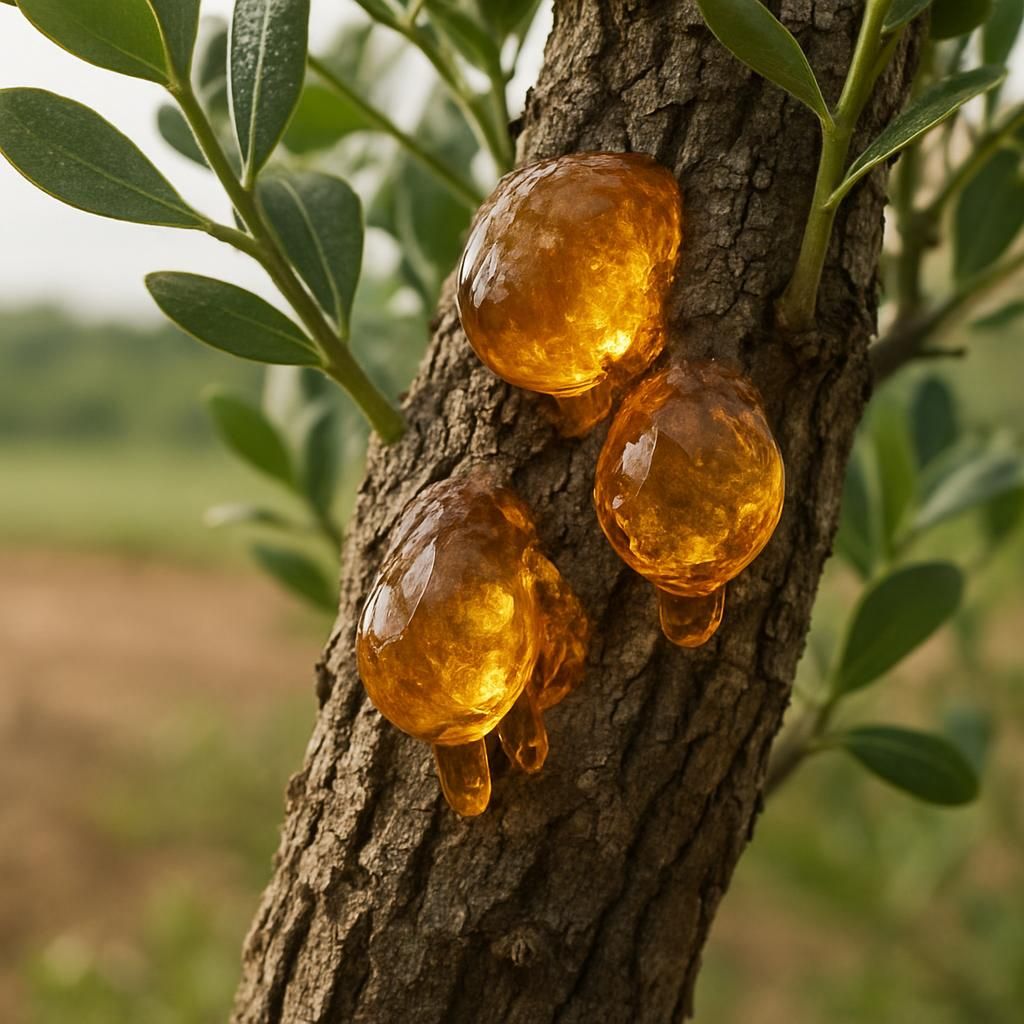
Amber Resin (Resina ambrata) is a resinous perennial shrub or small tree cultivated primarily for its translucent golden resin that hardens into aromatic nodules. The resin has been valued for centuries in incense, varnishes, and pharmaceuticals. Modern demand centers on sustainable sourcing for natural perfumery and eco-friendly coatings. Growers appreciate its relatively low water needs once established and its ability to produce harvestable resin within three to four years.
Commercial viability depends on selecting high-resin clones, maintaining optimal soil drainage, and protecting young plants from frost. This crop suits small farms and specialty growers seeking a niche product with strong export potential. Success requires attention to climate, soil chemistry, and integrated pest management.
Botanical Profile of Amber Resin
Amber Resin belongs to the family Anacardiaceae and produces alternate, leathery leaves with a slightly resinous sheen. The plant develops a deep taproot that anchors it against drought and wind. Small, inconspicuous yellow-green flowers appear in panicles during late spring, followed by clusters of small drupes that are typically non-edible. Resin ducts run throughout the bark and leaves, exuding a viscous sap when the plant is wounded or stressed. Resin color ranges from pale straw to deep amber depending on oxidation and seasonal temperature.
Mature specimens reach 3–6 meters in height with a spreading canopy of 2–4 meters. Growth rate is moderate; annual height increase averages 40–60 cm under optimal conditions. The species is evergreen in frost-free zones but may drop leaves during prolonged drought or cold stress. Resin quality improves with plant age, peaking between years 8–15.
Soil, pH, and Climate Requirements for Amber Resin
Amber Resin demands well-aerated, low-fertility soils that prevent waterlogging. Heavy clay or compacted soils lead to root rot and reduced resin flow. The plant tolerates mild salinity but performs best in neutral to slightly acidic conditions.
| Parameter | Ideal Range | Notes |
|---|---|---|
| Soil Type | Sandy loam to loamy sand | High drainage essential; avoid heavy clays |
| Soil pH | 6.0 – 7.2 | Slight acidity improves resin quality |
| Temperature Range | 18–32 °C daytime | Frost below –2 °C damages young growth |
| Annual Rainfall | 400–800 mm | Supplemental irrigation in dry periods |
| Relative Humidity | 40–65 % | Higher humidity increases fungal risk |
| Elevation | 0–900 m | Higher elevations slow resin maturation |
| Sunlight | Full sun (6–8 hours) | Partial shade reduces resin yield |
Step-by-Step Planting & Propagation
Propagation is achieved through semi-hardwood cuttings taken in early spring or by air-layering established branches. Select healthy, disease-free donor plants and treat cuttings with a rooting hormone containing 0.3 % IBA. Place cuttings in sterile perlite-sand mix under 70–80 % humidity until roots form in 6–8 weeks.
Field planting occurs after the last frost when soil temperature reaches 18 °C. Dig holes 60 cm wide and 50 cm deep, spacing plants 3 m × 3 m for commercial orchards. Incorporate 5 kg of well-rotted compost and 200 g of rock phosphate per planting hole. Water thoroughly after transplanting and apply a 5 cm mulch layer to conserve moisture.
Seed propagation is possible but results in variable resin quality; use only when clonal material is unavailable. Scarify seeds and sow in nursery beds at 2 cm depth. Germination occurs in 18–25 days at 24 °C. Transplant seedlings at the four-leaf stage into 15 cm pots and grow on for one season before field setting.
Care & Maintenance regimes for Amber Resin
Young plants require consistent moisture during the first two growing seasons. Once established, Amber Resin tolerates moderate drought but benefits from deep watering every 10–14 days during peak summer heat. Over-watering promotes fungal diseases and dilutes resin concentration.
| Season | Watering Schedule | Fertilizer Application | Pruning Schedule |
|---|---|---|---|
| Spring | 15–20 L per plant weekly | 200 g NPK 10-10-10 + micronutrients mid-March | Remove dead wood and shape canopy early March |
| Summer | 25–30 L per plant every 10 days | 150 g potassium sulfate early June | Light tipping of new shoots late June |
| Autumn | 10–15 L per plant bi-weekly | 100 g bone meal late September | Remove crossing branches mid-October |
| Winter | Minimal; protect from frost | None | Sanitary pruning only after leaf drop |
Mulch with 8–10 cm of organic material year-round to suppress weeds and moderate soil temperature. Monitor leaf color; pale foliage indicates nitrogen deficiency while scorched margins suggest potassium shortage. Apply foliar micronutrient sprays twice per season if soil tests show deficiencies.
Pests, Diseases & Organic Management
Common pests include Aphids, Spider mites, and Mealybugs. Monitor weekly and release predatory mites or lady beetles at first sign of infestation. Neem oil sprays at 0.5 % concentration every 10 days provide effective control without residue.
Fungal issues such as Root rot and Powdery mildew arise in poorly drained or overly humid conditions. Improve drainage with raised beds and apply sulfur-based fungicides at the first sign of white powdery growth. Phytophthora can devastate young orchards; avoid over-irrigation and use resistant rootstocks where available.
Regular sanitation—removing fallen leaves and pruning infected wood—reduces overwintering inoculum. Encourage beneficial insects by planting flowering understory species such as Thyme and Yarrow.
Harvesting, Curing & Optimal Storage
Resin harvesting begins in year three. Make shallow V-shaped incisions on the trunk during the dry season when resin flow is highest. Collect exudate every 7–10 days using stainless steel scrapers. Avoid deep cuts that stress the plant or invite disease.
Fresh resin is strained through fine mesh to remove bark fragments then spread in thin layers on food-grade trays. Cure in a shaded, well-ventilated area at 25–28 °C for 14–21 days until the material hardens into translucent amber nodules. Store cured resin in airtight glass or food-grade plastic containers away from direct sunlight and moisture. Properly cured resin maintains aroma and color for up to five years.
Companion Planting for Amber Resin
Amber Resin benefits from nitrogen-fixing companions such as Clover and Pigeon pea planted in alleyways. These legumes improve soil fertility and attract pollinators. Aromatic herbs including Rosemary and Thyme deter aphids and improve air circulation around the canopy.
Avoid planting heavy feeders like Corn or Tomato nearby, as they compete for nutrients and increase humidity. Interplanting with Marigold creates a natural barrier against nematodes and adds visual appeal to the orchard floor. Rotate companion species every three years to prevent pest buildup and maintain soil health.