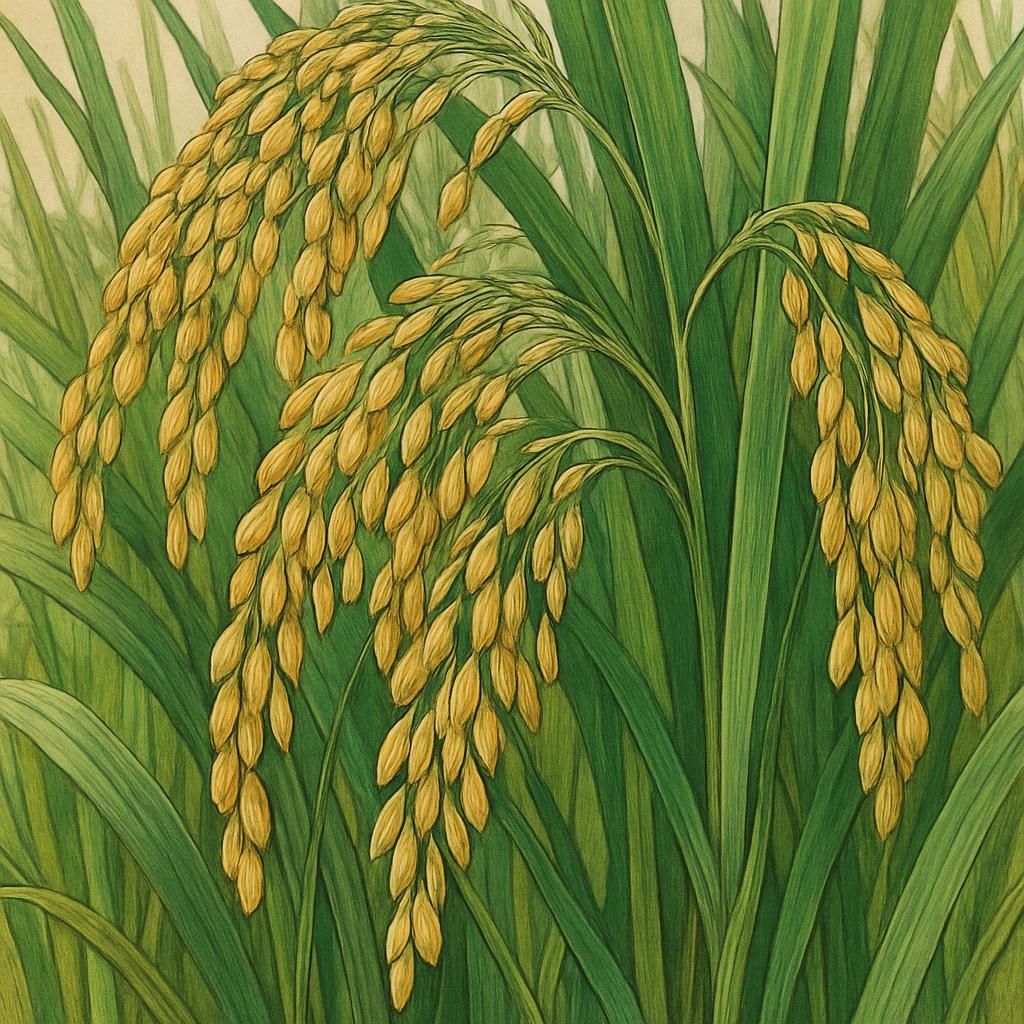
Introduction to Ambemohar Rice
Ambemohar Rice is a traditional variety of rice primarily grown in the Western Ghats of Maharashtra, India. The name "Ambemohar" translates to "mango blossom," indicative of its unique and enticing aroma that resembles the fragrance of mango leaves. This short-grain rice is widely appreciated for its delicate texture and is a staple in Maharashtrian cuisine, especially during festivals and special occasions.
Botanical Profile of Ambemohar Rice
Ambemohar Rice belongs to the species Oryza sativa, a category of the short-grain Indica varieties. The grains are notably small and pearl-like with a soft texture once cooked. It matures within 120 days from transplanting, making it a preferred choice for many growers seeking a medium-term crop cycle.
Soil, pH, and Climate Requirements for Ambemohar Rice
Ambemohar Rice thrives best in specific soil and climatic conditions. The soil must be rich, well-draining, and slightly acidic to neutral. This traditional crop also requires specific climate conditions to maximize its yield potential.
| Condition | Ideal Range |
|---|---|
| Soil Type | Loamy, clayey |
| Soil pH | 5.5 - 7.5 |
| Temperature | 21°C - 37°C (70°F - 98°F) |
| Rainfall | 1000 - 1500 mm annually |
Step-by-Step Planting & Propagation
Site Selection and Preparation: Select a field that receives full sunlight and is protected from strong winds. Prepare the soil by plowing and leveling it to ensure even water distribution.
Nursery Preparation: Raise seedlings in a nursery bed. Sow seeds evenly and cover them lightly with soil.
Transplanting: Once seedlings are 15-20 cm tall, transplant them into the main fields with a spacing of 15 x 15 cm to ensure adequate growth and development.
Water Management: Maintain an optimal water level of 2-5 cm in the field for proper tillering and stability.
Care & Maintenance Regimes for Ambemohar Rice
Irrigation, Fertilization, and Pruning Schedule
| Task | Schedule |
|---|---|
| Watering | Regular flooding, keep soil saturated |
| Fertilizing | Apply 30 kg N/ha at the time of planting; follow up with 15 kg at tillering stage |
| Weeding | Regularly remove weeds to prevent competition |
Pests, Diseases & Organic Management
Ambemohar Rice is susceptible to certain pests and diseases like the Rice Blast and Brown Planthopper. Regular monitoring and integrated pest management practices are crucial. Use organic neem oil sprays to manage pests and maintain proper field hygiene to reduce disease incidence. For more on organic strategies, see Crop Diseases Under the Microscope: 9 Organic Fixes for Small Farm Resilience.
Harvesting, Curing & Optimal Storage
Harvest when grains are mature, at around 25% moisture content. Post-harvest, allow the rice to cure in a dry and shaded area, reducing its moisture to 12-14% for optimal storage. Utilize airtight containers or bags to prevent pest infestations, ensuring temperature-controlled storage if possible.
Companion Planting for Ambemohar Rice
Companion planting can improve soil fertility and assist in pest management. Suitable companions include Pigeon Pea, which can help enhance soil nitrogen content, and Turmeric to deter pests naturally.