Introduction to Amish Paste Tomato
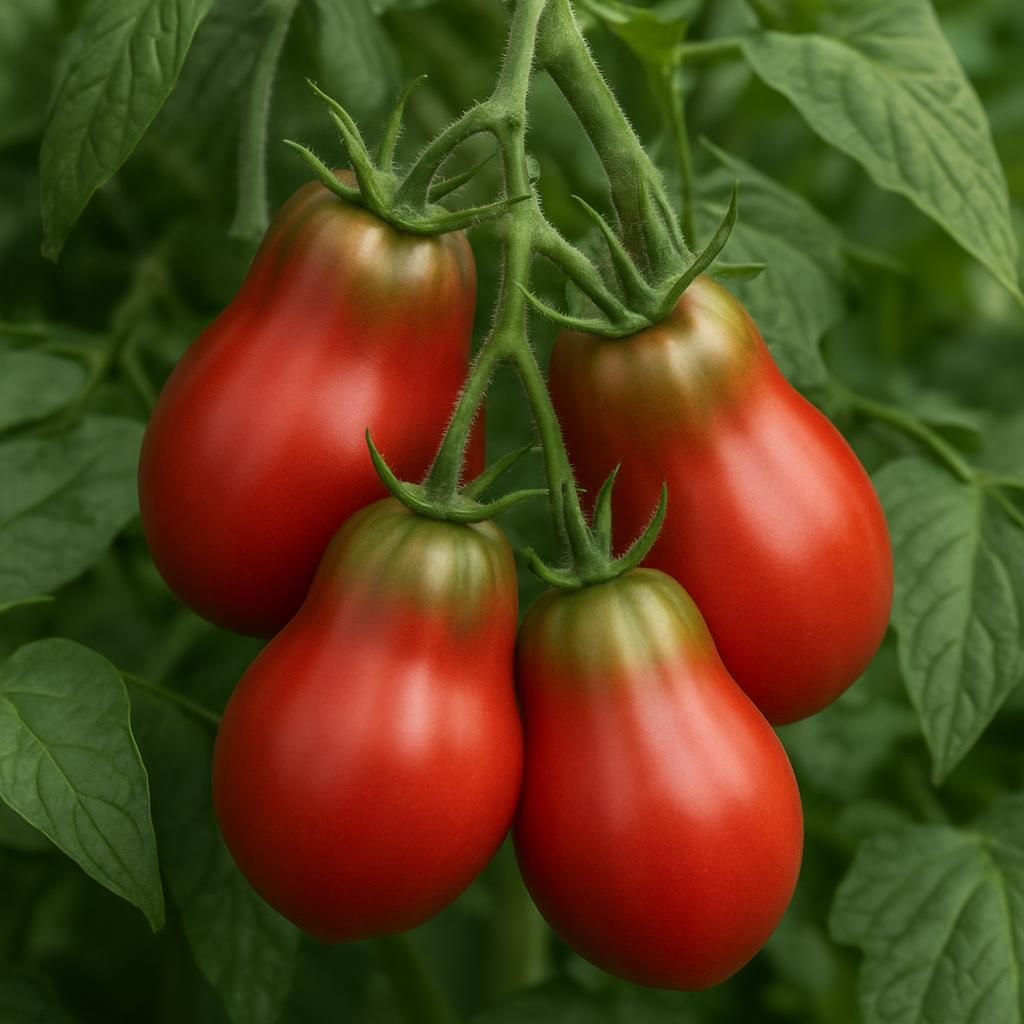
Amish Paste Tomato is a beloved heirloom variety originating from Amish communities in the United States, valued for its exceptional flavor, high flesh-to-seed ratio, and versatility in the kitchen. The fruits are typically 6–12 ounces, pear- to oxheart-shaped, with thick walls and few seeds, making them perfect for sauces, pastes, and canning. Gardeners appreciate its productivity, disease resistance, and ability to thrive in a range of climates when given proper care. This comprehensive guide provides professional-grade advice for successfully growing Amish Paste Tomato from seed to harvest.
Botanical Profile of Amish Paste Tomato
Amish Paste Tomato belongs to the nightshade family, Solanaceae, and is botanically classified as Solanum lycopersicum. It is an indeterminate variety, meaning it continues to grow and produce fruit throughout the season until killed by frost. Plants reach 6–8 feet in height and benefit from strong staking or caging. The foliage is dark green and slightly fuzzy, with compound leaves typical of tomatoes. Fruits ripen to a deep red, often with green shoulders, and exhibit a balanced sweet-tart flavor profile prized by chefs and home preservers alike.
Soil, pH, and Climate Requirements for Amish Paste Tomato
Successful cultivation begins with understanding the ideal environmental parameters. Amish Paste Tomato prefers well-drained, fertile loam enriched with organic matter. Consistent moisture without waterlogging is critical to prevent issues like Blossom End Rot. The variety performs best in full sun with at least 8 hours of direct light daily and temperatures between 70–85°F during the day.
| Parameter | Ideal Range/Value | Notes |
|---|---|---|
| Soil Type | Loamy, well-drained | Add compost or aged manure for fertility |
| Soil pH | 6.2–6.8 | Test soil annually; amend with lime if low |
| Temperature (Day) | 70–85°F (21–29°C) | Protect from frost; use row covers early |
| Temperature (Night) | 55–65°F (13–18°C) | Avoid prolonged exposure below 50°F |
| Sunlight | Full sun, 8+ hours | South-facing sites maximize production |
| Spacing | 24–36 inches between plants | Rows 4–5 feet apart for airflow |
| Growing Season | 75–85 days to maturity | Start seeds indoors 6–8 weeks before last frost |
Step-by-Step Planting & Propagation
- Start seeds indoors 6–8 weeks before the last expected frost in your area. Use a sterile seed-starting mix and maintain soil temperature at 70–80°F for optimal germination.
- Sow seeds ¼ inch deep and keep consistently moist. Germination typically occurs in 5–10 days.
- Once seedlings develop two true leaves, transplant into larger containers and provide 14–16 hours of light daily.
- Harden off plants for 7–10 days by gradually exposing them to outdoor conditions before transplanting.
- Transplant outdoors when soil temperature reaches at least 60°F and all danger of frost has passed. Space plants 24–36 inches apart in rows 4–5 feet wide.
- Install stakes, cages, or trellises at planting time to support the vigorous indeterminate vines.
- Water thoroughly after transplanting and apply a layer of organic mulch to conserve moisture and suppress weeds.
Care & Maintenance regimes for Amish Paste Tomato
Consistent care ensures healthy plants and abundant harvests. Focus on balanced watering, timely fertilization, and strategic pruning to direct energy into fruit production rather than excessive foliage.
| Task | Schedule | Details |
|---|---|---|
| Watering | 1–2 inches per week | Deep, infrequent watering; avoid wetting foliage |
| Fertilizer (Early) | At transplant and 2 weeks later | Balanced NPK (e.g., 10-10-10) or fish emulsion |
| Fertilizer (Fruiting) | Every 3–4 weeks after first fruit | Switch to high-phosphorus formula (e.g., 5-10-10) |
| Pruning | Weekly starting at 12 inches tall | Remove suckers below first flower cluster; maintain 1–2 main stems |
| Mulching | Immediately after transplant | 2–3 inches organic mulch (straw, leaves) |
| Weeding | As needed | Hand-pull or shallow cultivate to avoid root damage |
Pests, Diseases & Organic Management
Amish Paste Tomato can be affected by common tomato pests and diseases. Monitor plants regularly and implement integrated pest management strategies.
Common pests include Aphids, Hornworms, Spider Mites, and Flea Beetles. Use insecticidal soap, neem oil, or hand removal for control. Encourage beneficial insects like ladybugs and lacewings.
Diseases such as Early Blight, Late Blight, Septoria Leaf Spot, and Fusarium Wilt are frequent challenges. Practice crop rotation, provide adequate spacing for airflow, and avoid overhead watering. Apply copper-based fungicides or Bacillus subtilis products as preventive organic measures. Remove and destroy infected plant material at season's end.
Harvesting, Curing & Optimal Storage
Harvest Amish Paste Tomatoes when fruits reach full color and yield slightly to gentle pressure. For peak flavor, allow fruits to ripen on the vine. Pick green fruits before first frost and ripen indoors in a paper bag or on a windowsill.
For sauce production, harvest at peak ripeness and process immediately. Store ripe fruits at room temperature for up to one week. For longer storage, can, freeze, or dehydrate fruits. Never refrigerate ripe tomatoes as it diminishes flavor and texture.
Companion Planting for Amish Paste Tomato
Strategic companions improve pollination, deter pests, and enhance soil health. Plant Basil nearby to repel pests and improve flavor. Marigold and Nasturtium deter nematodes and aphids. Borage attracts pollinators. Avoid planting near Fennel or Walnut trees, which can inhibit tomato growth.
Good companions also include Peppers, Onions, Carrots, and Lettuce. Rotate planting locations yearly to reduce disease buildup. Consider the Summer Companion Planting: 10 Organic Pairings to Boost Small Farm Resilience for additional strategies.