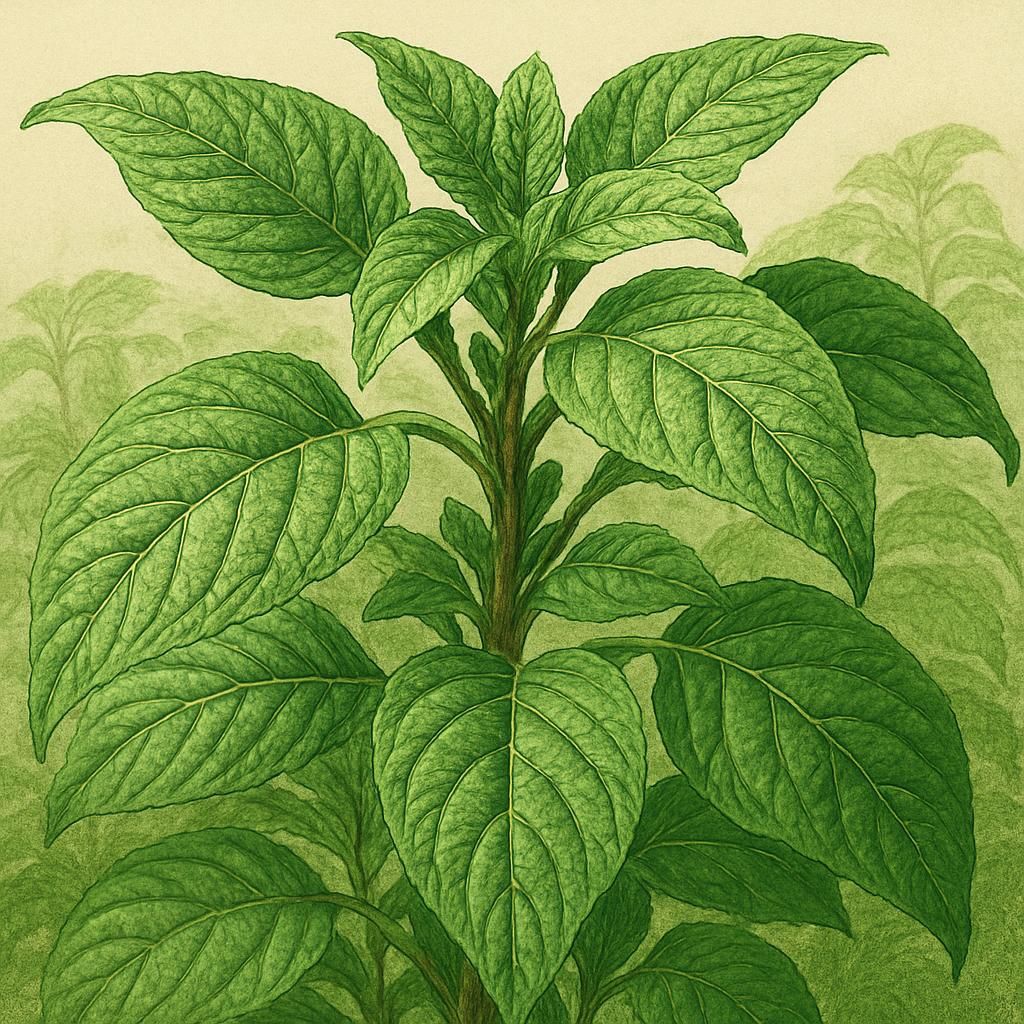
Introduction to Amaranth Greens (Callaloo)
Amaranth Greens, often referred to as Callaloo, are a nutrient-rich leafy green that thrives in warm climates. Known for their vibrant, green foliage and high adaptability, these greens are a staple in numerous cuisines worldwide, particularly in the Caribbean and Southeast Asia. Not only do they offer culinary versatility, but they are also packed with essential nutrients such as iron, calcium, and vitamins A and C.
Botanical Profile of Amaranth Greens (Callaloo)
Amaranth Greens belong to the Amaranthaceae family and are scientifically known as Amaranthus tricolor. They are annual plants that can grow up to 2 meters in height and are primarily valued for their edible leaves. The leaves vary in color from green to red and even yellow, depending on the variety. Amaranth is drought-tolerant and can be grown in a wide range of soils, making it a versatile choice for both small-scale and commercial farming.
Soil, pH, and Climate Requirements for Amaranth Greens (Callaloo)
Amaranth Greens (Callaloo) thrive in well-drained soil with a neutral to slightly alkaline pH. They prefer warm, sunny environments and can tolerate dry conditions better than many leafy greens. Below is a table detailing the ideal conditions for growing Amaranth Greens.
| Parameter | Ideal Condition |
|---|---|
| Soil Type | Loamy, well-drained |
| Soil pH | 6.5 - 7.5 |
| Temperature | 18°C - 30°C |
| Sunlight | Full sun |
| Watering | Moderate (1 in/week) |
Learn about soil pH management
Step-by-Step Planting & Propagation
- Seed Selection: Choose high-quality seeds from reputable suppliers. For a faster germination rate, consider soaking the seeds in water overnight before planting.
- Site Preparation: Select a location with full sun exposure. Prepare the soil by tilling and adding organic matter like compost to improve fertility.
- Sowing Seeds: Sow the seeds directly in the prepared soil at a depth of 0.5 cm, spacing them about 6 inches apart. Cover lightly with soil.
- Watering: Ensure the soil remains moist but not waterlogged. Use a gentle spray to avoid displacing seeds.
- Thinning: Once the seedlings are about 6 inches tall, thin them to 12 inches apart to prevent overcrowding and to promote healthy growth.
Care & Maintenance Regimes for Amaranth Greens (Callaloo)
Proper care is crucial for the successful cultivation of Amaranth Greens. Below is a maintenance schedule to ensure optimal growth.
| Task | Frequency |
|---|---|
| Watering | Weekly (1-2 inches) |
| Fertilizing | Biweekly (balanced NPK) |
| Pruning | Monthly (remove older leaves) |
Regular monitoring for weeds and pests will also aid in maintaining healthy growth.
Pests, Diseases & Organic Management
Amaranth Greens are relatively resistant to many common pests and diseases. However, they can still fall victim to pests such as Spider Mites and diseases like leaf spots. Employ integrated pest management practices that include:
- Natural Predators: Introduce beneficial insects like ladybugs to control spider mites.
- Neem Oil: Use as a natural pesticide to deter pests without harming beneficial insects.
- Regular Inspections: Frequently check your plants for signs of pest infestations or disease and act promptly.
For further reading on preventing crop diseases, see our article on Crop Diseases Under the Microscope: 9 Organic Fixes for Small Farm Resilience.
Harvesting, Curing & Optimal Storage
- Harvesting: Pick the leaves when they are tender and about 6 inches long. This typically occurs 30-45 days after planting.
- Curing: Not required for amaranth leaves, as they are best consumed fresh or blanched.
- Storage: Store fresh leaves in a refrigerator for up to a week. For longer preservation, consider freezing or drying.
Companion Planting for Amaranth Greens (Callaloo)
Companion planting can enhance the growth and resistance of Amaranth Greens. Suitable companions include:
- Corn: Provides shade and helps retain soil moisture.
- Tomato: Benefits from the nitrogen fixed by amaranth roots.
- Basil: Deters pests and enhances flavor.
Avoid planting with Lychee due to competitive root systems, which may hinder the growth of both crops.