Encyclopedia
Definitive guides for crops, pests, and agricultural diseases.
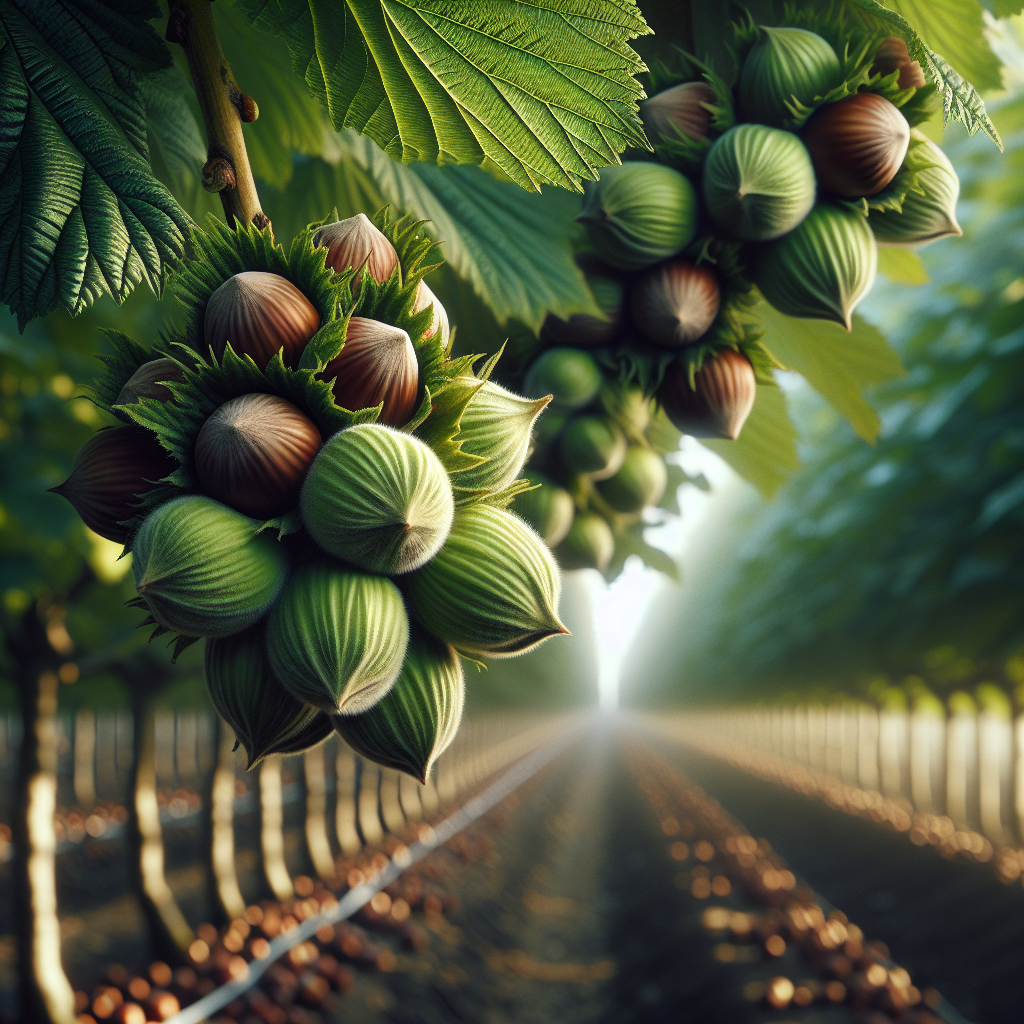
Hazelnut (Ennis)
Hazelnut 'Ennis' is a classic European hazelnut cultivar valued for its exceptionally large, attractive nuts and strong fresh-market appeal. It performs best in cool-temperate regions with well-drained soils, careful disease management, and compatible pollinizers, rewarding growers with premium-quality kernels when orchard design and timing are handled correctly.
View Guide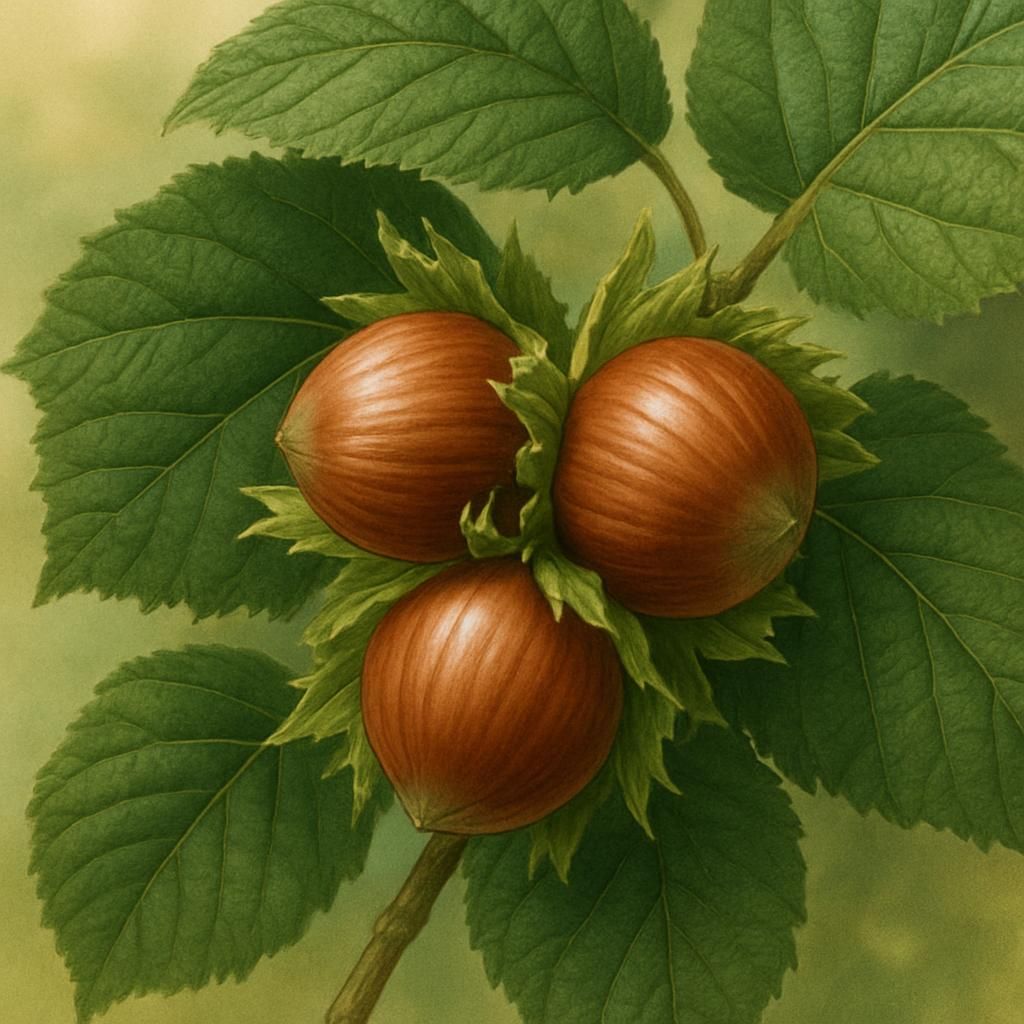
Hazelnut (Jefferson)
Jefferson is a high-yielding, disease-resistant hazelnut cultivar developed for commercial orchards in the Pacific Northwest. It offers excellent kernel quality, large nut size, and strong Eastern Filbert Blight tolerance, making it a top choice for modern growers seeking reliable production and long-term orchard viability.
View Guide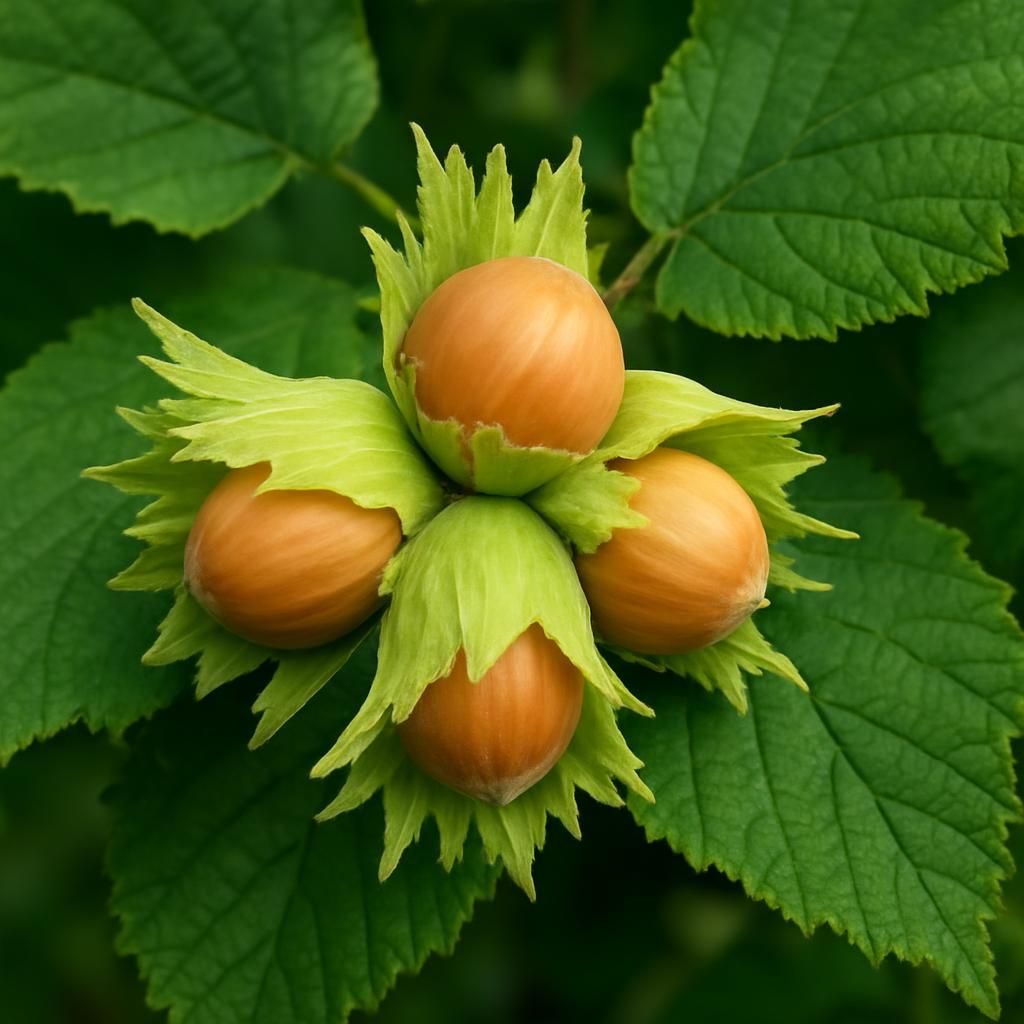
Hazelnut (Lewis)
Lewis is a high-yielding, disease-resistant hazelnut cultivar developed for Pacific Northwest conditions that produces medium-large nuts with excellent kernel quality. It offers reliable production, strong Eastern Filbert Blight tolerance, and is widely planted in commercial orchards and home gardens. The variety is valued for its consistent yields and suitability for both fresh markets and processing.
View Guide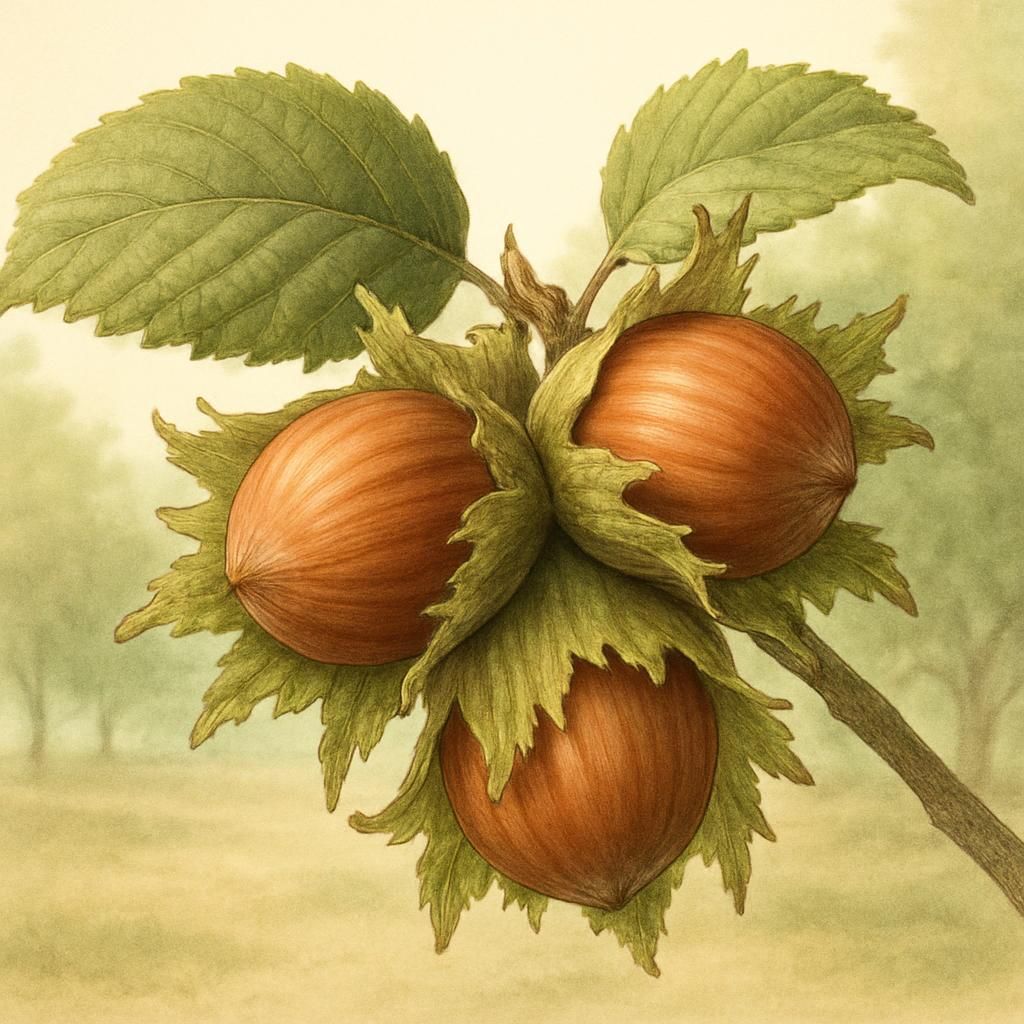
Hazelnut (Santiam)
Santiam is a high-yielding, disease-resistant hybrid hazelnut cultivar developed for commercial orchards in the Pacific Northwest. It produces medium-large nuts with excellent kernel quality and is prized for its Eastern Filbert Blight tolerance.
View Guide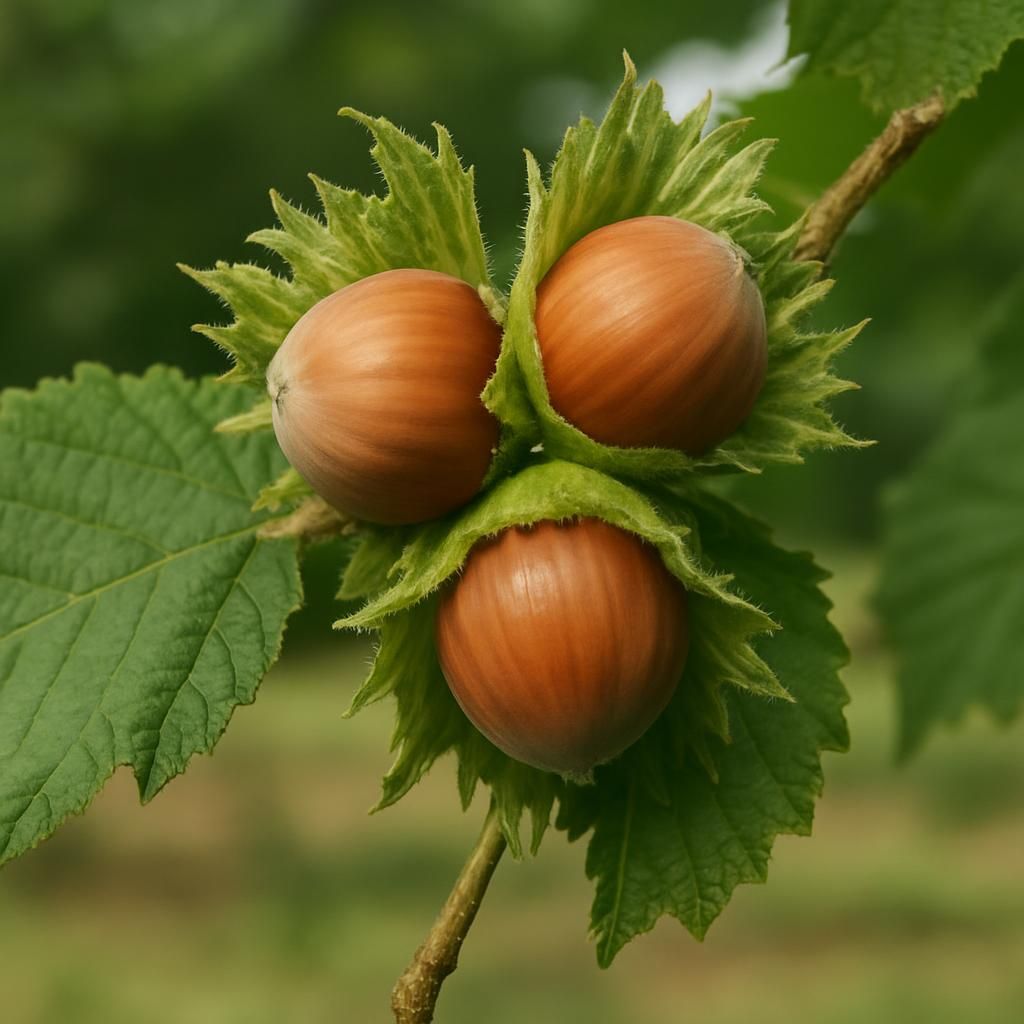
Hazelnut (Wepster)
Wepster is a high-yielding European hazelnut cultivar prized for its medium-large nuts, excellent kernel quality, and strong resistance to Eastern Filbert Blight. This definitive growing guide covers soil preparation, planting, irrigation schedules, pruning, organic pest management, harvesting, and companion planting strategies for commercial and home orchards.
View Guide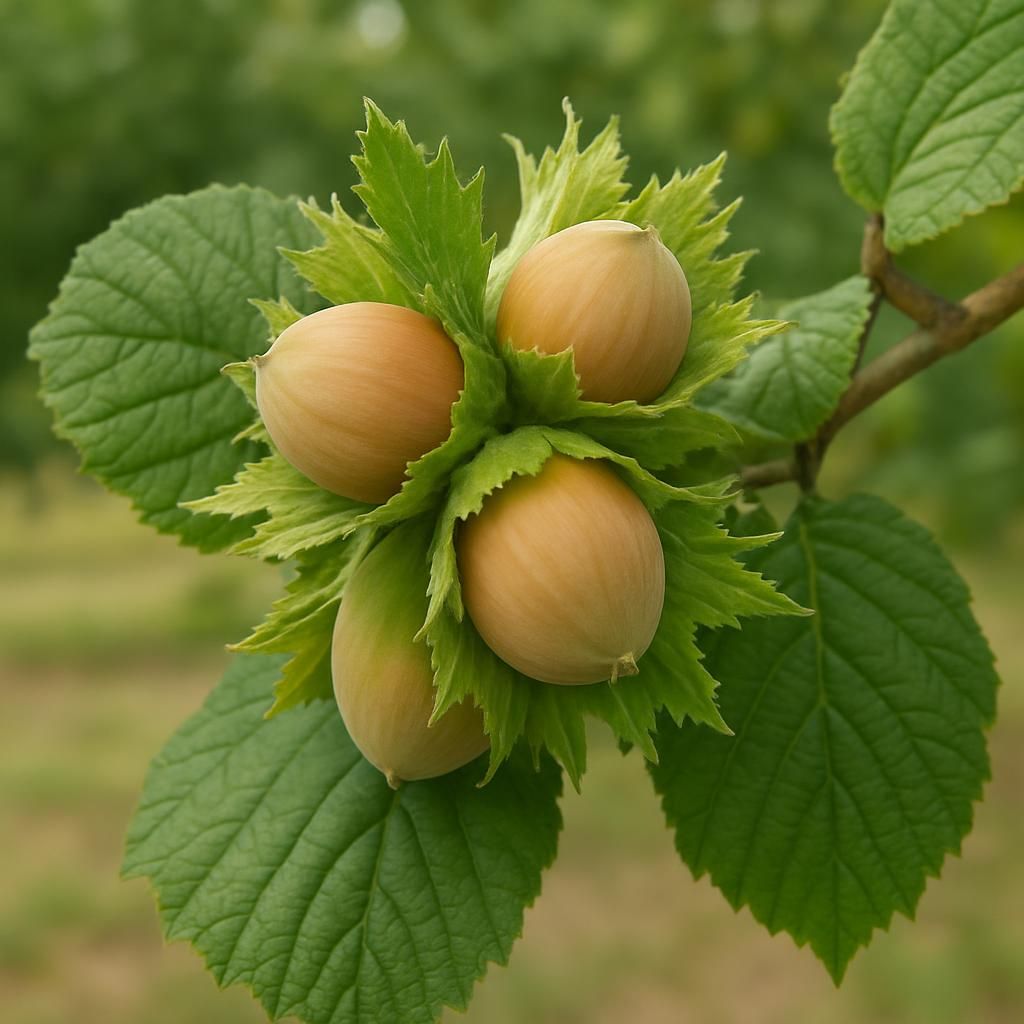
Hazelnut (Yamhill)
Yamhill is a high-yielding, disease-resistant hazelnut cultivar prized for its medium-large nuts and reliable performance in the Pacific Northwest. It offers strong Eastern Filbert Blight tolerance and consistent kernel quality for both commercial orchards and home growers. This guide delivers professional-grade cultivation details for successful long-term production.
View Guide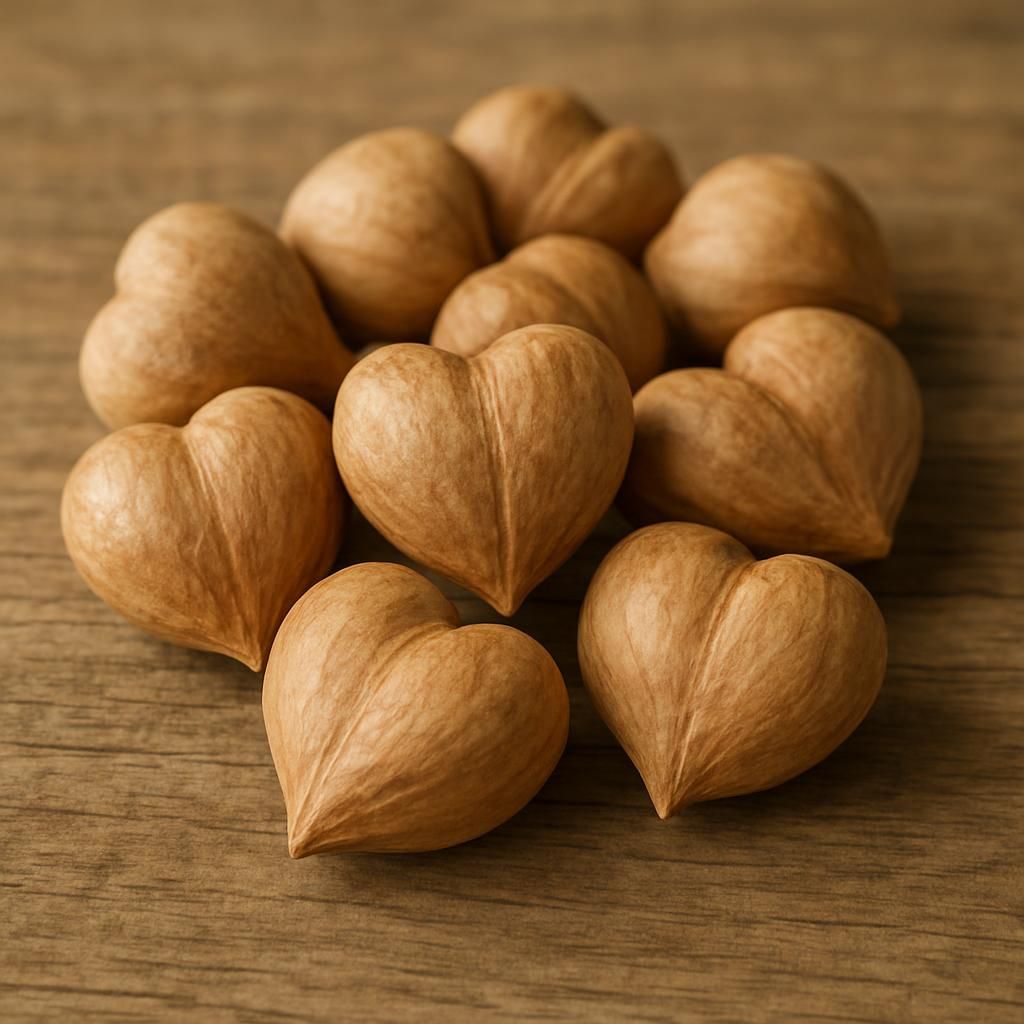
Heartnut (Juglans ailantifolia)
Heartnut is a cold-hardy Japanese walnut species prized for its heart-shaped kernels, high-quality timber, and reliable yields in temperate climates. This guide covers everything from soil preparation and planting to pest management, harvesting, and companion planting for successful commercial or home-scale production.
View Guide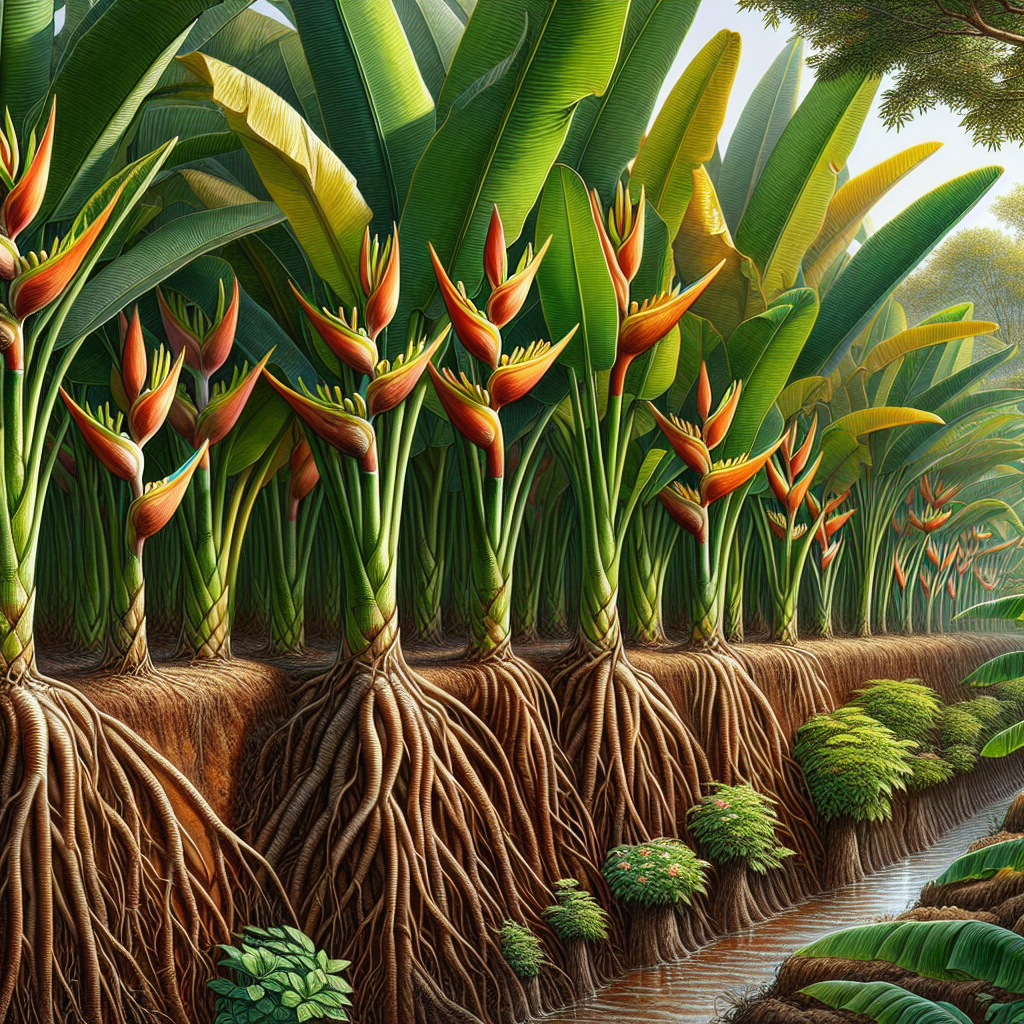
Heliconia
Heliconia, commonly known as lobster claws or bird-of-paradise flowers, is a tropical plant often treated as an invasive pest in agricultural settings due to its aggressive growth and competition with crops. This guide provides comprehensive diagnostics, lifecycle details, organic management strategies, and prevention tips for farmers dealing with Heliconia infestations. Focus on tropical and subtropical regions where it outcompetes valuable crops like [banana](/wiki/banana) and [pineapple](/wiki/pineapple).
View Guide
Hemp
Hemp is a fast-growing annual crop cultivated for fiber, grain, and multifunctional biomass, valued for its deep rooting, rapid canopy closure, and broad industrial use. Successful hemp production depends on precise matching of cultivar type, daylength, soil drainage, fertility, and harvest timing, because fiber, seed, and dual-purpose systems each require different management.
View Guide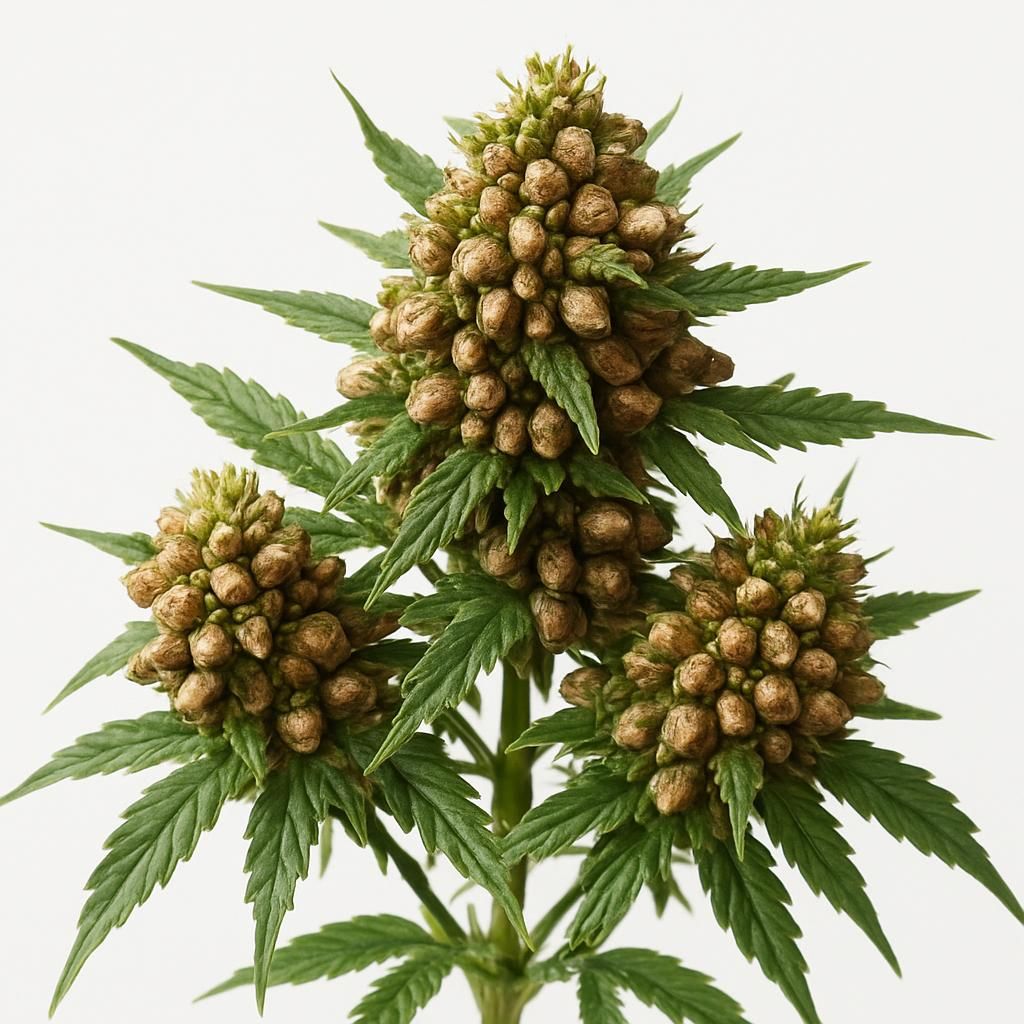
Hemp Seed (CanMa)
Hemp Seed (CanMa) is an industrial hemp cultivar bred for high-quality seed production, delivering nutritious hemp hearts and versatile oil. This fast-growing annual thrives in temperate climates with well-drained soils and requires strict attention to photoperiod and harvest timing.
View Guide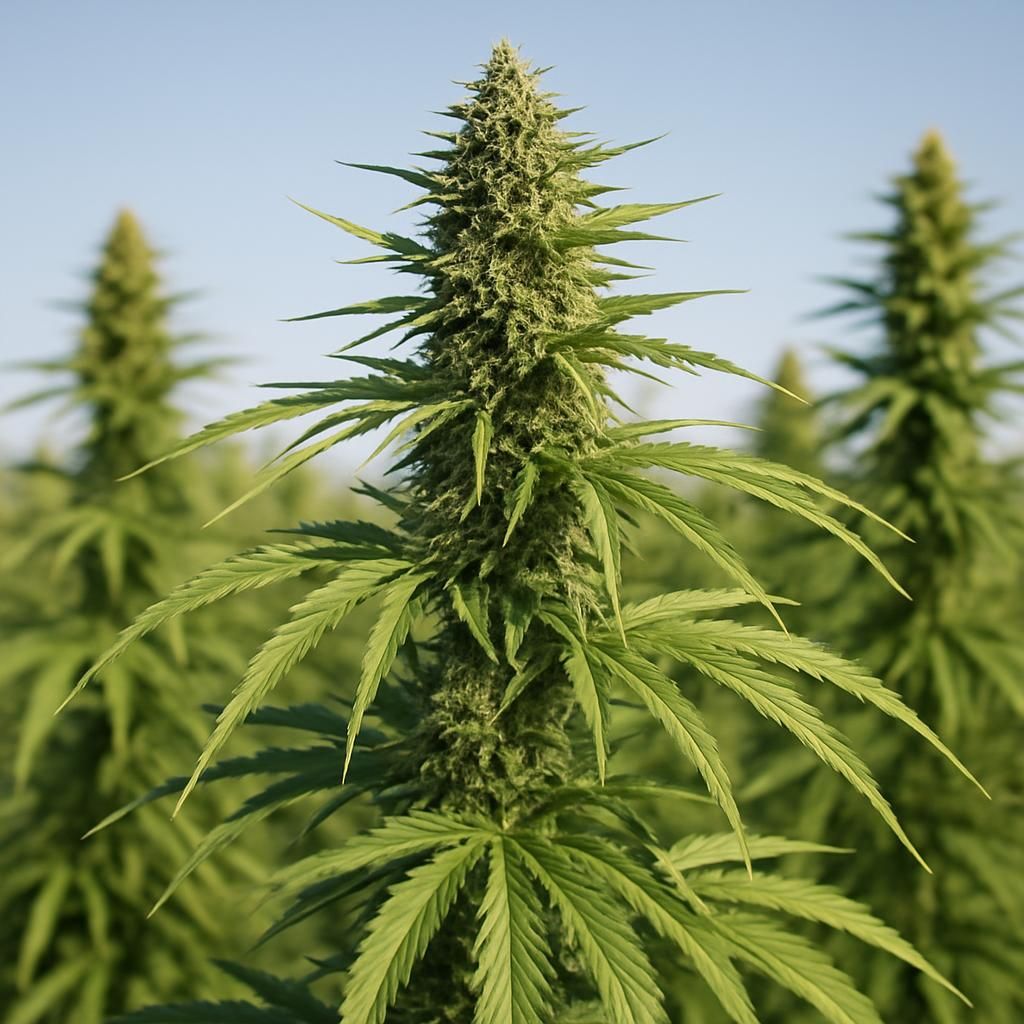
Hemp Seed (CFX-2)
CFX-2 is a high-yielding, dual-purpose industrial hemp cultivar optimized for both grain and fiber production with excellent uniformity and disease resistance. This comprehensive guide covers soil preparation, planting, care schedules, pest management, harvesting, and storage for professional growers.
View Guide
Hemp Seed (Finola)
Finola is a short-season, dual-purpose industrial hemp variety bred in Finland for reliable seed production in cool temperate climates. It matures in 90–110 days and produces high-quality edible seeds with an excellent fatty acid profile. The crop also delivers useful fiber and supports sustainable rotations when managed with proper soil, pest, and harvest practices.
View Guide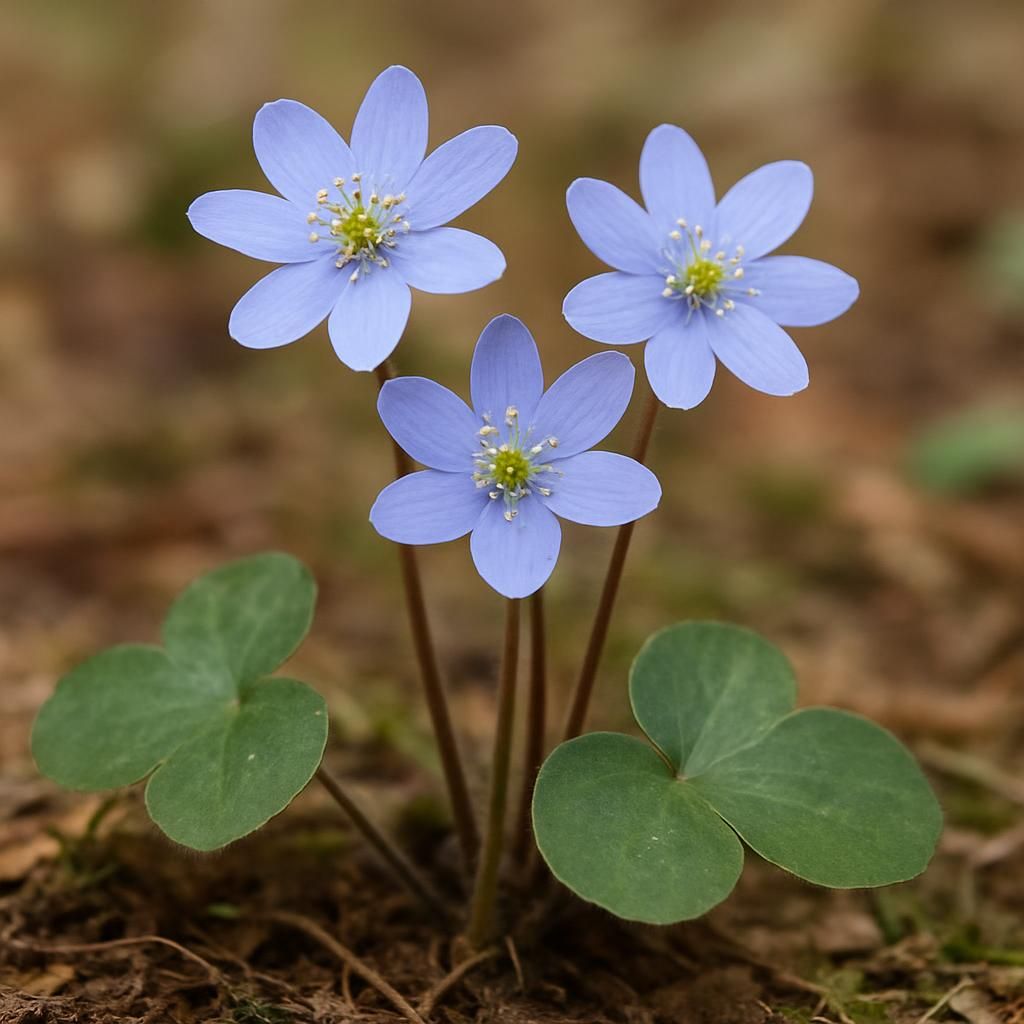
hepatica
Hepatica is a low-growing, shade-loving perennial wildflower prized for its early spring blooms and distinctive three-lobed leaves. It thrives in rich, moist woodland soils and is valued by gardeners and small-scale growers for its ornamental beauty and ecological benefits.
View Guide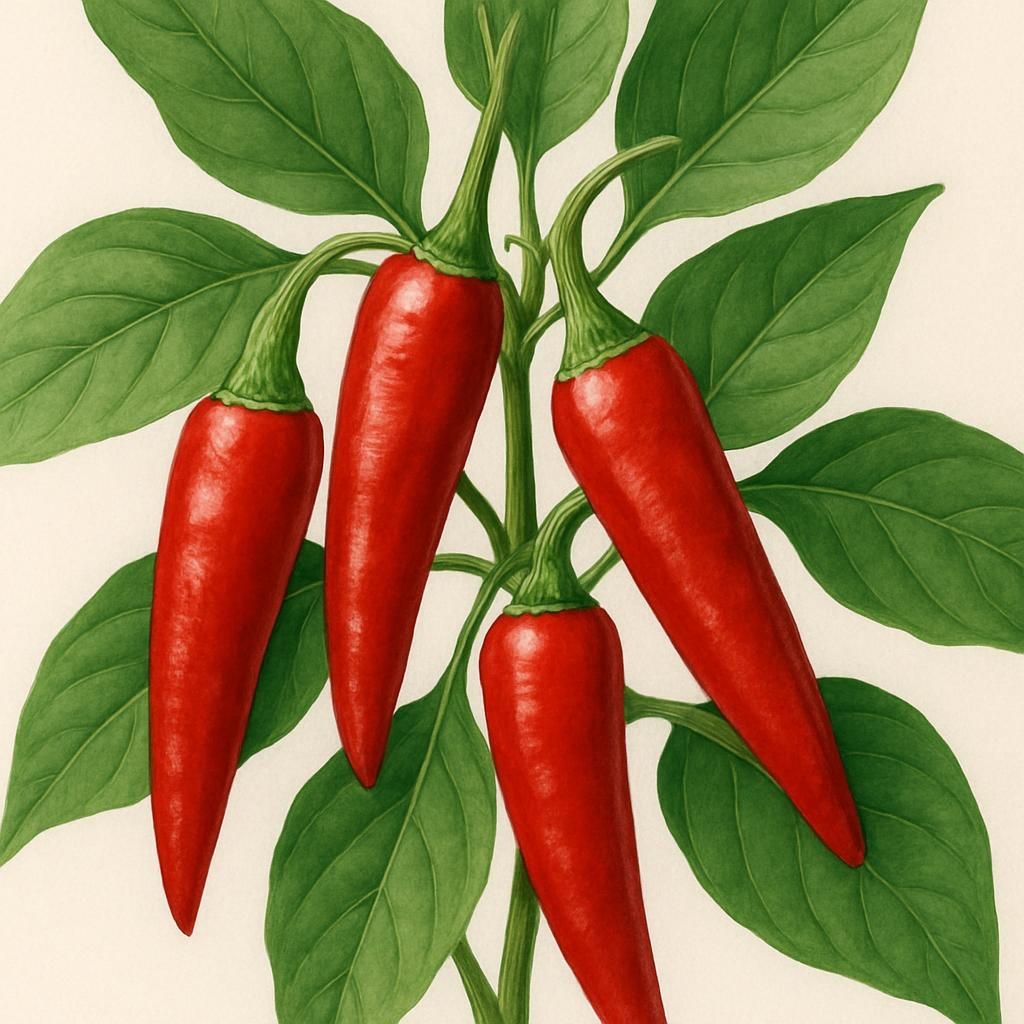
Heritage 6-4 Chili
Heritage 6-4 Chili peppers are known for their robust flavor and moderate heat level, making them a favorite among home gardeners and chefs alike. These chilies thrive in warm climates and well-drained soil, requiring careful attention to pests and diseases.
View Guide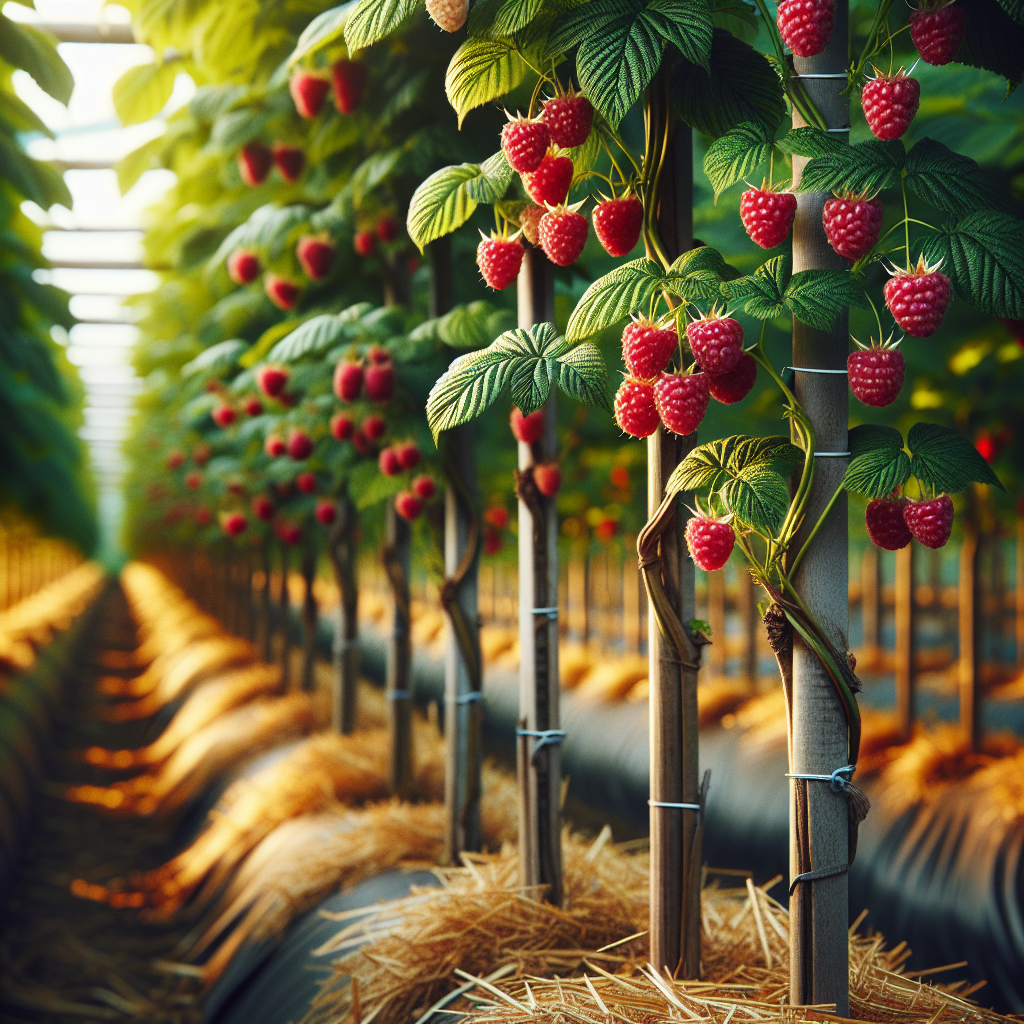
Heritage Raspberry
Heritage Raspberry is a classic primocane-fruiting red raspberry cultivar valued for reliability, cold hardiness, and a long harvest window. It is especially popular with home growers and market gardeners because it bears heavily on first-year canes in late summer to fall, while also offering an optional lighter summer crop on overwintered canes in some management systems.
View Guide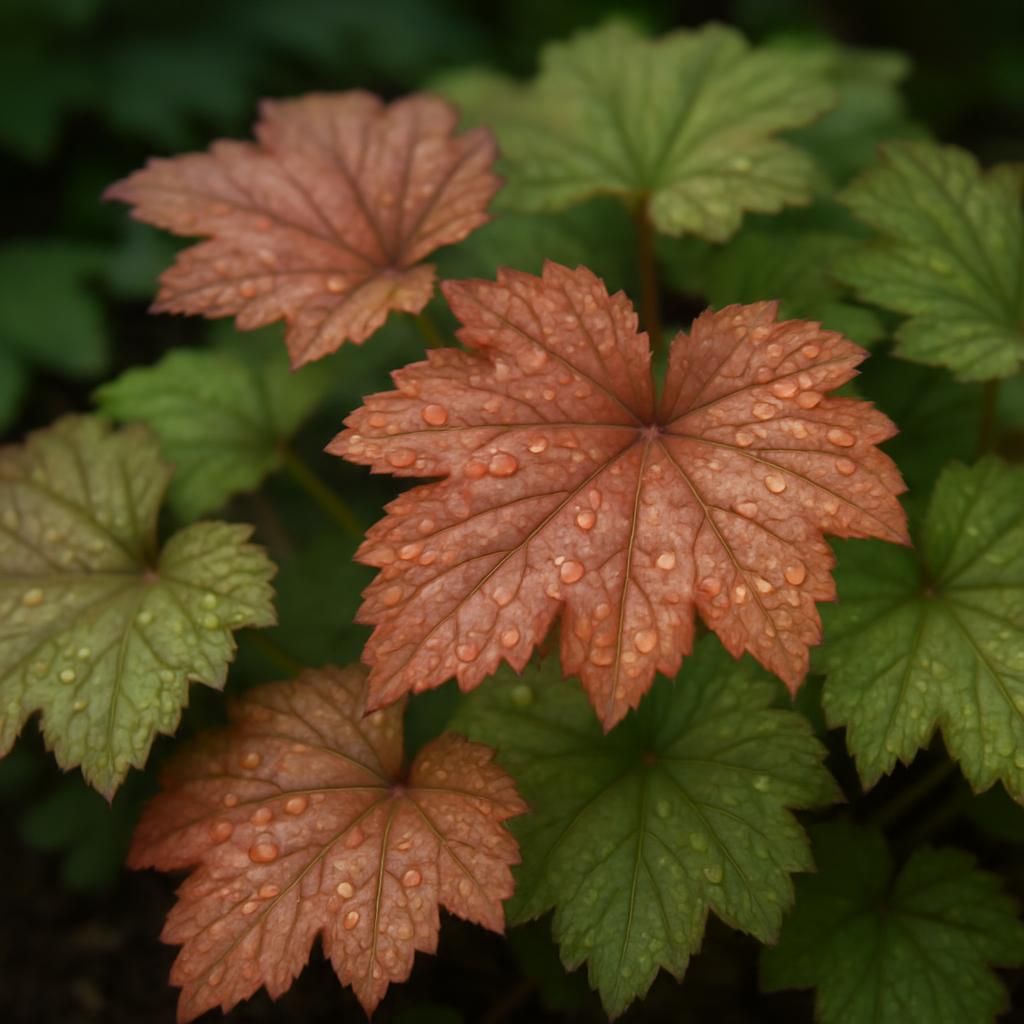
Heuchera
Heuchera, commonly known as coral bells, is a versatile herbaceous perennial prized for its colorful foliage and delicate flower spikes. This guide delivers professional-grade growing advice covering soil, climate, propagation, maintenance, organic pest management, and companion planting strategies.
View Guide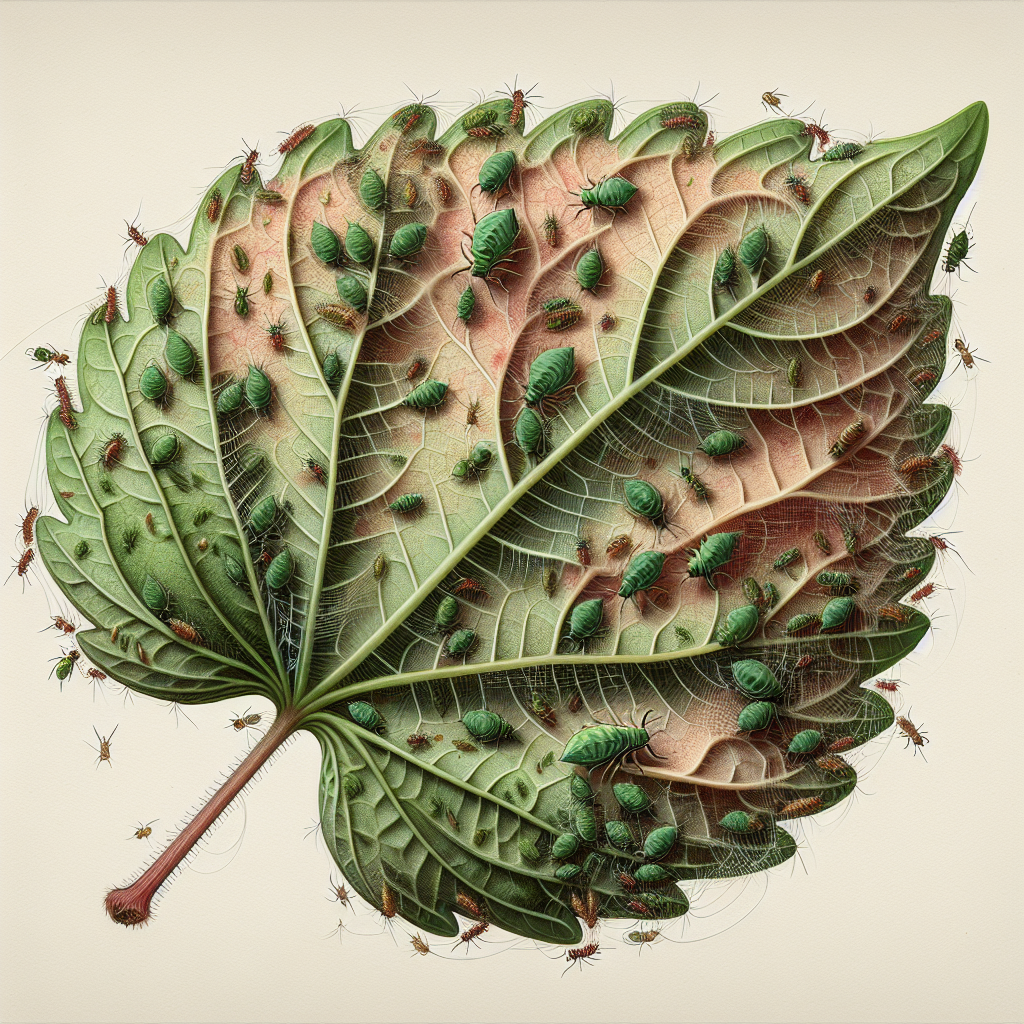
Hibiscus
Hibiscus, commonly known as the tropical hibiscus or rose mallow, is a popular ornamental plant often plagued by pests that cause significant damage to leaves, flowers, and stems. This guide provides comprehensive diagnostics for identifying hibiscus infestations and proven organic management strategies to restore plant health. With proper prevention, growers can protect their hibiscus from common invaders like aphids and spider mites.
View Guide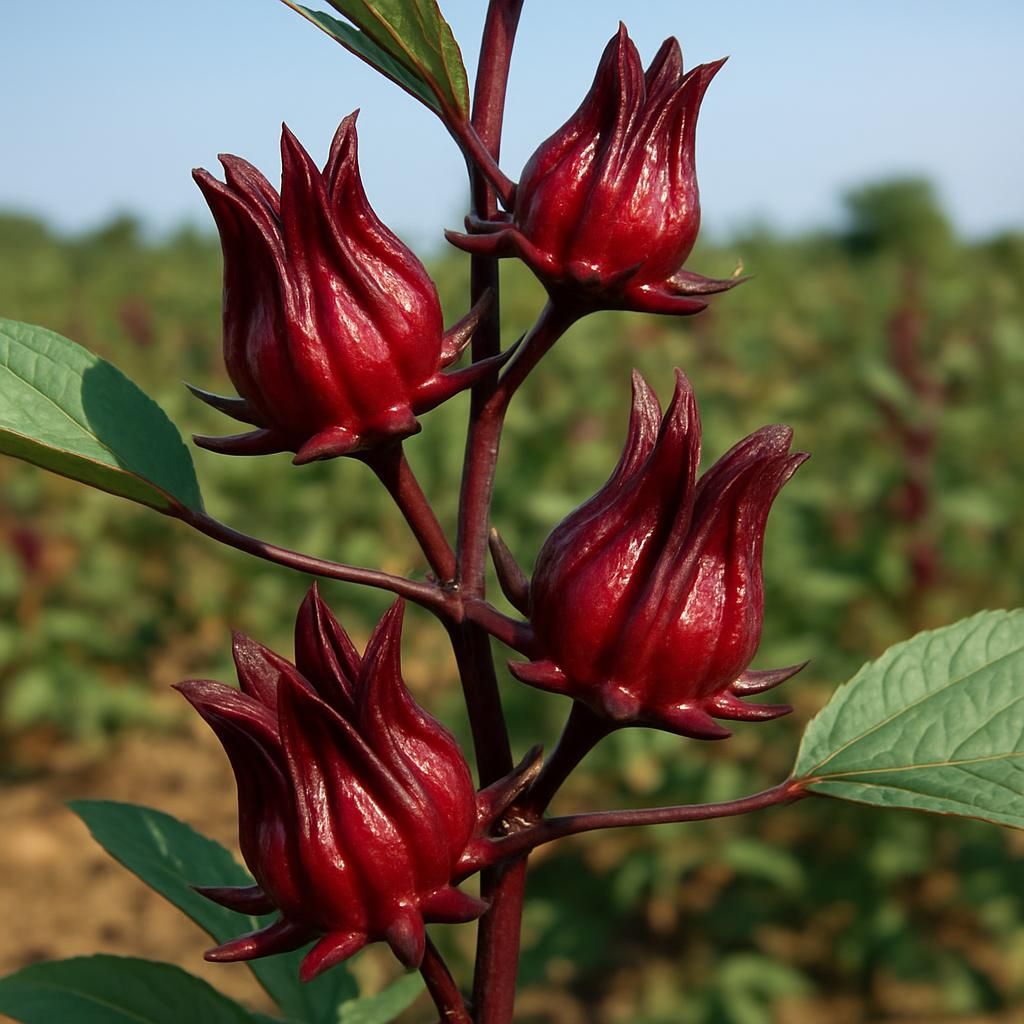
Hibiscus (Roselle)
Hibiscus sabdariffa, commonly known as Roselle, is a fast-growing annual shrub cultivated primarily for its vibrant, edible calyces used in teas, beverages, and culinary dishes. This heat-loving crop thrives in tropical and subtropical climates, producing high-value harvests with relatively low input requirements when managed correctly.
View Guide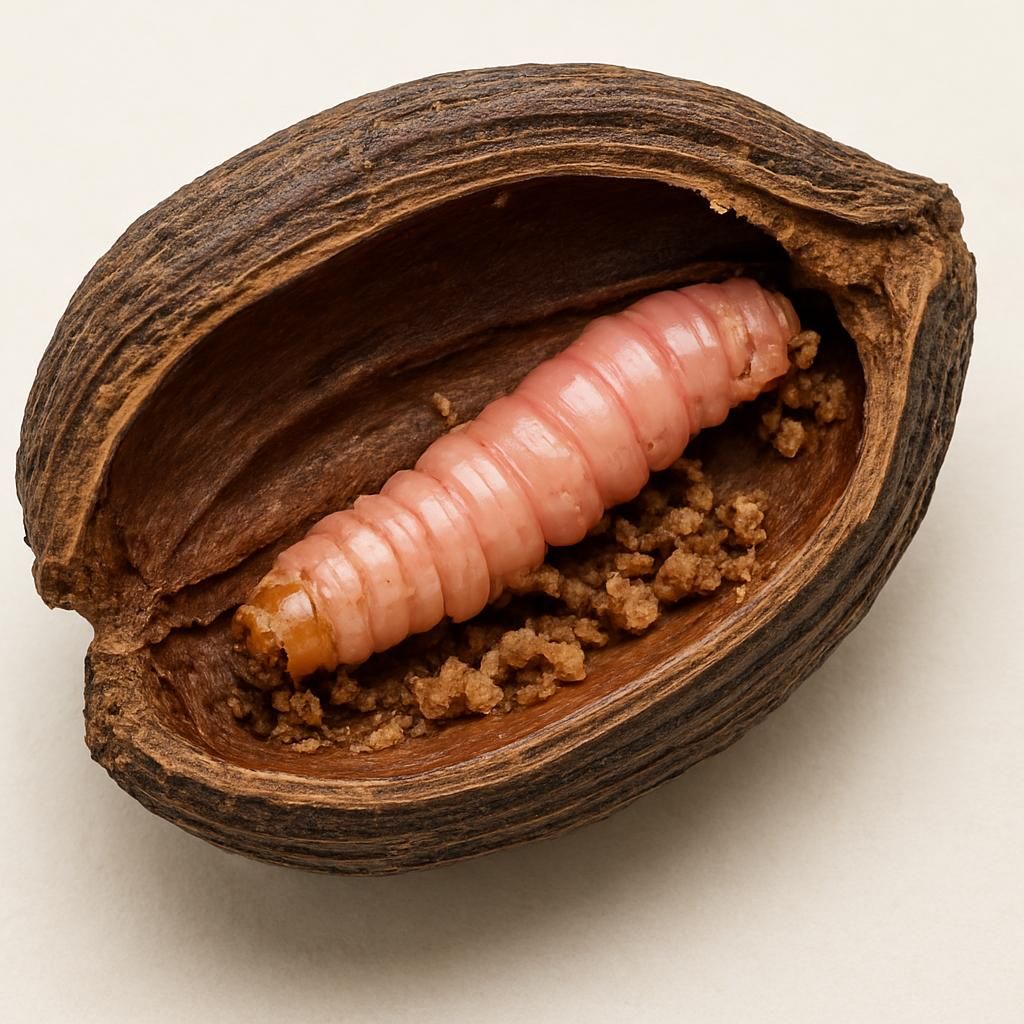
hickory
Hickory refers to the hickory shuckworm (Cydia caryana), a major lepidopteran pest of pecan and hickory trees that damages nut shucks and reduces kernel quality. This guide provides definitive identification, lifecycle details, and integrated management for commercial and home growers. Early detection and timely intervention are critical to protect yields.
View Guide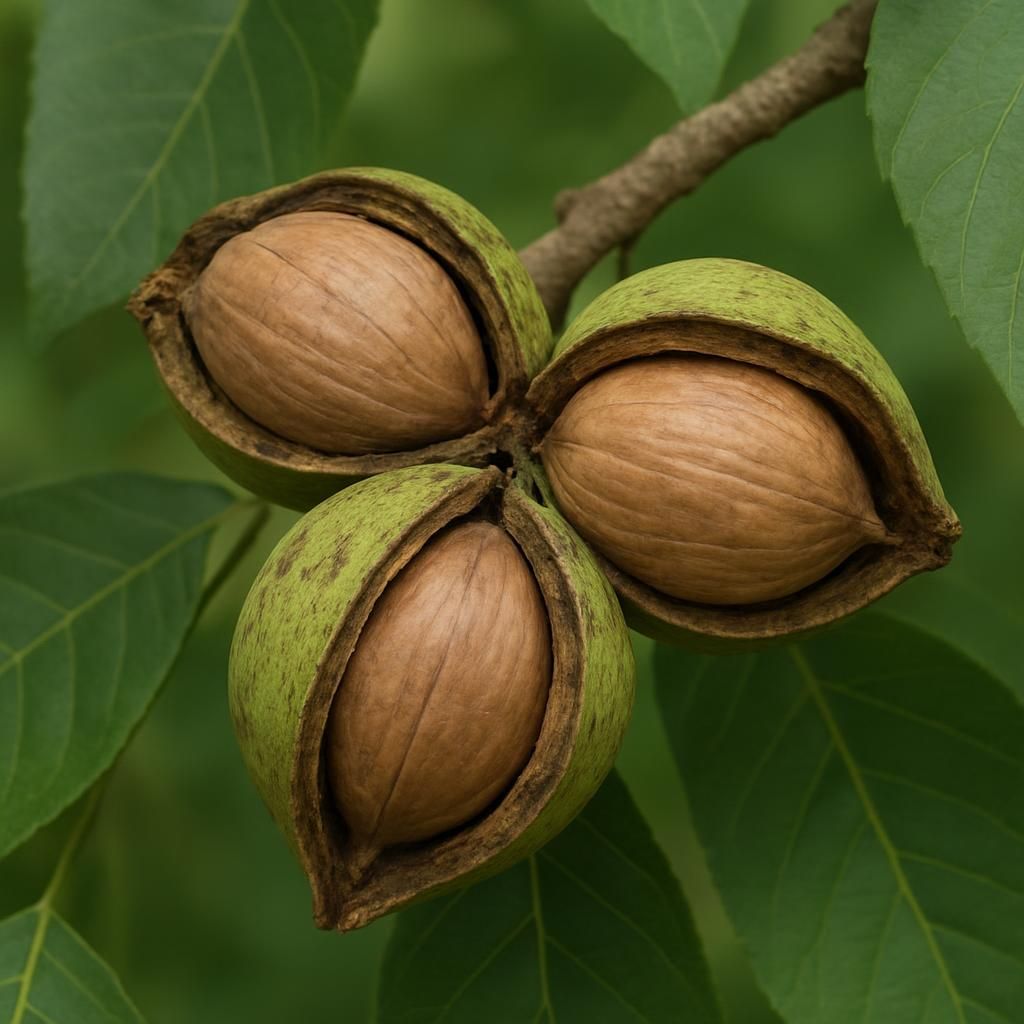
Hickory (Mockernut)
Mockernut hickory is a long-lived native North American hardwood valued for its high-quality nuts and durable timber. This comprehensive guide covers site selection, propagation, care, pest management, and harvesting practices for successful commercial or home production.
View Guide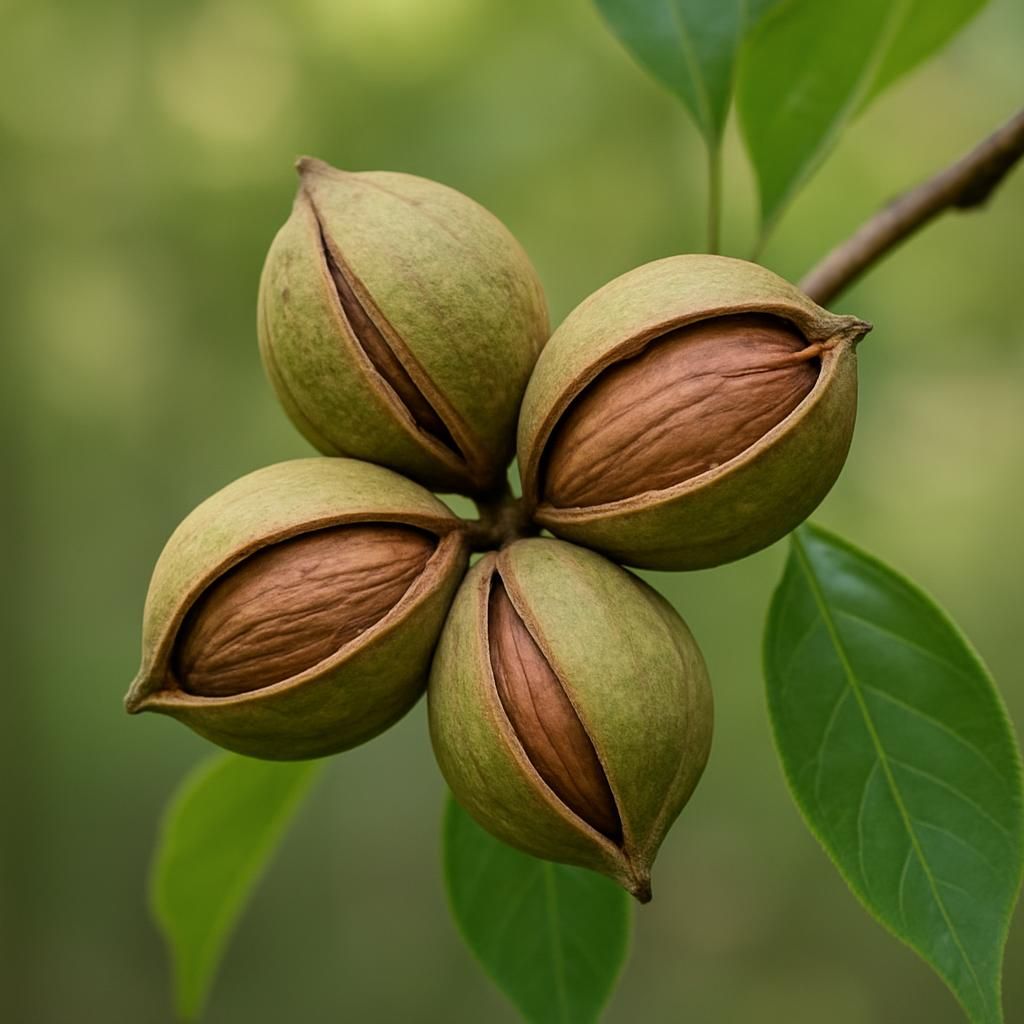
Hickory (Pignut)
Pignut hickory is a long-lived native North American hardwood tree valued for its sweet, thin-shelled nuts and strong, shock-resistant wood. This definitive growing guide covers soil, climate, propagation, care, pest management, harvesting, and companion planting for commercial and home growers.
View Guide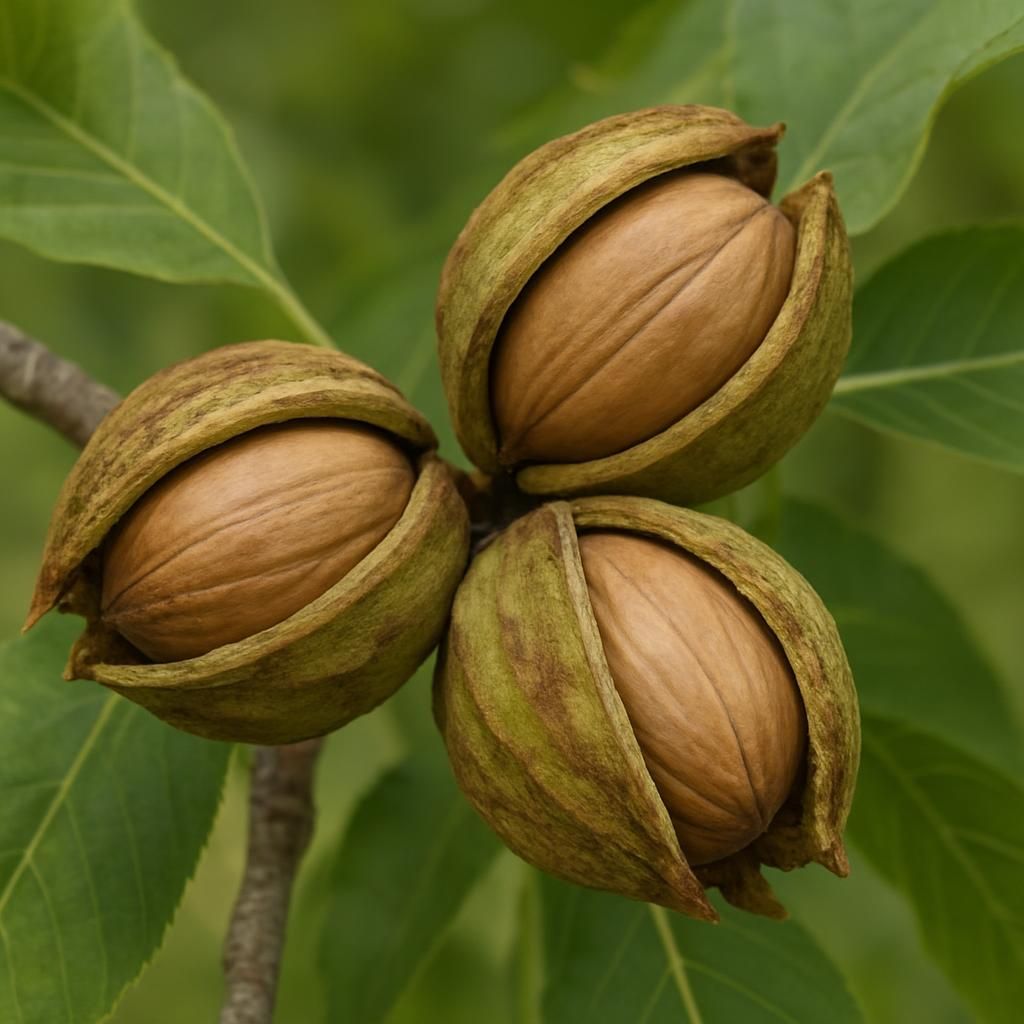
Hickory (Shagbark)
Shagbark hickory is a long-lived native North American nut tree prized for its sweet, thin-shelled nuts and distinctive peeling bark. This definitive growing guide covers site selection, propagation, care schedules, organic pest control, and harvest techniques for reliable production.
View Guide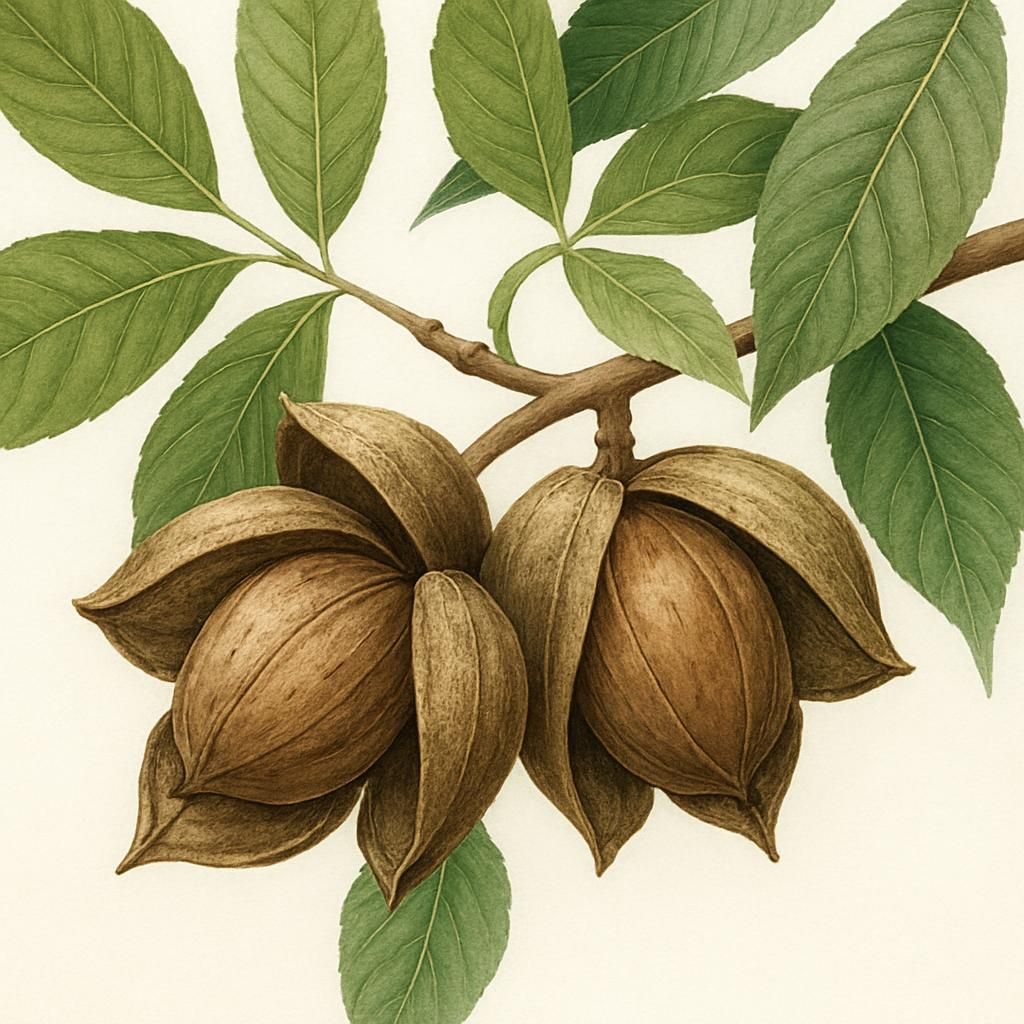
Hickory (Shellbark)
Shellbark hickory is a large, long-lived native North American nut tree prized for its thick-shelled, sweet kernels and exceptional wood quality. This comprehensive guide covers every stage of cultivation from site selection to post-harvest storage.
View Guide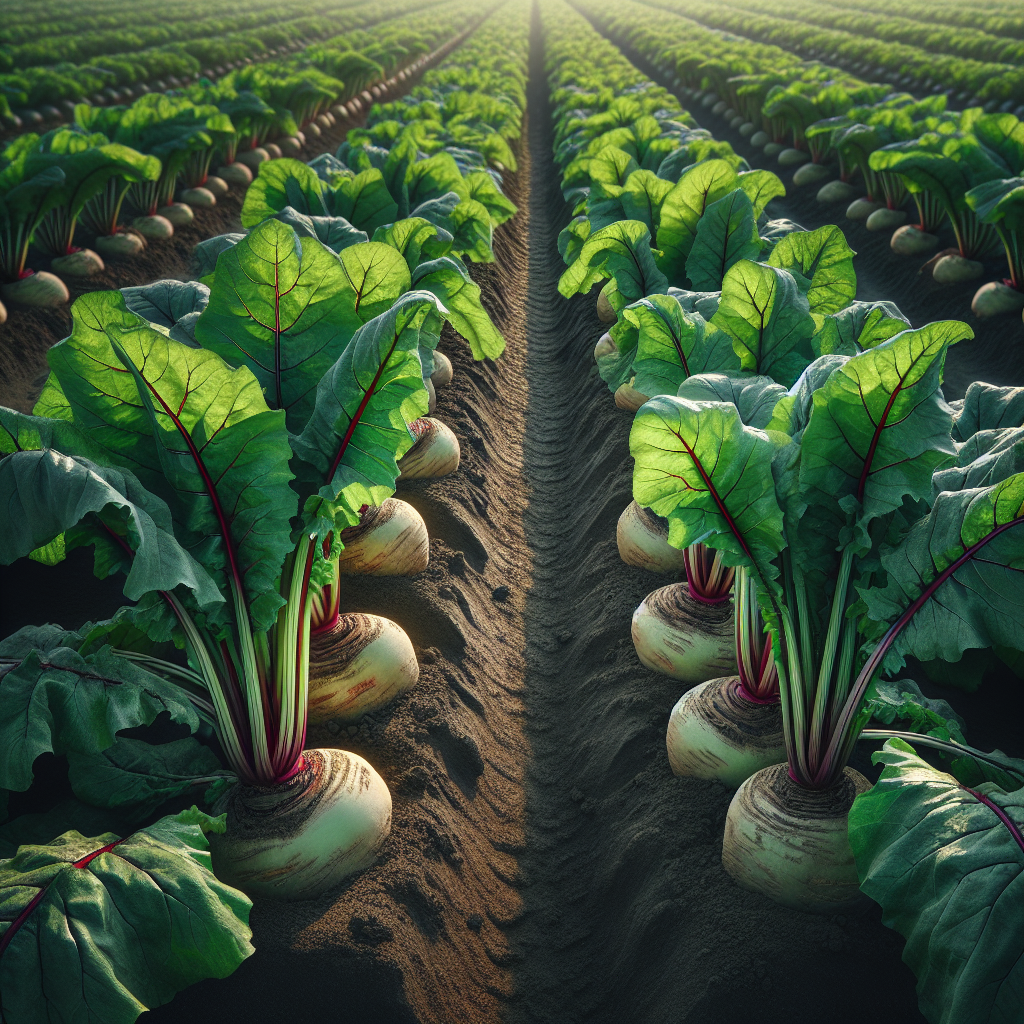
High-Sugar Beet
High-Sugar Beet is a specialized sugar beet type bred for elevated sucrose accumulation, high root purity, and efficient processing or on-farm sweetener production. It performs best in deep, fertile, well-drained soils under cool-to-moderate growing conditions, where steady moisture and balanced nutrition allow roots to size up without sacrificing sugar concentration.
View Guide