Introduction to hibiscus
Hibiscus plants (Hibiscus rosa-sinensis) are vibrant, tropical shrubs prized for their large, colorful flowers and lush foliage, making them a staple in gardens, landscapes, and container plantings worldwide. Thriving in warm climates (USDA zones 9-11), these evergreens can reach 10-15 feet tall in ideal conditions, producing blooms in shades of red, pink, yellow, and white from spring through fall. However, hibiscus are highly susceptible to a range of pests that can devastate their aesthetic appeal and vigor, leading to defoliation, stunted growth, and reduced flowering.
As a professional botanist and entomologist, I've seen hibiscus pests cause up to 80% yield loss in flowers for ornamental growers if left unchecked. Common culprits include aphids, spider mites, whiteflies, and mealybugs, which suck sap from tender tissues, transmitting viruses and promoting sooty mold. This definitive guide equips farmers, gardeners, and landscapers with diagnostic tools, lifecycle insights, organic treatments, and prevention tactics to manage hibiscus pests effectively. Early detection is key—scout plants weekly during peak growing seasons (spring-summer) using a 10x hand lens to spot tiny invaders before populations explode. For small farms battling multiple threats, check out this Spring Pest Patrol: Organic AI Strategies to Shield Your Crops from Common Invaders for integrated approaches.
Understanding hibiscus biology is crucial: these plants prefer full sun (6+ hours daily), well-draining soil (pH 6.0-7.0), and consistent moisture without waterlogging. Stress from drought, over-fertilization, or poor air circulation exacerbates pest issues, turning healthy specimens into pest magnets. In commercial settings, hibiscus supports industries like herbal teas, fiber production, and ornamental sales, with global markets exceeding $500 million annually. Effective pest management preserves this value while minimizing chemical use, aligning with organic certification standards.
Identifying Symptoms & Damage
Diagnosing hibiscus pests requires keen observation of symptoms, as many share overlapping signs like yellowing leaves or sticky honeydew. Start with visual inspection: flip leaves to check undersides, where most sap-feeders hide. Use a strong light and magnifying tool for accuracy.
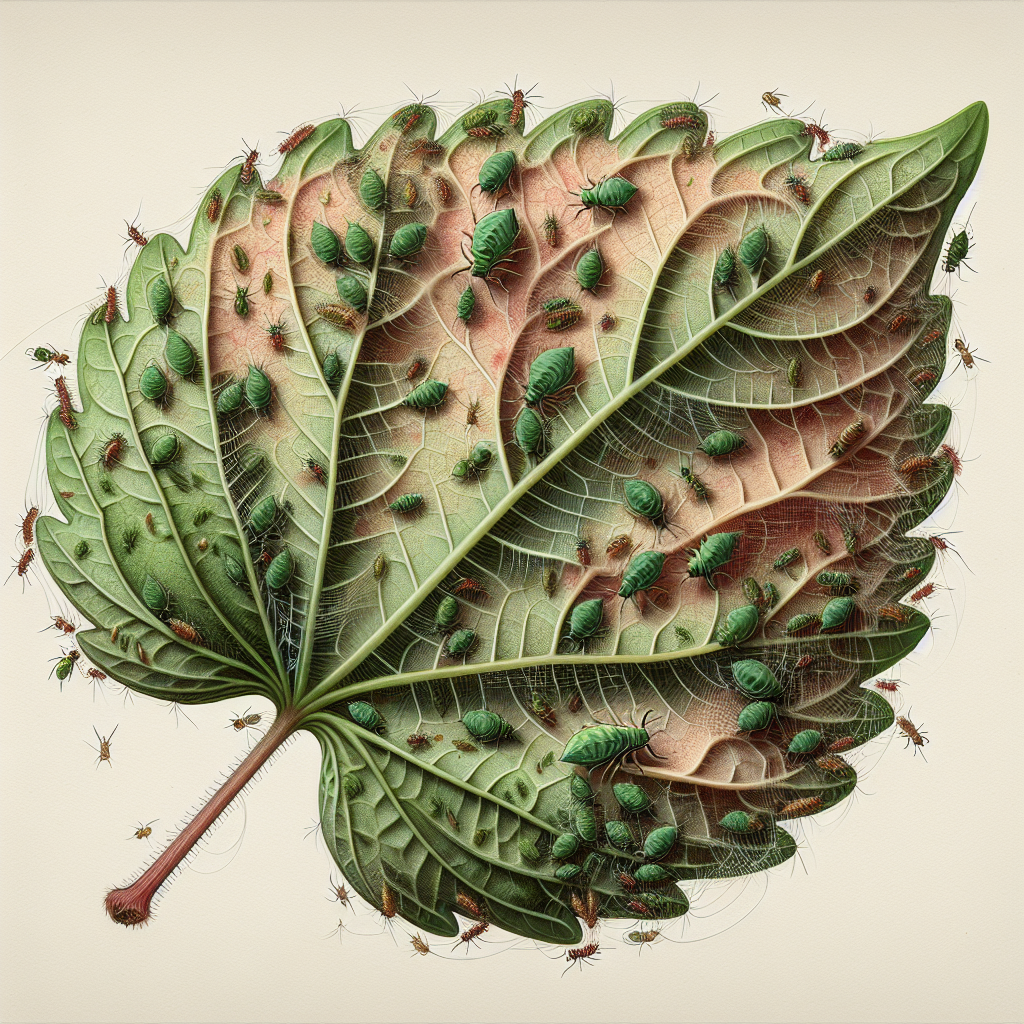
Aphid Damage: Clusters of pear-shaped, soft-bodied insects (green, black, or pink) on new growth. Symptoms include curled leaves, sticky honeydew (attracting ants), and black sooty mold. Severe infestations cause leaf drop and twig dieback.
Spider Mite Signs: Tiny (1/50 inch) arachnids leaving stippled, bronze leaves with fine webbing between veins. Shake branches over white paper—if specks move, it's mites. High populations defoliate plants entirely.
Whitefly Damage: Clouds of tiny, white, moth-like adults flying up when disturbed. Nymphs on leaf undersides cause yellowing, wilting, and sooty mold. They transmit viruses leading to mottled leaves.
Mealybug Indicators: Cottony white masses in leaf axils, stems, and crotches. Honeydew and sooty mold follow, with distorted growth and leaf drop.
Scale Insects: Hard or soft bumps (brown, white) armored on bark and leaves. Heavy infestations yellow and drop foliage, weakening the plant.
Caterpillar Feeding: Chewed holes in leaves/flowers by larvae like those of hibiscus sawfly or sphinx moths. Frass (droppings) pellets confirm presence.
Differentiate from diseases: powdery mildew shows white powder on upper leaves, while leaf spot diseases feature brown spots with yellow halos. Use the 'tap test'—tap infested parts into soapy water to confirm mobile pests. Monitor tomato or mango nearby, as pests migrate between hosts.
Lifecycle and Progression of hibiscus
Hibiscus pests follow predictable cycles tied to plant phenology and weather. Aphids complete generations in 7-10 days in warm temps (70-85°F), with females birthing live nymphs parthenogenetically—populations double weekly without predators. Eggs overwinter on bark, hatching in spring.
Spider mites thrive in hot, dry conditions (>80°F, <50% humidity), with 4-5 generations yearly. Eggs hatch in 3-5 days; webbing appears in 1-2 weeks, escalating to defoliation in 4 weeks if unchecked.
Whiteflies have 10+ generations annually, adults living 1-2 months, laying 100+ eggs. Nymphs pupate in 1 week, emerging as winged adults that spread rapidly.
Mealybugs crawl slowly, females producing waxy sacs for eggs (100-600 per sac). Crawlers (mobile nymphs) infest new growth; one generation per month in summer.
Caterpillars: Eggs on leaves hatch in 5-7 days; larvae feed 2-3 weeks before pupating in soil. Full cycle: 4-6 weeks.
Progression: Initial colonization on tender tips → sap depletion → honeydew/sooty mold → secondary infections → plant stress → dieback. Peak damage mid-summer; scout biweekly.
Environmental Triggers & Risk Factors
Hibiscus pests explode under stress: drought weakens defenses, hot/dry winds favor mites (ideal: 85°F+). Over-fertilizing with nitrogen promotes succulent growth attracting aphids. Poor airflow in crowded plantings harbors whiteflies/mealybugs.
Soil issues like compaction or high salts reduce vigor, inviting root pests. In greenhouses, 70-80% humidity boosts fungal gnats, while low humidity (<40%) spikes mites. Regional risks: Tropical areas see year-round pressure; temperate zones peak June-August.
Companion planting failures exacerbate issues—avoid nitrogen-hunters near hibiscus. Learn more in this Why Companion Planting Feels Like Guesswork for Small Farms - And How AI Makes It Foolproof. Climate change extends seasons, increasing overwintering survival.
Organic Control & Treatment Plans
Prioritize IPM: Monitor, ID, then act. Cultural: Prune infested parts (sterilize tools), improve airflow, water at base to keep foliage dry. Hose off pests weekly with strong water blasts.
Biological: Release ladybugs (1,000/100 sq ft) for aphids; predatory mites (Phytoseiulus persimilis) for spider mites (1:10 ratio). Lacewings target whiteflies/mealybugs.
Organic Sprays: Neem oil (1-2% solution, every 7 days, avoid midday sun) smothers and repels. Insecticidal soap (1 tbsp/gal) for soft-bodied pests—apply evenings, 3x/week. Horticultural oil for scales (dormant season best).
Home Remedies: Garlic-pepper spray (2 bulbs garlic, 1 tbsp cayenne, 1 qt water, strain/ferment 24h). Alcohol swabs for mealybugs.
Treatment Timeline: Day 1: Blast/hose. Day 3: Soap/neem. Day 7: Reassess, release predators. Rotate to prevent resistance. For squash or eggplant crossovers, same protocols apply.
Severe cases: Drench soil with Bt (Bacillus thuringiensis) for caterpillars. Test small areas first.
Preventing hibiscus in the Future
Prevention beats cure: Plant resistant varieties like 'President' or 'Snow Queen'. Space 3-5 ft apart for airflow. Mulch to retain moisture, fertilize balanced (e.g., 10-10-10 monthly spring-fall).
Attract beneficials: Plant marigold, dill, or fennel nearby. Reflective mulches deter whiteflies. Quarantine new plants 2 weeks.
Sanitation: Remove debris, weed hosts like cucumbers. Monitor with sticky traps (yellow for flies). Winter cleanup destroys overwintering sites.
Long-term: Soil solarization (clear plastic 4-6 weeks summer) kills soil pests. Companion with thai-basil repels aphids.
Crops Most Affected by hibiscus
Hibiscus pests primarily target ornamentals but spill over to edibles/fruits. Most impacted: Other tropicals like mango, papaya, guava. Aphids/whiteflies hit tomato, bell-pepper, eggplant. Spider mites ravage strawberry, citrus. Mealybugs plague grapes, figs. In landscapes, near [rose](no link) or [rose mallow](native relative). Commercial hibiscus farms lose 20-40% flowers annually without IPM.