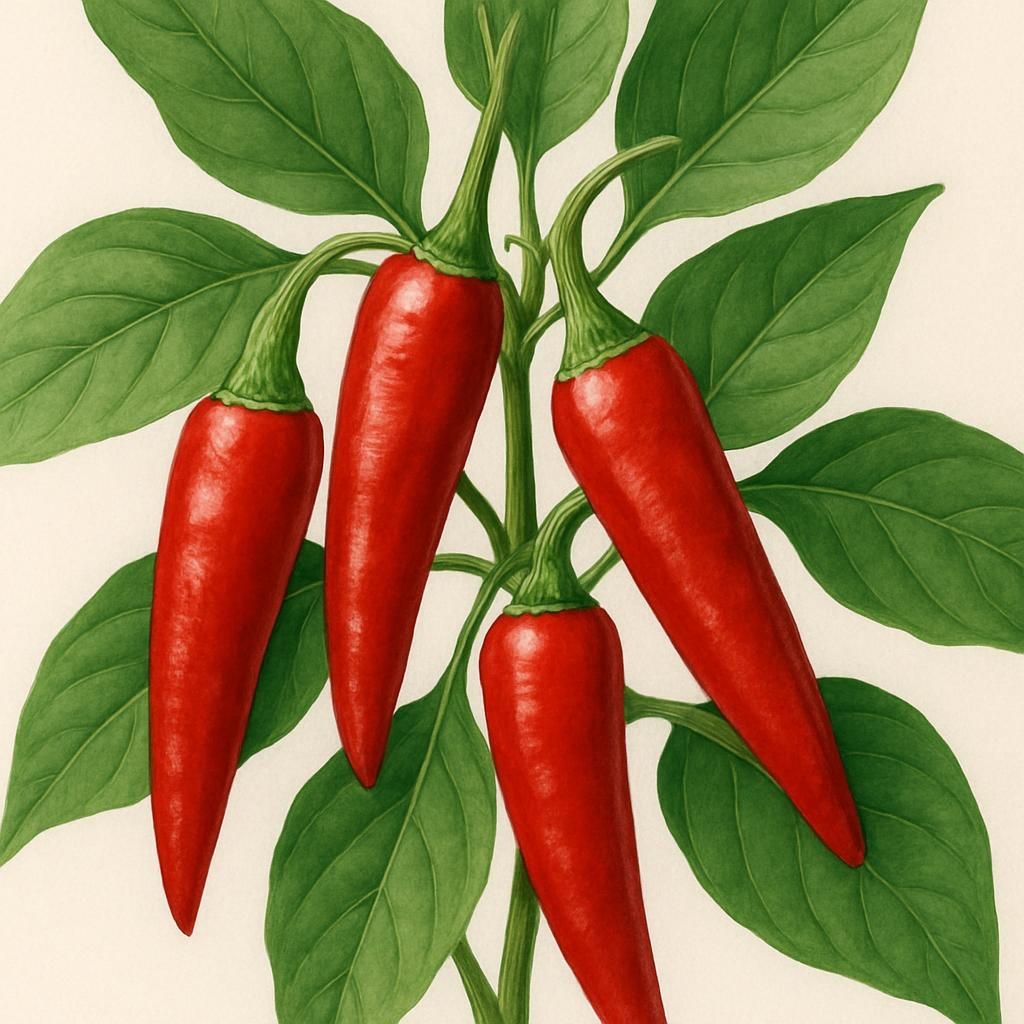
Introduction to Heritage 6-4 Chili
The Heritage 6-4 Chili is a popular variety appreciated for its distinctive flavor and moderate heat. Originating from New Mexico, this chili is often used in sauces and dishes that require a balanced chili flavor. Its ability to adapt to various growing conditions makes it a preferred choice for both amateur and professional horticulturists.
Botanical Profile of Heritage 6-4 Chili
Heritage 6-4 Chili peppers belong to the Capsicum annuum species. They produce smooth, medium-sized pods that turn from green to a mature red, offering a sweet, peppery flavor with moderate heat. The plant can reach a height of 24 to 36 inches, making it suitable for garden spaces and container planting.
Soil, pH, and Climate Requirements for Heritage 6-4 Chili
The optimal growth of Heritage 6-4 Chili depends on the right combination of soil type, pH, and climate. These peppers prefer warm climates and soil that is well-drained and rich in organic matter.
| Factor | Ideal Condition |
|---|---|
| Soil Type | Well-drained, sandy loam |
| Soil pH | 6.0 - 6.8 |
| Temperature | 70°F - 85°F (21°C - 29°C) |
| Rainfall | Low to moderate, with irrigation |
Step-by-Step Planting & Propagation
- Seed Selection: Start with fresh seeds from a reputable source to ensure healthy plants.
- Starting Seeds Indoors: Sow seeds 8-10 weeks before the last frost date in biodegradable pots.
- Germination: Maintain a temperature of about 75°F (24°C) for optimal germination.
- Transplanting: Harden off seedlings by gradually exposing them to outdoor conditions before planting.
- Planting: Transplant outdoors after the last frost, spacing plants about 18 to 24 inches apart in rows 24 to 36 inches wide.
- Direct Sowing: In warmer climates, seeds can be directly sown into the garden after the last frost.
Care & Maintenance Regimes for Heritage 6-4 Chili
Proper care involves regular watering, fertilization, and pruning. Managing pests and diseases is also vital for a healthy harvest.
| Task | Schedule |
|---|---|
| Watering | Once or twice a week, deep watering |
| Fertilizing | Start with a balanced fertilizer, then switch to low-nitrogen as fruits form |
| Pruning | Remove excess leaves and side shoots to boost air circulation |
Pests, Diseases & Organic Management
Heritage 6-4 Chilis are susceptible to pests like Spider Mites and diseases such as Chili leaf curl disease. Organic management strategies include:
- Companion Planting: Use of marigolds and nasturtiums to deter pests.
- Neem Oil: Regular applications to manage mites and aphids.
- Cultural Practices: Rotate crops and remove infected plant debris promptly.
For further organic strategies, consider reading 7 Summer Pest Traps That Sabotage Small Farm Harvests.
Harvesting, Curing & Optimal Storage
Chilies can be harvested once they turn bright red. Use a sharp knife to cut the pods off rather than pulling them to prevent plant damage. After harvesting, chilies can be cured by drying them in a cool, dry place. Store in airtight containers for best freshness.
Companion Planting for Heritage 6-4 Chili
Companion planting can repel pests and improve growth. Effective companions include basil, carrots, and onions, and Cherry Tomato. For more companion planting ideas, explore Summer Companion Planting: 10 Organic Pairings to Boost Small Farm Resilience.