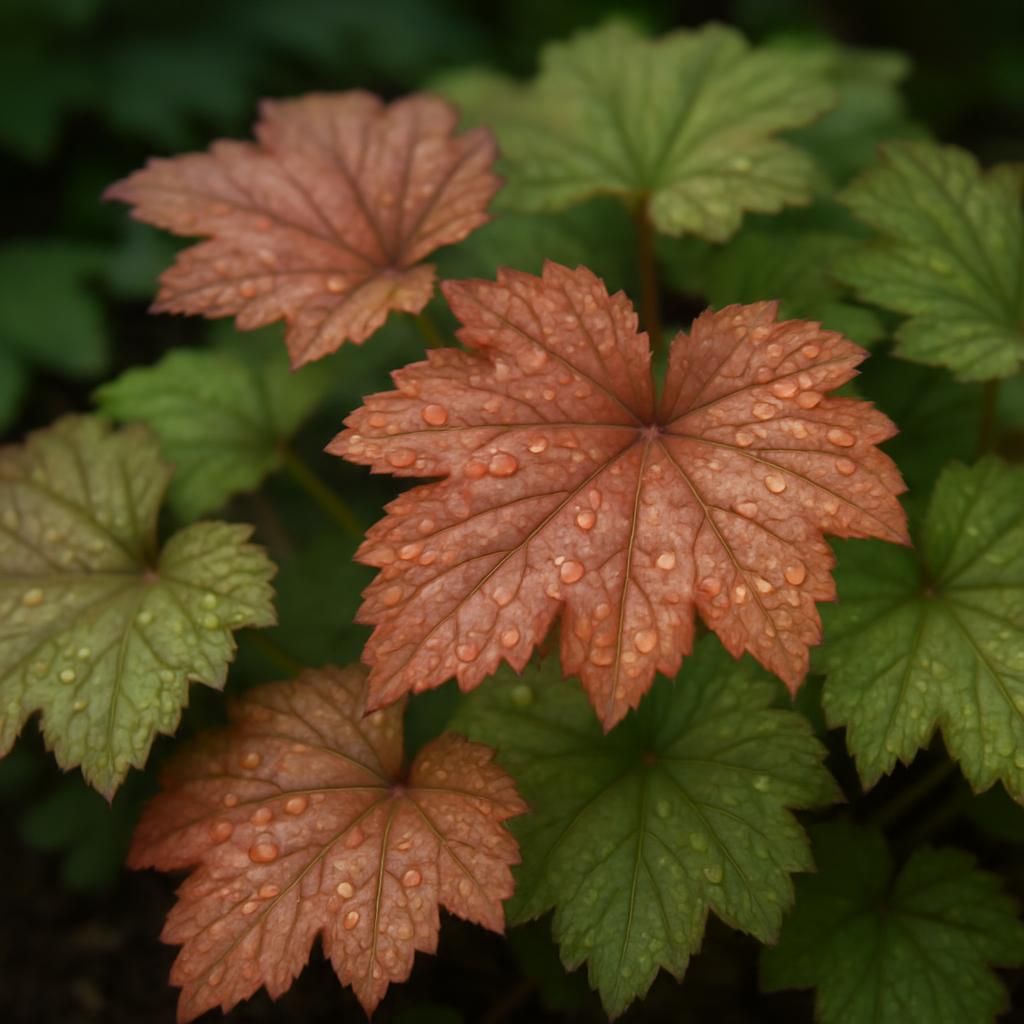
Introduction to Heuchera
Heuchera is a genus of evergreen to semi-evergreen perennials belonging to the Saxifragaceae family. Native primarily to North America, these plants are widely cultivated for their striking foliage in shades of burgundy, lime, silver, and purple, along with airy panicles of small bell-shaped flowers. Gardeners and commercial growers value Heuchera for its adaptability to shaded and semi-shaded landscapes, low maintenance requirements, and extended ornamental season. The plants typically reach 12–18 inches in height with flower spikes extending to 24–36 inches.
Beyond aesthetics, Heuchera contributes to biodiversity by attracting pollinators such as bees and hummingbirds. Its fibrous root system also aids in soil stabilization on slopes. Whether used as edging, groundcover, or container specimens, Heuchera performs reliably across USDA zones 3–9 when given appropriate cultural conditions.
Botanical Profile of Heuchera
Heuchera species exhibit a clumping growth habit with palmately lobed leaves arranged in basal rosettes. Leaf margins are often scalloped or toothed, and many modern hybrids display striking veining and metallic sheens. Flower stalks arise from the center of the rosette in late spring to early summer, bearing clusters of tiny, five-petaled blooms in white, pink, or red tones.
The root system consists of a compact crown with numerous fibrous roots that store carbohydrates for winter survival. Most species are herbaceous perennials, though some retain foliage through mild winters. Hybridization has produced cultivars with improved heat tolerance, disease resistance, and extended bloom periods.
Soil, pH, and Climate Requirements for Heuchera
Successful cultivation begins with matching site conditions to the plant’s native preferences for well-drained, humus-rich soils.
| Parameter | Ideal Range | Notes |
|---|---|---|
| Soil Type | Loamy, well-drained | Avoid heavy clay without amendment |
| Soil pH | 6.0–7.0 | Slightly acidic to neutral; tolerates 5.5–7.5 |
| Temperature Range | 50–75 °F (10–24 °C) daytime | Hardy to –30 °F (–34 °C) with mulch |
| USDA Hardiness Zones | 3–9 | Protect crowns in zone 3 with winter mulch |
| Light Requirements | Partial shade to full sun | Afternoon shade recommended in hot climates |
| Spacing | 12–18 inches (30–45 cm) | Allows air circulation and foliage spread |
Heuchera prefers consistent moisture without waterlogging. In regions with heavy summer rainfall, raised beds or amended slopes improve drainage. Mulching with 2–3 inches of organic material conserves moisture and moderates soil temperature.
Step-by-Step Planting & Propagation
- Site Preparation: Select a location with dappled light. Loosen soil to 12 inches and incorporate 2–3 inches of compost or aged manure.
- Division: The most reliable propagation method. Dig mature clumps in early spring or fall, separate crowns with a sharp knife, and replant immediately at the same depth.
- Seed Sowing: Surface-sow stratified seeds indoors 8–10 weeks before last frost. Maintain 60–65 °F (15–18 °C) and provide bright indirect light. Germination occurs in 14–28 days.
- Cuttings: Take 3–4 inch basal cuttings in late spring; root in a sterile, moist medium under high humidity.
- Transplanting: Harden off seedlings or divisions for 7–10 days before planting outdoors. Water thoroughly after transplanting and apply a light mulch layer.
Care & Maintenance regimes for Heuchera
Routine care focuses on maintaining foliage color, preventing crown rot, and encouraging rebloom.
| Task | Schedule | Details |
|---|---|---|
| Watering | Weekly during active growth | Provide 1 inch of water; reduce in dormancy. Avoid overhead irrigation. |
| Fertilizer | Early spring & mid-summer | Apply balanced slow-release (10-10-10) or organic compost tea. |
| Pruning | Remove spent flower stalks | Cut back damaged foliage in late winter to promote fresh growth. |
| Mulching | Spring and fall | Maintain 2-inch organic layer; keep mulch away from crown. |
| Division | Every 3–4 years | Rejuvenates vigor and controls clump size. |
Monitor for signs of nutrient deficiency (chlorosis) and adjust pH or apply chelated iron if needed.
Pests, Diseases & Organic Management
Common issues include Aphids, Spider mites, and Powdery mildew. Slugs and snails may damage young foliage in damp conditions.
Organic controls:
- Encourage beneficial insects with flowering companions.
- Apply insecticidal soap or neem oil at first sign of infestation.
- Improve air circulation and avoid overhead watering to reduce fungal pressure.
- Remove and destroy heavily infected leaves; sanitize tools between plants.
Harvesting, Curing & Optimal Storage
Heuchera is primarily grown as an ornamental; however, foliage can be harvested for floral arrangements. Cut stems at the base when flowers are one-third open. Place in cool water with floral preservative. For overwintering potted plants, move containers to a protected location or mulch heavily in situ. Divide and replant every few years to maintain plant health rather than long-term storage of harvested material.
Companion Planting for Heuchera
Heuchera pairs well with shade-tolerant perennials such as ferns, hostas, and Thyme. Its colorful foliage contrasts beautifully with silver-leaved plants and provides a textural backdrop for spring bulbs. Avoid planting near aggressive spreaders that may overwhelm the crown. In mixed borders, position Heuchera in the front to mid-layer where its foliage remains visible year-round.
Heuchera species offer exceptional versatility for both novice and experienced growers seeking reliable color and texture in shaded landscapes.