Encyclopedia
Definitive guides for crops, pests, and agricultural diseases.
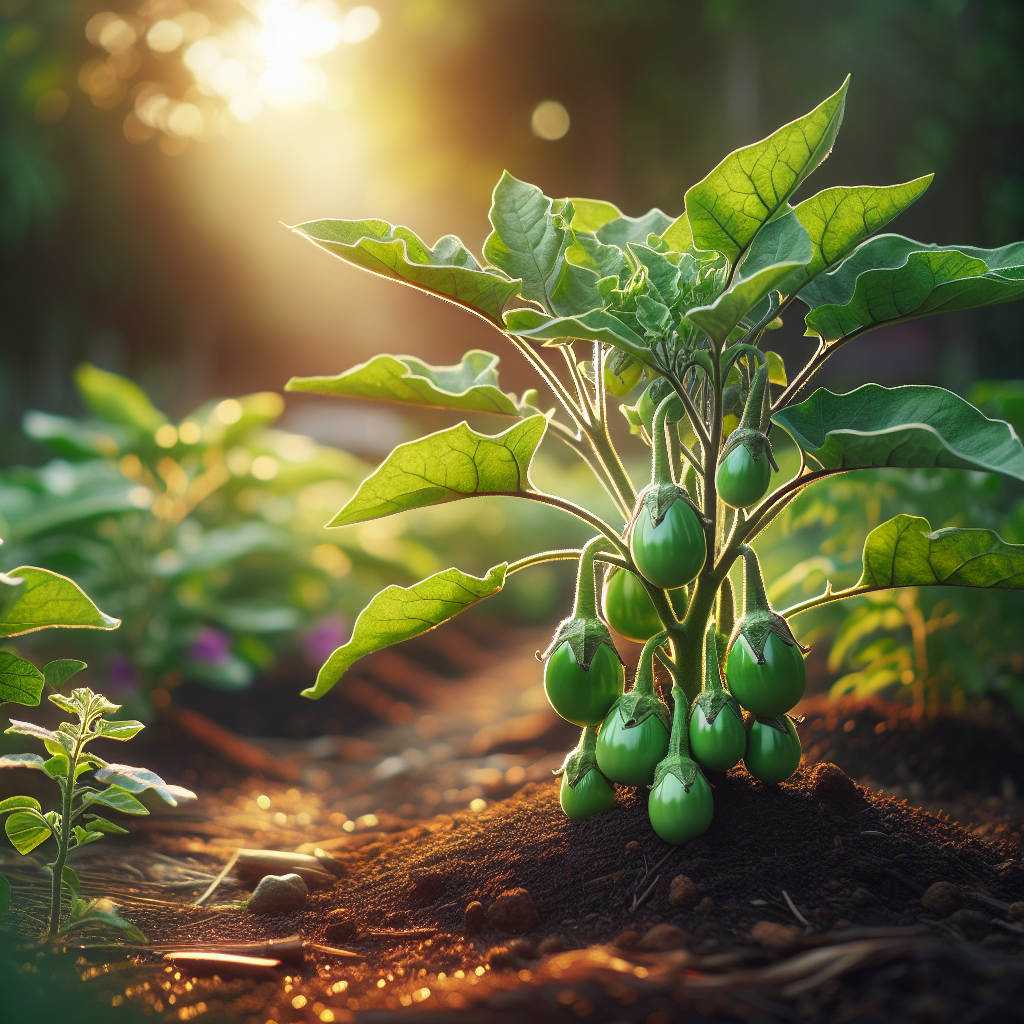
Eggplant (Thai Green)
Eggplant (Thai Green) is a warm-season Asian eggplant type prized for its small to medium, round to slightly oval green fruits with tender flesh, mild bitterness, and excellent performance in stir-fries, curries, and fresh market sales. Compared with large globe eggplants, Thai green types are typically more heat-tolerant, earlier to bear, and highly productive when grown in fertile, well-drained soils with consistent warmth and moisture.
View Guide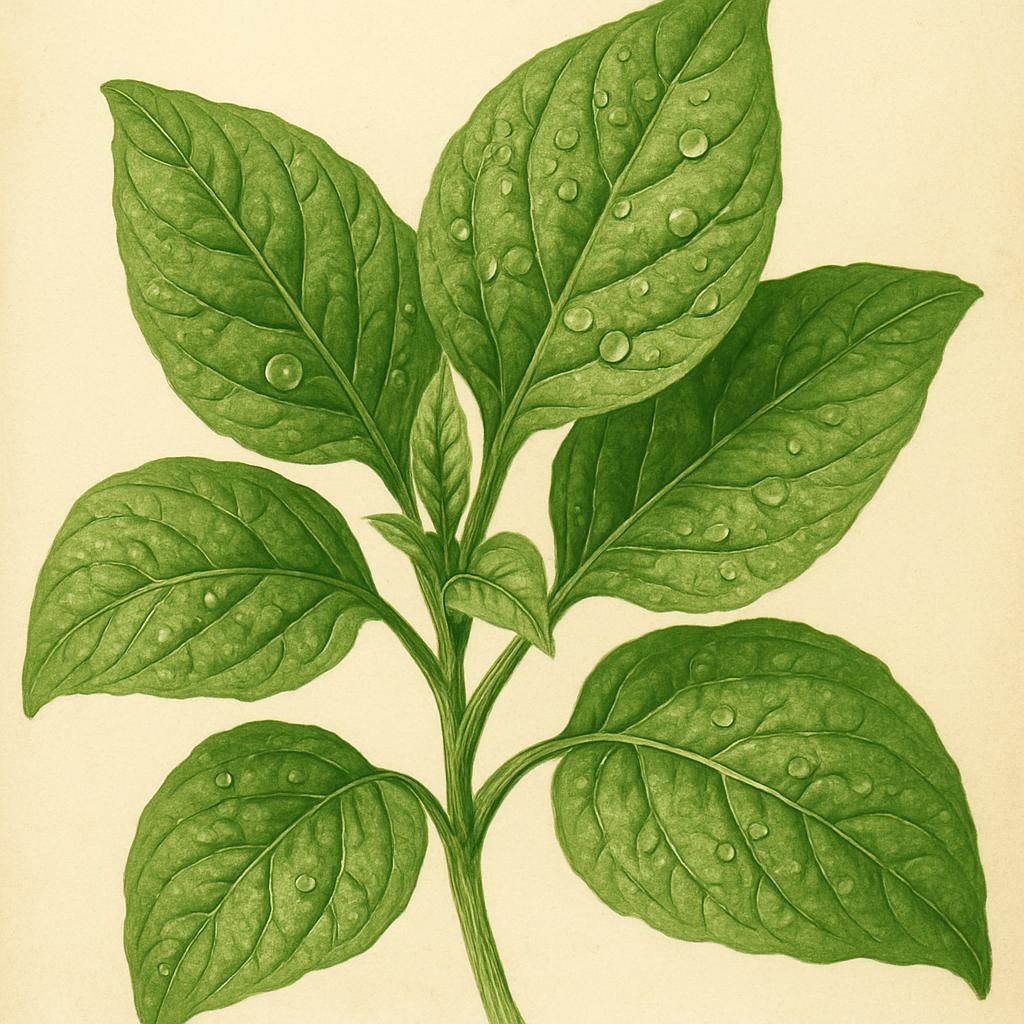
Egyptian Spinach (Molokhia)
Egyptian Spinach, known as Molokhia, is a nutritious leafy green native to the Middle East and parts of Africa. It thrives in warm climates and is renowned for its high vitamin and mineral content.
View Guide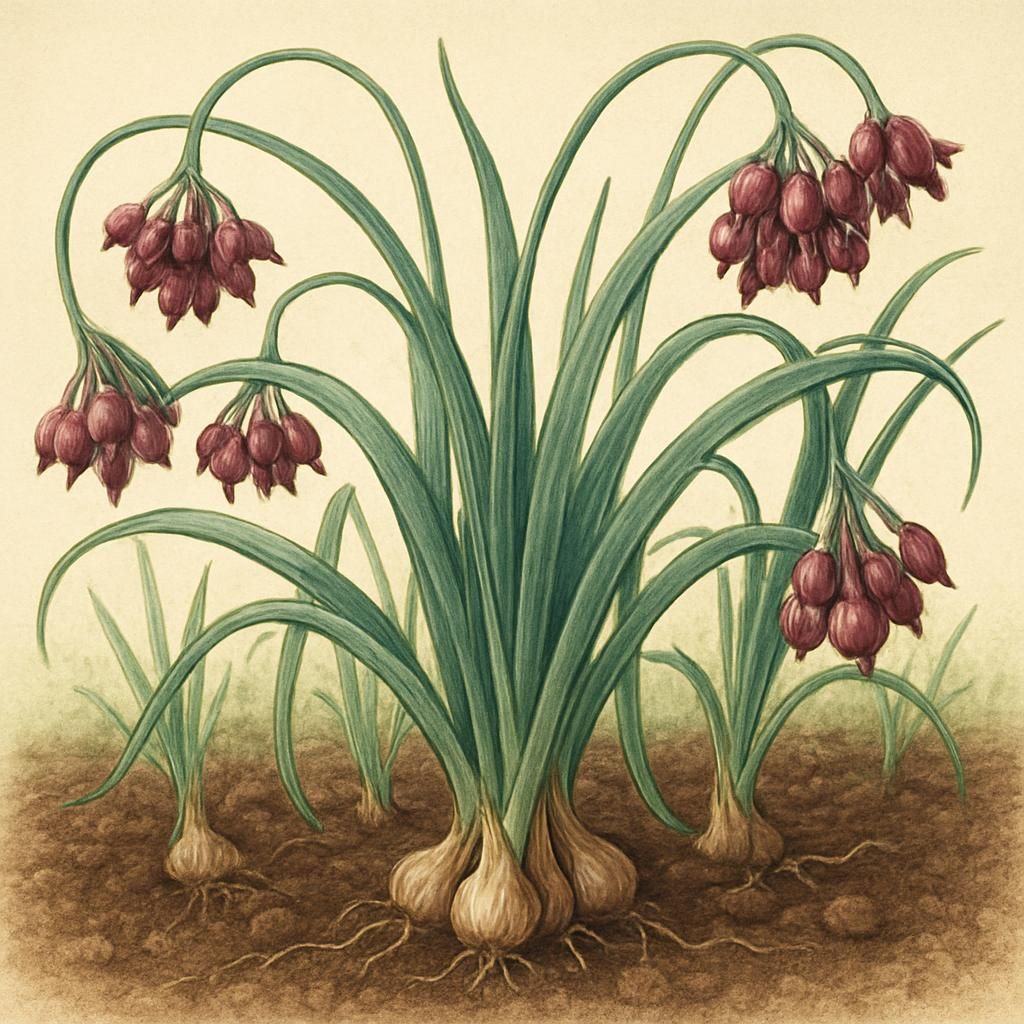
Egyptian Walking Onion
Egyptian Walking Onion is a hardy, perennial allium prized for its self-propagating habit and dual-purpose bulbs and greens. This low-maintenance crop thrives in temperate climates and delivers continuous harvests with minimal intervention. Its unique top-set bulbils allow it to "walk" across the garden, making it both productive and fascinating for home and small-scale growers.
View Guide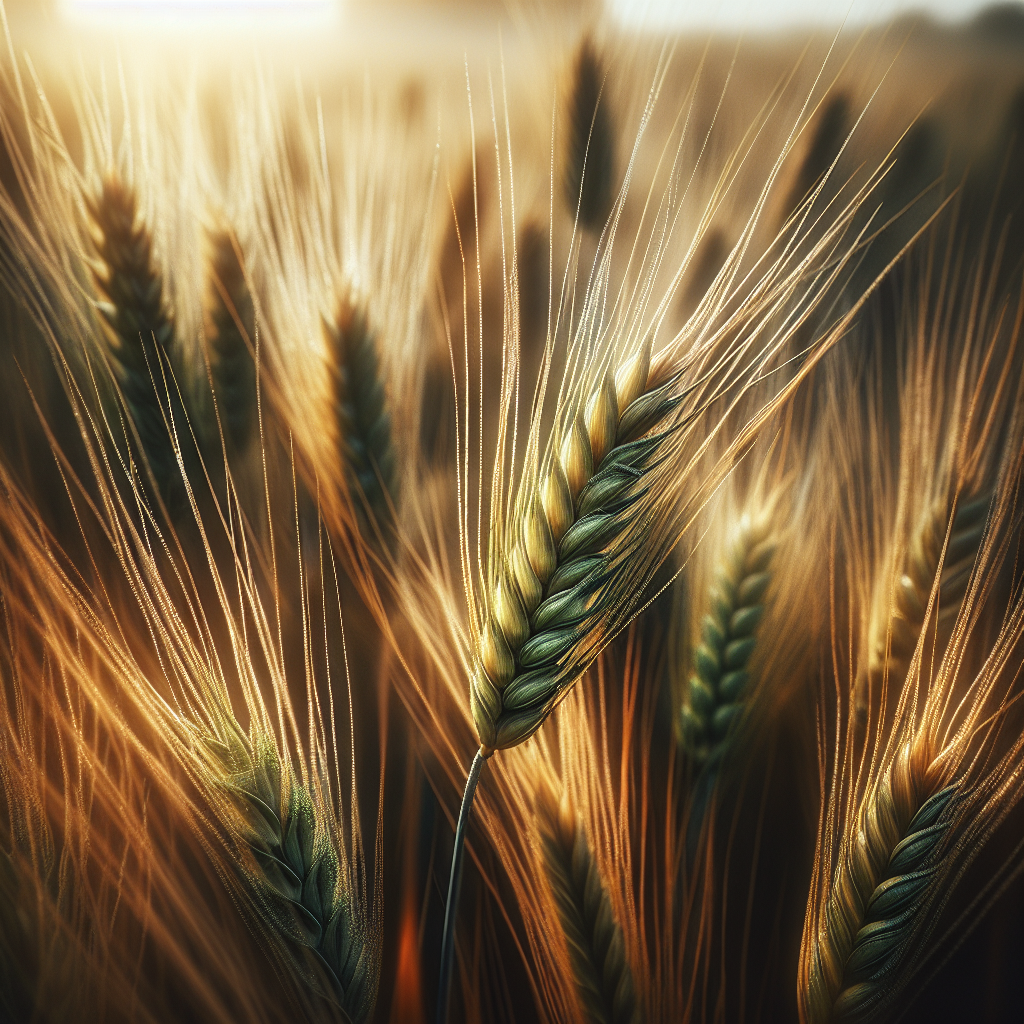
Einkorn Wheat
Einkorn wheat is one of the oldest domesticated cereal grains, valued for its rich flavor, resilience in low-input systems, and suitability for marginal soils. Though typically lower-yielding than modern bread wheat, it rewards careful growers with a nutritious, specialty grain that performs especially well in cool temperate climates and diversified organic rotations.
View Guide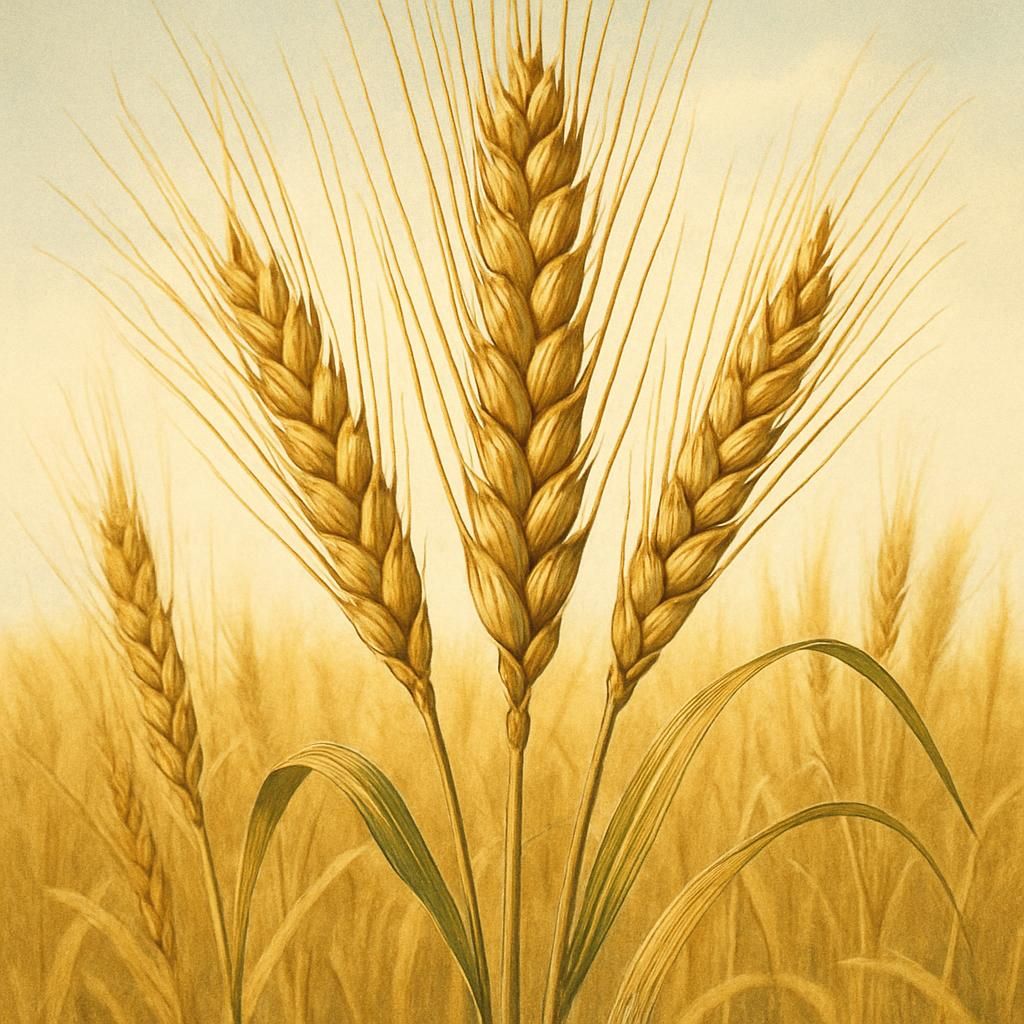
Einkorn Wheat (Triticum monococcum)
Einkorn wheat is an ancient grain, prized for its nutritional benefits and suitability for various growing climates. This guide offers a comprehensive overview of its cultivation, including soil, climate requirements, and pest management.
View Guide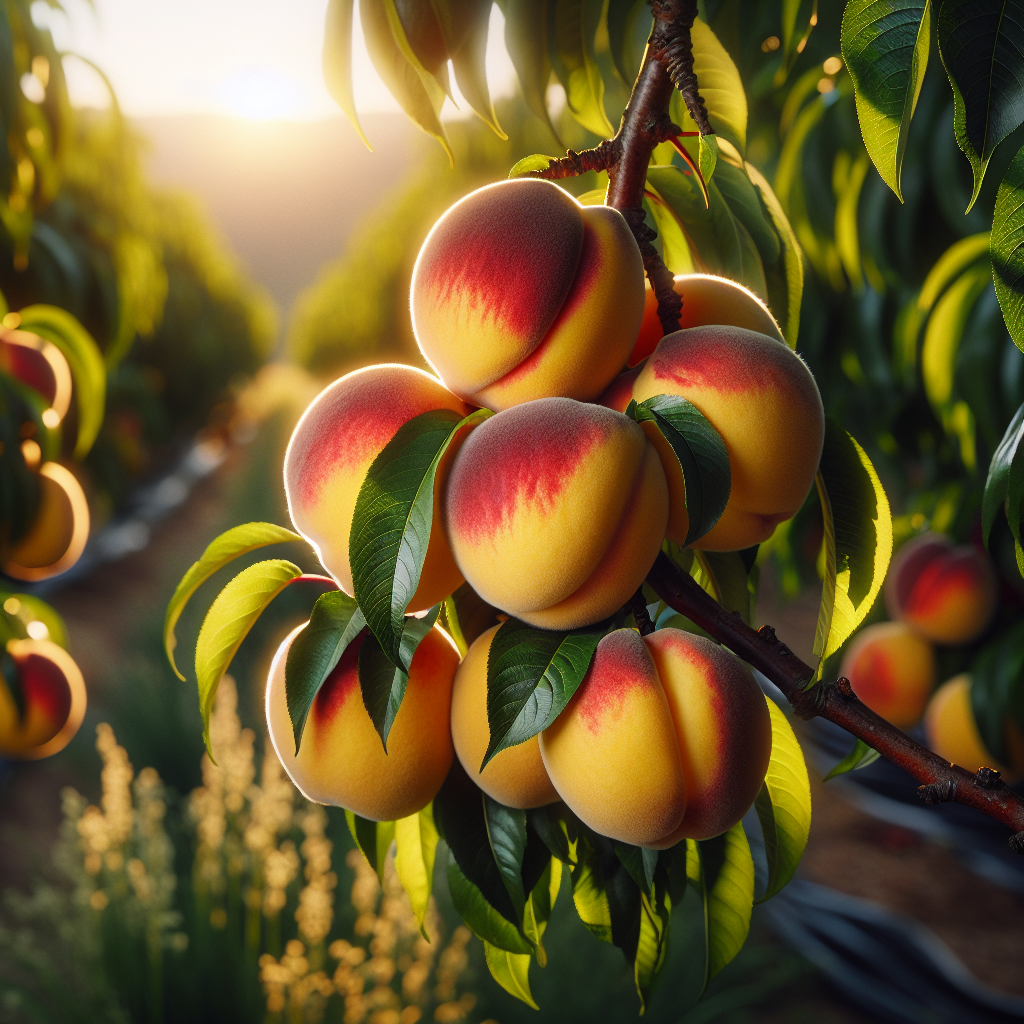
Elberta Peach
Elberta Peach is a classic late-season freestone peach prized for its large golden-yellow fruit, red blush, rich aroma, and excellent fresh-eating and canning quality. First introduced in the United States in the late 19th century, it became one of the most widely planted peaches because of its productivity, transportability, and dependable performance in many temperate regions.
View Guide
elderberry
Elderberry, often misidentified as a pest in agricultural settings, is a highly invasive woody shrub that aggressively competes with crops for resources, spreads rapidly via birds and seeds, and can overrun orchards and fields. This guide provides definitive diagnostics, lifecycle insights, and organic management strategies to eradicate or control elderberry infestations effectively. Farmers can reclaim productivity with proven prevention and treatment plans tailored for small-scale operations.
View Guide
Elderberry (American)
American elderberry is a fast-growing, cold-hardy native fruiting shrub prized for its large clusters of fragrant spring flowers and dark purple-black berries used in syrups, preserves, wines, and nutraceutical products. It is highly adaptable, but the best yields come from sites with consistent moisture, full sun, high organic matter, and cross-pollination between compatible cultivars.
View Guide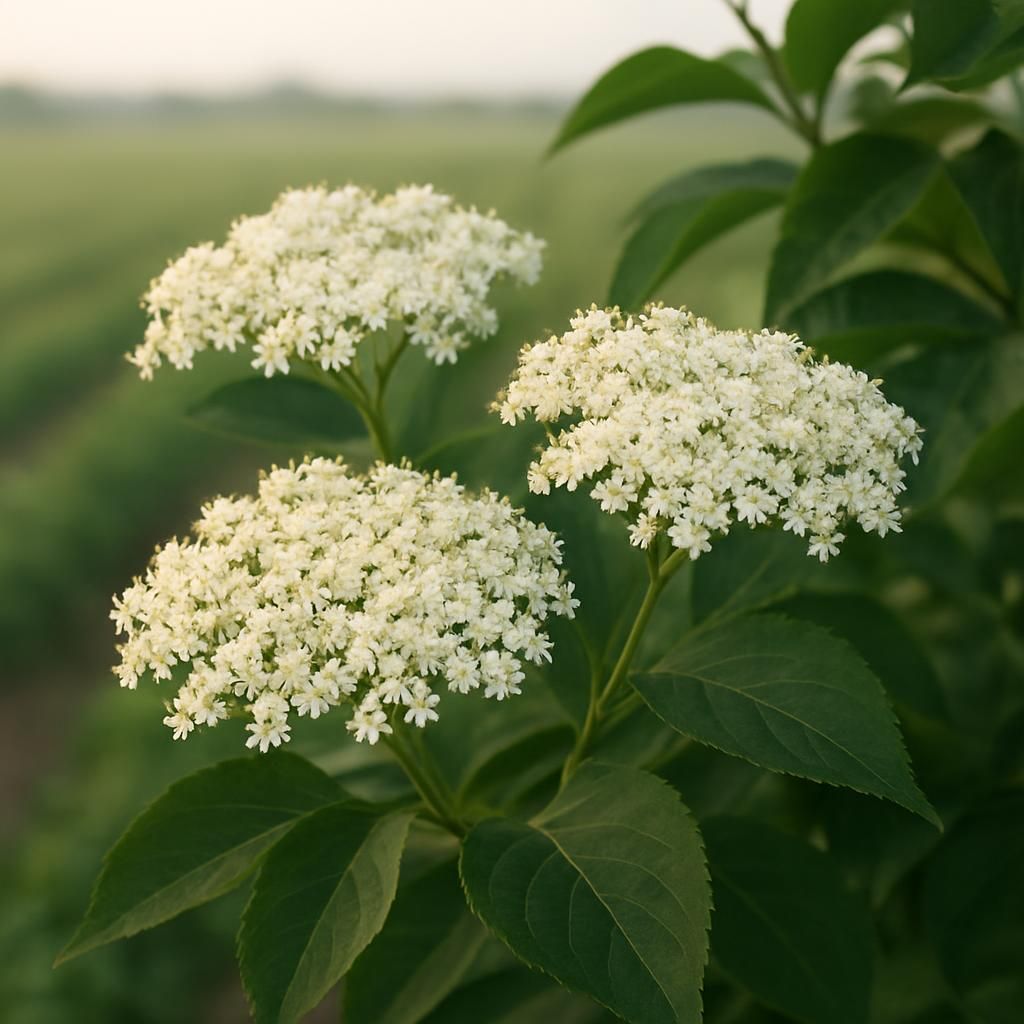
Elderberry (Flower)
Elderberry (Flower) refers to the aromatic blooms of the elderberry shrub, valued for medicinal, culinary, and ornamental uses. This guide covers professional organic cultivation of the flowers from planting through harvest and storage.
View Guide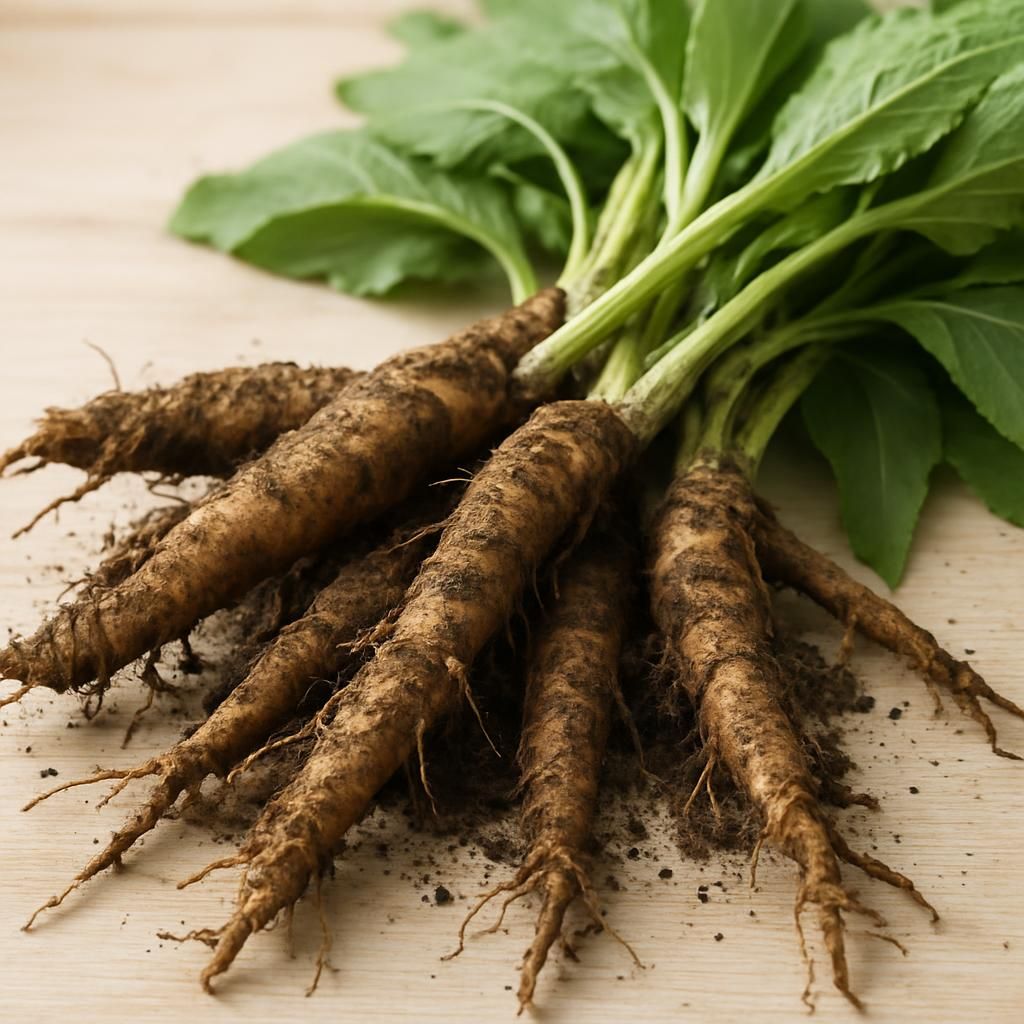
Elecampane Root
Elecampane root is a hardy, deep-rooted perennial herb prized for its medicinal rhizomes and historical use in respiratory and digestive remedies. This comprehensive guide details professional cultivation practices from soil preparation through harvest and storage for optimal root quality and yield.
View Guide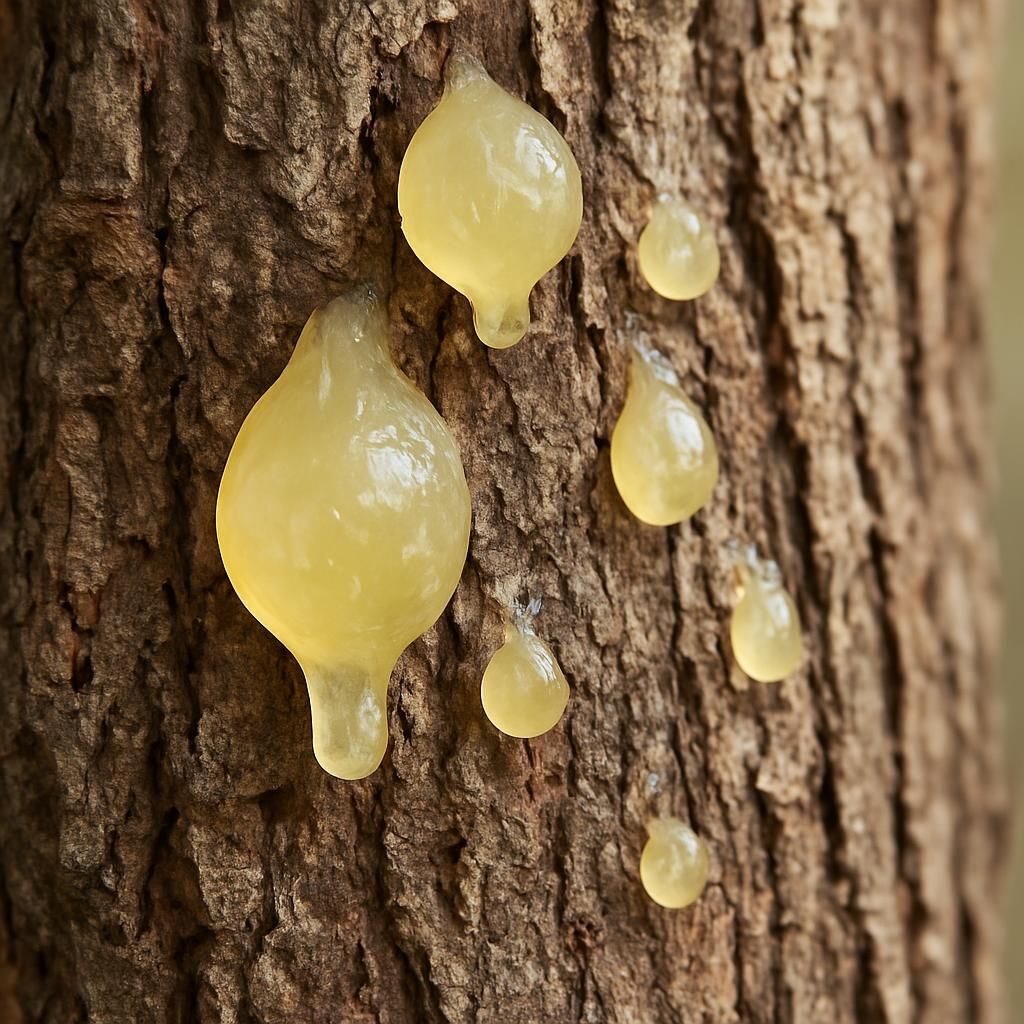
Elemi Resin
Elemi resin is a valuable aromatic oleoresin harvested from the trunk of the elemi tree, a tropical evergreen native to the Philippines and parts of Southeast Asia. This professional-grade guide details every stage of cultivation from propagation through resin harvest, emphasizing sustainable practices and organic pest management. The crop offers strong economic potential for smallholder farmers in humid tropical zones seeking high-value non-timber forest products.
View Guide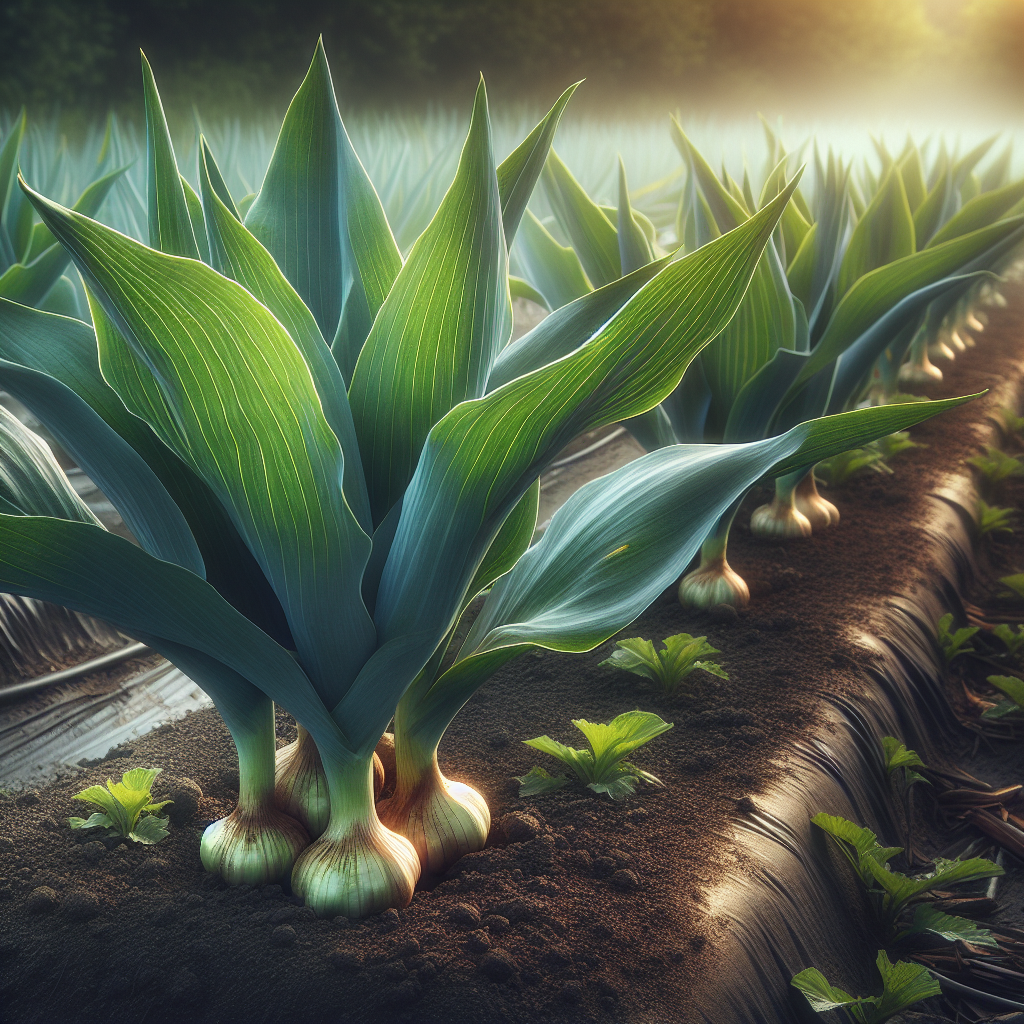
Elephant Ear Garlic
Elephant Ear Garlic, more commonly known as elephant garlic, is a large-cloved allium prized for its mild, sweet garlic flavor and impressive bulb size. Though commonly grown like garlic, it is botanically closer to the leek and benefits from cool-season cultivation, fertile well-drained soil, and careful moisture management for maximum bulb development.
View Guide
Elephant Ear Taro
Elephant Ear Taro is a tropical aroid grown for its starchy corms, edible leaf stems, and dramatic foliage. It thrives in warm, humid conditions with consistently moist, fertile soil, and performs especially well where long frost-free seasons allow steady vegetative growth before corm bulking.
View Guide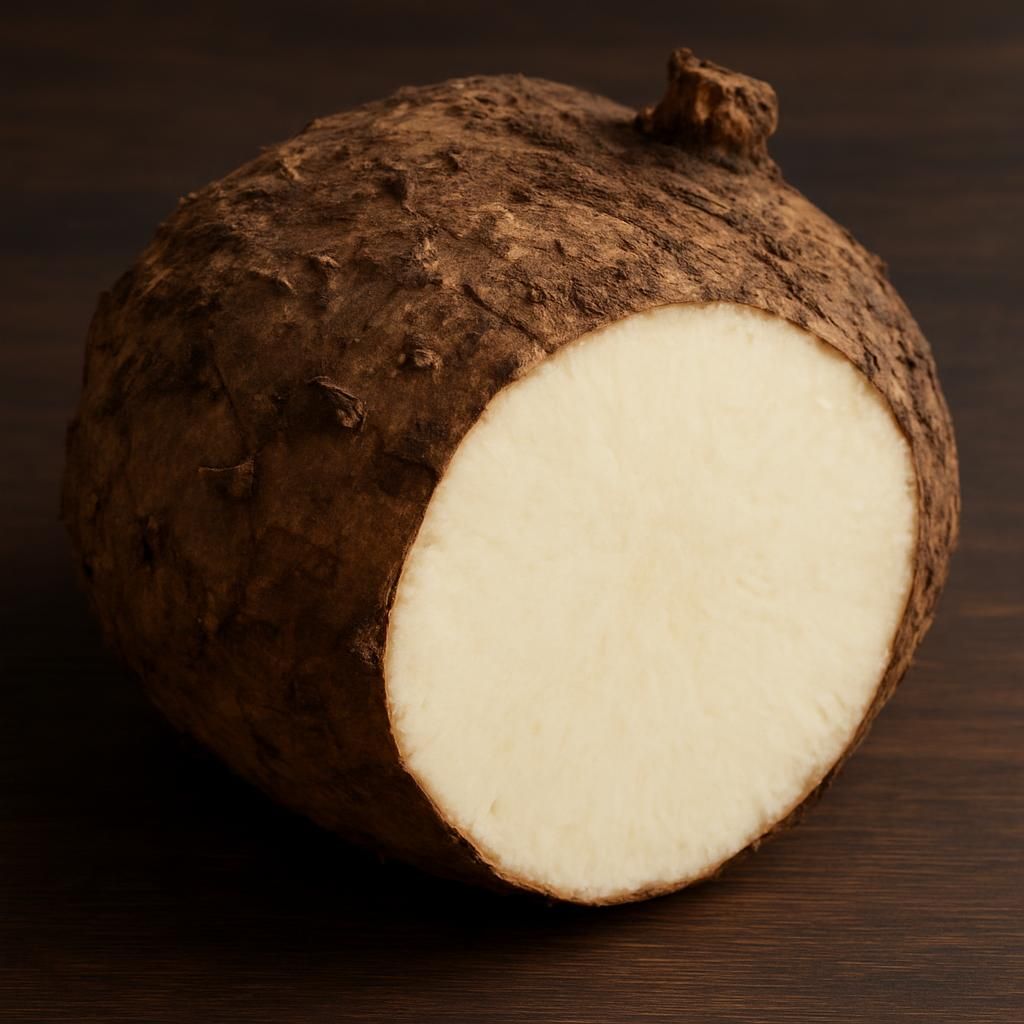
Elephant Foot Yam (Suran)
Elephant Foot Yam (Suran) is a tropical tuber crop valued for its large corms and culinary versatility. This guide covers complete agronomic practices from soil preparation through storage, with emphasis on organic methods and high-yield systems.
View Guide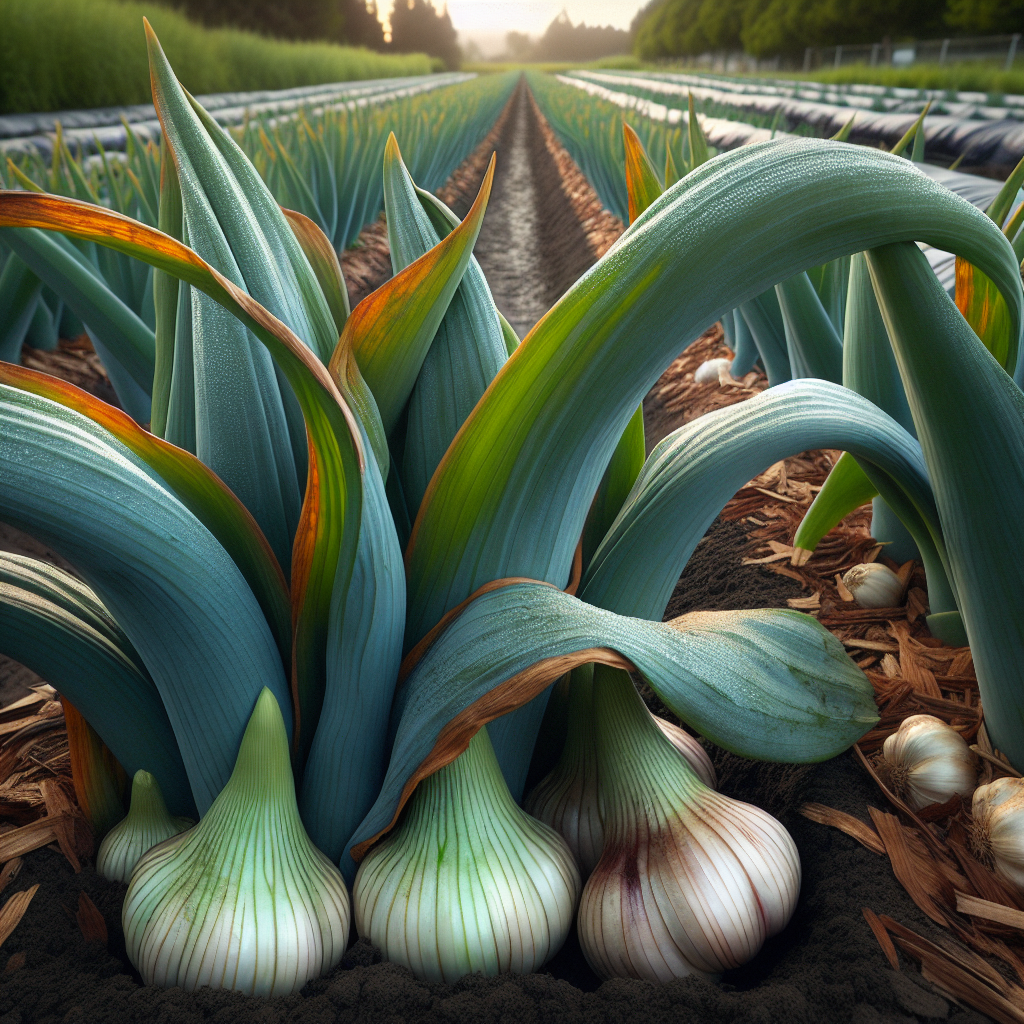
Elephant Garlic
Elephant garlic is a large, mild-flavored allium more closely related to leek than true garlic, yet cultivated in a similar way for its enormous bulbs and usable scapes. It thrives in well-drained, fertile soil, benefits from cool-season establishment, and rewards careful water and nutrient management with impressive, marketable heads.
View Guide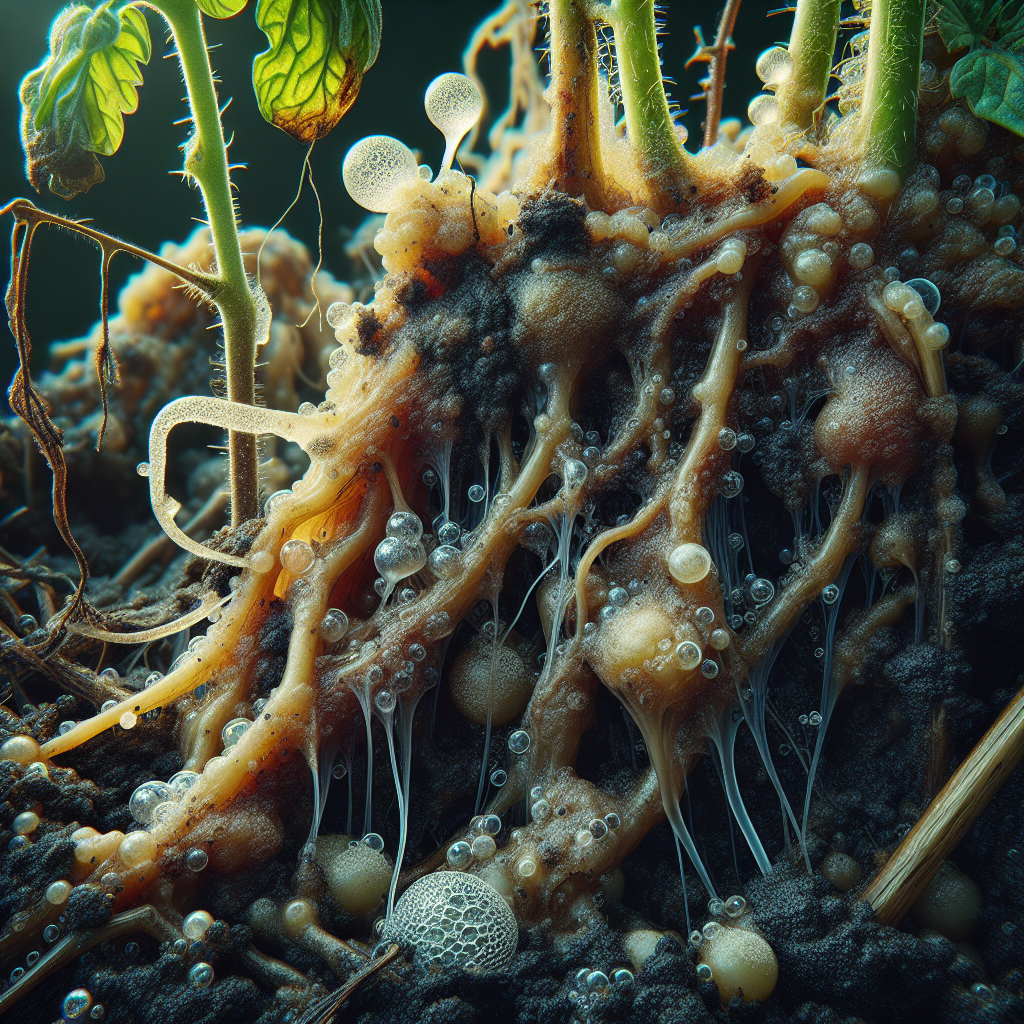
EM (Effective Microorganisms)
EM (Effective Microorganisms) is a mixed culture of beneficial microbes promoted for soil enhancement but often leads to microbial imbalances, root disruptions, and yield losses when misapplied as a 'pest' in agricultural systems. This guide details symptoms of EM overgrowth, lifecycle dynamics, and organic management strategies to restore soil health. Farmers can effectively diagnose and mitigate EM-related damage through balanced microbial management and prevention tactics.
View Guide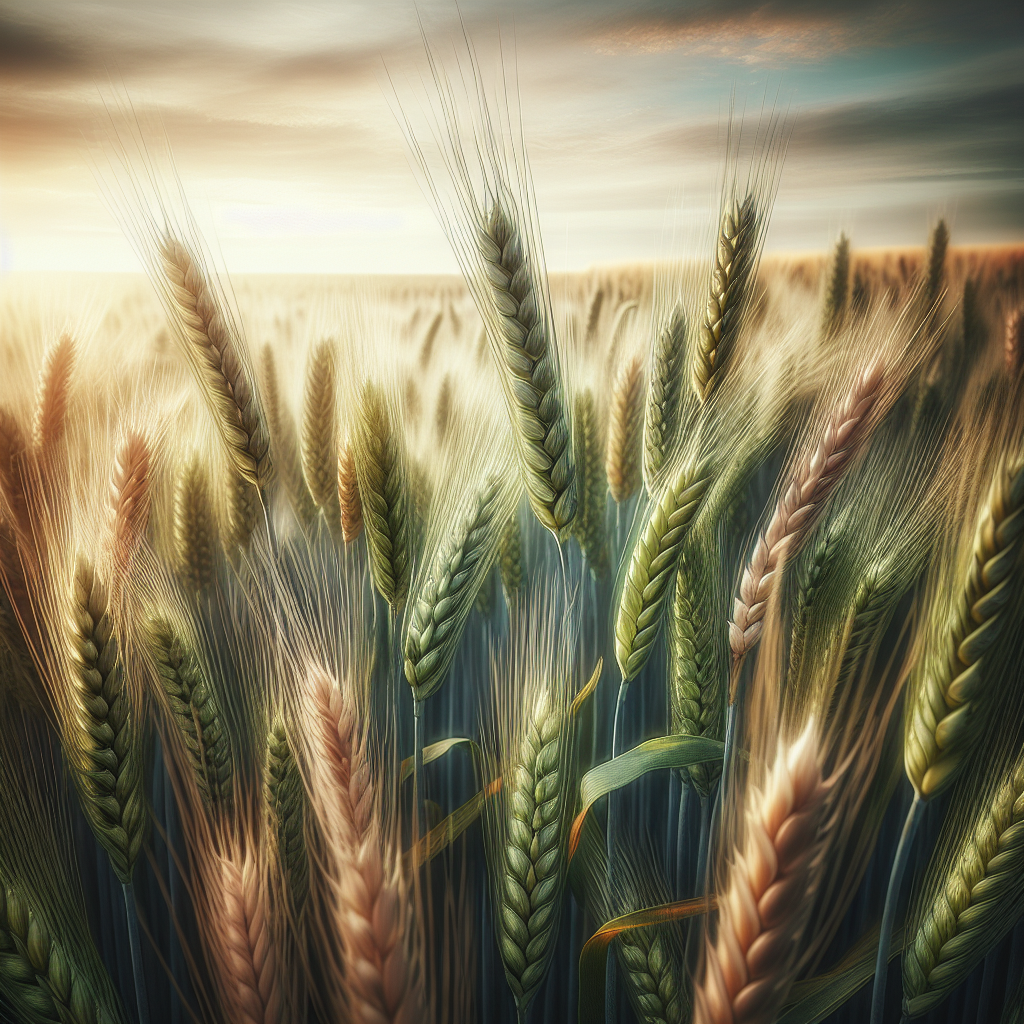
Emmer
Emmer is an ancient hulled wheat valued for its resilience, nutty flavor, and suitability for low-input systems in dry temperate regions. It is less demanding than many modern wheats, but high-quality production still depends on careful soil preparation, disciplined weed control, timely harvest, and proper post-harvest dehulling.
View Guide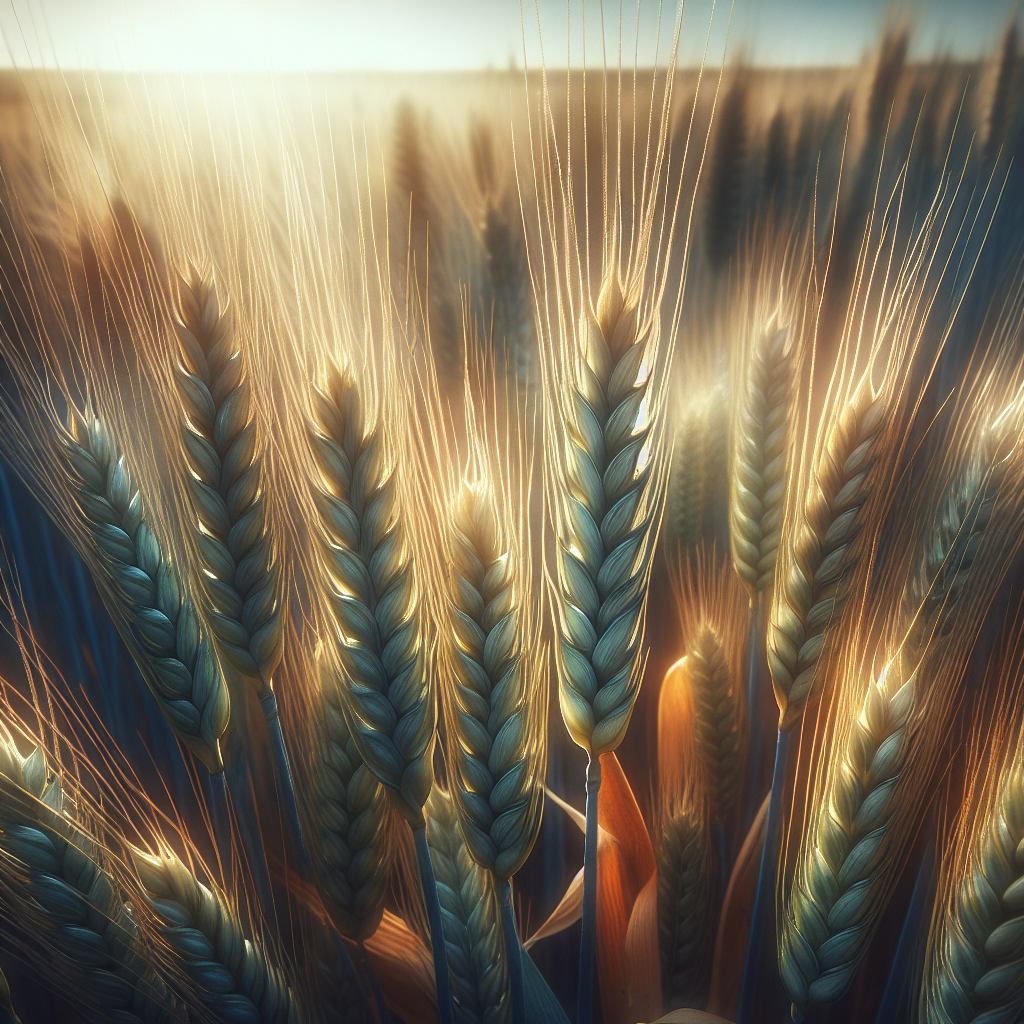
Emmer Wheat
Emmer wheat is one of the oldest domesticated cereals, valued for its nutty flavor, resilience, and suitability for low-input farming systems. This hulled wheat performs especially well in temperate, semi-arid, and marginal soils where modern bread wheats may be less reliable, but it requires careful timing at sowing and proper post-harvest dehulling for best results.
View Guide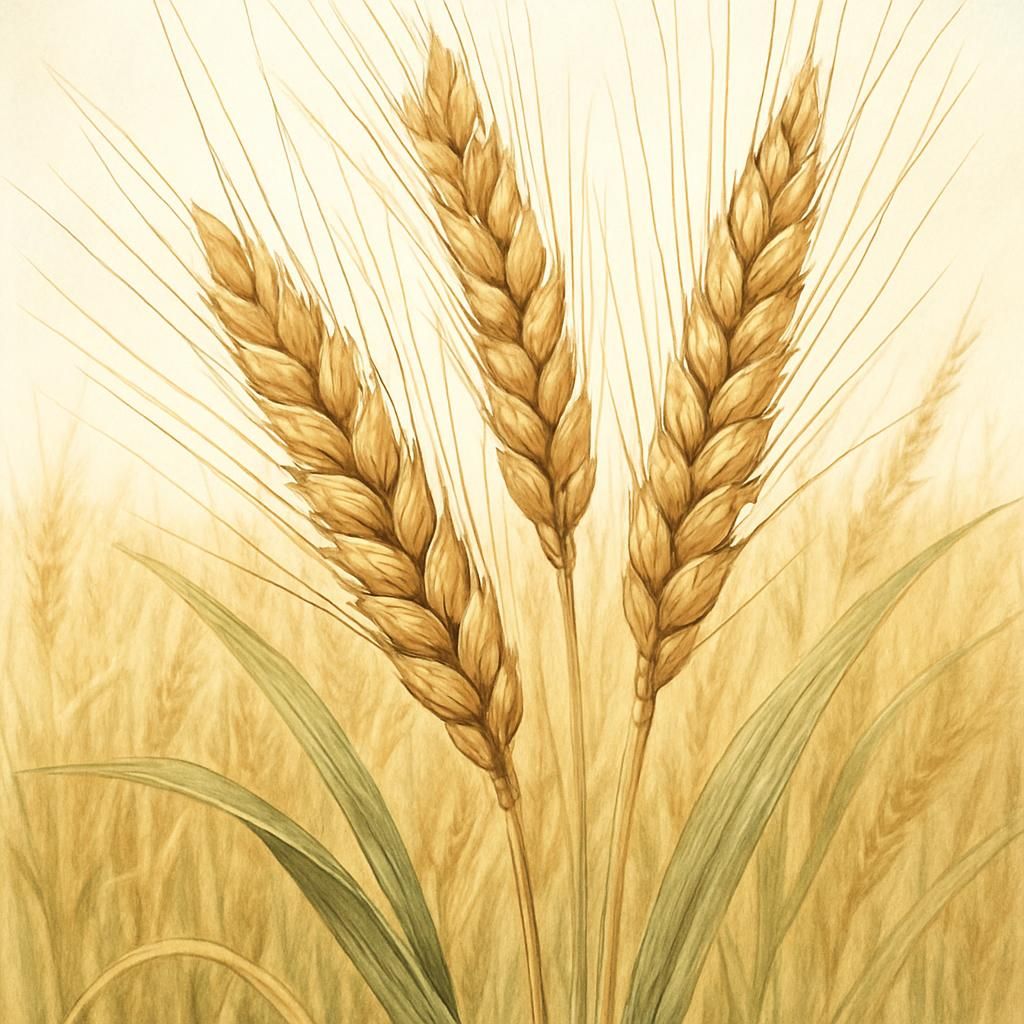
Emmer Wheat (Farro Vero)
Emmer wheat, also known as Farro Vero, is an ancient grain re-emerging in popularity due to its robust flavor and versatility in sustainable farming systems. It is well-suited for organic cultivation and can thrive under diverse environmental conditions.
View Guide
Empire Apple
Empire Apple is a cold-hardy, late-season dessert apple developed from McIntosh and Red Delicious parentage, valued for its crisp flesh, balanced sweet-tart flavor, and strong storage performance. It is especially well suited to temperate orchards with adequate winter chill, careful pruning, and strong disease monitoring for high-quality fruit production.
View Guide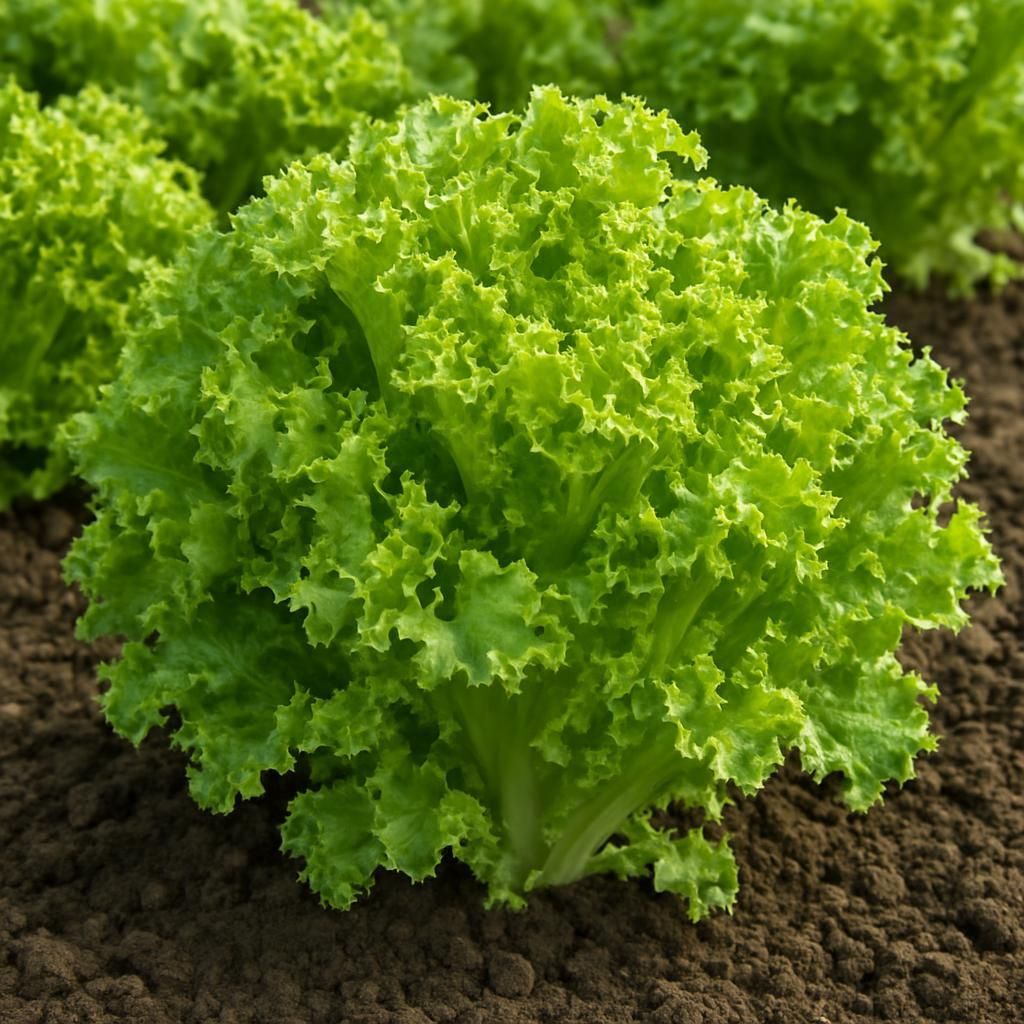
endive
Endive is a cool-season leafy green in the Asteraceae family, prized for its crisp texture and slightly bitter flavor. It is grown for both fresh market and specialty salads and requires attentive management of temperature, moisture, and pests to achieve premium quality heads.
View Guide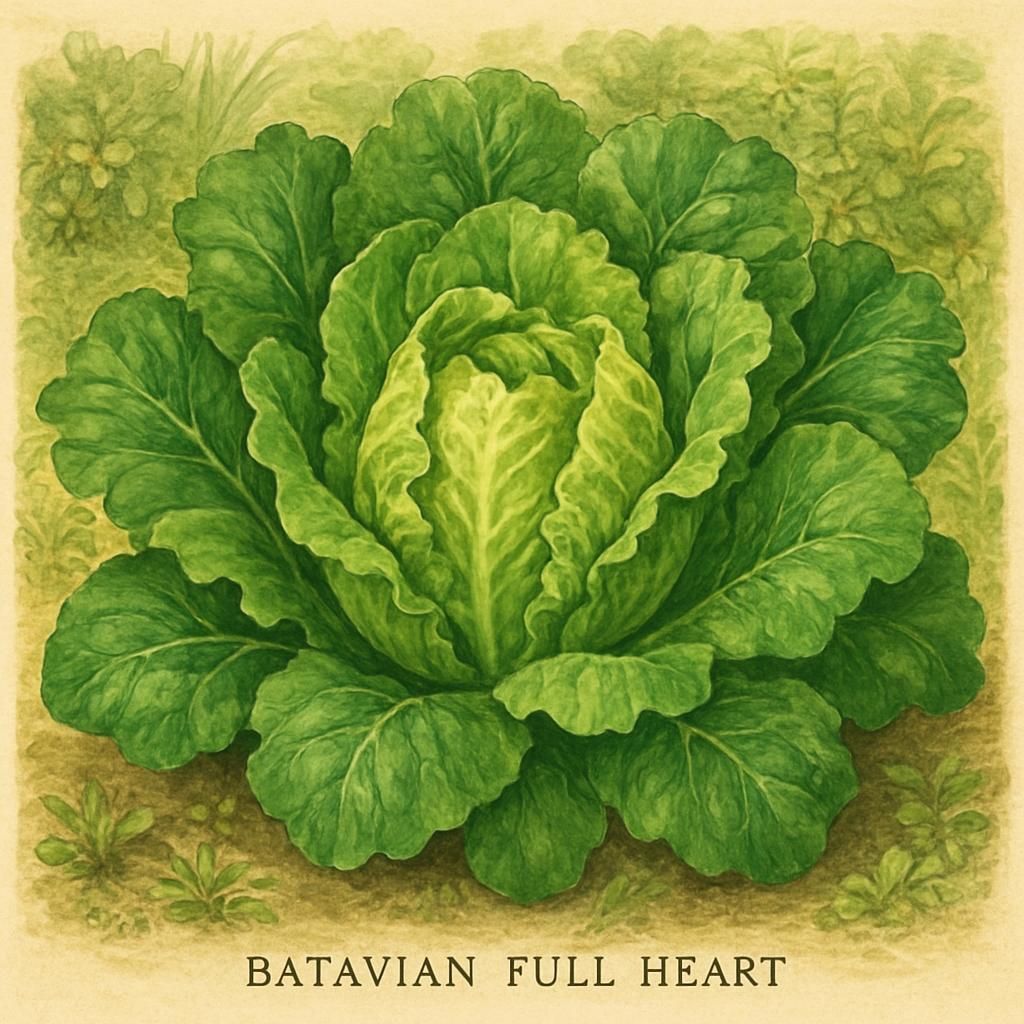
Endive (Batavian Full Heart)
Batavian Full Heart endive is a leafy vegetable known for its crisp texture and slightly bitter flavor. This variety thrives in cool climates and requires well-draining soil with consistent moisture.
View Guide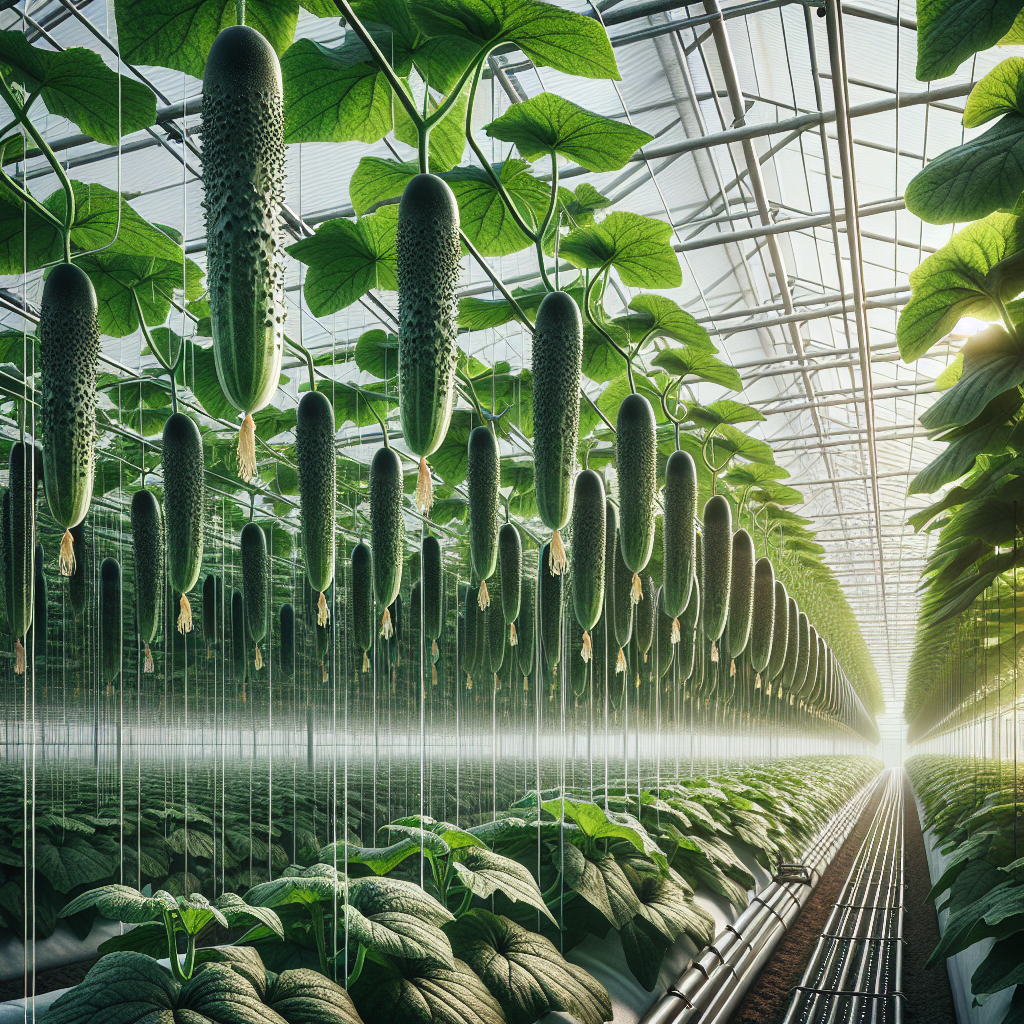
English Greenhouse Cucumber
English greenhouse cucumber is a long, thin-skinned, nearly seedless type of cucumber bred for protected cultivation, high humidity tolerance, and premium fresh-market quality. It performs best in warm, stable greenhouse conditions where careful management of temperature, irrigation, training, and disease prevention can produce exceptionally straight, tender fruits over an extended season.
View Guide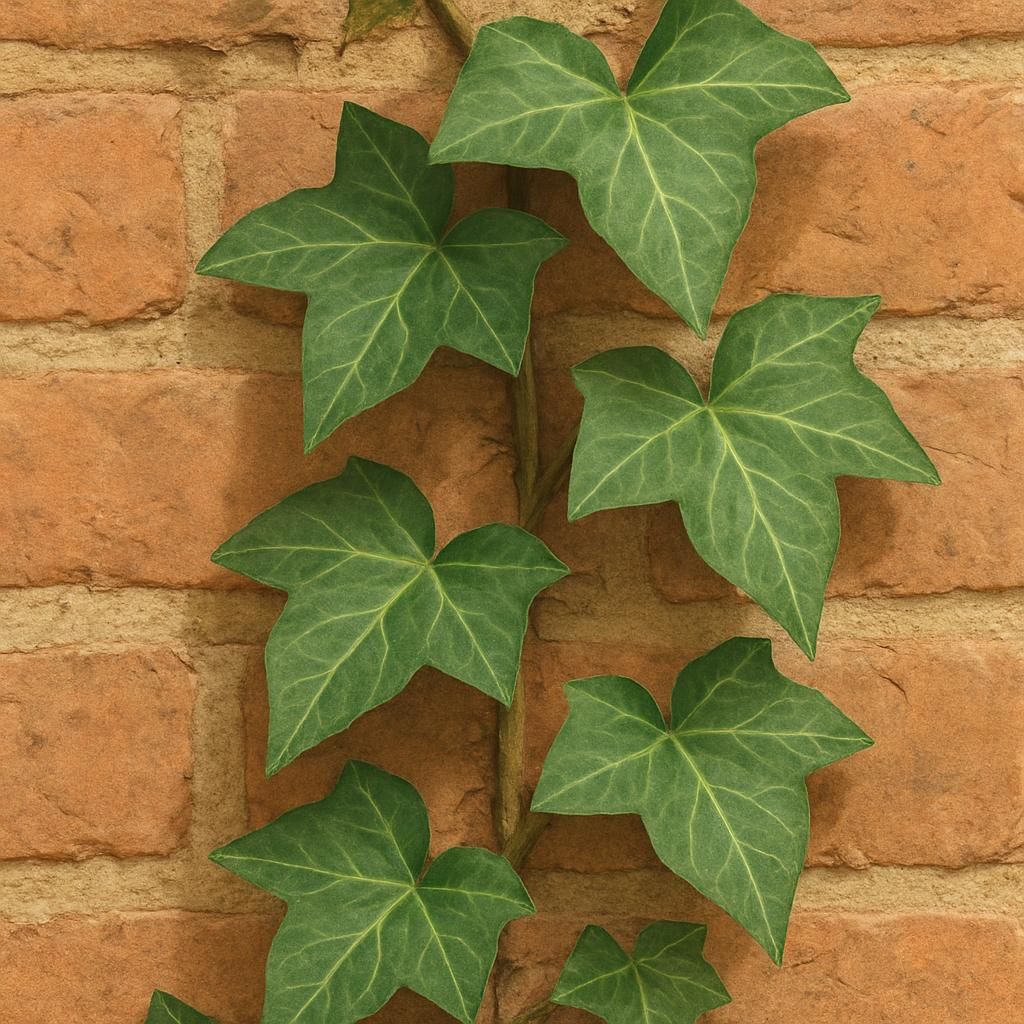
English Ivy
English Ivy is a vigorous evergreen woody vine prized in landscaping and groundcover applications, known for its rapid growth, shade tolerance, and ability to climb vertical surfaces via aerial roots. It thrives in temperate climates and well-drained soils but requires careful management due to its invasive potential in many regions.
View Guide