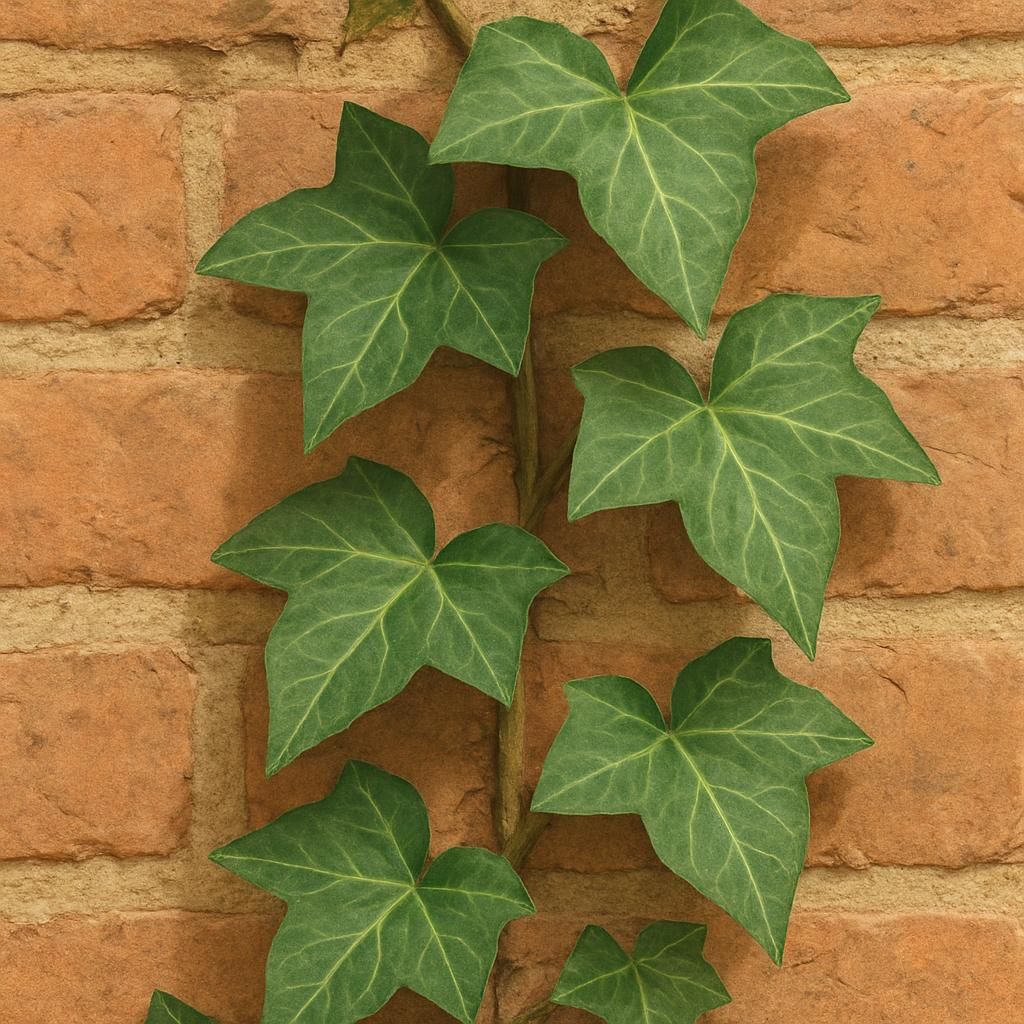
Introduction to English Ivy
English Ivy (Hedera helix) is one of the most widely planted evergreen vines in temperate landscapes worldwide. Its ability to climb brick walls, tree trunks, and trellises using specialized aerial roots makes it a popular choice for vertical greening and erosion control. While valued for its year-round foliage and rapid coverage, English Ivy can become invasive outside its native European range, outcompeting native vegetation in forests and urban green spaces.
Professional growers and landscapers appreciate its low-maintenance nature once established, but successful cultivation requires understanding its botanical needs and containment strategies. This guide delivers evidence-based recommendations for soil preparation, propagation, irrigation, nutrition, and integrated pest management tailored specifically to English Ivy production and landscape use.
Botanical Profile of English Ivy
Hedera helix belongs to the Araliaceae family. The species exhibits two distinct growth phases: the juvenile stage produces lobed, evergreen leaves and climbing stems with adventitious roots, while the mature (adult) phase develops unlobed leaves and upright flowering shoots that produce small greenish-yellow umbels. Flowers appear in autumn and are followed by dark blue-black berries containing toxic compounds.
The plant is long-lived, capable of reaching 20–30 meters in height when provided vertical support. Its dense canopy creates microclimates that moderate temperature extremes on building facades and ground surfaces. English Ivy tolerates a wide light gradient from full shade to partial sun, though growth rate and leaf density are highest under dappled light.
Soil, pH, and Climate Requirements for English Ivy
Successful establishment depends on matching site conditions to the species’ physiological tolerances. The table below summarizes ideal parameters for commercial and landscape plantings.
| Parameter | Ideal Range | Notes |
|---|---|---|
| Soil Type | Loamy, well-drained | Avoid heavy clay without amendment |
| Soil pH | 6.0–7.5 | Slightly acidic to neutral; tolerates 5.5–8.0 |
| Temperature Range | 10–24 °C (growing season) | Hardy to −15 °C once established |
| Annual Rainfall | 600–1200 mm | Supplemental irrigation in dry periods |
| Light Exposure | Partial shade to full shade | Full sun increases water demand |
| Spacing (Groundcover) | 30–45 cm between plants | 1 m between rows for rapid coverage |
| Spacing (Climbing) | 60–90 cm between plants | Vertical support required |
Step-by-Step Planting & Propagation
English Ivy is most reliably propagated from semi-hardwood cuttings taken in late spring or early summer. Select healthy 10–15 cm stems with at least three nodes; remove lower leaves and insert into a sterile, well-drained propagation mix. Maintain 70–80 % humidity under mist until roots form in 3–6 weeks.
For direct planting, prepare beds by incorporating 5–8 cm of organic compost into the top 20 cm of soil. Plant rooted cuttings or nursery liners at the same depth they were grown, firming soil around roots to eliminate air pockets. Water thoroughly after planting and apply a 5 cm layer of organic mulch to conserve moisture and suppress weeds.
Layering is an effective method for large-scale groundcover projects. Bend a low-growing stem to the ground, wound the underside, and cover with soil; roots typically form within one growing season. Once rooted, sever the layer from the parent plant and transplant.
Care & Maintenance regimes for English Ivy
Consistent care during the first two seasons ensures rapid establishment and long-term vigor. The following table outlines recommended water, fertilizer, and pruning schedules.
| Season | Watering Schedule | Fertilizer Application | Pruning Schedule |
|---|---|---|---|
| Spring | 25–40 mm/week until established | 10-10-10 NPK at 50 g/m² early spring | Remove winter-damaged stems; tip prune |
| Summer | 20–30 mm/week; increase in heat waves | Side-dress with compost tea mid-summer | Shear to control spread every 4–6 weeks |
| Autumn | Reduce to 15 mm/week as growth slows | Apply 5 cm compost layer; avoid high N | Final structural prune before dormancy |
| Winter | Minimal; protect from desiccation winds | None required | Remove diseased or crossing stems |
Monitor soil moisture at 10 cm depth; English Ivy prefers consistent moisture but will not tolerate waterlogged conditions. Over-fertilization promotes excessive vegetative growth and increases susceptibility to spider mites. Pruning should be performed with sanitized shears to minimize disease transmission.
Pests, Diseases & Organic Management
English Ivy is relatively resistant to most pests, yet several organisms can cause significant damage under stress. Aphids and scale insects colonize new growth and excrete honeydew that supports sooty mold. Spider mites become problematic during hot, dry periods; regular overhead irrigation and introduction of predatory mites provide effective biological control.
Fungal pathogens such as Phytophthora and Pythium cause root and crown rot in poorly drained soils. Improve drainage and avoid over-irrigation. Bacterial leaf spot and powdery mildew may appear in humid environments; remove infected foliage and improve air circulation.
Organic management begins with cultural practices: proper spacing, mulching, and balanced nutrition. Horticultural oils and insecticidal soaps control soft-bodied insects without harming beneficial populations. Copper-based fungicides and Bacillus subtilis products offer targeted disease suppression when applied at first symptom detection.
Harvesting, Curing & Optimal Storage
English Ivy is not harvested for edible yield; instead, foliage and cuttings are collected for floral arrangements, wreaths, and propagation stock. Harvest stems in the early morning when turgor is highest. Remove lower leaves, bundle in groups of 10–15, and place in clean water or floral preservative solution.
For propagation material, store cuttings at 4–7 °C in sealed plastic bags lined with moist paper towels for up to 7 days. Maintain high humidity (85–90 %) and avoid direct light. Discard any material showing signs of wilting or discoloration.
Companion Planting for English Ivy
English Ivy pairs effectively with shade-tolerant perennials that benefit from its groundcover properties. Thyme and Yarrow planted along borders help deter aphids while providing contrasting texture. In woodland settings, interplanting with Nasturtium creates a dynamic understory that suppresses weeds and attracts beneficial insects.
Avoid pairing with aggressive spreaders such as Mint or Bishop's weed that can overwhelm Ivy’s slower juvenile phase. When used on slopes, combine with deep-rooted grasses to enhance erosion control and soil stability.
For additional guidance on organic soil-building practices that support Ivy establishment, see The Hidden Power of Mulching: 8 Organic Strategies to Transform Small Farm Soil.