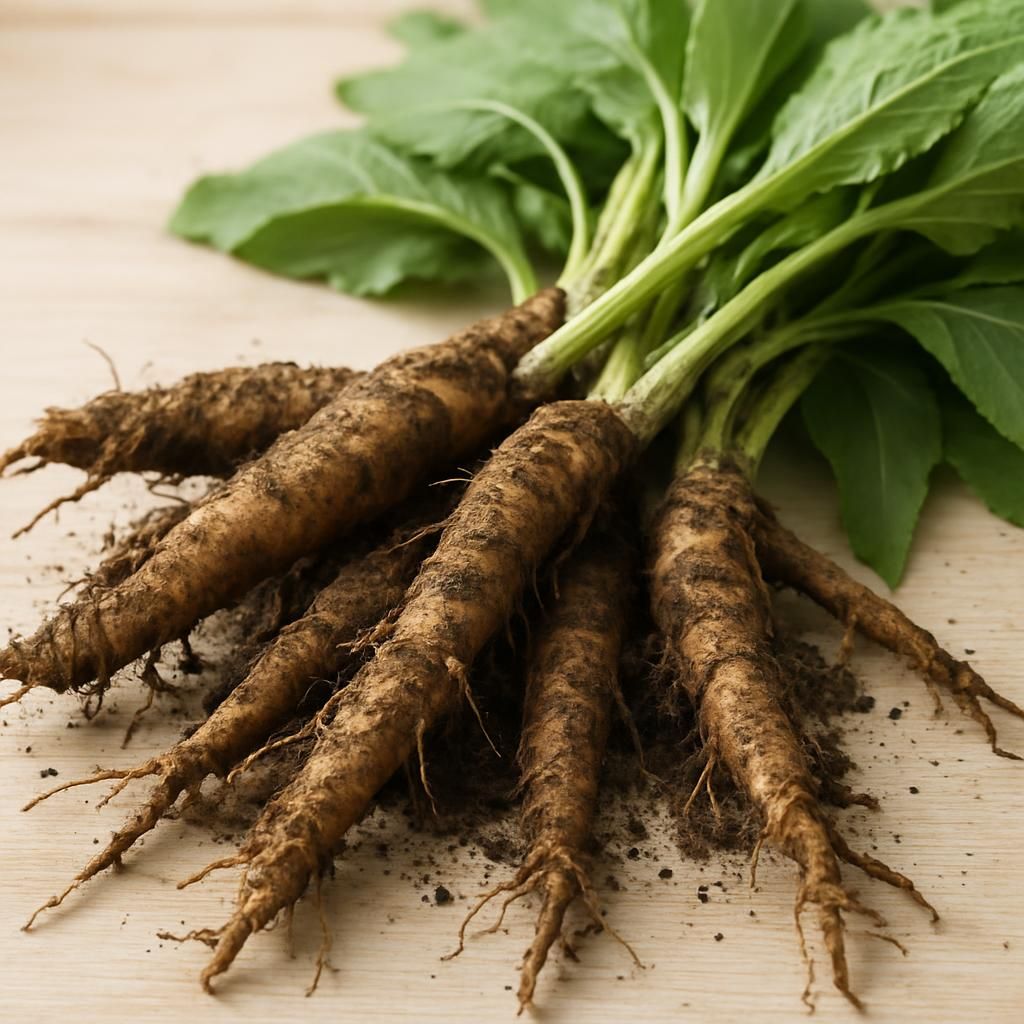
Introduction to Elecampane Root
Elecampane root (Inula helenium) is a robust herbaceous perennial belonging to the Asteraceae family, cultivated primarily for its thick, aromatic rhizomes used in traditional herbal medicine. The plant produces large, bright yellow daisy-like flowers on tall stems reaching 1.5–2 m in height, but it is the fleshy roots that hold the highest economic and therapeutic value. Historically used across Europe and Asia for respiratory ailments, digestive support, and as a livestock tonic, elecampane remains a niche specialty crop for herbalists, small-scale organic farms, and medicinal plant growers.
Commercial interest in elecampane has grown with rising demand for natural expectorants and anti-inflammatory botanicals. The roots contain notable concentrations of inulin, helenin, and essential oils that contribute to their bitter, aromatic profile. When grown under optimal conditions, a well-managed planting can remain productive for 3–5 years before requiring replanting. This guide provides professional-grade, field-tested recommendations for soil management, propagation, care, pest control, and post-harvest handling to maximize root biomass and bioactive compound retention.
Botanical Profile of Elecampane Root
Inula helenium is a clump-forming perennial with a deep, fleshy taproot system that can extend 30–60 cm into the soil. Basal leaves are large, rough-textured, and oblong, while upper leaves become smaller and more lanceolate. The plant produces solitary or clustered yellow flower heads 5–8 cm across from midsummer to early autumn. Seeds are small, lightweight achenes with a pappus that aids wind dispersal. The root system consists of a central crown with lateral feeder roots; the thickest, most medicinally potent sections develop in the second and third growing seasons.
Soil, pH, and Climate Requirements for Elecampane Root
Elecampane thrives in deep, fertile, well-drained loamy soils with good moisture retention. It tolerates a wide range of textures but performs best when organic matter content exceeds 3 %. Avoid compacted or waterlogged sites, as root rot can develop rapidly. The crop prefers full sun but tolerates light afternoon shade in hotter climates.
| Parameter | Ideal Range | Notes |
|---|---|---|
| Soil Type | Deep loam or sandy loam | High organic matter improves root size |
| Soil pH | 6.0 – 7.2 | Slightly acidic to neutral |
| Temperature Range | 15–25 °C daytime | Hardy to –25 °C once established |
| Annual Rainfall | 600–900 mm | Supplemental irrigation during dry spells |
| Spacing | 60 cm between plants, 90 cm rows | Allows root expansion and airflow |
| Sun Exposure | Full sun (minimum 6 hours) | Partial shade acceptable in southern zones |
Step-by-Step Planting & Propagation
Elecampane is most reliably propagated by root division or crown cuttings taken in early spring or autumn. Select healthy, disease-free mother plants at least two years old. Divide the crown into sections each containing at least one bud and a portion of root. Plant divisions 5–8 cm deep with the bud just below the soil surface. Seed propagation is possible but slower; sow fresh seed in late winter under protection and transplant seedlings at the 4–6 leaf stage. Space plants 60 cm apart in rows 90 cm wide. Water thoroughly after planting and apply a light mulch layer to conserve moisture and suppress weeds.
Care & Maintenance regimes for Elecampane Root
Consistent moisture during the first season encourages rapid root development. Established plants are moderately drought tolerant but benefit from supplemental irrigation during prolonged dry periods to maintain root quality. Fertilization should emphasize balanced organic amendments rather than high-nitrogen inputs that favor foliage over root growth.
| Growth Stage | Water Schedule | Fertilizer Application | Pruning / Other Care |
|---|---|---|---|
| Establishment (Yr 1) | 25–30 mm/week until roots are 20 cm | Compost tea or 5-5-5 organic at 2 kg/10 m² every 6 weeks | Remove flower stalks to direct energy to roots |
| Mature Plants (Yr 2+) | Deep watering every 10–14 days | Top-dress with aged manure each spring | Cut back dead foliage in late autumn |
| Flowering Period | Maintain even moisture | Avoid high-nitrogen fertilizers | Deadhead to prolong vegetative growth |
Pests, Diseases & Organic Management
Elecampane is generally resilient but can be affected by Aphids, Slugs, and occasional fungal leaf spots. Monitor for aphids on new growth and use insecticidal soap or neem oil as needed. Slugs may damage young leaves; employ beer traps or diatomaceous earth barriers. Root rot caused by Pythium or Phytophthora species is the primary disease concern in poorly drained soils. Improve drainage and avoid overwatering. Crop rotation with non-host plants every 4–5 years reduces soil-borne pathogen buildup.
Harvesting, Curing & Optimal Storage
Harvest elecampane roots in the second or third autumn after planting when the foliage begins to yellow. Carefully lift plants with a garden fork, shaking off excess soil. Wash roots gently under running water and trim off small feeder roots. Cut larger roots into 5–10 cm sections for easier drying. Cure by air-drying in a shaded, well-ventilated area at 20–25 °C for 7–14 days until brittle. Store dried pieces in airtight containers away from light and moisture. Properly cured roots retain potency for 2–3 years.
Companion Planting for Elecampane Root
Elecampane pairs well with deep-rooted companions such as Comfrey and Yarrow that improve soil structure and attract beneficial insects. Aromatic herbs like Thyme and Rosemary can help deter aphids. Avoid planting near shallow-rooted crops that compete for surface moisture. Include Marigold as a border plant to reduce nematode pressure in the surrounding soil.