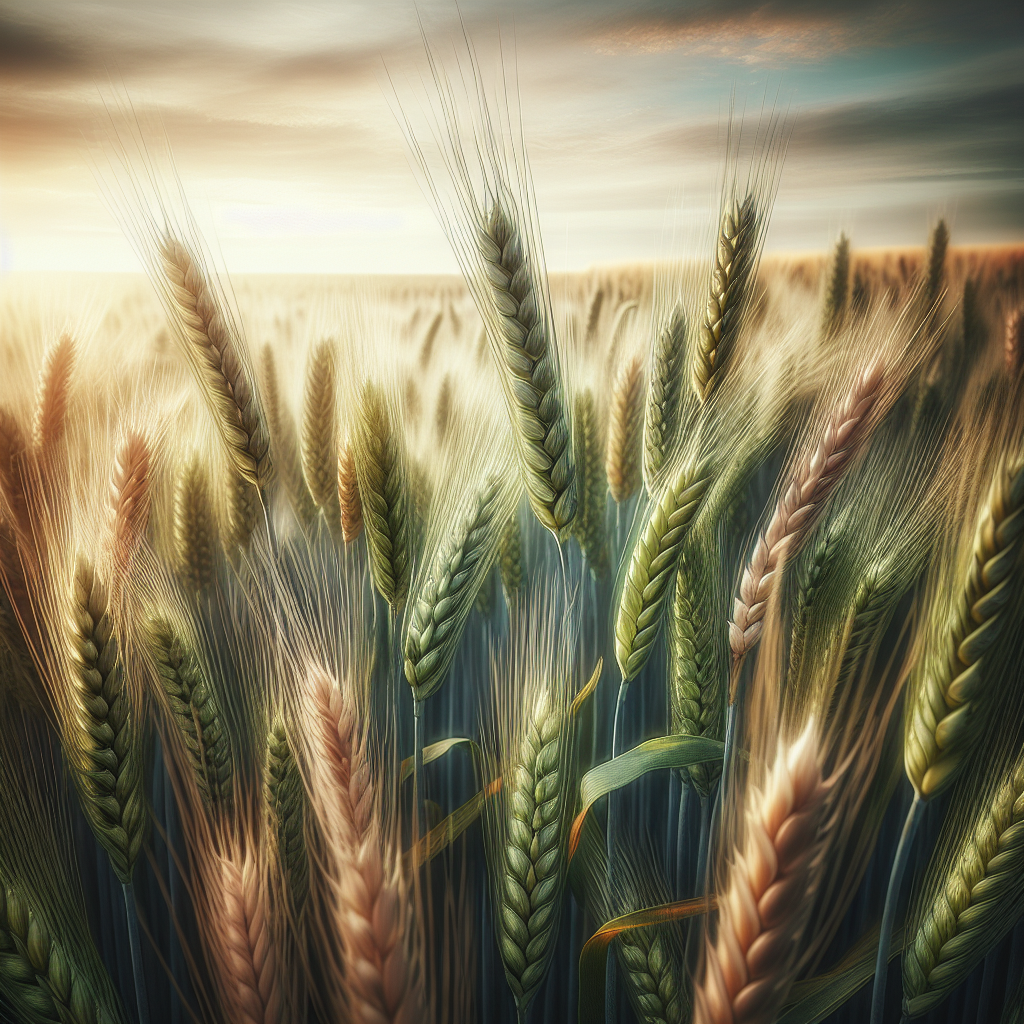
Introduction to Emmer
One of the oldest domesticated cereals, emmer has been grown for thousands of years across the Fertile Crescent, Mediterranean basin, North Africa, and parts of Central Europe. It is often called a “primitive” or “ancient” wheat, but that label can be misleading: agronomically, it remains highly relevant for marginal land, diversified grain systems, and specialty food markets.
Unlike many modern free-threshing wheats, emmer is a hulled wheat. After threshing, the grain remains enclosed in tough glumes, which protects the kernel in the field and in storage but adds a dehulling step after harvest. This single trait shapes much of its management and economics. Growers usually choose emmer not for maximum yield per acre, but for adaptation to poorer soils, reduced fertilizer demand, strong straw, culinary value, and premium niche markets.
In the field, emmer generally tolerates drought and low fertility better than many modern bread wheats, though it usually yields less under intensive management. It performs especially well where winters are cool, springs are moderate, and summers dry down well for harvest. Its grain is used whole, cracked, pearled, or milled into flour for rustic breads, porridge, soups, pasta-like preparations, and traditional flatbreads. For comparison with broader cereal management principles, see Wheat.
Botanical Profile of Emmer
Emmer belongs to the grass family Poaceae and is classified as Triticum dicoccum. It is a tetraploid wheat, genetically related to durum and distinct from hexaploid bread wheat. The plant typically forms an erect clump of tillers, with a fibrous root system concentrated in the upper soil profile but capable of exploring deeper layers where structure permits.
Plants commonly reach 90 to 140 cm in height depending on fertility, cultivar, and moisture. Compared with many modern semi-dwarf wheats, emmer is usually taller and strawier. This can be an advantage in weed suppression and straw production, but it also increases lodging risk when nitrogen is excessive or rainfall and wind are high during stem elongation and grain fill.
Its leaves are narrow to medium width, often slightly glaucous, and produced alternately along the culm. The inflorescence is a dense spike with long or moderate awns in many landraces and heirloom strains. Each spikelet usually contains two kernels, giving rise to the species epithet “dicoccum,” meaning two-grained. The kernels are elongated, amber to reddish depending on the genotype, and tightly enclosed in hulls.
Emmer is usually grown as a self-pollinated annual. Anthesis is relatively brief, and cross-pollination rates are low. Growth stages follow the same broad pattern as other small grains: germination, emergence, tillering, stem elongation, booting, heading, flowering, grain fill, physiological maturity, and dry-down.
There is wide variation among regional emmer populations. Some are true winter types requiring vernalization, while others behave as spring types. Mediterranean emmers tend to be adapted to cool wet winters and dry late seasons, while mountain and continental forms may tolerate stronger cold. When sourcing seed, it is important to match the accession or cultivar to local season length, winter temperatures, and disease pressures rather than assuming all emmer behaves the same.
Soil, pH, and Climate Requirements for Emmer
Emmer is notably adaptable, but best performance comes from well-drained loams, clay loams, or silt loams with moderate water-holding capacity and good tilth. It can perform acceptably on thinner or stonier soils where modern wheat would be less profitable, yet yield and grain fill improve substantially where rooting depth is at least 60 to 90 cm and compaction is absent.
Ideal soil pH is about 6.0 to 7.5. It will often tolerate slightly more alkaline conditions than some other cereals, but severe acidity below pH 5.5 can reduce nutrient availability, root growth, and microbial activity. If soil is strongly acidic, liming several months before sowing is preferred so pH correction is active by planting time.
Drainage matters more than raw fertility. Emmer can handle lean soils better than waterlogged ones. Saturated ground during establishment often causes patchy emergence, shallow rooting, and greater risk of crown and root diseases. During winter or early spring, prolonged standing water for even 48 to 72 hours on heavy soils may thin stands significantly.
The crop is best suited to temperate climates with cool establishment periods and relatively dry ripening weather. Winter forms are commonly sown in autumn where winters are not excessively severe, while spring forms are used where winterkill is a risk. Optimal temperature ranges are roughly 12 to 20°C during vegetative growth and 18 to 26°C during grain filling. Hot spells above 30°C during flowering and early grain fill can shorten the fill period, reduce kernel size, and diminish milling quality.
Rainfall needs are moderate. Emmer can produce a respectable crop with 300 to 500 mm of seasonal moisture, especially if rain falls during establishment, tillering, stem elongation, and early grain fill. It is more drought tolerant than many modern wheats because of its conservative growth habit and lower sink demand, but it is not immune to moisture stress. The most critical periods for soil moisture are from crown root development through boot stage and again during early grain fill. In these periods, soil should be moist but aerated, ideally around 60 to 80% of field capacity in the root zone. If the top 5 cm is powder dry and plants begin to show blue-green cast, slowed leaf expansion, or midday leaf rolling, yield potential is already being reduced.
High humidity late in the season can increase foliar disease and delay harvest. Dry, breezy conditions during ripening are highly favorable because hulls can retain moisture longer than free-threshing wheat heads.
Step-by-Step Planting & Propagation
Emmer is propagated by seed. Use clean, high-germination seed with known adaptation and, if possible, documented disease status. Because it is hulled, sowing rates should be calculated either by viable hulled seed weight or by target plant population, not by copying rates from modern wheat without adjustment.
Select the right planting window. Winter emmer is typically sown 2 to 4 weeks before the average first hard frost, allowing enough time for emergence and some tillering before winter dormancy. Spring emmer should be sown as early as soil can be worked in spring, ideally into cool, moist conditions. Delayed sowing usually reduces tillering and yield.
Prepare a firm, weed-reduced seedbed. Emmer establishes best in a seedbed that is fine enough for uniform depth control but not powdery. Aim for a surface that allows good seed-to-soil contact. In no-till systems, residue distribution must be even and slot closure complete. Avoid deep loose seedbeds that dry quickly or create uneven emergence.
Correct major nutrient and pH issues ahead of sowing. Base fertility on soil testing. Emmer often performs well with modest nitrogen and adequate phosphorus, potassium, and sulfur. Excessive nitrogen before or at planting can encourage lush growth and lodging later.
Decide on row spacing. For grain production, 15 to 20 cm rows are common and help canopy closure. Wider rows can be used in organic systems if inter-row mechanical weeding is planned, though narrower rows generally suppress weeds better once the stand is established.
Set seeding depth carefully. Sow 2.5 to 5 cm deep depending on soil texture and moisture. In heavier soils, stay nearer 2.5 to 3.5 cm. In drier, lighter soils, 4 to 5 cm may be necessary to reach moisture. Deeper than 5 cm often slows emergence and weakens seedlings.
Target an appropriate population. A common target is roughly 250 to 350 established plants per square meter for winter types, with slightly higher rates for spring sowing or lower-tillering cultivars. In organic or weedy fields, higher seeding rates can improve competitiveness. When using hulled seed, calibrate the drill carefully because flow characteristics differ from free-threshing wheat.
Roll if needed. In dry seedbeds or stony fields, a light rolling after sowing can improve contact and later harvest efficiency. Do not roll plastic, wet clay soils that may crust.
Monitor emergence. Seedlings should emerge evenly in 7 to 21 days depending on temperature and moisture. Uneven emergence usually traces back to inconsistent depth, residue interference, crusting, or seed quality problems.
Crop rotation is especially important. Emmer should ideally follow a legume, fallow, or clean broadleaf crop rather than another cereal. Following Clover is particularly useful in low-input systems because residual nitrogen and improved soil aggregation often enhance tillering and grain fill. For broader rotation design principles, see Soil health strategies.
Care & Maintenance regimes for Emmer
Once established, emmer is comparatively forgiving, but professional results still depend on active management.
Nitrogen management should be restrained and deliberate. Total nitrogen requirements often range from 40 to 100 kg/ha depending on yield goal, previous crop, organic matter, and rainfall pattern. On fertile ground after legumes, much less may be needed. Too little nitrogen leads to pale leaves, reduced tillering, short heads, and low protein. Too much causes rank growth, delayed maturity, softer straw, lodging, and greater disease pressure. In conventional systems, splitting nitrogen between pre-plant and late tillering or early stem elongation improves efficiency. In organic systems, rely on rotation, composted manures, cover crops, and slow-release amendments rather than heavy fresh manure applications.
Phosphorus is important for early root development and winter hardiness; potassium supports water regulation and straw strength. Sulfur can be limiting on sandy soils or where atmospheric deposition is low, and deficiency may resemble nitrogen shortage but appears first on younger leaves.
Irrigation is often unnecessary in rainfed regions, but supplemental water can protect yield in dry seasons. If irrigating, prioritize three windows: establishment, tillering to jointing, and boot to early milk stage. Apply enough to wet the upper 30 to 60 cm of soil, then allow partial drying before the next irrigation. Constantly wet topsoil is undesirable. Signs of overwatering include yellow lower leaves despite adequate fertility, shallow rooting, soft succulent growth, increased weed flushes, and soil that remains tacky or emits sour odors several days after irrigation. If footprints remain shiny and smeared or a squeezed handful forms a sticky ribbon, delay further watering.
Weed control is the single biggest management issue in many emmer fields because the crop is often grown in low-input or organic systems. Start clean. Use stale seedbeds where practical, rotate with smother crops, and avoid sowing into fields carrying heavy wild oat, ryegrass, or broadleaf weed burdens. Emmer can compete well once tillered, especially tall landraces, but it is not invincible. Mechanical harrowing at the white-thread weed stage and again when the crop is well rooted can work in organic systems if timed carefully. Narrow rows and proper plant density remain core weed suppression tools.
Lodging prevention deserves attention because emmer is tall. Avoid overfertilization, especially late nitrogen, and do not over-irrigate after jointing. Fields with high manure history and rich bottomland soils are more prone to lodging than upland loams with moderate fertility.
Because emmer matures somewhat unevenly in some populations, especially landraces, regular field scouting is important from heading onward. Note differences in maturity, disease, and stand density. Seed saving is feasible if varietal purity is maintained, but rogue obvious off-types before heading if the crop is intended for consistent grain quality.
Pests, Diseases & Organic Management
Emmer generally shows respectable ruggedness, but it is not pest-proof. Disease and insect pressure vary by climate and management intensity.
Common foliar diseases include rusts, powdery mildew, septoria-type leaf blotches, and tan spot in humid cereal-growing regions. Fusarium head blight is a concern where flowering coincides with warm, wet weather. root and crown rots can develop in compacted or poorly drained soils. smuts and bunts may also occur if seed sanitation is poor.
Organic disease management begins with rotation. Avoid planting emmer after wheat, barley, or other host cereals, especially where straw residue remains on the surface. A 2- to 4-year gap from small grains is ideal in disease-prone regions. Good airflow, moderate nitrogen, and resistant or locally adapted seed lines lower risk. Seed cleaning and use of disease-free seed are essential. Hot water seed treatment or approved biological seed treatments may help with certain seedborne pathogens, though procedures must be precise to avoid reducing germination.
For Fusarium head blight risk, the best non-chemical tools are rotation away from maize and cereals, residue breakdown, and selection of sites with faster canopy drying. Because emmer is hulled, the hull offers some physical protection but should not be considered a guarantee against infection or mycotoxin formation.
Insects may include aphids, cereal leaf beetle, armyworms, wireworms, and grasshoppers depending on region. aphids are doubly important because they can transmit barley yellow dwarf virus. Encourage beneficial insects by maintaining field edges with flowering plants, avoiding unnecessary broad-spectrum insecticides, and supporting habitat diversity. If aphid pressure builds early, inspect the lower canopy and flag leaves rather than relying only on field-edge impressions.
Bird damage is usually modest compared with maize or sunflower, but localized feeding near field margins can occur at milk stage. Rodent damage may be more significant in fields with heavy adjacent cover.
Organic management is most successful when preventive rather than reactive. The strongest package is clean seed, diverse rotation, balanced nutrition, drainage, timely planting, competitive stand density, and regular scouting. Once severe foliar disease or virus is established, rescue options are limited.
Harvesting, Curing & Optimal Storage
Harvest timing is more nuanced with emmer than with free-threshing wheat because the goal is to bring in fully mature grain without weathering, shattering, or excessive hull moisture. Physiological maturity occurs when kernels have reached final dry weight, but combining should usually wait until the crop is adequately dry for safe threshing and storage.
For direct combining, aim for grain moisture generally around 12 to 14% if weather allows, though some growers start slightly higher and use forced-air drying afterward. Heads should be fully golden to tawny, straw mostly dry, and kernels firm enough that they cannot be dented by a fingernail. Because kernels remain in hulls, combine settings often need adjustment from bread wheat: cylinder speed may need to be lower to reduce kernel damage, while concave clearance may be opened somewhat. The aim is to thresh heads cleanly without excessive cracking. Final dehulling is typically done with specialized equipment after harvest.
If weed pressure is high or maturity is uneven, swathing or windrowing may be useful. This can help even dry-down and reduce late lodging losses, but it increases dependence on favorable weather.
After harvest, clean the grain promptly to remove chaff, weed seeds, broken material, and green tissue. Even though hulled grain stores relatively well, impurities create moisture pockets and insect refuges. If moisture exceeds safe storage levels, dry immediately with ambient or slightly warmed air. For long-term storage, keep hulled grain at or below about 12% moisture; for very long storage in warm climates, 10 to 11% is safer. Storage temperature should ideally remain below 15°C, and lower is better for insect suppression.
Check bins regularly for condensation, caking, musty odor, or heating. A sweet, clean cereal smell is normal; sourness or moldiness indicates trouble. Because emmer is often marketed into food-grade specialty channels, maintain strict lot identity and traceability, and avoid contamination with other cereals if purity matters.
If storing seed for replanting, keep it cool, dry, and protected from insects. Germination declines rapidly in warm, humid storage. Hulls can protect kernels physically, but they do not replace proper conditions.
Companion Planting for Emmer
In broad-acre grain systems, “companion planting” is better understood as beneficial rotation partners, border plantings, nurse species, or understory legumes rather than close interplanting in the vegetable-garden sense. The most practical companions are species that improve nitrogen cycling, suppress weeds, attract beneficial insects, or break disease cycles.
Clover is one of the best companions in low-input systems. It can be frost-seeded into thinning stands in some climates, undersown where moisture is reliable, or used before emmer as a fertility-building cover. It helps protect soil, contributes biologically fixed nitrogen, and supports pollinators and predator insects along field margins.
Peas are excellent in rotation before emmer because they leave a cleaner field and often reduce nitrogen fertilizer needs. In some mixed smallholder systems, a nearby pea strip can also diversify habitat and reduce pressure from cereal-specific pests.
Lentils are another valuable dryland partner, especially in semiarid rotations. They break cereal disease cycles, fit similar rainfall zones, and leave behind a residue profile different from grasses, which benefits soil biology and seedbed management.
Garlic is not a field-scale intercrop with emmer, but as a border or garden-adjacent plant it can contribute to farm biodiversity and help make efficient use of space in diversified operations. More importantly, placing alliums and broadleaf species in the wider farm plan reduces continuous cereal pressure and improves rotation resilience.
Avoid treating companion concepts as a substitute for sound agronomy. Emmer responds most strongly to clean rotations, soil structure, moderated nitrogen, and timely harvest. Companion species are most useful when they support those fundamentals rather than compete with the grain crop during its key establishment and grain-fill stages.