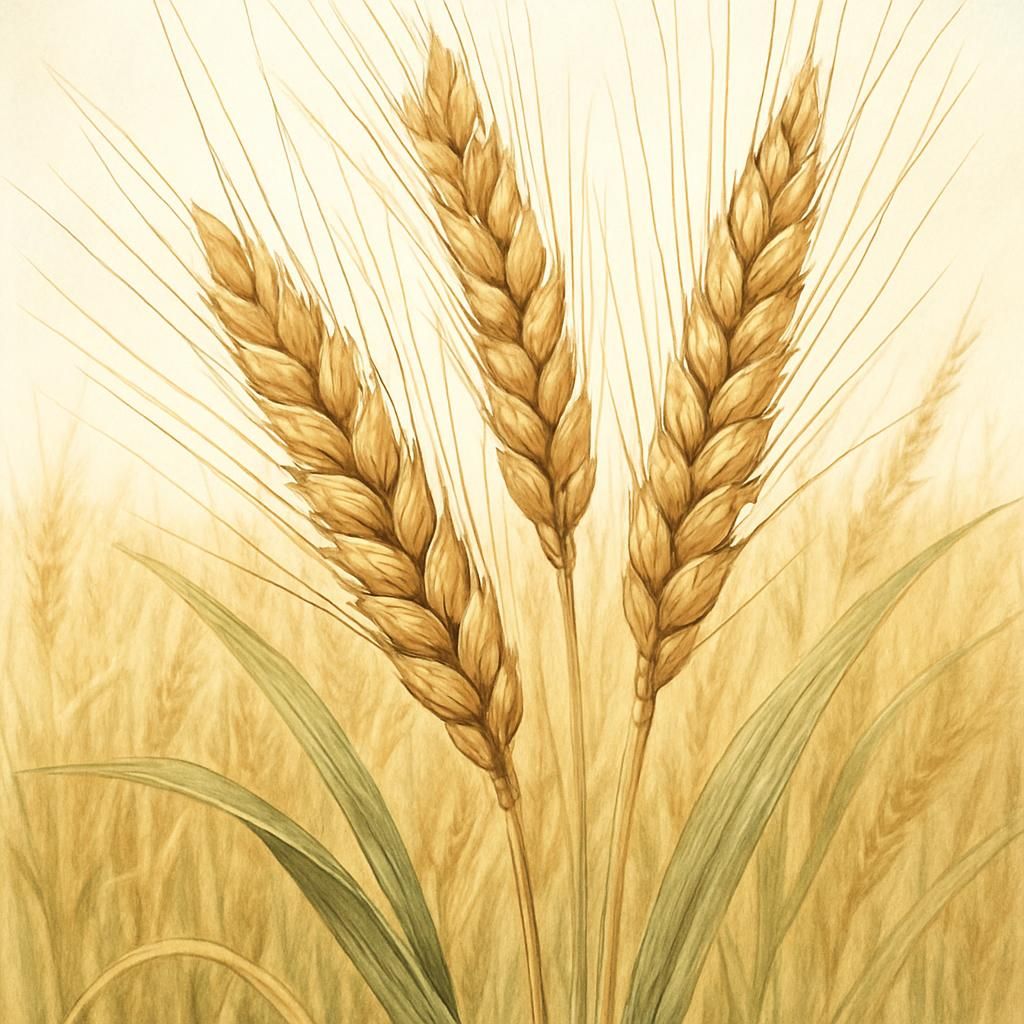
Introduction to Emmer Wheat (Farro Vero)
Emmer wheat, known as Farro Vero, is one of the oldest cultivated grains. Highly valued in ancient civilizations, this heritage crop is re-emerging in modern agriculture due to its rich, nutty flavor and nutritional benefits. Emmer wheat is less demanding in growth requirements compared to modern wheat varieties, making it suitable for sustainable and organic farming practices.
Botanical Profile of Emmer Wheat (Farro Vero)
Belonging to the genus Triticum, Emmer wheat is a tetraploid species featuring a hard outer husk typical of ancient grains. The plant can grow to heights between 90 and 120 cm, producing strong stems and broad leaves. Emmer wheat's genetic resilience enhances its ability to withstand various adverse conditions, a trait that modern breeders leverage for crop improvement.
Soil, pH, and Climate Requirements for Emmer Wheat (Farro Vero)
Emmer wheat can tolerate a range of soil conditions but performs best in well-drained soils. Here are the ideal growing conditions:
| Parameter | Ideal Conditions |
|---|---|
| Soil Type | Well-drained, sandy loam |
| Soil pH | 6.0 - 7.0 |
| Temperature Range | 15°C - 30°C |
| Water Requirement | Moderate (avoid waterlogging) |
| Sunlight | Full sun |
Step-by-Step Planting & Propagation
- Seed Selection: Choose certified seeds to ensure good germination rates and healthy plants.
- Soil Preparation: Loosen the soil to a depth of 20 cm, incorporating well-rotted manure or compost.
- Sowing: Direct sow the seeds in rows 25-30 cm apart to provide ample space for airflow and sun exposure.
- Germination: Ensure consistent moisture levels post-sowing. Germination typically occurs within 10-14 days.
- Thinning: After plants reach 10 cm in height, thin to 15-20 cm spacing to prevent overcrowding.
Care & Maintenance Regimes for Emmer Wheat (Farro Vero)
Maintaining emmer wheat revolves around balanced water and nutrient management, with an emphasis on organic practices.
| Task | Schedule |
|---|---|
| Watering | Weekly, 25 mm of water |
| Fertilizing | Pre-planting (compost), mid-season |
| Weeding | Bi-weekly or as needed |
| Pest Control | As needed, monitor crop health |
Pests, Diseases & Organic Management
Emmer wheat is relatively resistant to many common issues that affect other wheat varieties, such as Leaf Rust and Stem Rust. However, vigilance is necessary to manage pests like Spider Mites and diseases including Septoria.
- Organic Practices: Introducing beneficial insects can control pest populations effectively. For fungal infections, regular crop rotation and composting significantly reduce pathogen build-up.
Harvesting, Curing & Optimal Storage
- Harvesting: Emmer wheat is typically harvested when grains are hard and plants have turned golden brown.
- Curing: After harvest, let the crop air dry for 2-3 weeks to enhance storage quality.
- Storage: Post-drying, store in a cool, dry environment at 10°C-15°C. Ensure moisture levels are below 13% to prevent mold.
Companion Planting for Emmer Wheat (Farro Vero)
Emmer wheat benefits from companion planting with crops like Clover and Marigold, which improve soil quality and deter pests. Practicing diverse crop rotations with Corn and Soybeans can further enhance soil health and reduce pest risks.
For additional insights on enhancing farm resilience through diversified practices, consider reading our blog “Summer Companion Planting: 10 Organic Pairings to Boost Small Farm Resilience” for more strategies.