Introduction to Elemi Resin
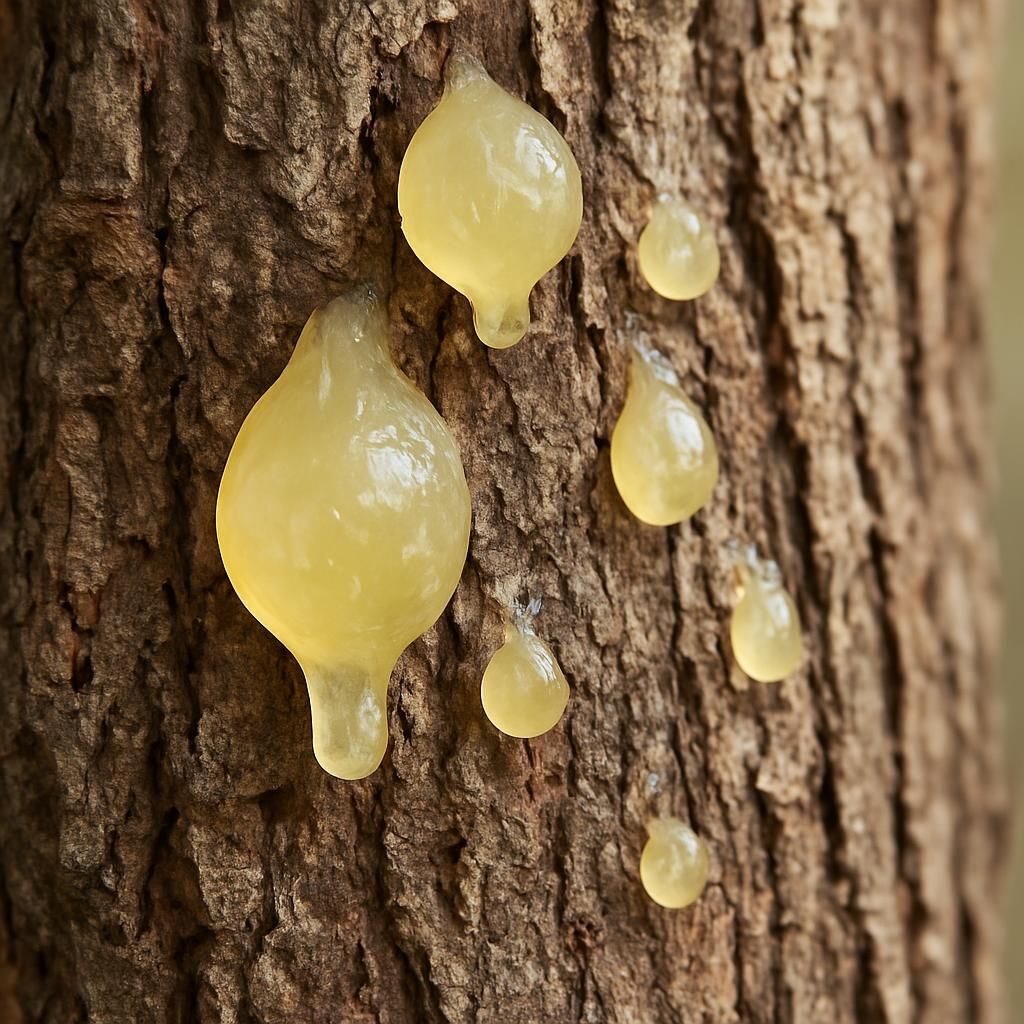
Elemi resin is a fragrant, pale-yellow oleoresin obtained by tapping the bark of the elemi tree (Canarium luzonicum). Valued for centuries in traditional medicine, incense, and perfumery, the resin commands premium prices in international essential-oil markets. Modern growers appreciate its relatively low input requirements once established and its compatibility with agroforestry systems.
The resin contains a complex mixture of terpenes, including limonene, α-phellandrene, and elemicin, giving it a fresh, lemony-pine aroma prized by perfumers and aromatherapists. Demand continues to rise for natural fixatives in cosmetics and for pharmaceutical-grade extracts used in topical anti-inflammatory formulations.
Successful commercial production requires understanding the tree’s botanical requirements, precise tapping schedules, and integrated pest management. This guide consolidates decades of Philippine forestry research and small-farm experience into a single, actionable resource.
Botanical Profile of Elemi Resin
Canarium luzonicum belongs to the Burseraceae family, sharing lineage with frankincense and myrrh. Mature trees reach 20–30 m in height with a straight, cylindrical bole that can exceed 60 cm in diameter at breast height. The compound leaves consist of 5–7 pairs of elliptic leaflets with a glossy upper surface.
Small, cream-colored flowers appear in axillary panicles during the dry season, followed by ovoid drupes containing a single seed. Resin canals run longitudinally through the inner bark, releasing oleoresin when the tree is wounded. Genetic variation exists between provenances, with Philippine landraces generally producing higher resin yields than those from Indonesia.
The tree is evergreen and photosynthetically active year-round in equatorial climates, allowing continuous resin production once tapping begins at 8–10 years of age.
Soil, pH, and Climate Requirements for Elemi Resin
Elemi thrives on well-drained, fertile soils typical of volcanic and alluvial terraces. Avoid heavy clay or waterlogged sites that promote root diseases.
| Parameter | Ideal Range | Notes |
|---|---|---|
| Soil Type | Sandy loam to loam | High organic matter improves resin flow |
| Soil pH | 5.5–6.8 | Slightly acidic conditions optimize uptake |
| Annual Rainfall | 1,800–3,500 mm | Well-distributed; avoid prolonged dry spells |
| Temperature Range | 22–32 °C daytime | Frost-free; sensitive below 15 °C |
| Altitude | 0–800 m | Higher elevations reduce resin yield |
| Relative Humidity | 70–90 % | Supports continuous oleoresin synthesis |
Step-by-Step Planting & Propagation
- Seed Collection & Treatment: Harvest ripe drupes from superior mother trees. Soak cleaned seeds in warm water (40 °C) for 24 hours to soften the hard endocarp.
- Nursery Phase: Sow in 10 cm × 20 cm polybags filled with a 2:1:1 mix of river sand, compost, and topsoil. Maintain 50 % shade and daily misting; germination occurs in 18–35 days.
- Seedling Hardening: Reduce shade gradually over 8 weeks. Transplant at 40–50 cm height when 6–8 pairs of true leaves have formed.
- Field Layout: Space trees 6 m × 6 m (278 trees/ha) on gently sloping land. Dig 60 cm × 60 cm × 60 cm planting holes; backfill with topsoil enriched with 5 kg well-rotted manure.
- Planting Window: Begin at the onset of the rainy season to ensure root establishment before any dry period.
Care & Maintenance regimes for Elemi Resin
Young trees require irrigation during the first two dry seasons. Mulch with 10 cm of rice straw or coconut fronds to conserve moisture and suppress weeds. Prune lower branches at year three to promote a straight bole suitable for tapping.
| Operation | Frequency | Details |
|---|---|---|
| Watering | Weekly for first 24 months | 20 L per tree; reduce once canopy closes |
| Fertilizer | Year 1: 200 g 14-14-14 NPK | Split into 2 applications; increase to 1 kg/tree by year 5 |
| Pruning | Annual after year 3 | Remove lower branches to 2 m height; avoid wounding the main stem |
Organic growers substitute compost tea (1:5 dilution) every 90 days and apply 2 kg aged poultry manure annually.
Pests, Diseases & Organic Management
The most common insect threats are scale insects, mealybugs, and spider mites. Monitor underside of leaves monthly; release Cryptolaemus montrouzieri lady beetles at first sign of mealybug colonies.
Fungal issues such as Phytophthora root rot appear in poorly drained soils. Improve drainage and drench with 1 % neem-oil emulsion every 60 days. Anthracnose can affect young shoots during prolonged wet periods; copper-based sprays at 0.3 % concentration provide acceptable organic control.
Harvesting, Curing & Optimal Storage
Tapping begins when trees reach 25–30 cm diameter at breast height. Use a V-shaped incision 3 mm deep, 30 cm above previous wounds, rotating around the bole. Collect resin every 10–14 days during the dry season (November–April). Average yield per mature tree ranges from 1.5–3 kg resin per year.
Fresh resin is strained through muslin to remove bark fragments, then sun-dried on stainless trays for 3–5 days until moisture drops below 8 %. Store in food-grade HDPE drums lined with food-safe plastic at 15–20 °C; shelf life exceeds 24 months when protected from direct light.
Companion Planting for Elemi Resin
Interplant with Coconut at 12 m × 12 m spacing to provide partial shade and additional income from nuts. Black Pepper vines trained on elemi trunks utilize vertical space and benefit from the microclimate. Leguminous cover crops such as Pigeon pea fix nitrogen and reduce soil erosion between rows. Avoid shallow-rooted annuals that compete with surface feeder roots during the first five years.