Encyclopedia
Definitive guides for crops, pests, and agricultural diseases.
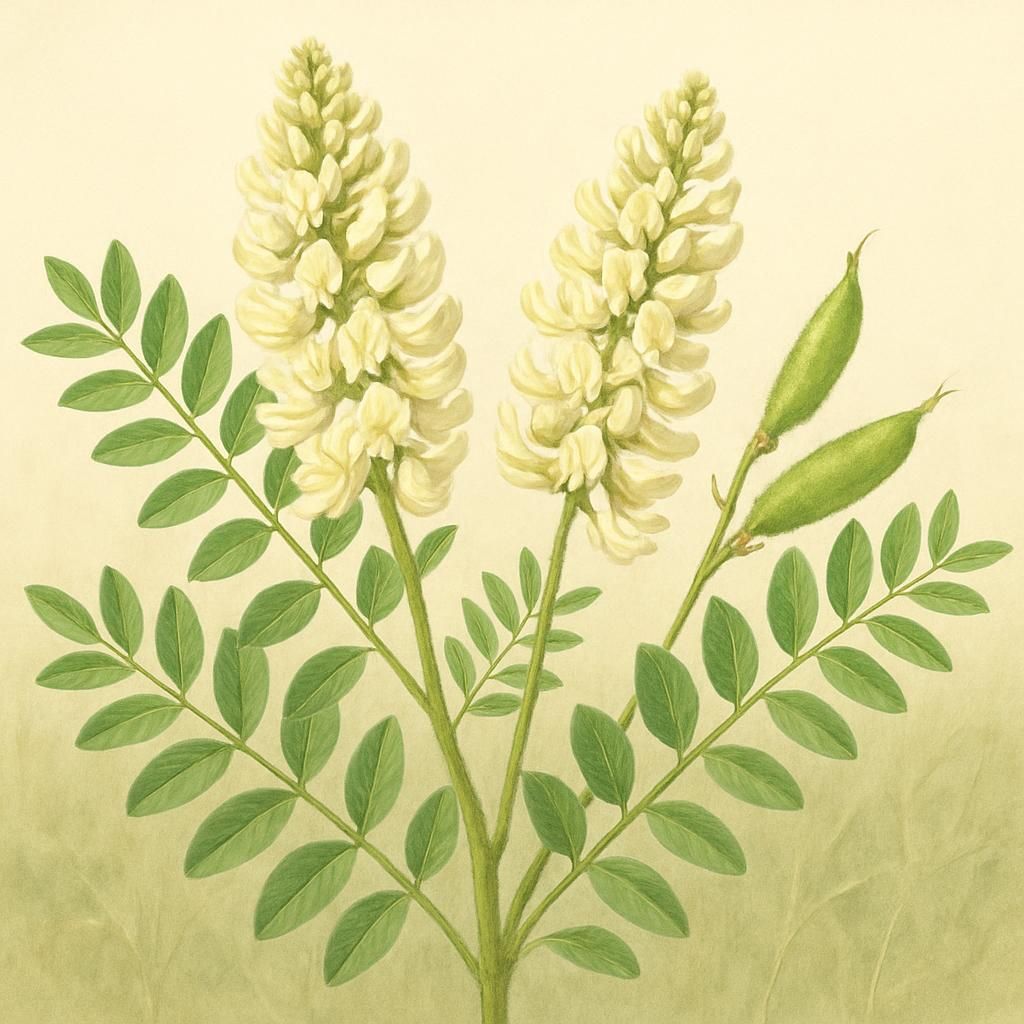
Canada milkvetch
Canada milkvetch is a native North American perennial legume valued for forage, soil improvement, and pollinator support. This deep-diving guide covers its full cultivation cycle from soil preparation through harvest and storage.
View Guide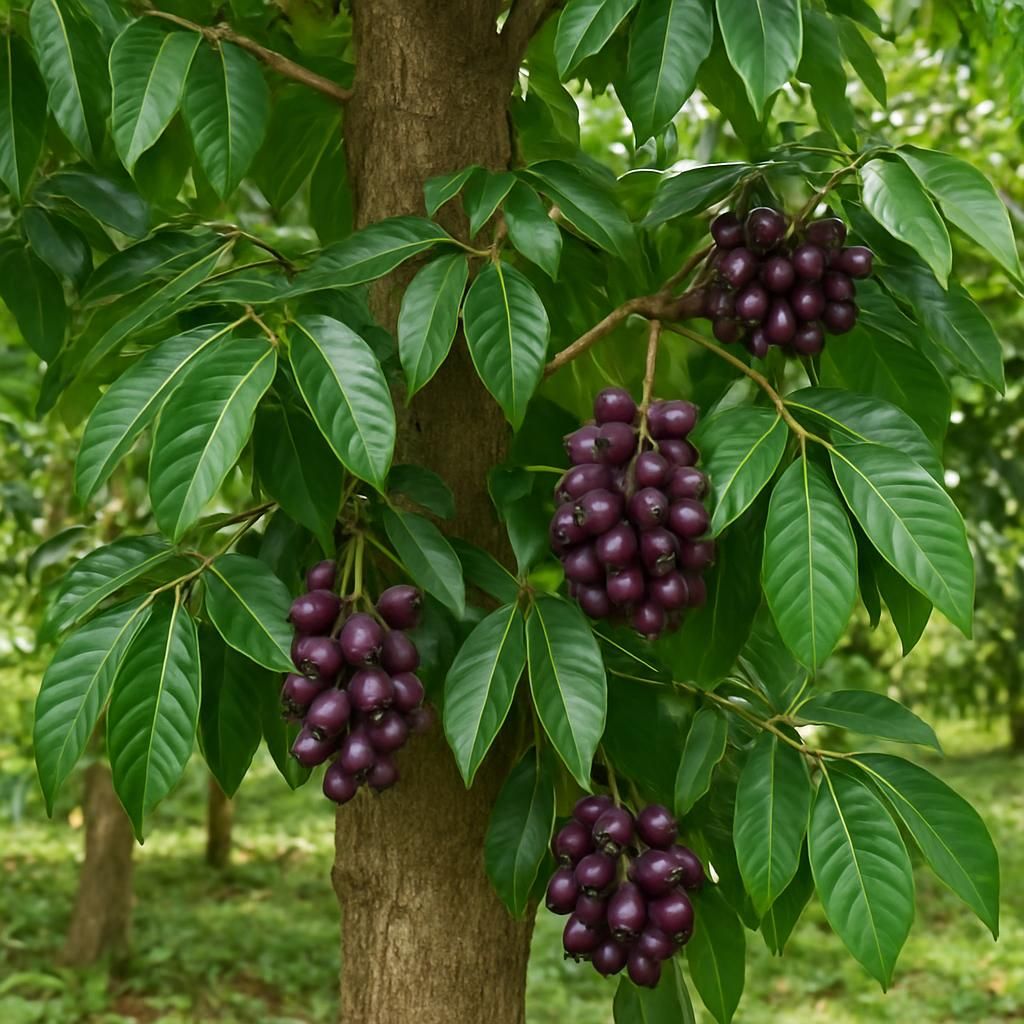
Canarium indicum
Canarium indicum, commonly known as the galip nut or kenari, is a tropical evergreen tree prized for its edible nuts, timber, and oil-rich kernels. Native to the lowland rainforests of Papua New Guinea, the Solomon Islands, and parts of Southeast Asia, it is increasingly cultivated for both subsistence and commercial nut production.
View Guide
Canary Island Date Palm
The Canary Island Date Palm is a majestic, cold-hardy ornamental palm prized for its massive trunk, feathery fronds, and ability to thrive in Mediterranean and subtropical climates. This definitive guide covers every aspect of professional cultivation, from soil preparation and planting to pest management and long-term maintenance.
View Guide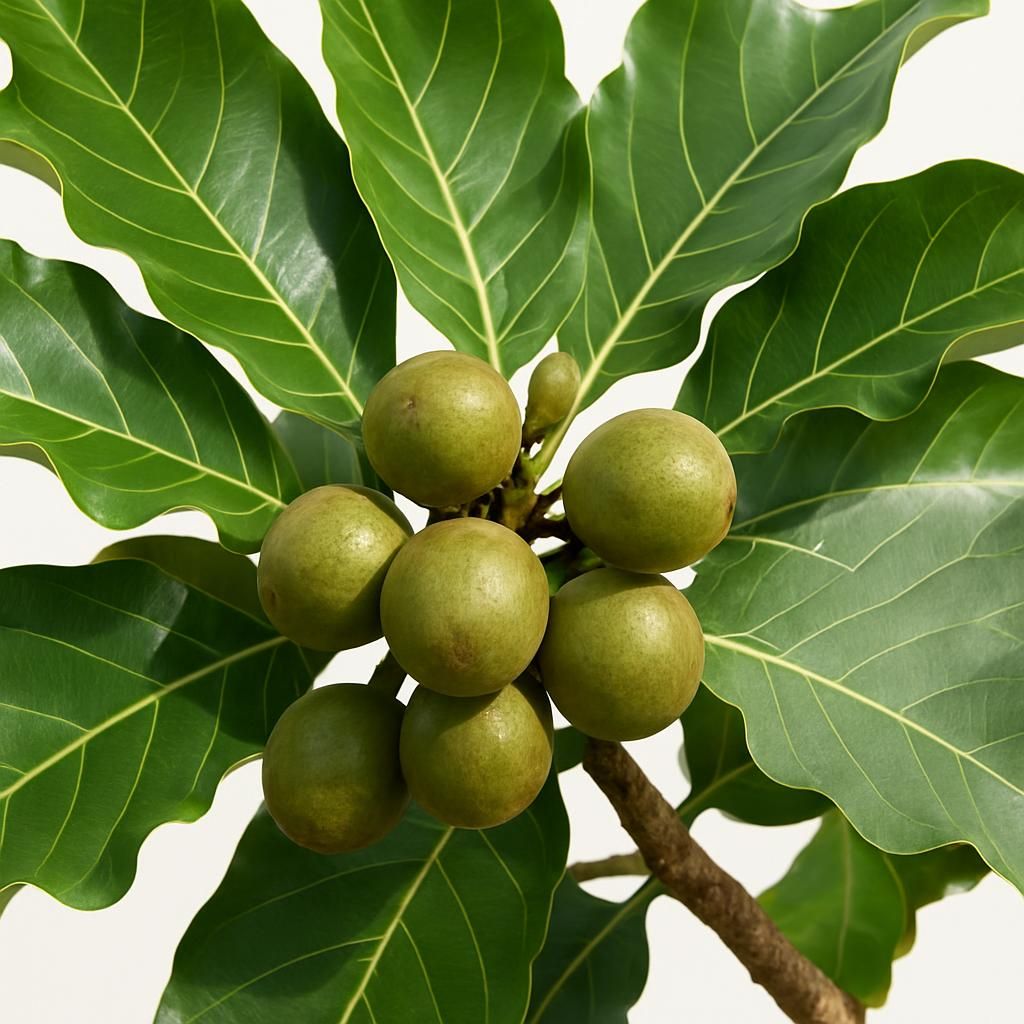
Candlenut (Kukui)
Candlenut (Kukui) is a fast-growing tropical tree valued for its oily seeds used in cuisine, traditional medicine, and industry. It thrives in warm, humid climates with well-drained soils and provides shade, soil stabilization, and cultural significance across the Pacific and Southeast Asia.
View Guide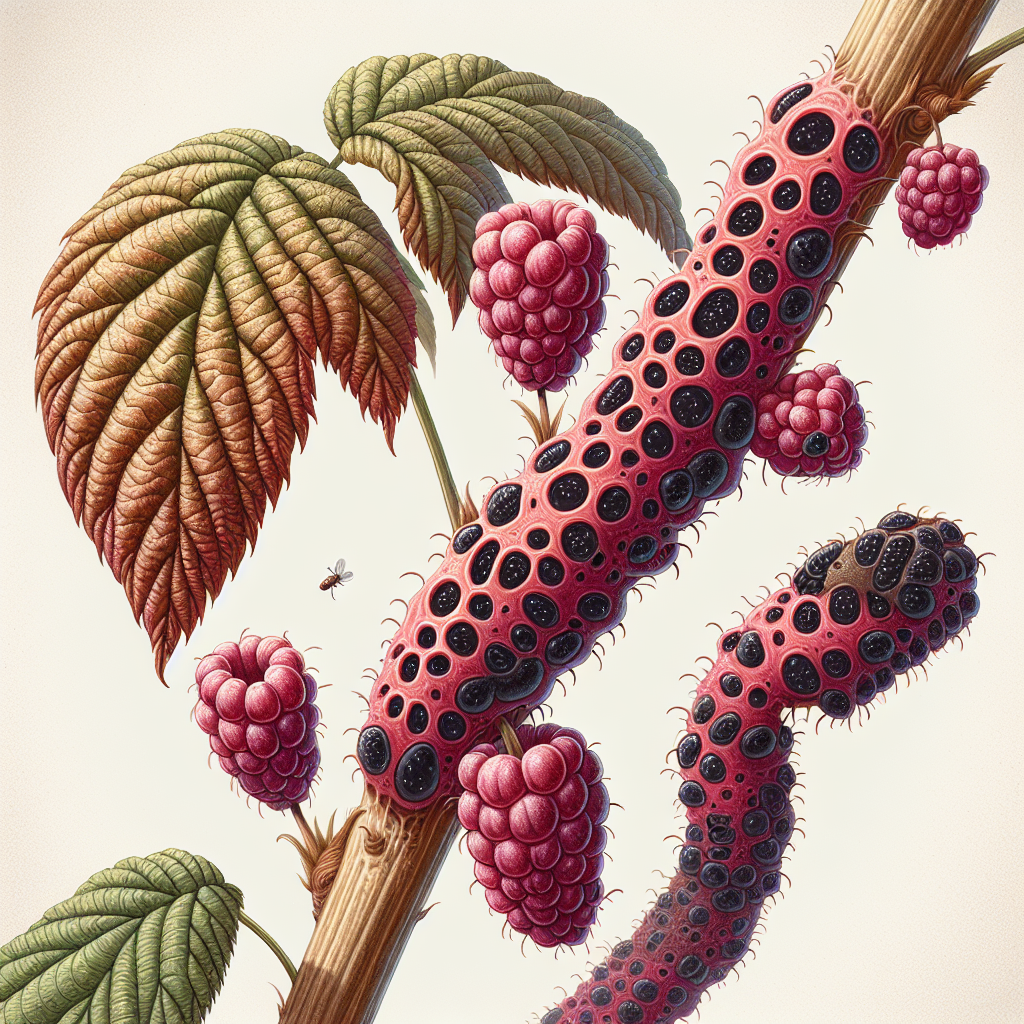
Cane Blight
Cane blight is a fungal disease primarily affecting woody shrubs and brambles like raspberries, blackberries, and roses, causing dark cankers and dieback on canes. It enters through wounds and thrives in moist conditions, leading to significant yield losses if unmanaged. Effective diagnosis, cultural practices, and organic treatments can control its spread and protect crops.
View Profile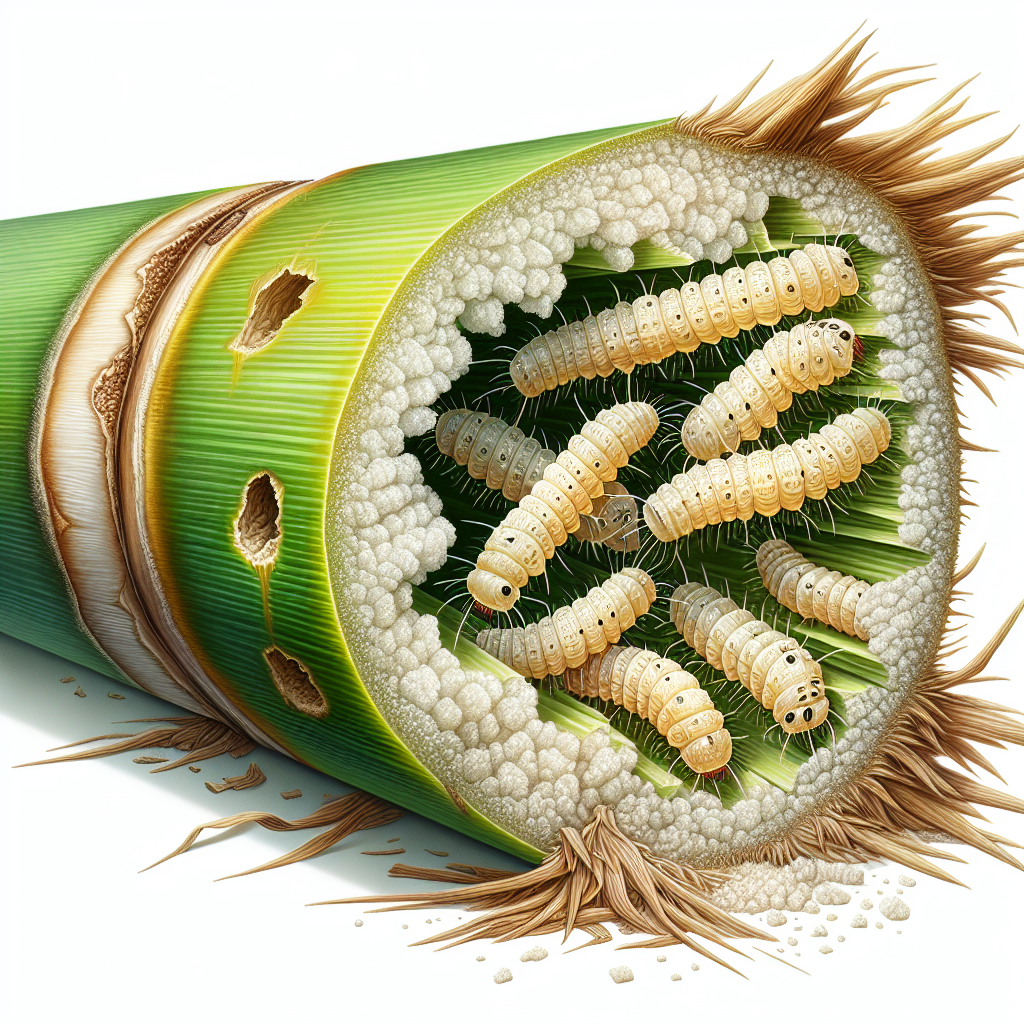
Cane borers
Cane borers are destructive larvae of beetles and moths that tunnel into the stems and canes of crops like sugarcane, raspberries, and blackberries, causing wilting, dieback, and significant yield losses. Early identification of entry holes, frass, and girdling damage is crucial for effective management. Organic control relies on cultural practices, biological agents, and targeted applications, while prevention focuses on sanitation and resistant varieties.
View Profile
Cane dieback
Cane dieback is a fungal disease primarily affecting cane crops like raspberries, blackberries, and [sugarcane](/wiki/sugarcane), causing progressive wilting and death of canes from the tips inward. This comprehensive guide provides professional agricultural strategies for prevention, management, and cultural practices to minimize losses in berry and cane fruit production. Learn step-by-step protocols for diagnosis, organic controls, and resilient growing systems to protect yields.
View Profile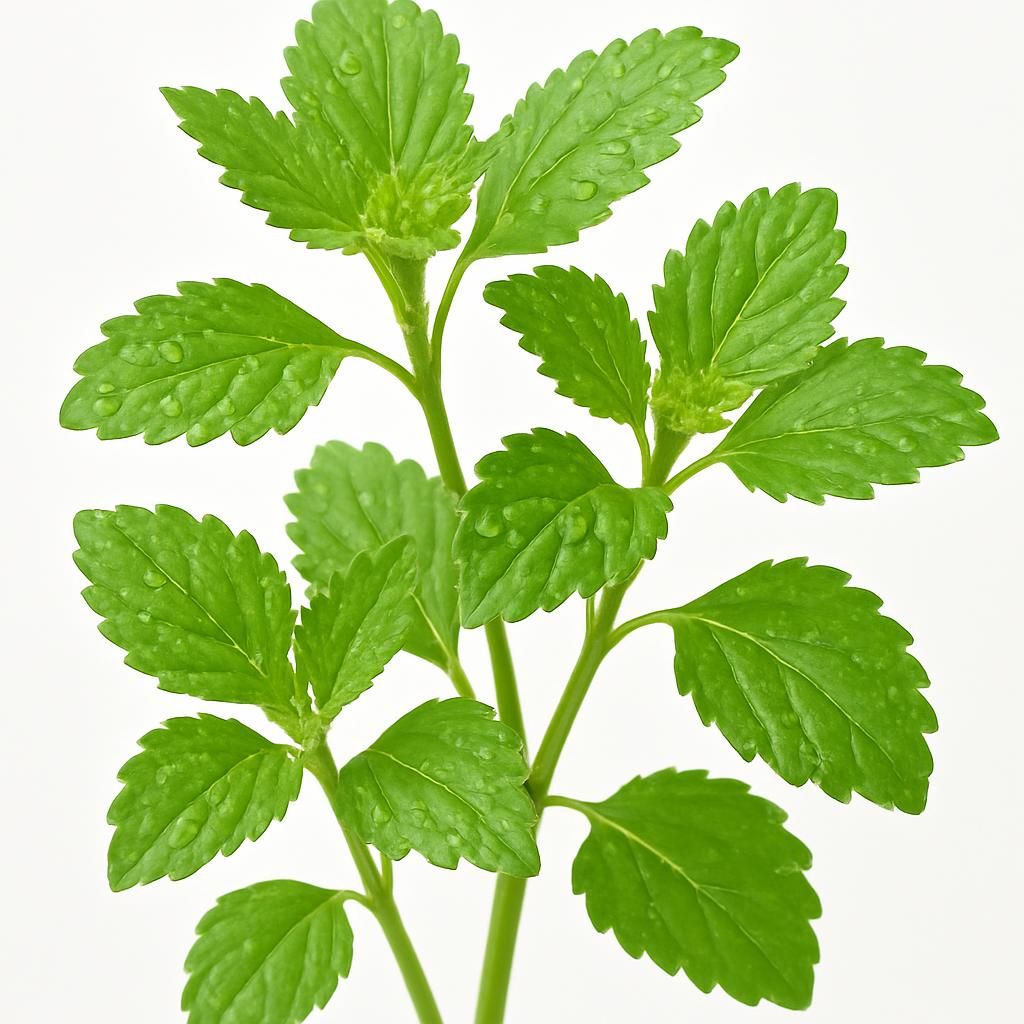
canh chua
Canh chua is a fast-growing aquatic herb widely used as a sour vegetable in Vietnamese cuisine; its tender leaves and stems provide a distinctive citrusy flavor in soups and stir-fries. This guide covers complete cultivation from seed to harvest with professional agronomic practices suited to small farms and home gardens.
View Guide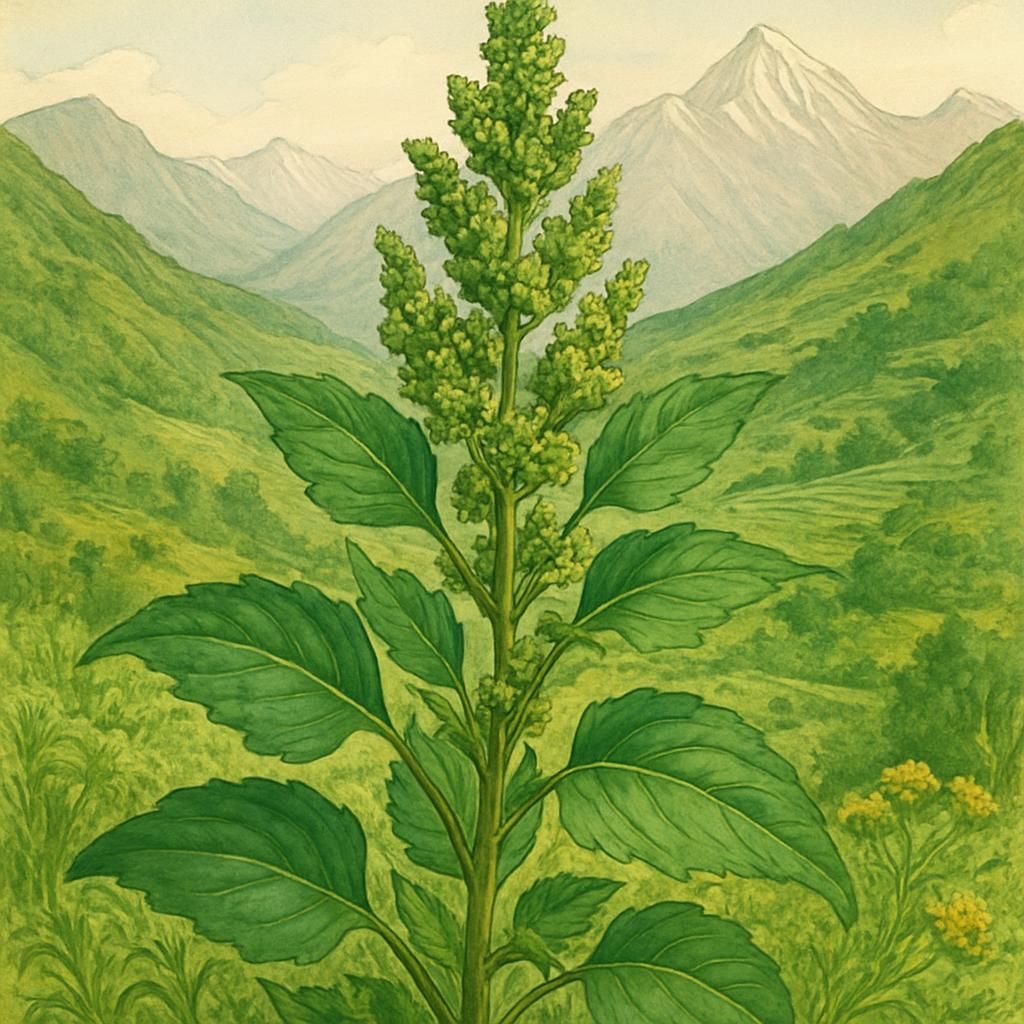
Canihua (Chenopodium pallidicaule)
Canihua, also known as Chenopodium pallidicaule, is a highly nutritious grain crop native to the Andes. Known for its resilience and adaptability, it thrives in harsh climates and is celebrated for its protein-rich seeds.
View Guide
Canistel (Bruce)
Canistel (Bruce), also known as egg fruit or yellow sapote, is a tropical evergreen tree prized for its sweet, custard-like fruits with a texture reminiscent of a hard-boiled egg yolk. Native to Central America, this underutilized crop thrives in warm climates and offers high nutritional value with vitamins A and C. Growers appreciate its low-maintenance nature once established, yielding fruits year-round in ideal conditions.
View Guide
Canistel (Ross Sapote)
Canistel, also known as Ross Sapote or yellow sapote, is a tropical evergreen tree prized for its sweet, egg-like fruits with a unique custard texture. Native to Central America, it thrives in subtropical climates and offers high yields for home gardeners and small farms. This guide provides expert cultivation techniques for optimal growth and harvest.
View Guide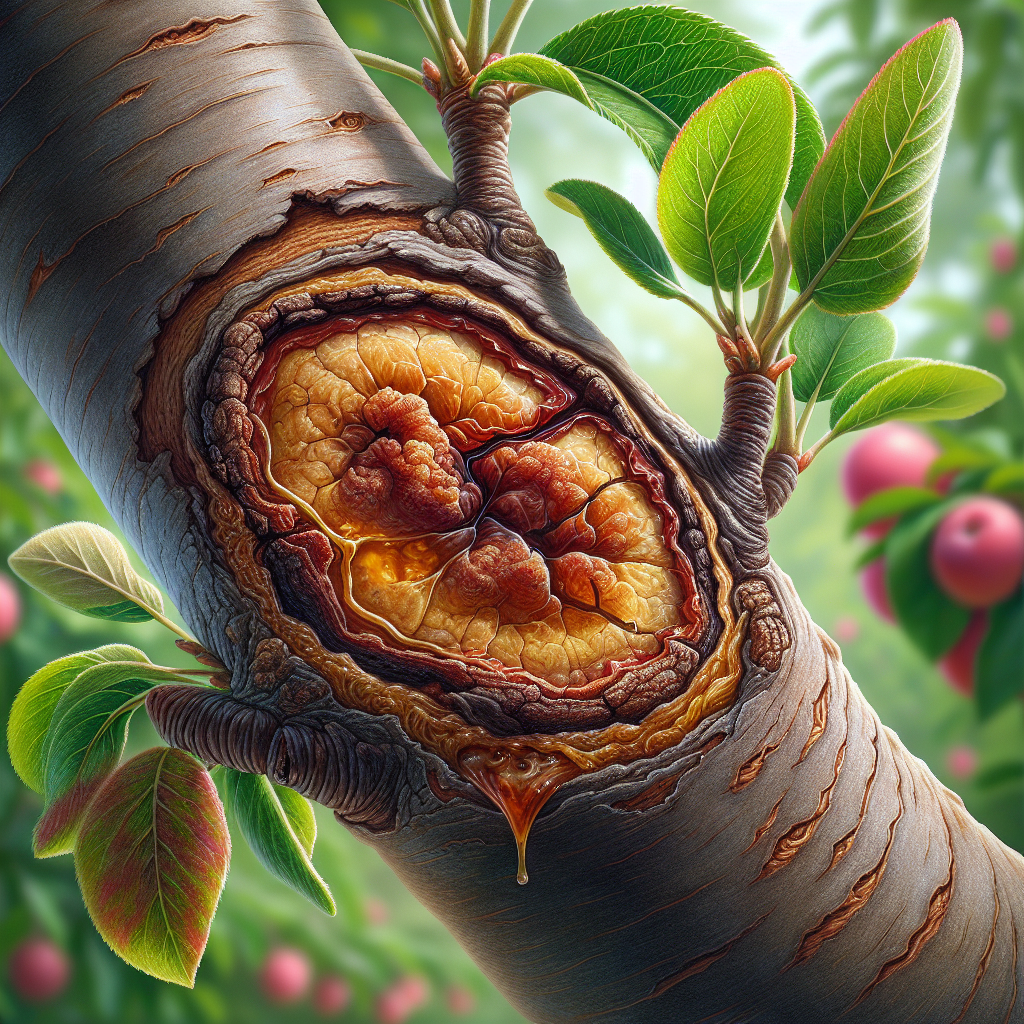
Canker
Canker is a destructive plant disease characterized by sunken, necrotic lesions on stems, branches, and trunks, often caused by fungi, bacteria, or environmental stress. It disrupts vascular tissue, leading to girdling, dieback, and plant death if unmanaged. This guide provides comprehensive diagnostics, organic treatments, and prevention for affected crops.
View Profile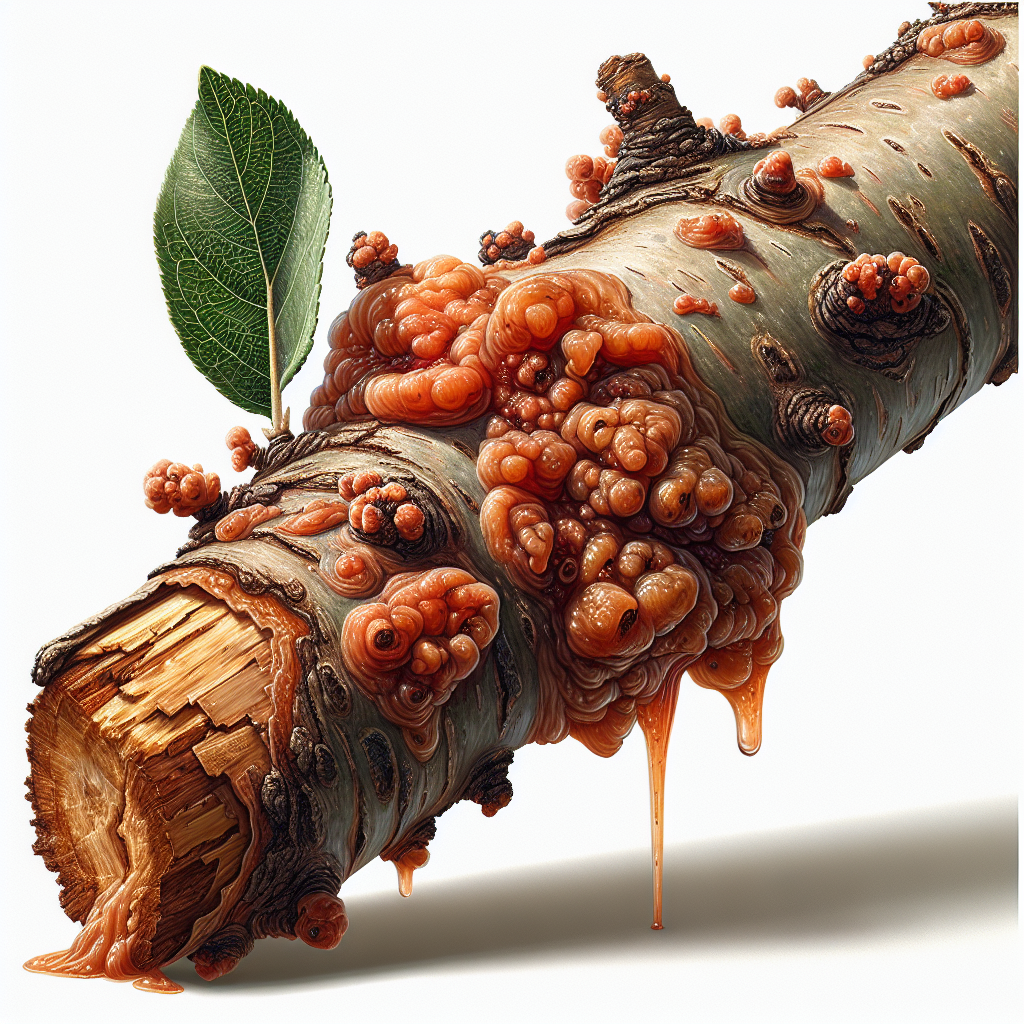
Canker diseases
Canker diseases are destructive plant pathologies caused primarily by fungi and bacteria that create sunken, necrotic lesions on stems, branches, and trunks, disrupting vascular tissue and leading to dieback. Affecting woody plants and some herbaceous crops worldwide, they thrive in wounded tissues under stressful conditions. Effective management relies on prevention, cultural practices, and targeted organic treatments to minimize spread and crop losses.
View Profile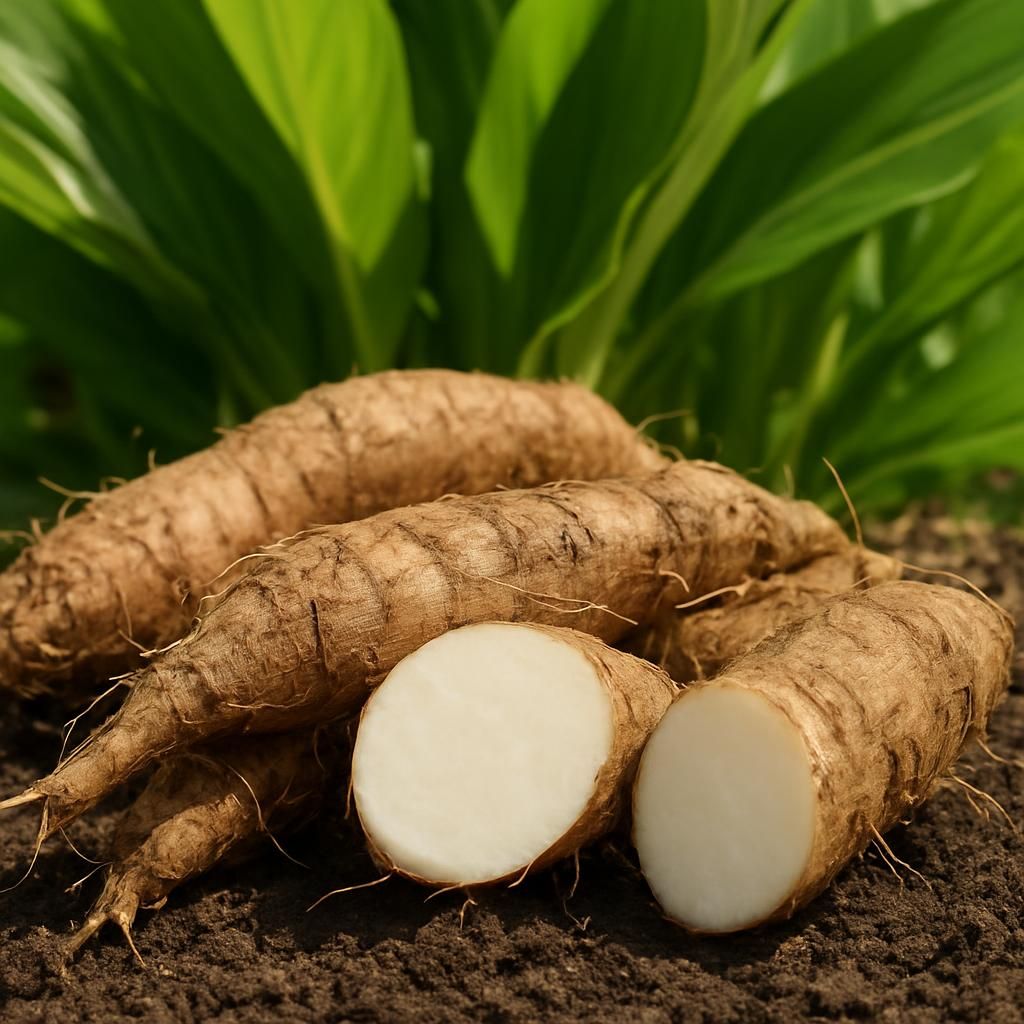
Canna (Edulis - Achira)
Canna edulis, commonly known as Achira or edible canna, is a robust rhizomatous perennial grown for its large, starchy underground tubers that serve as a valuable carbohydrate source in tropical and subtropical agriculture. This crop offers reliable yields on marginal soils with minimal inputs while also providing ornamental foliage and erosion control benefits.
View Guide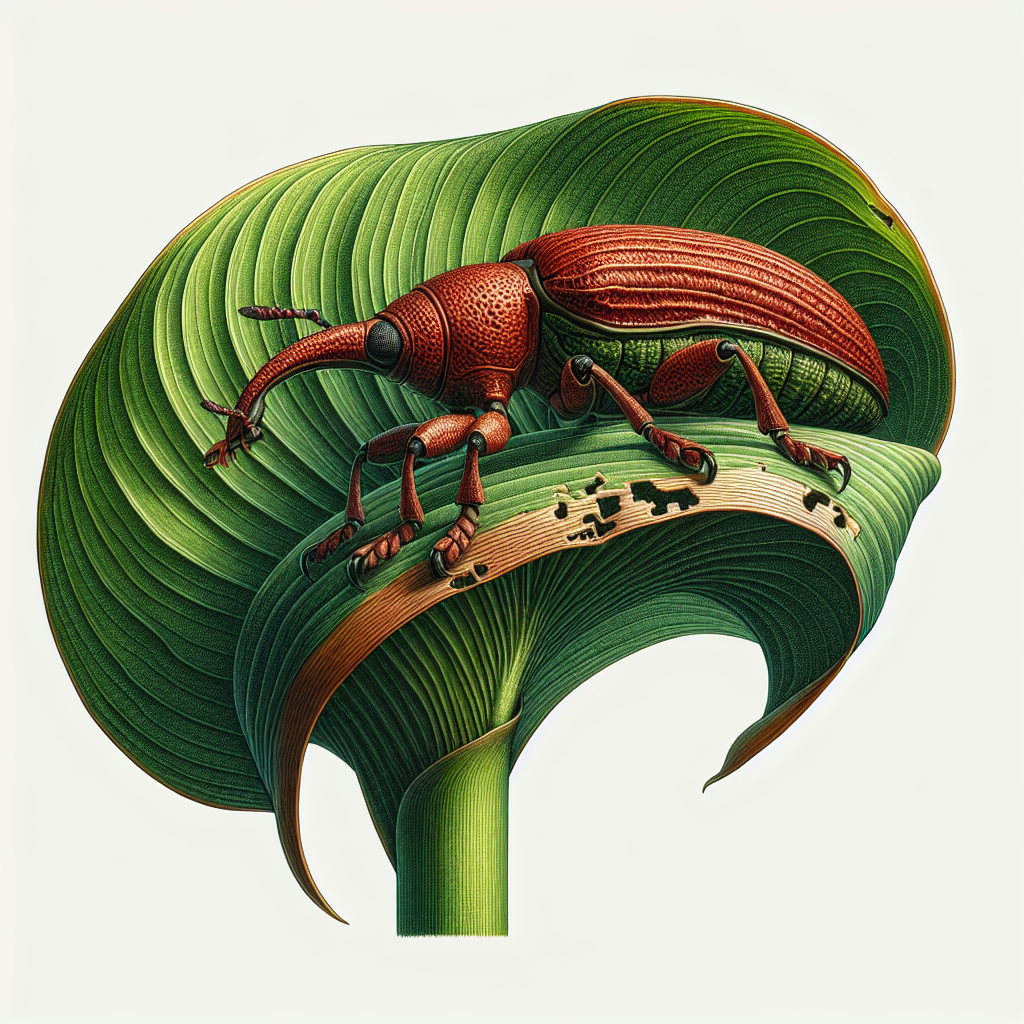
Canna Lily Weevil
The Canna Lily Weevil (Odoiporus longicollis) is a destructive beetle pest targeting canna plants, causing severe notching and tunneling damage to leaves and stems. Native to Southeast Asia, it has spread to tropical and subtropical regions, leading to significant ornamental and crop losses. Effective management combines vigilant scouting, organic treatments like neem oil, and cultural practices for prevention.
View Profile
Canola (Rapeseed)
Canola, a low-erucic acid variety of rapeseed, is a versatile oilseed crop prized for its high-quality oil used in cooking, biofuels, and animal feed. Thriving in cool climates with well-drained soils, it offers farmers reliable yields and excellent rotation benefits. This guide provides expert cultivation techniques for optimal production.
View Guide
Cantaloupe
Cantaloupe is a warm-season muskmelon prized for its aromatic flesh, high sugar content, and strong market appeal in home gardens and commercial systems alike. Successful production depends on heat, excellent drainage, balanced fertility, careful irrigation timing, and disciplined disease prevention, especially during flowering, fruit set, and final ripening.
View Guide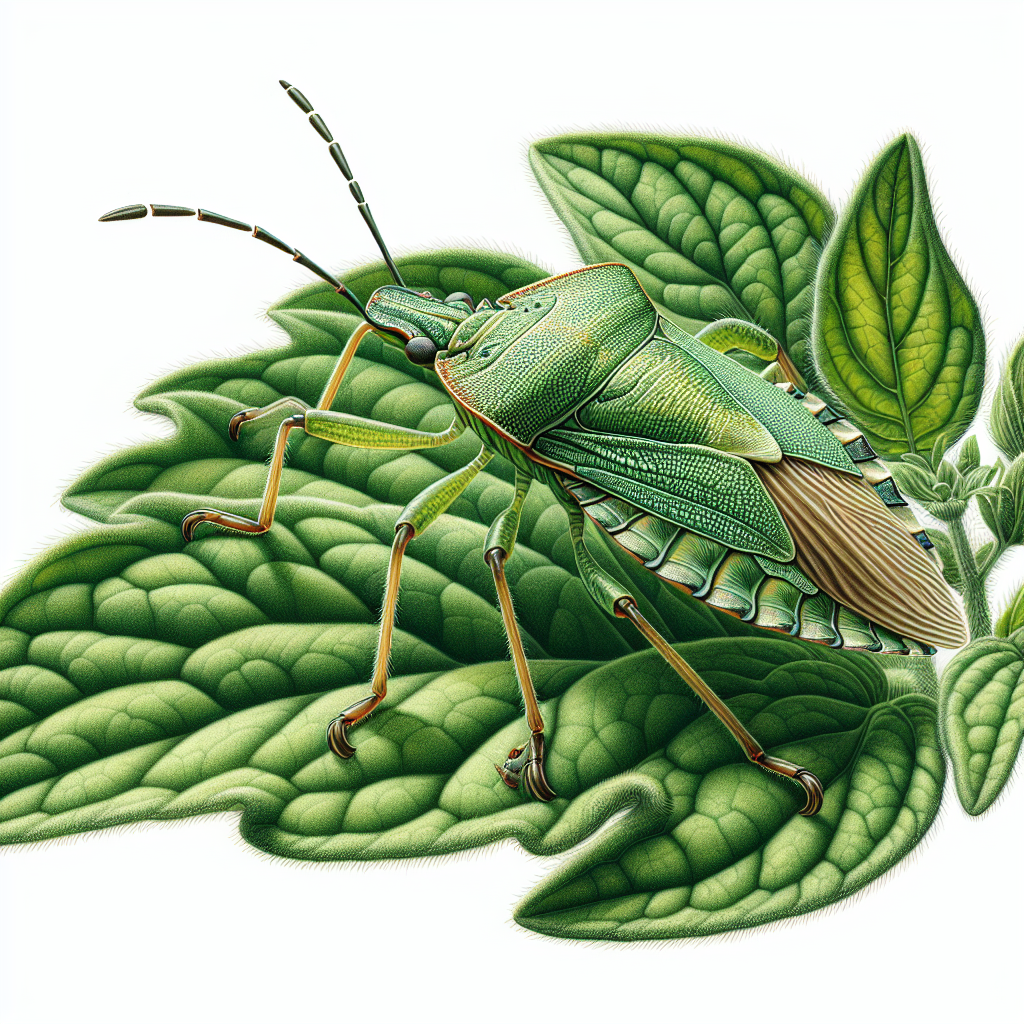
capsids
Capsids, also known as plant bugs or mirids, are small insects that cause significant damage to crops by feeding on tender shoots, buds, and fruits, leading to deformed growth and reduced yields. This guide provides comprehensive diagnostics, lifecycle insights, organic management strategies, and prevention tips for farmers battling these pervasive pests. Effective control combines monitoring, cultural practices, and biological agents to protect high-value crops.
View Profile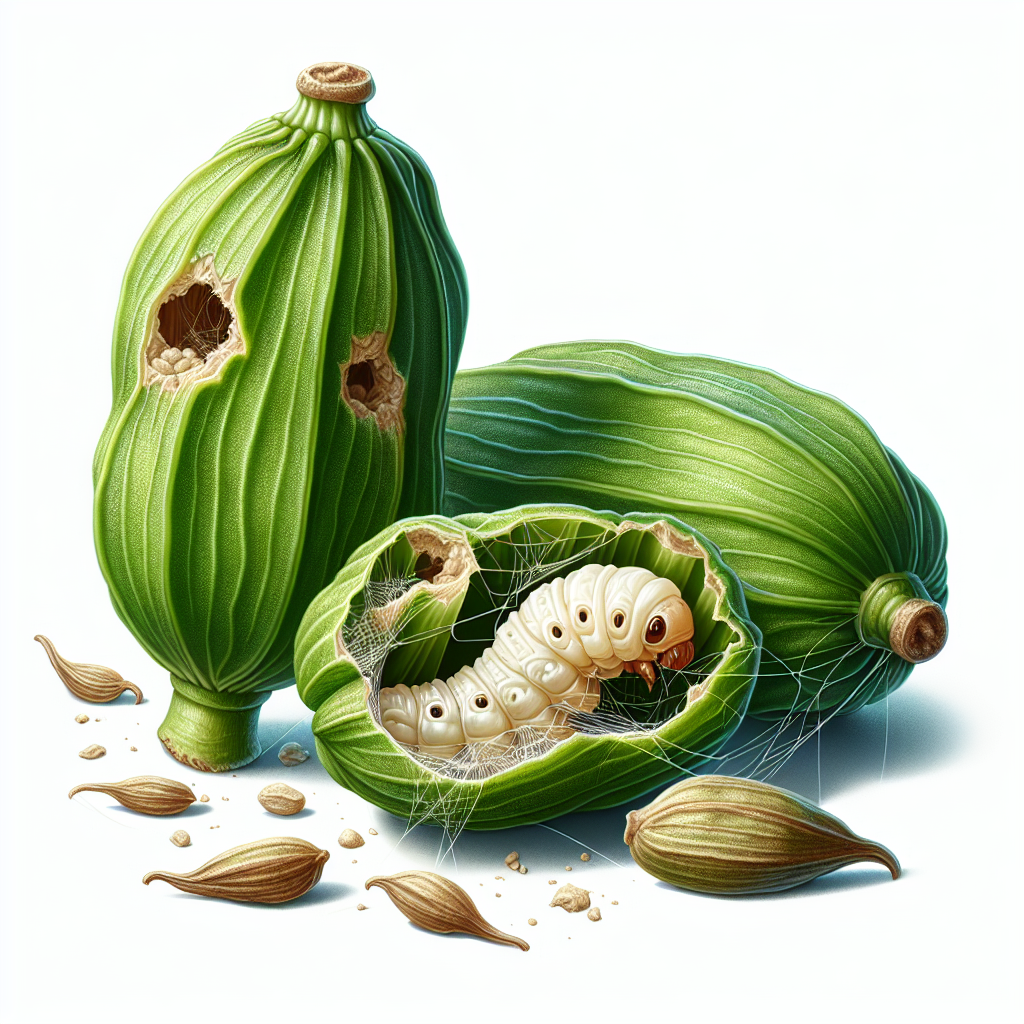
capsule borers
Capsule borers are destructive moth larvae that tunnel into fruit capsules, flowers, and young pods of various crops, causing significant yield losses in tropical and subtropical agriculture. Primarily affecting crops like cardamom, cotton, and soybean, these pests are managed through integrated organic strategies including biological controls and cultural practices. Early detection and prevention are key to minimizing damage from this pervasive pest.
View Profile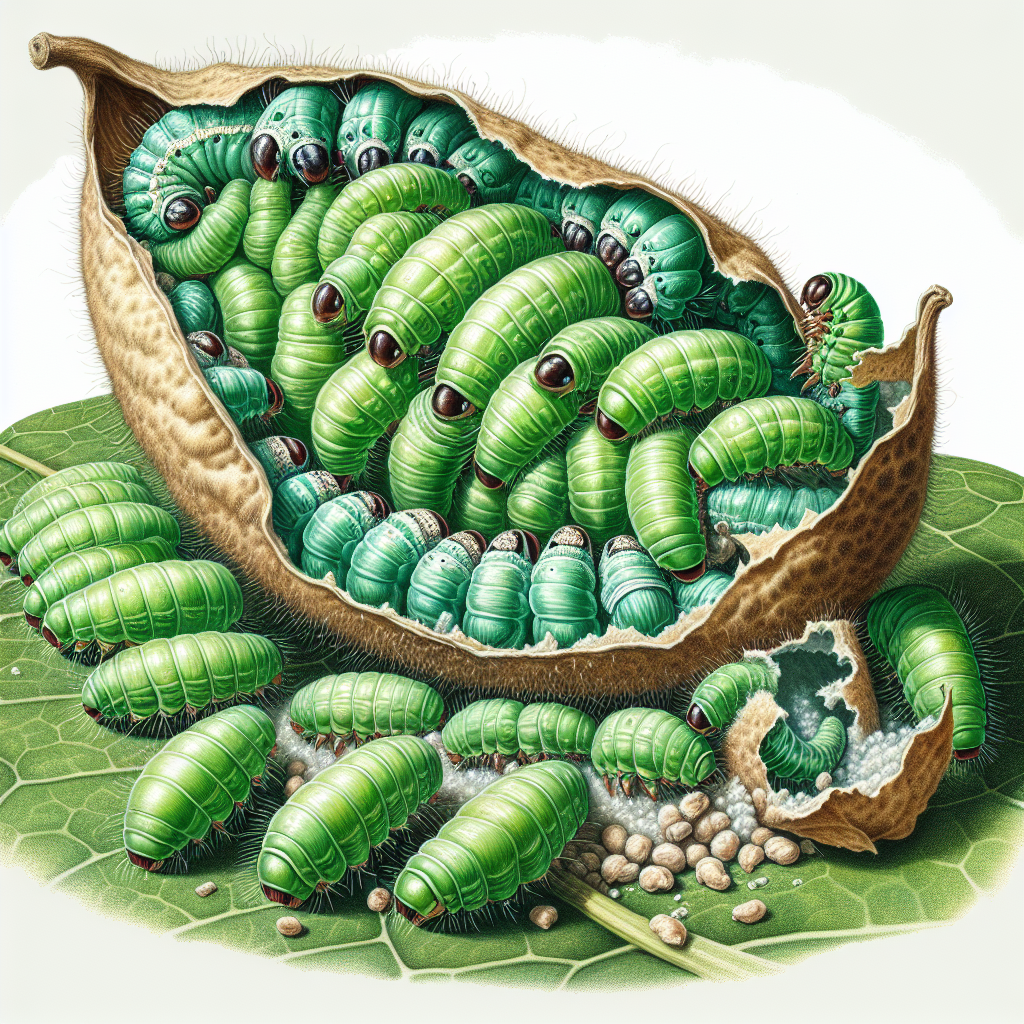
Capsule Feeders
Capsule feeders are destructive larval pests that target seed pods, capsules, and fruits of various crops, hollowing out contents and causing significant yield losses. Primarily caterpillars from moths like bollworms and armyworms, they thrive in warm, humid conditions and can devastate legume and solanaceous crops. Effective management combines cultural practices, biological controls, and targeted organic treatments for sustainable suppression.
View Profile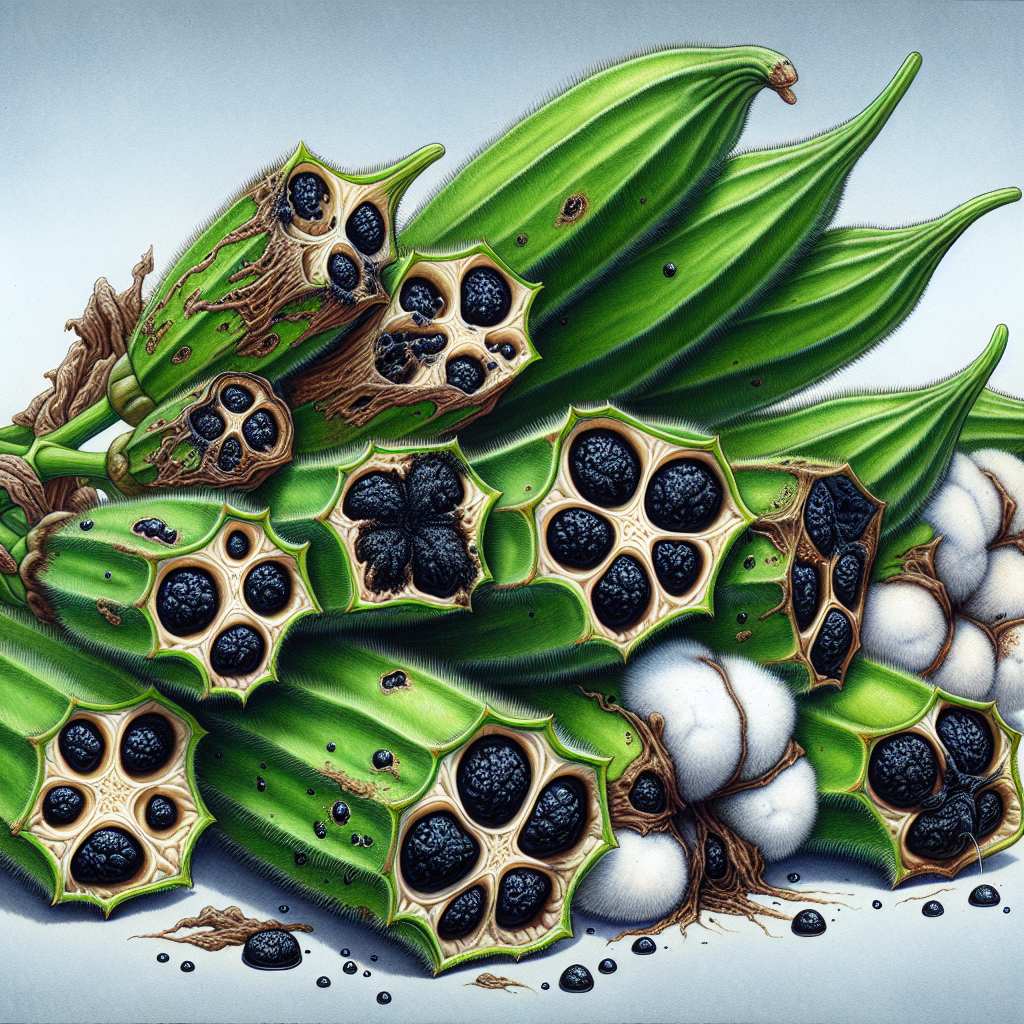
Capsule rots
Capsule rots are devastating fungal and bacterial diseases that cause the seed capsules of crops like cotton, okra, and peppers to decay, turn black, and drop prematurely, leading to severe yield losses. Triggered by high humidity and poor air circulation, they spread rapidly in dense plantings. Effective management relies on cultural practices, resistant varieties, and organic fungicides for prevention and control.
View Profile
Cara Cara Orange
Cara Cara Orange is a pink-fleshed navel orange cultivar valued for its low-acid sweetness, berry-like undertones, and seedless fruit. It grows best in frost-free to lightly frosty subtropical citrus regions with excellent drainage, balanced nutrition, and careful moisture management to produce high-quality, richly colored fruit.
View Guide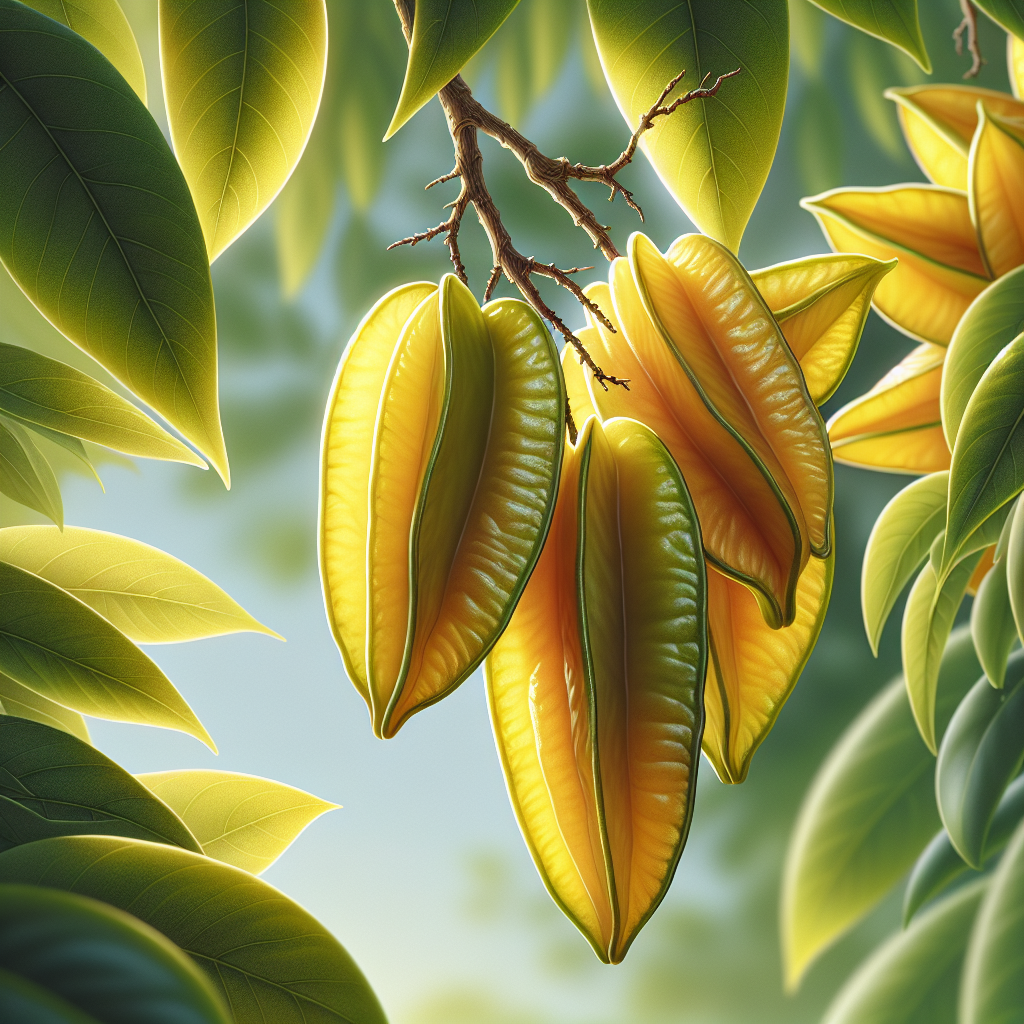
Carambola (Sri Kembangan)
Carambola (Sri Kembangan), also known as star fruit, is a premium Malaysian cultivar prized for its sweet-tart flavor, star-shaped slices, and high market value in tropical agriculture. This deep-dive guide covers everything from soil preparation and propagation to pest management and optimal harvesting for maximum yields. Ideal for small farms in humid subtropical climates seeking profitable exotic fruit production.
View Guide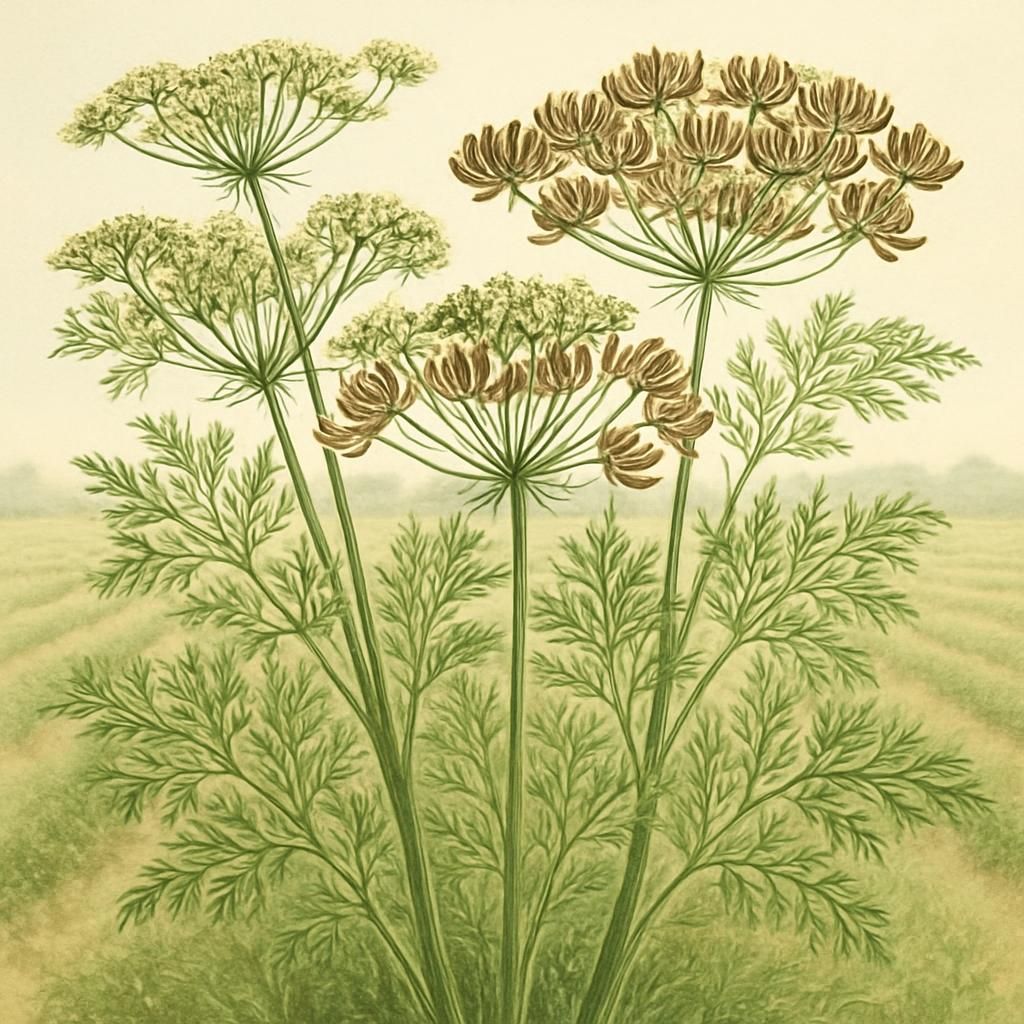
caraway
Caraway is a biennial herb in the Apiaceae family grown primarily for its aromatic seeds used in baking, distilling, and traditional medicine. It thrives in temperate climates with well-drained soils and requires two growing seasons to complete its life cycle from seed to harvest.
View Guide