Introduction to Cara Cara Orange
A pink-fleshed navel orange discovered as a spontaneous bud mutation in Venezuela in the 1970s, this cultivar has become one of the most commercially prized dessert oranges because it combines the easy-peeling, seedless character of navel types with striking salmon to deep rose flesh. Its flavor profile is distinct from standard navels: sweetness is usually high, acidity is softer, and many growers and consumers note hints of cherry, cranberry, or berry-like aromatics. That lower acid balance makes harvest timing especially important, because fruit left too long in warm conditions can taste flat even while remaining visually attractive.
From a production standpoint, it behaves much like a navel orange, but quality depends heavily on even irrigation, sunlight exposure, and temperature patterns during ripening. Warm days paired with cool, but not freezing, nights tend to improve internal color and flavor complexity. Growers who already understand Orange culture will find this variety familiar, but it deserves tighter fruit-quality management than many standard navels because the market premium depends on internal color, peel finish, and sugar-acid balance.
Botanical Profile of Cara Cara Orange
This cultivar belongs to the sweet orange species, Citrus sinensis, within the Rutaceae family. It is a navel type, which means fruit formation is largely parthenocarpic and seedlessness is common. The characteristic “navel” is a secondary, undeveloped fruit embedded at the blossom end. Trees are evergreen, moderately vigorous, and typically somewhat rounded with dense, glossy foliage. Mature size depends strongly on rootstock, soil, climate, and pruning intensity, but home-orchard trees commonly reach 8-15 feet tall, while orchard trees on vigorous rootstocks can become substantially larger if unmanaged.
Leaves are simple, leathery, and dark green with narrowly winged petioles. New flush growth emerges lighter green and is especially attractive to sap-feeding pests. Fragrant white blossoms appear mainly in spring, though minor off-bloom can occur in favorable climates. Like other navels, fruit set does not require a pollinizer. In fact, the lack of seeds is part of its premium appeal.
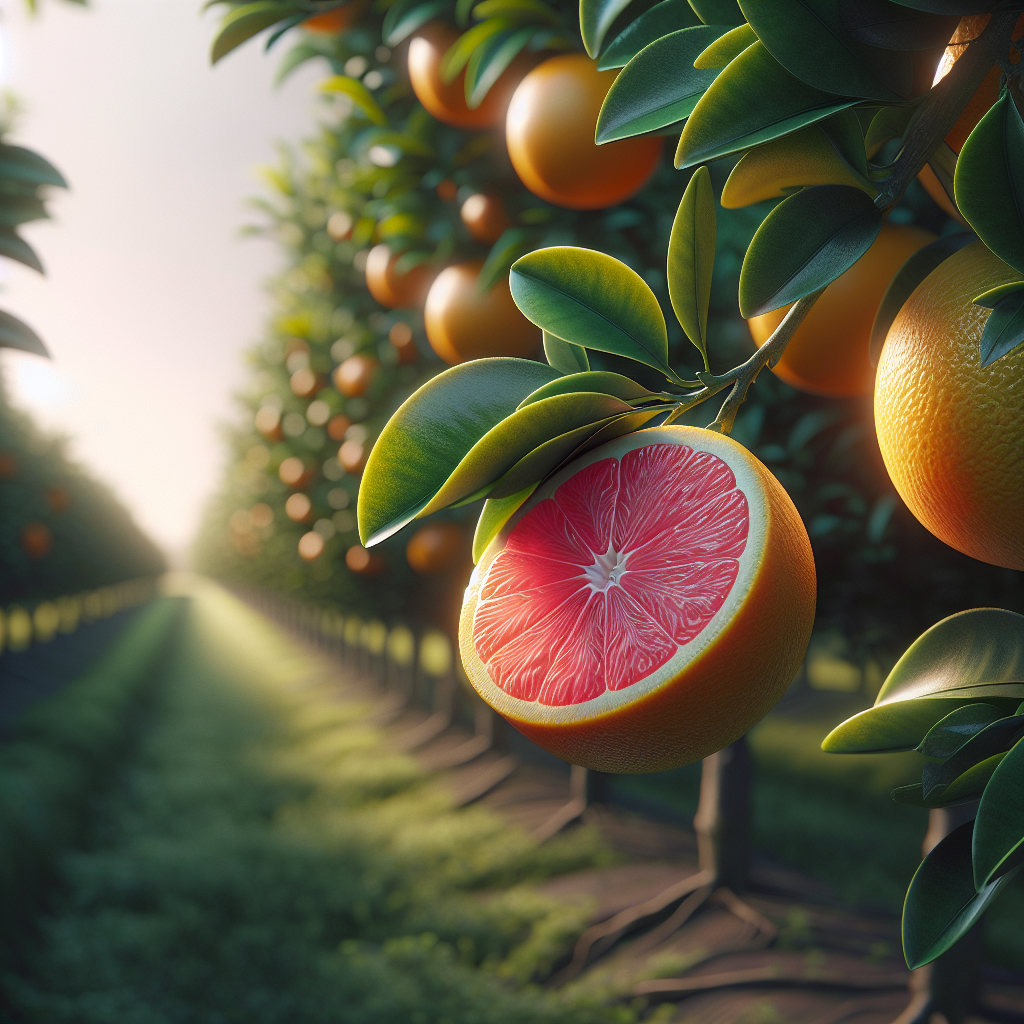
Fruit is medium to large, round to slightly oblong, with a bright orange rind and pink to red flesh caused by lycopene accumulation rather than anthocyanin pigmentation. That matters horticulturally because lycopene expression is influenced by cultivar genetics and ripening environment but is not identical to blood orange coloration, which often intensifies under colder conditions. Cara Cara fruit generally matures in mid to late winter, often slightly earlier than some standard navels in comparable regions. The rind is usually smoother than rough-skinned citrus but can show wind scar, sunburn, or thrips russeting if orchard conditions are unmanaged.
Rootstock selection is one of the most important professional decisions. Trifoliate and its hybrids can improve cold tolerance, disease resilience, and fruit quality, while more vigorous rootstocks may increase canopy growth in sandy or marginal soils. However, rootstock suitability depends on salinity, calcareous conditions, tristeza pressure, and Phytophthora risk. Avoid treating all citrus rootstocks as interchangeable.
Soil, pH, and Climate Requirements for Cara Cara Orange
This cultivar performs best in deep, well-aerated, well-drained soils with moderate water-holding capacity. Sandy loam to loam soils are ideal, but it can also perform well in decomposed granite or alluvial soils if drainage is excellent and fertigation is precise. Heavy clay is the most common cause of early decline in home plantings because citrus roots need oxygen; prolonged saturation can suffocate feeder roots and invite root rot.
Target soil pH is 6.0-7.0, with acceptable production often possible from 5.8-7.5. At pH above about 7.8, iron, zinc, and manganese deficiencies become more common, especially on calcareous soils. Symptoms include interveinal chlorosis on young leaves, small leaves, weak flushes, and poor fruit sizing. If soil is too acidic below about 5.5, calcium and magnesium imbalances may emerge and root growth may be restricted. Before planting, run a full soil test including pH, organic matter, cation exchange capacity, calcium, magnesium, sodium, chloride, and bicarbonate if irrigation water is suspect.
Drainage matters more than high fertility. A useful field rule is this: after a thorough irrigation or heavy rain, the top 12-18 inches should drain back to moist but aerated conditions within 24-48 hours. If you can dig 12 inches down two days after watering and the soil is still sticky, gray, sour-smelling, or leaves water glistening in the hole, drainage is too poor for long-term citrus health without berming or drainage correction.
Climatically, the tree is best suited to subtropical and warm Mediterranean-type citrus regions. Optimal annual performance usually comes where summers are warm to hot, winters are mild, and severe freezes are rare. Ideal growing temperatures are roughly 55-95°F, with best vegetative activity between 70-86°F. Flowers and young fruit are vulnerable to temperatures near or below 30°F, and wood injury becomes increasingly likely below the upper 20s depending on duration, tree age, acclimation, and rootstock. In extremely hot inland sites above 100°F, exposed fruit can sunburn, especially on recently pruned or sparse canopies.
Wind protection is important. Persistent hot, dry winds increase evapotranspiration, cause fruit drop, scar peels, and desiccate new growth. In windy sites, living windbreak systems and thoughtful orchard orientation are worthwhile. For broader soil-building principles in perennial systems, see soil health strategies.
Step-by-Step Planting & Propagation
Propagation true to type is done by budding or grafting, not by seed. Seedlings from fruit, if present at all, are unreliable and will not deliver consistent tree architecture or fruit quality in a professional setting. Purchase certified disease-free nursery trees whenever possible.
Choose the site carefully. Select a full-sun position with at least 8 hours of direct light daily. The best spot is slightly elevated, protected from frost pockets, and away from standing water.
Test soil and water. Confirm drainage, pH, and salinity before planting. Citrus is moderately sensitive to chloride and sodium accumulation, so poor-quality irrigation water can become a hidden limiting factor.
Prepare the planting area, not a bathtub hole. Do not over-amend only the planting hole in heavy soils. If improvement is needed, amend a broad area or plant on a raised berm 12-24 inches high and 3-5 feet wide. Narrow amended holes in clay can trap water around the root ball.
Time planting for mild weather. Early spring after frost risk has passed is ideal in most regions. In true frost-free climates, autumn planting is also excellent because roots establish during cooler weather.
Plant at the proper depth. Set the tree so the top of the root ball sits 1-2 inches above surrounding grade to allow settling and improve crown aeration. Keep the graft union clearly above soil level. Burying the crown encourages rot and scion rooting.
Backfill with native soil. Break up circling roots gently if pot-bound, but avoid severe root disturbance. Firm soil lightly to eliminate major air pockets without compacting it.
Create a watering basin only if drainage is good. In sandy soils, a shallow basin helps establishment. In heavier soils, skip deep basins and rely on drip or low-volume emitters.
Water in thoroughly. The first irrigation should wet the full root ball and adjacent native soil to encourage outward rooting.
Mulch correctly. Apply 2-4 inches of wood chips or coarse organic mulch over the root zone, keeping mulch 6-8 inches away from the trunk. This moderates soil temperature, reduces evaporation, and supports microbial activity.
Protect the trunk. Young citrus bark is thin and prone to sunburn. Use a diluted interior white latex paint mix (commonly 1:1 with water) on exposed trunk sections or use breathable trunk guards.
For grafting, T-budding onto compatible rootstock during active bark slip is the standard commercial method. Budwood must come from clean, indexed material to avoid spreading citrus tristeza virus, psorosis, exocortis, or huanglongbing-associated risks where regulated.
Spacing depends on vigor and system. Backyard trees often need 10-15 feet minimum from structures or other trees. Small orchard plantings may use 12-18 feet in-row and 18-22 feet between rows depending on rootstock and pruning program.
Care & Maintenance regimes for Cara Cara Orange
Water management is the single biggest determinant of fruit quality after climate. Newly planted trees need frequent but not constant moisture. During the first 6-12 months, irrigate often enough to keep the root zone evenly moist, never waterlogged. In practical terms, the top 2-3 inches may dry slightly between irrigations, but soil 6-12 inches deep should remain lightly moist. If a squeezed handful from 6 inches depth forms a weak ball that crumbles with a tap, moisture is near ideal. If it smears, shines, or smells anaerobic, irrigation is too heavy or too frequent.
Signs of underwatering include leaf curl along the midrib, dull foliage, premature fruit drop, small fruit size, and dry soil pulling away from the root ball. Signs of overwatering include yellowing leaves without crispness, leaf drop despite wet soil, reduced flush vigor, fungus gnat activity in containers, and in severe cases darkened feeder roots or a sour smell from the soil. Mature trees prefer deep, infrequent irrigation that wets 18-36 inches deep depending on soil type and rootstock. Sandy soils may require watering every 3-7 days in peak heat, while loams may need 7-14 day intervals and heavier soils longer still. Always adjust to evapotranspiration, not the calendar.
Nutrition should emphasize steady, moderate feeding rather than large, infrequent doses. Nitrogen is usually the primary driver of canopy development, fruit size, and overall productivity. Young trees may receive 3-6 split applications through the growing season, while bearing trees benefit from a structured annual nutrient plan tied to expected crop load. Excess nitrogen produces coarse rind, excessive vegetative growth, delayed coloration, and sometimes poorer flavor, so avoid pushing lush growth late in the season.
A complete citrus fertilizer should also supply potassium, magnesium, sulfur, and micronutrients such as zinc, manganese, iron, and boron where deficient. Yellowing young leaves with green veins usually points toward iron chlorosis, especially in alkaline conditions; small mottled leaves may indicate zinc or manganese issues. Foliar sprays can correct symptoms temporarily, but long-term success depends on solving root-zone chemistry.
Pruning needs are modest. Remove dead, damaged, crossing, or diseased wood, plus vigorous rootstock suckers arising below the graft. Maintain a skirt high enough to improve airflow and prevent fruit touching damp soil, but do not over-prune because fruit and scaffold limbs are vulnerable to sunburn. Light canopy thinning can improve spray penetration and reduce pest shelter, but heavy opening of the canopy often causes more harm than benefit in hot climates.
Fruit thinning is rarely required, though excessively heavy set on young trees should be reduced so structure can develop. Remove most fruit during the first one to two years after planting. This feels counterintuitive but accelerates long-term establishment and scaffold strength.
Weed control should keep at least a 3-foot weed-free zone around young trees. Turf competition is especially damaging because grass aggressively strips nitrogen and surface moisture. Mulch, shallow cultivation, or targeted organic suppression are better than deep hoeing that severs feeder roots.
Container culture is possible on dwarfing rootstocks, but precision is critical. Use a sharply drained mix, a large container with excellent drainage, and more frequent nutrition. Containers heat up and dry rapidly, so root stress is much more common than in-ground culture.
Pests, Diseases & Organic Management
The key to organic management is regular scouting. Inspect young flush, leaf undersides, blossoms, fruit, trunk, and soil line every 7-14 days in active growth periods.
Common insect pests include aphids, scales, mealybugs, whiteflies, thrips, mites, and citrus leafminer. aphids and soft scales excrete honeydew, leading to black sooty mold that interferes with photosynthesis and downgrades fruit appearance. Leafminer causes serpentine tunnels in tender leaves and is most damaging on young trees or nursery stock. thrips can scar developing fruit rind, while spider mites tend to flare in hot, dusty conditions.
Organic control begins with cultural prevention: avoid excess nitrogen, manage ants that protect honeydew-producing pests, maintain airflow, and reduce dust. Encourage beneficial insects by integrating flowering companions such as Yarrow, Thyme, and Clover near but not crowding the root zone. Horticultural oils and insecticidal soaps can suppress scale crawlers, aphids, mites, and whiteflies when coverage is thorough and temperatures are not excessively high. Spinosad may help with thrips or leafminer in some systems, but timing and pollinator safety matter.
Disease pressure often centers on root and crown rots caused by Phytophthora in poorly drained or overirrigated soils. Gum exudation at the trunk base, bark discoloration, canopy thinning, and chronic chlorosis are classic warning signs. Prevention is far better than cure: keep the bud union above soil, avoid wetting the trunk with emitters, and never pile mulch against bark.
Fungal and bacterial issues may include melanose, greasy spot, citrus canker where present, and secondary rind blemishes under humid conditions. Good sanitation, balanced pruning, and avoiding overhead irrigation reduce pressure. Remove mummified fruit and diseased prunings from the orchard floor.
The most serious modern citrus threat in many regions is huanglongbing (HLB, citrus greening), spread by the Asian citrus psyllid. Symptoms can include asymmetrical yellow mottling, lopsided bitter fruit, twig dieback, and overall decline. Because symptom overlap with nutrient deficiency is common, suspicious trees should be assessed according to local regulatory guidance. Use certified nursery stock, control psyllid populations early, and comply with quarantine rules.
Rodents and snails can damage young trunks and low fruit. Trunk guards, weed suppression, owl boxes, and habitat management are often more durable than repeated reactive treatment.
Harvesting, Curing & Optimal Storage
Fruit maturity is determined by more than peel color. Cara Cara oranges can look externally ready before internal sugars and flavor are fully developed, particularly in warm districts. Harvest should be based on a combination of rind color, fruit size, taste sampling, juice content, and soluble solids-to-acid balance where testing is available. Commercially, refractometer readings and maturity standards are useful, but even backyard growers should cut and taste fruit from different canopy zones before a full pick.
Harvest season is commonly winter into early spring, depending on region. Fruit usually develops its best eating quality after cool-season maturation. Pick with clippers rather than pulling when possible; tearing the stem end can puncture neighboring fruit and invite decay. Harvest during dry conditions if you plan to store fruit.
Unlike onions or garlic, citrus does not undergo a true curing process, but postharvest conditioning still matters. Let freshly harvested fruit rest in a cool, shaded, well-ventilated area for several hours so field heat dissipates. Do not stack deeply while warm. Sort out damaged, split, bruised, sunburned, or pest-scarred fruit because one compromised fruit can accelerate losses in storage.
For best storage, keep fruit at about 38-48°F with high relative humidity, ideally around 85-90%. Warmer room conditions are acceptable for short-term use, but sugars may seem less lively and rind dehydration becomes more noticeable after one to two weeks. In a household refrigerator crisper, quality may remain good for 2-4 weeks or longer depending on harvest condition. Avoid sealing fruit in completely airtight plastic; some airflow helps prevent condensation and mold.
Fruit left on the tree can hold reasonably well for a period, but delayed harvest in warm spells may reduce acid and flatten flavor. Extended hang time can also increase granulation in some citrus environments, where juice vesicles become firm and dry.
Companion Planting for Cara Cara Orange
Companion planting around citrus should serve orchard function, not just aesthetics. The best companions attract beneficial insects, stabilize soil, improve biodiversity, and avoid direct competition with shallow citrus feeder roots. Keep all companions outside a clear trunk zone so moisture does not sit against bark and so fertigation remains predictable.
Yarrow is highly useful because its umbels attract parasitic wasps, hoverflies, and predatory insects that help suppress aphids and other soft-bodied pests. Thyme works well as a low-growing aromatic groundcover in dry, sunny citrus systems, helping reduce bare-soil heat and supporting pollinators when in bloom. Clover can function as a living mulch and nitrogen-contributing cover in row middles or outer basin zones, though it should be managed so it does not compete heavily with young trees for water. Nasturtium can also be useful as an insectary and trap plant in diversified gardens, especially where aphids are persistent.
Avoid planting aggressive, thirsty annual vegetables directly over the root zone of young citrus. Large brassicas, dense turf, and vining cucurbits can create unnecessary competition and humidity around the trunk. Companion species should be easy to mow, cut back, or irrigate separately from the tree.
A practical layout is to maintain a bare or mulched ring 2-3 feet from the trunk on young trees, then establish companions in a wider outer ring. In mature orchards, permanent flowering strips in alleys can provide many of the same ecological benefits without compromising tree nutrition or harvest access.