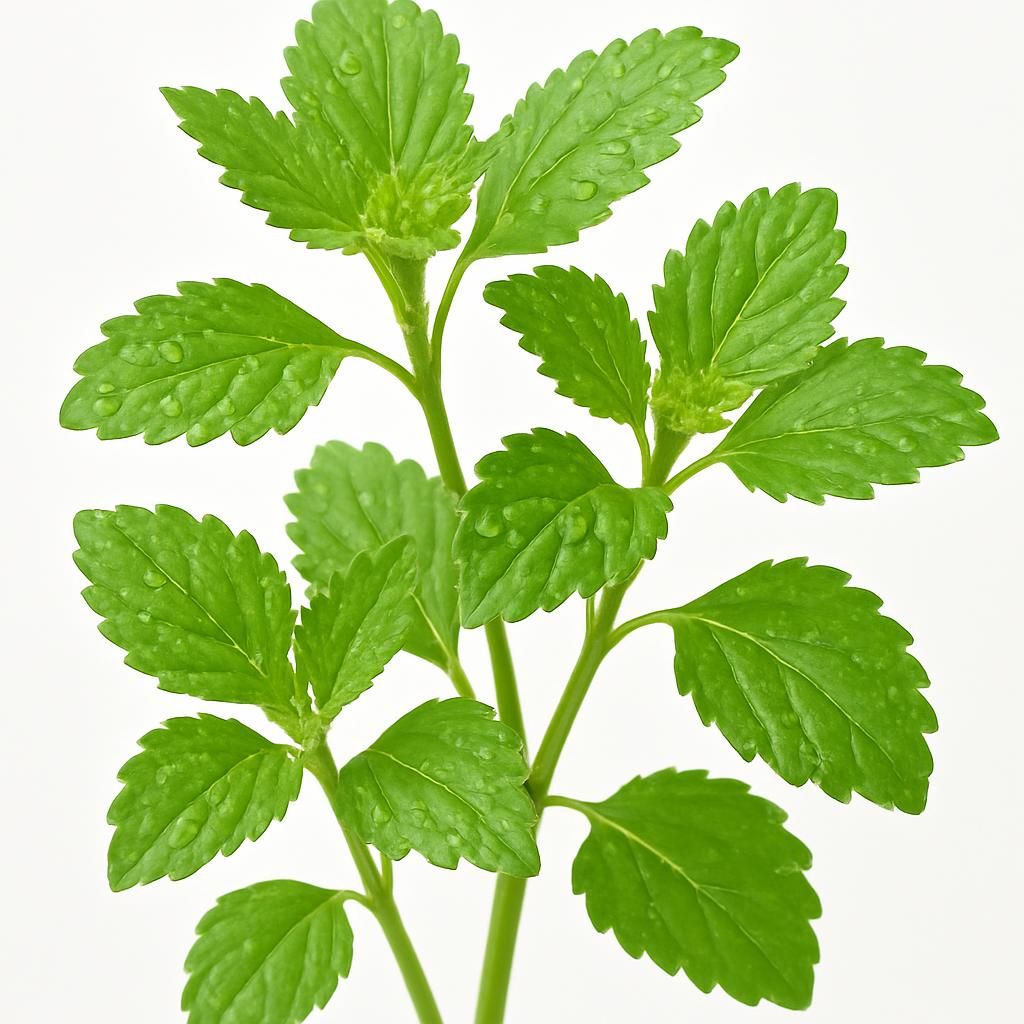
Introduction to canh chua
Canh chua, scientifically known as Limnophila aromatica, is a semi-aquatic perennial herb native to Southeast Asia. It is prized for its aromatic, lemon-scented foliage that serves as both a culinary staple and a traditional medicinal plant. Farmers value its rapid growth cycle and ability to thrive in wet soils, making it an excellent choice for intensive small-plot production.
The plant's popularity in Vietnamese cooking stems from its unique sour-citrus profile that enhances fish-based soups and vegetable dishes. Commercial growers appreciate its high market demand in Asian grocery channels and its relatively low input requirements when managed correctly. With proper water management and organic fertility programs, yields can reach 15–20 tons of fresh herb per hectare annually.
Botanical Profile of canh chua
Limnophila aromatica belongs to the Plantaginaceae family and exhibits opposite, lanceolate leaves with serrated margins. The stems are square in cross-section and can reach 30–60 cm in height when grown under optimal conditions. Small, tubular purple flowers appear in axillary clusters during long-day periods, though commercial production focuses on vegetative leaf harvest.
The species is closely related to Rice paddies where it often grows as a weed, demonstrating its adaptation to flooded environments. Its root system consists of fibrous adventitious roots that anchor in saturated soils while absorbing nutrients efficiently from the water column.
Soil, pH, and Climate Requirements for canh chua
Canh chua performs best in heavy clay-loam soils with high organic matter that retain moisture without becoming anaerobic. A pH range of 5.5–6.8 supports optimal nutrient uptake, particularly for iron and manganese. The crop tolerates partial shade but produces the highest biomass under full sun with 6–8 hours of direct light daily.
| Parameter | Ideal Range | Notes |
|---|---|---|
| Soil Type | Clay-loam to silty clay | High water-holding capacity required |
| pH | 5.5–6.8 | Avoid alkaline soils above 7.2 |
| Temperature (day) | 24–32 °C | Growth slows below 18 °C |
| Temperature (night) | 18–24 °C | Frost sensitive |
| Relative Humidity | 70–90 % | Consistent moisture prevents leaf scorch |
| Water Depth | 5–15 cm standing water | Maintain gentle flow to prevent stagnation |
| Light | Full sun to light shade | 6+ hours direct sunlight optimal |
Step-by-Step Planting & Propagation
Canh chua is most reliably propagated from stem cuttings taken from healthy mother plants. Select 10–15 cm terminal shoots with at least three nodes, remove lower leaves, and insert 4–5 cm deep into prepared nursery beds. Rooting occurs within 7–10 days under 80 % humidity and temperatures above 24 °C.
Direct seeding is possible but slower; sow 0.5 cm deep at 2–3 cm spacing in shallow trays, then transplant seedlings at the 4–6 leaf stage. Field spacing of 15 cm between plants and 20 cm between rows allows adequate airflow while maximizing leaf production per square meter.
Care & Maintenance regimes for canh chua
Consistent water management is the cornerstone of successful cultivation. Maintain a shallow water layer that keeps soil saturated but not stagnant. Organic mulching with rice straw reduces evaporation and suppresses weeds. Side-dress with well-rotted compost or fish emulsion every 3–4 weeks to sustain vigorous growth.
| Task | Schedule | Rate / Method |
|---|---|---|
| Irrigation | Daily or as needed | Maintain 5–15 cm standing water |
| Fertilizer | Every 21 days | 2–3 kg compost or 1:500 fish emulsion |
| Pruning / Harvest | Every 14–18 days | Cut 10–15 cm above base to encourage bushiness |
| Weeding | Weekly until canopy closes | Hand removal or shallow cultivation |
Pests, Diseases & Organic Management
Aphids and Thrips occasionally colonize tender shoots; release lady beetles or apply neem oil at 0.5 % concentration for control. Fungal issues such as Pythium root rot arise from poor water circulation—improve drainage and apply Trichoderma-based inoculants preventively.
Leaf miners and Spider Mites appear during hot, dry spells; overhead misting and reflective mulch help reduce populations. Regular scouting and removal of infested leaves remain the most effective first line of defense.
Harvesting, Curing & Optimal Storage
Begin harvesting when plants reach 20–25 cm in height, typically 35–45 days after planting. Use sharp shears to cut stems 8–10 cm above the base, allowing 2–3 regrowth cycles before replanting. Fresh market bunches should be cooled to 4 °C within two hours of harvest.
For longer storage, wash stems gently, bundle loosely, and place in perforated plastic bags at 90–95 % humidity. Shelf life extends to 7–10 days under refrigeration. Drying at 35 °C preserves flavor for culinary use up to six months.
Companion Planting for canh chua
Canh chua pairs well with Thai Basil in mixed aquatic beds, where basil repels aphids and provides aromatic diversity. Interplanting with Rice in paddies improves nutrient cycling and reduces weed pressure. Avoid proximity to alliums, which can inhibit growth through allelopathy.
Stop Treating Tomato Blight Like a Spray Problem: Here Is What Works Better offers additional insights on managing humidity-related diseases that also apply to canh chua production systems.