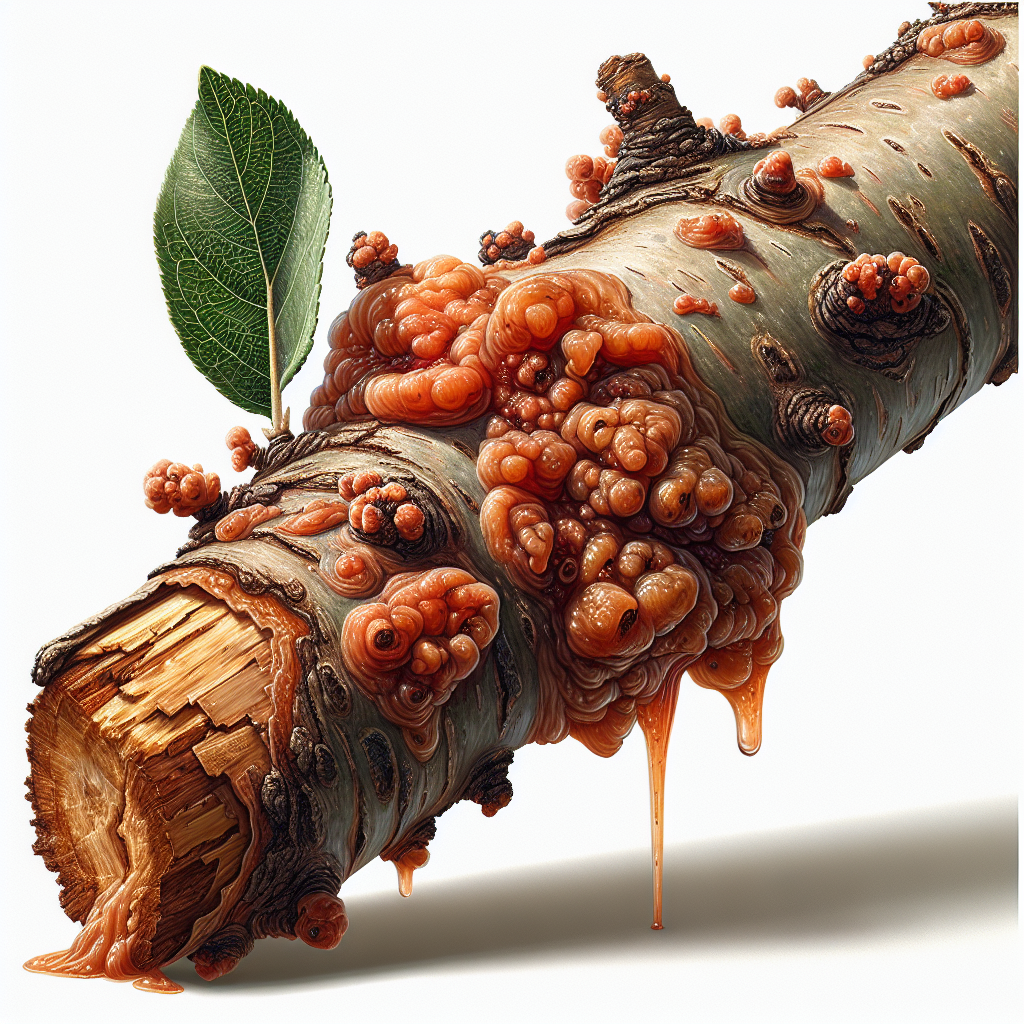
Definitive Diagnostic and Management Guide for Canker Diseases
Introduction to Canker diseases
Canker diseases represent a broad category of plant pathologies characterized by localized dead areas (cankers) on stems, branches, trunks, and occasionally roots of trees, shrubs, and certain crops. These diseases are primarily incited by fungal pathogens such as Nectria (now often classified under Neonectria), Cytospora, Botryosphaeria, and Phomopsis species, as well as bacterial agents like Pseudomonas syringae pv. syringae. In agricultural settings, cankers compromise structural integrity, impede nutrient and water transport, and often lead to branch dieback, reduced yields, and plant mortality.
Unlike foliar diseases, cankers target woody tissues, making them particularly devastating in perennial crops like fruit trees and vines. Globally, canker diseases cause billions in losses annually; for instance, apple orchards suffer from apple canker, while citrus groves battle citrus canker. Early diagnosis is crucial, as advanced infections are hard to eradicate. This guide provides professional-grade advice for identification, lifecycle understanding, organic management, and prevention, optimized for farmers growing high-value crops. For more on related trunk issues, see our detailed entry on Canker.
The economic impact is profound: in stone fruit production, Cytospora canker can wipe out 20-50% of yields in severe outbreaks. Understanding cankers empowers growers to implement integrated strategies that preserve orchard health and profitability. This comprehensive resource draws from decades of botanical and entomological research to deliver actionable insights.
Identifying Symptoms & Damage
Accurate diagnosis begins with recognizing hallmark symptoms. Cankers typically appear as sunken, discolored lesions on bark, often elliptical or irregular in shape. Initial signs include small, water-soaked spots that expand into necrotic areas with cracked, peeling bark. Colors vary by pathogen: fungal cankers may show reddish-brown (Nectria), black (Botryosphaeria), or amber oozing gum (bacterial).
Advanced symptoms include wilting shoots above the canker, leaf yellowing, and dieback progressing from tips inward. In cross-section, cankers reveal wedge-shaped necrosis in vascular cambium. Gummosis—oozing sap—is common in stone fruits like peach, while target cankers (concentric rings) indicate Nectria. Differentiate from mechanical wounds: cankers have defined margins and often sporulate (pustules or mycelium).
Damage escalates quickly: girdling cankers kill phloem/xylem, starving roots and canopy. Yield losses reach 30-70% in affected branches; tree vigor declines, inviting secondary pests like borers. In cherry trees, bacterial canker causes blossom blight and twig dieback. Use a knife to probe lesions: healthy tissue resists cutting, infected tissue is soft and discolored. Lab confirmation via culturing isolates pathogens. Early scouting prevents spread—inspect wounds post-pruning.
Lifecycle and Progression of Canker diseases
Canker pathogens overwinter in infected bark, pruned stubs, or soil as mycelium, sclerotia, or spores. Primary infection occurs via wounds from pruning, frost cracks, or mechanical injury. Spores (conidia, ascospores) disperse by rain splash, wind, or insects during wet springs. Latent periods last 1-3 months; symptoms emerge in cool, moist conditions (10-25°C).
Progression: entry through lenticels or wounds → colonization of cambium → toxin production → tissue necrosis → canker expansion (1-10 cm/year). Fungi produce pycnidia for conidial spread; bacteria ooze systemically. Multiple cycles per season amplify damage. In mango, anthracnose-related cankers form during monsoons, sporulating in humid cycles. Dormancy resumes in dry summers. Understanding this polycyclic nature informs timing of controls.
Environmental Triggers & Risk Factors
Cankers exploit stress: drought, poor drainage, nutrient imbalance (excess N), and wounding heighten susceptibility. Cool, wet weather (prolonged leaf wetness >12 hours) triggers sporulation; frost injury opens entry points. High-density planting promotes splash dispersal. Susceptible varieties like young grafts or stressed Hass Avocado trees are prime targets.
Soil pH extremes (acidic <5.5 or alkaline >7.5) weaken defenses. Over-fertilization causes soft growth prone to cracking. Check out Soil Health Mastery: 5 Proven Strategies for Small Farms to Build Fertile Ground Without Breaking the Bank for mitigation tips. Poor air circulation in crowded orchards traps moisture, escalating epidemics.
Organic Control & Treatment Plans
Organic management emphasizes sanitation and cultural practices. Prune infected branches 10-15 cm below cankers during dry periods (summer), sterilizing tools with 10% bleach or alcohol. Destroy prunings to break lifecycle. Apply lime sulfur or copper-based fungicides (e.g., Bordeaux mix) post-pruning for protection.
Boost resistance with compost teas, mycorrhizal inoculants, and balanced nutrition (Ca, K emphasis). Beneficial microbes like Trichoderma spp. outcompete pathogens; apply as soil drenches. For bacterial cankers, use streptomycin alternatives like Serenade (Bacillus subtilis). Wound dressings with bio-paints containing Pinus resin deter colonization.
Integrated plans: monitor with traps for vectors; irrigate to avoid wetting trunks (drip systems). In grape, delay pruning to mid-summer. Biologicals like Coniothyrium minitans target sclerotia. Rotate with cover crops to suppress soil inoculum. Success rates: 60-80% with vigilant sanitation.
Preventing Canker diseases in the Future
Prevention trumps cure. Select resistant rootstocks (e.g., Geneva series for apple). Prune properly: angled cuts, avoid flush cuts; seal large wounds. Maintain vigor via mulching, avoiding summer water stress. Improve drainage; space plants for airflow.
Quarantine new stock; inspect for latent cankers. Fertilize judiciously—soil tests guide applications. Winter protection: wrap trunks against sunscald. Annual inspections catch early infections. Companion planting with Thyme repels vectors. Long-term: diverse plantings reduce monoculture risks. These steps can cut incidence by 70-90%.
Crops Most Affected by Canker diseases
Cankers plague woody perennials: Apple (Nectria canker), Peach (Cytospora), Cherry (bacterial), Plum, Pear, Orange (citrus canker), Mango, Avocado, Grapes (Eutypa), and Olive. Ornamentals like maple and poplar also suffer. Herbaceous impacts include tomato stems and potato tubers. Global hotspots: temperate orchards, subtropical groves. Yields drop 20-100%; integrated management is key for sustainability.