Introduction to caraway
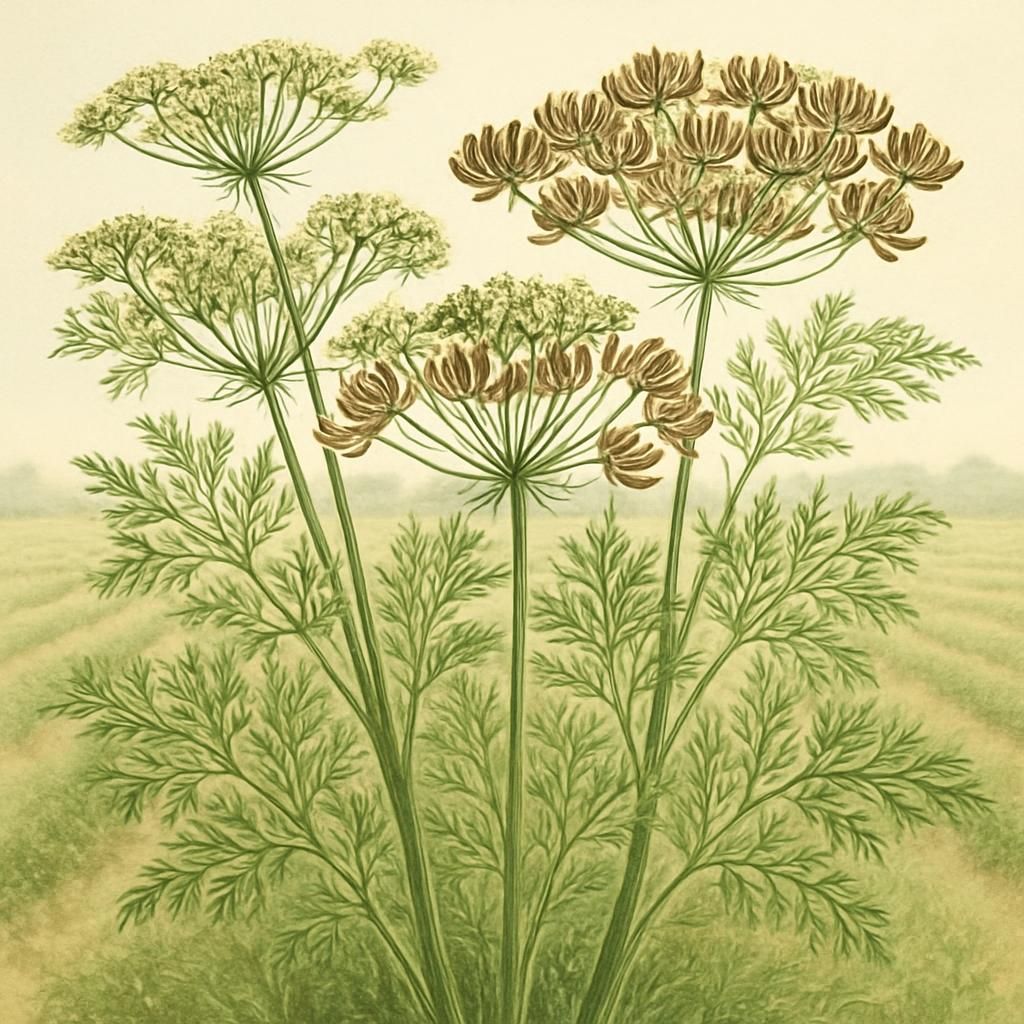
Caraway (Carum carvi) is an ancient biennial herb belonging to the carrot family (Apiaceae). Native to Europe, Western Asia, and Northern Africa, it has been cultivated for over 5,000 years for its distinctive aromatic seeds. These seeds are widely used in rye bread, sauerkraut, cheeses, liqueurs such as kümmel, and traditional herbal remedies for digestive health. The plant produces feathery, carrot-like foliage in its first year and tall flowering stalks with white umbels in the second year before setting seed.
Commercial production occurs mainly in the Netherlands, Germany, Poland, and parts of Canada, where cool summers and moderate rainfall support optimal growth. Home gardeners value caraway for its low-maintenance nature once established and its ability to attract beneficial insects. The seeds contain essential oils rich in carvone and limonene, contributing to both flavor and antimicrobial properties.
Botanical Profile of caraway
Caraway is a biennial member of the Apiaceae family, reaching 30–60 cm in height. In year one, it forms a basal rosette of finely divided, feathery leaves resembling those of Carrot. By year two, it sends up hollow, branched flowering stems topped with compound umbels of small white flowers. These flowers develop into crescent-shaped, ridged schizocarp fruits commonly called “seeds.” The root system is a slender taproot that stores carbohydrates for overwintering.
Caraway is self-fertile but benefits from insect pollination. The plant’s essential oil glands are concentrated in the seeds, reaching peak carvone content at physiological maturity. Unlike annual herbs such as Coriander, caraway requires a vernalization period of cold to trigger flowering.
Soil, pH, and Climate Requirements for caraway
Caraway performs best in deep, fertile, well-drained loam or sandy loam soils. Heavy clay soils should be amended with organic matter to improve drainage and prevent root rot. The crop tolerates a wide pH range but yields highest between 6.0 and 7.5.
| Parameter | Ideal Range | Notes |
|---|---|---|
| Soil Type | Loam to sandy loam | Avoid compacted or waterlogged soils |
| Soil pH | 6.0 – 7.5 | Slightly acidic to neutral preferred |
| Temperature (Growing) | 15 – 22 °C daytime | Cool-season crop; bolts in heat |
| Temperature (Vernalization) | 0 – 7 °C for 6–8 weeks | Required for second-year flowering |
| Annual Rainfall | 500 – 750 mm | Even distribution; supplemental irrigation if dry |
| Frost Tolerance | Hardy to –15 °C | Established plants overwinter well |
Step-by-Step Planting & Propagation
Caraway is almost exclusively grown from seed. Direct sowing is preferred because the taproot resents transplanting.
- Site Selection: Choose a sunny location with at least 6 hours of direct light. Remove perennial weeds and incorporate 5–7 cm of well-rotted compost.
- Soil Preparation: Loosen soil to 20–25 cm depth. Conduct a soil test; apply lime if pH is below 6.0.
- Sowing Windows: For biennial production, sow in late summer to early autumn (August–September) or very early spring (March–April) depending on climate zone.
- Seeding Rate & Depth: Broadcast or drill seeds at 8–10 kg/ha or 1–2 g/m². Sow 0.5–1 cm deep and lightly cover. Row spacing of 30–45 cm allows mechanical cultivation.
- Germination: Expect emergence in 10–21 days at soil temperatures of 10–18 °C. Keep seedbed consistently moist during this period.
- Thinning: When seedlings reach 5 cm, thin to 10–15 cm between plants to reduce competition.
Care & Maintenance regimes for caraway
After establishment, caraway requires minimal intervention. Weed control is critical in the first 60 days. Mulching with straw or shredded leaves suppresses weeds and conserves moisture.
| Activity | Schedule | Details |
|---|---|---|
| Watering | Weeks 1–8: 2–3× weekly | Keep top 5 cm moist; reduce once established. Avoid overhead irrigation. |
| Fertilizer | Pre-plant: 40–60 kg N/ha | Side-dress 20 kg N/ha in early spring of year two if growth is pale. |
| Phosphorus & Potassium | Apply according to soil test; caraway is not a heavy feeder. | |
| Pruning | Year 1: none | Remove flower stalks if biennial cycle desired. |
| Year 2: deadhead after harvest | Cut stalks at base once seeds are collected to prevent self-sowing. |
Pests, Diseases & Organic Management
Caraway is relatively pest-resistant but can be affected by Aphids, Carrot fly, and Leafhoppers. Root-knot nematodes may occur in sandy soils previously planted with susceptible crops.
Common diseases include Powdery mildew, Alternaria leaf spot, and Root rot caused by Pythium or Rhizoctonia in poorly drained soils. Cultural practices such as crop rotation (minimum 3–4 years), removal of crop debris, and ensuring good airflow are the primary defenses.
Organic options include neem oil or insecticidal soap for aphids, floating row covers for carrot fly, and copper-based fungicides for leaf spots when infection pressure is high. Companion planting with Dill or Fennel can attract beneficial insects but avoid planting near other Apiaceae to reduce shared pest pressure.
Harvesting, Curing & Optimal Storage
Caraway seeds are harvested in the second year when the majority of umbels turn brown and seeds begin to shatter. Cut entire stalks early in the morning and bundle them for drying in a well-ventilated, shaded area. Once fully dry (usually 7–14 days), thresh by hand or with a mechanical thresher.
Clean seeds by winnowing to remove chaff. Store in airtight containers in a cool, dark place. Properly cured seeds retain flavor and viability for 2–3 years. For fresh use, young leaves can be harvested in the first year but this reduces seed yield.
Companion Planting for caraway
Caraway is an excellent companion for brassicas such as Cabbage and Broccoli because its flowers attract parasitic wasps that control cabbage worms. It also pairs well with Peas and Beans as a nitrogen-fixing understory. Avoid planting near Dill or Fennel to prevent cross-pollination and hybridization.
Caraway can be intercropped with Onion or Garlic to deter carrot fly. In perennial systems, it serves as a beneficial insect banker plant when allowed to flower. After harvest, incorporate remaining biomass as green manure to improve soil structure for the next rotation.