Encyclopedia
Definitive guides for crops, pests, and agricultural diseases.
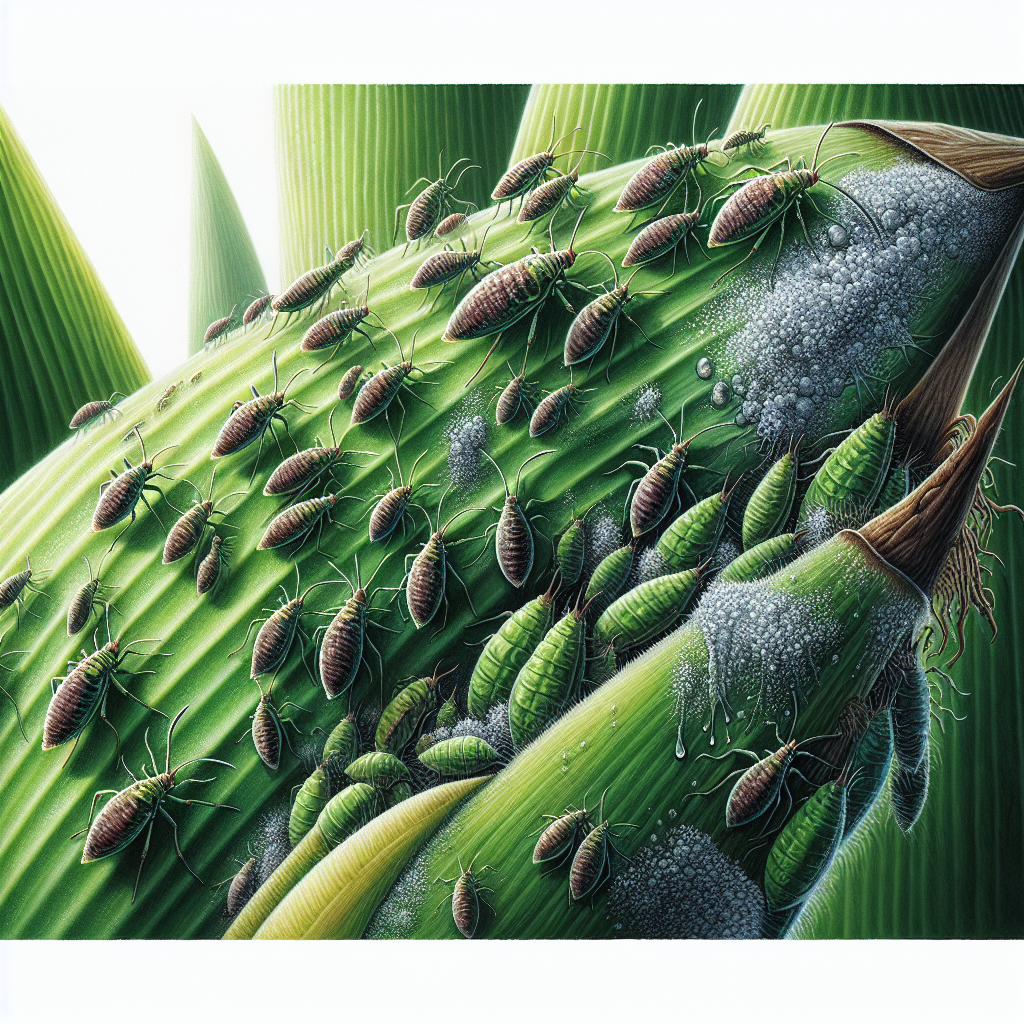
banana aphids
Banana aphids (Pentalonia nigronervosa) are small, dark insects that colonize banana plants, transmitting devastating viruses like bunchy top while sucking sap and causing leaf distortion. Effective management combines organic controls, cultural practices, and vigilant monitoring to protect yields. This guide provides diagnostic symptoms, lifecycle details, and proven organic strategies for banana growers.
View Profile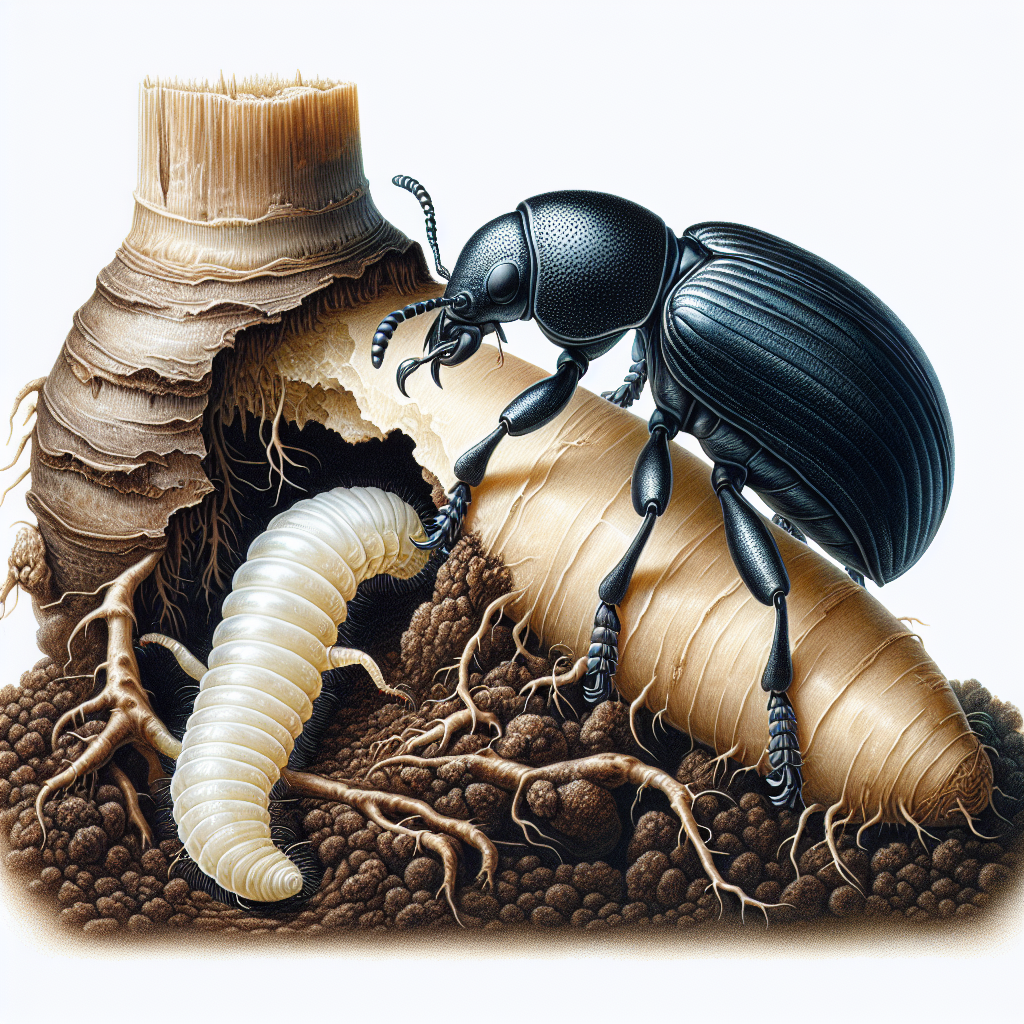
Banana Root Weevil
Cosmopolites sordidus, commonly known as the banana root weevil, is a destructive underground pest targeting banana and other tropical crops by feeding on roots and corms, leading to stunted growth and plant death. This guide provides comprehensive diagnostics, lifecycle insights, organic management strategies, and prevention tips for farmers battling this hidden threat. Effective control combines cultural practices, biological agents, and vigilant monitoring to protect yields.
View Profile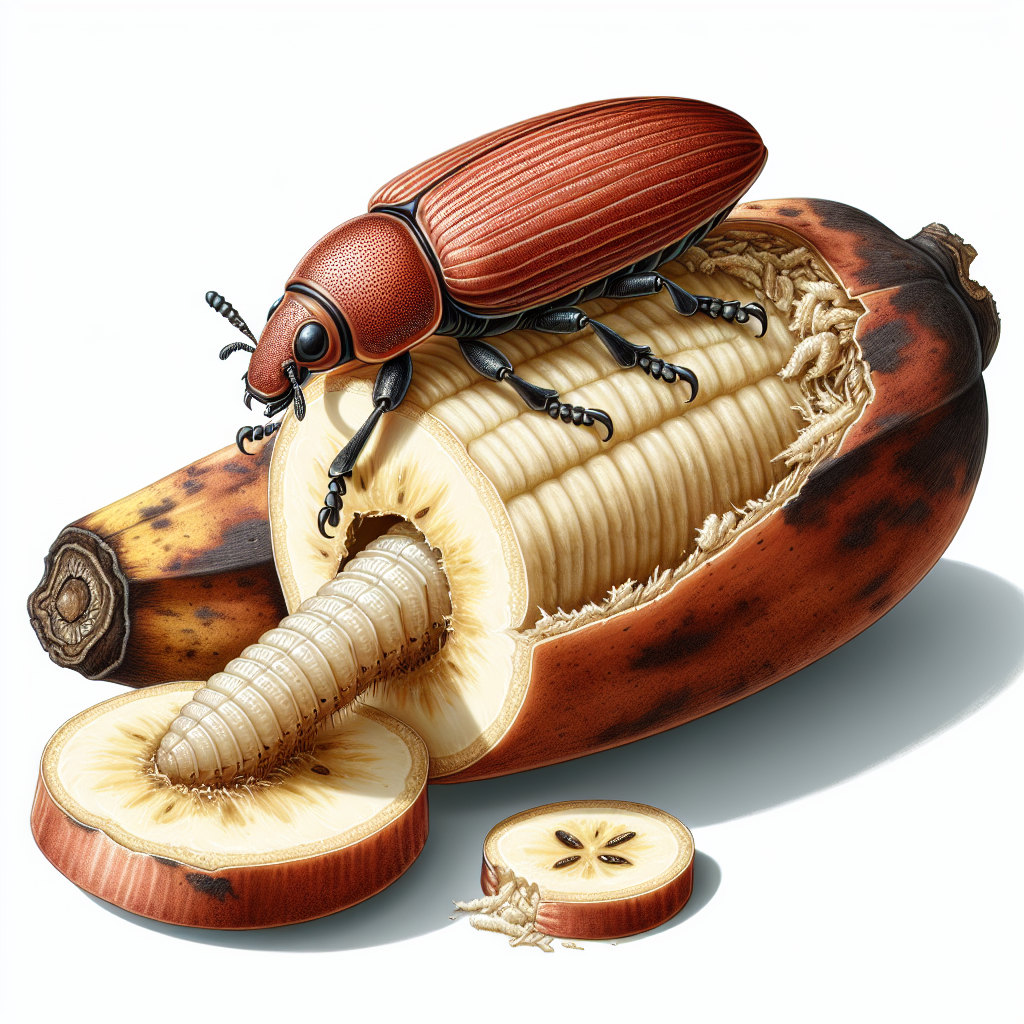
Banana weevil
The banana weevil (Cosmopolites sordidus) is a devastating subterranean pest that attacks banana plants, causing significant yield losses through larval tunneling in corms and pseudostems. This guide provides comprehensive diagnostics, lifecycle insights, organic management strategies, and prevention tactics for farmers growing [Dwarf Cavendish Banana](/wiki/dwarf-cavendish-banana) and other varieties. Effective control combines cultural practices, biological agents, and vigilant monitoring to protect crops.
View Profile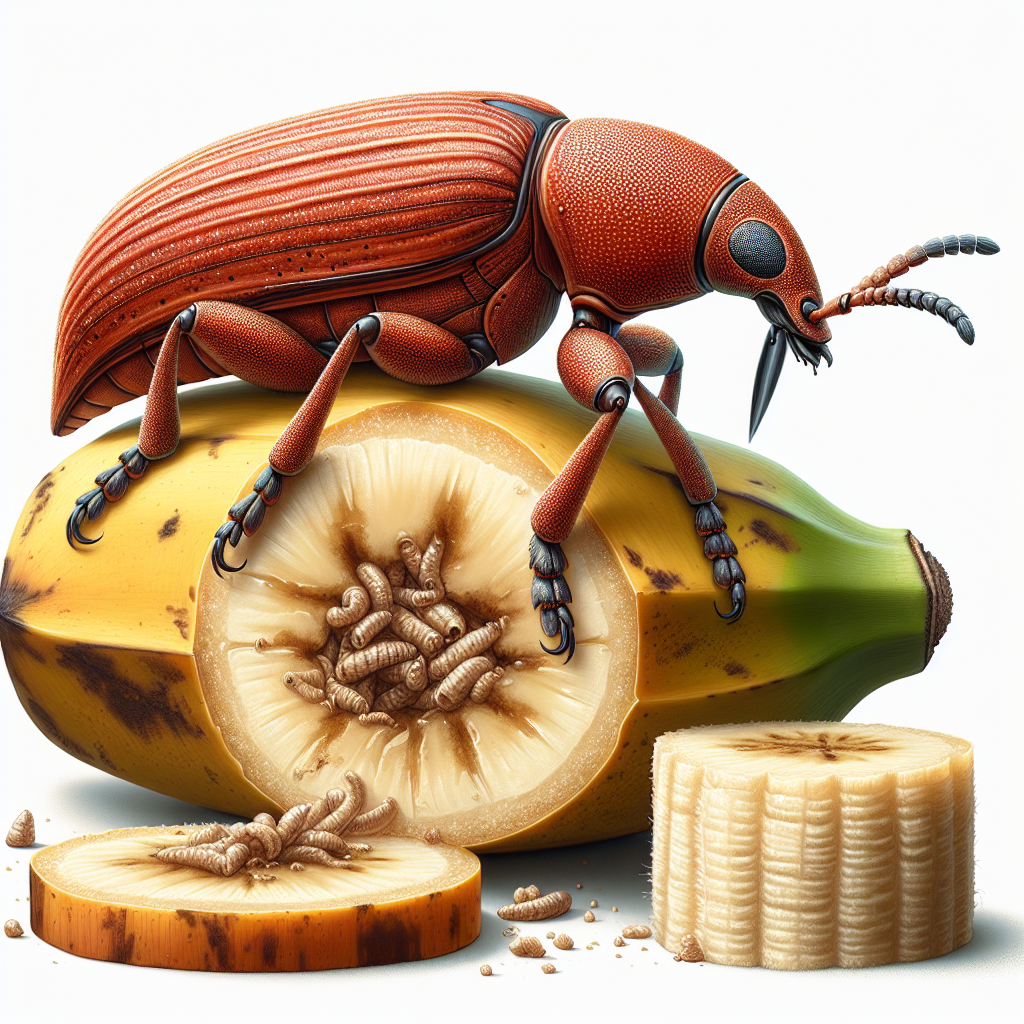
Banana weevil borer
The banana weevil borer (Cosmopolites sordidus) is a devastating subterranean pest that tunnels into banana plant corms and pseudostems, causing structural weakening, plant toppling, and significant yield losses in banana plantations worldwide. Native to Southeast Asia, it has spread globally to tropical regions, thriving in warm, humid environments. Effective management combines cultural practices, biological controls, and vigilant monitoring for sustainable banana production.
View Profile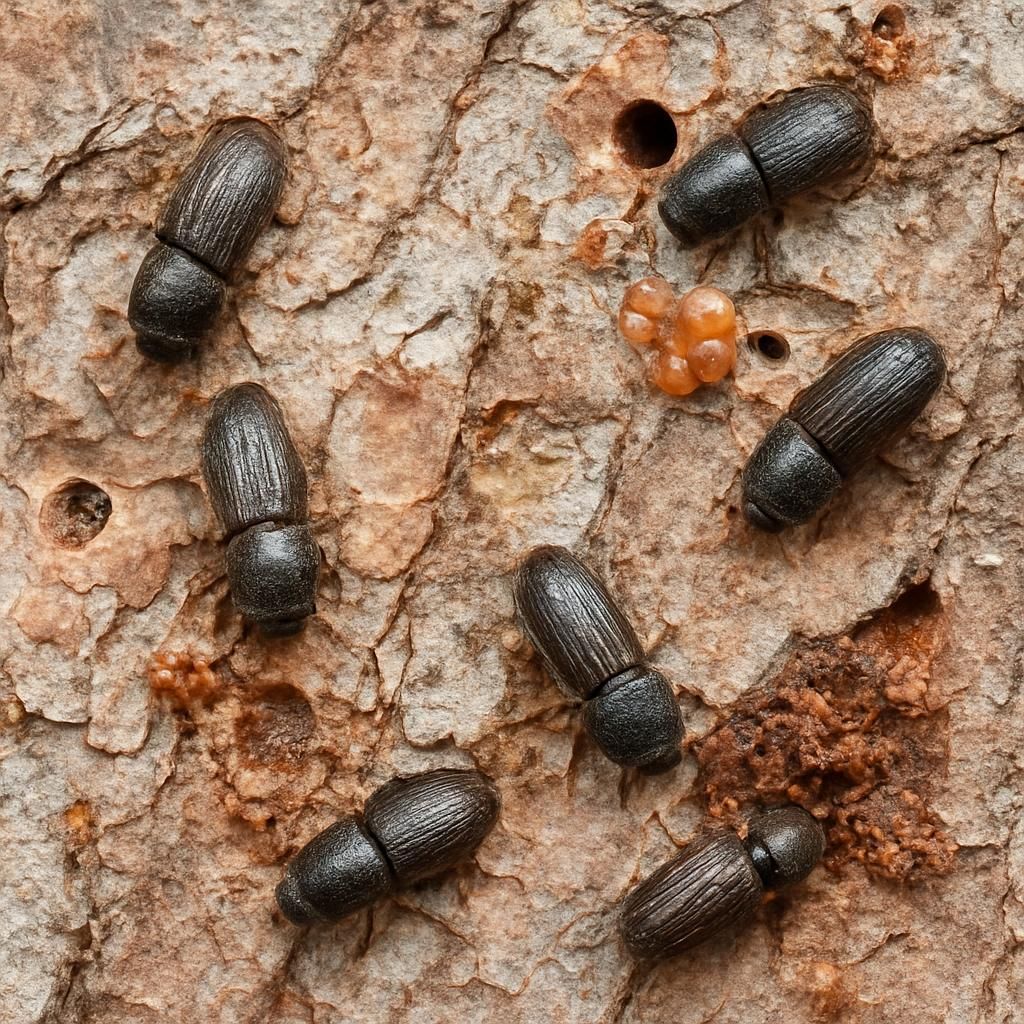
bark beetles
Bark beetles are destructive wood-boring insects that attack stressed or weakened trees, creating galleries beneath the bark that disrupt nutrient and water transport, often leading to tree mortality. Their outbreaks are driven by drought, overcrowding, and climate stress, making proactive monitoring and integrated management essential for forest and orchard health.
View Profile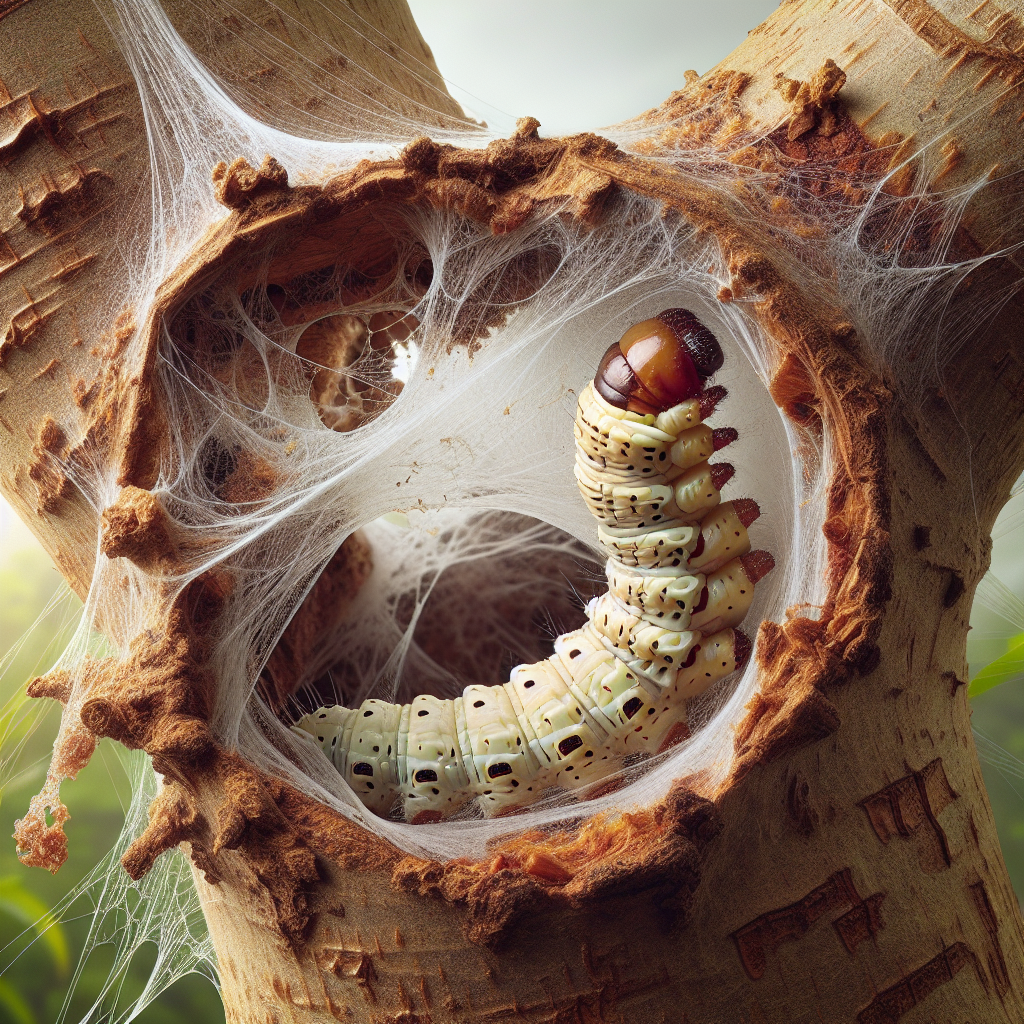
Bark-eating caterpillars
Bark-eating caterpillars are wood-boring larvae of moths, primarily from the Cossidae family, notorious for tunneling into tree bark and causing severe girdling damage to orchard and forest trees. These pests weaken structural integrity, disrupt nutrient flow, and often lead to tree decline or death if unmanaged. Effective identification, organic controls, and prevention strategies are essential for protecting high-value crops like fruit trees.
View Profile
Barn Owls
Barn owls (Tyto alba) are nocturnal birds that can become agricultural pests by preying on small mammals and occasionally raiding grain stores or fruit crops in farm settings. While beneficial for rodent control, their presence near barns and fields may lead to conflicts with farmers protecting harvested produce. This guide provides diagnostic signs, lifecycle details, and humane organic management strategies to minimize crop losses.
View Profile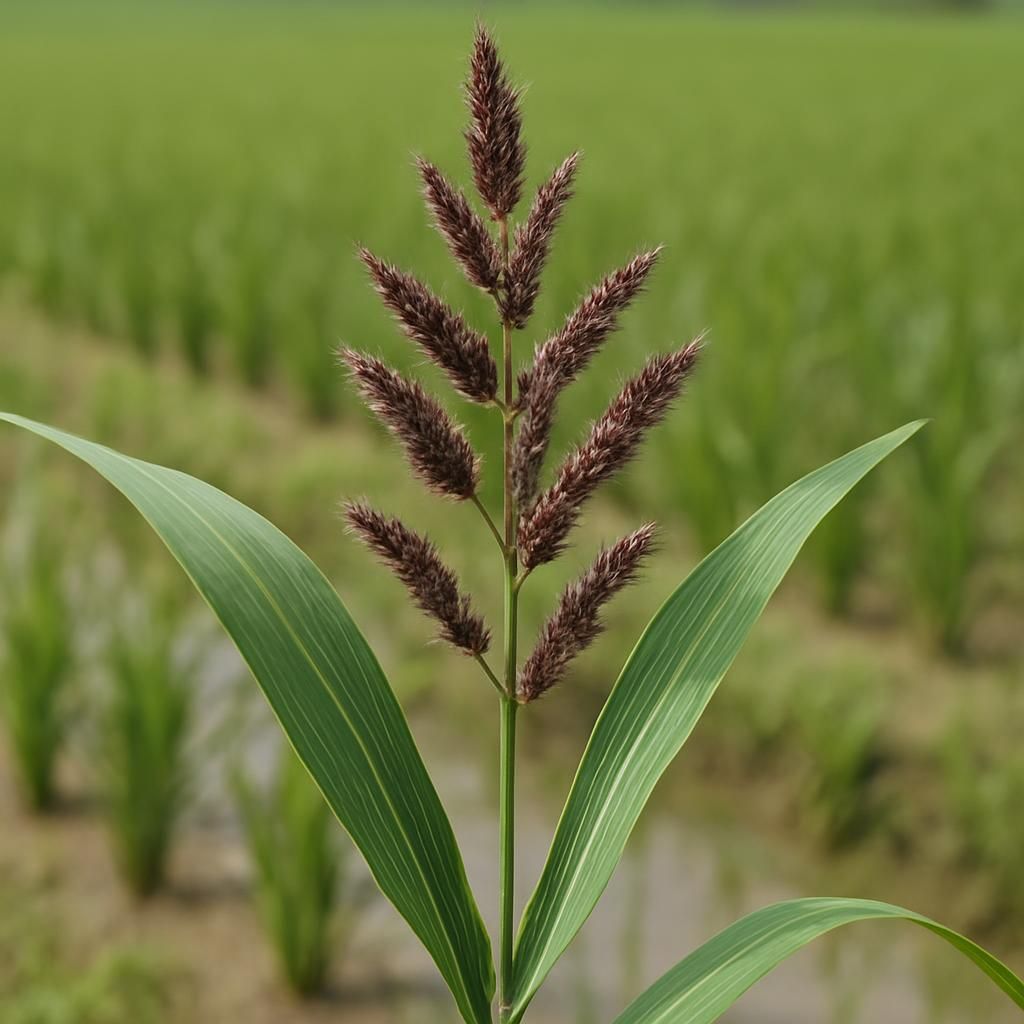
barnyard grass
Barnyard grass is a highly competitive annual weed that rapidly invades agricultural fields, particularly rice paddies and row crops, reducing yields through aggressive resource competition. Its prolific seed production and adaptability to wet and dry conditions make it one of the most problematic grasses in global agriculture.
View Profile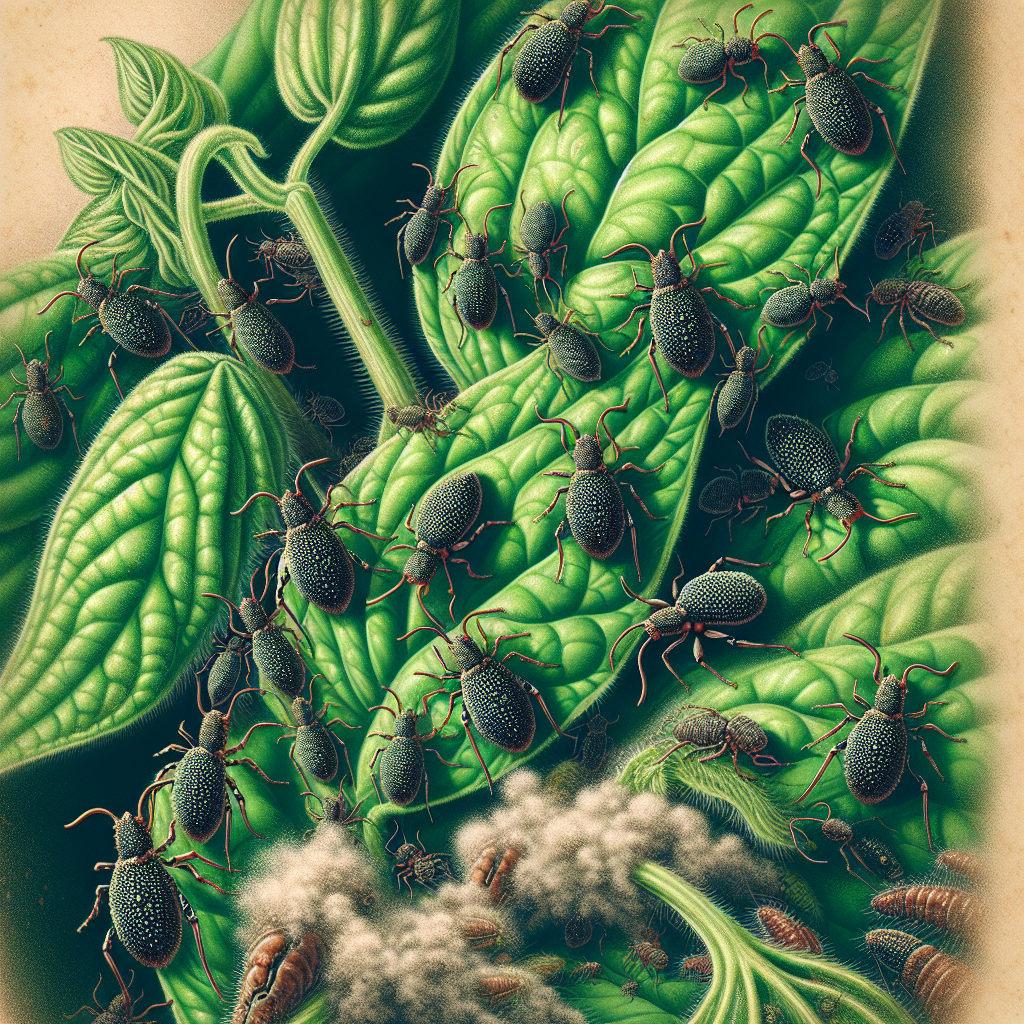
Bean Aphid
The bean aphid (Aphis fabae) is a pervasive sap-sucking pest that targets legumes, causing stunted growth, leaf curl, and honeydew production leading to sooty mold. This guide provides comprehensive diagnostics, lifecycle insights, organic management strategies, and prevention tactics for farmers battling infestations. Effective control combines monitoring, biological agents, and cultural practices to safeguard yields.
View Profile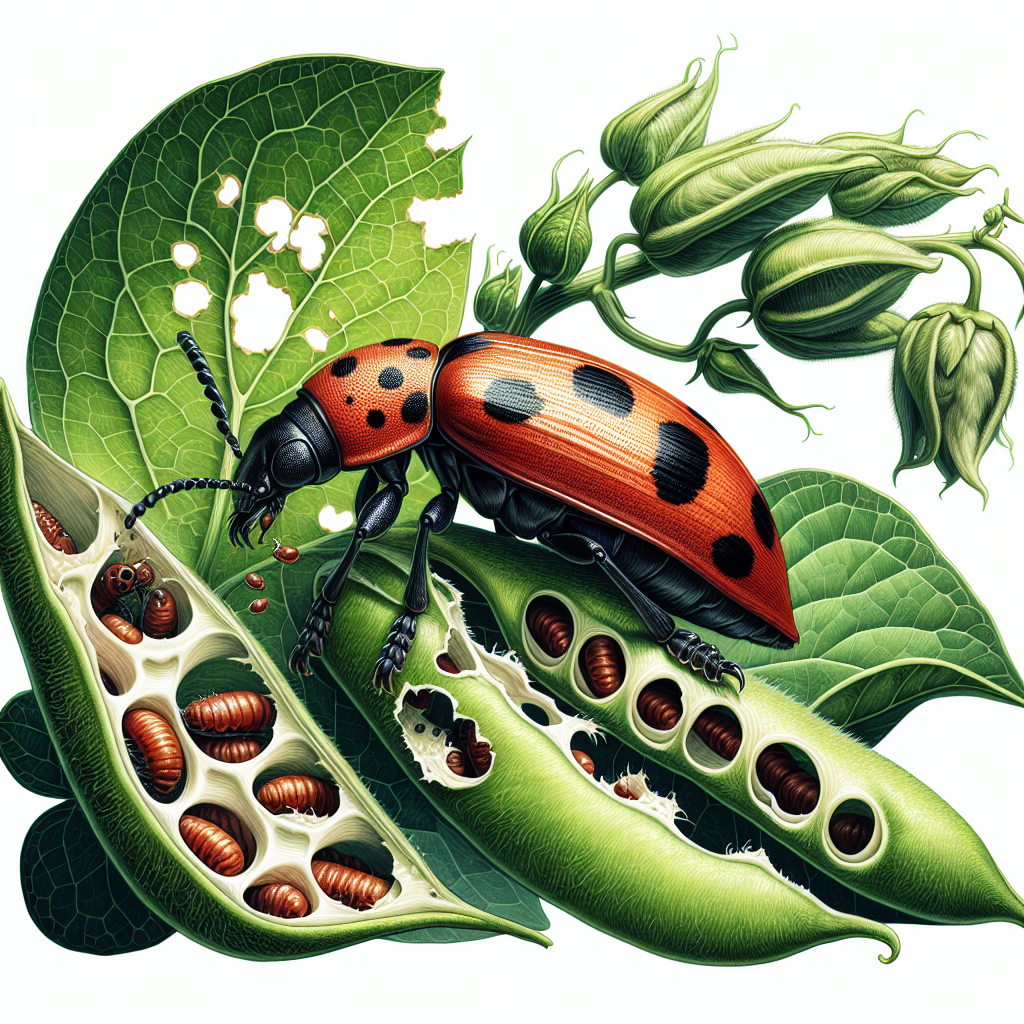
Bean beetles
Bean beetles, including seed beetles like Acanthoscelides obtectus and leaf-feeding species like the bean leaf beetle (Cerotoma trifurcata), are destructive pests targeting legumes worldwide. They cause significant damage by feeding on foliage, pods, and seeds, leading to yield losses up to 50% in untreated fields. This guide provides comprehensive diagnostics, lifecycle insights, organic controls, and prevention strategies for effective management.
View Profile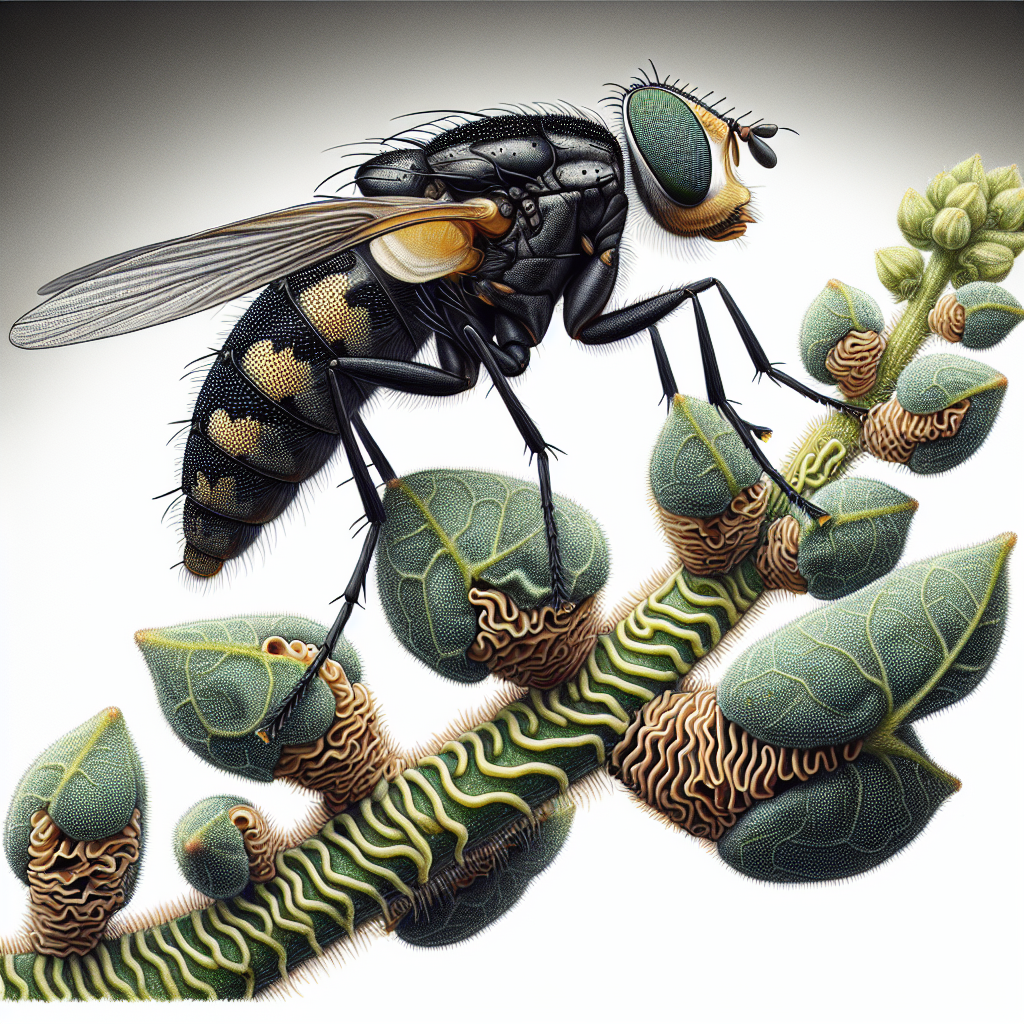
bean flies
Bean flies are small, insidious pests that target legume crops by laying eggs in stems, with larvae mining tunnels that cause wilting and plant death. Primarily affecting beans and related crops in warm climates, they can devastate seedlings and young plants. Effective management combines cultural practices, organic treatments, and vigilant monitoring for sustainable control.
View Profile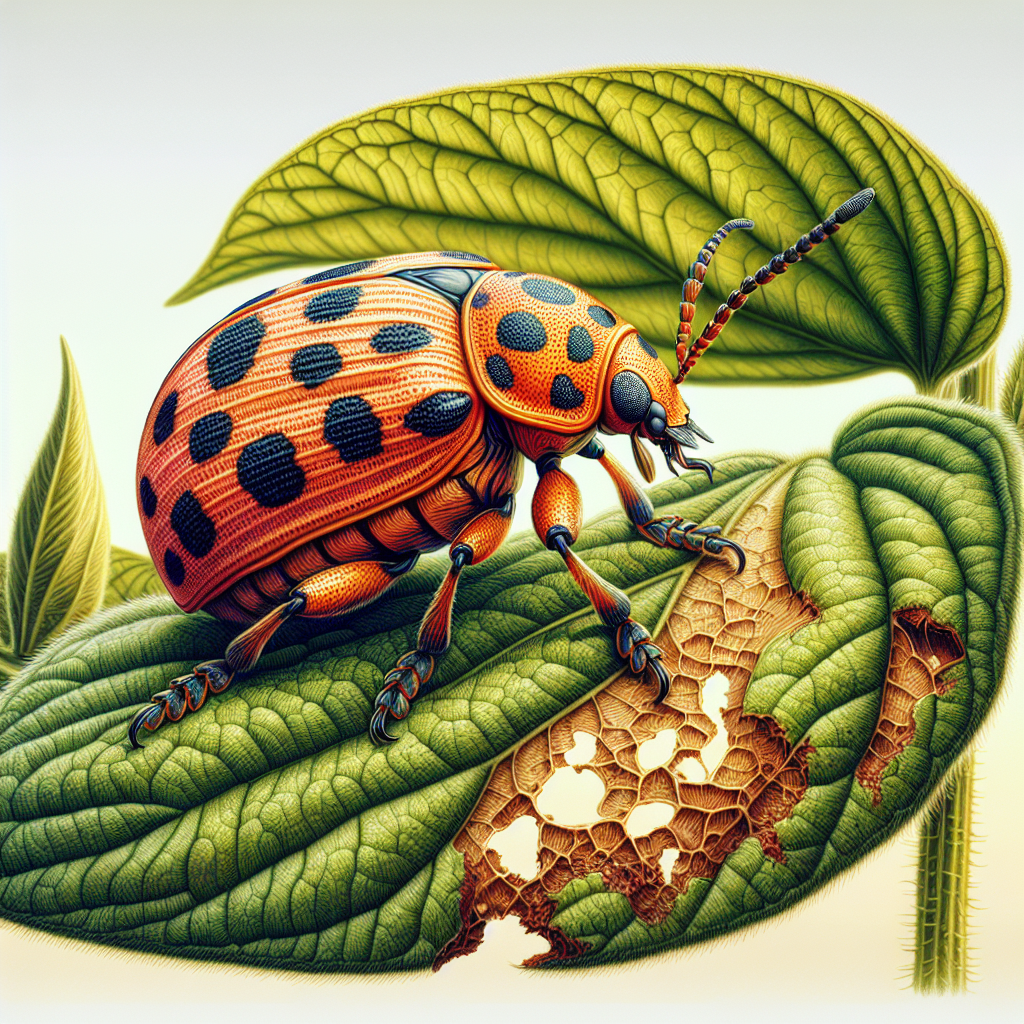
bean leaf beetles
Bean leaf beetles (Cerotoma trifurcata) are small, colorful pests that chew on leaves and pods of legume crops, causing significant defoliation and transmission of bean pod mottle virus. Native to North America, they thrive in warm, humid conditions and can reduce yields by up to 40% in severe infestations. Effective management combines cultural practices, organic controls, and vigilant scouting for optimal results.
View Profile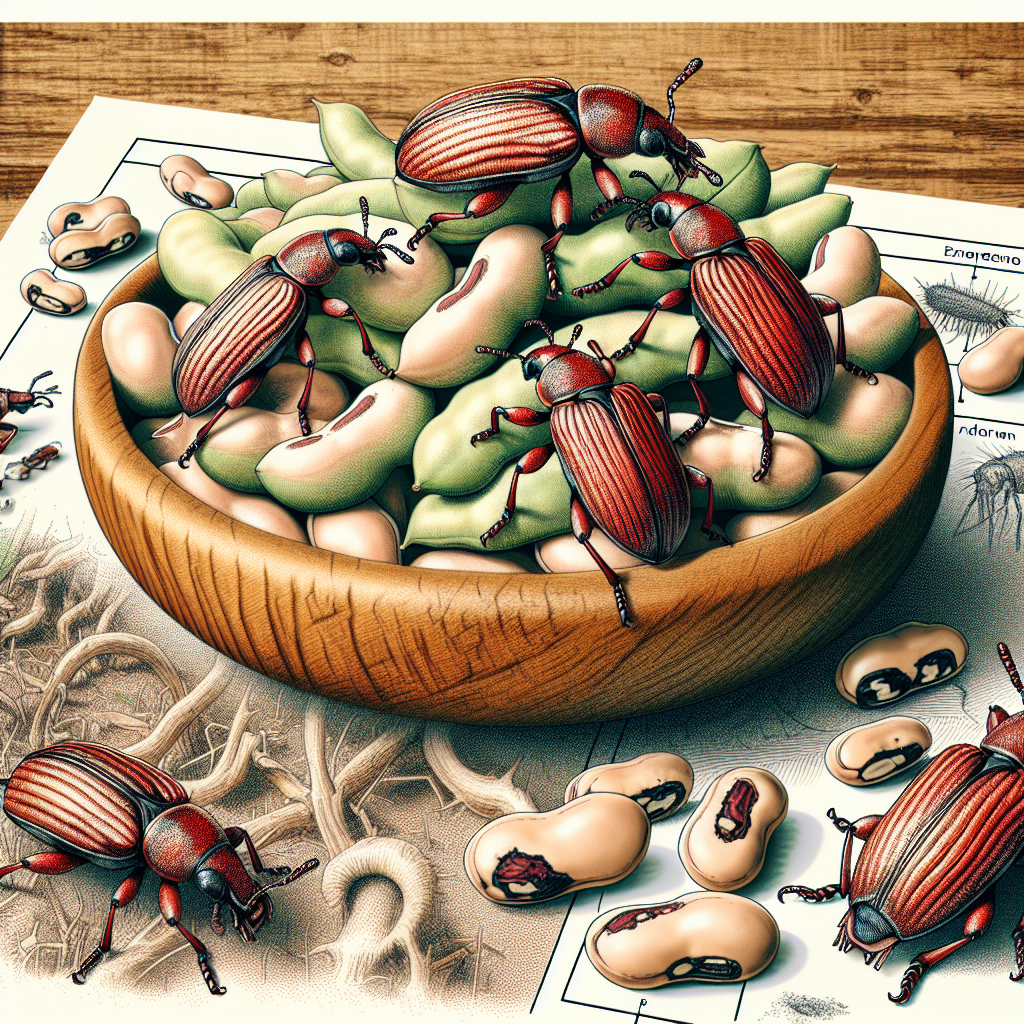
Bean weevils
Bean weevils are small beetles that infest stored legumes, causing significant damage to beans, peas, and lentils by laying eggs inside seeds. Their larvae feed internally, rendering seeds unfit for consumption or planting. Effective management combines sanitation, storage practices, and targeted controls.
View Profile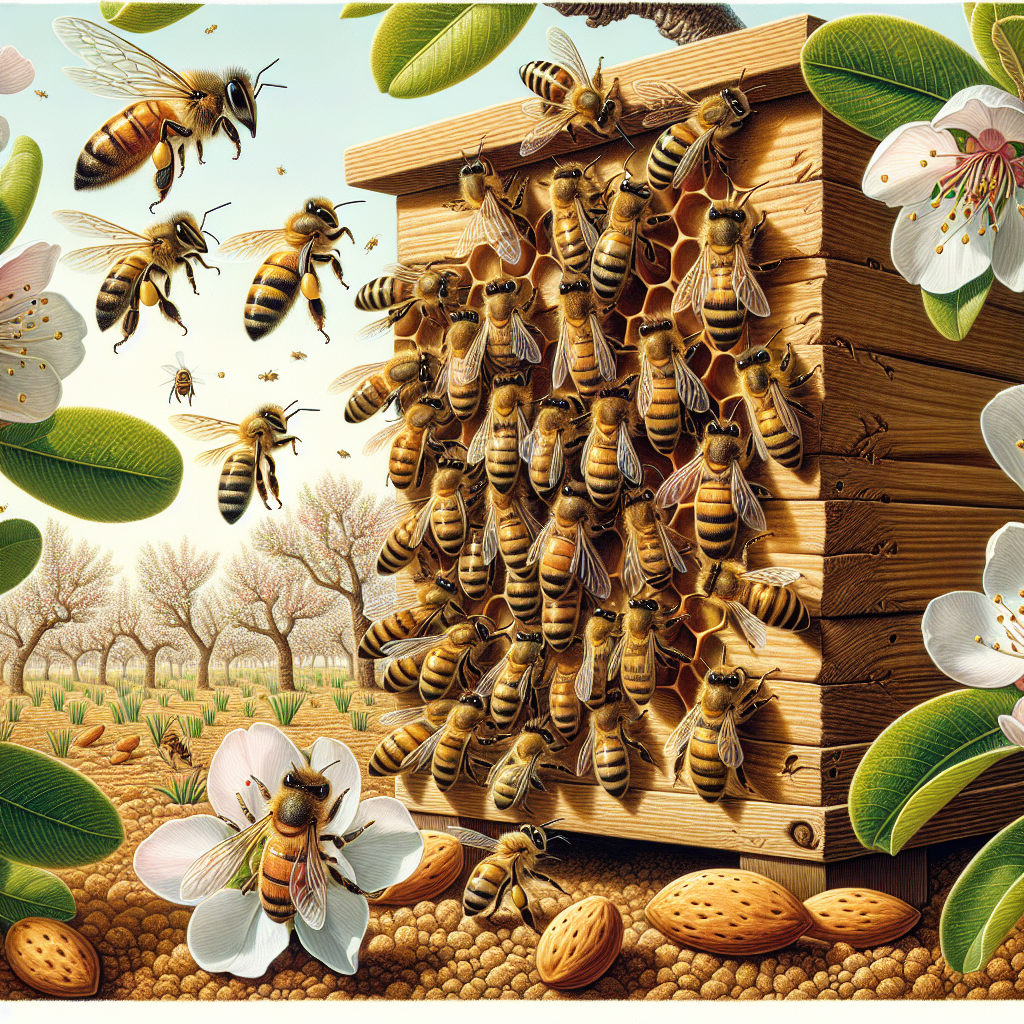
bees
Bees are essential pollinators in agriculture but can become problematic pests when nesting near crops or structures, causing structural damage, stings to workers, and contamination risks in sensitive areas. This guide provides diagnostic symptoms, lifecycle details, and organic management strategies for minimizing bee-related issues while preserving their vital pollination role. Farmers can implement prevention tactics to coexist safely with bees in agricultural settings.
View Profile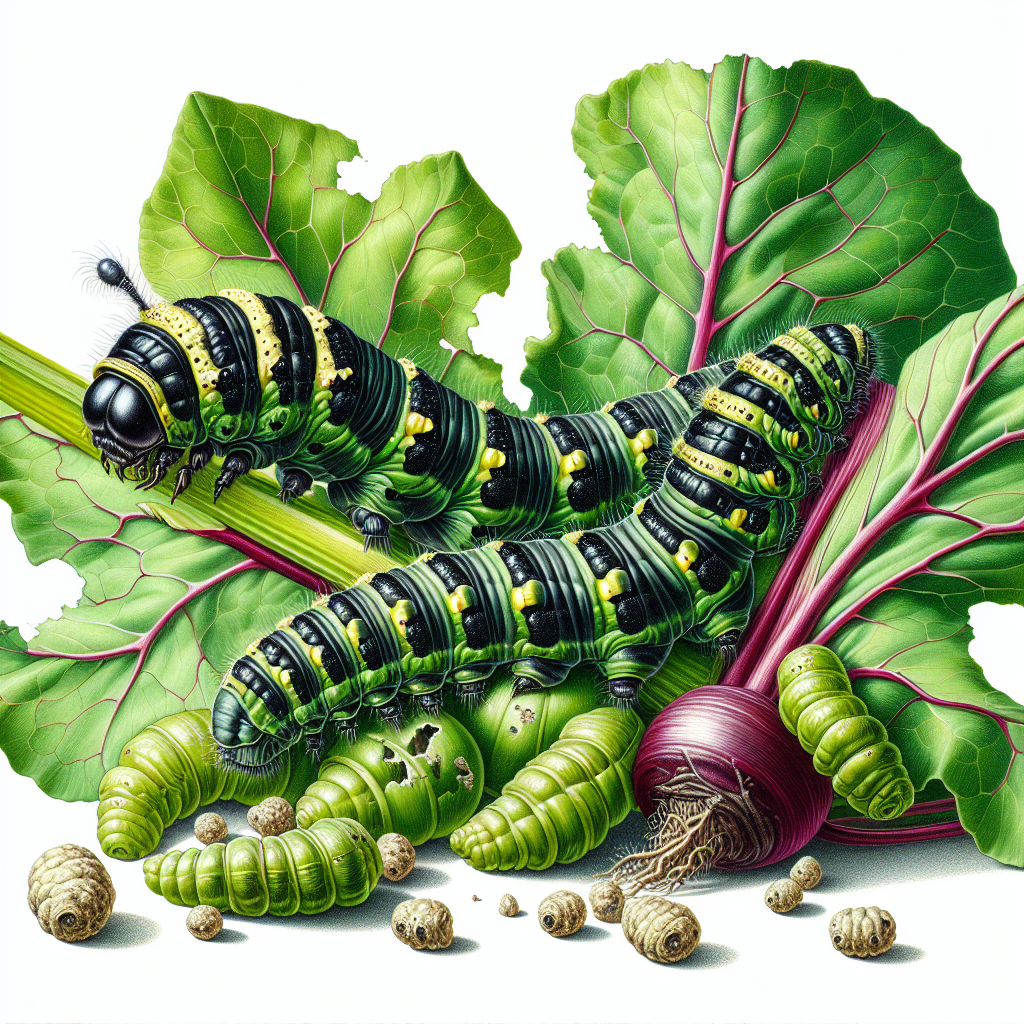
Beet armyworms
Beet armyworms (Spodoptera exigua) are highly destructive caterpillar pests that ravage leafy vegetables and field crops across warm climates. Known for their rapid reproduction and migratory swarms, they can defoliate plants overnight, leading to significant yield losses. This guide provides expert diagnostics, organic management strategies, and prevention tactics for farmers battling these voracious invaders.
View Profile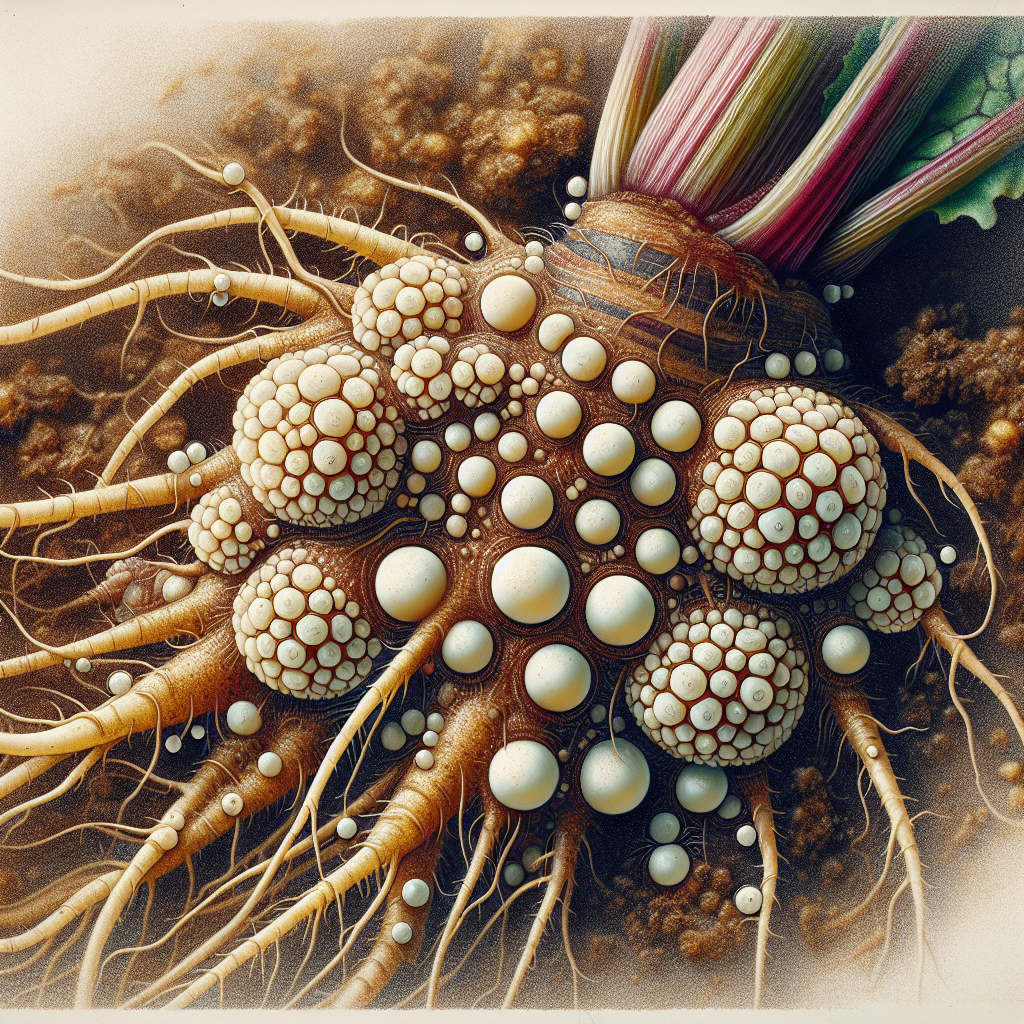
beet cyst nematode
The beet cyst nematode (Heterodera schachtii) is a microscopic soil-dwelling pest that forms persistent cysts on beet roots, severely reducing yields in sugar beet and vegetable crops. This guide provides comprehensive diagnostics, lifecycle insights, organic management strategies, and prevention tactics for farmers facing this challenging pathogen. Effective control hinges on early detection, resistant varieties, and long-term crop rotation.
View Profile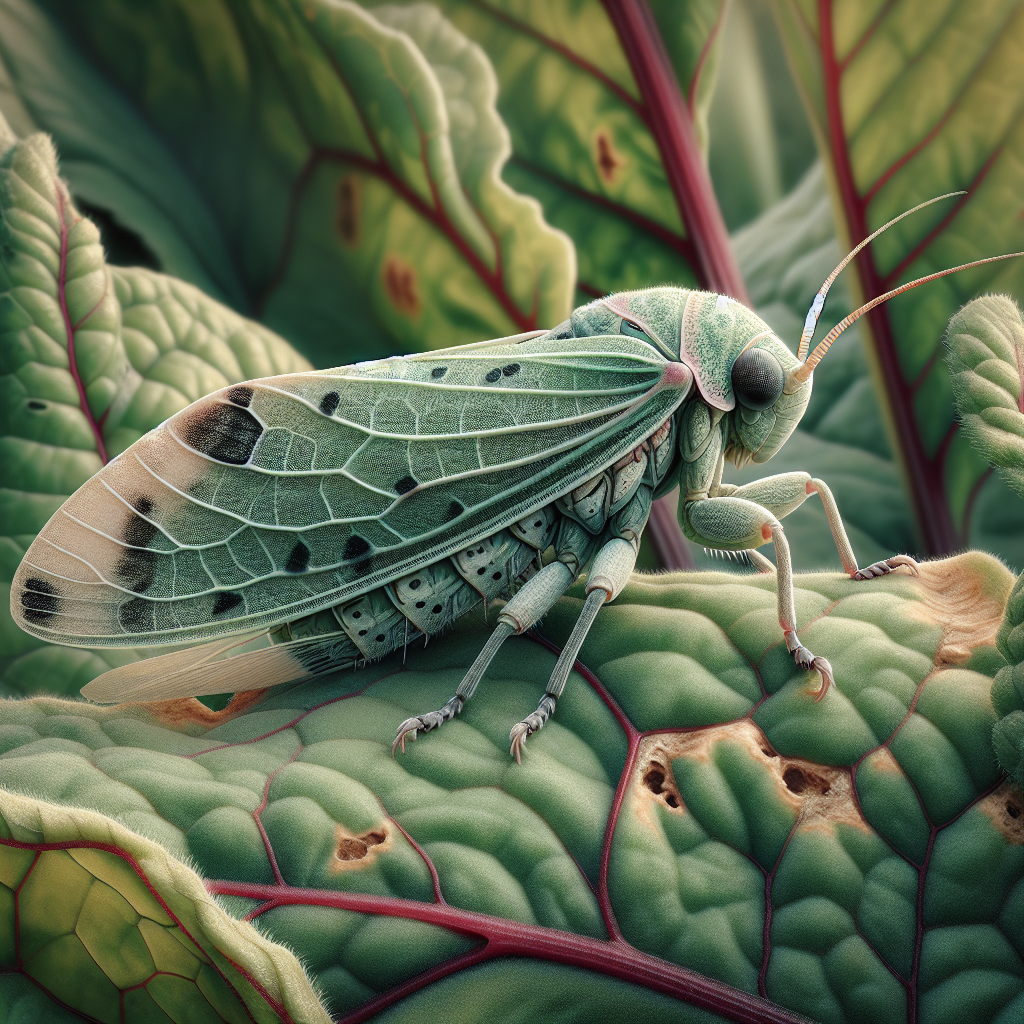
Beet leafhopper
The beet leafhopper (Circulifer tenellus) is a small, highly mobile insect pest notorious for direct feeding damage and transmitting the deadly curly top virus to beets, spinach, and other crops. Effective management requires integrated strategies focusing on monitoring, cultural controls, and organic treatments to minimize outbreaks. This guide provides diagnostic symptoms, lifecycle details, and proven prevention tactics for farmers.
View Profile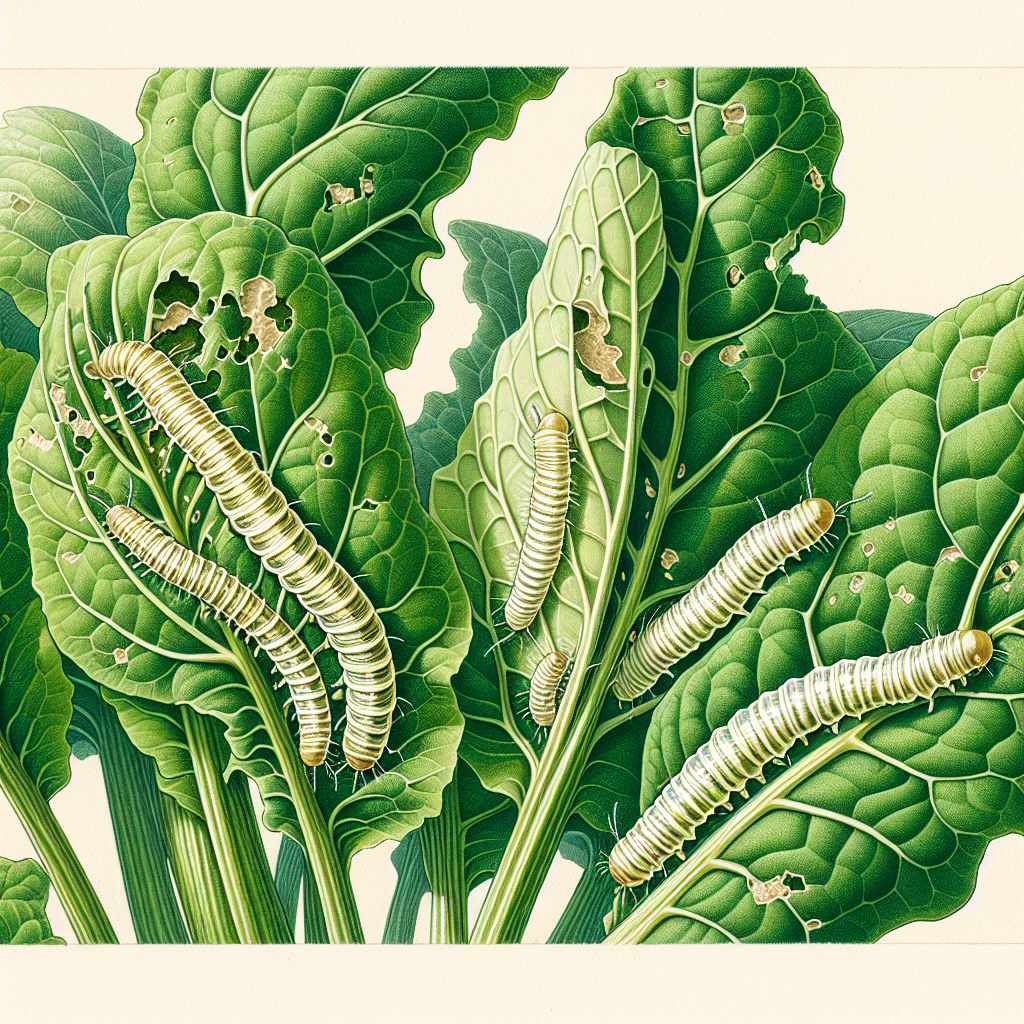
beet leafminers
Beet leafminers are small flies whose larvae tunnel through leaves of beets and related crops, causing serpentine mines that reduce photosynthesis and yield. Effective management combines cultural practices, biological controls, and timely monitoring for organic growers. This guide provides diagnostic symptoms, lifecycle details, and proven organic strategies to protect your [Beet](/wiki/beet) harvest.
View Profile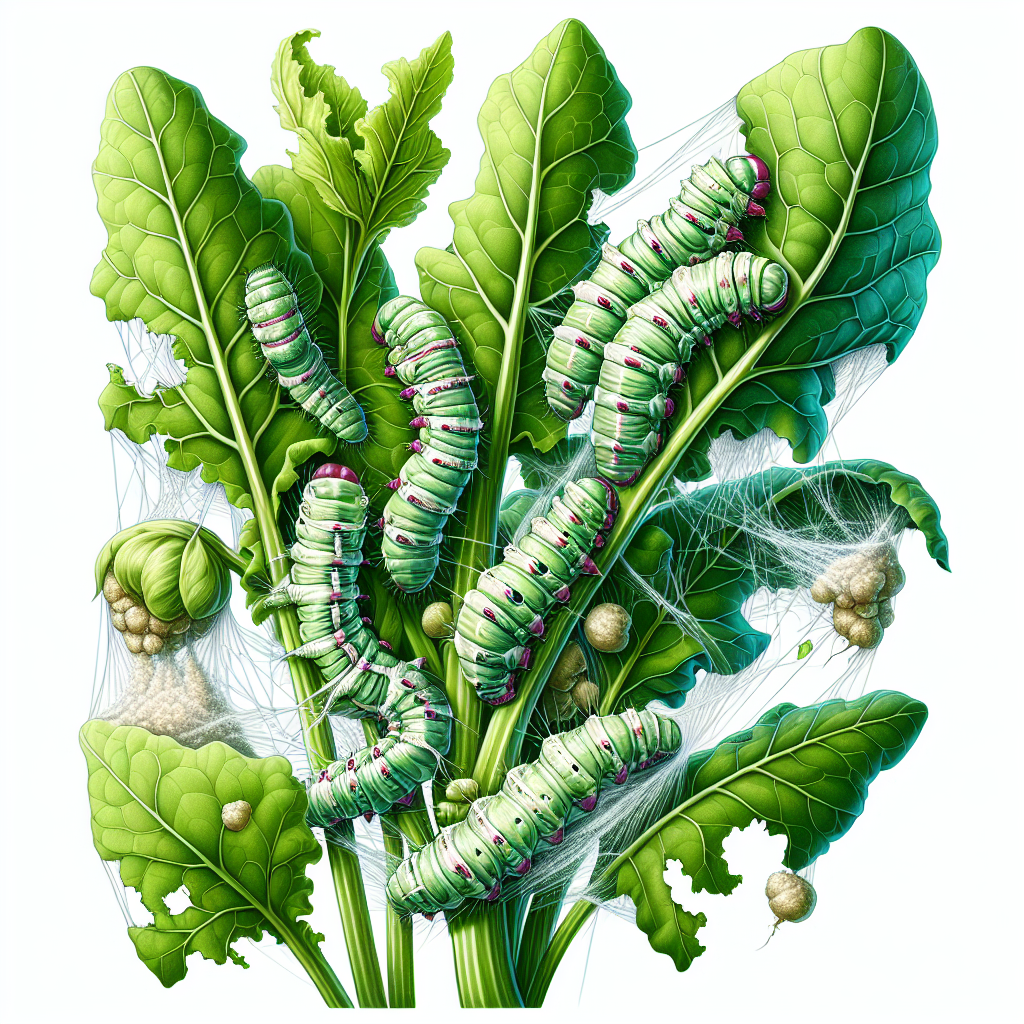
beet webworms
Beet webworms are destructive caterpillars that feed on beets, spinach, and other leafy crops, creating webs and skeletonizing leaves. Effective management combines cultural practices, biological controls, and timely interventions to minimize crop losses. This guide provides comprehensive diagnostics, lifecycle insights, and organic strategies for prevention and control.
View Profile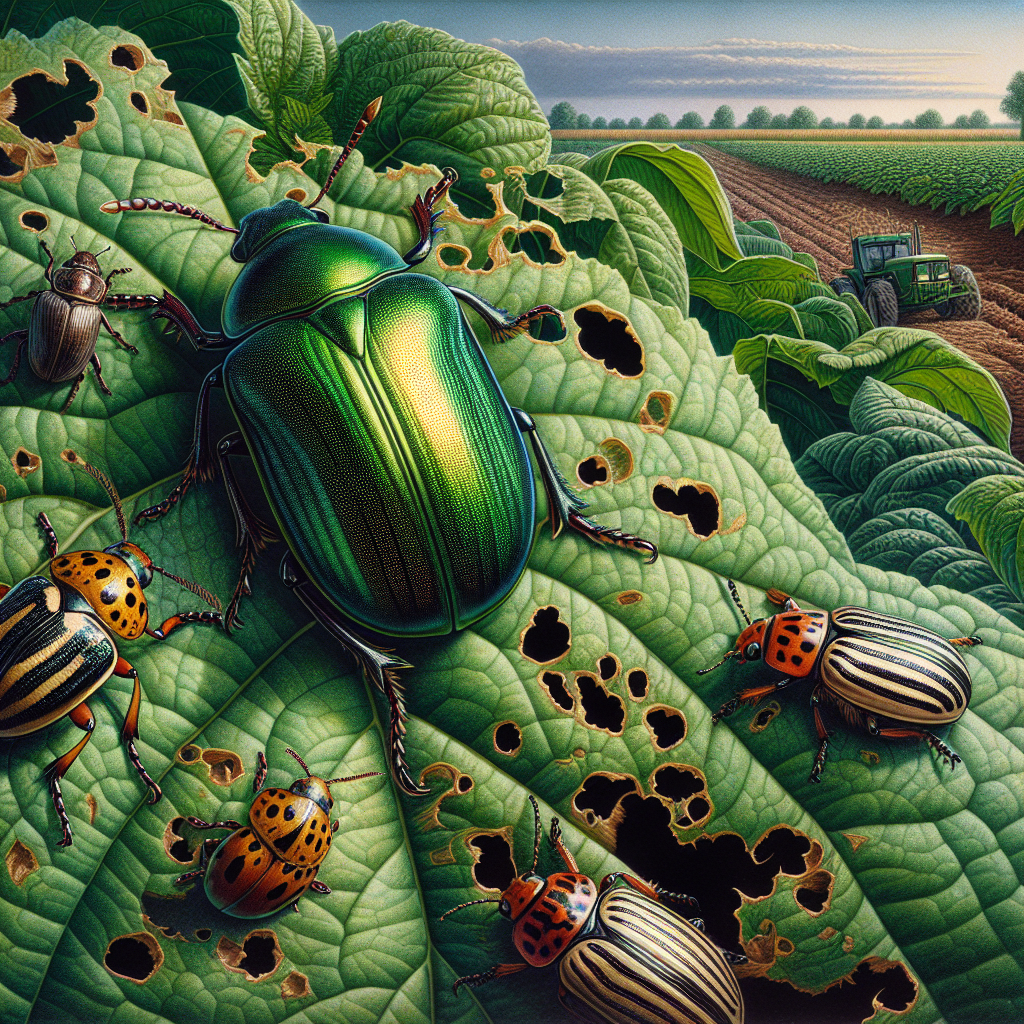
Beetles
Beetles, belonging to the order Coleoptera, represent one of the most diverse and destructive groups of agricultural pests, encompassing over 400,000 species that damage crops through feeding, boring, and vectoring diseases. Common culprits like Japanese beetles, Colorado potato beetles, and cucumber beetles cause significant defoliation, root damage, and transmission of pathogens across vegetables, fruits, and field crops. Effective management combines precise identification, cultural practices, organic treatments, and prevention to minimize losses while preserving beneficial insects.
View Profile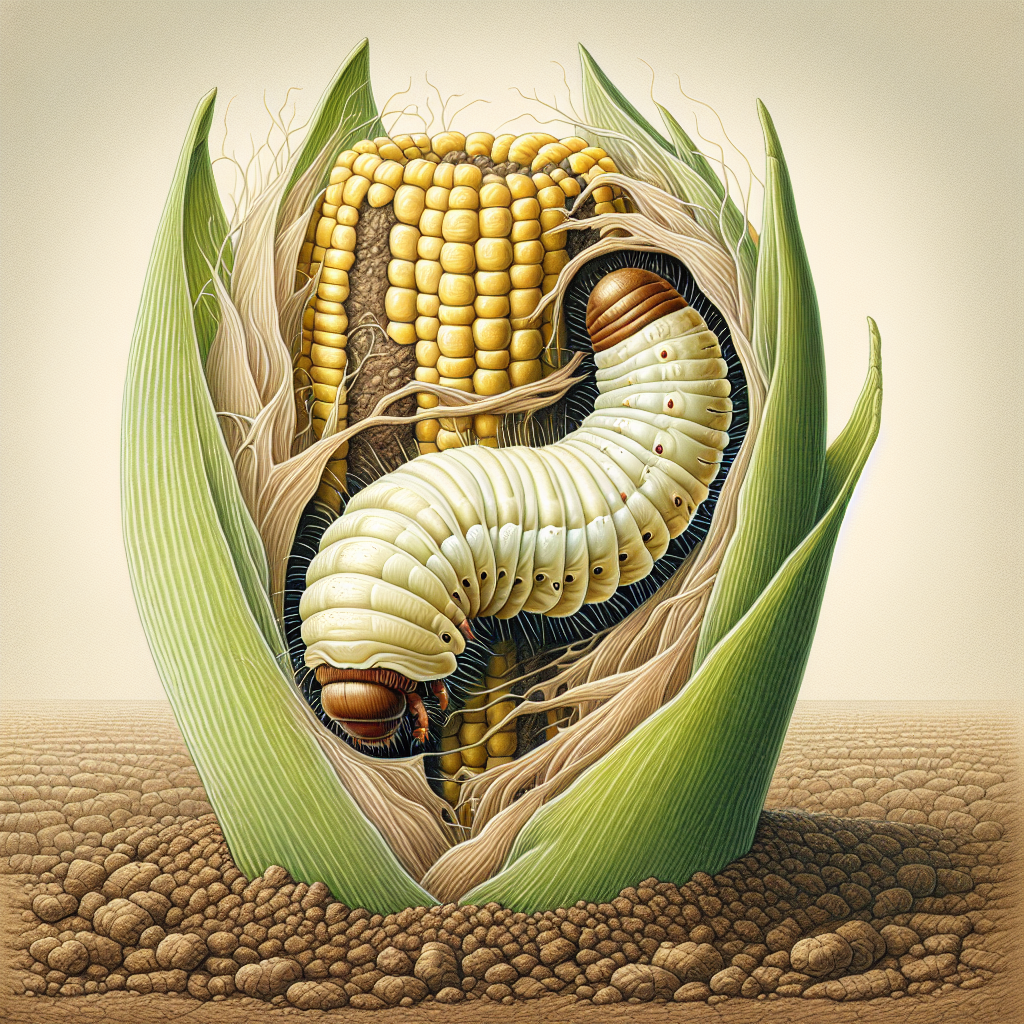
Billbugs
Billbugs are destructive weevils whose larvae bore into grass stems and roots, causing severe damage to turfgrass and key crops like corn and wheat. This guide provides comprehensive diagnostics, lifecycle insights, organic management strategies, and prevention tips for farmers facing billbug infestations. Early detection and integrated organic controls can protect yields effectively.
View Profile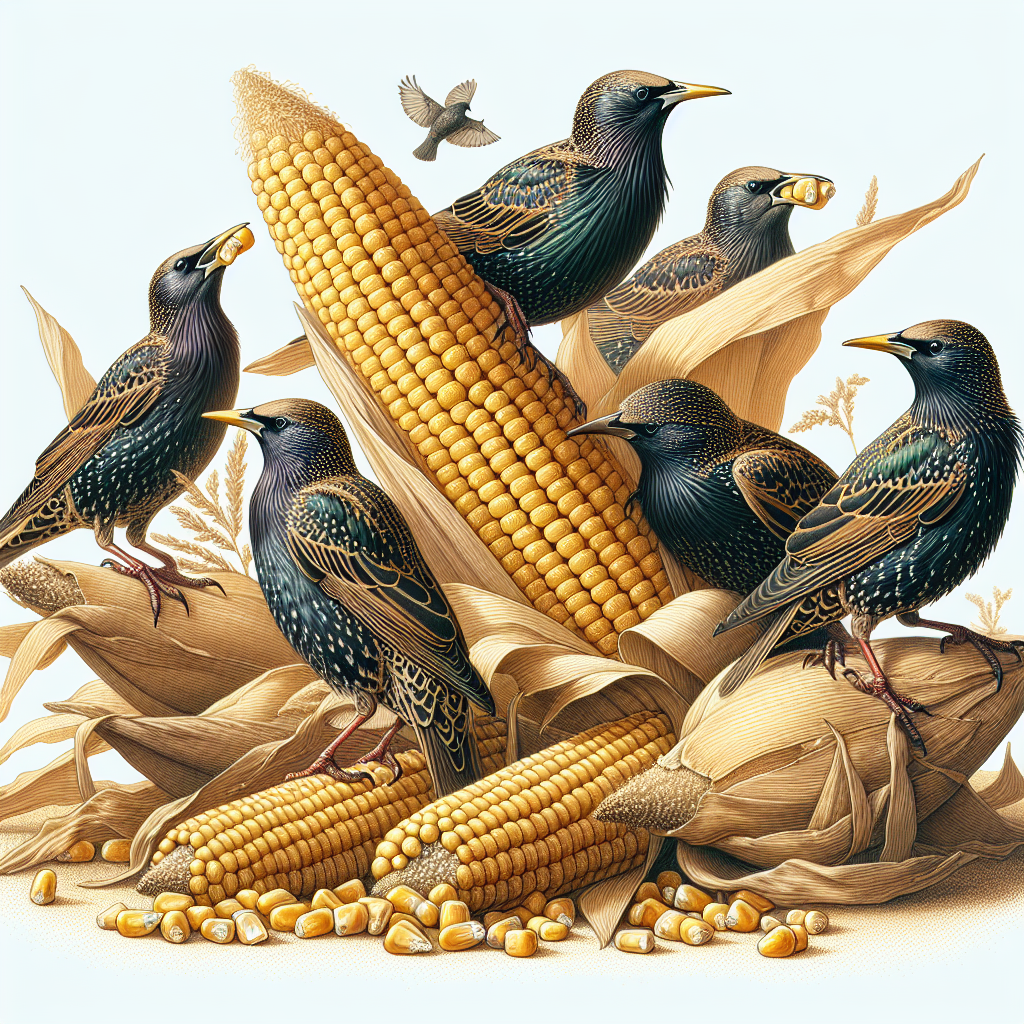
Birds
Birds are highly mobile vertebrate pests that cause substantial crop losses by consuming seeds, fruits, and grains in agricultural settings. This guide provides comprehensive diagnostics, organic management strategies, and prevention techniques tailored for farmers dealing with bird damage. Effective control combines physical barriers, deterrents, and habitat modification to protect yields without harming beneficial wildlife.
View Profile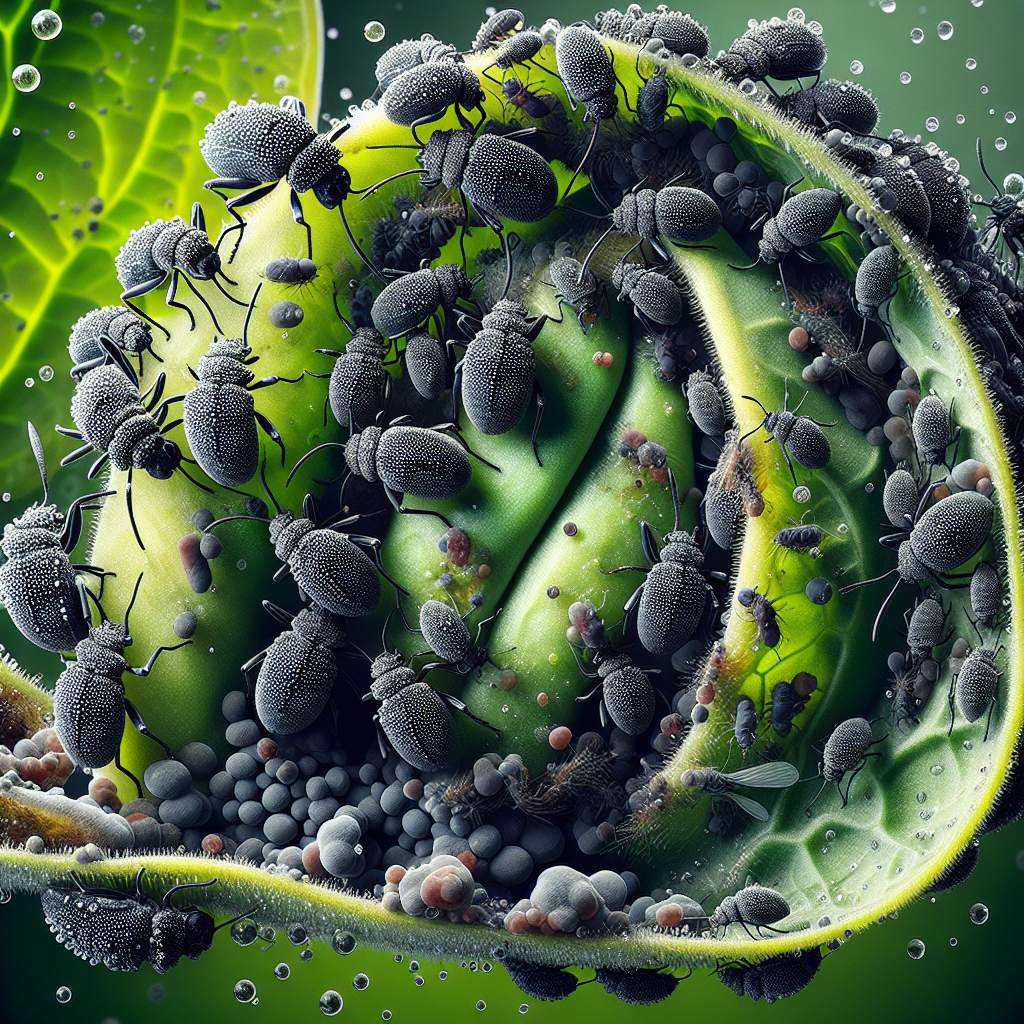
Black bean aphid
The black bean aphid (Aphis fabae) is a widespread sap-sucking pest that targets legumes and many vegetable crops, causing stunted growth, leaf curl, and honeydew production that leads to sooty mold. Highly prolific with multiple generations per season, it spreads rapidly in warm, humid conditions and serves as a vector for plant viruses. Effective management combines organic controls like beneficial insects, soaps, and cultural practices for sustainable prevention.
View Profile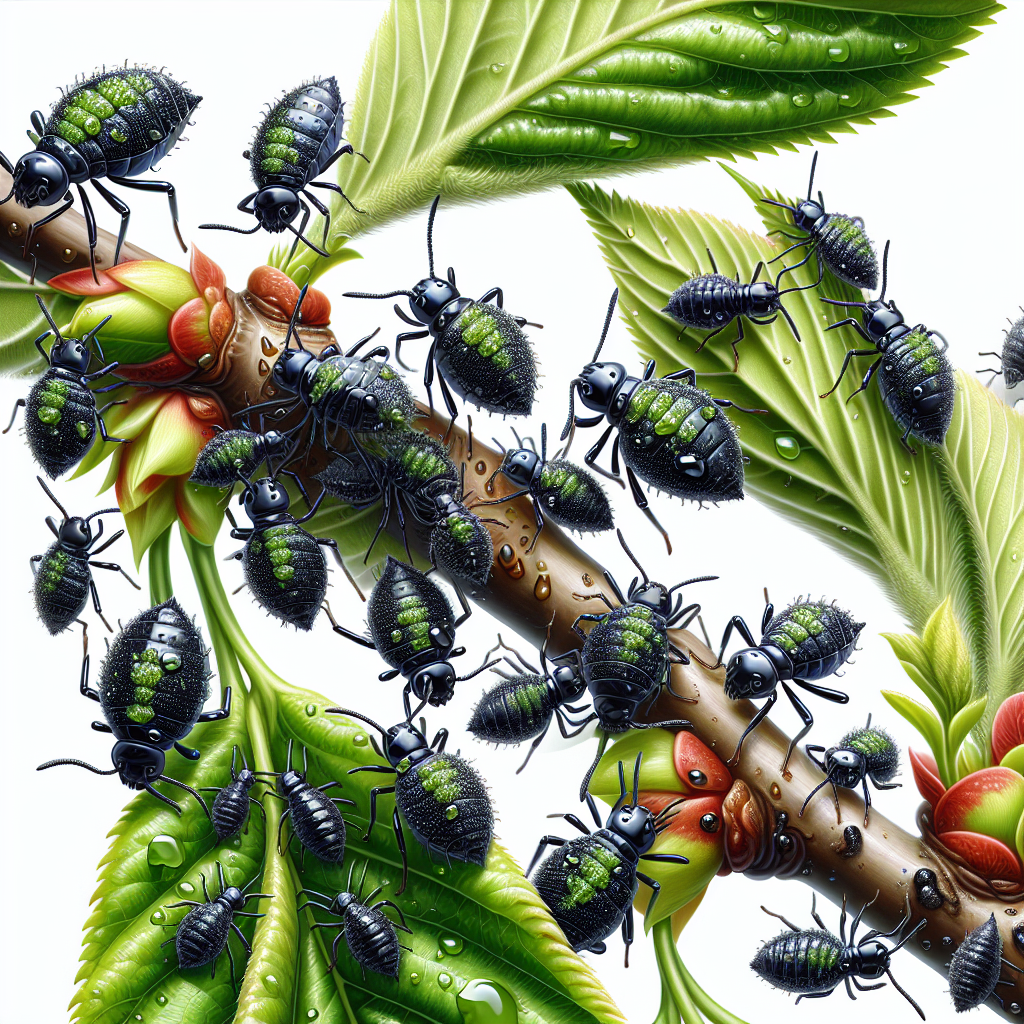
Black cherry aphid
The black cherry aphid (Myzus cerasi) is a small, black sap-sucking pest that primarily targets cherry trees, causing curled leaves, stunted growth, and sooty mold. This guide provides comprehensive diagnostics, lifecycle details, organic management strategies, and prevention tips for growers. Effective control combines cultural practices, natural predators, and timely interventions to protect yields.
View Profile