Introduction to Beet Leafminers
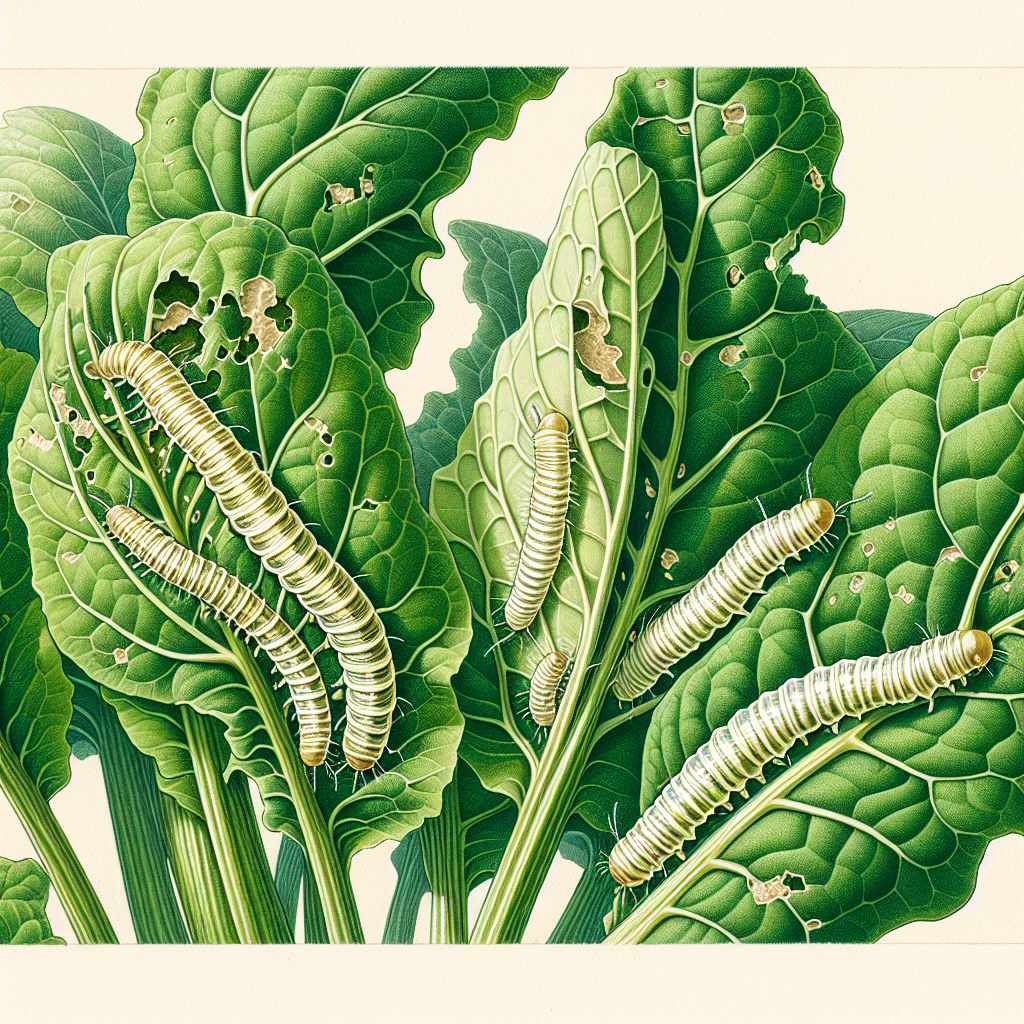
Beet leafminers (Liriomyza spp.) represent a significant threat to leafy vegetable production, particularly in temperate and subtropical regions. These tiny flies, often no larger than 1-2 mm, lay eggs on leaf undersides, and their larvae create distinctive winding tunnels or 'mines' within the leaf tissue. This internal feeding disrupts photosynthesis, weakens plants, and can lead to severe defoliation if populations explode. While not typically lethal, heavy infestations can slash yields by 30-50% in susceptible crops like beets, spinach, and chard.
Farmers first encounter beet leafminers through telltale white or yellowish serpentine trails on foliage. Native to Europe but now cosmopolitan, species like Liriomyza betae (beet leafminer) and Liriomyza trifolii (vegetable leafminer) thrive in warm conditions, completing multiple generations per season. Early detection is crucial, as chemical controls are limited in organic systems. Instead, integrated pest management (IPM) emphasizing prevention and biological agents offers sustainable control. This definitive guide equips growers with diagnostic tools, lifecycle insights, and actionable strategies to safeguard crops. For more on related pests, see our overview of Leafminers (pest).
Understanding beet leafminers empowers proactive defense. With rising demand for organic greens, mastering this pest ensures consistent harvests and profitability. Whether managing small plots or commercial fields, these evidence-based tactics minimize damage without synthetic inputs.
Identifying Symptoms & Damage
Spotting beet leafminer damage early prevents escalation. The hallmark symptom is serpentine mining: narrow, winding trails 0.5-2 mm wide, pale yellow or white, filled with greenish-black frass (larval excrement). Mines start as tiny specks near leaf veins and expand as larvae feed between upper and lower epidermis layers. Unlike surface chewers like flea beetles, damage is internal, making it insidious.
Inspect leaf undersides for clusters of up to 20 tiny, yellow-white eggs (0.3 mm). Adults—shiny black flies with yellow abdomens and legs—create stippling from egg-laying punctures. Severe cases show leaf yellowing, necrosis, or premature drop, stunting growth. On beets, mines concentrate on older leaves, reducing root bulking by impairing sugar translocation.
Differentiate from similar issues: Leaf spot diseases cause discrete brown spots without tunnels; powdery mildew forms white surface powder. Use a 10x hand lens to confirm larvae (yellowish maggots, 3 mm long) inside mines. Damage thresholds: 5-10 mines per leaf warrant action in vegetative stages. Monitor weekly from seedling emergence, focusing on field edges where adults overwinter.
Economic impact peaks in successive plantings. Mines blister leaves, inviting secondary pathogens like Cercospora leaf spot. Yield losses correlate with mine density: >20 mines/leaf can cut table beet size by 25%. Scouting grids (25 plants per 0.1 ha) quantify infestation, guiding timely interventions.
Lifecycle and Progression of Beet Leafminers
Beet leafminers complete 4-12 generations annually, depending on climate (optimal 25-30°C). Adults emerge from pupae in soil or crop debris, live 10-20 days, and feed on sap via leaf punctures. Females insert 50-250 eggs singly or in groups into leaf mesophyll using ovipositor stabs, visible as stipples.
Eggs hatch in 2-4 days into legless larvae that burrow, feeding for 3-7 days. Mature larvae (3rd instar) exit via leaf edge slits, drop to soil, and pupate 1-5 cm deep. Pupal stage lasts 7-14 days. Full cycle: 10-21 days. Overwinter as pupae or adults in mild climates.
Progression ties to crop phenology. First generation hits seedlings (spring); summer generations target mature foliage. Peak flights coincide with 20-25°C days. Use yellow sticky traps (20-30 cm²) at canopy height to track adults (5-10/trap/week signals risk). Parasitoids like Neochrysocharis formosa naturally regulate 20-50% populations.
In greenhouses, year-round cycles amplify issues. Destroy volunteer weeds like spinach harboring pupae. Lifecycle knowledge enables precise timing: treat eggs/young larvae before mines expand. For deeper IPM insights, check Spring Pest Patrol: Organic AI Strategies to Shield Your Crops from Common Invaders.
Environmental Triggers & Risk Factors
Warm, humid conditions (24-32°C, 60-80% RH) accelerate beet leafminer proliferation. Overlapping generations surge in prolonged mild springs. Dense plantings (>20 cm spacing) foster humidity microclimates, boosting survival.
Risk factors include infested transplants, nearby host volunteers (Swiss chard, lamb's quarters), and reduced tillage preserving pupae. Nitrogen-rich soils promote tender foliage, preferred by adults. Drought stress weakens plants, exacerbating damage. Coastal areas see earlier flights due to buffered winters.
Monocultures amplify outbreaks; diversify with non-hosts like onions. Windbreaks harbor adults; ensure 100m buffers from last season's fields. Soil temperatures >15°C trigger pupation. Track via degree-day models (base 10°C, 250-300 DD/generation).
Organic Control & Treatment Plans
Organic management prioritizes IPM: monitor, disrupt lifecycle, enhance predators.
Cultural Controls:
- Row covers (0.5 mm mesh) exclude adults until flowering (remove post-risk).
- Reflective mulches (aluminum) deter landing.
- Hand-remove mined leaves early; destroy residues.
- Rotate 2-3 years with non-hosts like potato.
Biological Controls:
- Release parasitoids (Diglyphus isaea, 500-1000/ha) at first detection.
- Conserve predators: ladybugs, lacewings eat eggs/larvae.
- Neem oil (0.5-1%) or spinosad (OMRI-approved, 0.2 ml/L) targets larvae; apply evenings, 7-day PHI.
Treatment Plan:
- Scout weekly; act at 5 mines/leaf.
- Vacuum adults mornings.
- Apply BT (Bacillus thuringiensis) for young larvae.
- Follow with insecticidal soap + oils.
- Re-scout 5-7 days.
Efficacy: IPM reduces damage 70-90%. Avoid broad-spectrum sprays preserving beneficials.
Preventing Beet Leafminers in the Future
Prevention beats cure. Start clean: hot-water treat transplants (45°C, 15 min). Use resistant varieties like 'Detroit Dark Red' Beet. Plant early, harvest before peak generations. Trap crops (mustard) divert adults.
Sanitation: deep plow (15 cm) buries pupae. Cover crops like clover suppress weeds. Yellow traps (10/ha) mass-catch adults. Beneficial habitat: sow yarrow, nasturtium for predators.
Long-term: soil solarization kills 80% pupae. Monitor forecasts for flight windows. Annual rotation disrupts cycles. Integrated, these yield 95% prevention success.
Crops Most Affected by Beet Leafminers
Beet leafminers target Chenopodiaceae and Asteraceae:
Beets suffer most: mines reduce greens quality 40%, roots 20%. Spinach bolts prematurely. Commercial losses hit $10-50M yearly in U.S. Avoid successive plantings; interplant with garlic.