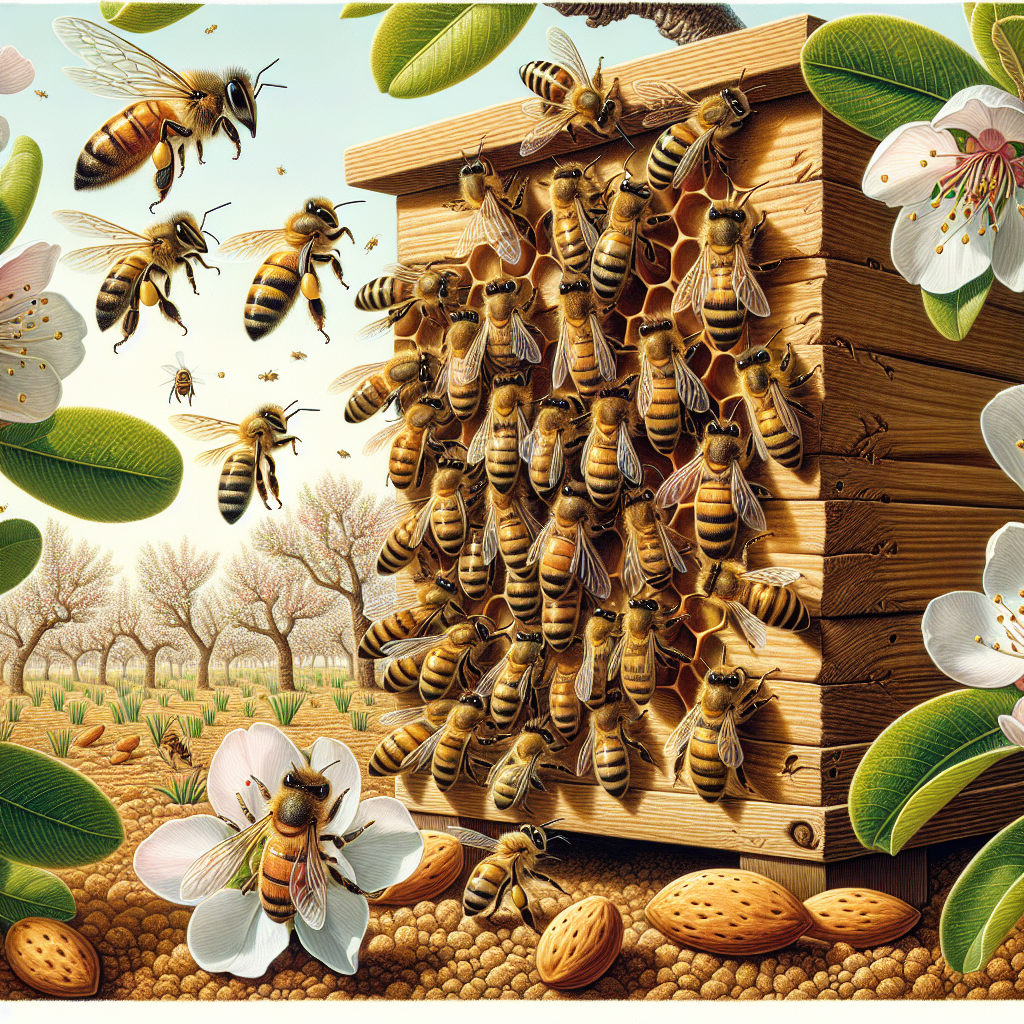
Introduction to bees
Bees, particularly the Western honey bee (Apis mellifera) and various bumblebee species (Bombus spp.), are among the most critical pollinators in modern agriculture. They contribute to approximately 35% of global crop production by pollinating fruits, vegetables, nuts, and seeds. However, in certain agricultural contexts, bees can be perceived as pests. This occurs when hives or nests establish in inconvenient locations such as greenhouses, storage sheds, orchards under netting, or near harvest equipment, leading to stings, structural damage from burrowing, and potential contamination of harvested produce with bee debris or honey.
While bees are overwhelmingly beneficial—enhancing yields in crops like Hass Avocado, Almond, and Blueberry—management is necessary in high-risk areas like confined spaces or bee-sensitive operations. Aggressive control is rarely recommended due to their ecological importance; instead, focus on relocation, deterrence, and prevention. This definitive guide equips farmers with professional diagnostic and organic management strategies to handle bee 'pest' issues effectively. For small farms struggling with pest identification, check out Why Misidentifying Plants Costs Small Farms Thousands - And How AI Camera Diagnosis Fixes It Fast, which extends to pest challenges like bees.
Understanding bee behavior is key: honey bees form perennial colonies in cavities, while bumblebees nest in ground holes or rodent burrows seasonally. Aggressive species like Africanized honey bees (in certain regions) amplify risks. Early detection prevents escalation, ensuring safe coexistence. This guide covers symptoms, lifecycle, triggers, treatments, prevention, and affected crops in detail.
Identifying Symptoms & Damage
Bee presence manifests through visible and behavioral signs rather than direct crop feeding damage, as bees primarily collect nectar, pollen, and water. Key diagnostic symptoms include:
- Nesting Activity: Wax combs or propolis (bee glue) in walls, attics, sheds, or tree hollows. Honey bees build honeycomb structures dripping with honey, staining surfaces yellow-brown. Bumblebees create smaller, fuzzy nests in soil or grass clumps.
- Traffic Patterns: Heavy bee flight paths to/from entry points, especially dawn/dusk. Guard bees at nest entrances buzz aggressively.
- Sting Incidents: Multiple stings on workers or family, indicating proximity to nests. Swelling, pain, and potential anaphylaxis in sensitive individuals.
- Produce Contamination: Bee debris (dead bees, wax particles, honey) on harvested fruits/vegetables in greenhouses or covered crops, leading to rejection by buyers.
- Structural Damage: Honey seeping through walls causing rot, mold growth, or attracting ants and yellowjackets. Burrowing bumblebees loosen soil around roots.
- Auditory Cues: Humming or buzzing from walls/ceilings, intensifying in evenings.
Damage is indirect: reduced worker efficiency from sting fears, halted operations near nests, and secondary pest attraction. Differentiate from wasps (paper nests, predatory) or hornworms (larval feeding). Use a flashlight at night to inspect without agitation. Scout fields weekly during bloom; note flight lines. Severity: low crop loss but high safety/liability risk.
Lifecycle and Progression of bees
Bee lifecycles vary by species, influencing management timing.
Honey Bees (Apis mellifera):
- Eggs: Queen lays 1,500-2,000 daily in wax cells.
- Larvae: Fed royal jelly/pollen for 3-6 days.
- Pupae: Capped cells for 7-14 days.
- Adults: Workers (6 weeks lifespan, forage/pollenate), drones (mating), queen (3-5 years).
- Colony Progression: Perennial; peaks at 50,000-80,000 in spring/summer. Swarms in spring seek new nests.
**Bumblebees (Bombus spp.)**:
- Queen Overwintering: Emerges spring, starts nest.
- Workers: 50-400 per colony, forage.
- New Queens/Males: Late summer; colony dies autumn.
Progression: Spring scouting → nest establishment → peak foraging summer → swarming/decline fall. Target queens pre-nesting or relocate swarms. Colonies expand rapidly with abundant blooms; monitor post-rain for ground nests.
Environmental Triggers & Risk Factors
Bees thrive in warm, floral-rich environments, triggering 'pest' status:
- Bloom Abundance: Proximity to flowering clover, weeds, or crops like sunflower attracts foraging.
- Shelter Availability: Hollow trees, walls, straw bales, compost piles.
- Water Sources: Leaky irrigation, ponds draw bees.
- Climate: Warm springs (15-30°C) spur swarming; drought stresses colonies, increasing aggression.
- Human Factors: Unmowed edges, abandoned structures, overripe fruit piles mimicking wildflowers.
- Regional Risks: Africanized bees in tropics; varroa mites weaken hives, causing raiding.
High-risk farms: Orchards, greenhouses, nut groves. Avoid triggers by removing water/flowers near structures.
Organic Control & Treatment Plans
Prioritize relocation over extermination to maintain pollination. Consult local beekeepers.
Immediate Response:
- Locate Nest: Night inspection; smoke calms bees temporarily.
- Relocation: Professional beekeeper removes hive (free/fee-based). Cut comb into frames.
- Vacuuming: For small nests, use bee vacuum (low suction).
Organic Deterrents:
- Essential Oils: Peppermint/cinnamon oil sprays (1:10 dilution) at entries.
- Dust Barriers: Cinnamon/diatomaceous earth around ground nests.
- Traps: Soapy water buckets for foragers; avoid killing.
- Smoke: Pine needles/smoker repels without harm.
Treatment Timeline:
| Stage | Action |
|---|---|
| Scout | Monitor flights |
| Nest Found | Isolate area, call expert |
| Post-Relocation | Seal entries, clean honey |
Integrated with IPM: Encourage natural predators like spider mites foes indirectly. No synthetics; OMRI-approved only.
Preventing bees in the Future
Long-term strategies focus on deterrence:
- Seal Entries: Caulk cracks, screen vents >1/4 inch.
- Remove Attractants: Mow weeds, eliminate standing water, harvest overripe fruit.
- Plant Repellents: Thyme, mint borders; avoid bee-favorites near structures.
- Decoy Sites: Provide managed hives away from crops.
- Monitoring: Sticky traps, seasonal scouts.
- Farm Design: Elevated structures, gravel borders deter ground nests.
Annual audits reduce recurrence 90%. Pair with Spring Pest Patrol: Organic AI Strategies to Shield Your Crops from Common Invaders for broader IPM.
Crops Most Affected by bees
Bees benefit most crops but 'pest' issues arise in confined/protected systems:
- Nuts: Almond, Walnut—hive transport causes unwanted nesting.
- Greenhouse Veggies: Tomato, Cucumber—intruders contaminate.
- Berries: Strawberry, Blueberry—sting risks during pick.
- Orchards: Apple, Peach—nests in trees disrupt nets.
- Melons: Watermelon—ground nests near vines.
Secondary: Honey attracts ants. Mitigation preserves yields while managing risks.