Introduction to bean
Bean aphids, scientifically known as Aphis fabae, are among the most destructive pests affecting legume crops worldwide. These small, soft-bodied insects thrive in temperate and subtropical regions, multiplying rapidly under favorable conditions to devastate bean fields. As a professional botanist and entomologist with over 20 years in agricultural pest management, I've seen bean aphids reduce yields by up to 50% in untreated fields. This definitive guide equips farmers, gardeners, and agronomists with practical, evidence-based strategies for diagnosis, lifecycle understanding, and control. Bean aphids not only extract plant sap but also transmit viral diseases like bean common mosaic virus, compounding damage. Early detection and integrated management are key to minimizing economic losses, especially for small-scale operations growing bush beans or pole varieties. In regions with high legume production, such as parts of Africa, Europe, and North America, bean aphids pose a seasonal threat from spring through fall. Understanding their biology enables proactive defense, preserving crop health and profitability. For small farms, tools like hyper-local monitoring can transform pest battles into manageable routines—check out Spring Pest Patrol: Organic AI Strategies to Shield Your Crops from Common Invaders for tech-enhanced tips.
Identifying Symptoms & Damage
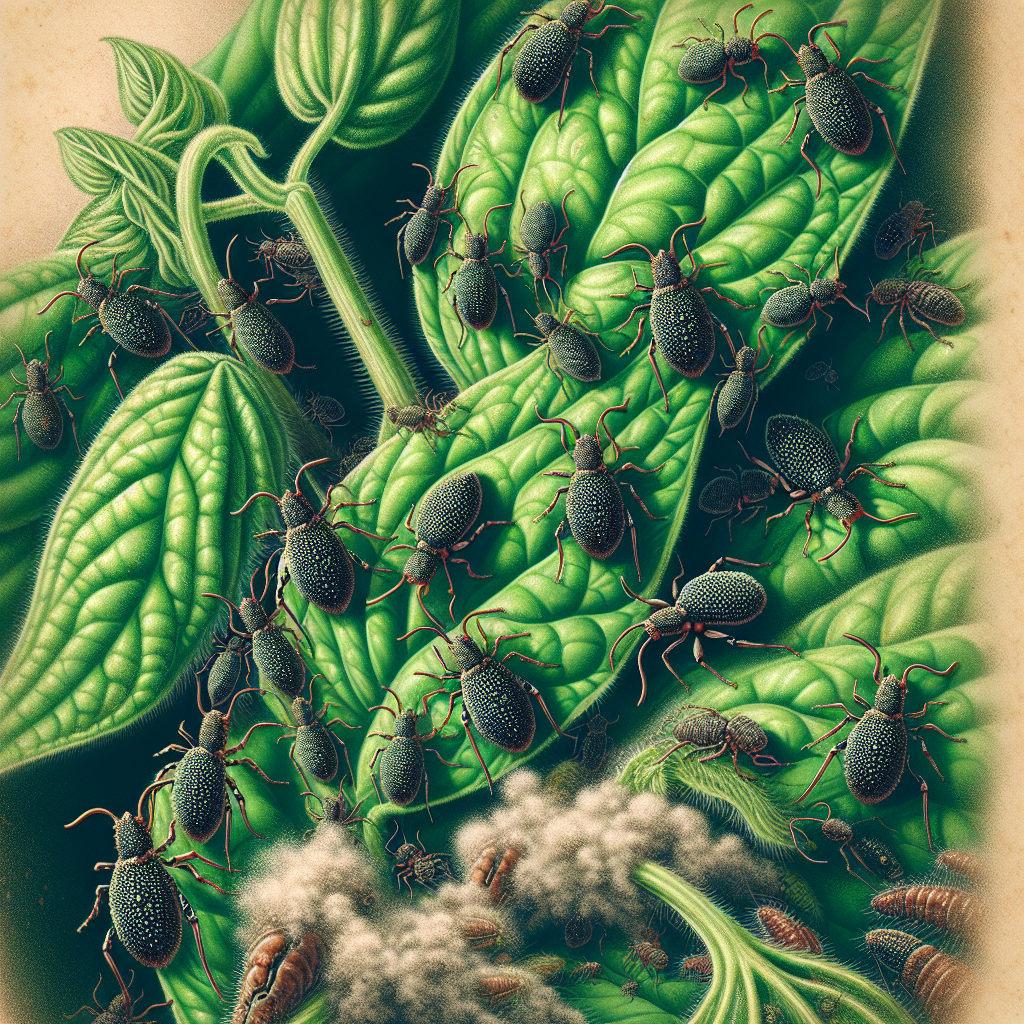
Diagnosing bean aphid infestations starts with keen observation of subtle early signs progressing to severe damage. Initial symptoms include clustered colonies of tiny, dark green to black aphids (1-2mm long) on new growth, particularly leaf undersides, stems, and shoot tips. Affected leaves curl upward, becoming brittle and chlorotic (yellowing), as aphids inject toxins while feeding. Stunted plants exhibit reduced internode length, dwarfed growth, and fewer pods. A telltale sign is honeydew—a sticky, sugary exudate coating leaves, stems, and soil below, often attracting ants and fostering sooty mold fungus, which blackens foliage and reduces photosynthesis by up to 30%. Severe infestations cause pod deformation, seed shriveling, and up to 70% yield loss in snap beans. Distinguish from other pests like mites (speckled damage) or whiteflies (winged, powdery appearance). Use a 10x hand lens to confirm pear-shaped bodies with cornicles (tail pipes). Scout weekly from seedling stage, focusing on field edges where aphids first colonize. In companion plantings, check nearby peas or soybeans for spillover. Economic threshold: 50 aphids per trifoliate leaf warrants action. Document with photos for tracking progression, aiding precise interventions.
Lifecycle and Progression of bean
Bean aphids complete their lifecycle in 7-10 days under optimal conditions (20-25°C), enabling 10-15 generations per season. Overwinter as eggs on primary hosts like spindle trees (Euonymus europaeus), hatching in spring as wingless females (viviparous parthenogenesis). Fundatrices (stem mothers) migrate to beans via wind or ants, producing 50-100 nymphs each over 2-3 weeks. Nymphs (4 instars) mature in 5-7 days, all female clones until stress triggers alates (winged forms) for dispersal. Peak populations coincide with bean flowering and pod set. Late-season males appear, mating on secondary hosts before eggs overwinter. Progression: Eggs (winter) → Nymphs (colonize) → Wingless females (peak damage) → Alates (spread) → Sexual forms (decline). Cold (<10°C) or heat (>30°C) slows reproduction; humidity >70% accelerates outbreaks. Understanding this holocyclic or anholocyclic cycle (egg-free in tropics) informs timing: target nymphs for maximum control impact. Monitor with yellow sticky traps (10-20 per acre) to track alate flights, predicting influxes 7-10 days ahead.
Environmental Triggers & Risk Factors
Bean aphid outbreaks surge with specific environmental cues and farm practices. Warm springs (15-25°C) with mild winters trigger early egg hatch and rapid nymphal development. High nitrogen fertility promotes tender, succulent growth ideal for aphid feeding, increasing susceptibility by 40%. Dense plantings (>20cm spacing) create humid microclimates favoring colonization. Nearby wild hosts like fava or clover serve as reservoirs. Ants exacerbate by farming aphids for honeydew, protecting them from predators—disrupt trails to reduce risk. Drought stress weakens plants, making them more attractive; irrigate evenly to build resilience. Crop rotation gaps with non-hosts like corn or wheat break cycles. Volunteer beans or weeds harbor overwintering populations. In organic systems, lack of broad-spectrum sprays allows buildup. Regional risks: High in UK, East Africa during monsoons; low in arid zones. Climate change extends seasons, boosting generations. Assess farm risk via history: prior infestations double odds. Use weather data for forecasts—thunderstorms disperse alates.
Organic Control & Treatment Plans
Organic management emphasizes integrated pest management (IPM) layering cultural, biological, and mechanical tactics for 80-90% control without synthetics. Cultural: Rogue infested plants early; overhead irrigate to dislodge aphids (strong jet, weekly). Interplant with aphid-repellent marigold or nasturtiums. Biological: Release ladybugs (Hippodamia convergens, 1,500/acre) or lacewings (Chrysoperla carnea), which devour 50 aphids/day. Parasitic wasps (Aphidius colemani) mummify hosts— inoculative releases at first sighting. Encourage native predators via flowering borders. Mechanical: Strong water blasts (200 psi) reduce populations 70%; vacuum hand-held for small plots. Botanicals: Neem oil (0.5% azadirachtin) or insecticidal soap (1-2% potassium salts) smother on contact—apply evenings, 3-5x at 7-day intervals. Pyrethrum for knockdown. Rotate to prevent resistance. Threshold-based plans: Scout 20 sites/acre; treat at 100 aphids/leaf. Combine with reflective mulches to deter alates. For heavy infestations, prune tips. Monitor efficacy weekly; expect 2-4 weeks for predator establishment. Success stories show 95% control in beans via IPM vs. 40% untreated.
Preventing bean in the Future
Long-term prevention hinges on breaking lifecycles and enhancing resilience. Rotate beans with non-legumes (e.g., potato, grains) for 2-3 years, eliminating host reservoirs. Select resistant varieties like 'Provider' bush bean. Plant early to avoid peak flights; use row covers until flowering. Maintain balanced fertility—avoid excess N (soil test annually). Destroy crop debris and control weeds/volunteers pre-planting. Ant baits (boric acid) sever mutualism. Border traps (yellow boards with oil) capture alates. Enhance biodiversity: Hedge with yarrow, thyme for predators. Solarize soil pre-season kills eggs/nymphs. Monitor overwintering hosts nearby; eradicate if feasible. Seed treatments with Beauveria bassiana fungi. Farm-wide IPM plans integrate these, reducing incidence 70%. Track via logs; adjust yearly. For small farms, predictive tools optimize timing—see Why Timing Kills Small Farm Profits - And How AI Task Scheduling Saves Your Harvests. Vigilance ensures bean-free seasons.
Crops Most Affected by bean
Bean aphids primarily target legumes but spillover to 50+ hosts. Top victims: Common beans (Phaseolus vulgaris), fava broad bean, peas, soybeans, chickpeas. Broad beans suffer 60% yield loss; spinach, beets secondary. Ornamentals like roses, spindle tree reservoirs. In polycultures, impacts kidney bean, pinto bean, black bean. Global: Critical in green beans, edamame. Avoid monocrops; diversify.