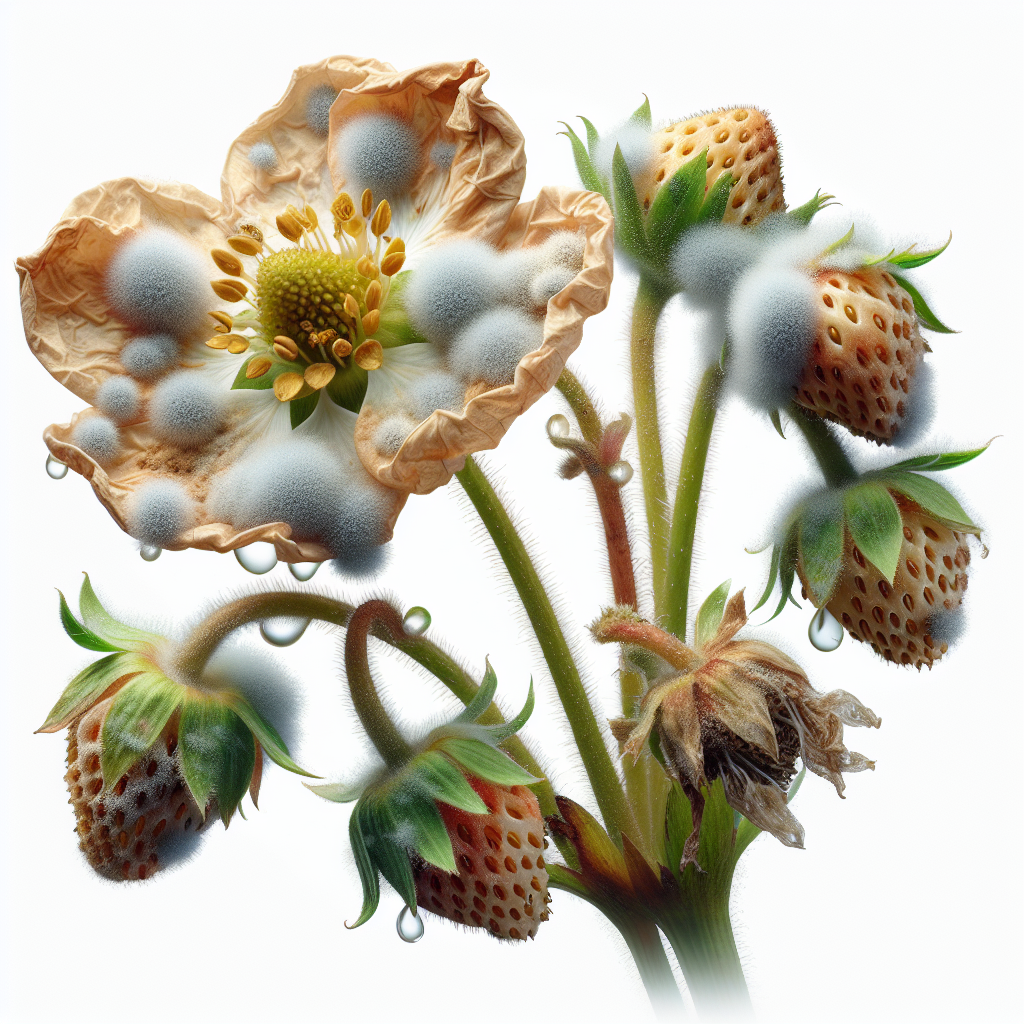
Introduction to botrytis-like flower blights
Botrytis-like flower blights refer to a spectrum of fungal diseases that mimic the symptoms of Botrytis gray mold but are caused by various necrotrophic fungi targeting floral tissues. Primarily affecting blossoms, buds, and young fruits, these diseases are notorious in high-value crops like strawberries, grapes, and stone fruits. The term 'botrytis-like' distinguishes them from classic Botrytis cinerea while acknowledging similar fluffy gray sporulation, petal blight, and rapid tissue decay.
These blights pose a major threat to commercial growers and home gardeners alike, potentially wiping out entire flower clusters in days under favorable conditions. Unlike leaf or fruit rots, flower blights specifically attack reproductive structures, disrupting pollination, fruit set, and marketability. Understanding their pathology is crucial for implementing timely interventions. Common culprits include Botrytis spp., Sclerotinia sclerotiorum, and Monilinia species, each with nuanced host preferences but overlapping environmental needs. For more on related gray mold issues, see our guide on Botrytis gray mold.
In agricultural settings, losses can exceed 50% in untreated fields, particularly during bloom periods. This guide provides diagnostic criteria, lifecycle insights, organic management strategies, and prevention tactics tailored for small farms and intensive production. Early scouting and sanitation form the backbone of integrated disease management (IDM).
Identifying Symptoms & Damage
Symptoms of botrytis-like flower blights typically emerge during flowering, starting with subtle water-soaking on petals. Infected tissues turn translucent, then brown or tan, often with a velvety gray mold under humid conditions. Petals wilt, collapse, and mummify, emitting a musty odor from fungal mycelium.
Key diagnostic features include:
- Petal Blight: Discrete lesions expand rapidly, covering entire flowers. In strawberry, flowers collapse into mushy masses.
- Gray Sporulation: Abundant conidia (spores) form fuzzy patches, especially at night or in dew.
- Bud Infection: Unopened buds fail to expand, turning black and dropping.
- Fruitlet Impact: Infected calyces lead to misshapen or aborted young fruits.
Damage extends beyond aesthetics: blighted flowers fail to set fruit, reducing yields by 20-80%. Secondary spread to foliage causes leaf blights, while mummified flowers serve as inoculum sources. Differentiate from bacterial blights by the absence of oozing and presence of mycelium. Use a hand lens to confirm branching conidiophores typical of Botrytis-like fungi.
In severe cases, entire inflorescences rot, as seen in grapes where rachis blighting leads to bunch collapse. Economic impact is amplified in ornamentals, where marketable blooms are lost. Photograph symptoms for lab confirmation if unsure, comparing to powdery mildew (white, powdery) or anthracnose (sunken lesions).
Lifecycle and Progression of botrytis-like flower blights
These fungi are polycyclic, producing multiple infection cycles per season. Survival occurs as sclerotia (hard resting bodies) in soil, on debris, or mummified flowers. In spring, sclerotia germinate under cool, moist conditions (10-20°C, >90% RH), releasing ascospores or conidia that infect senescing petals.
Primary infections establish on flower debris. Conidia spread via wind, splashing rain, or tools, germinating in 4-6 hours on wet surfaces. Optimal infection requires 12+ hours leaf wetness. Inside tissues, mycelium ramifies, producing more conidia in 3-5 days. Progression accelerates in dense canopies with poor airflow.
Late-season, flowers mummify, forming sclerotia for overwintering. In raspberry, Monilinia species produce gum-like exudates embedding spores. Disease triangles (virulent pathogen + susceptible host + conducive environment) drive epidemics. For small farms, check our Spring Pest Patrol blog post for timing alerts.
Environmental Triggers & Risk Factors
Cool temperatures (15-22°C) combined with high humidity (>85% RH) and prolonged leaf wetness (>8 hours) are prime triggers. Nighttime fog or morning dew exacerbates spread. Poor air circulation in dense plantings traps moisture, while overhead irrigation splashes inoculum.
Risk factors include:
- Crop Stress: Nutrient deficiencies, especially potassium, weaken defenses.
- Wounding: Hail, insects like thrips, or mechanical injury provide entry.
- Dense Planting: Overcrowding limits drying.
- Senescence: Dying petals are highly susceptible.
In peach orchards, bloom coinciding with wet springs spikes incidence. Soilborne sclerotia activate post-rain. Avoid planting in low-lying frost pockets where cold air lingers, prolonging wetness.
Organic Control & Treatment Plans
Organic management emphasizes cultural, biological, and approved biorational sprays. No single cure exists; integrate multiple tactics.
- Sanitation: Remove and destroy blighted flowers daily. Deep plow debris to bury sclerotia.
- Airflow: Prune for 20-30% canopy openness. Space plants per variety guidelines.
- Biologicals: Apply Trichoderma spp. or Bacillus subtilis (e.g., Serenade) pre-bloom. These antagonize pathogens via competition and antibiosis.
- Biorationals: Potassium bicarbonate or sulfur sprays disrupt spore germination. Neem oil deters sporulation.
- Resistant Varieties: Select cultivars like 'Seascape' strawberry.
Treatment timeline: Scout weekly during bloom. At first symptoms, apply biofungicide + prune. Repeat every 7-10 days if wet. Test soil pH (6.0-7.0) and amend with compost for resilience. Avoid copper in sensitive crops to prevent phytotoxicity.
For cherry, combine with brown rot blossom blight strategies. Monitor with weather stations for wetness hours.
Preventing botrytis-like flower blights in the Future
Prevention hinges on breaking the disease triangle:
- Site Selection: Choose well-drained, sunny locations.
- Crop Rotation: Avoid 2+ years on susceptible crops.
- Mulching: Use straw to suppress splash.
- Fertility: Balance NPK; excess nitrogen promotes succulent tissue.
- Irrigation: Drip only; time for midday drying.
- Monitoring: Use sticky traps for spore counts.
Build soil microbial diversity with cover crops like clover. Scout pre-bloom and apply preventative biofungicides. In greenhouses, ventilate and use HAF fans. Long-term, breed for resistance and integrate with IPM for aphids vectors.
Crops Most Affected by botrytis-like flower blights
Floral crops bear the brunt:
- Berries: Strawberry, blueberry, raspberry.
- Stone Fruits: Peach, cherry, plum.
- Pome Fruits: Apple, pear.
- Grapes: Grapes, especially tight clusters.
- Vegetables: Tomato, cucumber.
- Ornamentals: Roses, gerbera, cyclamen.
Yield losses peak in humid regions. Tailor strategies to host; e.g., open-center prune peach for drying.