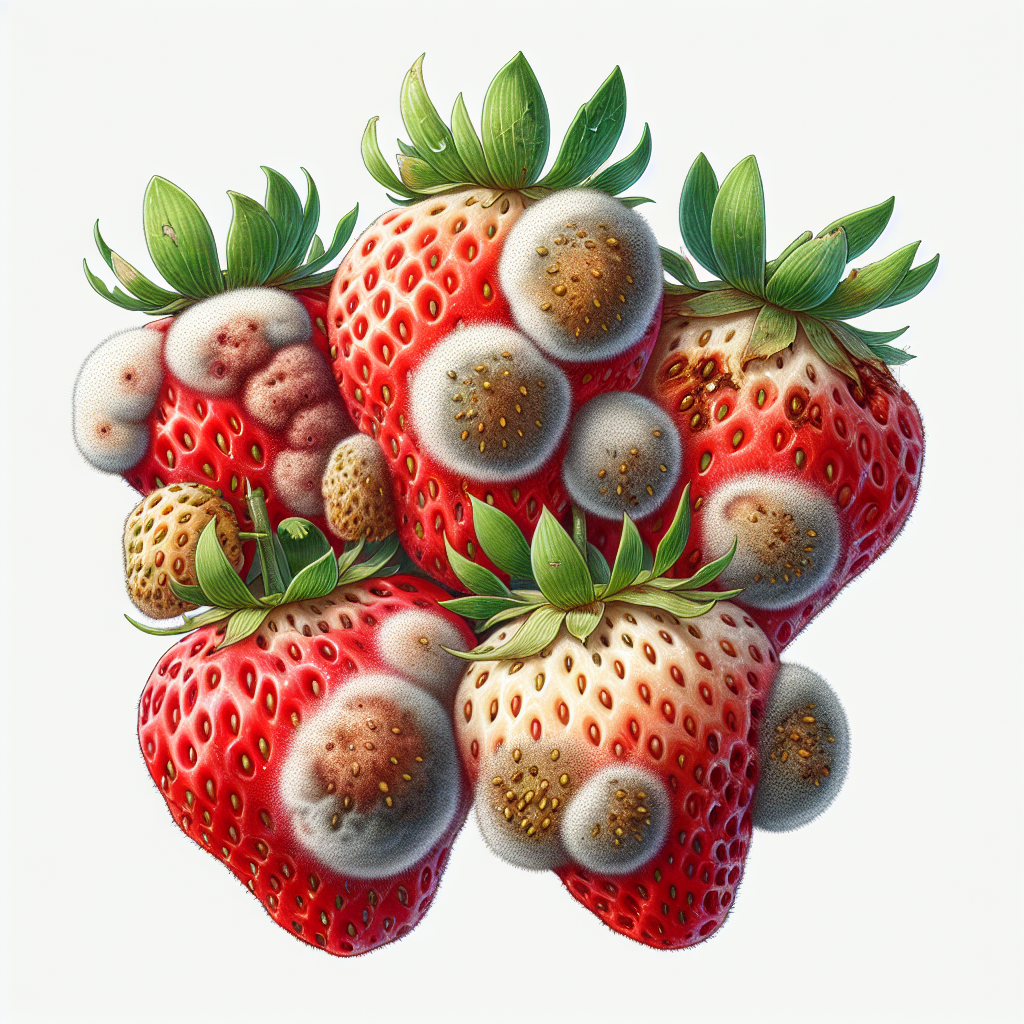
Introduction to Botrytis fruit rot (gray mold)
Botrytis fruit rot, universally recognized as gray mold, represents one of the most destructive fungal pathogens in agriculture, caused by the fungus Botrytis cinerea. This necrotrophic fungus attacks over 200 plant species, with devastating impacts on high-value fruit crops. It invades wounded or senescing tissues, producing abundant grayish spores that give the disease its characteristic name. In commercial settings, gray mold can cause 20-80% yield losses in susceptible crops like strawberry, grape, and tomato under favorable conditions. The pathogen's ability to produce mycotoxins and survive as sclerotia or on crop debris makes it a persistent challenge for growers worldwide.
Understanding Botrytis fruit rot is crucial for sustainable farming, as it not only reduces marketable yield but also accelerates post-harvest decay. Early detection and integrated management are key to minimizing economic losses, which can exceed millions annually in berry production alone. This guide provides professional-grade diagnostics, lifecycle insights, organic treatments, and prevention strategies tailored for small to medium-scale operations. By focusing on environmental manipulation and biological controls, farmers can achieve resilient crops without synthetic chemicals. For deeper insights into related fungal issues, explore Botrytis gray mold.
Gray mold's opportunistic nature means it exploits plant stress from pests like aphids or environmental extremes, underscoring the need for holistic farm management. Recent studies highlight its adaptation to fungicides, emphasizing cultural and organic approaches for long-term control.
Identifying Symptoms & Damage
Accurate diagnosis of Botrytis fruit rot hinges on recognizing its hallmark signs across plant parts. Initial symptoms appear as water-soaked lesions on fruits, blossoms, or stems, often at injury sites from mechanical damage, insect feeding, or hail. These spots expand rapidly, turning tan to brown with a fuzzy gray mold layer under high humidity—the sporulating mycelium of B. cinerea. Affected fruits become soft, shrivel, and emit a musty odor as rot progresses inward.
On berries like strawberry or raspberry, entire clusters rot, with gray spores visible on calyces and pedicels. In tomato, stem lesions girdle plants, causing wilting above the infection site, while fruit rot starts at the stem end. Grape bunches show brown, shriveled berries covered in gray fuzz, often mistaken for powdery mildew. Differentiate by microscopy: Botrytis conidia are single-celled, branched chains, unlike other molds.
Damage extends beyond aesthetics—rotted fruits leak juices, fostering secondary pathogens like Pythium or bacteria. Yield losses stem from unmarketable produce, with post-harvest spread contaminating storage bins. In greenhouses, high humidity amplifies spread via air currents, affecting cucumber and lettuce. Inspect regularly during flowering and fruit set; confirm via lab culture on selective media like potato dextrose agar, where gray mycelium grows abundantly.
Lifecycle and Progression of Botrytis fruit rot (gray mold)
Botrytis cinerea completes its lifecycle in 5-7 days under optimal conditions, perpetuating through multiple cycles per season. Conidia, the primary inoculum, germinate in free water (dew, rain) at 15-25°C, penetrating via wounds or natural openings. Mycelium ramifies within tissues, producing enzymes that dissolve cell walls, leading to rot. Sporulation follows, releasing billions of airborne conidia for secondary infections.
Survival structures include sclerotia—hard, black resting bodies in soil or debris—and mycelium in mummified fruits. Overwintering occurs on crop residues, weeds, or greenhouse surfaces. In spring, sclerotia germinate to conidia or apothecia under moist conditions. Progression accelerates post-flowering: petals senesce, providing entry points; high spore loads infect developing fruits.
Epidemics build exponentially with prolonged leaf wetness (>12 hours) and moderate temperatures. In grape, bunch rot peaks near veraison; in strawberries, during fruit ripening. Monitor with spore traps for early warnings. Lifecycle interruption via debris removal breaks the cycle effectively.
Environmental Triggers & Risk Factors
Gray mold flourishes in cool (15-20°C), humid (>90% RH) conditions with leaf wetness periods exceeding 8-12 hours. Poor air circulation in dense canopies traps moisture, elevating risk. Overhead irrigation splashes spores, while rain dilutes fungicides. Nighttime humidity spikes favor infection, as conidia germinate best in dark.
Crop-specific risks include tight clusters in grape or blueberry, where berries touch, spreading rot. Wounds from thrips, hail, or pruning invite entry. Nutrient imbalances, like excess nitrogen, produce succulent tissues prone to infection. Soilborne sclerotia activate in wet springs. Greenhouses amplify risks with stagnant air; outdoor fields suffer post-rainy spells.
Climate change extends humid periods, intensifying outbreaks. For small farms, monitor microclimates using hygrometers. Avoid planting in low-lying frost pockets where dew lingers.
Organic Control & Treatment Plans
Organic management integrates sanitation, biologicals, and approved fungicides. Start with cultural practices: remove infected debris promptly, prune for airflow (20-30% canopy openness), and space plants adequately. Apply mulch to suppress splash dispersal. Use drip irrigation to minimize wetting.
Biological controls shine: Trichoderma harzianum and Bacillus subtilis outcompete Botrytis, applied pre-bloom (e.g., Serenade). Streptomyces (Actinovate) colonizes wounds. Companion plants like thyme release volatile fungicides. For active infections, copper-based sprays (e.g., Bordeaux mix) or sulfur (post-bloom) halt spread, with 7-10 day intervals.
Potassium bicarbonate raises pH, inhibiting germination. UV reflectors in tunnels reduce sporulation. Rotate with non-hosts; solarize soil to kill sclerotia. In storage, rapid cooling to 0°C and 90-95% RH with ventilation curbs post-harvest rot. Scout weekly; threshold: 5% bloom infection triggers sprays.
Check out Spring Pest Patrol: Organic AI Strategies to Shield Your Crops from Common Invaders for complementary tactics. Integrate with resistance breeding—varieties like 'Seascape' strawberry show tolerance.
Preventing Botrytis fruit rot (gray mold) in the Future
Prevention forms the cornerstone of gray mold management, emphasizing proactive strategies. Select resistant cultivars: 'Albion' strawberry, 'Reliance' grape. Site selection avoids shade and poor drainage; elevate beds 6-12 inches. Prune annually to enhance ventilation, removing dead wood.
Timing is critical: apply preventative biofungicides at 10-20% bloom. Foster biodiversity with cover crops like clover to regulate microclimate. Monitor weather for wetness forecasts; withhold overhead water during risks. Post-harvest, destroy volunteers and weeds hosting Botrytis.
Greenhouse protocols: vent daily, use fans, sterilize tools. Soil health via compost boosts systemic resistance. Long-term, rotate crops 2-3 years; fumigate high-risk fields organically with mustard amendments. Track via apps for predictive modeling. Consistent prevention yields 90% control, slashing chemical needs.
Crops Most Affected by Botrytis fruit rot (gray mold)
Botrytis fruit rot plagues soft fruits and vegetables globally. Top victims include strawberries (up to 50% losses), grapes (bunch rot epidemics), tomatoes (stem and fruit decay), raspberries, blackberries, blueberries, and cherries. Greenhouse crops like cucumbers and peppers suffer blossom-end rots. Bulb crops such as onions and garlic show neck rot, while lettuces develop gray stem lesions.
Ornamentals and herbs aren't spared, but economic hits center on berries: strawberry clusters rot entirely; grape berries shrivel pre-harvest. Emerging threats in kiwis and avocados underscore its polyphagous nature. In wheat and soybeans, it causes minor head blights, but fruits bear the brunt. Tailor prevention to high-risk crops for optimal ROI.