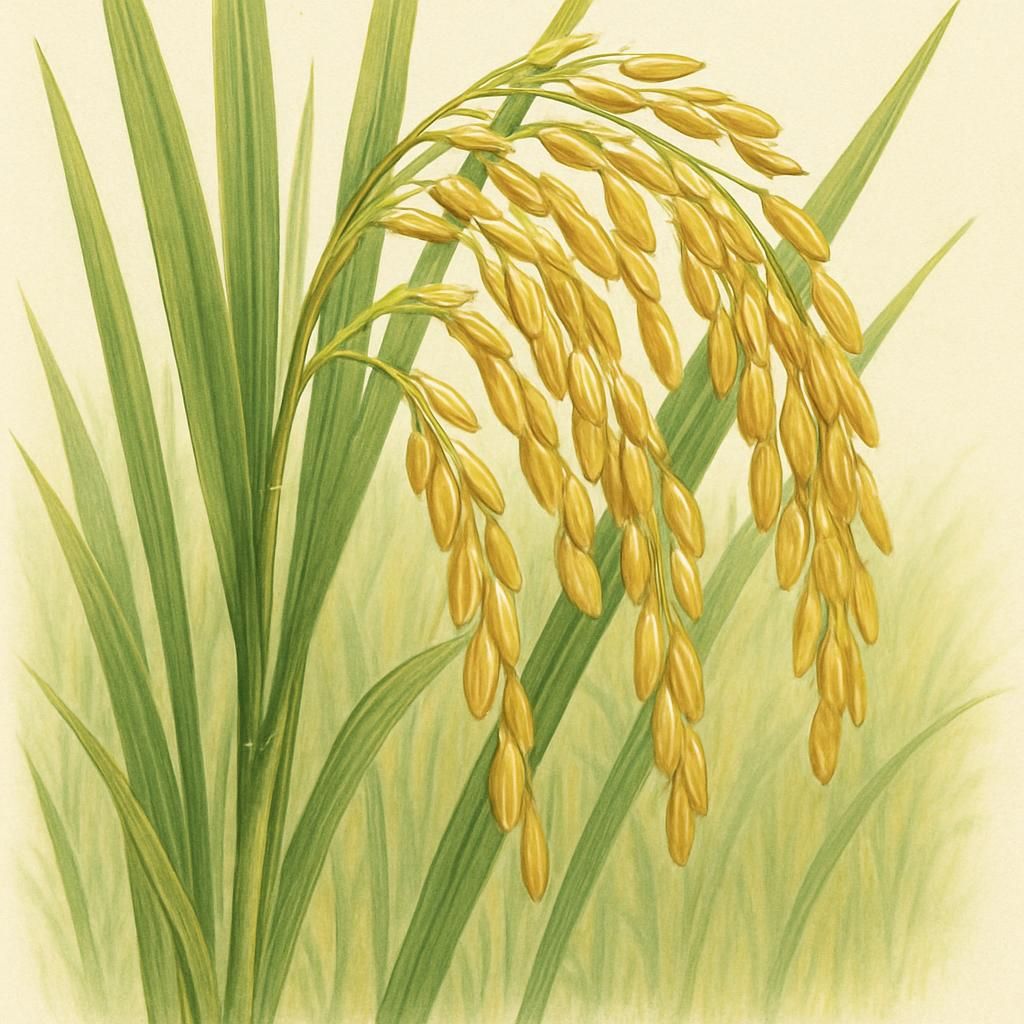
Introduction to Thuyamalli Rice
Thuyamalli Rice is a revered variety of aromatic rice originating from Tamil Nadu, India. This traditional rice variety is hailed for its delicate fragrance, unique flavor, and exceptional nutritional profile. Historically cultivated by local farmers, Thuyamalli Rice remains a sought-after ingredient in South Asian cuisine, valued for its ability to complement a wide range of dishes.
Botanical Profile of Thuyamalli Rice
Scientifically classified as Oryza sativa 'Thuyamalli', this rice variety belongs to the Poaceae family. Thuyamalli Rice is characterized by its medium to long grains, slightly yellowish hue, and distinctive aromatic properties, likely influenced by the natural terroir of its growing region.
Soil, pH, and Climate Requirements for Thuyamalli Rice
To grow Thuyamalli Rice successfully, it is imperative to consider the soil, pH, and climate conditions as outlined below:
| Factor | Ideal Condition |
|---|---|
| Soil Type | Clay loam with good water retention capabilities |
| Soil pH | 5.5 - 6.5 (slightly acidic to neutral) |
| Climate | Tropical to subtropical with temperatures 25°C - 30°C |
| Rainfall | 1000mm - 1200mm annually |
Understanding these requirements ensures optimal growth and yield for Thuyamalli Rice.
Step-by-Step Planting & Propagation
Planting Thuyamalli Rice follows a series of carefully timed steps:
- Land Preparation: Begin with plowing and leveling the field to ensure adequate water retention.
- Seed Bed Preparation: Create a nursery bed for seed propagation. Prior to sowing, soak seeds in water overnight to invigorate germination.
- Transplantation: 15-20 days post germination, when seedlings have 4-5 leaves, transplant them to the main field. Maintain 20-25 cm spacing between plants to facilitate growth.
- Irrigation: Implement a flood irrigation system, keeping the field consistently moist but not waterlogged.
Care & Maintenance Regimes for Thuyamalli Rice
Development and maintenance are integral to achieving quality yield.
| Activity | Schedule |
|---|---|
| Watering | Regular watering; keep fields flooded during growth |
| Fertilization | Apply NPK fertilizer in 3 stages: planting, tillering, and grain filling |
| Pruning | Not applicable |
Regular monitoring mitigates nutrient deficiencies that may affect rice quality.
Pests, Diseases & Organic Management
Thuyamalli Rice is vulnerable to several pests and diseases, including Spider Mites and bacterial blight.
- Spider Mites: In dry conditions, Spider Mites can affect leaves, causing spotty yellowing.
- Organic Management: Use natural predators, neem oil, and intercropping to manage these pests effectively.
For further in-depth strategies on pest management, visit our blog post on Crop Diseases Under the Microscope: 9 Organic Fixes for Small Farm Resilience.
Harvesting, Curing & Optimal Storage
- Harvesting: Typically takes place around 4-5 months post planting when grains are fully mature and golden in color.
- Curing: Dry harvested rice under the sun for a day or two to reduce moisture to about 14%.
- Storage: Store rice in a cool, dry place to prevent mold and pest infestation. Utilize airtight containers to maintain freshness.
Companion Planting for Thuyamalli Rice
Companion planting is beneficial in preserving soil health and deterring pests naturally. Suitable companion plants include:
- Legumes: Fix nitrogen levels in the soil, enhancing rice growth.
- Marigolds: Act as a deterrent to nematodes and other pests.
Evaluate the balance between different species in intercropping systems to maximize yield potential. For an elaborate discussion, check out Spring Companion Planting: 8 Organic Pairings to Maximize Small Farm Yields.